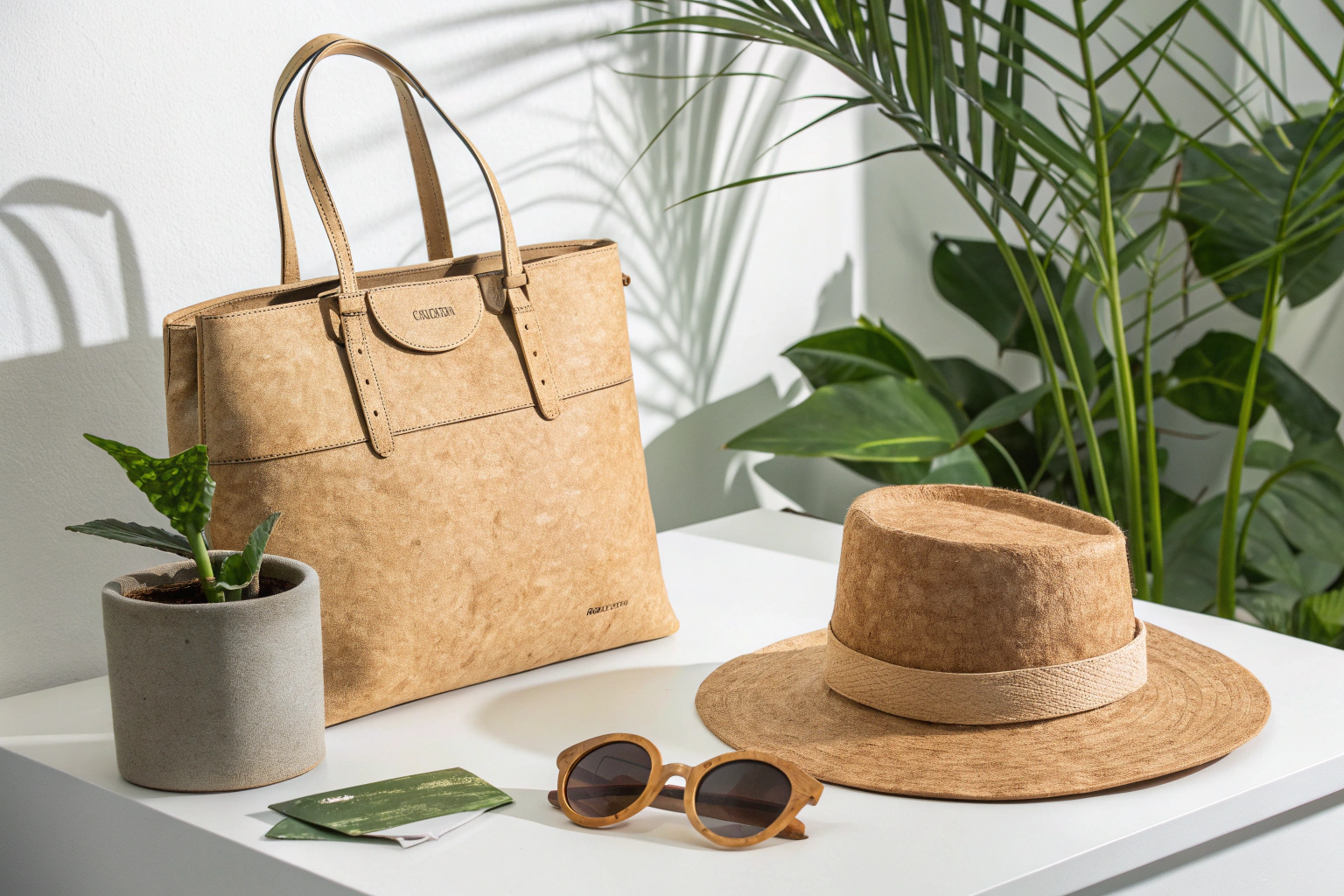
The question comes up in almost every client meeting now. Buyers from major European chains ask about our sustainability credentials. American brands want to know our recycled material sources. Even small online stores mention eco-friendly packaging in their requests. Five years ago, these conversations were rare. Today, they are essential.
The latest innovations in sustainable fashion accessories include bio-based materials like pineapple leather and apple peel fabric, recycled ocean plastics transformed into bags and accessories, circular design principles that enable easy repair and recycling, and low-impact dyeing technologies that eliminate water pollution. These innovations allow brands to reduce environmental impact without compromising style or quality.
At Shanghai Fumao Clothing, we have watched this transformation happen from our factory floor. We invested early in sustainable material sourcing and production methods. We partnered with innovative material suppliers. We trained our teams on new quality standards for recycled materials. Today, sustainability is not a special project for us. It is woven into everything we do. Let me share what we have learned about the innovations shaping our industry’s future.
What Bio-Based Materials Are Transforming Accessories?
The most exciting developments in sustainable accessories come from plants. Not just traditional cotton or linen, but materials you would never expect. Fruit waste, mushroom roots, and agricultural byproducts are becoming beautiful accessories. These innovations turn waste streams into valuable resources.
How is fruit waste becoming leather alternatives?
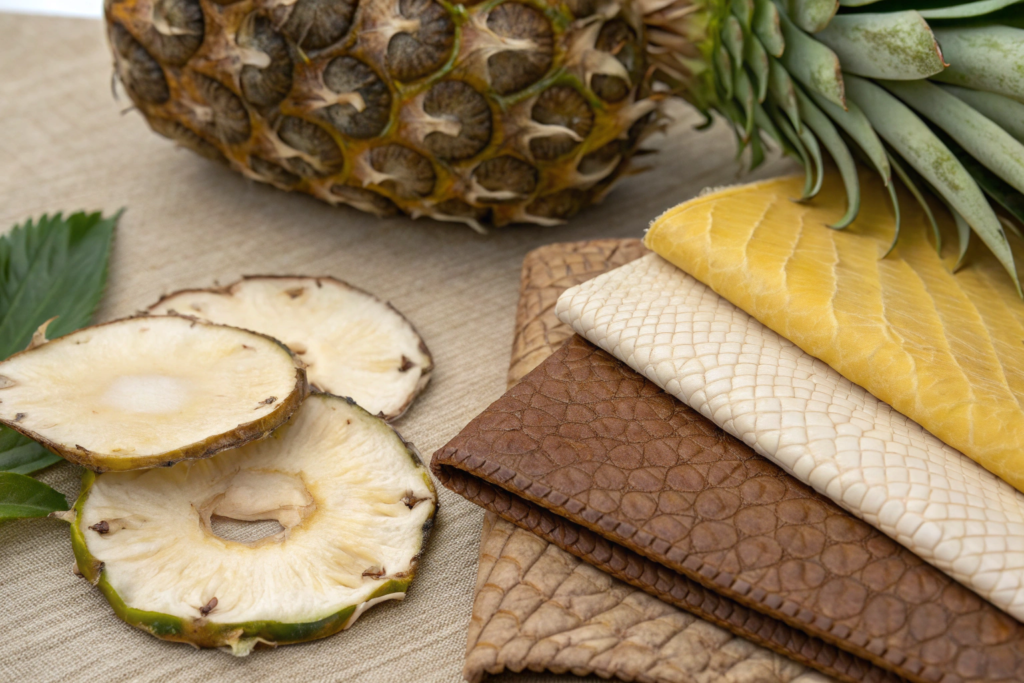
Pineapple leather, often called Piñatex, led this revolution. The material uses fibers from pineapple leaves, a waste product of the fruit industry. After harvest, farmers traditionally burned or discarded these leaves. Now they become a durable, beautiful material for bags, belts, and shoes.
Apple leather follows a similar concept. The material uses apple pomace, the pulpy residue after juicing. This waste from the food industry gets combined with a polyurethane binder to create a leather-like material. It feels soft, looks natural, and reduces agricultural waste. We have produced belts and watch straps from apple leather for European clients. The response has been overwhelmingly positive. Material Innovation Initiative tracks these developments closely. PETA-approved vegan materials certification often applies to these fruit-based leathers. Shanghai Fumao Clothing offers sampling across multiple fruit leather options.
What role do mushrooms play in accessory innovation?
Mycelium, the root structure of mushrooms, creates another revolutionary material. Companies like Bolt Threads developed Mylo, a mycelium leather grown in labs. The process takes days instead of the years required to raise animals for leather.
The material grows in trays, fed on sawdust and agricultural waste. It forms a mat that gets tanned and finished like traditional leather. The result feels remarkably similar to animal leather but with a fraction of the environmental impact. We have prototyped bags and accessories using mycelium materials for forward-thinking brands. The material still costs more than conventional options, but prices drop as production scales. Bolt Threads continues advancing this technology. We monitor mycelium innovation news to stay current with developments.
How Is Recycled Plastic Changing Accessory Manufacturing?
Plastic waste, a silent and persistent tide, represents one of our most pressing environmental challenges, choking coastlines, poisoning marine life, and lingering in ecosystems for centuries. Yet, within this seemingly insurmountable problem lies an enormous, untapped resource—a treasure trove of potential waiting to be reclaimed. Innovative companies, visionaries at the forefront of sustainable design, now transform discarded ocean plastic and recycled bottles into stunning, handcrafted accessories that breathe new life into what was once considered trash. Picture delicate necklaces woven from vibrant threads spun from melted ocean-bound plastic, each strand a testament to resilience; earrings crafted from repurposed bottle caps, their glossy surfaces catching light like tiny rainbows; and bracelets adorned with beads formed from recycled PET, smooth and cool to the touch, telling stories of redemption.
This remarkable approach not only cleans the environment, sifting pollution from our oceans and landfills, but also creates valuable, ethically sourced materials that carry both beauty and purpose. Each accessory becomes a wearable statement, a fusion of artistry and activism, reminding us that even the most daunting challenges can be turned into something extraordinary—something that heals the planet while inspiring hope and change.
What happens to ocean plastic collected from beaches?
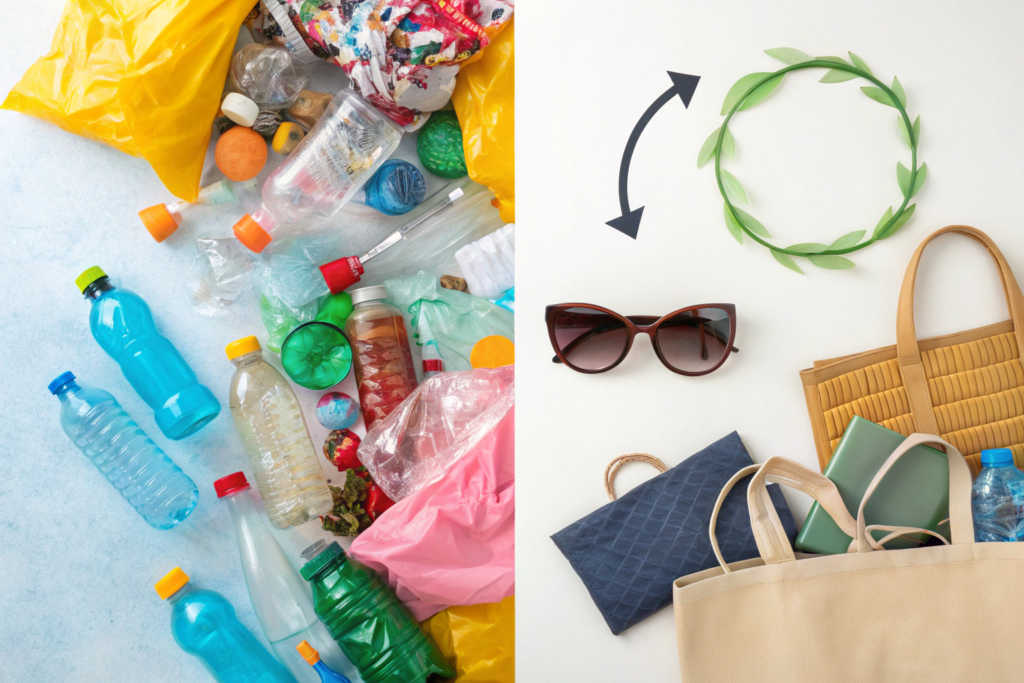
Ocean plastic initiatives gather waste from coastlines before it can break down into microplastics. This material gets cleaned, sorted, and processed into new raw material. The plastic is then spun into fiber or molded into components.
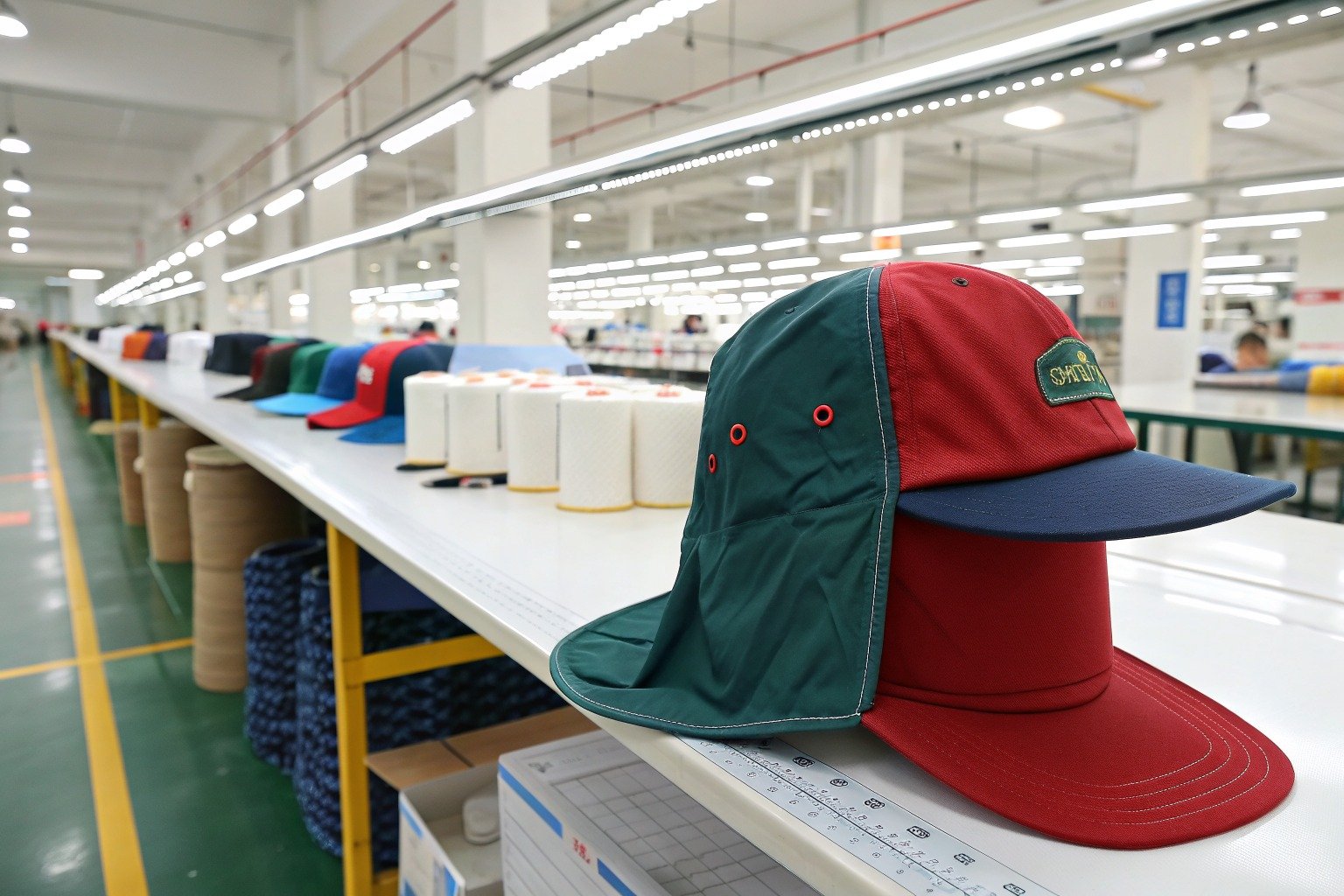
We produce bags and hats using recycled ocean plastic yarns. The material performs identically to virgin polyester but keeps plastic out of oceans. One of our clients created an entire collection around this story. Each product included information about how many bottles were diverted from the ocean. Consumers loved it. Sales exceeded projections. The Ocean Conservancy tracks these initiatives globally. Parley for the Oceans collaborates with brands on ocean plastic collections. We source certified materials through these partnerships.
How is recycled PET different from virgin polyester?
Recycled PET, or rPET, comes primarily from plastic beverage bottles. The bottles get cleaned, shredded, melted, and extruded into new fiber. This process uses significantly less energy than producing virgin polyester from petroleum.
The finished material feels identical to virgin polyester. It dyes the same way. It wears the same way. The only difference is the environmental footprint. Producing rPET creates fewer carbon emissions and keeps plastic out of landfills and oceans. We now offer rPET versions of many products including bags, hats, and even hair accessories. The cost premium has dropped significantly as recycling infrastructure expands. Textile Exchange publishes annual reports on recycled material adoption in fashion. Shanghai Fumao Clothing maintains rPET inventory for quick sampling.
What Is Circular Design And Why Does It Matter?
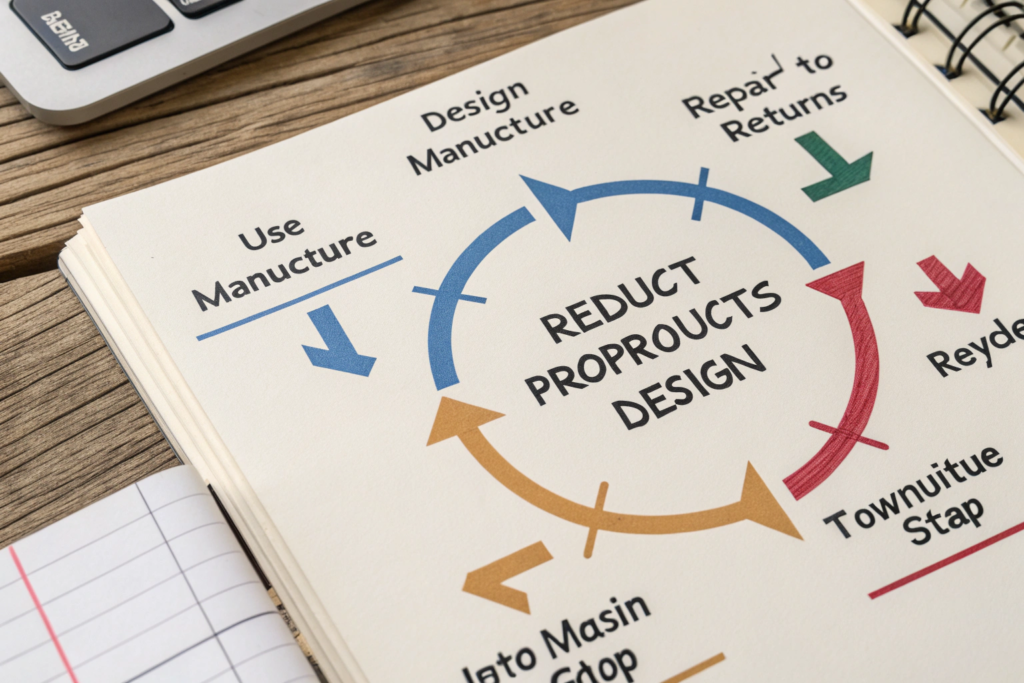
Circular design represents a fundamental shift in how we think about products, a quiet revolution that reimagines the very lifecycle of the objects we create and consume. Traditional linear design, a familiar path etched into industrial history, takes raw materials—often extracted with a roar from the earth, their extraction leaving scars on landscapes—and transforms them into products that serve their purpose, then are discarded, like autumn leaves swept away, contributing to mountains of waste that choke landfills and pollute our air and water. In stark contrast, circular design is a dance of sustainability, where materials are kept in use forever, flowing through an endless loop of creation, use, and renewal.
How do you design accessories for disassembly and repair?
Most accessories today cannot be repaired. A broken buckle means throwing away the entire bag. A torn lining means discarding the hat. Circular design changes this by making products that can be taken apart.
We work with clients to design accessories using fewer mixed materials. A bag made entirely from one material type recycles easily. Modular designs allow replacing worn components without discarding the whole product. Simple construction methods enable local repair shops to fix rather than replace. These approaches extend product life dramatically. A bag designed for circularity might last decades instead of months. The Ellen MacArthur Foundation leads thinking on circular economy principles. Their resources guide our design consultations. We also study repair-friendly design guidelines from advocacy groups.
What happens to accessories at the end of their life?
End-of-life planning should start at the beginning of design. What happens when the customer no longer wants this accessory? Can it return to a raw material stream?
Some brands now offer take-back programs. Customers return worn accessories, and the brand recycles them into new products. This requires designing with recycling in mind from the start. Mixed materials complicate recycling. Attached metal hardware prevents fabric recycling. Glued construction cannot be undone. We help clients avoid these pitfalls. Simple choices during design enable complex recovery after use. Closed Loop Partners invests in recycling infrastructure that makes this possible. We integrate their findings into our design recommendations.
What Innovations Reduce Water And Chemical Use?
Fashion’s environmental impact extends far beyond the materials that drape our bodies, weaving a complex tapestry of hidden consequences that stretch from factory floors to distant waterways. Production processes, often shrouded in the glow of industrial machinery and the hum of assembly lines, consume enormous water—millions of liters gushing through pipes to dye vibrant fabrics, soften textiles, and cool equipment, leaving behind parched landscapes and depleted aquifers in their wake.
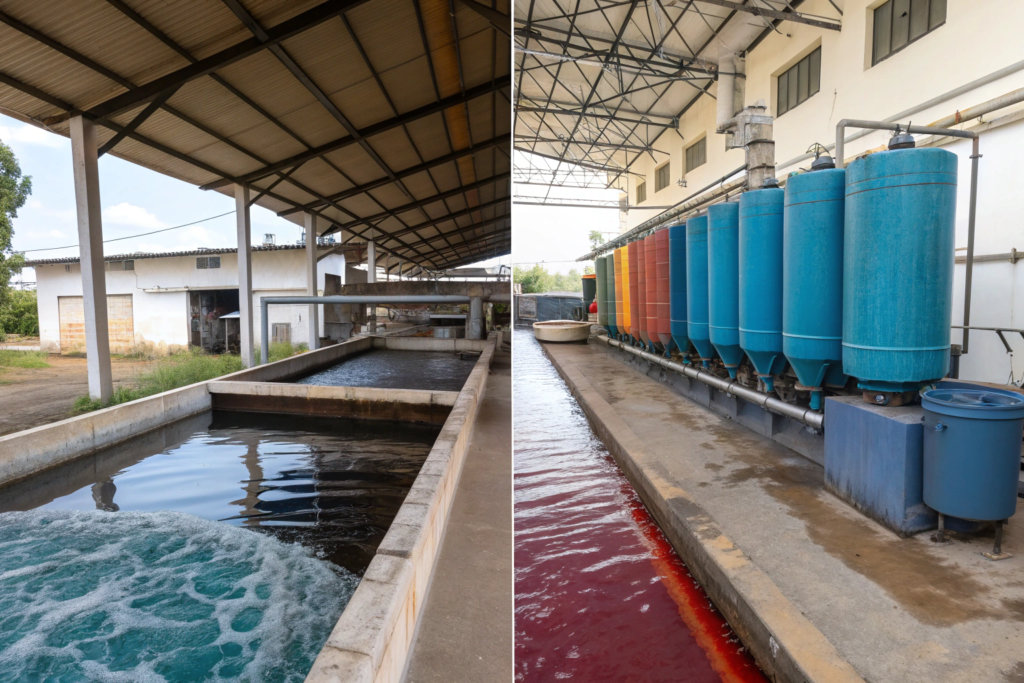
How does waterless dyeing technology work?
Traditional dyeing uses massive water volumes. Fabric moves through baths of dye, then rinse, then more rinse. The wastewater carries dyes and chemicals that must be treated before release.
Waterless dyeing technologies change this completely. Some methods use supercritical carbon dioxide instead of water. The CO₂ acts as a solvent carrying dye into fibers. After dyeing, the CO₂ returns to gas and recycles for future use. No water. No wastewater. Other methods use foam dyeing, applying dye in concentrated foam rather than liquid baths. These innovations reduce water use by up to 95 percent. We have begun partnering with mills using these technologies for clients with aggressive sustainability goals. ColorZen and DyeCoo lead in commercializing these technologies. Shanghai Fumao Clothing can connect clients with certified waterless mills.
What are low-impact and natural dyes?
Even traditional dyeing can improve through better chemistry. Low-impact dyes contain no heavy metals or toxic compounds. They require less rinsing, reducing water use. They biodegrade more completely in wastewater treatment.
Natural dyes return to popularity after a century of displacement by synthetics. Derived from plants, insects, and minerals, these dyes create beautiful, subtle colors. They avoid petroleum-based chemistry entirely. Challenges remain in color consistency and lightfastness, but innovation continues. We work with specialized dyers who have mastered natural dye techniques for clients seeking authentic sustainability stories. Natural dyes history and practice provides deep resources on this traditional craft. Textile dyeing innovations are regularly covered by industry associations.
How Do You Verify Sustainability Claims In Accessories?
Sustainability claims demand tangible proof, not just empty promises. Buzzwords like ‘eco-friendly’ and ‘green’ hang in the air as hollow echoes if they lack the solid foundation of verification. Standards and certifications act as the trusted architects of credibility, providing the rigorous verification that discerning consumers and astute retailers actively seek and demand. Third-party validation, that impartial seal of approval from independent experts, weaves a tapestry of trust around your brand, transforming vague assertions into a concrete promise that resonates with authenticity and confidence.
What certifications matter for sustainable accessories?
Global Organic Textile Standard (GOTS) leads for organic materials. It certifies both fiber content and processing standards. Products bearing GOTS labels meet strict environmental and social criteria throughout production.
Forest Stewardship Council (FSC) certification matters for paper-based packaging and rayon materials from wood pulp. It ensures raw materials come from responsibly managed forests. Bluesign certification focuses on chemical safety and environmental protection in textile manufacturing. For recycled content, Global Recycle Standard (GRS) certifies both content and processing. These certifications provide credible third-party verification. We maintain multiple certifications to serve diverse client needs. Textile Exchange offers guidance on selecting appropriate standards. Cradle to Cradle certification represents the highest level of circular material verification.
How do you avoid greenwashing in marketing?
Greenwashing damages brand trust. Exaggerated claims, vague language, or irrelevant certifications mislead consumers. When discovered, the backlash harms sales and reputation.
Honest communication starts with specific claims backed by evidence. "Made from 50 percent recycled ocean plastic" means something. "Eco-friendly" means nothing. We help clients craft accurate product stories based on real data. If a product uses recycled materials but conventional dyes, we say that. If it uses organic cotton but conventional shipping, we acknowledge trade-offs. Consumers increasingly recognize and reward this honesty. Federal Trade Commission Green Guides provide legal guidance on environmental marketing claims in the US. UK Advertising Standards Authority offers similar guidance for European markets. Shanghai Fumao Clothing reviews all client marketing claims for accuracy before production.
Conclusion
Sustainable fashion accessories have moved from niche to mainstream. Innovations in materials, design, and production now offer genuine alternatives to conventional products. Bio-based materials replace animal leathers and synthetic fabrics. Recycled plastics transform waste into resources. Circular design extends product life and enables recovery. Cleaner production reduces water and chemical impacts.
At Shanghai Fumao Clothing, we embrace these innovations because they align with our values and our clients’ needs. We invest in supplier relationships that bring new materials to market. We train our teams on circular design principles. We maintain certifications that verify our claims. The result is a capability set that helps our clients meet their sustainability goals while delivering beautiful, high-quality products.
If you are exploring sustainable accessories for your brand, I invite you to reach out. Let us discuss your goals, your materials preferences, and your timeline. We can show you what real sustainability looks like in production. For new projects and inquiries, please contact our Business Director, Elaine, directly at elaine@fumaoclothing.com. We look forward to helping you create accessories that are beautiful, responsible, and ready for the future.