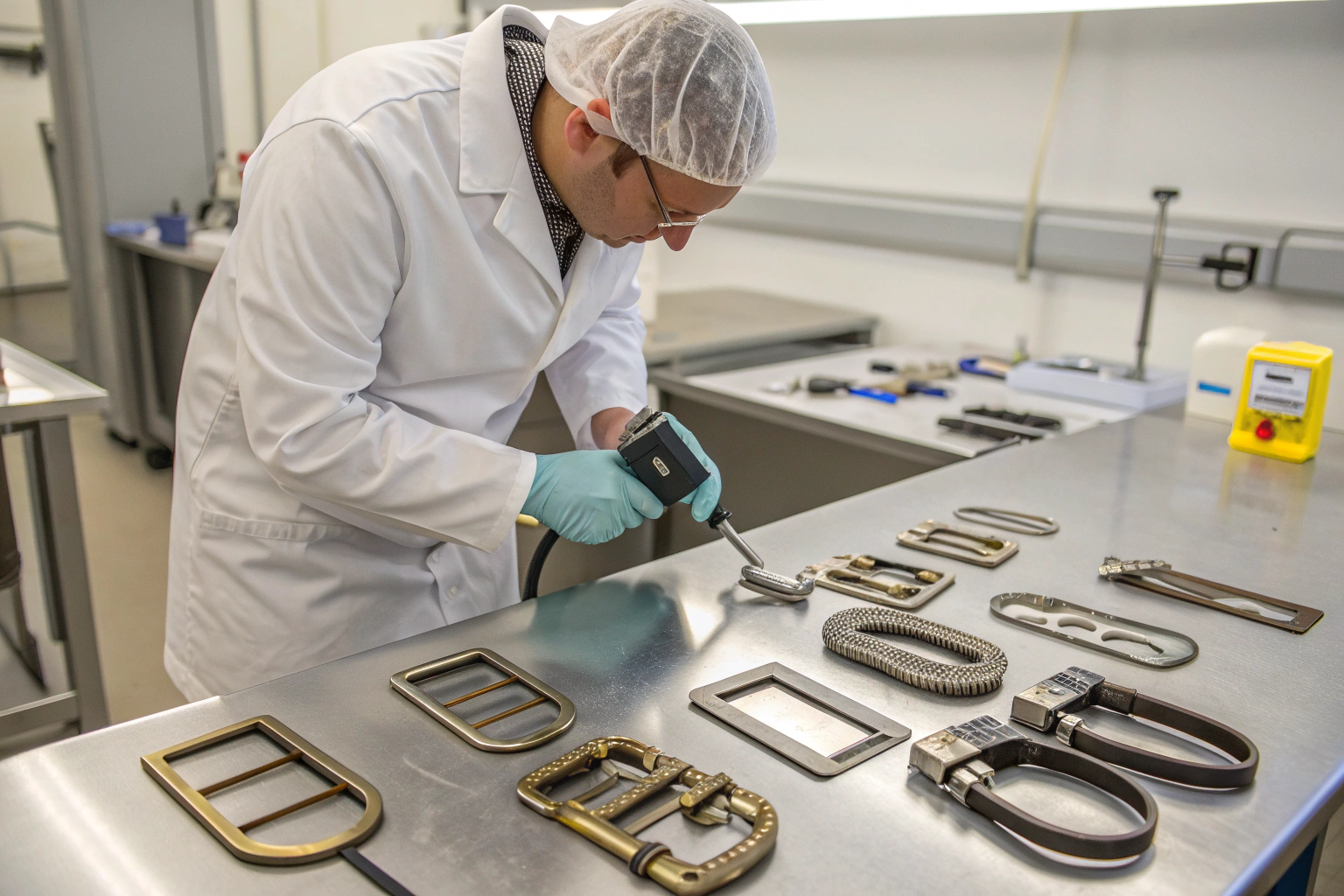
The email arrived on a Monday morning. A long-time client was in crisis. A shipment of their beautiful metal hair clips had been rejected by a major European retailer. The reason? A routine spot test showed nickel release above legal limits. The retailer’s lab found 0.6 micrograms per square centimeter per week. The legal limit in Europe is 0.5. That tiny difference cost them thousands of dollars and damaged a valuable relationship.
The industry standard for nickel-free claims in metal accessories is governed primarily by the EU Nickel Directive, now EN 1811, which sets a maximum nickel release rate of 0.5 μg/cm²/week for post-assembly products. In the US, no federal mandate exists, but ASTM standards guide testing, and major retailers enforce their own strict limits aligned with EU regulations.
I felt that client’s pain personally. At AceAccessory, we have spent years perfecting our nickel testing protocols. We learned the hard way that verbal assurances from material suppliers mean nothing. Only documented test results from accredited laboratories protect your business. Let me walk you through what these standards actually mean and how you can ensure your metal accessories comply.
What Are The Legal Requirements For Nickel In Different Markets?
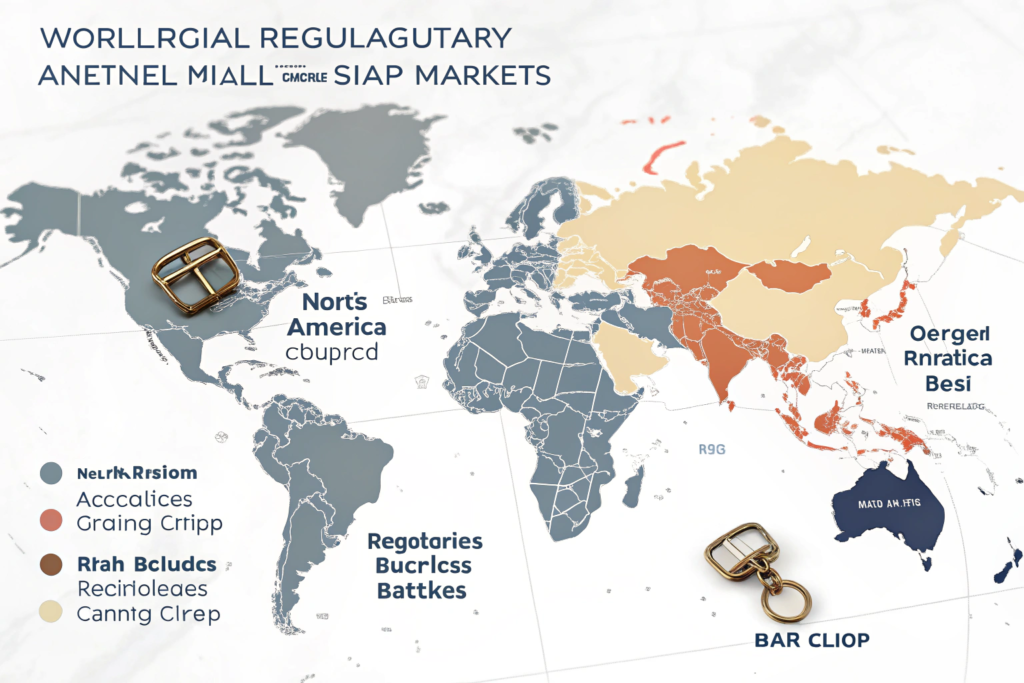
The first thing you must understand is that nickel regulations are not universal. Different markets have different rules. Some have strict laws with enforcement. Others have voluntary standards that retailers enforce privately. Navigating this landscape requires market-specific knowledge.
What does the EU Nickel Directive actually require?
The European Union leads the world in nickel regulation. Their standard, officially EN 1811, sets the strictest limits. For products intended to come into direct and prolonged contact with skin, the nickel release rate cannot exceed 0.5 micrograms per square centimeter per week. This includes earrings, necklaces, bracelets, and many hair clips that touch the scalp or skin.
The testing method matters enormously. EN 1811 specifies exactly how to measure nickel release. Products are immersed in artificial sweat solution for one week at a specific temperature. Then the solution is analyzed for nickel content. This simulates real-world conditions. A product that passes a simple surface swab test might fail this rigorous immersion test. We use SGS and Bureau Veritas for all our EU-bound shipments because their labs follow EN 1811 precisely. We also reference the Official Journal of the European Union for the latest regulatory updates.
How do US regulations differ from European standards?
The United States takes a different approach. No federal law specifically limits nickel in jewelry or accessories. The Consumer Product Safety Commission (CPSC) has broader authority over hazardous substances but has not issued a specific nickel regulation.
However, this does not mean you can ignore nickel in the US market. Major retailers like Walmart, Target, and Macy’s have their own restricted substances lists. These often mirror EU standards exactly. A product that fails EN 1811 will likely fail their internal testing. Additionally, some states like California impose their own requirements under Proposition 65. We advise all clients shipping to the US to meet EU standards regardless of destination. It simplifies your supply chain and protects against future regulatory changes. CPSC guidelines provide baseline requirements, but retailer standards are the real enforcement mechanism. Shanghai Fumao Clothing maintains a database of major retailer requirements for our clients. Learn more about our compliance approach here.
How Is Nickel Release Actually Tested In Accessories?
Testing sounds straightforward. Send samples to a lab. Get a pass or fail result. The reality is more complex. Sample preparation, testing duration, and interpretation all affect results. Understanding the process helps you avoid false failures or missed problems. Imagine the quiet hum of a laboratory, where technicians in white coats carefully handle vials of liquid, their gloved hands steady as they pipette precise amounts into sterile containers. The air smells faintly of chemicals and antiseptic, a sterile backdrop to the meticulous work ahead. Sample preparation, often overlooked, is a dance of precision: ensuring the sample is clean, properly diluted, and free from contaminants that could skew readings.

What is the EN 1811 immersion test procedure?
EN 1811 testing follows a strict protocol. First, the laboratory degreases the sample with a solvent to remove any surface oils or contaminants. Then they measure the surface area precisely. This calculation determines how much artificial sweat to use.
The sample sits in the artificial sweat solution at 30 degrees Celsius for exactly 168 hours. One week. After that, they analyze the solution using atomic absorption spectrometry or inductively coupled plasma mass spectrometry. These instruments detect nickel at extremely low concentrations. The result tells us exactly how much nickel migrated from the metal into the sweat. This number determines compliance. If it exceeds 0.5 μg/cm²/week, the product fails. The European Committee for Standardization publishes the complete EN 1811 standard for reference. We also consult ISO standards for related testing methodologies.
Why do some products pass initial screening but fail full testing?
This frustration happens frequently. A quick XRF gun test shows no nickel on the surface. The manufacturer assumes the product is safe. Then the full EN 1811 test fails. What happened?
The answer lies in plating and wear. Many accessories have a top layer of nickel-free metal over a base metal containing nickel. The XRF gun only reads the surface. EN 1811 immersion testing gradually wears through that top layer over one week. If the plating is too thin or porous, sweat reaches the nickel underneath. Nickel then migrates through the plating and into the sweat solution. The product fails despite appearing nickel-free initially. This is why we always recommend full immersion testing for any product claiming nickel-free status. Quick tests can mislead. ASTM International publishes standards for various testing methods that help explain these discrepancies.
Which Metals Are Truly Nickel-Free?
Manufacturers toss the term ‘nickel-free’ around like confetti at a summer fair, bandying it as a badge of honor for products ranging from jewelry to baby bottles. Yet beneath this marketing gloss lies a stark reality: very few metals exist in nature that are truly, unadulteratedly nickel-free. Even the purest ores, mined from the earth’s crust, often harbor minuscule, almost imperceptible traces of nickel, like hidden whispers in the geological record. These trace amounts, though infinitesimal, can be enough to trigger allergic reactions in sensitive individuals, manifesting as red, itchy rashes or persistent discomfort.
Which metals naturally contain no nickel?
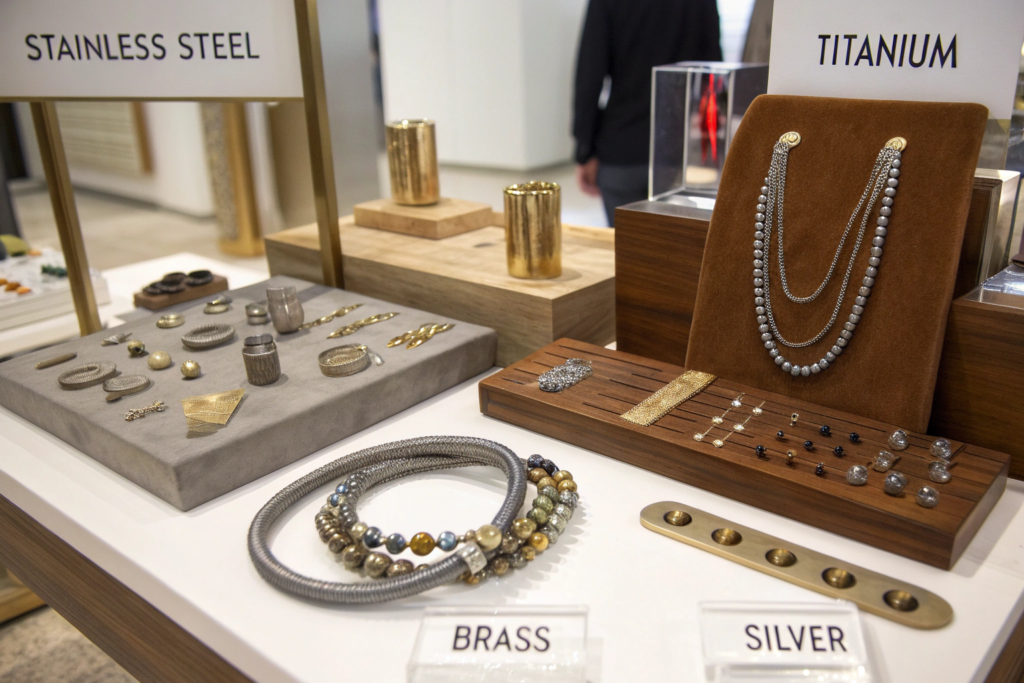
True nickel-free metals exist but cost more. Surgical grade stainless steel often contains nickel, despite its medical use. The body tolerates it because the nickel is bound in the alloy structure. But it still releases nickel under EN 1811 testing.
Completely nickel-free options include titanium, niobium, and certain grades of platinum and gold. High-quality surgical implant materials like titanium grade 23 contain no nickel. Argentium silver, a modern sterling silver variant, replaces the traditional copper alloy with germanium, eliminating nickel entirely. Brass and bronze typically contain no nickel, though trace contamination can occur during manufacturing. We source these materials from specialized suppliers who provide mill certificates guaranteeing composition. Specialty Metals Association offers guidance on nickel-free metal options. Nickel Institute also provides technical resources on nickel-containing materials.
How do plated materials perform under nickel testing?
Plating creates a barrier between nickel-containing base metals and the skin. The effectiveness depends entirely on plating quality. Thickness matters. Porosity matters. Adhesion matters.
Quality plating for nickel-sensitive applications requires multiple layers. A typical approach uses copper underplating, then nickel if the final layer allows, then the top layer of gold, silver, or rhodium. Each layer must be thick enough and defect-free. Even microscopic pores allow sweat to reach the base metal. We require our plating vendors to provide thickness certificates and perform porosity tests. Products with thin plating might pass initial testing but fail after wear as the plating wears through. For critical applications like earrings for sensitive skin, we recommend base metals that are nickel-free rather than relying on plating. Metal Finishing Association provides resources on quality plating standards. Shanghai Fumao Clothing maintains approved vendor lists based on plating capability.
How Can You Verify Supplier Claims About Nickel Content?
Trust but verify. This principle applies nowhere more strongly than in nickel compliance. Suppliers may genuinely believe their products are nickel-free, their hands gesturing confidently as they present lab reports with faint, incomplete testing stamps—reports that whisper of gaps, of untested edges and hidden seams. Or they may exaggerate, their voices smooth and persuasive, weaving tales of rigorous standards to win business, their eyes glinting with the promise of profit. Your verification is not merely a formality; it is the shield that guards your brand’s integrity. It is the meticulous process of peeling back layers, of subjecting every component to the unforgiving scrutiny of specialized tests, where even the tiniest trace of nickel—like a ghostly fingerprint on a polished surface—can be detected.

What documentation should you request from suppliers?
Start with material declarations. Reputable suppliers provide mill certificates showing the composition of raw materials. These documents come from the metal producer, not the accessory factory. They are the first level of proof.
Next, request test reports from accredited laboratories. Look for reports following EN 1811 or ASTM F2999 standards. Ensure the laboratory is ISO 17025 accredited. This accreditation ensures they follow proper procedures. Check the report date. Testing from last year means nothing for this year’s production. Material batches vary. We provide all clients with current test reports for their specific production lots. The International Accreditation Forum maintains a directory of accredited laboratories worldwide.
How often should you retest for nickel compliance?
One test is not enough. Material sources change. Plating baths get replenished. Production processes drift. Your compliance program must include regular testing.
For continuous production of the same item, we recommend testing every batch. For seasonal items produced once, test the pre-production samples and again from the final shipment. For new suppliers or new materials, test everything until you establish confidence. Some clients request random testing from each shipment even after years of partnership. This protects against supply chain changes beyond our control. The cost of testing is trivial compared to the cost of a failed shipment at destination. Quality assurance resources provide guidance on establishing appropriate testing frequencies based on risk assessment.
What Are The Consequences Of Non-Compliance?
Understanding the standards matters less than understanding what happens when you fail to meet them. The consequences extend far beyond a single rejected shipment, rippling outward like a stone dropped into still water, distorting the calm of your business relationship. Imagine the tension in the air during the next meeting, the subtle shift in tone as partners exchange glances, their trust fraying like old thread.
Your entire business relationship can suffer—once vibrant and built on mutual respect, it may wither into a brittle, uncertain alliance. The once-warm handshake might feel perfunctory, the shared laughter replaced by cautious silences. Orders could dwindle, opportunities slip through fingers like sand, and the foundation of collaboration, once solid, may crack under the weight of unmet expectations.
What happens when a shipment fails nickel testing at destination?
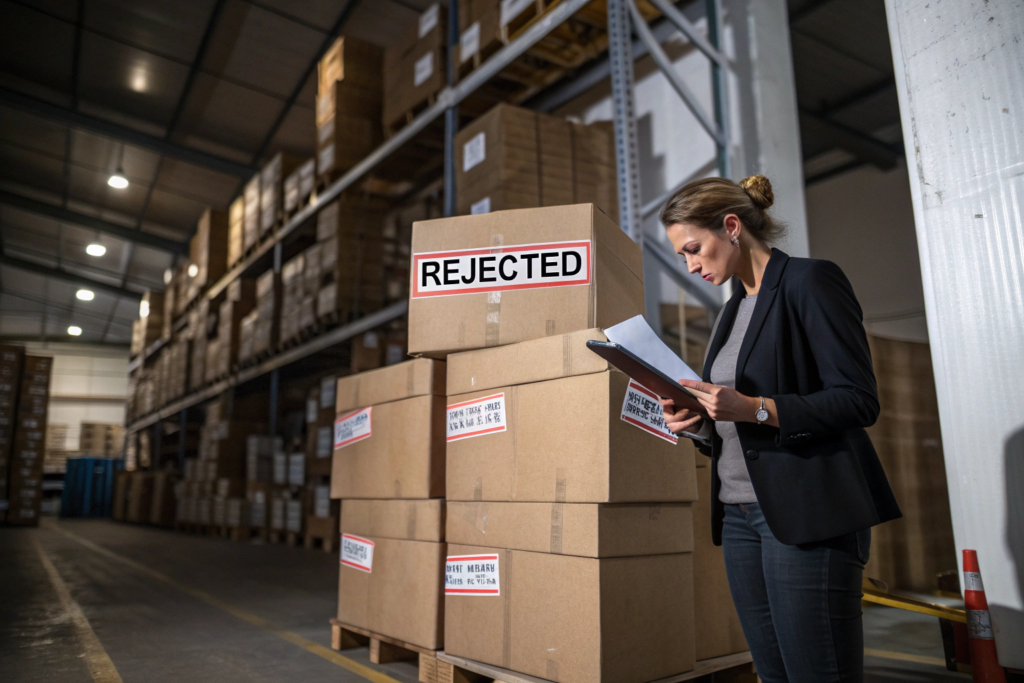
The immediate consequence is shipment rejection. The buyer refuses to accept the goods. You must either destroy them, return them to China, or attempt remediation. All options cost money.
Beyond the direct financial loss, you face chargebacks for the buyer’s testing costs and possibly penalties for missed delivery windows. If the buyer missed a sales season because of your failure, they may seek compensation for lost profits. Relationships that took years to build can end over one compliance failure. We have seen clients lose major retail accounts permanently after a single nickel violation. Retailers have zero tolerance for products that can harm customers. The Consumer Product Safety Commission website documents recalls and their business impacts. We study these cases to prevent similar outcomes for our clients.
How do nickel violations affect brand reputation?
Reputation damage spreads beyond the immediate buyer. News of compliance failures travels through the industry. Other potential clients hear the story. They wonder if they can trust you.
For brands selling to consumers, the damage multiplies. A nickel reaction causes real physical harm. Customers develop rashes, itching, and blistering. They post about it on social media. They write negative reviews. They tell their friends. One bad experience can undo years of positive brand building. The cost of preventing nickel issues is tiny compared to the cost of managing a public health incident. Ethical sourcing guidelines emphasize that compliance is not just legal obligation but brand protection. Shanghai Fumao Clothing prioritizes compliance specifically to protect our clients’ reputations.
Conclusion
Nickel compliance in metal accessories is not optional. It is a fundamental requirement for doing business in sophisticated markets. The standards exist to protect consumers from real harm. Your customers trust you to deliver products that are safe. Violating that trust has consequences that extend far beyond a single shipment.
At Shanghai Fumao Clothing, we built our metal accessory production around compliance. We test materials before production. We test samples during development. We test finished goods before shipment. We maintain documentation for every order. This investment costs money, but it costs far less than failure.
If you are sourcing metal accessories and need confidence in your nickel compliance, I invite you to reach out. Let us discuss your products, your target markets, and your testing requirements. We can show you how professional compliance management protects your business. For new projects and inquiries, please contact our Business Director, Elaine, directly at elaine@fumaoclothing.com. We look forward to helping you source metal accessories that are beautiful, safe, and fully compliant.