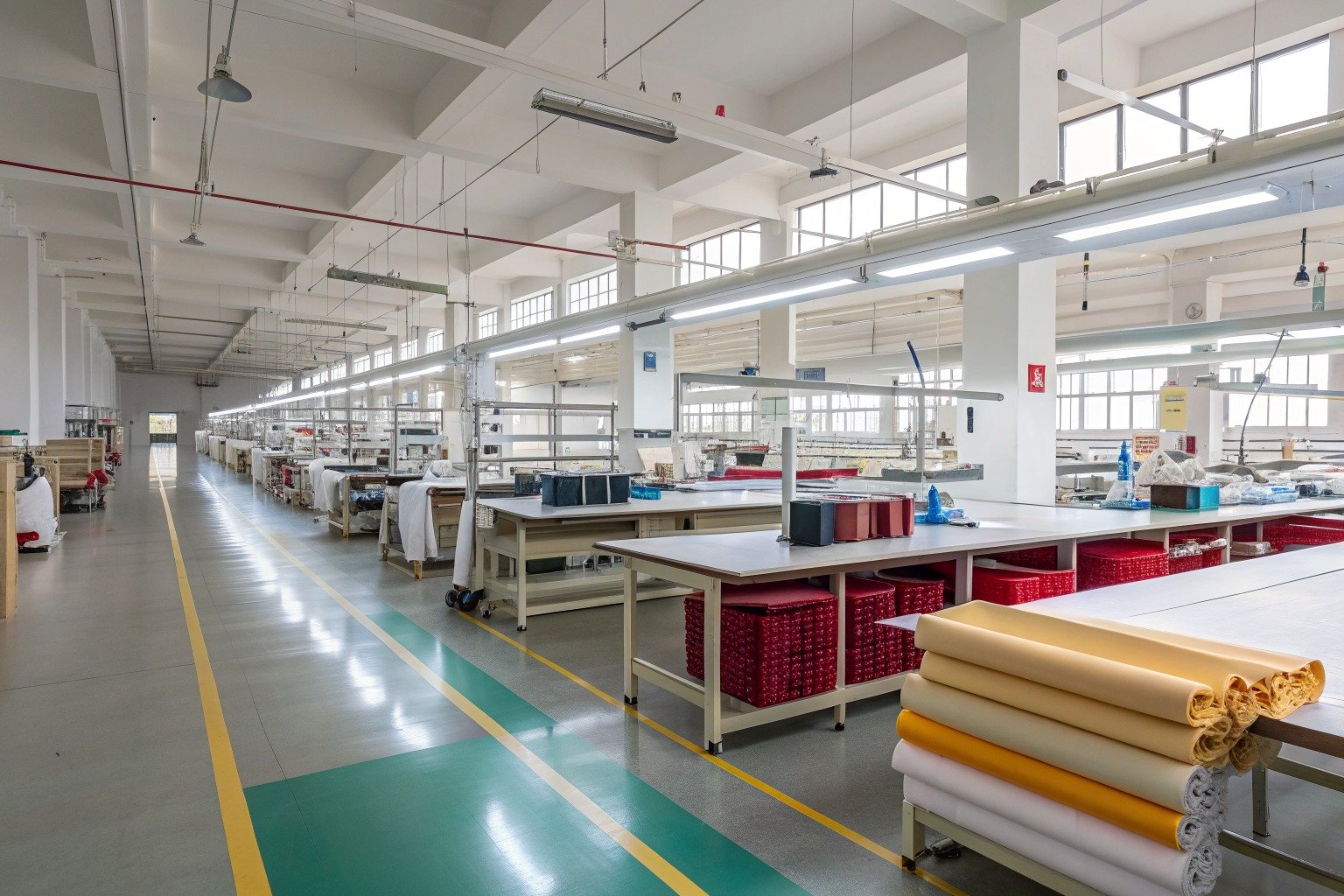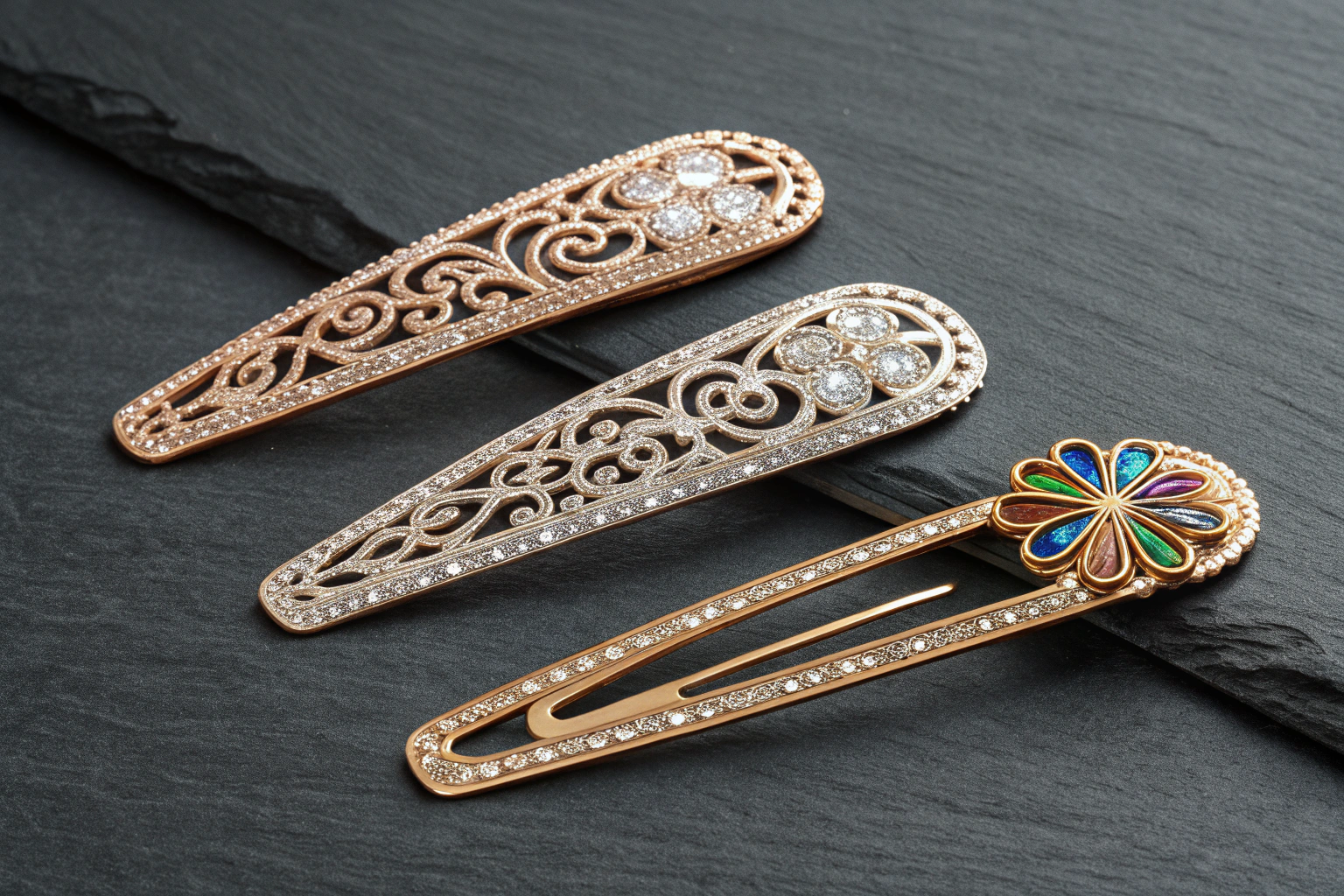
As a manufacturer of fashion accessories for top brands in Europe and North America, I get a front-row seat to the evolution of trends. For years, the humble metal hair clip was a purely functional item, a simple piece of stamped metal designed to hold hair back. The problem was, they were often boring. The market was saturated with basic, uninspired designs, leaving a huge gap for brands wanting to offer something more elevated and expressive.
The latest decorative techniques for metal hair clips and barrettes have moved far beyond simple stamping, focusing on precision technologies like PVD coating for unique color effects, laser cutting for intricate patterns, and advanced stone-setting methods like micro-pavé. These techniques transform a basic accessory into a piece of wearable art.
For a discerning buyer like Ron, who values quality and development capacity, understanding these modern techniques is key to creating a product that stands out. It’s about leveraging technology to add value and create a "wow" factor that commands a better price and builds brand loyalty. At Shanghai Fumao Clothing, we’ve invested in these capabilities because we know that today’s market demands more than just function; it demands beauty and innovation. Let’s explore the techniques that are defining the next generation of hair accessories.
How Is Color Being Reimagined with PVD Coating?
The biggest limitation of traditional metal clips was color. You had gold-tone, silver-tone, and maybe a basic painted black. These finishes were often created with simple electroplating that could easily chip, fade, or cause skin irritation due to allergens like nickel. This was a major pain point for both brands and consumers, leading to a cheap look and a short product lifespan.
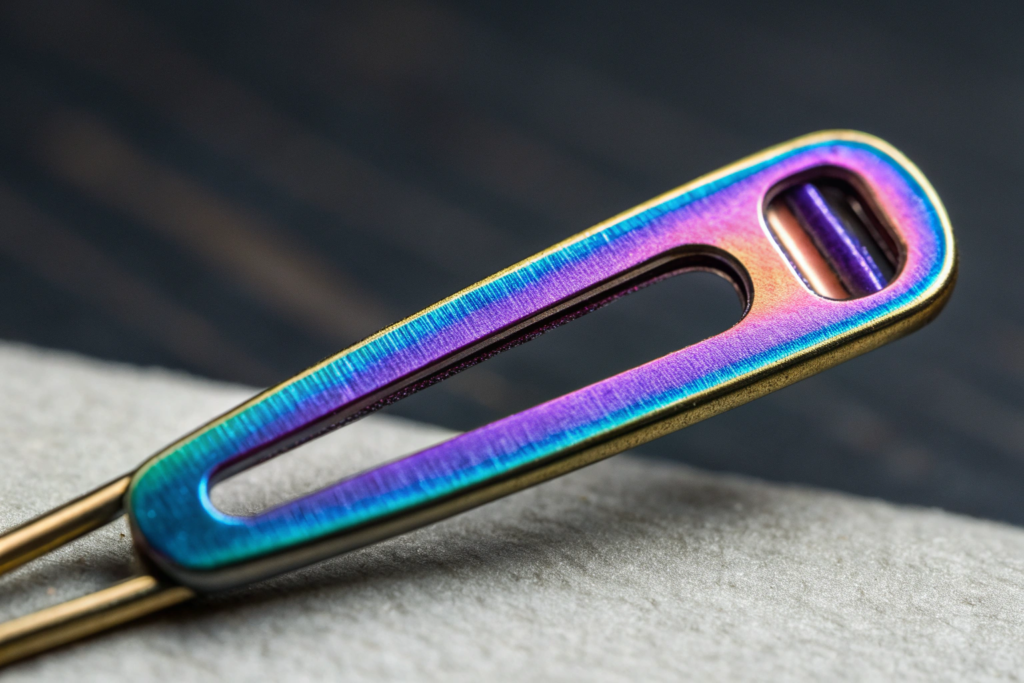
The modern solution is Physical Vapor Deposition (PVD) coating. This is an advanced vacuum deposition process where a solid material is vaporized in a vacuum and deposited onto the surface of the hair clip, atom by atom. This process creates a super-hard, durable coating that is leagues ahead of traditional plating. But its real magic lies in the color possibilities. PVD can create a stunning array of finishes, including rich matte blacks, brushed bronzes, and most impressively, iridescent or "rainbow" finishes that shift color depending on the angle of the light.
This technique offers a double benefit: superior durability and unique aesthetics. A PVD coating is highly resistant to scratches, tarnishing, and corrosion from hair products or sweat. It’s also a hypoallergenic process, making it a safe choice for consumers with sensitive skin. For our clients, this means we can produce accessories in a unique spectrum of colors that are not only beautiful but also incredibly long-lasting, justifying a higher price point and reinforcing a brand’s commitment to quality.
What is the difference between PVD and regular plating?
Traditional electroplating involves using an electric current to deposit a thin layer of metal onto a surface. It’s a relatively inexpensive process, but the resulting layer is often soft and thin. PVD, as explained by scientific resources like ScienceDirect, is a more complex process that creates a much harder and more durable bond with the base metal. A PVD finish can be up to ten times more resistant to scratches than standard gold plating.
Can PVD create matte finishes?
Yes, absolutely. PVD is incredibly versatile. By adjusting the process parameters and the surface preparation of the clip before coating, we can create a wide range of textures. This includes highly polished mirror finishes, smooth satin looks, and very modern, non-reflective matte finishes. A matte black or matte gold PVD finish is a very popular choice for minimalist and contemporary accessory lines.
How Is Laser Cutting Creating Intricate Designs?
Traditionally, patterns on metal clips were made by stamping or casting. Stamping is fast and cheap, but it’s limited to simpler, bolder shapes. Casting can create more detail, but it can be expensive and may not produce the crisp, clean edges desired for fine metalwork. The pain point was the inability to create truly delicate, lace-like patterns in a strong, durable metal accessory.
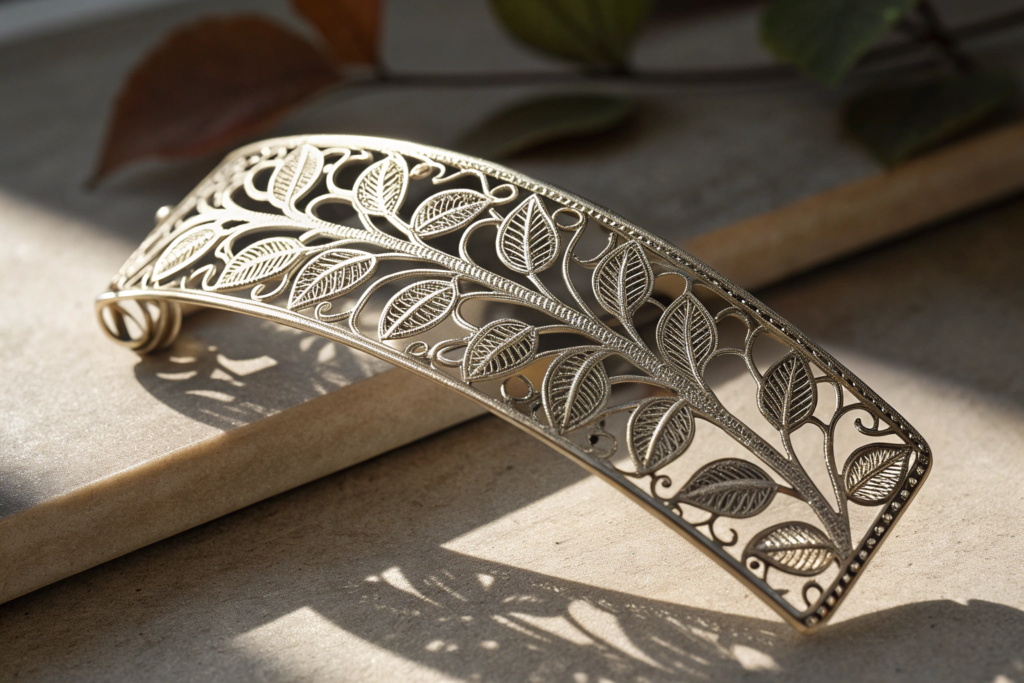
Laser cutting has completely revolutionized this. Using a high-powered, computer-controlled laser, we can cut incredibly intricate and precise patterns out of sheets of metal like stainless steel or brass. This allows for the creation of designs that were previously impossible to achieve with traditional methods. Think of delicate filigree, geometric latticework, or even custom monograms and logos cut with razor-sharp precision.
This technology allows designers to treat a metal hair clip like a miniature sculpture. It opens up a world of creative possibilities, enabling brands to offer unique, signature pieces that stand out. At our factory in Zhejiang, our laser cutting capabilities allow us to turn a client’s complex digital design file into a physical prototype in a matter of hours. This ability to rapidly produce intricate designs allows for more creative freedom and a faster development cycle, which is crucial for staying ahead in the fast-paced fashion world.
What metals can be laser cut?
A wide variety of metals are suitable for laser cutting, which is a process used in many forms of metal fabrication. For hair accessories, we commonly use stainless steel for its strength and hypoallergenic properties, as well as brass, which is softer and can be easily plated or coated after cutting. The thickness and type of metal determine the speed and power of the laser required.
Is laser cutting expensive?
While the initial investment in a high-precision laser cutter is significant, the per-piece cost can be very competitive, especially for complex designs. Because it’s a digital process, there are no expensive custom molds or dies to create, which is a huge advantage over stamping or casting. This makes it economically viable to produce smaller batches of intricate designs, offering greater flexibility for brands.
What Makes Modern Stone Setting Techniques Superior?
Adding rhinestones or crystals to hair clips is nothing new. The old method, however, was often clumsy. Stones were individually glued on by hand or held in place by large, bulky prongs. The glue could fail, causing stones to fall out, and the large prongs often looked cheap and could snag on hair. This created a reputation for costume jewelry being disposable and low-quality.
The modern approach uses jewelry-grade setting techniques to create a more refined and durable result. The most popular of these is micro-pavé setting. In this technique, the surface of the hair clip is cast or drilled with a precise grid of tiny holes. Small crystals or gemstones are then meticulously set into these holes and secured by tiny beads of metal that are pushed over the edge of the stone. This creates the illusion of a solid surface of continuous sparkle, with very little visible metal. Another advanced method is channel setting, where stones are set in a row between two parallel walls of metal, with no metal separating them in the middle.
These techniques, borrowed directly from the fine jewelry industry, elevate a simple hair accessory into a true piece of jewelry. The stones are far more secure than glued-on rhinestones, and the overall appearance is infinitely more luxurious. For our clients at Shanghai Fumao Clothing, offering these advanced setting options allows them to compete at a higher level, creating accessories that can be sold in boutiques and department stores alongside traditional jewelry.
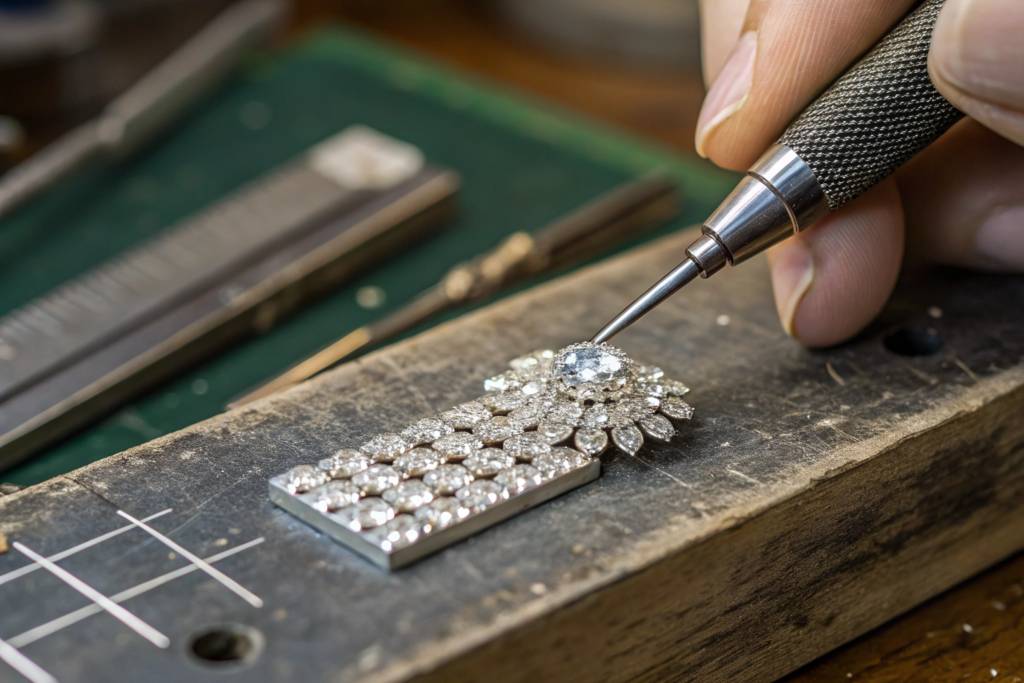
What is the difference between pavé and micro-pavé?
The terms are often used interchangeably, but micro-pavé generally refers to the use of even smaller stones (typically under 0.01 carats each) and setting them with the aid of a microscope. This allows for an even denser and more intricate field of sparkle than traditional pavé. It requires a very high level of skill from the stone setter.
Are the stones real diamonds?
In most fashion accessories, the "stones" are not diamonds but high-quality crystal, such as those made by Swarovski, or cubic zirconia (CZ). These materials are cut with precision to have exceptional brilliance and fire, closely mimicking the look of diamonds at a fraction of the cost. This makes it possible to create a luxurious, sparkling look that is accessible to the fashion jewelry market.
How Do Enamel and Epoxy Add a Pop of Color?
While PVD offers high-tech color, sometimes a design calls for a more traditional, opaque pop of color in a specific area. The old way was to simply paint the surface, but paint chips easily and lacks depth. This was a major quality issue, as a chipped accessory immediately looks old and worn.
The modern, high-quality solution is to use enamel or epoxy resin inlays. This technique involves creating a hair clip with recessed areas (a "cavity"). These cavities are then carefully filled with liquid enamel or epoxy resin. The piece is then cured, often with heat or UV light, to harden the resin into a smooth, durable, and glossy surface that is perfectly flush with the surrounding metal. This is a far more durable solution than surface paint.
This technique allows for incredible creativity with color and pattern. It can be used to create bold, graphic designs, intricate cloisonné-style patterns, or simple, elegant blocks of color. The finish is smooth, hard, and resistant to chipping. It provides a high-end, handcrafted feel that is very appealing to consumers. We can create custom colors to match a brand’s specific Pantone requirements, ensuring perfect brand consistency across their product line.
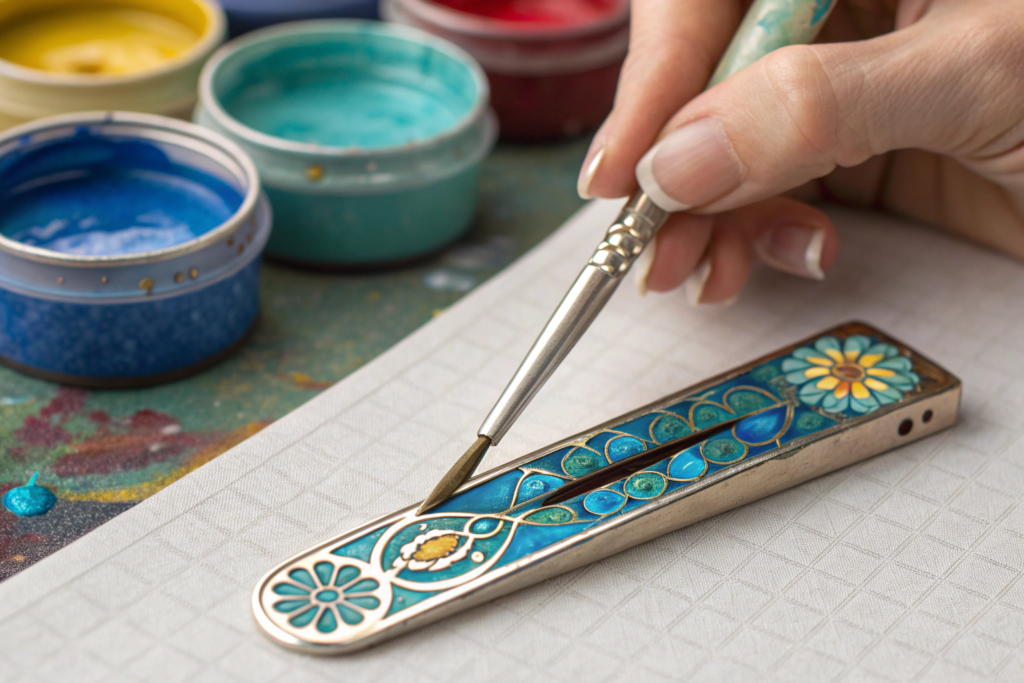
What is the difference between enamel and epoxy?
The terms are often used interchangeably in fashion jewelry. True vitreous enamel is a type of melted glass, which is very durable but requires extremely high temperatures to apply. More commonly used in fashion accessories is "cold enamel" or epoxy resin. This is a two-part polymer that hardens through a chemical reaction. It’s more versatile, comes in an infinite range of colors, and is more cost-effective for large-scale production while still offering excellent durability and a beautiful, glossy finish.
Can you create patterns with enamel?
Yes. By creating multiple, separate cavities in the metal design, we can fill each one with a different color of enamel, much like a paint-by-numbers picture. This allows for the creation of complex patterns, logos, and multi-color designs. This technique is often used to replicate the look of traditional cloisonné at a more accessible price point.
Conclusion
The world of metal hair accessories has been transformed by technology and a renewed appreciation for craftsmanship. Techniques like PVD coating, laser cutting, micro-pavé setting, and enamel inlay have elevated the simple hair clip from a functional afterthought to a key fashion statement. By understanding and utilizing these modern decorative methods, a brand can offer its customers superior quality, unique designs, and lasting value.
This is where we excel. Our role as a modern manufacturer is to be masters of these techniques. We invest in the technology and the skilled artisans required to execute these details flawlessly. We partner with our clients to push the boundaries of design and create accessories that capture the imagination of the market.
If you are ready to move beyond basic, stamped-metal accessories and create a line of hair jewelry that truly shines, we have the capabilities to bring your vision to life. Contact our Business Director, Elaine, at elaine@fumaoclothing.com to discuss how we can apply these advanced techniques to your next collection.