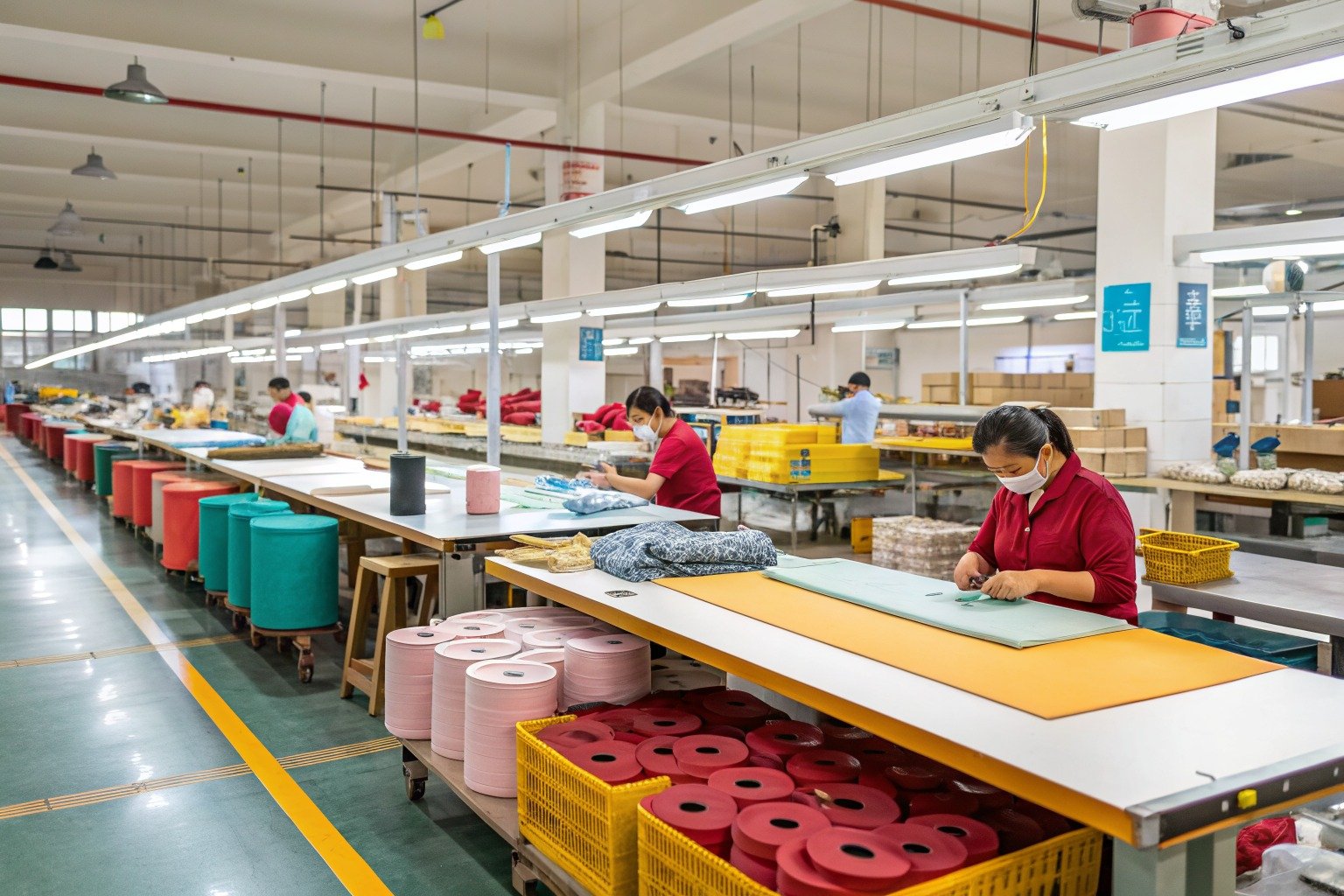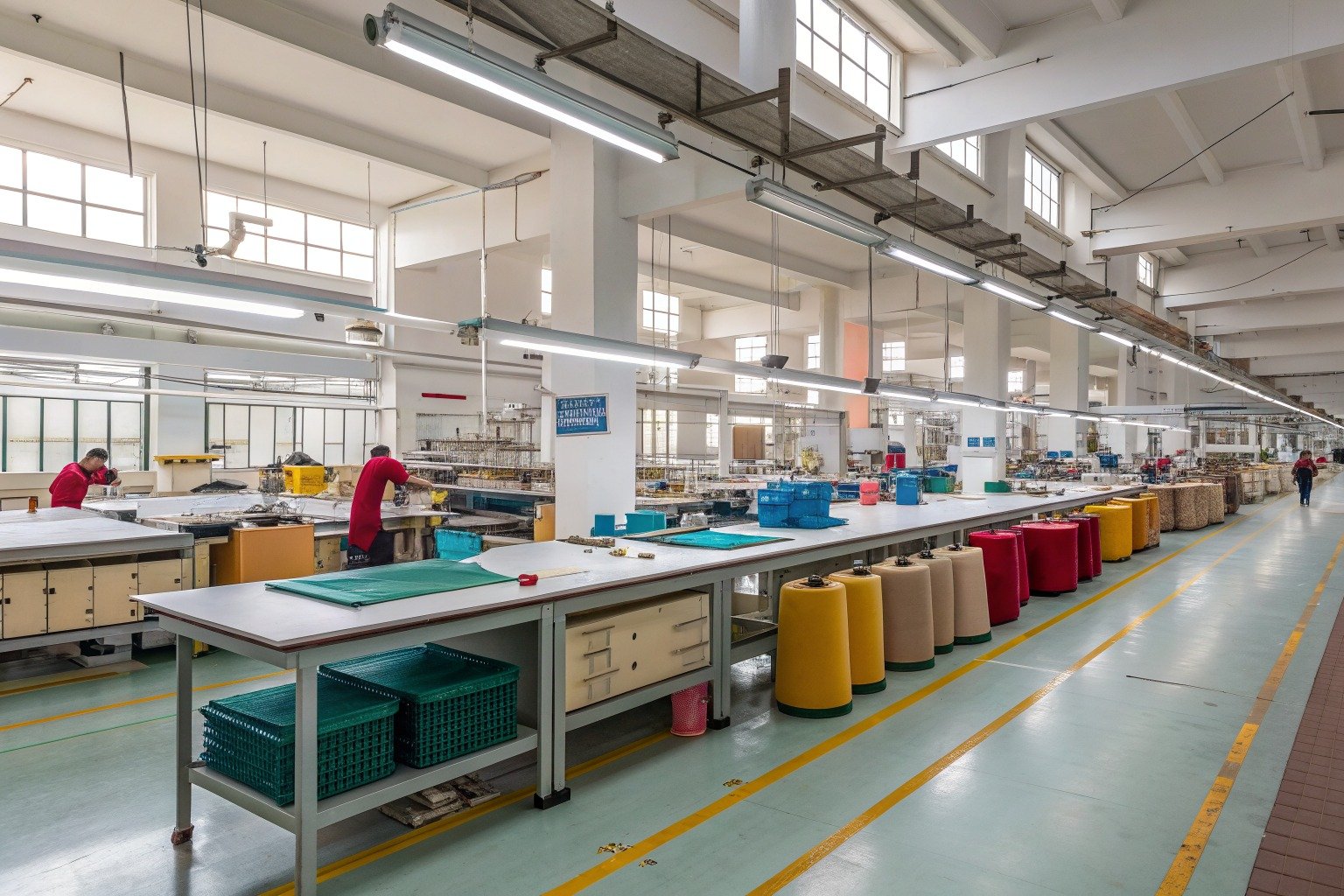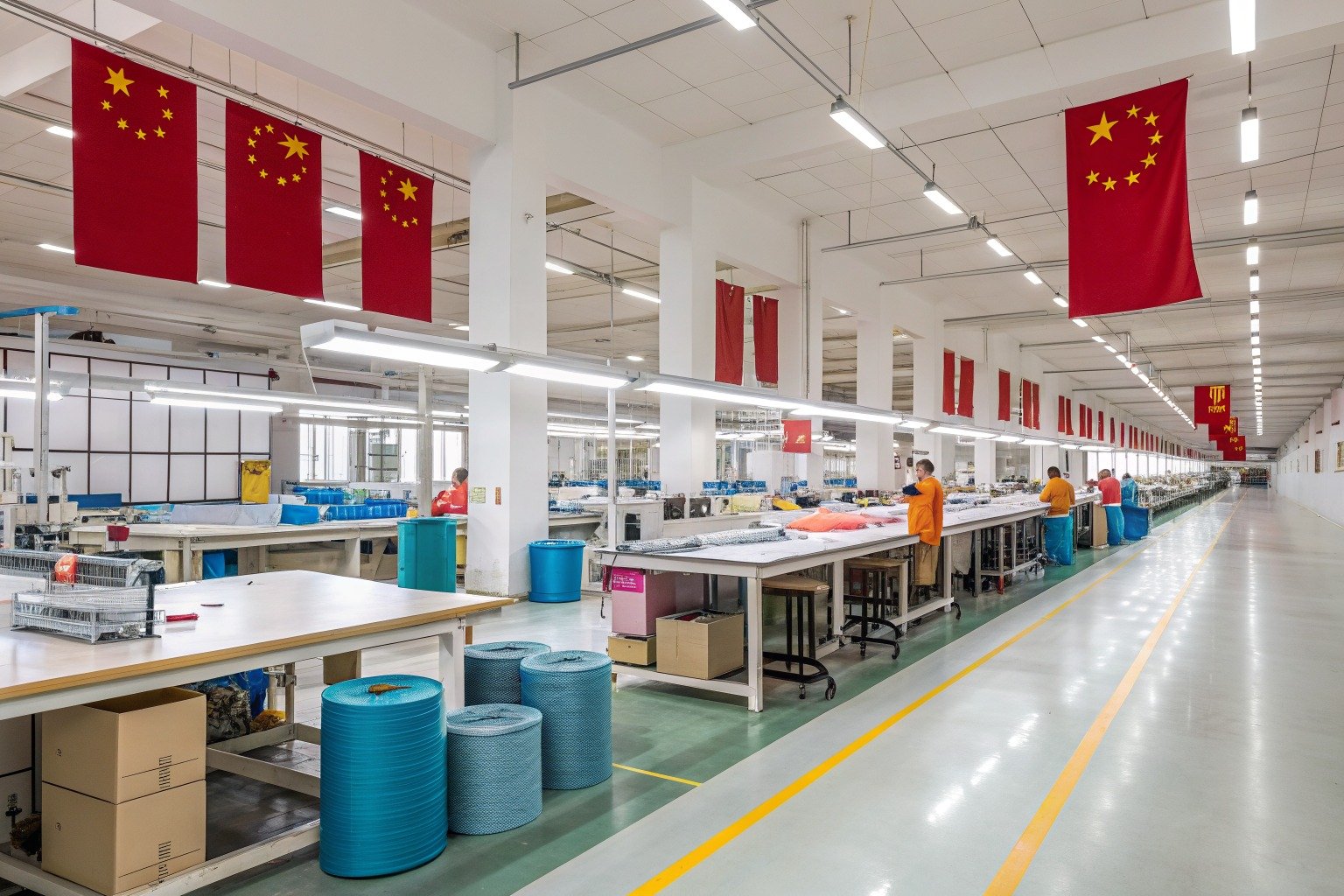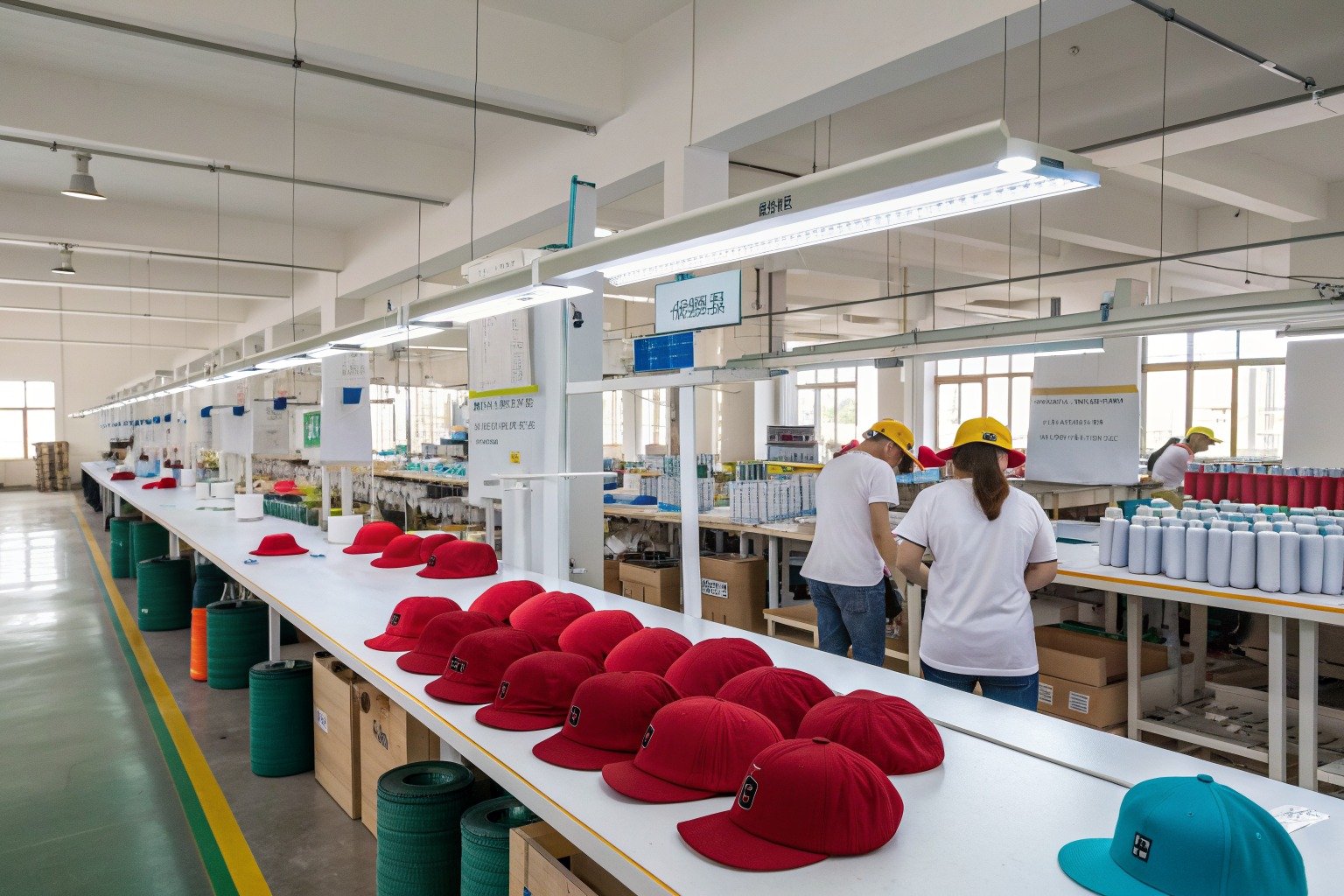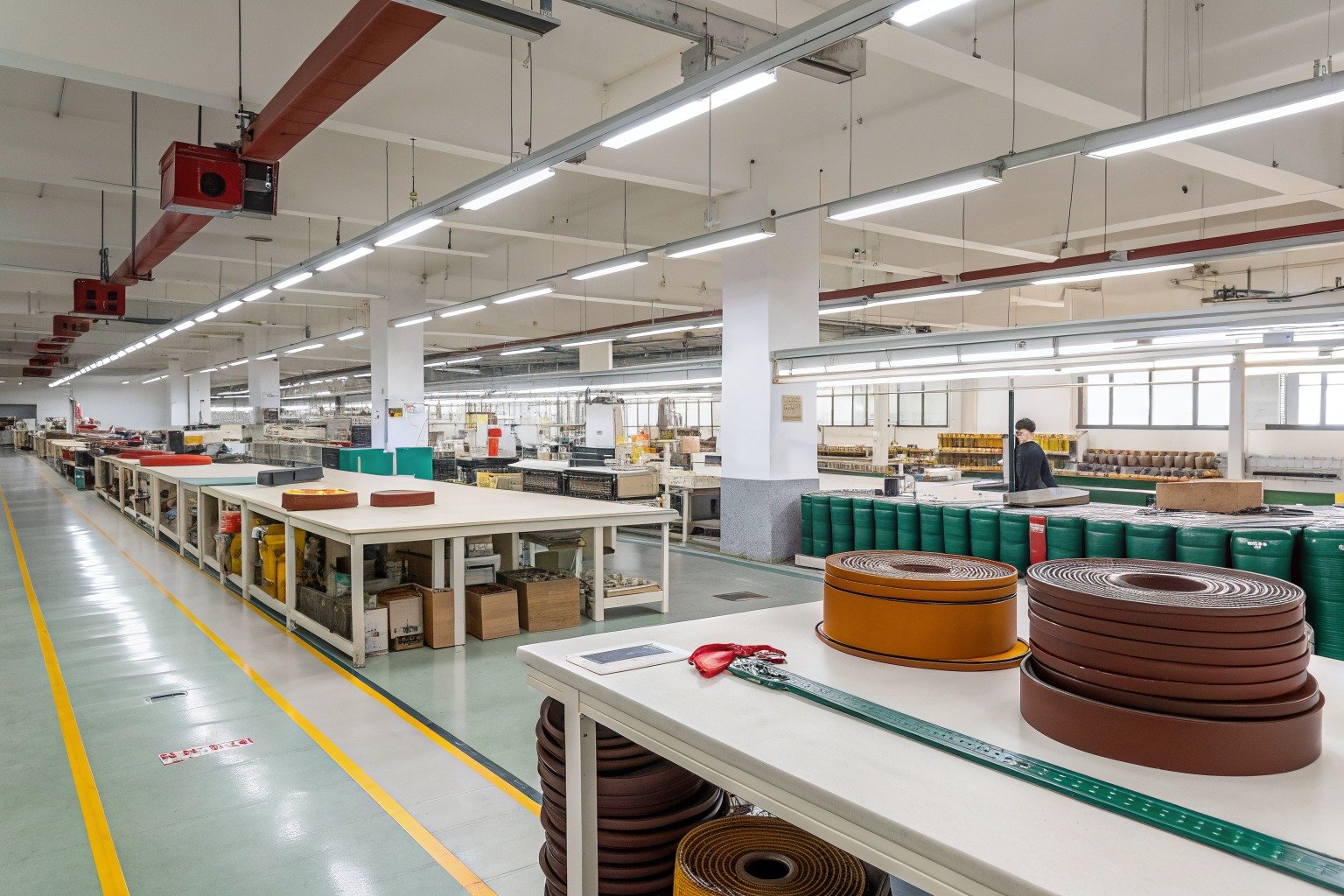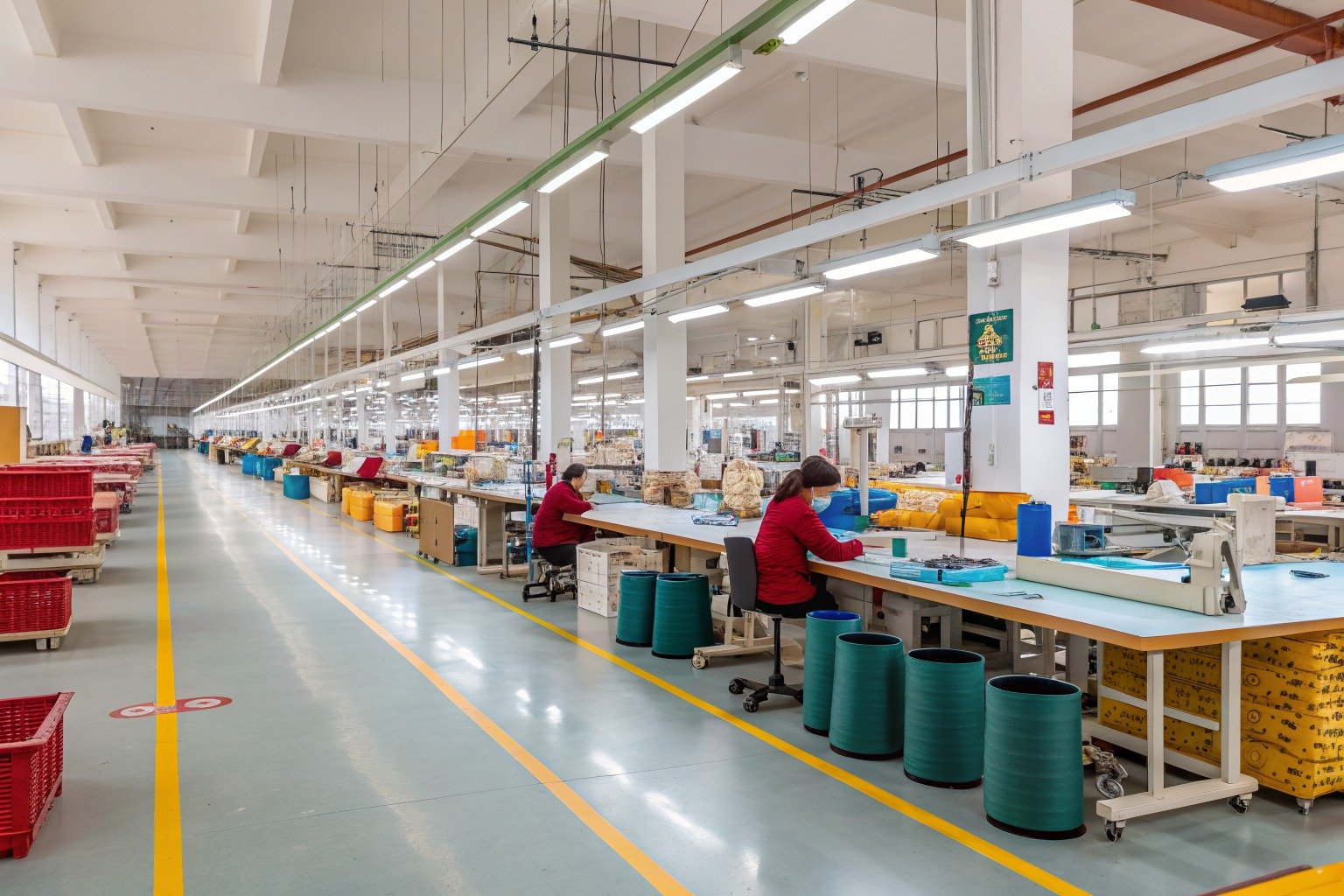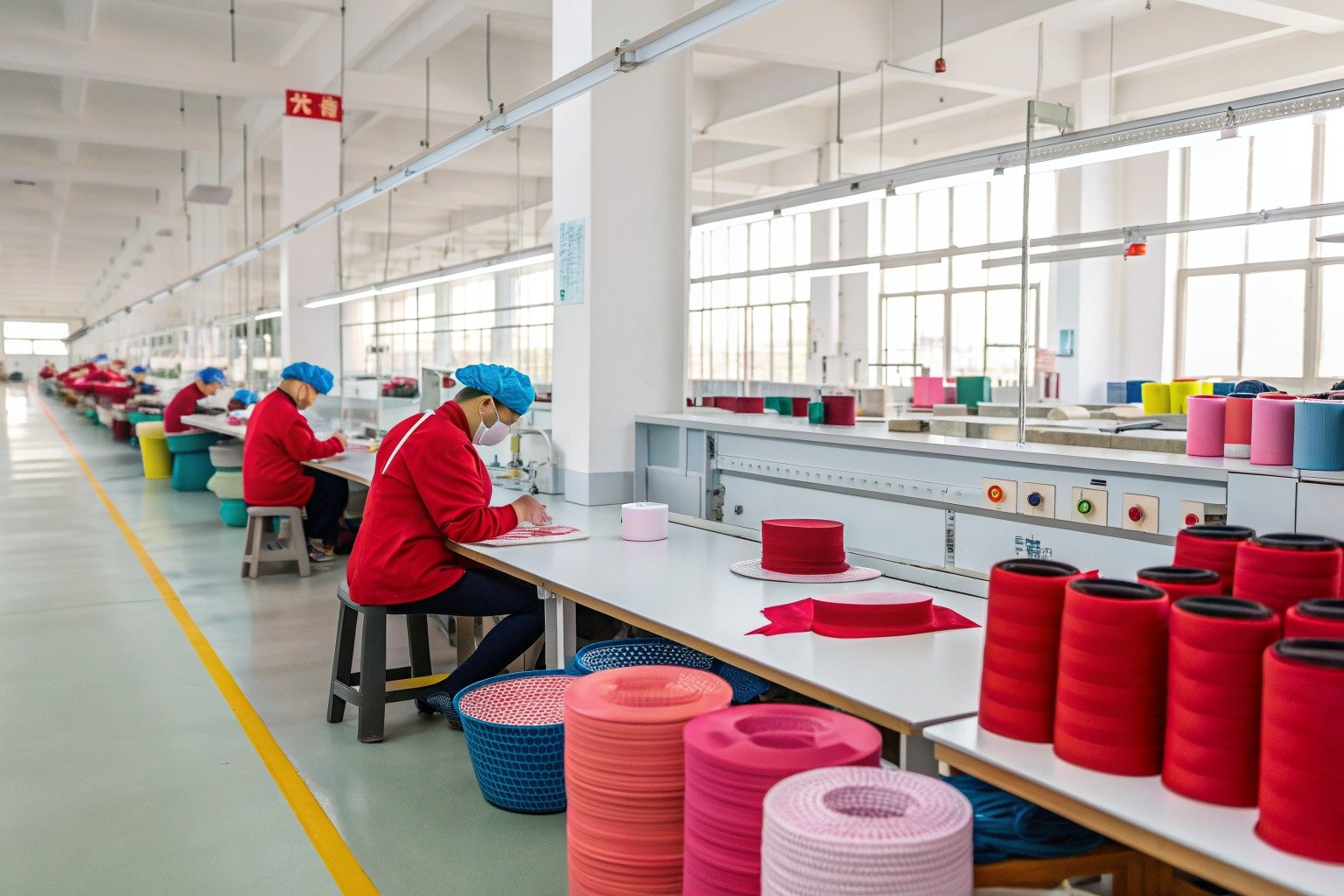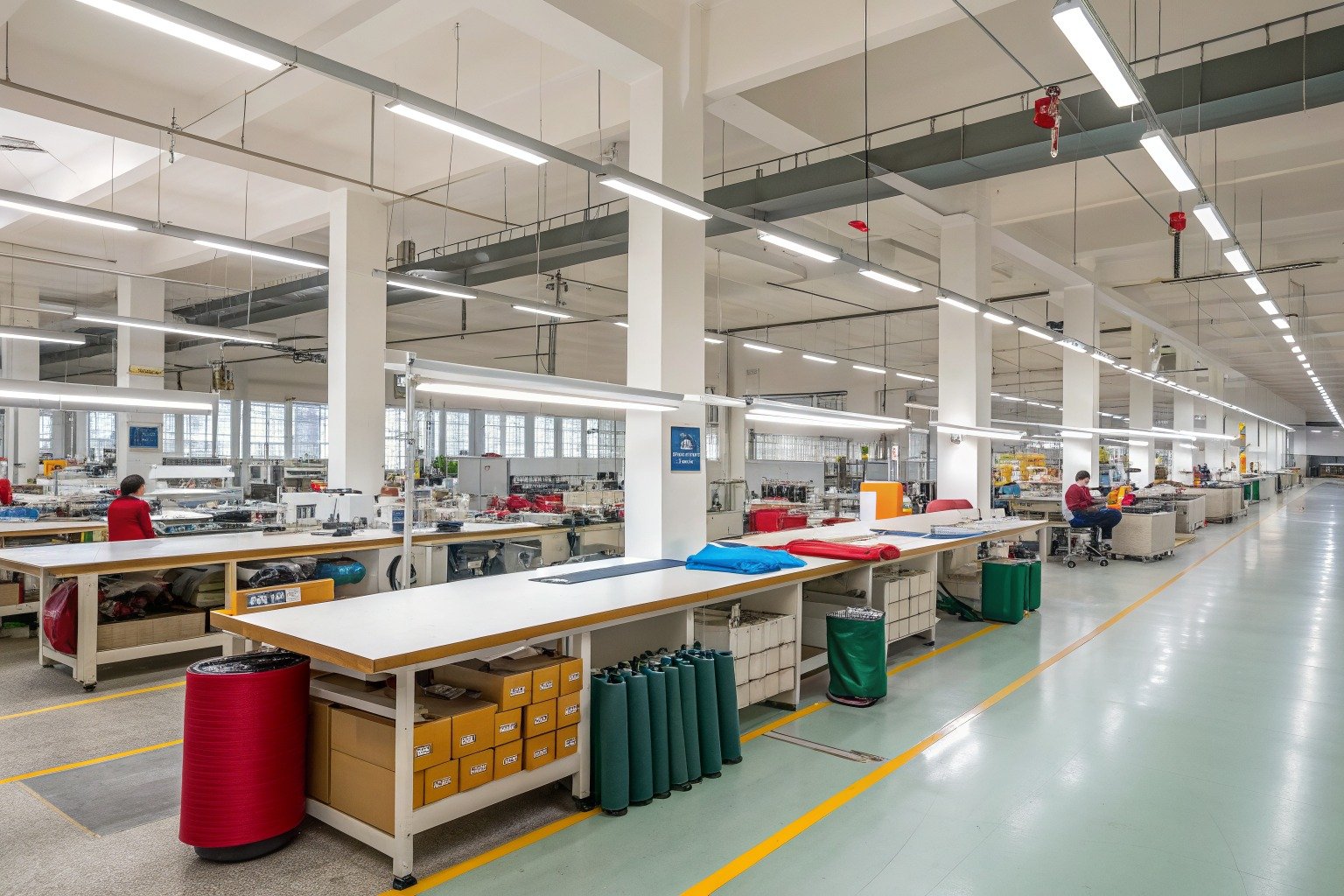
I have spent twenty-five years in this industry. I have shipped container loads of hair clips, hats, and belts to every major market. But five years ago, I sat in my office and faced a truth I did not want to admit. I did not know exactly where all my materials came from.
Oh, I knew my tier one suppliers. I knew the factories that molded the acetate and wove the fabric. But tier two? Tier three? The yarn suppliers? The button makers? The dye houses? I had gaps. And in today’s regulatory environment, gaps become liabilities.
The European Union’s Corporate Sustainability Due Diligence Directive is real. The UFLPA in the United States is real. Your customers are asking questions that require documented, verifiable answers. "Where was this cotton grown?" "Were any forced labor violations in this supply chain?" "Is this material truly recycled content?" If you cannot answer, you cannot sell.
At Shanghai Fumao Clothing, we have spent the last three years systematically closing our visibility gaps. We have implemented technologies, restructured supplier relationships, and learned hard lessons about what transparency actually requires. It is not a software purchase. It is not a certification sticker. It is a fundamental shift in how you procure. In this guide, I will share exactly how we have approached this transformation. I will give you the framework we use to evaluate our own procurement transparency and the steps we take with our clients to ensure their accessory orders are fully traceable, compliant, and defensible.
Why Is Procurement Transparency Now A Non-Negotiable Business Requirement?
I have watched the accessory industry change faster in the past three years than in the previous twenty. The buyers who used to ask only about price and delivery date now ask about supply chain mapping, chain of custody, and forced labor prevention.
This is not a passing trend. It is legislative reality.
The U.S. Uyghur Forced Labor Prevention Act now requires importers to prove that goods are not made with forced labor. The burden of proof is on you, not the government. If you cannot provide clear, verifiable documentation of your entire supply chain, your shipment is presumed guilty until proven innocent.
The EU’s Corporate Sustainability Due Diligence Directive imposes similar requirements. Companies must identify, prevent, and account for human rights and environmental impacts throughout their value chains.
United Legwear & Apparel Co., a major accessory manufacturer, recently partnered with TradeBeyond specifically to address these compliance challenges. Their COO stated that they need "a fully integrated solution to manage the mounting complexity of growing regulations" and "achieve new levels of visibility and control" over their supply chain.

What Happens When You Lack Supply Chain Visibility?
The consequences of procurement opacity are no longer theoretical.
Smallworld Accessories, an ETI member company, discovered this through a 2020 audit that revealed significant worker wage non-compliance. They thought they were doing well. They had supplier relationships. They conducted audits. But the audit alone did not prevent the problem. Worse, it did not help them understand why the problem existed.
Their subsequent supplier survey revealed a cascade of purchasing practices that created labor risks: failure to adhere to critical paths, excessive sampling, late-stage design changes, and imbalanced order scheduling. These were not factory problems. They were procurement transparency problems. Smallworld could not see how their own decisions impacted workers because they had no visibility into the actual effects of those decisions.
The financial consequences of this opacity are measurable. According to ECLAC (2025), Latin American producers who implemented digital tracking systems reduced delivery errors by 27% and improved order-fulfillment accuracy by 21%. Conversely, the cost of customs seizures, regulatory fines, and brand damage from non-compliance far exceeds the investment required to achieve transparency.
Learn more about ECLAC’s 2025 digital supply chain report and review the ETI’s purchasing practices case study for detailed analysis.
How Does Transparency Protect Your Brand Value?
Your brand is only as trustworthy as your least visible supplier.
The GAO RFID white paper on high-value goods provenance makes this explicit: counterfeit substitution and grey-market diversion directly erode brand valuation and customer trust. Their systems are deployed specifically to "protect brand valuation" and "strengthen chain-of-custody documentation."
For accessory brands selling through major retailers, the risk is amplified. Walmart, Target, and Costco do not accept "we think our suppliers are compliant." They require documented verification. When United Legwear adopted TradeBeyond’s AI-powered traceability platform, their primary motivation was to "eliminate risks while streamlining collaboration" with their extensive supplier network across Asia.
At Shanghai Fumao Clothing, we have seen this shift directly. Five years ago, our clients rarely asked for tier two supplier lists. Today, we provide them as standard. The brands that embrace this transparency are the ones that will survive the next decade. The ones that resist will find their products blocked at borders and removed from retail shelves.
Read the GAO RFID supply chain provenance whitepaper and explore TradeBeyond’s United Legwear case study.
What Foundational Practices Build Transparent Supplier Relationships?
Technology is essential. But technology deployed on top of broken relationships is just expensive brokenness.
I learned this from the ETI case study. Smallworld Accessories achieved breakthrough transparency not by buying software, but by fundamentally changing how they treated their suppliers. They stopped treating factories as order-takers and started treating them as partners.
A factory business manager from Dongguan Fenghe described the difference: "We have never experienced this approach before. We can communicate honestly and openly with the client, who treats us like their own factory and hopes to achieve business growth together."

How Do You Move From Adversarial Audits To Collaborative Partnership?
The traditional compliance model is audit-based. You send an inspector. They check boxes. They leave. The factory breathes a sigh of relief and returns to normal operations.
This model is fundamentally adversarial. It assumes the supplier is hiding something and your job is to catch them. It produces fear, not transparency.
The alternative model is partnership-based. It begins with shared objectives and mutual accountability.
Smallworld’s transformation started with a supplier survey that asked, "How are our purchasing practices affecting you?" The answers were painful. But instead of becoming defensive, Smallworld listened. They monitored their product hit rate and committed to increasing it from 30% to 60%. They reevaluated lead times based on actual product complexity. They ensured that orders would only be raised from approved samples and explicitly told suppliers they were entitled to reject an order if the approval process was incomplete.
These changes communicate respect. They signal that you value the supplier’s expertise and constraints. In response, suppliers become willing to share information they previously withheld.
What Contractual And Communication Structures Support Transparency?
Transparency cannot be achieved through verbal agreements and goodwill alone. It requires documented, enforceable structures.
At a minimum, your supplier agreements should include:
| Required Element | Purpose |
|---|---|
| Individual critical path visibility | Provides each factory with projected forecasts, order-raising dates, key milestones (design sent, samples ready, range building, final orders raised) |
| Explicit rights and responsibilities | Formally informs suppliers they are entitled to reject orders if approval processes are incomplete |
| Documented change protocols | Standardizes processes for manufacturing schedules, materials supply, and logistics coordination |
| Open costing agreements | Both parties have visibility into each other’s margins; negotiations focus on fair value rather than information asymmetry |
Smallworld’s Head of Buying stated clearly: "This transparency helps when it comes to negotiating and finding alternatives in a fair and open way."
At Shanghai Fumao Clothing, we have adopted these practices across our own procurement operations. Our supplier agreements explicitly define forecast horizons, order stability commitments, and change order procedures. We do not hide our margin expectations, and we do not ask our suppliers to hide theirs. This is not charity. It is efficiency. When both parties understand the true cost structure, we eliminate the wasted effort of negotiating against hidden information.
Review ETI’s guide to responsible purchasing practices and Better Buying Institute’s supplier surveys.
Which Digital Technologies Actually Deliver Procurement Transparency?
The market is flooded with technology vendors promising "end-to-end visibility." Some deliver. Many do not.
After evaluating multiple systems and implementing several at our own facilities and with our clients, I have developed a clear framework for what actually works in accessory supply chains.

How Do You Choose Between RFID, BLE, And Blockchain Approaches?
There is no single correct technology. The right choice depends on what you need to track, at what frequency, and at what cost.
| Technology | Core Strength | Best Use Case In Accessories | Limitations |
|---|---|---|---|
| RFID-only | High-throughput authentication, bulk reading | Warehouse receiving, inventory counts, shipping verification | No continuous location tracking; requires reader infrastructure |
| BLE-only | Real-time zone monitoring, environmental sensing | High-value goods movement, temperature-sensitive materials | Battery-dependent; less efficient for bulk reads |
| Hybrid RFID+BLE | Authentication + continuous visibility | Luxury goods, anti-counterfeiting programs | Higher complexity and cost |
| Blockchain registries | Immutable chain of custody records | Compliance documentation, sustainability claims | Requires upstream data accuracy |
RFID-only solutions from providers like GAO RFID use passive or active tags with secure EPC identifiers. They are ideal for high-volume authentication at receiving docks and distribution centers. A UHF RFID portal can read hundreds of tagged accessories simultaneously, instantly verifying that every item in a carton matches the manifest. This is the workhorse technology for inventory accuracy.
BLE-only deployments utilize low-energy beacons and gateway networks to trace goods across secure zones. This is valuable for high-value accessories that move through multiple facility areas or require environmental monitoring. If your silk scarves need to stay below certain humidity levels, BLE sensors can provide continuous verification.
Hybrid RFID-BLE architectures are appropriate when you need both batch authentication and live telemetric oversight. GAO deploys these selectively for luxury merchandise, pharmaceutical batches, and other applications where dual-mode visibility provides meaningful security advantages. For most standard accessory production, this is overkill.
Blockchain registries for chain of custody are gaining traction. ConectNext reports that 72% of regional producers in Latin America have begun implementing digital tracking systems that combine ERP platforms with IoT sensors and distributed ledgers. Early adopters reported a 27% decrease in delivery errors and a 21% improvement in order-fulfillment accuracy.
However, blockchain only verifies what is recorded. If a fake product enters the chain with authentic documentation, the blockchain will record it as authentic. Technology cannot replace physical verification and trusted supplier relationships.
Explore GAO RFID’s supply chain solutions and read ConectNext’s Latin America digital supply chain report.
What Specific Technologies Are Major Accessory Brands Actually Using?
The industry leaders are not experimenting. They are deploying.
Avery Dennison has partnered with TrusTrace and GPRO to strengthen their Optica product portfolio for the apparel industry. Their "Materials Traceability" solution helps brands map upstream supply chains and establish verifiable chain of custody for each product. Their "WIP Tracking" technology enables real-time production monitoring at the factory level, identifying bottlenecks and improving lead times.
Delia Glover, VP of Product Innovation at Avery Dennison, explains the value proposition: "By combining these solutions, brands gain a seamless, end-to-end supply chain perspective, enhancing their compliance programs, improving decision-making capabilities, and reducing sourcing and production risks."
TradeBeyond’s CBX platform, adopted by United Legwear, uses AI to automatically scan and validate thousands of supply chain documents. It identifies discrepancies or compliance risks and alerts stakeholders in real-time. This is not theoretical. It is deployed, operational, and delivering measurable compliance assurance.
RRD’s solution for mobile accessory supply chains included serialized secure labels printed and distributed to ODMs for application during manufacturing. Movement throughout the supply chain was captured, allowing instant tracking, tracing, and reporting of all products. This provided "full visibility of the Asian-based ODM operations through RRD’s online portal."
At Shanghai Fumao Clothing, we have implemented a tiered approach. For standard production, we maintain rigorous batch tracking through our ERP system with serialized lot codes. For premium clients requiring enhanced traceability, we offer RFID-enabled hang tags that can be integrated with their chain of custody platforms. We do not prescribe one technology. We match the solution to the compliance requirement and the customer’s investment capacity.
Read Avery Dennison’s materials traceability announcement and RRD’s supply chain visibility case study.
How Do You Extend Transparency Beyond Tier One Suppliers?
This is the hardest problem in procurement transparency.
Most buyers know their tier one suppliers. They have visited the factory. They have met the owner. They have inspected the production line.
Tier two? The yarn supplier? The button manufacturer? The plating house? The elastic webbing producer? These relationships are often invisible. The tier one supplier buys from them, but you have no contract, no audit rights, and often no knowledge of their identity.
Yet this is where most compliance risk resides. The UFLPA does not care that you did not know your cotton supplier’s cotton supplier used forced labor. Ignorance is not a defense.

What Strategies Actually Work For Multi-Tier Visibility?
Smallworld Accessories achieved a breakthrough when their improved supplier relationships led to something unprecedented: their tier one suppliers granted them access to tier two facilities. As Julia Robertson, their Head of Buying, stated: "This newfound transparency will help Smallworld improve the resilience of its supply chain and better prepare for future supply chain due diligence regulations."
This was not achieved through contractual force. It was achieved through demonstrated trustworthiness. The suppliers believed that sharing this sensitive information would not be used against them in price negotiations or result in the buyer bypassing them to purchase directly from tier two.
The RRD case study offers another model. By establishing local resources in China and positioning themselves within the Futian Free Trade Zone, RRD gained direct visibility into ODM operations. They coordinated manufacturing schedules, materials supply, and logistics within Asia, creating a unified view of the extended supply chain that their client could not achieve independently.
This is the agency model. You do not force your supplier to reveal their sources. You embed yourself in the process so that visibility is a natural byproduct of collaboration, not a concession extracted through negotiation.
| Strategy | Method | Outcome |
|---|---|---|
| Trust-based disclosure | Improve purchasing practices, demonstrate fair negotiation | Suppliers voluntarily share tier two contacts |
| Embedded agency | Establish local resources, participate in supply coordination | Direct visibility into ODM/tier two operations |
| Contractual requirement | Include tier-two audit rights in master agreements | Enforceable access, but may damage trust |
Read the Smallworld Accessories ETI case study and explore RRD’s Asian supply chain management.
How Do You Document Chain Of Custody Across Multiple Tiers?
Documentation is the evidence that transparency exists. Without it, you have claims, not proof.
ISO 22095 (Chain of Custody) provides a framework for different models of custody verification. ConectNext notes that compliance with this standard is increasingly essential for exporters seeking to meet international regulatory requirements and consumer expectations for verified sustainable sourcing.
| Chain of Custody Model | Description | Applicability To Accessories |
|---|---|---|
| Identity preserved | Product from single source kept separate throughout | Single-origin luxury materials (e.g., heritage silk) |
| Segregated | Certified materials physically separated from non-certified | Organic cotton, certified recycled content |
| Mass balance | Certified material quantity tracked; mixing allowed | Recycled polyester, sustainable viscose |
| Book & claim | Credits purchased; no physical separation | Carbon offsets, renewable energy claims |
The most rigorous approach is mass balance with segregated verification. This means that certified materials are physically separated from non-certified materials throughout the production process, and this separation is documented at each transfer point.
For most standard accessory applications, mass balance verification may be sufficient. This model tracks the quantity of certified material entering the supply chain and the quantity of certified product exiting, without requiring physical segregation at every stage.
Avery Dennison’s partnership with TrusTrace enables brands to "establish a verifiable chain of custody for each product" by capturing data on origin, processing steps, and supplier relationships. This supports "broad traceability use cases, from sustainability verification to enhanced risk management and responsible sourcing."
At Shanghai Fumao Clothing, we maintain batch-level traceability documentation for all materials we purchase. When we receive organic cotton, we retain the certification documents and apply internal lot codes that track that specific batch through cutting, sewing, and finishing. When our clients ask for proof of organic content, we provide the chain of custody documentation, not just a supplier claim.
Study ISO 22095:2023 Chain of custody and read TrusTrace’s chain of custody solutions.
Conclusion
Procurement transparency in the accessories industry is no longer a choice. It is a requirement for market access, regulatory compliance, and brand survival. But transparency is not achieved through a single purchase order or software license. It is built through a sustained commitment to partnership-based supplier relationships, appropriate technology deployment, and systematic documentation at every stage of the supply chain.
The companies that succeed in this transition will share certain characteristics:
They treat suppliers as partners, not adversaries. They share data, listen to feedback, and respect their suppliers’ operational constraints. In return, suppliers share visibility into tier two sources and production challenges that would otherwise remain hidden.
They deploy technology proportionally to risk. RFID for high-volume verification. BLE for continuous monitoring of sensitive goods. Blockchain for immutable chain of custody records. They do not buy enterprise systems for pilot programs, nor do they rely on manual spreadsheets for regulatory compliance.
They document everything and verify regularly. Chain of custody documentation is maintained and audited. Supplier claims are verified through independent testing and inspection. Compliance is not assumed; it is confirmed.
They invest in transparency as a competitive advantage, not a compliance cost. United Legwear, Smallworld Accessories, and the early adopters in Latin America are not merely avoiding penalties. They are building supply chains that are more resilient, more efficient, and more trusted by customers and regulators alike.
At Shanghai Fumao Clothing, we have walked this path ourselves. We have implemented the supplier partnership models, the traceability technologies, and the documentation systems described in this guide. We have made mistakes and learned from them. We have invested in systems that seemed expensive at the time and proven their value many times over.
We are not perfect. No factory is. But we are transparent about our capabilities, our limitations, and our continuous improvement journey.
If you are sourcing accessories and you need a partner who understands the demands of modern procurement transparency, contact us. We will show you our traceability systems. We will introduce you to our suppliers. We will provide the documentation you need to satisfy your compliance team and your customers.
Contact Elaine, our Business Director, directly at elaine@fumaoclothing.com. Tell her about your procurement challenges. She will tell you exactly how we can help you achieve the visibility, compliance, and confidence you need.