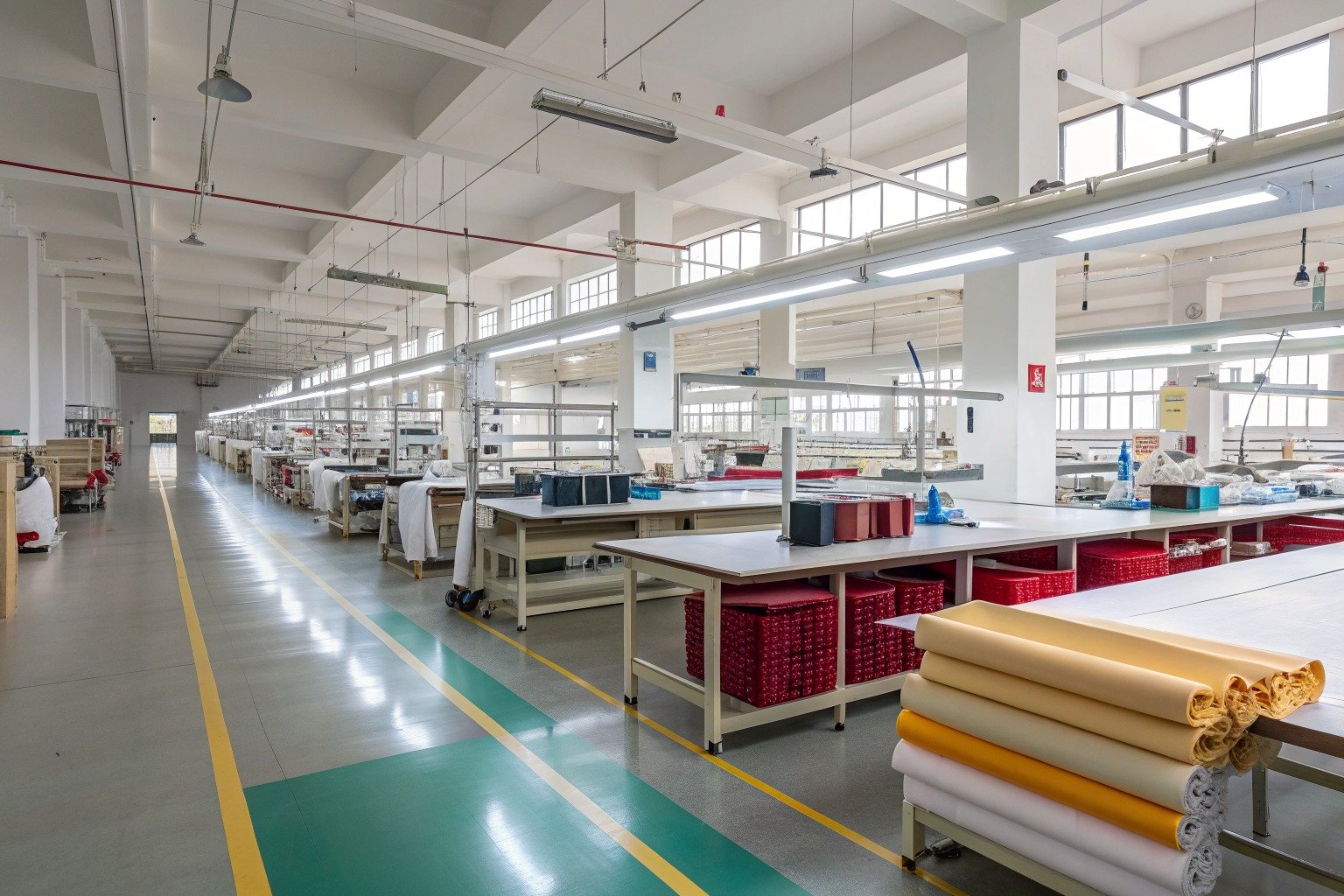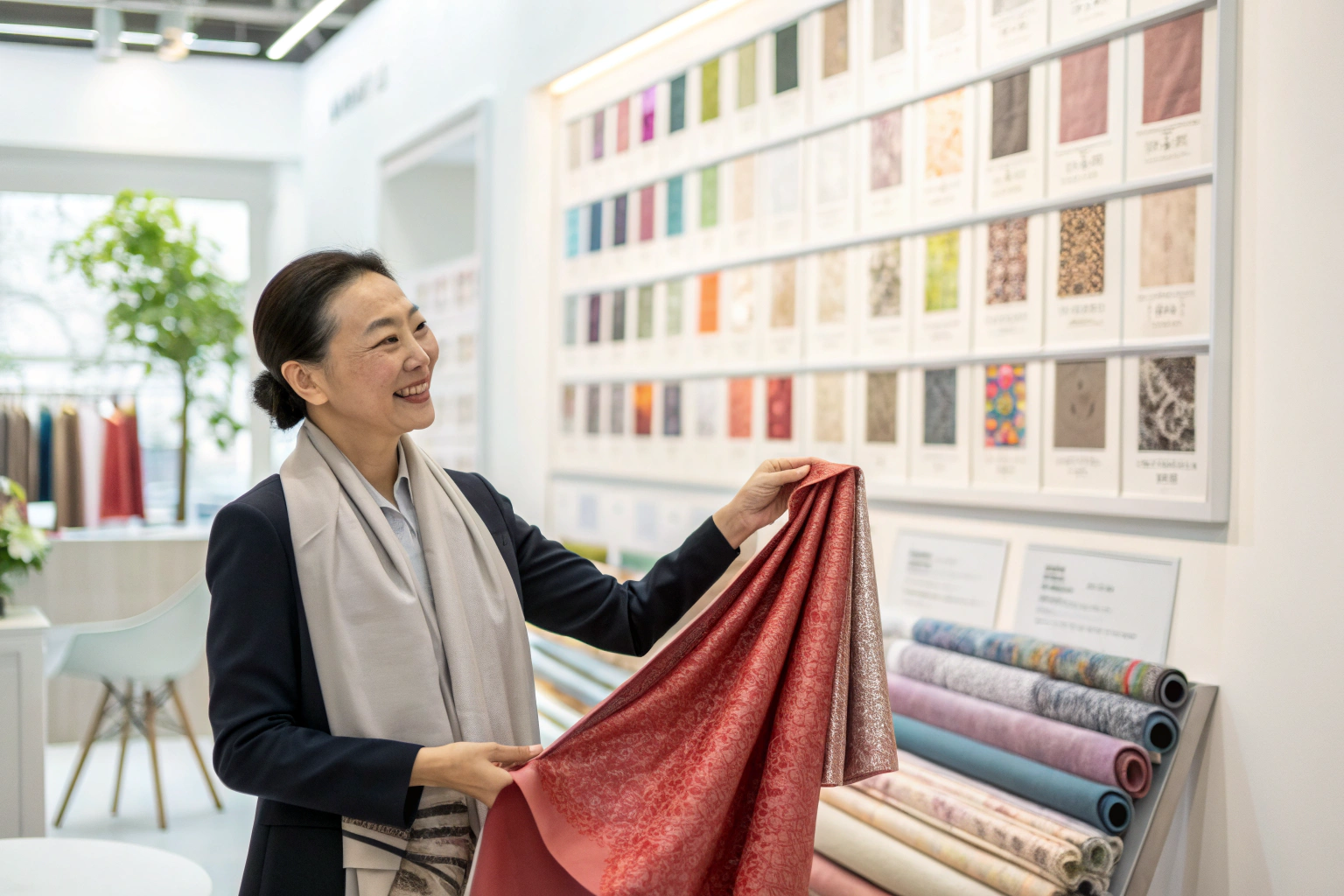
I have spent over twenty years in this industry. I have watched buyers from New York, London, and Moscow stand in our showroom and touch the same fabric swatch over and over. They are not just looking for a supplier. They are looking for confidence. They need to know that the material they choose will not disappoint their customer. It will not pill after three washes. It will not arrive wrinkled and lifeless. It will not feel cheap against the skin.
The truth is simple. There is no single "best" fabric. There is only the right fabric for your brand, your season, and your customer’s expectation. At Shanghai Fumao Clothing, we do not push one material because we stock it. We help you match the fiber to the function. This is the difference between a factory that takes orders and a partner that protects your reputation.
In this guide, I will walk you through the most important fashion scarf fabrics. I will tell you honestly what each one does well, where it falls short, and exactly when you should use it. Whether you are sourcing for a luxury boutique or a high-volume retail chain, you will leave this article knowing exactly what to ask for.
Why Does Fabric Choice Determine the Success of Your Fashion Scarf Line?
I learned this lesson early in my career. A buyer once ordered five thousand silk scarves from us. The price was good. The design was beautiful. But when the shipment arrived, the retailer called him immediately. The scarves did not drape the way the sample did. They were stiff. They did not sell.
We traced the problem back to the fiber grade. The buyer had approved a lower-grade silk to save money. He saved two dollars per piece. He lost twenty thousand dollars in unsold inventory.
Fabric is not just a line item on your cost sheet. It is the entire user experience. It is the way the scarf feels when it comes out of the box. It is the way it catches the light. It is whether the customer wears it once or reaches for it every morning.
How Does Fiber Quality Affect Print Vibrancy and Color Retention?
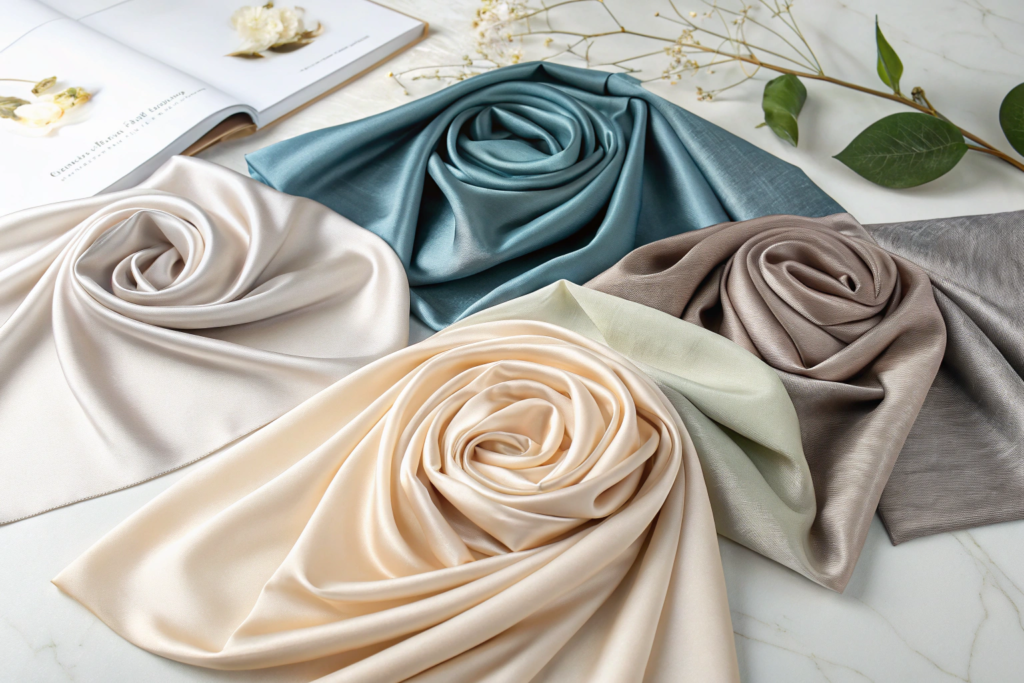
Not all fibers hold dye the same way. This is a fact many buyers discover too late. Natural fibers like silk and cotton absorb dye deeply. The color becomes part of the fiber. Synthetic fibers like polyester hold dye on the surface. This is why polyester prints look bright at first but can fade or crack over time.
At our facility, we test every fabric batch for colorfastness. We wash samples. We rub them. We expose them to light. We do this because your customer will do the same. If the red bleeds onto their white collar, they will not blame the fabric. They will blame your brand.
We follow standardized colorfastness testing protocols. These tests are recognized globally. They give you proof that your product will perform. We also use digital color matching systems to ensure the print on your scarf matches your brand guide exactly, across every production run.
What Role Does Fabric Drape Play in Consumer Perception?
Drape is the word we use to describe how fabric falls. It is not a luxury feature. It is a performance requirement. A scarf that stands stiffly away from the neck looks cheap. A scarf that follows the body’s movement looks elegant.
Silk and viscose have the best drape. Wool and cashmere also drape nicely when woven correctly. Cotton can drape well if it is high quality and properly finished. Polyester and acrylic usually drape poorly unless they are engineered specifically for softness.
When you choose a fabric for fashion scarf production, you are not just picking a material. You are engineering the customer’s first impression. You can read more about how drape is measured scientifically to ensure consistency.
Which Natural Fabrics Deliver the Best Results for Fashion Scarves?
Natural fibers are not always the right choice. But when they are the right choice, nothing else compares. They breathe. They feel alive against the skin. They age gracefully. Your customer will keep a natural fiber scarf for years. That is the goal, is it not? To make something that lasts.
We source natural fibers from trusted mills. We verify the origin. We test the composition. We do not accept "cotton blend" without knowing what the blend actually is. This level of scrutiny is why brands trust us.
If you want to read more about how to select natural fabrics for accessories, this is a valuable resource. You can also learn about our certified natural fiber sourcing directly from our team.
Why Is Mulberry Silk Still the Gold Standard for Luxury Scarves?
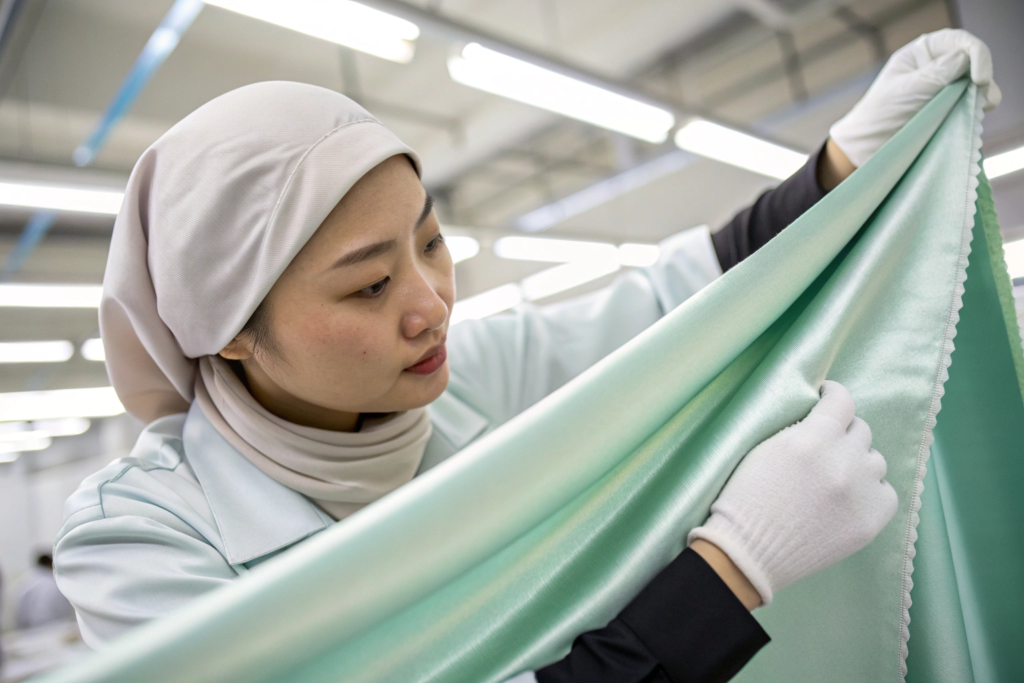
Mulberry silk is not just silk. It is the highest grade of silk. It comes from silkworms fed exclusively on mulberry leaves. The fibers are longer, smoother, and more uniform than other silks.
The result is a fabric with unmatched luster. It reflects light like still water. It takes dye perfectly. It is strong yet weightless. It regulates temperature naturally. It is hypoallergenic. There is a reason the world’s most famous fashion houses print their scarves on mulberry silk.
Yes, it is expensive. Yes, it requires delicate care. But if your customer is paying for luxury, you cannot substitute certified mulberry silk. It is the only fabric that delivers the complete luxury experience. We also recommend reviewing the International Silk Association standards for grading and authenticity.
When Should You Choose Cashmere Over Wool for Winter Collections?
Cashmere is warmer than wool. It is also significantly lighter. A cashmere scarf provides the insulation of a thick wool scarf at half the weight. This is important for your customer. Nobody wants a heavy, bulky scarf dragging on their coat.
Cashmere is also softer. Traditional wool can be itchy, even at high quality. Cashmere feels smooth against bare skin. It does not irritate. This comfort is why customers pay a premium.
However, cashmere is fragile. It pills more easily than wool. It requires careful washing. If your customer is looking for a rugged, everyday winter scarf, high-quality merino wool is often the better choice. It provides excellent warmth, is more durable, and is easier to care for.
We always advise buyers on this trade-off. Do you want luxury and lightness? Choose cashmere. Do you want durability and value? Choose merino wool. For certified options, look at the Sustainable Fibre Alliance and the Good Cashmere Standard.
What Makes Cotton and Linen Ideal for Spring and Summer Scarves?
Cotton is the workhorse of the textile industry. It is breathable, soft, and affordable. It washes easily. It takes print and embroidery well. For promotional scarves, casual lines, and summer accessories, cotton is difficult to beat.
Linen offers a different aesthetic. It is even more breathable than cotton. It has a natural texture that feels relaxed and artisanal. It dries quickly. It becomes softer with every wash. Linen wrinkles easily, but many customers consider this part of its charm.
The key with both fabrics is quality. Low-grade cotton shrinks and fades. Low-grade linen feels rough. We source only combed, long-staple cotton and European flax linen. The difference in the finished product is obvious. We adhere to fabric quality grading standards. You can also check the Better Cotton Initiative for responsibly sourced cotton.
How Do Synthetic and Blended Fabrics Solve Cost and Performance Challenges?
I know what some of you are thinking. You do not want synthetics. You want natural fibers. I understand this. For years, I felt the same way. But the market has changed. Technology has changed. Today’s high-quality polyester is not your grandfather’s polyester. It is lightweight. It is soft. It holds color perfectly. It does not shrink. It does not wrinkle. It costs a fraction of silk.
There is a place for synthetics. There is a place for blends. The trick is knowing when to use them and when to walk away. For more information on recycled synthetics, read about the Global Recycled Standard. For an overview of how we handle cost-effective scarf production, our project managers are always available.

Can High-Quality Polyester or Acrylic Compete with Natural Fibers?
For print clarity and color vibrancy, polyester actually outperforms most natural fibers. Sublimation printing bonds the dye directly to the polyester fiber. The color becomes part of the fabric. It will not wash out. It will not fade quickly. This is why so many custom logo scarves are made from polyester. The brand colors are exact. The logo is sharp. The cost per unit is low enough to give away at trade shows.
Acrylic serves a similar role for winter scarves. It mimics the warmth and softness of wool at a fraction of the price. It is lightweight, easy to care for, and available in countless colors. For budget-conscious brands or high-volume promotional campaigns, acrylic is a perfectly valid choice.
The limitation is breathability and longevity. Synthetics trap heat and moisture. They can feel clammy in warm weather. They also break down faster than natural fibers. A polyester scarf may look great for one season. A silk scarf can look great for a decade. Learn about eco-friendly recycled polyester and the certification for acrylic fibers.
What Are the Best Blends for Balancing Cost, Comfort, and Durability?
Blends give you the best of both worlds. This is where we do most of our work with buyers.
Wool-acrylic blends are extremely popular. You get the warmth and hand-feel of wool with the lower cost and easier care of acrylic. The blend ratio determines the price point. We help buyers find the sweet spot.
Cotton-polyester blends are excellent for everyday scarves. You get the breathability and softness of cotton with the wrinkle resistance and durability of polyester. These scarves can be machine washed and dried. They travel well. They hold their shape.
Silk-cashmere blends are the ultimate luxury hybrid. You get the luster and drape of silk with the warmth and softness of cashmere. The cost is high, but the result is extraordinary. These are heirloom pieces.
Linen-cotton blends are perfect for summer. You get the texture and breathability of linen with the softness and strength of cotton. They wrinkle less than pure linen and feel smoother against the skin.
When you work with Shanghai Fumao Clothing, we do not just take your order for "cotton-poly blend." We ask you what percentage you need. We explain how the ratio affects the feel, the drape, and the wash performance. We send you samples. You touch them. You decide. You can also reference textile blend identification and care labeling guidelines for your final product.
How Do You Match Scarf Fabrics to Seasons, Occasions, and Budgets?
I tell my buyers one thing repeatedly. Do not fall in love with a fabric. Fall in love with your customer. Your customer does not care that silk is more prestigious than polyester. They care that the scarf feels good, looks good, and fits their life.
This means you must match the fabric to the use case. A scarf for a Chicago winter cannot be made of cotton voile. A scarf for a beach wedding cannot be made of heavy wool. It sounds obvious, but I see this mistake constantly.
To understand how to seasonalize your accessory lines, this is a great resource. You can also review our past seasonal production case studies to see how we have helped buyers pivot their fabric selections.
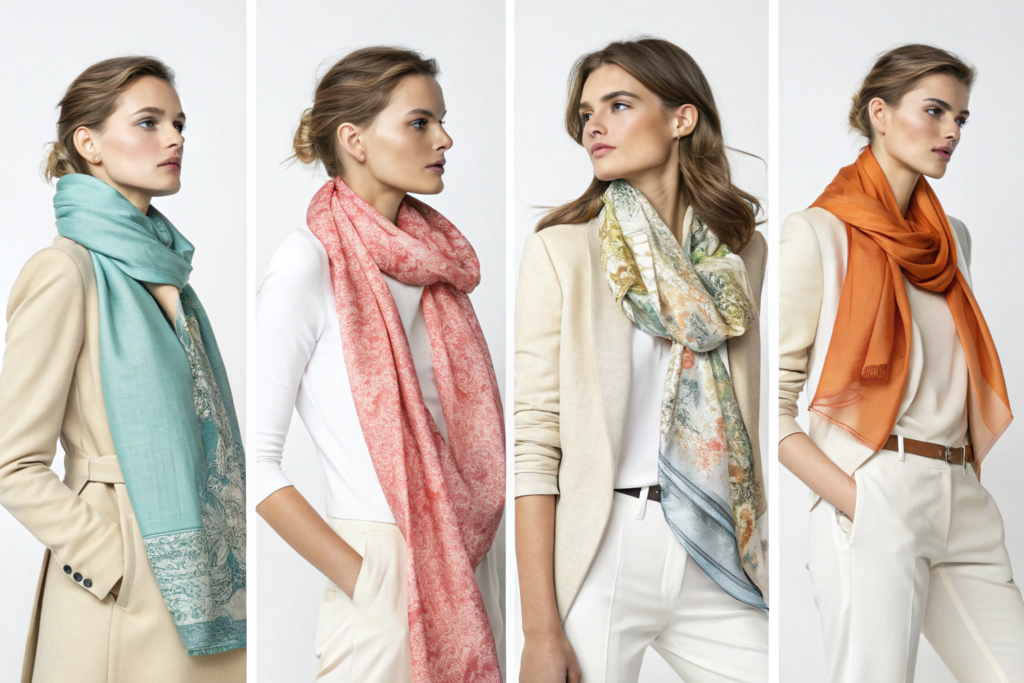
Which Fabrics Perform Best in Winter Versus Summer Conditions?
For winter, you need insulation. Wool and cashmere are the premium choices. They trap body heat while allowing moisture to escape. Fleece is an excellent budget option. It is soft, warm, and machine washable.
Acrylic also works well for winter. It is warm and lightweight. Just be aware that it does not breathe. For mild winter climates, this is fine. For extreme cold, your customer will sweat underneath it.
For summer, you need breathability. Cotton, linen, and bamboo are ideal. They allow air to circulate. They absorb moisture. They feel cool against the skin.
Silk is also excellent for summer. It is naturally temperature-regulating. It keeps you cool when it is hot and warm when it is cool. This versatility makes silk a true four-season fabric.
Chiffon and georgette are popular for summer evenings and formal occasions. They are lightweight and sheer. They add elegance without weight. Check The Woolmark Company for certified wool and the Global Organic Textile Standard for certified cottons.
How Do You Select Fabrics for Promotional Scarves Versus Luxury Branding?
For promotional scarves, your priorities are cost, print quality, and ease of care. You want the logo to be bright and sharp. You want the recipient to actually wear it. You do not want complaints about pilling or shrinkage.
Polyester and acrylic are your best options here. They print beautifully. They are affordable. They can be washed without special treatment. A well-made polyester scarf with a high-resolution print feels like a quality item. It will be worn and seen.
For luxury branding, your priorities are entirely different. You are not selling warmth. You are selling feeling. The weight of the fabric. The sound it makes when it moves. The way it catches the light.
Silk, cashmere, and fine merino wool are non-negotiable here. Your customer is paying for the best. You must deliver the best. The difference between a good cashmere scarf and an exceptional one is subtle, but your customer will feel it.
We help luxury brands source certified ethical cashmere and traceable mulberry silk. This adds another layer of value. Your customer knows the story behind the material. They feel good about their purchase. For promotional items, the Promotional Product Standards can help guide your material choices.
Conclusion
There is no single answer to the question of the best scarf fabric. The best fabric is the one that delivers on your promise to your customer.
If you promise luxury, you deliver silk or cashmere.
If you promise comfort and versatility, you deliver cotton or merino wool.
If you promise affordability and bold design, you deliver polyester or acrylic.
If you promise the perfect balance, you deliver a carefully engineered blend.
At Shanghai Fumao Clothing, we have spent decades mastering every one of these fabrics. We know which mills produce the most consistent silk. We know which blend ratios actually hold up in the wash. We know how to engineer a scarf that looks expensive but fits a promotional budget.
This knowledge is not a secret. It is simply experience. And we are ready to share it with you.
If you are sourcing fashion scarves for your brand, stop guessing which fabric is right. Let us help you choose. Contact Elaine, our Business Director, directly at elaine@fumaoclothing.com. Tell her what you are trying to build. She will tell you exactly how to build it.