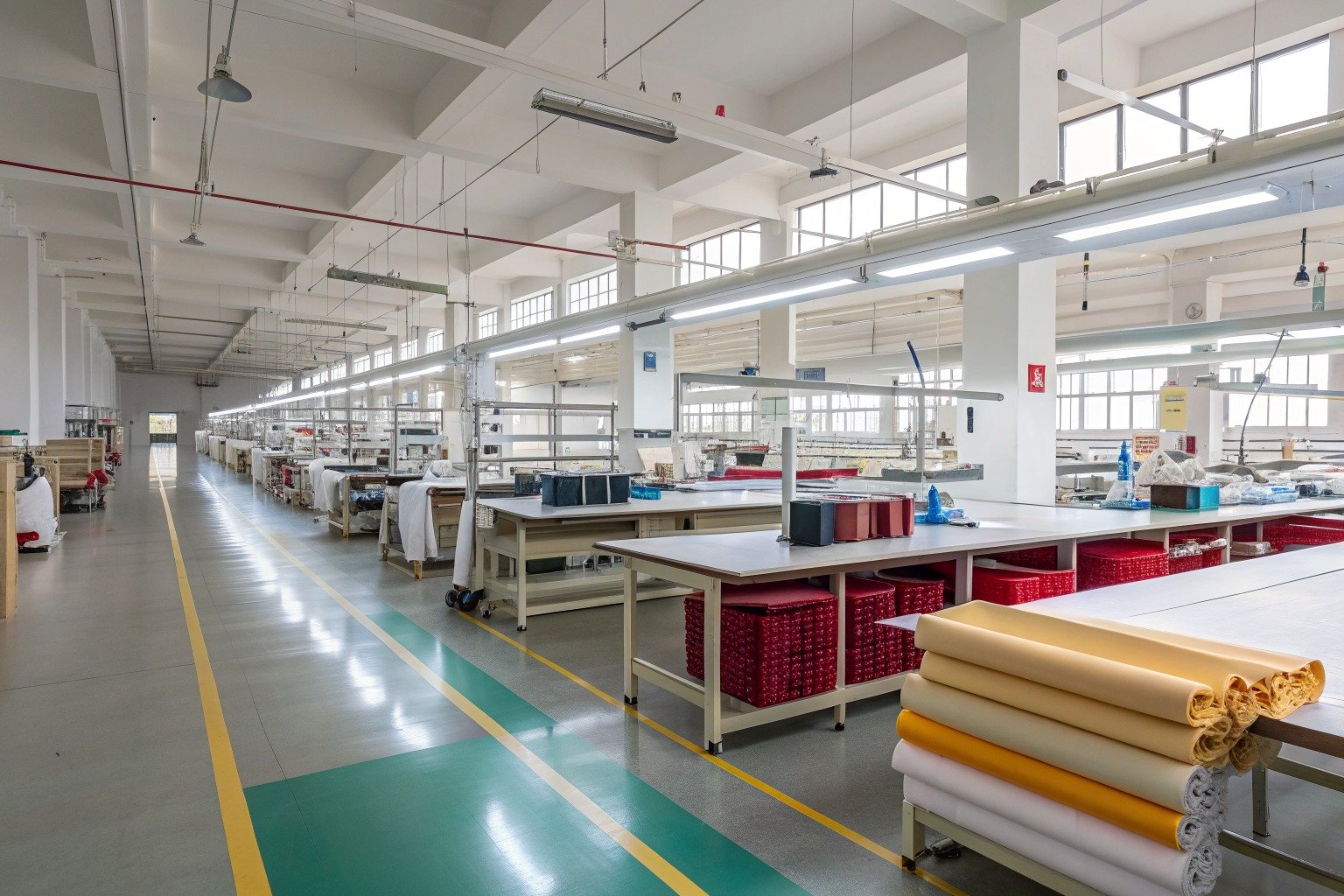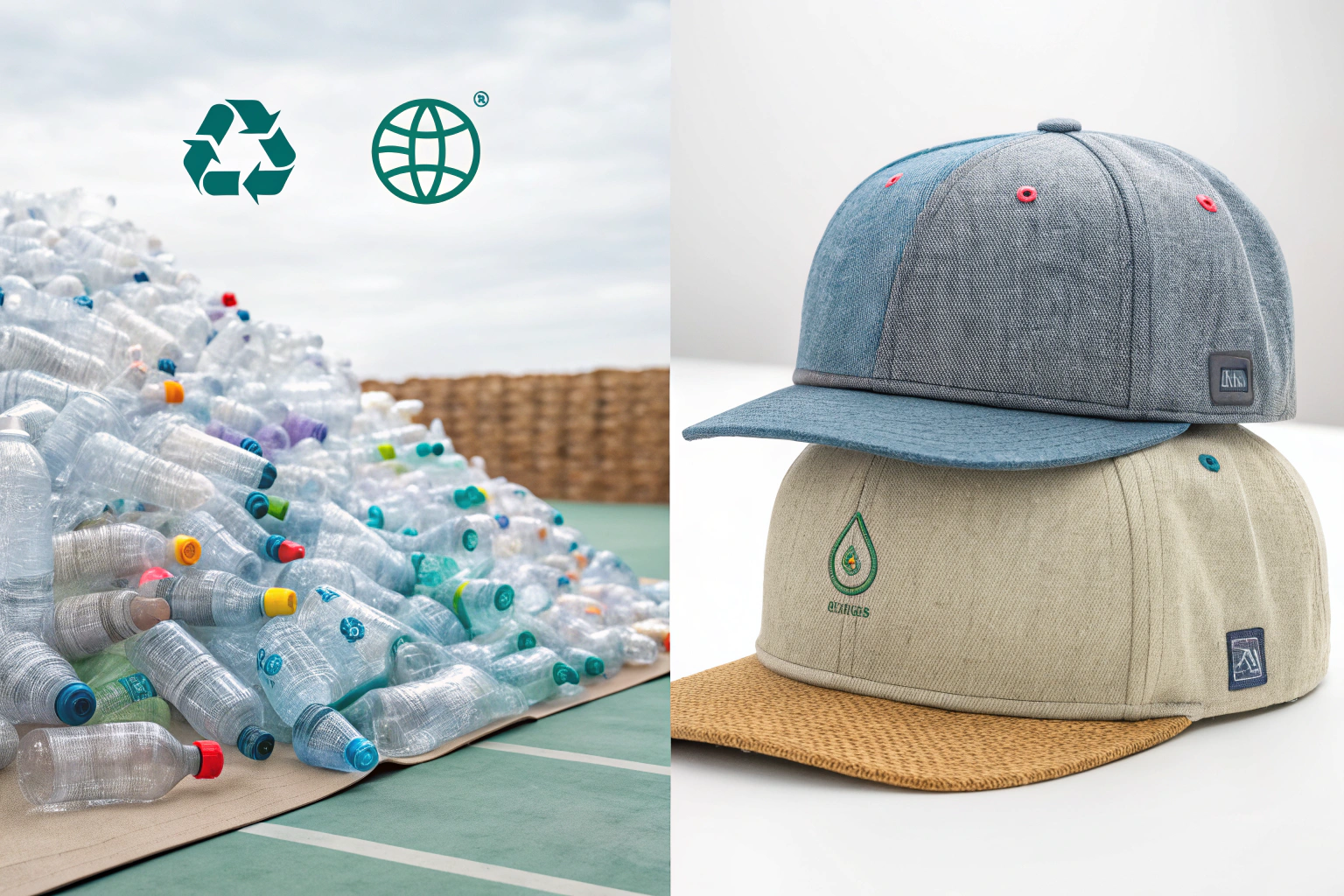
If you’re sourcing baseball caps for your brand or retail shelves, you’ve likely seen the term "rPET" or "Recycled PET" popping up everywhere. You might wonder: is this just a marketing trend, or does it offer real, tangible benefits for my business and my customers? As a manufacturer producing thousands of caps monthly, we’ve integrated rPET fabrics into our core lines, and the advantages go far beyond a simple eco-friendly label. The shift to rPET is a strategic response to consumer demand, environmental pressure, and, importantly, advancements in material quality that now meet high-performance standards.
The benefits of using Recycled PET in baseball cap production are multifaceted, impacting brand value, product performance, supply chain resilience, and cost management. It transforms a basic accessory into a product with a compelling story, appealing to the growing segment of conscious consumers while maintaining, and often enhancing, the functional attributes expected from a quality cap.
Let’s break down the specific advantages, moving from the environmental impact to the practical business benefits that directly affect importers, brands, and retailers.
How Does rPET Production Positively Impact the Environment?
This is the most prominent driver behind the trend. For brands targeting markets in Europe and North America, demonstrating a reduced environmental footprint is increasingly a requirement, not an option. Using rPET in your caps is a direct and measurable way to contribute to a circular economy.
The environmental argument is powerful because it’s simple for consumers to understand and verifiable. It turns a potential waste product into a valuable resource, closing the loop on plastic lifecycle.
Does Using rPET Actually Reduce Plastic Waste?
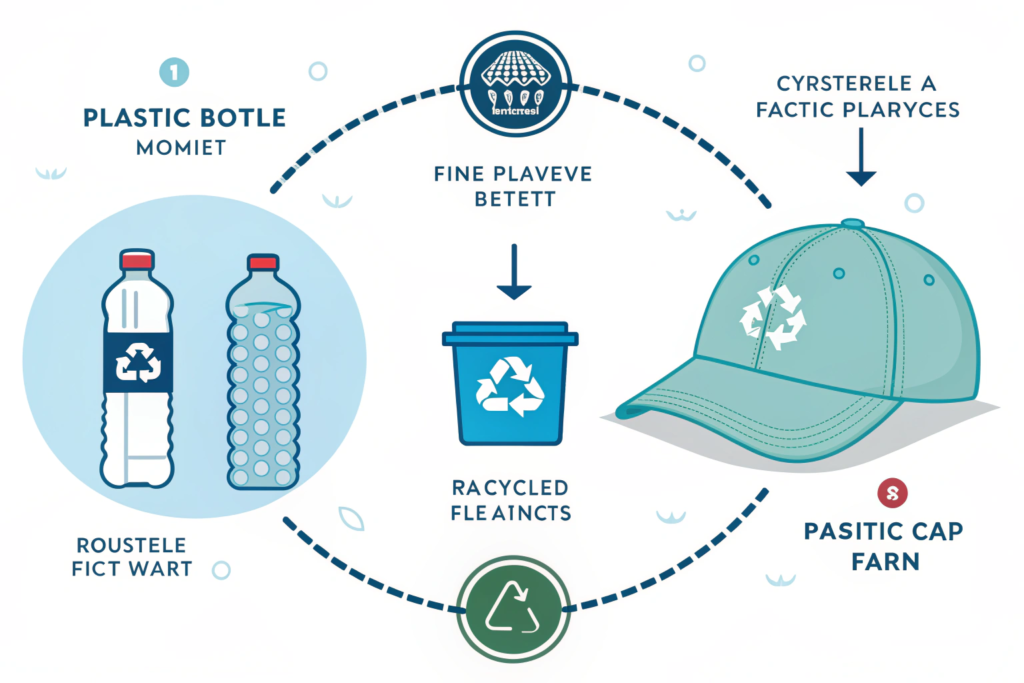
Absolutely. The core benefit is waste diversion. Post-consumer PET bottles—like water and soda bottles—are collected, cleaned, shredded into flakes, and transformed into recycled polyester (rPET) filament. This process directly prevents this plastic from ending up in landfills or oceans. For context, producing the fabric for about five baseball caps can divert one plastic bottle from waste streams. When you scale this to a production run of 10,000 caps, the impact becomes a significant part of your brand’s sustainability story. This tangible contribution aligns with global initiatives and reporting standards that major retailers are now following.
What is the Carbon and Resource Footprint Compared to Virgin Polyester?
Manufacturing rPET requires significantly less energy and water than producing virgin polyester from petroleum. The process of melting down existing plastic and respinning it consumes fewer resources. This translates to a lower carbon footprint for your finished product. For cost-conscious and environmentally aware importers, this means the caps you source are inherently more efficient to produce from a resource perspective. It’s a key data point for Environmental, Social, and Governance (ESG) reporting that more corporate buyers are requesting.
Does rPET Fabric Compromise on Quality and Performance?
This is the critical question for any serious buyer. The early iterations of recycled fabrics could be rough, inconsistent, or less durable. Today, that is no longer the case. Advancements in recycling and yarn-spinning technology have elevated rPET to a point where it often matches or exceeds the performance of virgin materials, provided it is sourced from a quality supplier.
For a baseball cap, performance attributes like colorfastness, moisture-wicking, shape retention, and softness are non-negotiable. Modern rPET fabrics deliver on all fronts.
Is rPET Fabric Durable Enough for Everyday Wear?
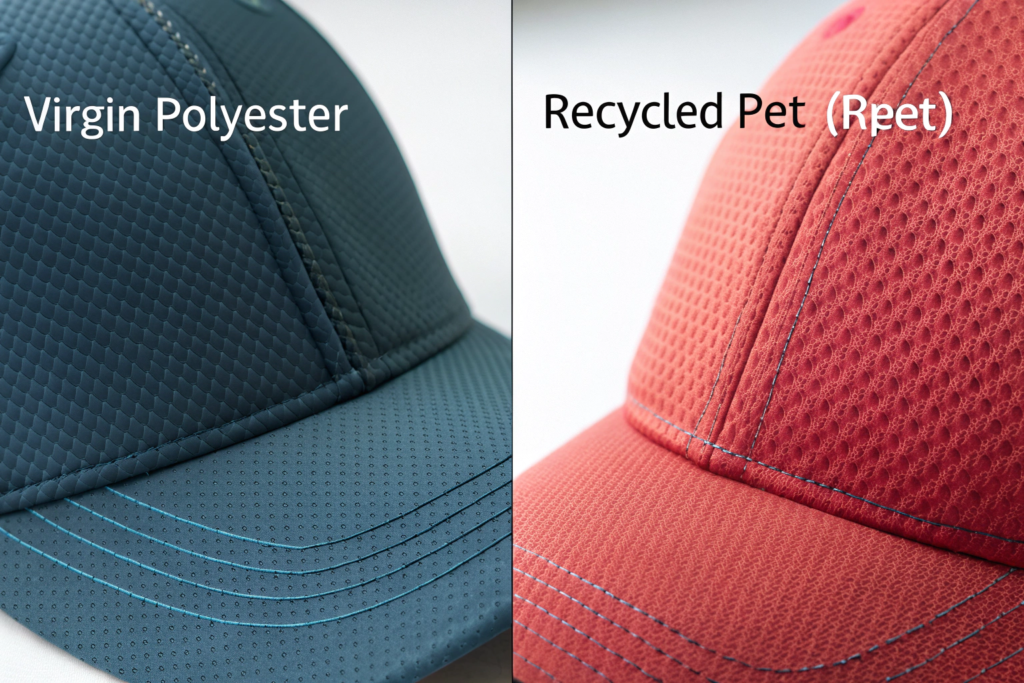
Yes, high-quality rPET fabric is extremely durable. The recycled polyester fibers used in cap manufacturing are engineered for strength. They provide excellent resistance to abrasion, pilling, and stretching. In our factory’s quality control tests, we subject rPET cap fabrics to the same rigorous checks as virgin materials, including tensile strength and colorfastness to washing and light. The result is a cap that maintains its structure and appearance through prolonged use. This durability is essential for building brand trust and reducing potential returns due to product failure.
How Does the Feel and Function Compare to Traditional Materials?
The perception of rPET as "stiff" or "scratchy" is outdated. Today’s premium rPET fabrics are soft, breathable, and offer excellent moisture-wicking properties. This makes them ideal for athletic or everyday casual caps, as they draw sweat away from the skin. The dye absorption is also excellent, allowing for vibrant, lasting colors. From a sourcing perspective, this means you don’t have to choose between sustainability and a premium customer experience. You can offer both. Factories like Shanghai Fumao Clothing have access to top-tier rPET fabric mills that specialize in these high-performance textiles.
What Are the Direct Business Advantages for Brands and Retailers?
Beyond ethics and performance, rPET offers concrete commercial benefits. It helps you future-proof your product line, meet compliance demands, and connect with a valuable consumer demographic. In a competitive market, these advantages can be the difference between a product that sits on the shelf and one that flies off it.
This is where the decision moves from the CSR department to the core merchandising and marketing strategy.
Can rPET Caps Be a Powerful Marketing and Branding Tool?
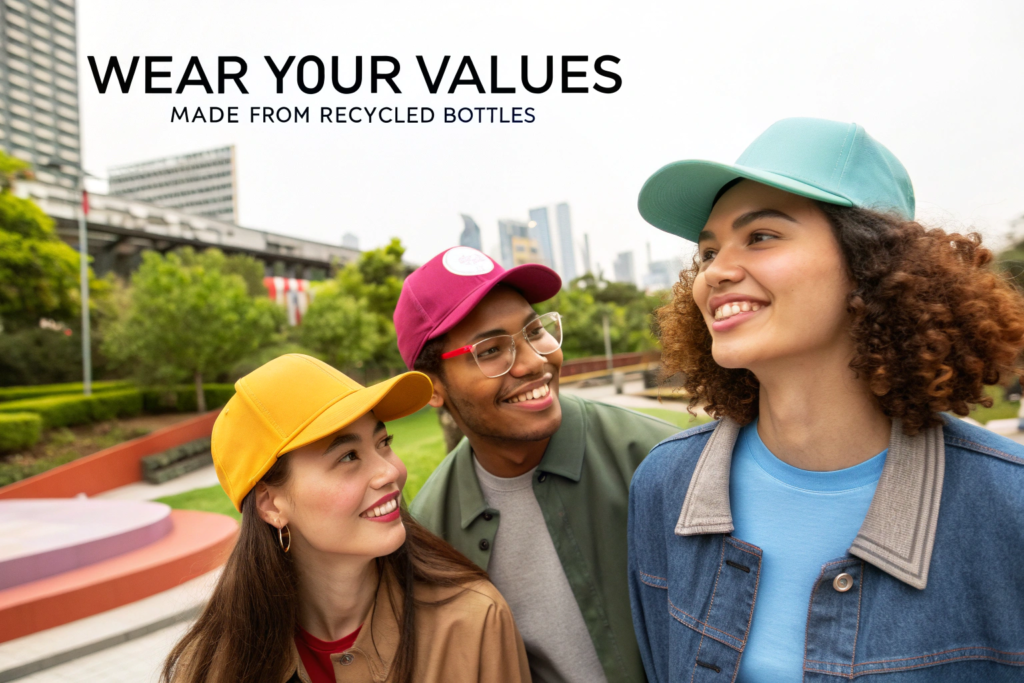
Unequivocally, yes. A baseball cap made from recycled materials carries a built-in narrative. This story is highly marketable on hangtags, in online product descriptions, and through social media. It resonates strongly with Millennial and Gen Z consumers who prioritize sustainability in their purchasing decisions. This isn’t just a feel-good story; it’s a conversion driver. It differentiates your caps in a crowded marketplace and can justify a slight price premium. For retailers, it helps meet the sustainability criteria set by large supermarket chains and department stores.
Does Sourcing rPET Help Mitigate Supply Chain and Regulatory Risks?
Increasingly, yes. Governments, particularly in the EU with its Strategy for Sustainable and Circular Textiles, are implementing regulations that encourage or mandate recycled content. By integrating rPET into your supply chain now, you are getting ahead of potential compliance requirements, avoiding future costly scrambles. Furthermore, relying on recycled feedstock can, over time, provide more price stability than virgin polyester, which is tied to the volatile fossil fuel market. Building a relationship with a factory proficient in rPET, like ours, simplifies your logistics and compliance journey.
How to Source rPET Baseball Caps Responsibly and Effectively?
To fully realize the benefits, you must source responsibly. "Greenwashing"—making false environmental claims—is a real risk that can damage brand reputation. Your due diligence must ensure the recycled content is verified and the entire production process aligns with your values.
This requires moving beyond a simple price quote and engaging with your manufacturer on transparency and certification.
What Certifications Should I Look for to Verify Recycled Content?
Never take a supplier’s word for it. Demand third-party certifications that provide chain-of-custody verification. The gold standard is the Global Recycled Standard (GRS) or the Recycled Claim Standard (RCS). These certifications track the recycled material from its source to the final product, ensuring the content claim is accurate. A reputable factory will have these certificates for their fabric suppliers and be able to provide them for your specific order. This is a non-negotiable part of modern ethical sourcing practices.
What Questions Should I Ask My Potential Cap Manufacturer?
To ensure a successful partnership, ask these key questions during sourcing:
- "What percentage of rPET is in the fabric?" (Common blends are 85%-100%).
- "Can you provide GRS/RCS certification for the fabric mill?"
- "How does the MOQ and cost compare to virgin polyester caps?" (Often, the difference is now very small).
- "Do you have experience optimizing production techniques for rPET fabric?" (It can sometimes behave differently during cutting and sewing).
A factory’s ability to answer these questions confidently, like we do at Shanghai Fumao Clothing, shows they are a true partner in sustainable manufacturing, not just a production facility.
Conclusion
The benefits of using Recycled PET in baseball cap production are clear and compelling. It is a win-win-win scenario: a win for the environment by reducing waste and emissions, a win for the consumer who receives a high-performance product with a positive backstory, and a win for your business through enhanced brand value, market differentiation, and future-proofing against regulatory shifts.
The key to unlocking these benefits lies in partnering with a knowledgeable and transparent manufacturer. One who can guide you through material selection, provide the necessary certifications, and ensure the final product meets your highest quality standards.
If you are ready to elevate your cap line with sustainable, high-quality rPET options, we are here to help. Shanghai Fumao Clothing has the expertise, certified supply chain, and production capability to deliver outstanding recycled PET baseball caps at scale. Contact our Business Director, Elaine, at elaine@fumaoclothing.com to request samples and start developing your next best-selling, eco-conscious collection.