You’re planning your shawl collection for 2026. The market is shifting—customers are no longer satisfied with a simple piece of fabric. They seek an experience, a story, and a statement of values, all woven into the drape and texture of a shawl. The fabrics that will dominate are not just about warmth or aesthetics; they are about innovation, responsibility, and sensory connection. They answer the question: What does a modern shawl feel like in a world valuing both planet and personal expression?
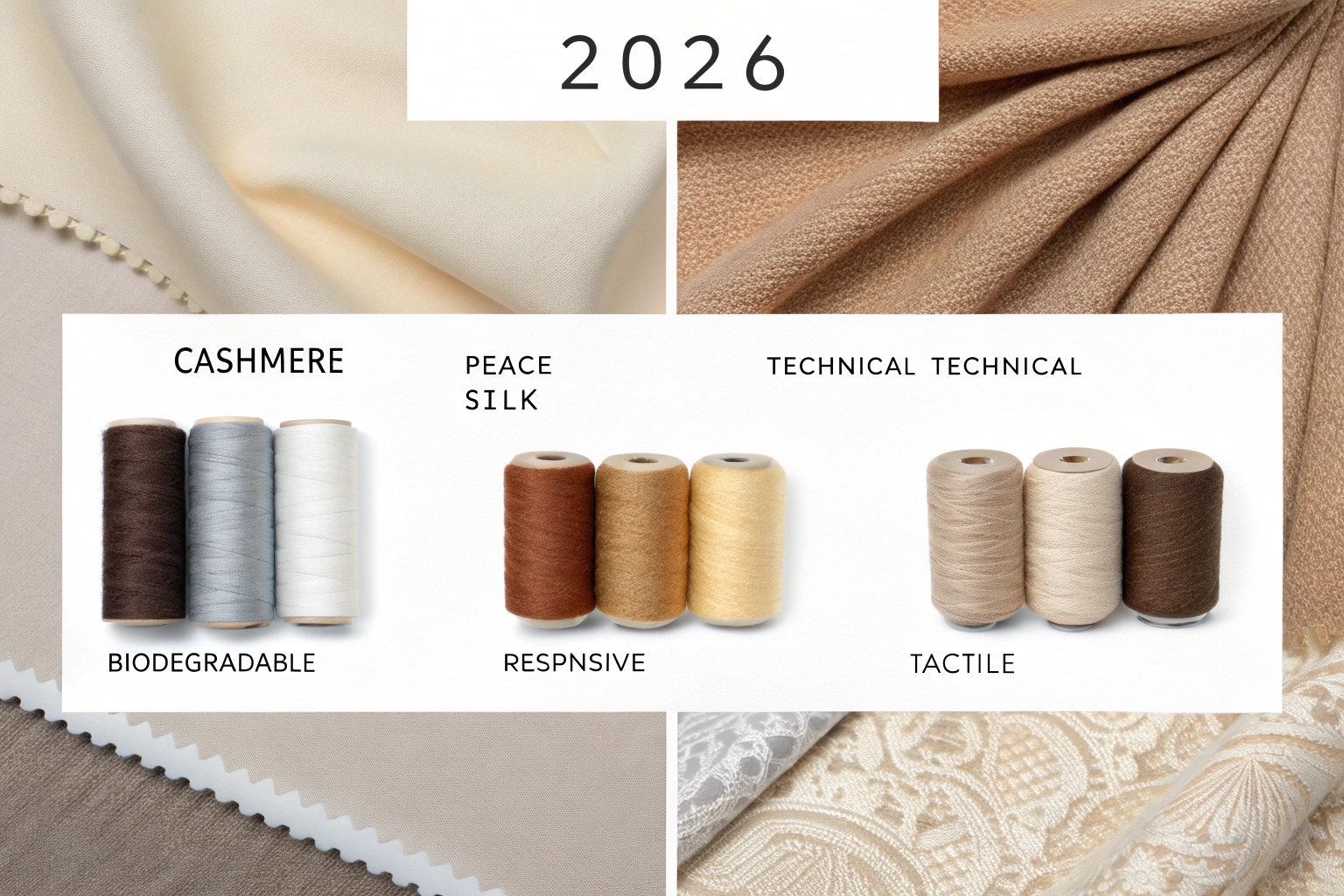
The popular fabrics for shawls in 2026 will be defined by three converging movements: 1) "Conscious Luxury" featuring traceable, biodegradable natural fibers and regeneratively farmed wools, 2) "Tech-Infused Textiles" with smart temperature regulation, adaptive textures, and sustainable high-performance materials, and 3) "Artisanal Revival" showcasing exaggerated textures, craft-forward weaves, and hybrid material fusions. These trends reflect a consumer who buys with purpose, demanding both ethical provenance and futuristic functionality from their accessories. At Shanghai Fumao Clothing, we are at the forefront of sourcing and developing these next-generation textiles to empower our clients’ collections.
Let’s explore the specific fabrics and material innovations that will shape the shawl landscape in the coming year.
What Defines the "Conscious Luxury" Fabric Movement?
This trend is the evolution of sustainability from a marketing claim to a deeply integrated product philosophy. It’s luxury redefined—not by opulence alone, but by integrity, transparency, and a profound respect for natural systems. The fabrics in this category feel inherently precious because of their origin story and their gentle footprint.
"Conscious Luxury" fabrics are characterized by fully traceable supply chains, certifications for animal welfare and organic farming, natural dye processes, and a focus on end-of-life biodegradability or compostability. Think beyond "organic cotton." The 2026 iteration is about fibers like:
- Regenerative Wool & Cashmere: Sourced from farms that practice holistic land management, rebuilding soil health and sequestering carbon. The wool is often non-mulesed, and cashmere comes from goats whose grazing is rotationally managed.
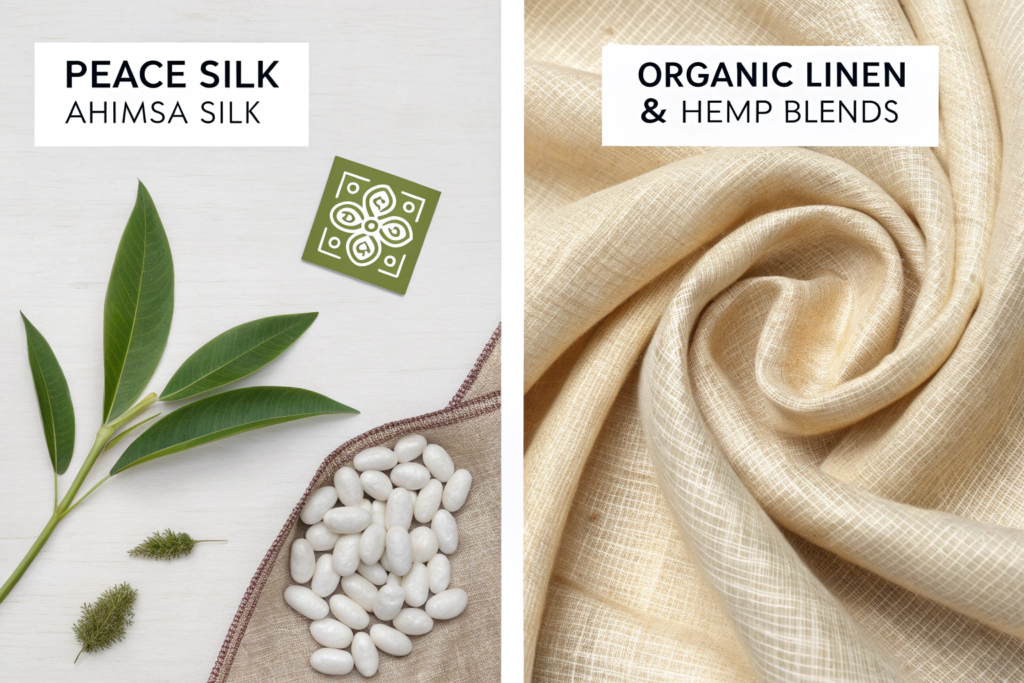
- Peace Silk (Ahimsa Silk): Silk where the silkworm is allowed to complete its metamorphosis and emerge from the cocoon, eliminating the standard practice of boiling the pupa alive. It has a slightly different, more textured hand-feel that is highly prized.
- Organic Linen & Hemp Blends: Celebrated for their low water footprint and natural durability, now being woven into incredibly soft, fine gauzes and blends that rival the drape of silk.
These fabrics will be marketed with clear narratives—QR codes on tags linking to farm profiles, dye master stories, and even soil health metrics.
How Are Natural Dyes and Finishes Evolving?
Natural dyes are moving beyond earthy tones into vibrant, colorfast palettes thanks to advanced extraction and mordanting techniques. Innovations include:
- Bio-indigo from Fermentation: Creating consistent, deep blues without the chemical reduction processes of synthetic indigo.
- Color from Food & Agricultural Waste: Dyes derived from avocado pits, onion skins, and nutshells, creating unique, sustainable color stories.
- Enzyme-Based Softening: Replacing chemical softeners with natural enzymes to achieve a luxuriously soft hand on plant-based fibers like linen and hemp.
These processes appeal to the consumer who seeks beauty without hidden toxic footprints, aligning with strict regulations like the EU’s Green Deal.
Why is Biodegradability a Key 2026 Requirement?
The circular economy is becoming a practical demand. Consumers and regulators are pushing back against synthetic microplastic pollution. Shawls made from 100% natural, biodegradable fibers (like wool, silk, linen, hemp, and Tencel™ Lyocell) offer a compelling end-of-life story: they can be composted at industrial facilities, returning nutrients to the earth. Brands will highlight this "cradle-to-cradle" design, contrasting it with polyester blends that shed microplastics. This isn’t just eco-friendly; it’s a forward-thinking product feature for the environmentally aware customer.
How Will "Tech-Infused Textiles" Transform Shawl Functionality?
The future shawl is not passive; it’s responsive. This trend merges apparel with wearable tech in subtle, elegant ways, focusing on enhancing comfort, adaptability, and personal well-being. The technology is woven into the fiber or finish, not clumsily attached.
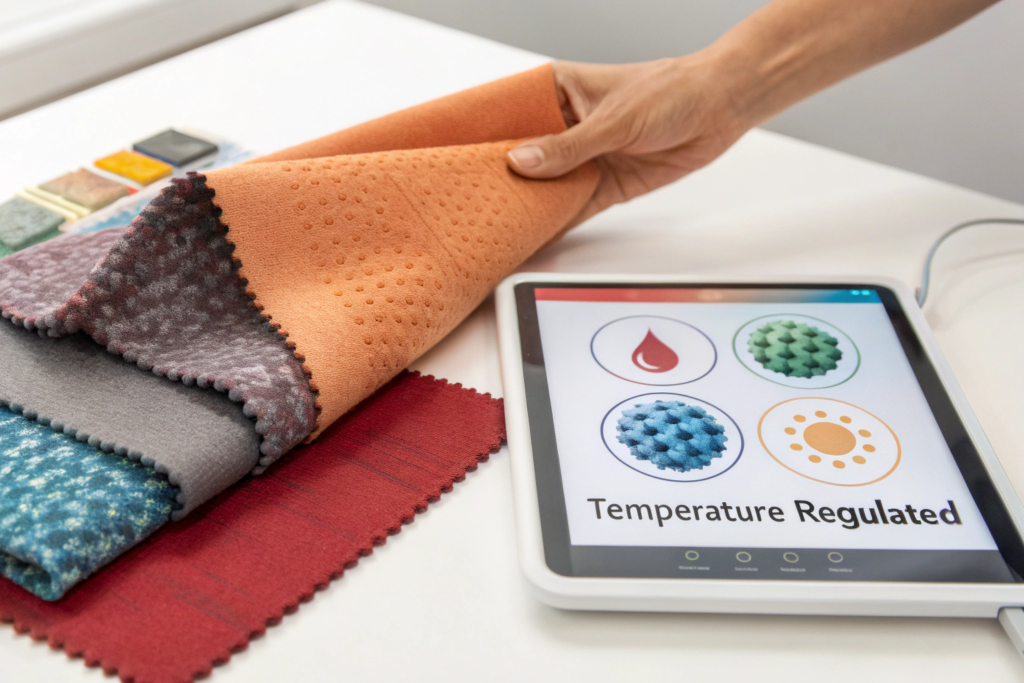
"Tech-Infused Textiles" will introduce functionality such as passive temperature regulation (phase-change materials, lightweight insulation), moisture management that goes beyond wicking, and integrated wellness features like calming textures or scent microcapsules. These are not "sportswear" fabrics but luxurious textiles with hidden performance benefits. Examples include:
- Temperature-Adaptive Weaves: Fabrics incorporating Outlast® or 37.5® technology, originally developed for NASA, which absorb, store, and release body heat to maintain micro-climate comfort.
- Light-Responsive Yarns: Yarns that change color or pattern subtly in response to sunlight (photochromic) or body heat (thermochromic), creating a dynamic, interactive accessory.
- Plant-Based Performance: High-tech fabrics derived from natural sources, like breathable, water-resistant membranes made from chitosan (derived from shellfish shells) or cactus leather appliqués used as decorative, durable trim on shawl edges.
What is the Role of Sustainable Synthetics in This Category?
Not all synthetics are created equal. The 2026 standard favors bio-based and recycled polymers engineered for circularity.
- Bio-Nylons: Nylon derived from castor oil instead of petroleum, offering the same durability and dyeability with a significantly lower carbon footprint.
- Recycled Polyesters with Enhanced Touch: New generations of rPET are being texturized to mimic the soft hand of natural fibers, moving away from the "plastic" feel, making them viable for luxury shawl linings or blends.
- Monomer Recycling: Technologies that can break down old polyester garments to their base molecules and re-spin them into new, high-quality yarns without degradation.
These materials allow for advanced performance features (like unparalleled drape recovery or wind resistance) while addressing environmental concerns.
How Will "Wellness Integration" Manifest?
The wellness trend will materialize in fabrics designed to soothe the senses:
- Aromatherapeutic Finishes: Micro-encapsulated essential oils (like lavender or eucalyptus) bonded to the fabric, released gently by friction or body heat throughout the day.
- Sensory Weaves: Textures specifically engineered for stimulating touch (fidget textures) or calming pressure (weighted micro-bead sections) for anxiety relief, making the shawl a tool for mental well-being.
- EMF-Shielding Fibers: Blends with silver or other conductive yarns that claim to reduce exposure to electromagnetic fields, catering to health-conscious consumers.
While some claims require scrutiny, the market will see a surge in fabrics marketed with holistic benefits.
What Drives the "Artisanal Revival" and Textural Explosion?
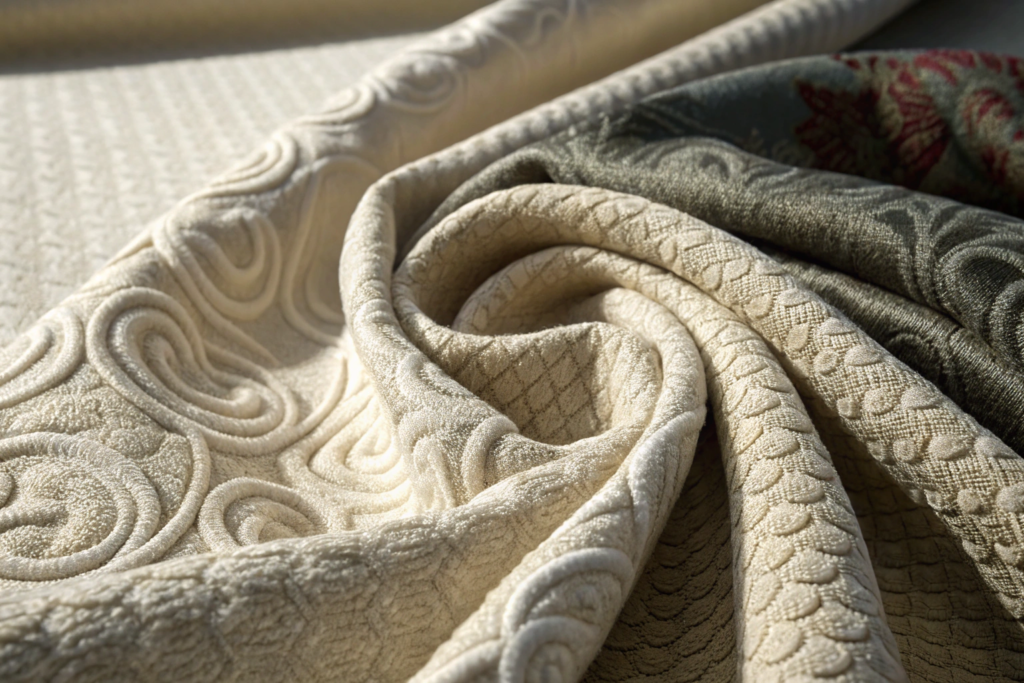
In reaction to digital saturation and mass production, there is a powerful craving for the tangible, the unique, and the human-made. This trend celebrates imperfection, heritage craft, and bold, tactile statements. It’s about shawls as wearable art.
The "Artisanal Revival" is driven by exaggerated, three-dimensional textures, the fusion of disparate craft techniques, and a "maker’s mark" aesthetic that highlights the artistry behind the piece. It’s a rejection of the flat, printed scarf in favor of pieces with profound physical presence. Key fabric expressions include:
- Macramé and Crochet-Inspired Jacquards: Using advanced knitting and weaving machines to replicate the intricate, lofty textures of hand-knotting and crochet at scale, offering a artisanal look with commercial viability.
- Flocked, Tufted, and Chenille Surfaces: Pushing the boundaries of pile heights and patterns to create shawls that are almost plush-like in their texture.
- Material Collage: Combining unexpectedly luxurious materials within a single shawl—e.g., a delicate silk chiffon base with rugged, raw-edged strips of upcycled tweed or leather.
- 3D-Printed Embellishments: Not full fabrics, but 3D-printed polymer or bio-resin embellishments (like intricate floral or geometric motifs) applied to a fabric base, creating hybrid texture.
Why is "Craft Tech" a Key Manufacturing Development?
"Craft Tech" refers to using digital design and manufacturing tools to enable and scale artisan-level detail. For shawls, this means:
- Digital Looms with High-Definition Capability: Machines that can replicate incredibly complex, multi-layer weave structures that were previously only possible on handlooms.
- Laser Cutting and Etching: Creating intricate lace-like patterns or textured surfaces on wool felts or silks without fraying.
- AI-Assisted Pattern Generation: Creating unique, never-repeating jacquard patterns inspired by traditional motifs, giving each production run a bespoke feel.
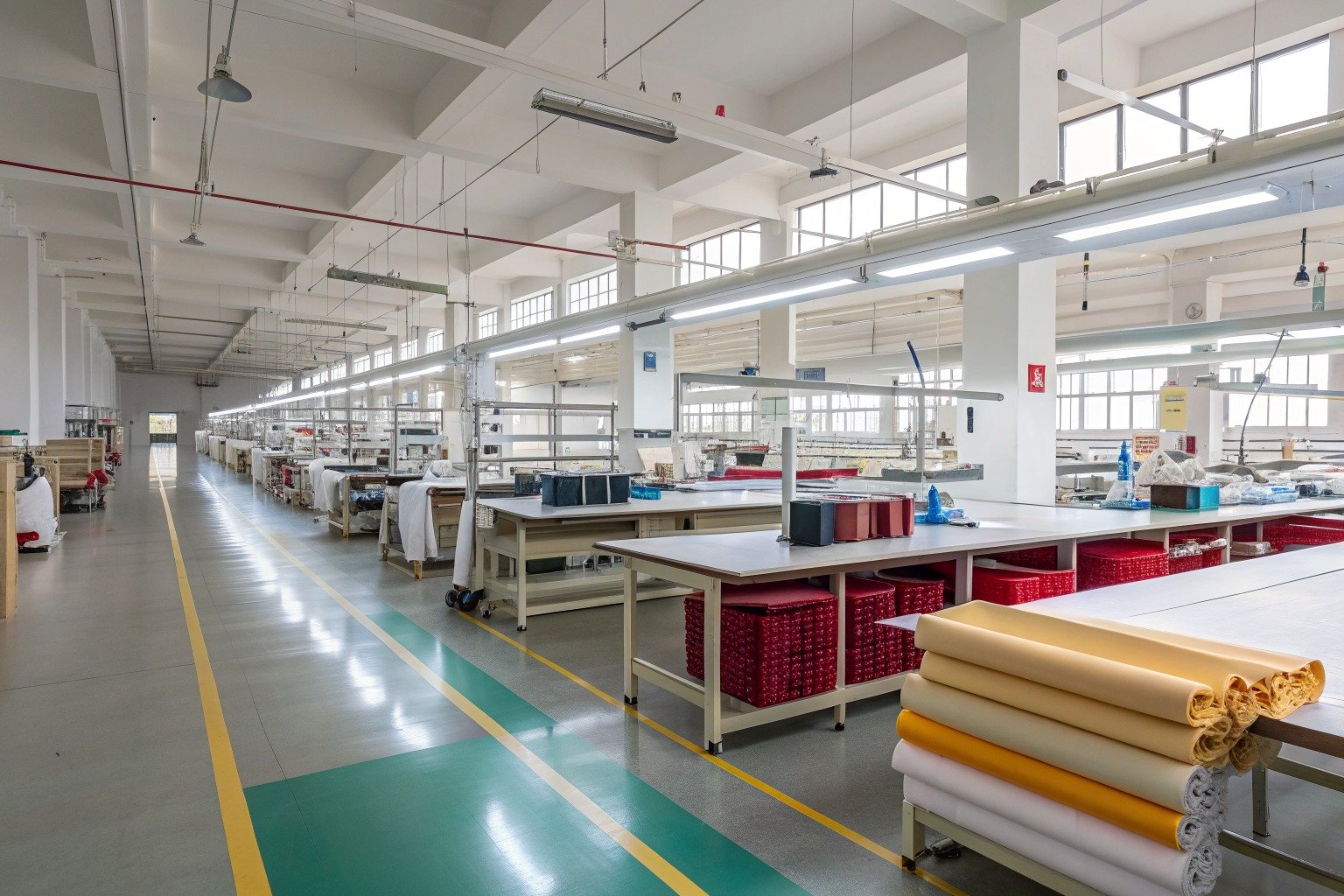
This allows brands to offer the uniqueness and texture of craft with the consistency and scalability needed for business growth—a balance we help our clients at Shanghai Fumao Clothing achieve through our technical expertise.
How Will Color and Pattern Express This Trend?
Color and pattern will be bold and emotive. Expect:
- Neo-Folkloric Patterns: Reinterpretations of global traditional patterns, but abstracted, oversized, or rendered in unexpected, hyper-modern colorways.
- Tactile Gradients: Color transitions achieved through yarn dyeing or mélange techniques that also create a subtle textural shift.
- "Raw" and "Unfinished" Aesthetics: Hemlines with fringing that incorporates varied materials, visible selvedges celebrated as a design feature, and fabrics that showcase the inherent irregularities of natural dye lots.
How Should Brands Navigate and Source These 2026 Fabrics?
For brands, successfully leveraging these trends requires proactive sourcing, supplier partnership, and clear storytelling. The fabric is no longer just a commodity; it’s the core of the product narrative.
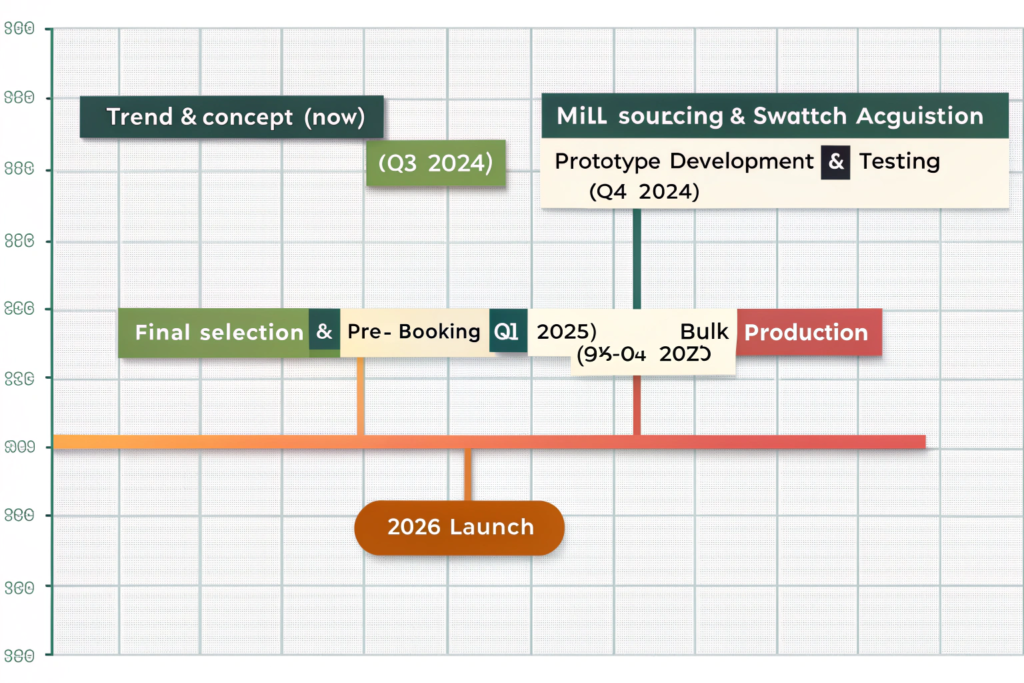
Brands should navigate by focusing on one primary trend that aligns with their identity, building deep partnerships with specialized mills and fabric developers, and investing in upfront prototyping to test drape, hand-feel, and performance claims. Sourcing will shift from catalog browsing to collaborative development. The timeline is critical—innovative fabrics often have longer lead times and require early commitment.
What are the Key Sourcing Questions for 2026 Fabrics?
When engaging with mills or suppliers, ask:
- Traceability: Can you provide a chain of custody from raw material to finished fabric? Are there certifications (GRS, OCS, Regenerative Organic Certified™)?
- Performance Data: For tech fabrics, what third-party test reports can you provide (temperature regulation, moisture management, durability)?
- Minimums and Lead Times: What are the realistic MOQs and lead times for sampling and bulk? Can you support a tiered production model?
- Collaboration Potential: Are you open to co-developing custom blends or finishes based on our design direction?
A manufacturer with a strong sourcing office and R&D department, like ours, can be an invaluable bridge to these specialized suppliers.
How to Price and Position Shawls with These Fabrics?
The fabric story will directly command a price premium and define positioning:
- Conscious Luxury: Positioned at the highest luxury tier. The price is justified by rare materials, ethical certifications, and artisan-level production stories. Marketing focuses on provenance and timelessness.
- Tech-Infused Textiles: Sits in the premium contemporary space. The price reflects R&D, patented technology, and multifunctional benefits. Marketing focuses on innovation, performance, and modern lifestyle enhancement.
- Artisanal Revival: Can span from mid-range to luxury, depending on material cost and perceived artistry. Price reflects design complexity, texture, and a "limited edition" feel. Marketing focuses on creativity, texture, and emotional connection.
Transparently communicating the "why" behind the fabric choice is essential to justifying the price and connecting with the discerning 2026 consumer.
Conclusion
The popular shawl fabrics of 2026 tell a story of a mature market where material choice is the ultimate expression of brand philosophy. Consumers will seek responsible elegance (Conscious Luxury), adaptive intelligence (Tech-Infused Textiles), and tactile storytelling (Artisanal Revival). The winning collections will not choose one path exclusively but will understand how these currents intersect to create depth and relevance.
Success hinges on foresight, partnership with innovative suppliers and manufacturers, and a commitment to material integrity that goes beyond the surface. The shawl of 2026 is more than an accessory; it is a carefully composed intersection of ethics, innovation, and art.
Ready to explore and develop shawls with the fabrics that will define 2026? Contact our Business Director, Elaine, at elaine@fumaoclothing.com to begin a conversation about sourcing, development, and bringing these forward-thinking material stories to life. Let Shanghai Fumao Clothing be your partner in weaving the future.