
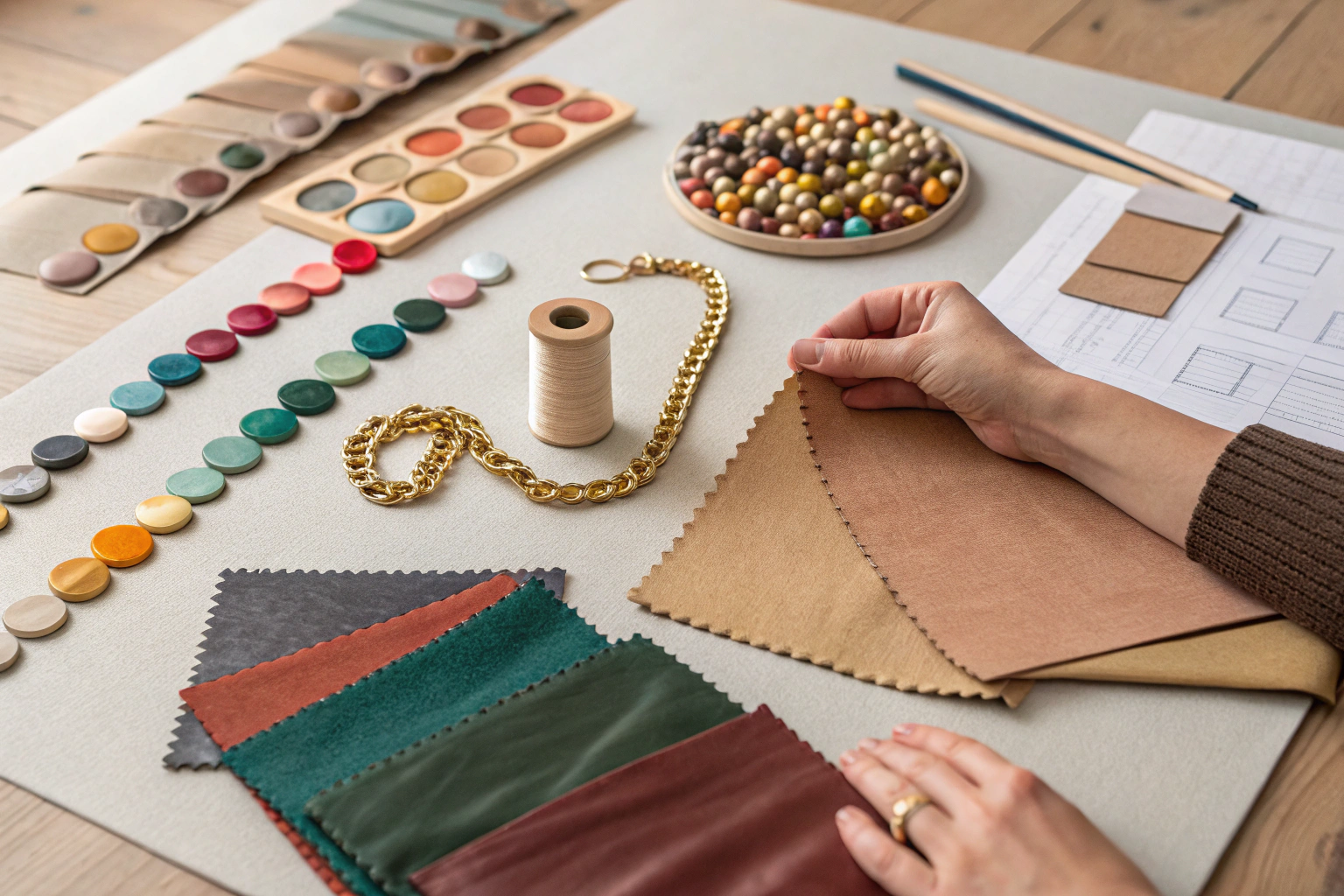
You have a brilliant accessory design. It looks perfect on the sketchpad. But when the first physical sample arrives, something is off—the finish feels cheap, the color is dull, or the clasp breaks after two uses. The vision is lost in translation, and the culprit is almost always a material mismatch. Choosing the wrong material can sink a product before it even hits the market. So, how do you move beyond aesthetics to select the substance that will bring your design to life, delight customers, and protect your brand’s reputation?
Choosing materials for fashion accessories is a strategic decision that balances five core pillars: aesthetic vision (color, texture, drape), functional performance (durability, weight, care), user experience (comfort, safety, feel), cost and scalability (MOQs, price points, lead times), and brand values (sustainability, ethics, storytelling). It’s a multidimensional puzzle where the right piece elevates the product from a commodity to a cherished item. At Shanghai Fumao Clothing, we guide our clients through this decision matrix every day, leveraging our sourcing network and material testing to align substance with style.
Let’s break down the systematic process for making material choices that ensure your accessory is beautiful, functional, and commercially viable.
What Are Your Non-Negotiable Functional Requirements?
Before you fall in love with a material’s look, you must interrogate its performance. An accessory must survive the real world. A delicate lace trim on a bag that will be tossed around is a disaster. A non-breathable plastic lining in a summer hat guarantees discomfort.
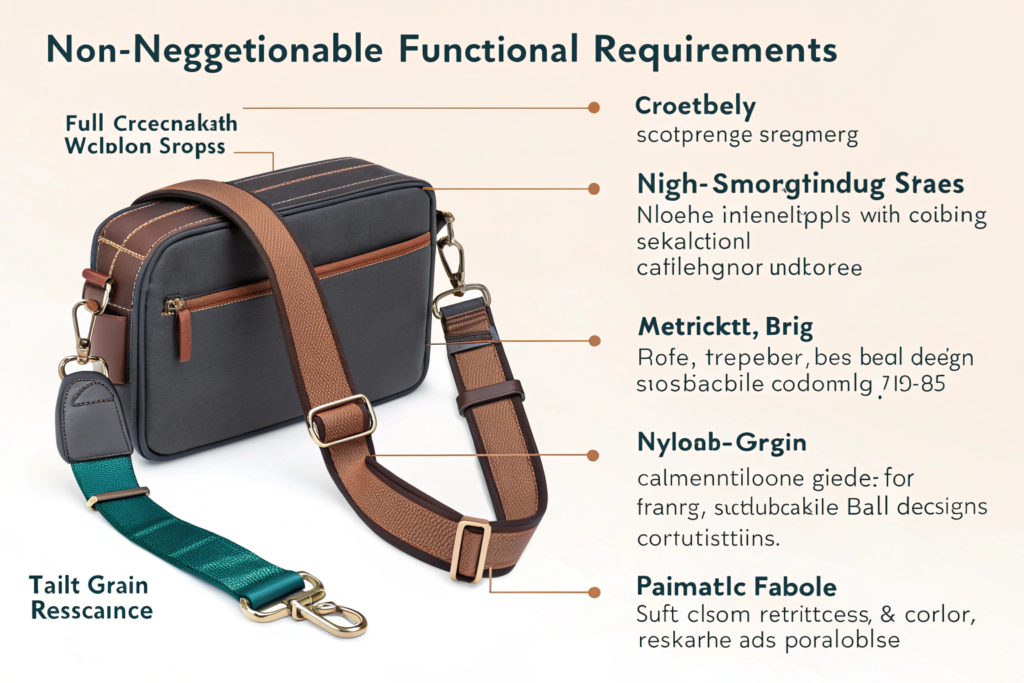
Start by defining the non-negotiable functional requirements: What stress will the accessory endure? (e.g., tensile strength for belts, abrasion resistance for bag straps, water resistance for outdoor hats). What is the expected product lifespan? (disposable trend piece vs. heirloom quality). What environmental conditions will it face? (sun exposure, moisture, temperature swings). For a crossbody bag strap, you need high tensile strength and abrasion resistance—making nylon webbing or full-grain leather better choices than a thin cotton strap. For a statement cocktail ring, scratch resistance and colorfastness are key, pointing to hard enamel or certain ceramics over soft, painted plastics.
How to Translate Use-Case into Material Specs?
Create a Functional Requirements Checklist for your accessory. For example, for a packable sun hat:
- Must: Be crushable and recover shape → Requires memory fabric or flexible paper straw.
- Must: Provide UPF 50+ sun protection → Requires tightly woven fabric or UV-inhibitive coating.
- Must: Be lightweight (<100g) → Eliminates heavy felts or dense straws.
- Should: Be water-resistant → Suggests a DWR (Durable Water Repellent) finish.
This checklist becomes your filter. You then work with your supplier or consult resources like the Textile Exchange Material Library to find materials that meet these technical specs. A manufacturer with in-house testing, like Shanghai Fumao Clothing, can provide data on a material’s tear strength, colorfastness, and shrinkage to inform this decision.
What Are Common "Fit-for-Purpose" Material Pairings?
- High-Wear Areas (Buckles, Clasps): Zinc alloy (for cost), stainless steel (for durability/hypoallergenic), or brass (for malleability/patina).
- Structural Elements (Bag frames, brims): Acetate (lightweight structure), polymer resins (for complex shapes), or flexible metals like aluminum.
- Soft, Drapey Components (Scarves, Shawls): Viscose/Rayon (drape, sheen), silk (luxury feel), or polyester chiffon (durable, affordable drape).
- Grip/Comfort Surfaces (Headband interiors, glove palms): Silicone (high grip), velvet/microsuede (soft grip), or moisture-wicking terry cloth.
Matching the material to the mechanical job is the first step to building a quality product.
How Do Aesthetic Goals and User Experience Intertwine?
Function gets the product to work; aesthetics and experience get it loved. The material is the primary interface with the user—it’s what they see, touch, and feel against their skin. This sensory interaction defines perceived quality.
Aesthetic goals (the "look") are achieved through material properties like luster, opacity, texture, and dye affinity. User experience (the "feel") is defined by hand-feel, weight, temperature, drape, and sound. The two must be considered together. A beautiful, high-gloss acrylic bangle might look stunning but feel unpleasantly light and cheap. A buttery-soft lambskin leather feels luxurious but may scuff easily, conflicting with a desire for low-maintenance aesthetics. The goal is harmony: a matte, pebbled vegan leather can convey a modern, tactile aesthetic while also being easy to care for.
How to Assess "Hand-Feel" and "Drape"?
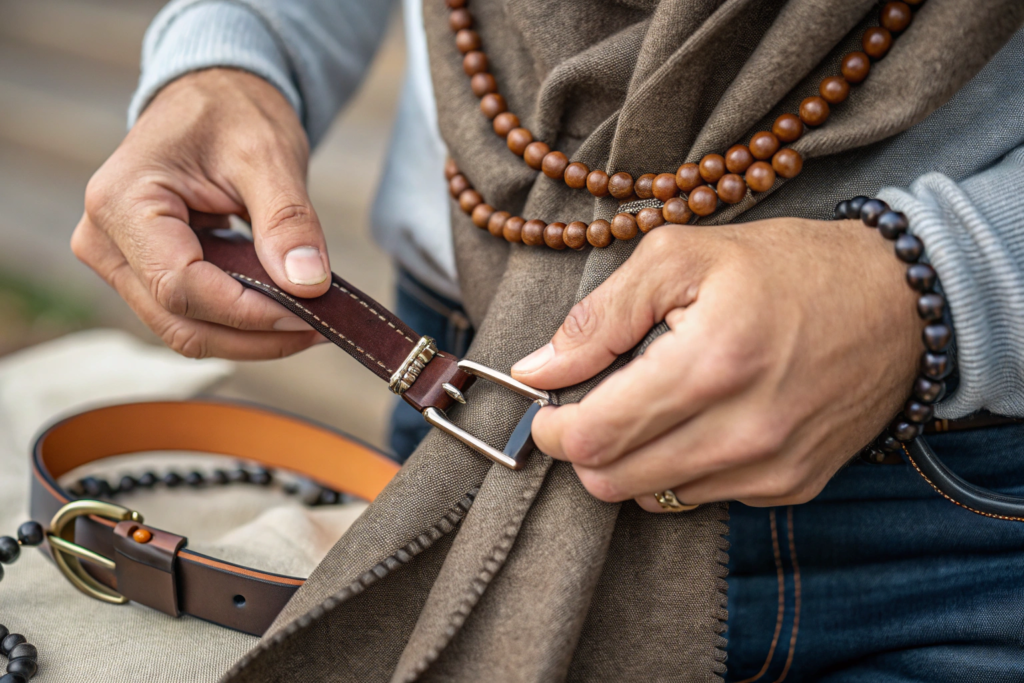
These are subjective but critical qualities. The only way to assess them is physically.
- Request Swatches: Always get physical material swatches (A5 size or larger) from your supplier. Don’t rely on photos.
- Create a "Feel Test": Rub it, stretch it, crumple it, hold it against your skin. How does it behave?
- Test Drape: Drape the swatch over the edge of a table or a mannequin. Does it fall in soft folds (good for scarves) or hold a stiff shape (good for structured caps)?
- Consider Seasonality: A heavy wool felt is perfect for a winter beret but all wrong for a spring headband. Linen and cotton are inherently cool to the touch; metals can feel cold initially.
These subjective tests prevent unpleasant surprises when the first sample arrives.
Can You Predict Color and Print Outcomes?
The base material drastically affects color and print. A digital print on 100% polyester will be vibrant and sharp due to sublimation dyeing. The same design printed on 100% cotton with reactive dyes will have a softer, more muted vintage feel. A metallic finish on stainless steel (PVD coating) will be durable and consistent; a similar "gold" paint on a plastic substrate may chip. When defining colors, always reference a physical standard like the Pantone Matching System (PMS) and specify that the color must be matched on the chosen material, as it will look different on fabric vs. metal vs. plastic.
What is the Real Cost Beyond the Price Per Meter?
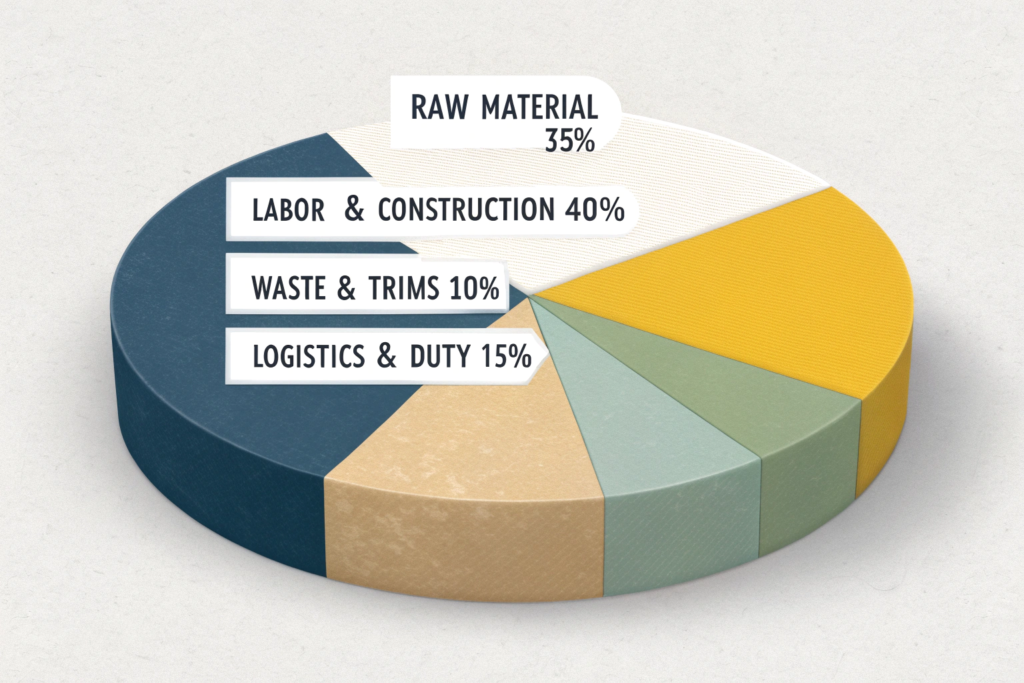
The listed price of a material is just the entry fee. The total cost impact includes minimum order quantities (MOQs), waste factor, complexity of construction, and lead times. A "cheap" material that is difficult to work with can become expensive through labor and yield loss.
Evaluate the total landed cost: material cost + cost of conversion (cutting, sewing, finishing) + waste factor + shipping and duties. Also, consider scalability—can you reliably source this material in the volumes you’ll need in 6 or 12 months? A gorgeous, hand-loomed artisanal fabric may have a high per-meter cost, a huge MOQ, and be unavailable for reorder. A common polyester blend might be 1/3 the price, have low MOQs, and be available from multiple global suppliers, ensuring business continuity.
How Do MOQs and Lead Times Influence Choice?
- Minimum Order Quantity (MOQ): For new/small brands, a fabric with a 500-meter MOQ can be prohibitive, locking up capital and creating inventory risk. Seek suppliers or mills that offer low-MQ programs or stock materials.
- Lead Time: Domestic materials may have a 2-week lead time; imported specialty fabrics can take 8-12 weeks. This must be integrated into your production timeline.
- Dye-to-Order vs. Stock Colors: Choosing a stock color can slash lead times and cost versus requesting a custom dye lot.
A transparent manufacturer will help you navigate these trade-offs, sometimes suggesting a more readily available material that achieves a similar effect.
What is the "Waste Factor" and How is it Calculated?
The waste factor is the percentage of material lost during cutting and production. It’s influenced by:
- Material Width: Narrow fabrics (e.g., 90cm) may generate more waste when laying out pattern pieces than wider fabrics (150cm).
- Pattern Layout: Large, irregularly shaped pieces (like a wide hat brim) are harder to nest efficiently than small, geometric pieces.
- Material Defects: Inconsistent or delicate materials (like some straw weaves or lace) have a higher expected defect rate, meaning you must order extra.
A typical waste factor can range from 5% (for efficient knits) to 15-20% (for patterned fabrics that must be matched or delicate materials). Your manufacturer should provide an estimated waste factor for your specific design and material choice.
How Do Sustainability and Brand Values Guide Selection?
Today’s consumers increasingly vote with their wallets for products that align with their values. Your material choices are the most tangible expression of your brand’s ethics. "Greenwashing" with vague claims is risky; substantiated, transparent choices build trust.
Let sustainability and brand values guide selection by prioritizing certified recycled materials (GRS-certified polyester, recycled metals), natural and biodegradable fibers (organic cotton, linen, wool), and processes that reduce water/chemical use (OEKO-TEX certified dyes, digital printing). But sustainability is also about durability—choosing a material that lasts for years is more sustainable than a "green" material that falls apart quickly. The narrative matters: being able to say "This bag is made from 10 recycled plastic bottles" or "This hat band is crafted from upcycled sailcloth" creates a powerful connection.
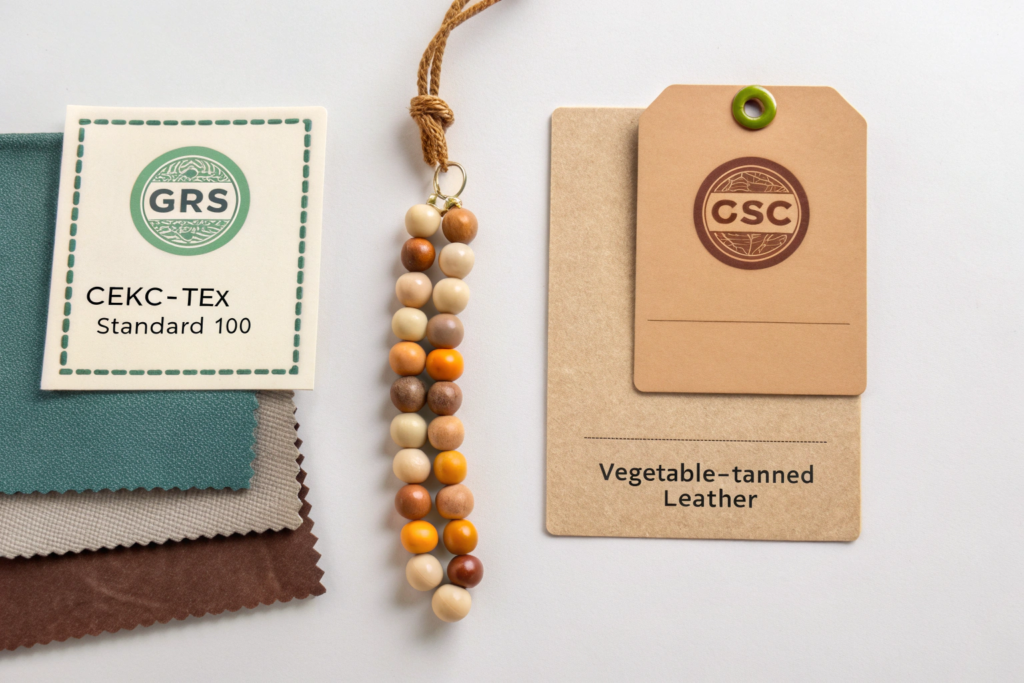
What Certifications Should You Look For?
Certifications provide third-party verification. Key ones include:
- Global Recycled Standard (GRS): Verifies recycled content.
- OEKO-TEX Standard 100: Tests for harmful substances in textiles.
- Forest Stewardship Council (FSC): For wood-based materials.
- Bluesign®: Approves materials and processes that reduce environmental impact.
- Fair Trade Certified: Ensures ethical labor practices.
Request these certificates from your material suppliers. A reputable manufacturer will have them on file for their standard materials.
How to Source Ethical Hardware?
Don’t forget the "little things." Buckles, zippers, rivets, and chains also have an origin. Inquire about your supplier’s metal sourcing:
- REACH Compliance: For the EU market, ensuring hardware is free of restricted chemicals.
- Conflict-Free Minerals: For any precious metal plating.
- Supplier Code of Conduct: Evidence that sub-suppliers adhere to labor and safety standards.
Using a manufacturer with a vertically integrated or tightly controlled supply chain, like Shanghai Fumao Clothing, simplifies this due diligence.
What is the Final Step: Prototyping and Testing?
Theoretical selection must be validated in practice. The prototyping phase is your safety net to catch material issues before mass production.
The final step is to create functional prototypes (not just visual samples) using the exact shortlisted materials and subject them to real-world testing. This includes wear-testing for comfort and durability, care testing (wash, clean), and checking colorfastness and finish adhesion under simulated conditions. Give the prototype to someone who fits your target customer profile and have them use it for a week. Their unbiased feedback is gold.
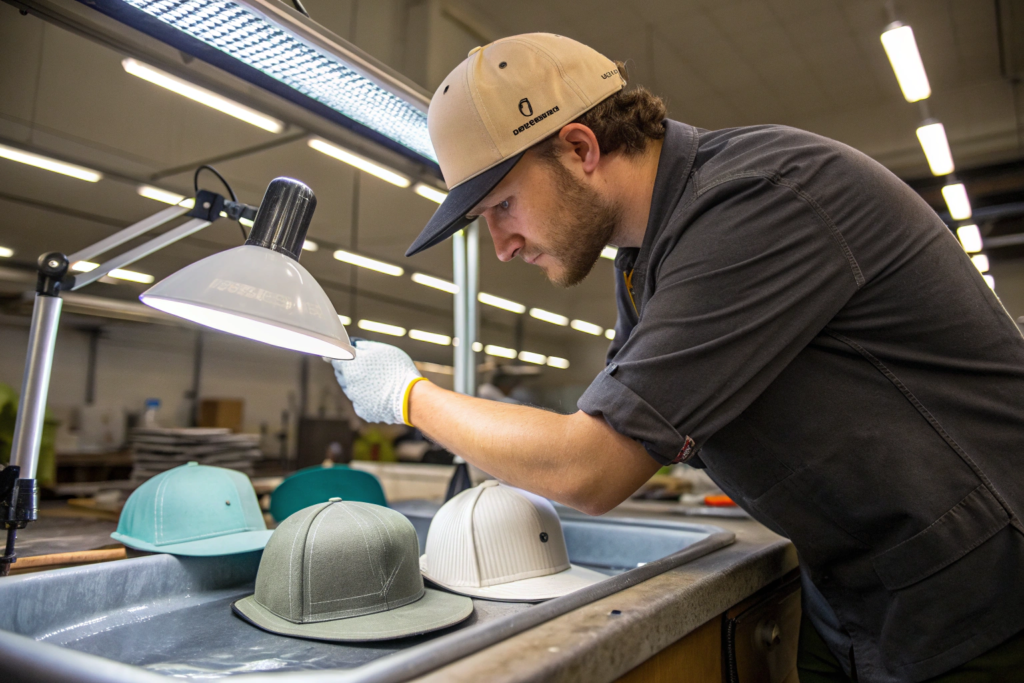
What Constitutes a Good Material Testing Protocol?
Work with your manufacturer to define a Quality Assurance (QA) Testing Protocol. This might include:
- Abrasion Test (for bags, belts): Rub material against a standard fabric for X cycles.
- Color Crocking Test: Rub a white cloth on the material to check for dye transfer.
- Tensile Strength Test: For straps and bands.
- Salt Spray Test (for metal hardware): To check corrosion resistance.
- Cold Crack Test (for plastics/polymers): To ensure flexibility in low temperatures.
Document the results. If the material fails, you have clear data to go back to your supplier or to pivot to an alternative.
When is it Time to Lock In the Final Choice?
You lock in the final material choice after:
- Prototypes pass functional and aesthetic tests.
- The total landed cost fits your financial model.
- The supplier confirms availability and lead times for your production schedule.
- All relevant certifications are provided and verified.
This decision should be formalized in a Tech Pack with precise material specifications (e.g., "Main Body: 98% Polyester, 2% Spandex Brushed Tricot, 280 GSM, Charcoal Grey, GRS Certified").
Conclusion
Choosing materials for fashion accessories is a foundational act of creation. It bridges the gap between a fleeting idea and a tangible product that lives in the world. By systematically evaluating functional needs, aesthetic and sensory goals, total costs, and ethical values—and then rigorously testing your choices—you make informed decisions that build quality, trust, and brand equity.
This process demands partnership with a manufacturer who is not just an order-taker but a material expert and problem-solver. The right collaboration turns material selection from a daunting challenge into a strategic advantage.
Ready to select the perfect materials to bring your next accessory collection to life? Contact our Business Director, Elaine, at elaine@fumaoclothing.com. Let Shanghai Fumao Clothing provide the expertise, sourcing network, and testing rigor to ensure your materials are as exceptional as your designs.




