You see a popular influencer wearing a stunning, unique hair clip. Their followers flood the comments asking, "Where is this from?!" That clip sells out in hours. As a brand, this is the dream scenario. But simply sending free products for a one-time post is no longer enough. Today’s most successful partnerships go deeper, transforming influencers from temporary promoters into genuine creative partners. However, the path from a handshake to a co-created, profitable product line is fraught with legal, creative, and logistical pitfalls.
You can successfully collaborate with influencers to co-create accessory lines by structuring the partnership as a formal joint venture with clear roles, leveraging their authentic audience insight in the design phase, and integrating their personal brand story into a limited-edition capsule collection with shared risk and reward. This moves beyond sponsorship into true partnership, where the influencer is invested in the product’s success as a co-owner of the creative vision. At Shanghai Fumao Clothing, we’ve facilitated this process for our clients, acting as the manufacturing bridge that turns a collaborative vision into a tangible, high-quality product line on time and on budget.
Let’s explore the strategic framework, creative process, and operational execution required to turn an influencer partnership into a commercial and brand-building triumph.
What Are the Foundational Steps for a Strategic Partnership?
Jumping straight into design is a recipe for misalignment. The foundation of any co-creation project must be a clear, documented agreement that aligns expectations, defines contributions, and protects both parties. This phase is about due diligence and strategic planning, not creativity.
The foundational steps involve: 1) Selecting an influencer whose audience demographics and brand values align perfectly with your target market; 2) Negotiating a clear partnership agreement outlining intellectual property (IP) ownership, profit sharing, and respective responsibilities; and 3) Establishing a shared creative brief and realistic timeline. The first step is more than follower count; it’s about engagement quality and audience trust. The agreement must be legal and cover design approval rights, minimum order quantities (MOQs), marketing commitments, and termination clauses. A shared brief, signed by both parties, becomes the project’s bible, stating the collection’s theme, target price points, and key messages.
How to Structure the Financial and Legal Agreement?
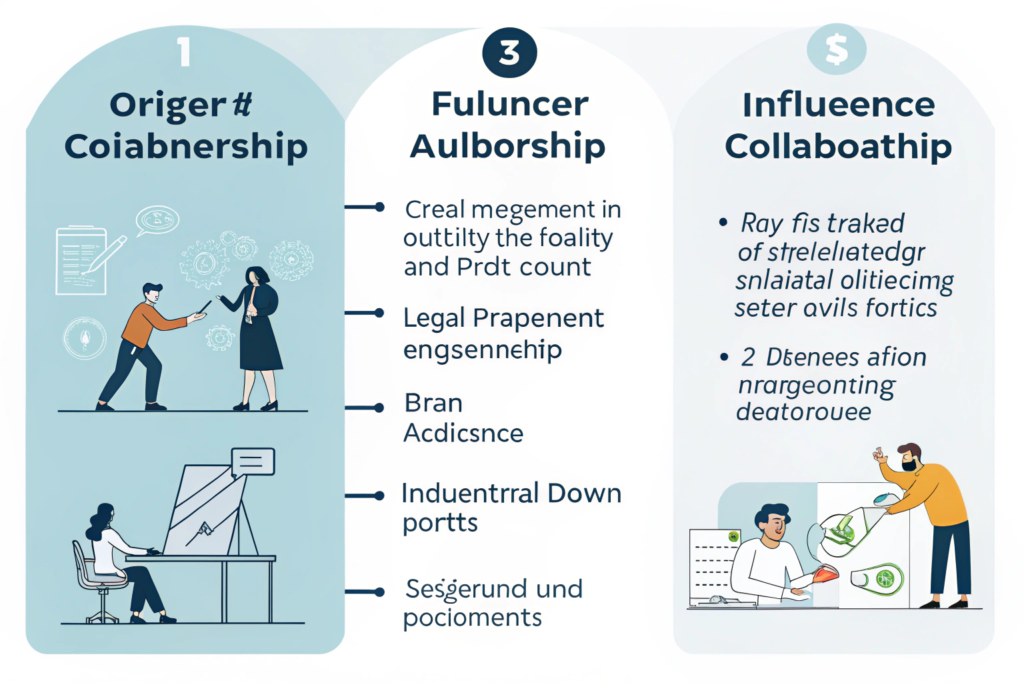
A standard sponsorship contract won’t suffice. You need a Co-Creation or Joint Venture Agreement. Key clauses must address:
- Intellectual Property (IP): Who owns the final designs? Typically, the brand owns the IP, but the influencer retains a license for promotional use and receives royalties. Alternatively, it can be jointly owned.
- Compensation Structure: Move beyond a flat fee. Effective models include:
- Royalty Model: Influencer earns a percentage (e.g., 5-15%) of net sales.
- Advance against Royalties: An upfront fee recouped from future royalties.
- Profit-Sharing: After deducting all costs (manufacturing, marketing, logistics), profits are split according to a pre-agreed ratio.
- Roles & Responsibilities: Clearly list who is responsible for design input, final approval, marketing content, customer service, and inventory funding.
- Term and Termination: Define the partnership length (e.g., for one capsule collection) and conditions for ending the agreement.
Consulting with a legal professional specializing in intellectual property law is non-negotiable to draft this document.
Why is a Shared Creative Brief Crucial?
The shared creative brief prevents endless, costly revisions. It should include:
- Collection Story: The narrative (e.g., "Coastal Grandmother," "90s Nostalgia") that ties the pieces together.
- Product Scope: Exact number of SKUs (e.g., "3 hair clips, 1 scarf, 1 belt").
- Target Customer Profile: A detailed description of the person you’re designing for.
- Price Point Targets: The intended retail price for each item.
- Aesthetic Direction: Mood boards, color palettes (Pantone codes), material inspirations.
- Key Deliverables and Dates: Dates for initial sketches, sample reviews, pre-launch content, and launch day.
This document aligns everyone—brand, influencer, and manufacturer—from day one.
How to Integrate the Influencer’s Authentic Voice into Design?
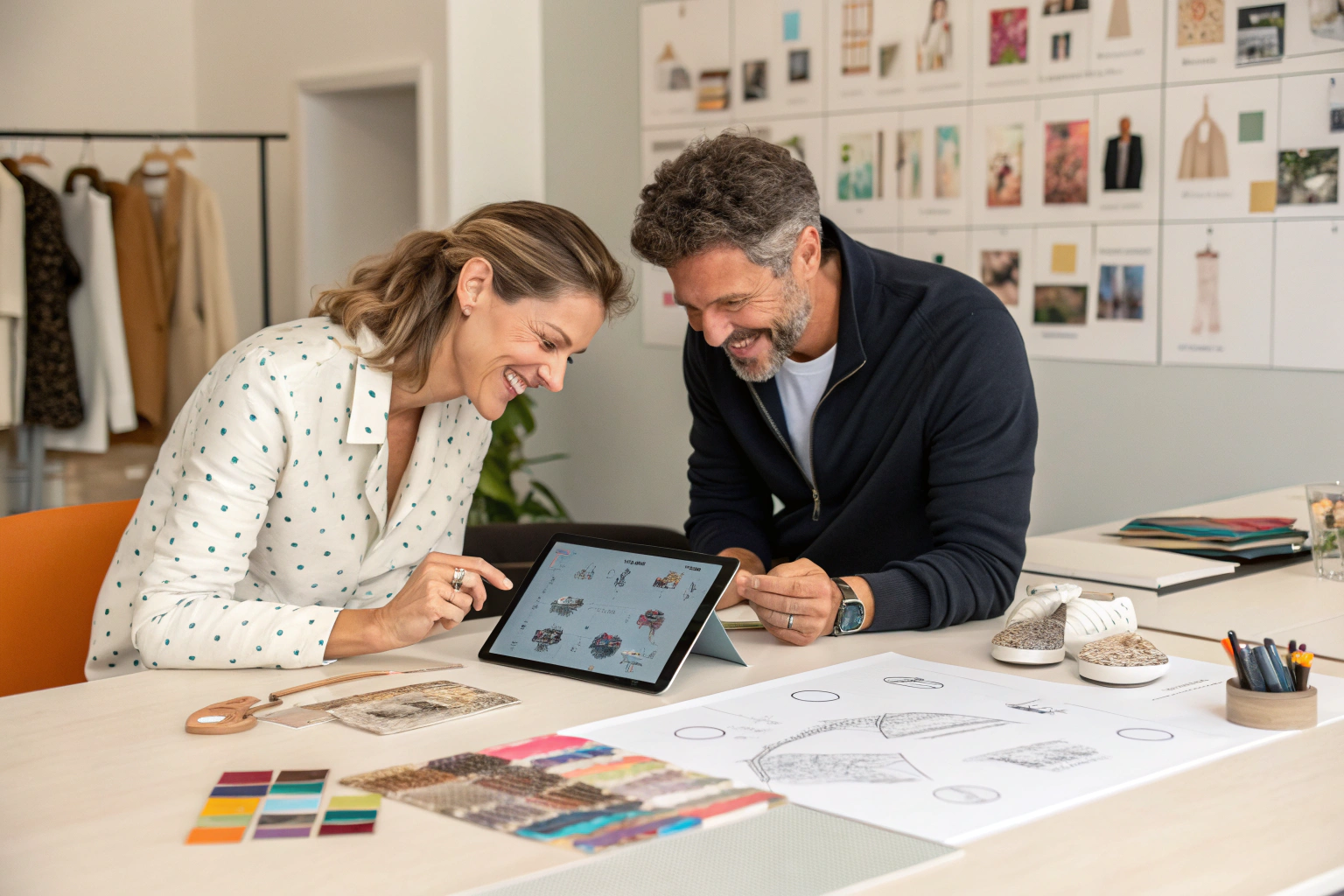
The magic of a co-creation lies in authenticity. Followers can spot a token collaboration from a mile away. The product must feel like a natural extension of the influencer’s personal style and story. This requires a structured yet flexible creative process that captures their unique perspective.
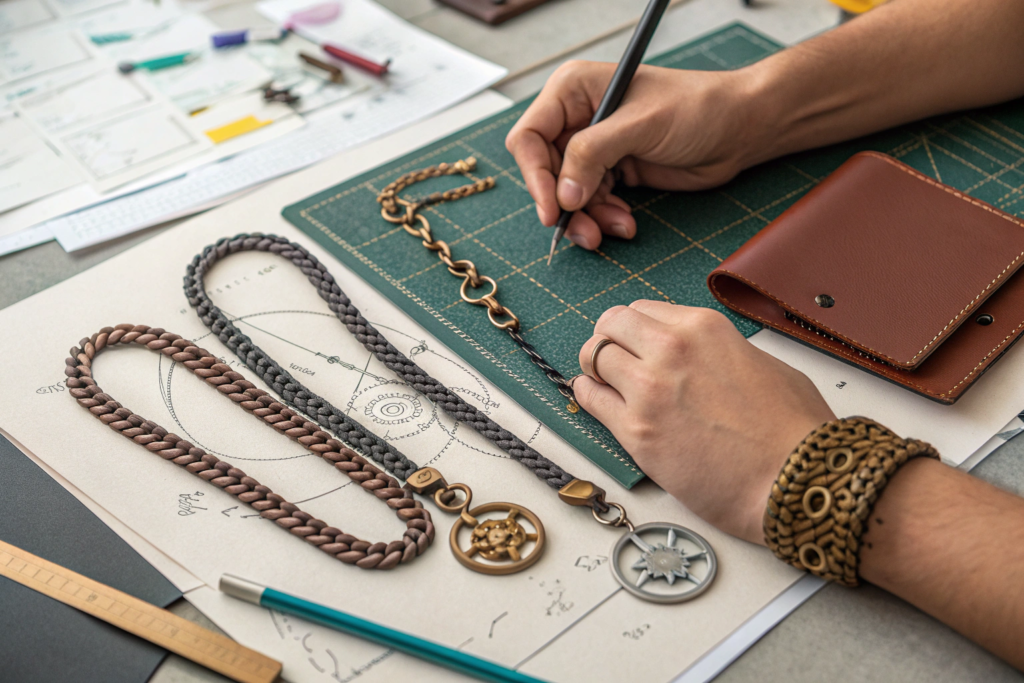
Integrate the influencer’s authentic voice by involving them in hands-on ideation sessions, translating their personal stories into design motifs, and giving them meaningful choice within technical constraints (e.g., selecting from curated material options or colorways). The process should feel collaborative, not like they are merely approving your designs. We facilitate this by creating "Design Kits" for our clients’ partners—physical boxes containing material swatches, component samples (clasps, chains), and blank sketching templates that make the process tangible and inspiring for the influencer.
What Does an Effective Co-Design Process Look Like?
A phased process manages creativity efficiently:
- Phase 1: Inspiration & Mood: The influencer shares personal images, wardrobe favorites, and keywords. We help translate this into a cohesive mood board.
- Phase 2: Conceptual Sketching: Our designers produce multiple sketch options based on the brief and mood. The influencer reviews, mixes elements, and provides directional feedback ("I love the shape of A, but the closure of B").
- Phase 3: Materialization: We present physical material swatches and component samples. The influencer touches and chooses—this is where their voice truly materializes (e.g., "This velvet feels so ‘me,’ but this silk is more luxe for the collection").
- Phase 4: Prototyping: We create 3D renders and then first physical samples (protos). The influencer gets to wear, test, and provide feedback on fit, feel, and function.
This process respects the influencer’s creativity while leveraging your (and your manufacturer’s) expertise in what is technically and commercially feasible.
How to Handle Creative Differences?
Creative differences are inevitable. The key is to have pre-established rules in the agreement. A common framework is:
- Brand Veto on Brand Safety: The brand has final say on anything that could damage its reputation (e.g., inappropriate motifs, unattainable quality for the price).
- Influencer Veto on Authenticity: The influencer has final say on elements critical to their personal brand authenticity (e.g., "This color doesn’t match my aesthetic at all").
- Manufacturer Guidance on Feasibility: The manufacturer (like us) provides clear guidance on cost and production implications of different choices. Often, presenting a choice ("Option A adds $0.50 per unit but gives a premium finish; Option B keeps us at target cost") resolves disagreements with data.
Establishing a three-step approval process (concept, sample, pre-production) with clear deadlines keeps the project moving forward decisively.
What Are the Operational Keys to Launching a Capsule Collection?
The creative work is only half the battle. A successful launch requires meticulous operational planning, from manufacturing with tight timelines to inventory management and fulfilling explosive, influencer-driven demand. Underestimating logistics is where many beautiful collaborations fail.
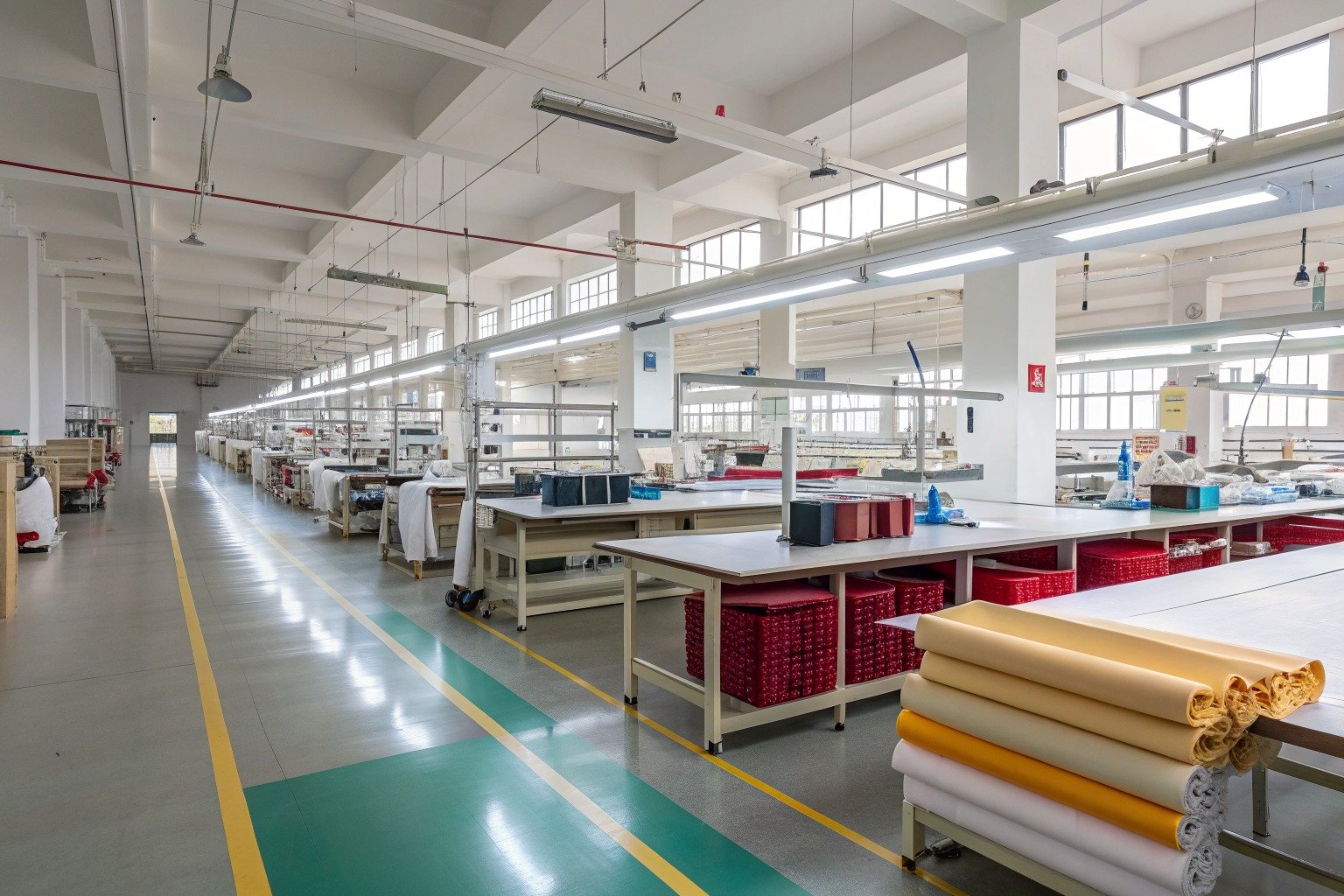
The operational keys are: 1) Implementing a strict, accelerated product development calendar with the manufacturer; 2) Planning a phased inventory strategy (pre-order vs. ready stock) to manage financial risk; and 3) Orchestrating a synchronized, multi-platform launch campaign that drives urgency. As the factory partner, our role is to provide a reliable timeline and be transparent about lead times. For influencer collections, we often recommend a pre-order model for the initial launch to gauge demand accurately before committing to large inventory, followed by a faster-replenishment model for restocks.
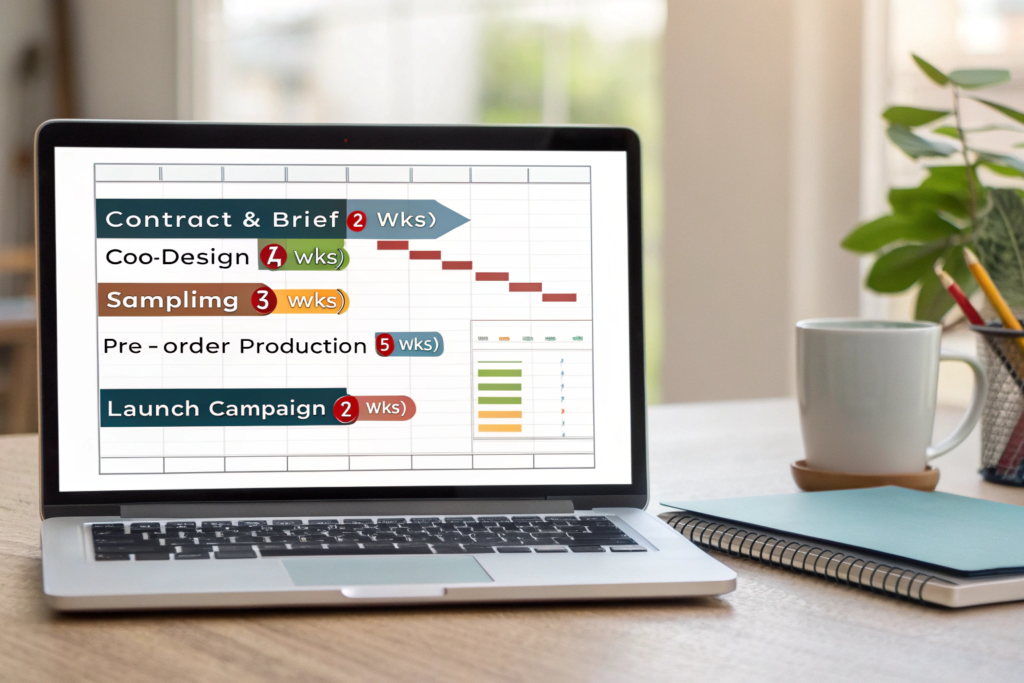
Should You Use a Pre-Order or Ready-to-Ship Model?
This is a critical strategic decision with major financial implications.
- Pre-Order Model:
- Pros: Eliminates inventory risk, validates market demand, creates launch hype and urgency.
- Cons: Longer customer wait time (6-8 weeks), requires strong trust in the influencer, more complex fulfillment.
- Ready-to-Ship (RTS) Model:
- Pros: Immediate customer satisfaction, capitalizes on launch day impulse buys.
- Cons: High financial risk if demand is over- or under-estimated; requires significant upfront investment.
A hybrid model is often most effective: produce a small, guaranteed batch of inventory for immediate shipment to capitalize on launch day buzz and press, while opening a pre-order for 2-3 weeks afterward to fulfill the long-tail demand without over-committing. Your manufacturer must be agile enough to support this hybrid approach.
How to Synchronize the Marketing Launch?
The launch must be an event. Every touchpoint should be coordinated:
- Teaser Content: The influencer shares "behind-the-scenes" snippets of the design process 2-3 weeks before launch.
- Launch Sequence: On launch day, the influencer goes live or posts a dedicated series of posts/stories. Your brand posts simultaneously across its channels. Email lists are activated.
- Unified Messaging: Both parties use the same hashtags, collection name, and key selling points.
- Limited-Time Offer (LTO): Create urgency with a "launch week" bundle or free gift with purchase.
- Paid Amplification: Both parties should allocate a budget to boost the top-performing launch posts to reach beyond organic followers.
Plan the content calendar together and treat it with the same rigor as the production timeline.
How to Measure Success and Plan for the Future?
A collaboration shouldn’t end at the ship date. Measuring performance comprehensively turns a single project into a blueprint for future success and an ongoing relationship. Success metrics must go beyond sales to encompass brand health and audience growth.
Measure success through a balanced scorecard: 1) Commercial Performance (sales revenue, sell-through rate, average order value); 2) Marketing Impact (new customer acquisition, social engagement, earned media value); and 3) Partnership Health (relationship satisfaction, process efficiency). Conduct a formal post-launch review with the influencer to analyze what worked and what didn’t. This data is invaluable for negotiating future collaborations, whether with the same influencer or new ones.
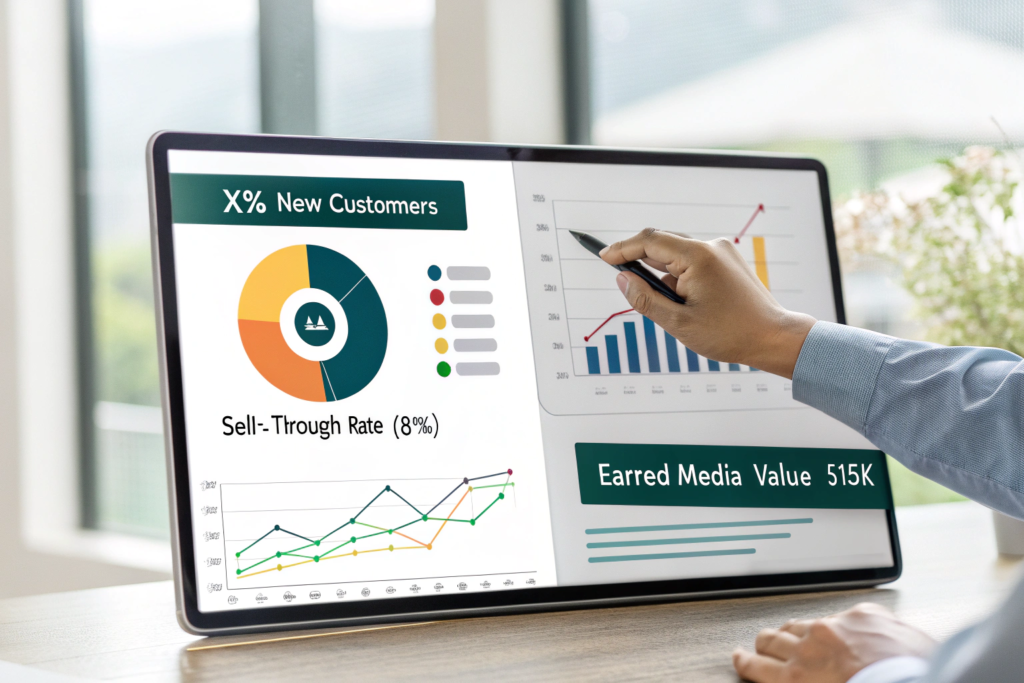
What Are the Key Performance Indicators (KPIs)?
Track these specific KPIs:
- Sales & Financial:
- Total Revenue & Units Sold
- Sell-Through Rate: (Units Sold / Units Produced) within the first 30-60 days.
- Average Order Value (AOV) for customers purchasing the collection.
- Return on Investment (ROI): (Net Profit / Total Campaign Cost).
- Marketing & Brand:
- New Customer Acquisition Rate attributed to the collaboration.
- Social Engagement Rate on launch posts.
- Earned Media Value (EMV): The estimated advertising value of the organic coverage generated.
- Website Traffic during the launch period.
- Operational:
- Sample-to-Approval Cycle Time
- Production On-Time Delivery Rate
How Does a Successful Collaboration Lead to Long-Term Strategy?
A win creates multiple strategic opportunities:
- Sequential Collections: Plan a "Part II" collection based on learnings, deepening the narrative.
- Influencer Retention: Secure the influencer as a long-term creative consultant or brand ambassador.
- Portfolio Expansion: Use the proven framework to build a roster of influencer collaborations, each targeting a different niche audience.
- Brand Equity Lift: The association can permanently elevate your brand’s perception, moving you into a more trend-led, community-driven space.
Document the entire process—the good and the bad—to create an internal "Co-Creation Playbook" that makes future partnerships with Shanghai Fumao Clothing even more streamlined and successful.
Conclusion
Collaborating with influencers to co-create accessory lines represents the evolution of marketing into partnership. It transforms influencers from megaphones into muses and co-creators, resulting in products imbued with authentic stories that resonate deeply with engaged communities. Success requires a foundation of clear legal and financial agreements, a structured yet flexible creative process that honors the influencer’s voice, and flawless operational execution for launch.
By viewing the influencer as a true partner and leveraging a manufacturing expert to navigate the path from idea to inventory, you can unlock unprecedented brand relevance, customer loyalty, and commercial success. It’s a high-effort, high-reward strategy that defines the future of brand building in the social media age.
Ready to translate an influencer’s vision into a sell-out accessory collection? Contact our Business Director, Elaine, at elaine@fumaoclothing.com to discuss how we can be your operational partner in co-creation. Let Shanghai Fumao Clothing help you build not just products, but passionate communities.