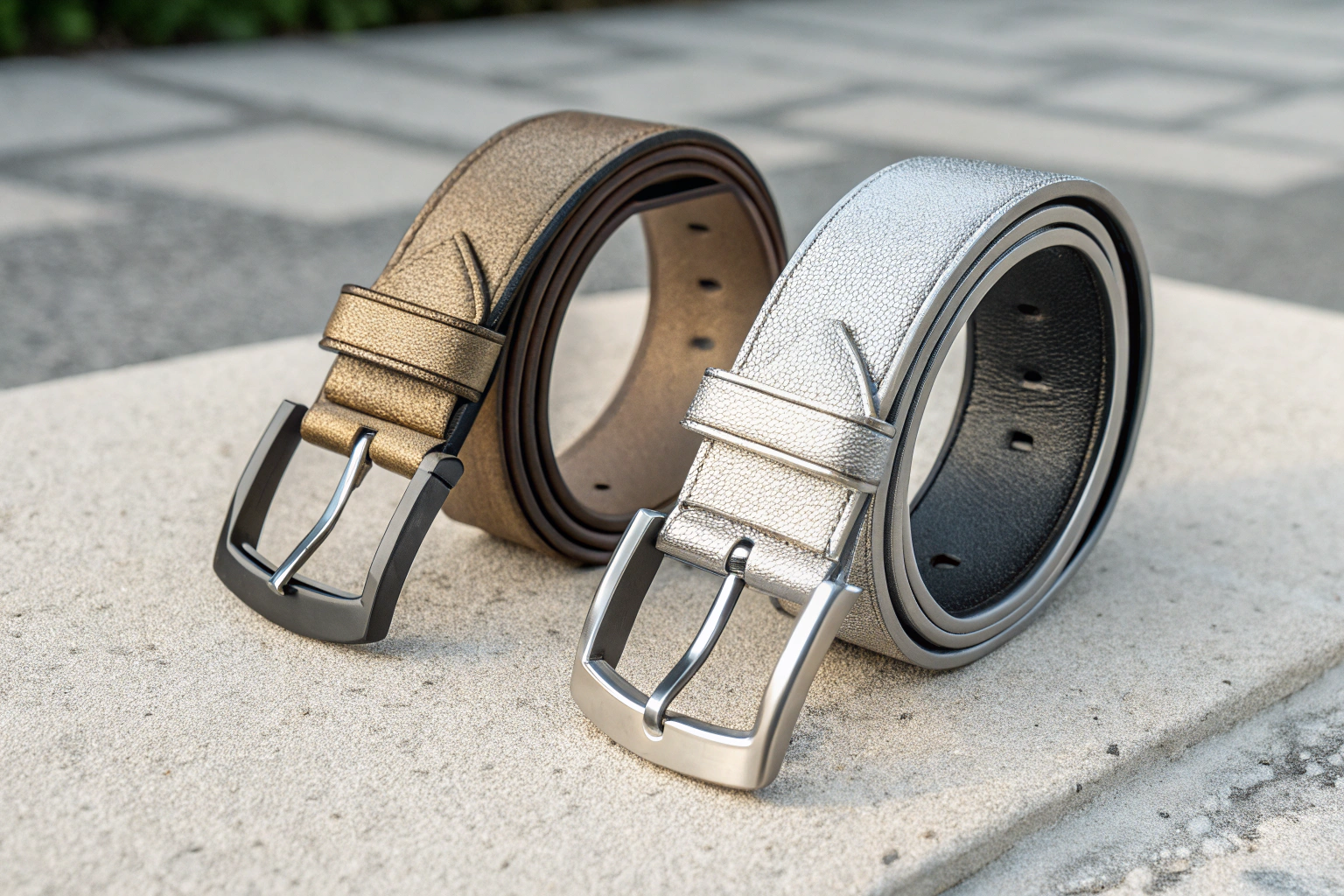
You’re finalizing the details for a new line of belts, bags, or straps. The design is perfect, but you hesitate on one last detail: the buckle finish. A glossy, mirror-like buckle seems like the classic choice, but something pulls you toward the understated, velvety look of a matte finish. This isn’t just an aesthetic whim; it’s a reflection of a profound shift in consumer preferences, manufacturing technology, and practical application. Matte finishes are increasingly becoming the default choice for discerning brands and buyers across industries.
Matte-finish buckles are preferred over glossy ones primarily for their superior ability to conceal micro-scratches and wear, their alignment with contemporary minimalist and utilitarian fashion trends, and their practical reduction of glare and fingerprint smudges. This preference is rooted in both the functional longevity of the product and its resonance with modern design values that favor authenticity, texture, and understated quality over ostentatious shine. At Shanghai Fumao Clothing, we’ve observed this trend solidify across our clients in fashion, outdoor gear, and premium accessories, driving a significant shift in our finishing capabilities toward advanced matte techniques like bead blasting and powder coating.
Let’s delve into the specific reasons behind this shift, examining the practical, aesthetic, and market-driven factors that make matte the modern standard.
How Does a Matte Finish Improve Durability and Conceal Wear?
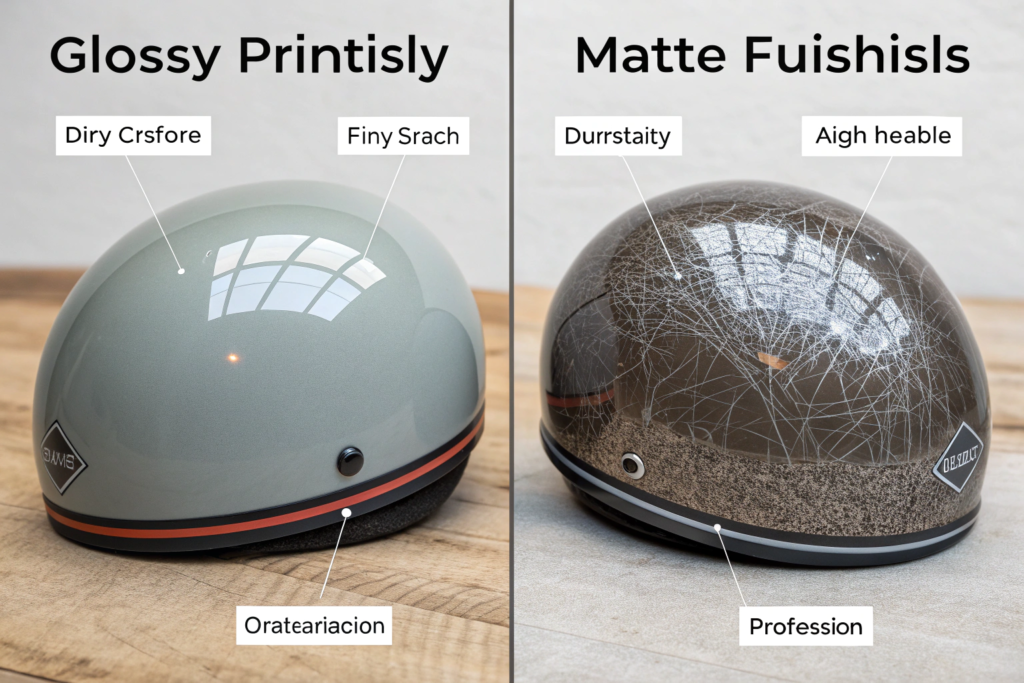
The most compelling, non-aesthetic argument for matte finishes is their remarkable ability to age gracefully. A glossy finish, whether achieved through polishing or plating, acts like a mirror. Every tiny scratch, scuff, or hairline abrasion reflects light differently, creating visible marks that signal "wear and tear." A matte finish, by its very nature, diffuses light.
A matte finish improves perceived and actual durability by scattering light across a textured surface, making micro-scratches and daily wear virtually invisible. It also provides a better mechanical key for protective coatings, enhancing adhesion and corrosion resistance in many applications. The surface texture of a matte finish—created by processes like sandblasting, tumbling, or brushed finishing—means that minor abrasions blend into the existing texture pattern. A scratch on a mirror becomes a glaring flaw; a scratch on a gravel path is lost in the landscape. This characteristic is invaluable for products meant for daily use, like belt buckles, backpack straps, and watch bands, where maintaining a "like-new" appearance is a key quality indicator.
What is the Science Behind Scratch Concealment?
The science lies in surface topography and light reflection. A glossy surface is optically smooth, with irregularities smaller than the wavelength of light. Light reflects specularly (like a mirror), creating a clear, direct reflection. Any scratch disrupts this smooth plane, causing light to scatter at that point, creating a visible contrast. A matte surface is intentionally rough at a microscopic level. Light hits it and scatters diffusely in all directions. Because the light is already scattered, the additional scattering caused by a new scratch doesn’t create a significant visual change. This principle is why matte black cars often hide swirl marks better than glossy black cars. For manufacturers, this means fewer customer complaints about finish quality over the product’s lifespan.
Are Matte Finishes More Resistant to Corrosion?
While the base material and plating (e.g., PVD coating, zinc alloy plating) determine corrosion resistance, the matte finishing process can enhance it. Processes like bead blasting can create a denser, more compressed surface layer on certain metals, which can slightly improve resistance to the initiation of corrosion. More importantly, a matte surface provides a superior anchor pattern for paints, powder coatings, or protective lacquers. The increased surface area allows for stronger mechanical bonding, preventing the coating from chipping or peeling—a common failure point that exposes the underlying metal to moisture and salts. This is why matte finishes are ubiquitous in outdoor and tactical gear, where environmental resistance is critical.
How Do Matte Buckles Align with Modern Fashion Trends?
Fashion and design trends have moved decisively away from the flashy, logo-centric looks of the early 2000s toward what is often termed "quiet luxury," "normcore," or "utilitarian chic." This aesthetic values materials, craftsmanship, and functionality over overt displays of wealth. A matte buckle communicates these values instantly through its tactile, understated presence.
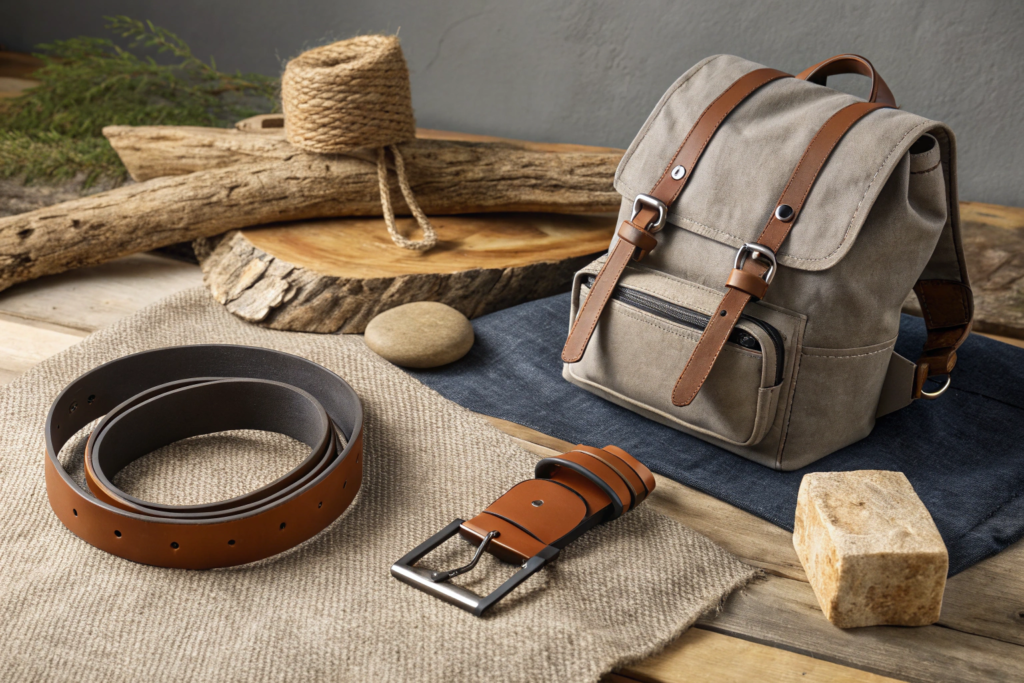
Matte buckles align perfectly with modern fashion’s emphasis on texture, minimalist design, and a "lived-in," authentic feel. They are perceived as more modern, sophisticated, and versatile, complementing a wider range of materials like waxed canvas, organic cotton, technical nylon, and distressed leather without clashing. A glossy buckle can look dated or overly formal, drawing attention to itself as a "hardware" item. A matte buckle integrates seamlessly, appearing as a cohesive, functional component of the overall design. This trend is evident from high-end runway shows to mainstream fast fashion, where matte black and gunmetal hardware have become the new neutral.
Why is Texture So Important in Contemporary Design?
Contemporary design is increasingly multi-sensory. Consumers don’t just want to see quality; they want to feel it. A matte finish provides a distinct, pleasing haptic feedback—it feels solid, deliberate, and premium to the touch. This focus on texture is a reaction to the sterile, high-gloss world of digital devices. Matte metals, along with fabrics like bouclé, brushed cotton, and oiled leather, create a richer, more authentic sensory experience. In accessories, the buckle is a key touchpoint. A matte finish invites interaction and feels considered, aligning with the broader trend of craftsmanship and materiality in product design.
Are Matte Finishes Seen as More Masculine or Unisex?
While glossy finishes (especially gold and silver) have traditional gendered associations, matte finishes have successfully transcended this. Colors like matte black, gunmetal, and olive drab are inherently neutral. Their lack of reflective quality removes the "jewelry-like" association, framing the buckle as a tool or component rather than a decorative accent. This has made matte hardware the undisputed leader in the booming markets of gender-neutral fashion, unisex bags, and minimalist apparel. For brands targeting a broad demographic, a matte finish is the safest and most modern choice.
What Are the Practical Advantages in Use and Manufacturing?
Beyond aesthetics and trends, matte finishes offer tangible day-to-day benefits for both the end-user and the manufacturer. These practical advantages solve common frustrations associated with glossy hardware, directly impacting user satisfaction and production efficiency.
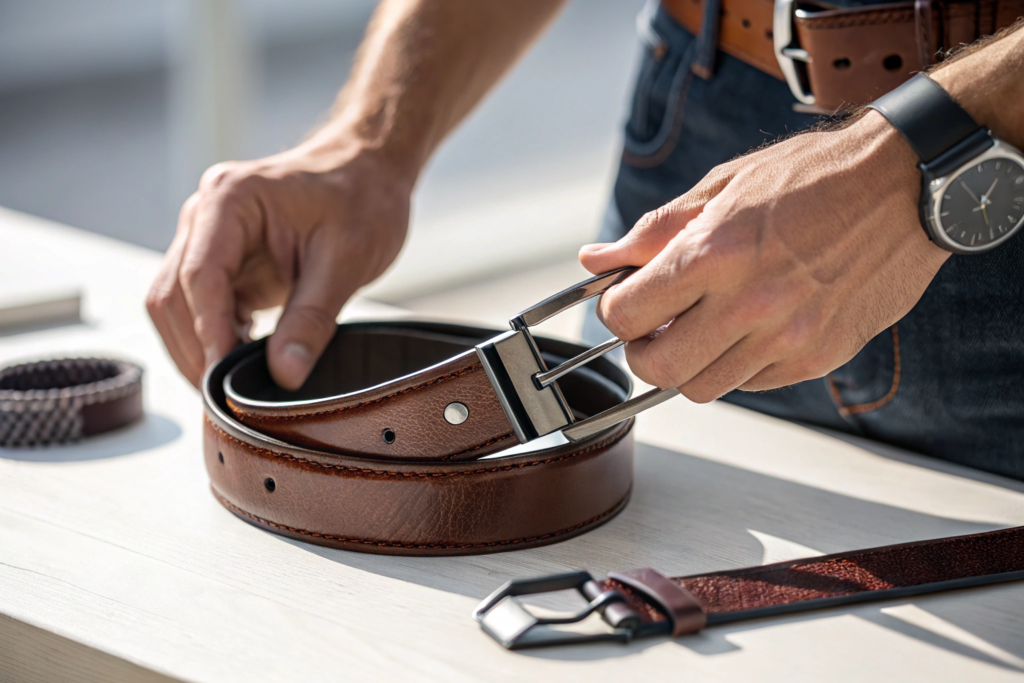
For users, matte buckles eliminate distracting glare and resist showing fingerprints, grease, and water spots. For manufacturers, matte finishing processes like tumbling or media blasting can be more forgiving of minor subsurface imperfections in the base metal casting or stamping, potentially improving yield rates. A glossy polish will highlight every pit and pore in the metal, requiring near-perfect substrates. A matte texture can mask these minor flaws, making it a more robust and cost-effective choice for maintaining consistent quality in high-volume production.
How Do Matte Finishes Enhance Usability?
The usability benefits are clear in specific scenarios:
- Reduced Glare: For outdoor gear (hiking backpacks, camera straps) or automotive accessories, a glossy buckle can create a blinding reflection in the sun, which is not just annoying but potentially hazardous. A matte finish eliminates this problem entirely.
- Hygiene & Cleanliness: In applications like pet collars, fitness equipment, or children’s accessories, buckles get dirty. Fingerprints, mud, and saliva show up starkly on gloss but are much less noticeable on a matte surface, making the product look cleaner with less maintenance.
- Grip Perception: While not always physically grippier, the visual and tactile texture of a matte finish can provide a psychological sense of security, suggesting the buckle is less likely to slip through one’s fingers during adjustment.
Are There Cost Implications in Manufacturing?
The cost comparison is nuanced. Achieving a perfect, mirror-like high-gloss polish is a labor and time-intensive process, often requiring multiple stages of buffing with progressively finer compounds. A basic matte finish via vibratory tumbling can be very cost-effective for high volumes. However, a premium, consistent matte finish—like a fine sandblasted finish with an even satin texture—requires controlled media blasting and can be comparable in cost to a high-gloss polish. The cost benefit often comes from higher quality yield (fewer parts rejected for surface imperfections) and the ability to use slightly less expensive base castings, as the finish hides minor flaws. At Shanghai Fumao Clothing, we guide clients through this balance, helping choose the right matte process for their budget and quality target.
How to Choose and Specify the Right Matte Finish?
"Matte" is not a single specification. It encompasses a spectrum from a soft, brushed satin to a rough, pebbled texture. Choosing and specifying the correct one is crucial to achieving the desired look, feel, and performance.
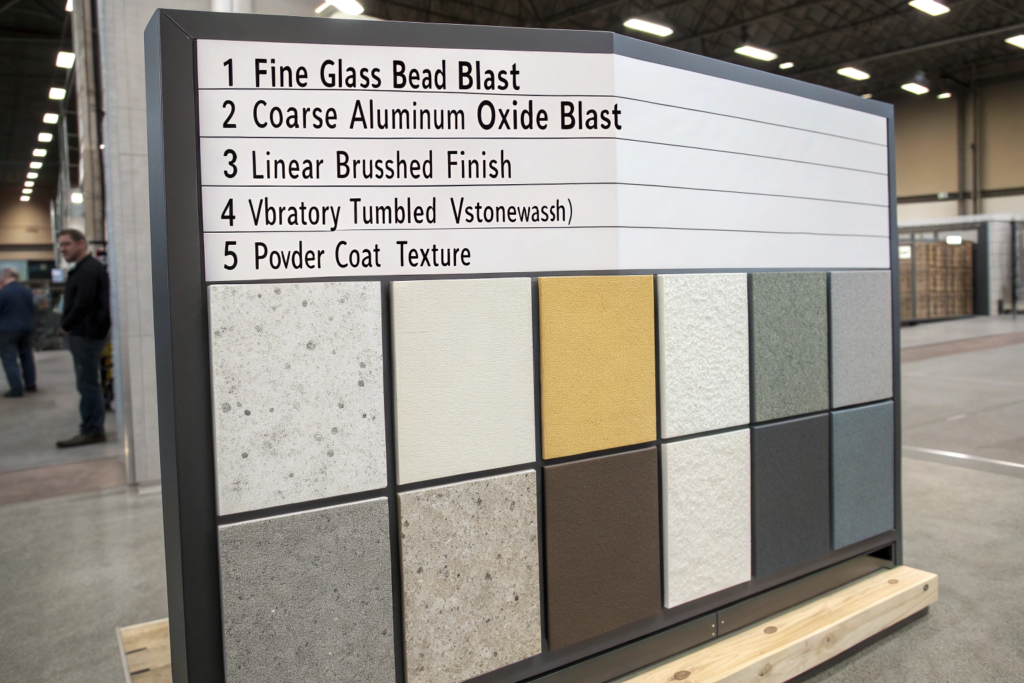
To choose the right matte finish, define the desired visual effect (e.g., "satin sheen," "stonewash," "tactical flat"), specify the manufacturing process (e.g., "#220-grit sandblast," "brushed along grain"), and reference a physical master sample. The specification must be included in the tech pack with clear acceptance criteria. Relying on verbal descriptions like "kind of matte" will lead to inconsistency. Different processes create different textures: glass bead blasting gives a fine, smooth matte; aluminum oxide blasting creates a sharper, more aggressive texture; brushing leaves directional linear marks.
What are the Main Types of Matte Finishing Processes?
- Abrasive Blasting (Sand/Media Blasting): Propelling fine abrasives at high speed to etch the surface. The grit size (#180, #220, #400) determines the texture coarseness.
- Brushing: Using abrasive brushes or belts to create uniform, directional lines. Can be circular, linear, or random.
- Tumbling/Vibratory Finishing: Placing parts in a vibrating tub with abrasive media for a worn-in, uniform "stonewash" look.
- Chemical Etching: Using acids to create a controlled matte texture, often used for very precise or delicate parts.
- Powder Coating: Applying a textured dry paint powder that is then cured. This provides both color and a thick, uniform matte texture (e.g., matte black powder coat).
Your manufacturer should be able to produce samples using their standard processes for your evaluation.
How to Ensure Color Consistency with Matte PVD Coatings?
For colored matte finishes like matte black, rose gold, or gunmetal, PVD (Physical Vapor Deposition) coating is the gold standard for durability. Achieving a consistent matte color requires a two-step process:
- Create the Matte Substrate: The metal part is first bead-blasted or otherwise textured to the desired matte level.
- Apply the PVD Coating: The part is then placed in the PVD chamber. The ultra-thin ceramic coating conforms to the textured surface, preserving the matte look while adding the color and extreme hardness.
The key to consistency is controlling the texture of the substrate before PVD. The texture must be identical from batch to batch, or the way the PVD coating interacts with light will vary, causing color shifts. Specify both the pre-PVD texture and the PVD color code (e.g., "Matte ZrN rose gold").
Conclusion
The preference for matte-finish buckles over glossy ones is a definitive shift driven by a confluence of practical durability, alignment with contemporary minimalist aesthetics, and tangible user benefits. Matte finishes offer a smarter, more resilient, and more versatile solution that meets the demands of modern consumers who value substance, texture, and understated design. For brands, this choice reduces post-sale concerns about wear, enhances product integration, and aligns with sustainable, long-life product philosophies.
Specifying the correct matte finish requires moving beyond vague terminology to a precise definition of texture, process, and performance. Partnering with a manufacturer that masters these techniques—from abrasive blasting to matte PVD—is essential to executing this trend with quality and consistency.
Ready to refine your accessory line with the modern, durable appeal of matte hardware? Contact our Business Director, Elaine, at elaine@fumaoclothing.com to discuss your next project. Let Shanghai Fumao Clothing provide the expertise to ensure your buckles make a statement through subtlety and strength.