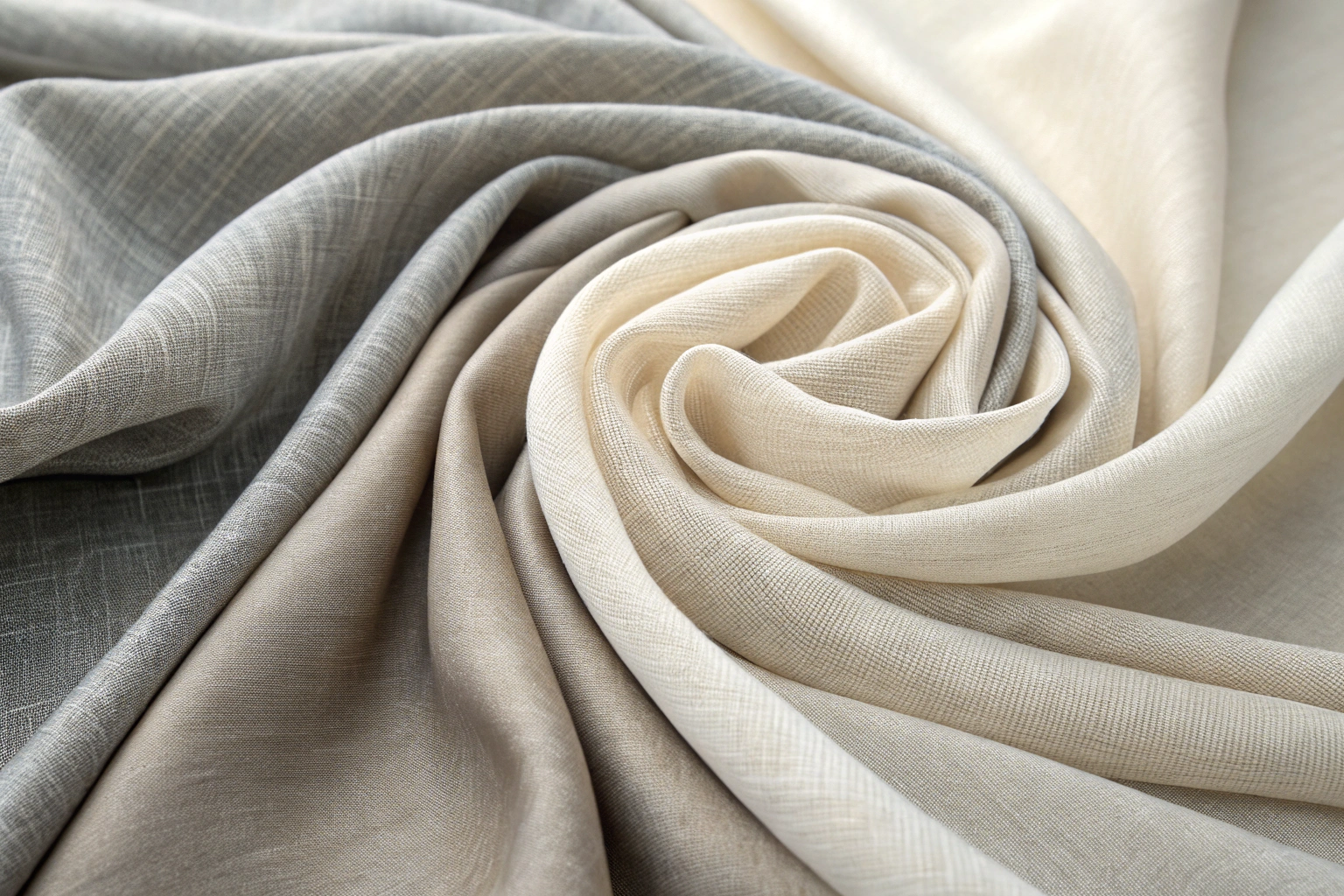
For accessory buyers, designers, and brands sourcing or developing scarves, the tactile quality and visual appearance are paramount. The choice of fabric is often the first consideration, but a critical yet frequently misunderstood specification lies beneath the surface: thread count. Selecting the wrong thread count can result in a scarf that feels disappointingly thin and flimsy, drapes poorly, or conversely, is stiff and heavy like a tablecloth. The risk is investing in inventory that fails to meet customer expectations for luxury, comfort, and versatility, directly impacting sell-through rates and brand perception.
The right thread count for a scarf is not about a single "best" number, but about achieving the perfect balance between a luxurious, soft hand-feel and the desired weight, drape, and opacity for the scarf’s intended use and season. It is a key determinant of quality perception. A high thread count in a finely woven fabric like cotton voile creates ethereal lightness, while a moderate thread count in a wool blend yields cozy warmth and substance. Understanding this interplay is essential for specifying a product that aligns with your brand’s price point and customer promise.
Let’s unravel the specifics of thread count, its relationship with yarn quality, and how to make informed choices for different types of scarves.
What is Thread Count and What Does It Really Measure?
Thread count (TC) is a numerical expression of the density of woven fabric. It is calculated by counting the number of threads (both warp threads, which run lengthwise, and weft or filling threads, which run widthwise) in one square inch of fabric. A fabric with 200 threads per square inch has a thread count of 200.
It’s crucial to understand that thread count is a measure of quantity, not quality. A higher number indicates a denser weave, which generally correlates with a smoother, more durable, and often more opaque fabric. However, it is only one factor. The quality and fineness of the yarns used (measured in counts like Ne, Nm, or denier) are equally, if not more, important. A high thread count made with poor, thick yarns will feel coarse and stiff. Conversely, a moderate thread count using extremely fine, long-staple fibers (like Egyptian cotton or mulberry silk) can produce a fabric of exceptional softness and luxury.
How is Thread Count Manipulated or Misrepresented?
The industry has seen marketing practices that inflate thread count numbers without genuinely improving quality. This is often done by using multi-ply yarns (twisting two or three thinner strands together) and counting each ply as an individual thread. A fabric woven with 100 two-ply yarns per inch could be deceptively marketed as "200 thread count," even though its actual weave density is only 100. This fabric will often be heavier and less breathable than a true 200-thread-count fabric made with fine single-ply yarns. For discerning buyers, it’s important to ask suppliers about yarn construction (single-ply vs. multi-ply) and to judge samples by their actual hand-feel and drape, not just the quoted number. Resources from textile testing organizations like ASTM provide standard methods for true thread count determination.
Why is the "Hand" and Drape More Important Than a Number?
The ultimate test is subjective and tactile: the "hand" of the fabric—how it feels against the skin—and its drape—how it flows and falls. A luxury scarf must pass this test. A high-thread-count silk twill will have a beautifully fluid, heavy drape that holds vibrant prints. A lower-thread-count, open-weave linen will have a crisp, airy drape perfect for summer. Your specification should start with the desired end-use experience (e.g., "a lightweight, breezy summer scarf" vs. "a warm, substantial winter wrap") and work backward to the appropriate fiber, yarn, and thread count combination to achieve it.
How to Match Thread Count to Scarf Type and Season?
Thread count choices are fundamentally driven by the scarf’s functional and aesthetic role. There is no universal ideal.
For Lightweight, Seasonal Scarves (Spring/Summer):
- Fabrics: Silk Chiffon, Georgette, Cotton Voile, Lightweight Linen.
- Typical Thread Count Range: Higher counts within these fine fabrics (e.g., for silk, counts can be referenced by momme weight—a better measure—with 8-12 momme being light, 16-22 being medium-heavy). The goal is a high density of very fine threads to create a fabric that is sheer, fluid, and resistant to snagging, yet still ethereal.
- Purpose: Decorative layering, sun protection, adding a touch of elegance without warmth. A high thread count here ensures delicacy with durability.
For Mid-Weight, Year-Round Scarves:
- Fabrics: Silk Twill, Cotton Poplin, Viscose Challis, Fine Wool Gabardine.
- Typical Thread Count Range: Moderate to high (e.g., a good silk twill for printing has a tight, dense weave). This creates a fabric with excellent color absorption for printing, a smooth surface, and a versatile weight that provides slight warmth and superb drape.
- Purpose: The workhorse scarf. Ideal for fashion prints, versatile styling, and mild weather. Thread count ensures print clarity and a substantial, quality feel.
For Heavyweight, Winter Scarves:
- Fabrics: Wool, Cashmere, Wool Blends, Acrylic Knits, Fleece.
- Thread Count Consideration: Thread count is less discussed for knits (which are measured by gauge) and bulky wovens. Here, the focus shifts to fiber quality (e.g., cashmere grade), weight (grams per square meter, GSM), and finish (brushed, melton). A woven wool scarf might have a moderate thread count but use thicker, loftier yarns to trap air for insulation.
- Purpose: Warmth. The density (from weave or knit) provides wind resistance and thermal insulation.
What is the Role of Weave Structure?
Thread count interacts directly with weave structure. A plain weave (one over, one under) at a high thread count creates a crisp, flat fabric like poplin. A twill weave (creating a diagonal rib) at a high thread count, as in silk twill, yields a soft, dense fabric with a beautiful drape. A jacquard or dobby weave can incorporate complex patterns, and its ideal thread count will depend on the design’s intricacy. A manufacturer’s expertise lies in selecting the right loom and weave to complement the target thread count and yarn. A partner like Shanghai Fumao Clothing can advise on these technical synergies.
How Does Fiber Content Dictate Thread Count Parameters?
Different fibers have physical limits. Silk filaments can be extruded incredibly fine, allowing for very high thread counts in lightweight fabrics. Long-staple cotton (like Pima or Egyptian) can be spun into fine yarns suitable for high thread counts. Wool, due to its staple length and natural crimp, is often spun into thicker, loftier yarns; a very high thread count with fine wool yarns is possible (as in superfine wool suiting) but less common for scarves, where warmth and softness are prioritized over sheer density. The choice begins with the fiber.
What Are the Quality and Cost Implications?
Thread count, especially when achieved with high-quality yarns, is a direct driver of both perceived value and production cost. Understanding this helps in positioning your product correctly in the market.
Higher (True) Thread Count Generally Means:
- Increased Material Cost: More yarn is used per square meter.
- Increased Production Cost: Weaving denser fabric is slower, putting more wear on looms, and requires more skilled oversight.
- Enhanced Durability: A denser weave is more resistant to tearing and abrasion.
- Better Color Saturation: For printed scarves, a tight, smooth weave provides a superior canvas, holding sharper details and brighter colors.
- Softer Hand (with good yarn): The more threads per inch, the less "space" between them, creating a smoother surface.
Therefore, a high-thread-count scarf made with premium yarn justifies a higher retail price point and should be marketed on its luxurious feel, durability, and beauty. It is a hallmark of a luxury or designer accessory.
How to Avoid Overpaying for Misleading Specifications?
To ensure value:
- Always Request Physical Swatches. Feel and drape the fabric yourself. Hold it up to the light to check density and opacity.
- Ask for Full Fabric Specifications. Request details beyond TC: Fiber content percentage, yarn count (Ne/Nm), fabric weight (GSM), and weave type.
- Compare Swatches at Different Price Points. Feel the difference between a 30 momme silk twill and a 16 momme twill. The weight and density will be immediately apparent.
- Work with a Transparent Supplier. A reputable manufacturer will educate you and provide honest specifications rather than just marketing buzzwords. They understand that an informed buyer is a long-term partner.
What is the "Sweet Spot" for Commercial Fashion Scarves?
For the broad commercial market (mid-tier fashion brands), the goal is often the best balance of quality and cost. For a viscose or polyester challis scarf (known for beautiful drape and printability), a thread count that yields a fabric weight of approx. 70-90 GSM provides excellent fluidity without being too sheer. For a cotton scarf, a thread count resulting in a poplin or voile of similar weight offers crispness and breathability. These specifications deliver a very good customer experience at an accessible price point.
How to Work with Your Manufacturer on Specifications?
Effective communication with your factory or supplier is essential to translate your vision into a correct technical specification.
Provide Clear Reference Samples: The best way to communicate desired quality is to provide a physical sample of a scarf whose hand-feel, weight, and drape you admire. The factory can then reverse-engineer or match the specification.
Use Technical Language: Instead of just "high thread count," specify target parameters. For example: "We are looking for a 100% mulberry silk twill, 16 momme weight, with a soft finish for digital printing." or "We need a mid-weight cotton voile, approx. 80 GSM, with a crisp hand."
Understand MOQ Implications: Very specific, high-end fabric specifications (like an ultra-high thread count with custom yarn) may have high minimum order yardage from the mill. Your manufacturer can guide you on feasible options that meet your quality goals within your volume constraints.
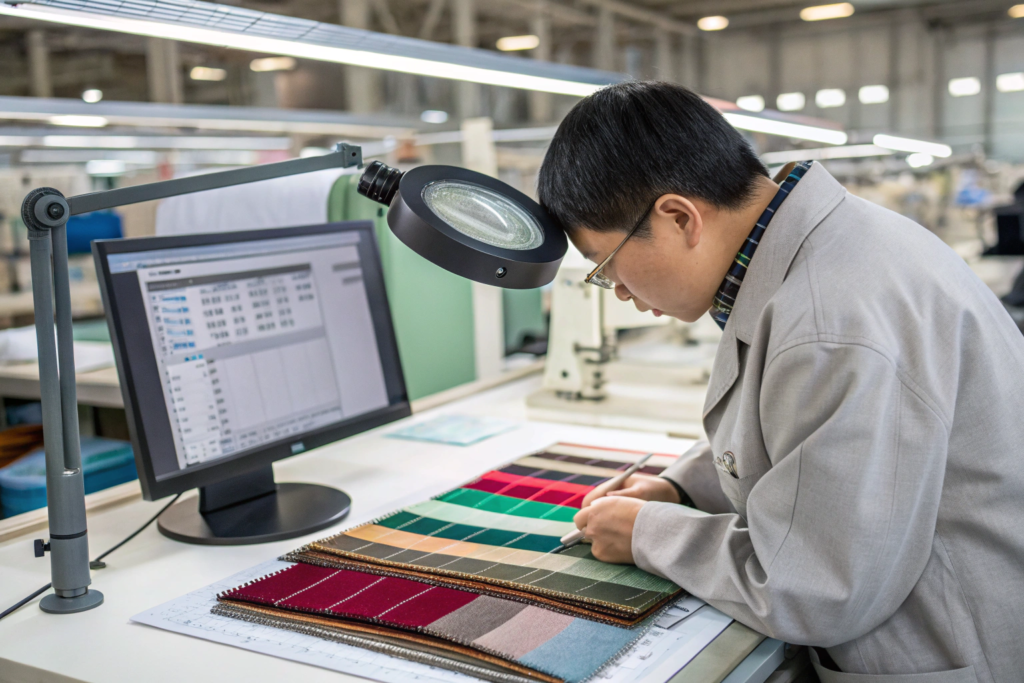
What Questions Should You Ask Your Supplier?
- "Can you provide a fabric swatch card with different thread counts and weights for [silk/cotton/viscose]?"
- "What is the GSM and yarn count for the fabric you’re proposing?"
- "How does this fabric perform with the printing technique (digital, screen) we plan to use?"
- "What is the minimum order quantity in meters for this specific fabric?"
- "Can you conduct a wash and colorfastness test on the sample?"
Why is Prototyping Non-Negotiable?
Once you and your supplier agree on a fabric spec, you must make a prototype scarf. Dyeing, printing, hemming (especially hand-rolled hems on silk), and washing can all affect the final hand and drape. The only way to ensure the finished product meets your expectation is to approve a full, finished sample. This step, managed through a clear sample approval process, is the final guard against a bulk production mistake.
Conclusion
Choosing the right thread count for scarves is a nuanced decision that sits at the intersection of textile science and sensory design. It requires looking beyond a single number to holistically consider fiber quality, yarn fineness, weave structure, and desired end-use. By prioritizing the target hand-feel and drape, understanding the cost and quality implications, and collaborating transparently with a knowledgeable manufacturer, you can specify scarves that consistently deliver on their promise of comfort, style, and perceived value.
Mastering this element of product development is key to building a scarf line that stands out for its quality and keeps customers returning for the exceptional experience it provides.
Ready to develop scarves with precisely the right feel and quality for your market? Partner with Shanghai Fumao Clothing. Our expertise in fabric sourcing and textile development ensures we can guide you to the perfect balance of thread count, fiber, and construction for your collection. Contact our Business Director, Elaine, at elaine@fumaoclothing.com to begin crafting scarves with impeccable texture and drape.