I was at a trade show in Las Vegas last year, standing in my booth, when a buyer I had lost to Vietnam three years earlier walked up and shook my hand. He said, "I’m back." I asked him why. He told me a story about a shipment of 10,000 hair clips that arrived with the wrong spring tension. The clips would not hold hair. He spent six weeks going back and forth with the factory. They offered a 10% discount on the next order. No refund. No remake. He said, "The 15% I saved on the unit price cost me a whole season of sales and a damaged relationship with my biggest retail account." He learned the hard way that the invoice price is not the same as the landed cost of doing business.
US importers are shifting accessory production back to China because the total cost equation has changed. The labor cost advantage in Vietnam has narrowed. The logistics headaches from smaller ports have increased. And most importantly, the development speed and technical capability in China remain unmatched for complex fashion items. At AceAccessory, we have seen a noticeable uptick in inquiries from brands that experimented with Vietnam, Cambodia, or Bangladesh over the last five years. They are coming back not because they want to, but because their spreadsheets told them they had to.
This is not a story about Vietnam being a bad place to make things. It is a story about the hidden costs of switching supply chains and the real value of a mature manufacturing ecosystem. Let me walk you through what those returning buyers have told me and what the numbers actually show.
What Are the Hidden Costs of Manufacturing Fashion Accessories in Vietnam?
The invoice price from a Vietnamese factory looks attractive. It is often 10% to 20% lower than a comparable quote from China for simple cut-and-sew items. This is what gets buyers to make the switch. They see the lower FOB price and calculate the savings across a container load. The math seems simple.
The problem is that the invoice price is only one line item on a much longer list of costs. Vietnam has a less developed supply chain for accessories. The fabric mills are fewer. The metal hardware for belts and hair clips is often imported from China anyway. The dyeing and finishing capabilities are limited. All of this adds time and money to the process. Those hidden costs do not show up on the initial quote. They show up later in the form of delays, air freight charges, and quality issues that require rework.
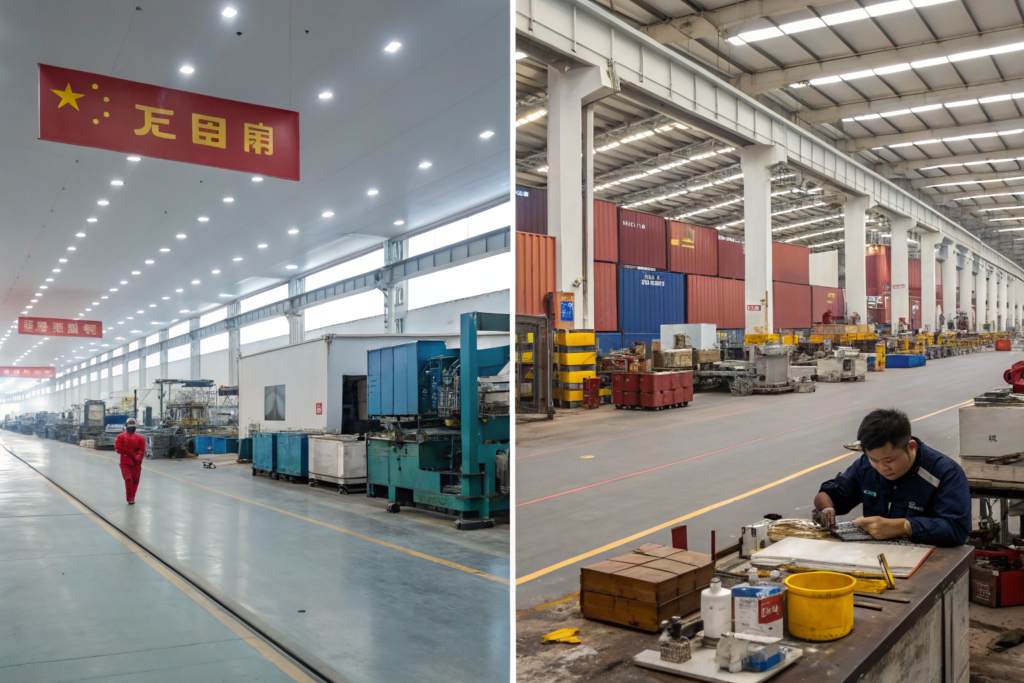
Why Do Vietnamese Factories Struggle with Complex Trim and Metal Hardware?
Vietnam is excellent at sewing. The garment industry there is world-class for basic apparel like t-shirts, hoodies, and simple pants. But fashion accessories are different. They require a wide range of specialized components. A single hair clip might need a specific metal spring, a plastic hinge, and a decorative rhinestone setting. A fashion belt needs a buckle, a keeper loop, and metal tip finishes.
The ecosystem to produce these components locally in Vietnam is still underdeveloped. Most of the metal hardware used in Vietnamese accessory factories is imported from China. This means the Vietnamese factory pays for the component, pays for shipping from China to Vietnam, pays import duty, and then builds those costs into their price to you. The irony is that you could have just made the whole item in China and avoided that extra layer of logistics.
For complex trim like custom-engraved buttons or logo-embossed leather patches, the lead time in Vietnam is often double what it is in China. A custom buckle that takes 10 days to sample in Zhejiang might take 25 days in Ho Chi Minh City because the mold has to be made in China and shipped across the border. This delay eats into your development calendar. If you miss a seasonal delivery window, the savings on the unit price evaporate instantly. Our design team in China has direct access to hundreds of component suppliers within a two-hour drive. That proximity translates to speed.
How Does the Lack of Local Raw Material Sourcing Increase Lead Times?
A factory is only as fast as its supply chain. In China, specifically in Zhejiang and Guangdong provinces, the entire supply chain for accessories exists within a tight geographic cluster. Need a specific shade of dyed elastic for hair bands? The dye house is 30 minutes away. Need a custom woven label for a knit hat? The label factory is in the next town. Need a specific weight of paper braid for a straw hat? The mill is a two-hour drive.
In Vietnam, many of these raw materials still come from China, Korea, or Taiwan. The Vietnamese factory has to order the material, wait for it to be produced overseas, wait for it to clear customs, and wait for it to be trucked to their facility. This adds 7 to 14 days to the material procurement phase compared to a Chinese factory. For a fast-moving fashion accessory where trends change monthly, that two-week delay can mean the difference between capturing a TikTok trend and missing it completely.
I spoke with a buyer who tried to make shawls and scarves in Vietnam. The factory could sew the scarves beautifully. But they could not source the specific brushed acrylic yarn the buyer wanted domestically. The yarn came from China. The lead time for the yarn was three weeks. The production time was one week. The buyer spent four weeks waiting for a product that we could have turned around in 14 days total from our Zhejiang facility. She came back to us for the next season. The speed to market was worth more than the 12% she saved on labor.
How Do China’s Port Infrastructure and Shipping Reliability Compare to Vietnam’s?
The best product in the world is worthless if it is sitting on a dock instead of on a shelf. Shipping reliability has become one of the most important factors in sourcing decisions since the pandemic disrupted global logistics. Buyers have learned that a delayed shipment wipes out any margin gains from a cheaper factory.
China has invested trillions of dollars in port infrastructure over the last two decades. Shanghai and Ningbo are two of the busiest and most efficient container ports on the planet. They have the crane capacity, the deep-water berths, and the digital customs systems to move goods quickly. Vietnam’s ports, particularly in the south around Ho Chi Minh City, have improved significantly. But they still face congestion issues during peak seasons and have less frequent direct sailings to US West Coast ports.
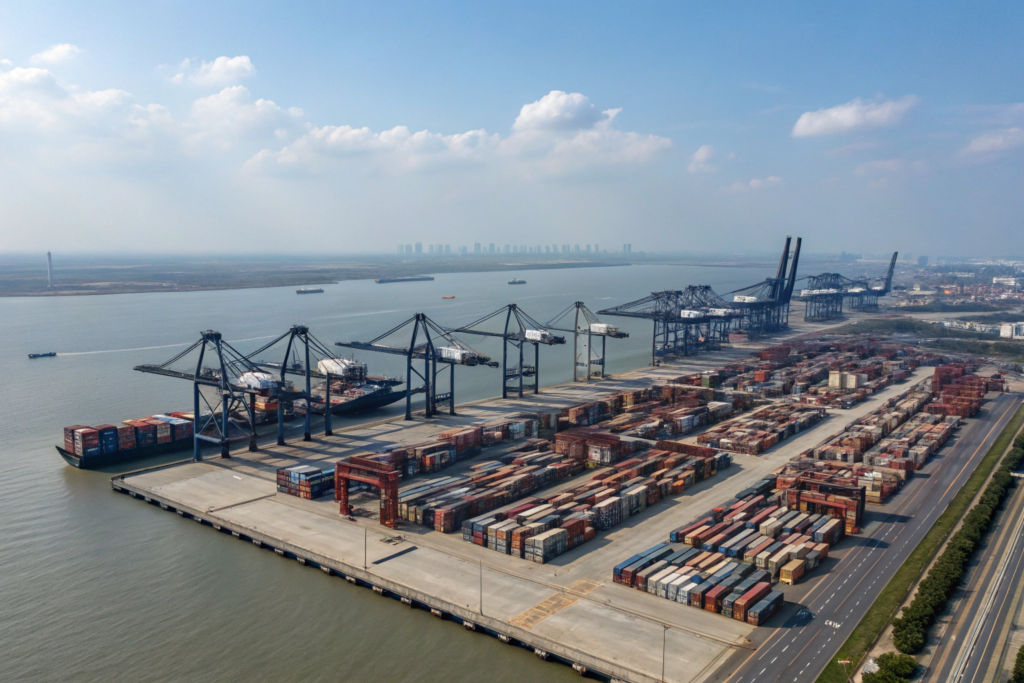
Why Are Sailings from Ningbo More Frequent Than from Haiphong?
This is a simple numbers game. The volume of exports from China to the United States is enormous. Because the volume is so high, the major shipping alliances run multiple weekly services from Shanghai and Ningbo directly to Los Angeles and Long Beach. This means you have flexibility. If you miss the cutoff for Tuesday’s sailing, there is another one on Friday.
Haiphong, the main port in northern Vietnam, has far fewer direct sailings to the US West Coast. Many containers from Haiphong are first shipped on a feeder vessel to a larger transshipment hub like Singapore or Hong Kong. There, they wait to be loaded onto a larger mother vessel bound for the United States. This transshipment adds 5 to 10 days to the total transit time. It also adds a point of failure. A container can be "rolled" at the transshipment hub if the mother vessel is full. It sits and waits for the next available slot.
For US importers managing tight inventory levels, this uncertainty is unacceptable. A shipment of baseball caps that arrives two weeks late misses the back-to-school window. The goods get marked down. The buyer loses money. The reliability of frequent, direct sailings from Ningbo is a form of insurance. It costs a little more on the front end but protects against much larger losses on the back end. This is why many of our clients prefer to ship from China even when they have options elsewhere.
How Do Chinese Freight Forwarders Offer More Competitive Consolidated Rates?
Freight rates are driven by volume. Chinese freight forwarders handle a massive amount of cargo. They have the leverage to negotiate better rates with the steamship lines. They also have extensive networks of consolidation warehouses where they can combine LCL shipments from multiple factories into full container loads.
This consolidation capability is particularly valuable for accessory buyers. Accessories are light and bulky. A carton of straw hats takes up a lot of space relative to its weight. Shipping LCL by volume can be expensive. A good Chinese forwarder can combine your hats with other compatible goods to build a full container, giving you FCL pricing for an LCL volume. This freight consolidation network is more mature in China than in Vietnam.
Vietnamese forwarders are building this capability, but they do not yet have the same scale. The result is that the all-in freight cost from Vietnam is often higher than from China for the same cubic meter of cargo. When buyers calculate their total landed cost, they sometimes find that the 15% savings on the FOB price from Vietnam is cut in half by higher freight and longer transit times. The remaining 7% savings might not be worth the added complexity and risk.
Can Chinese Factories Still Compete on Price with Vietnam for Simple Accessories?
This is the question at the heart of the shift. For years, the narrative has been that China is too expensive for simple, labor-intensive products. That narrative was true ten years ago. It is less true today. Two things have changed. First, wages in Vietnam have risen faster than wages in China. The gap has narrowed. Second, Chinese factories have invested heavily in automation and lean manufacturing to offset labor costs.
The result is that for many accessory categories, the landed cost difference between China and Vietnam is now within 5% to 10%. When you factor in the speed, reliability, and development support, that small premium starts to look like a bargain. You are not just buying a product. You are buying an outcome.
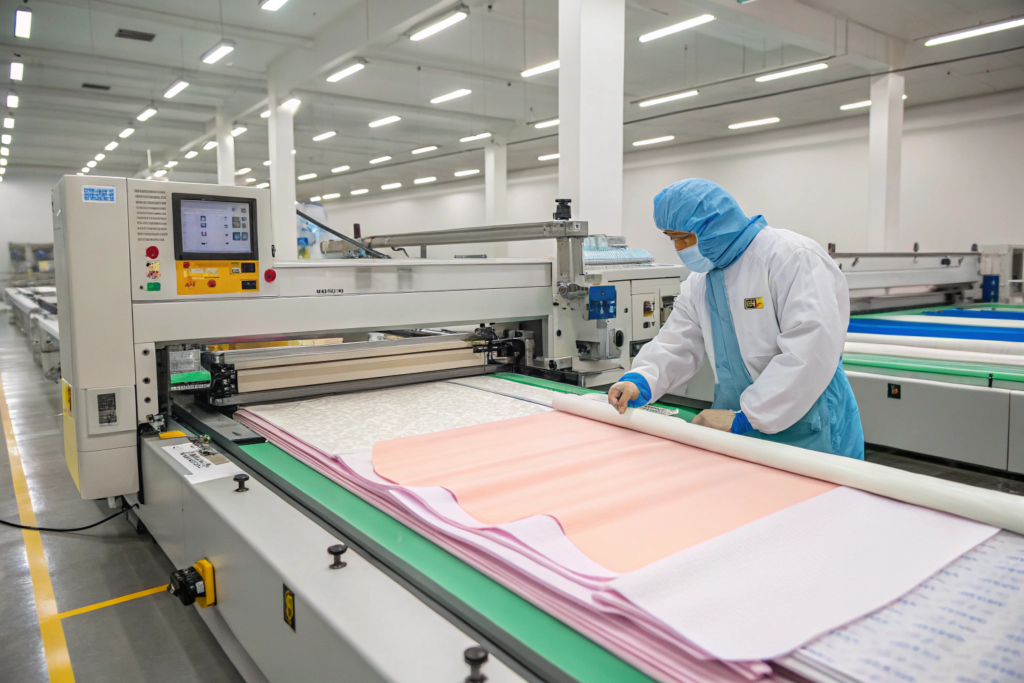
How Has Automation in Zhejiang Factories Offset Rising Labor Costs?
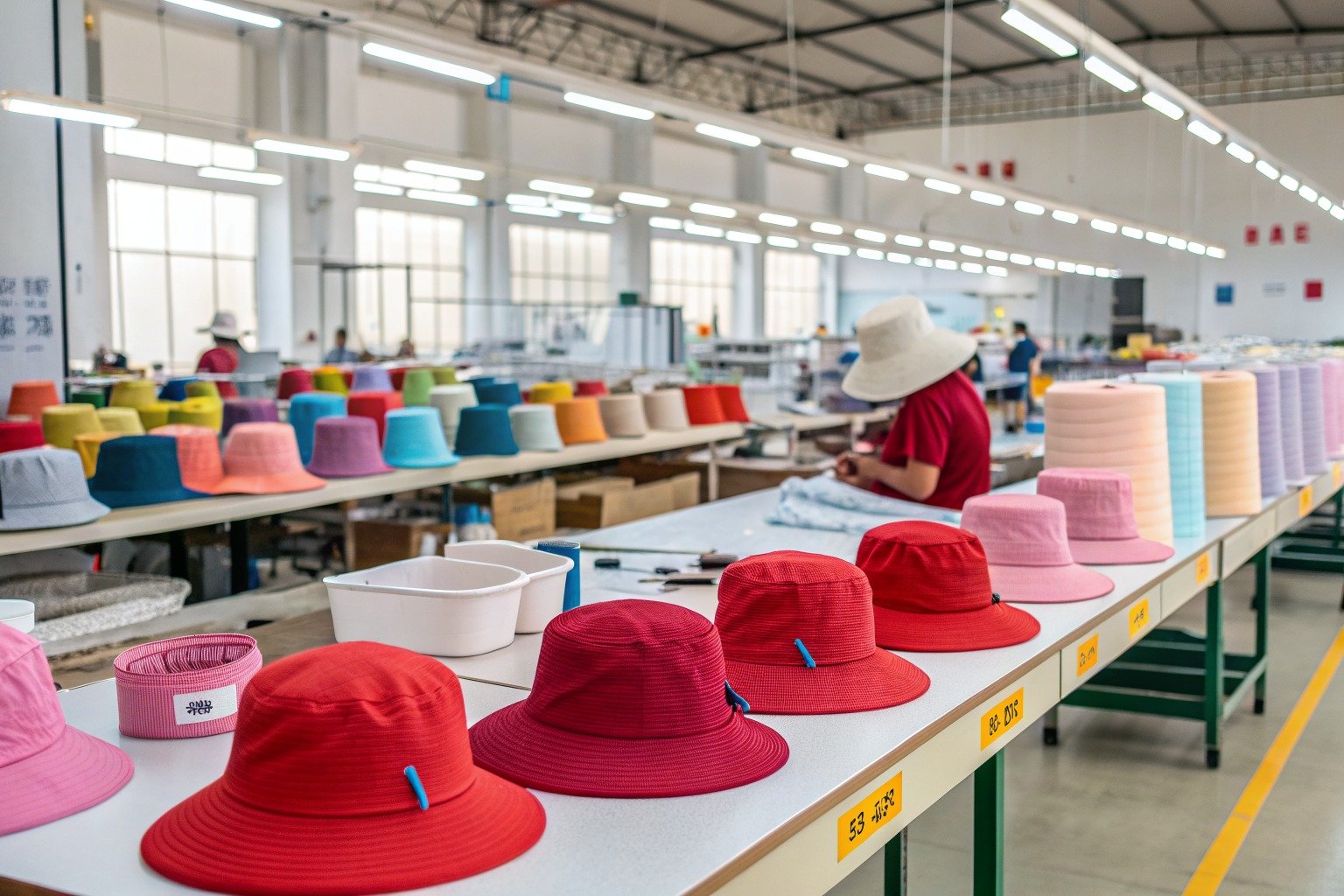
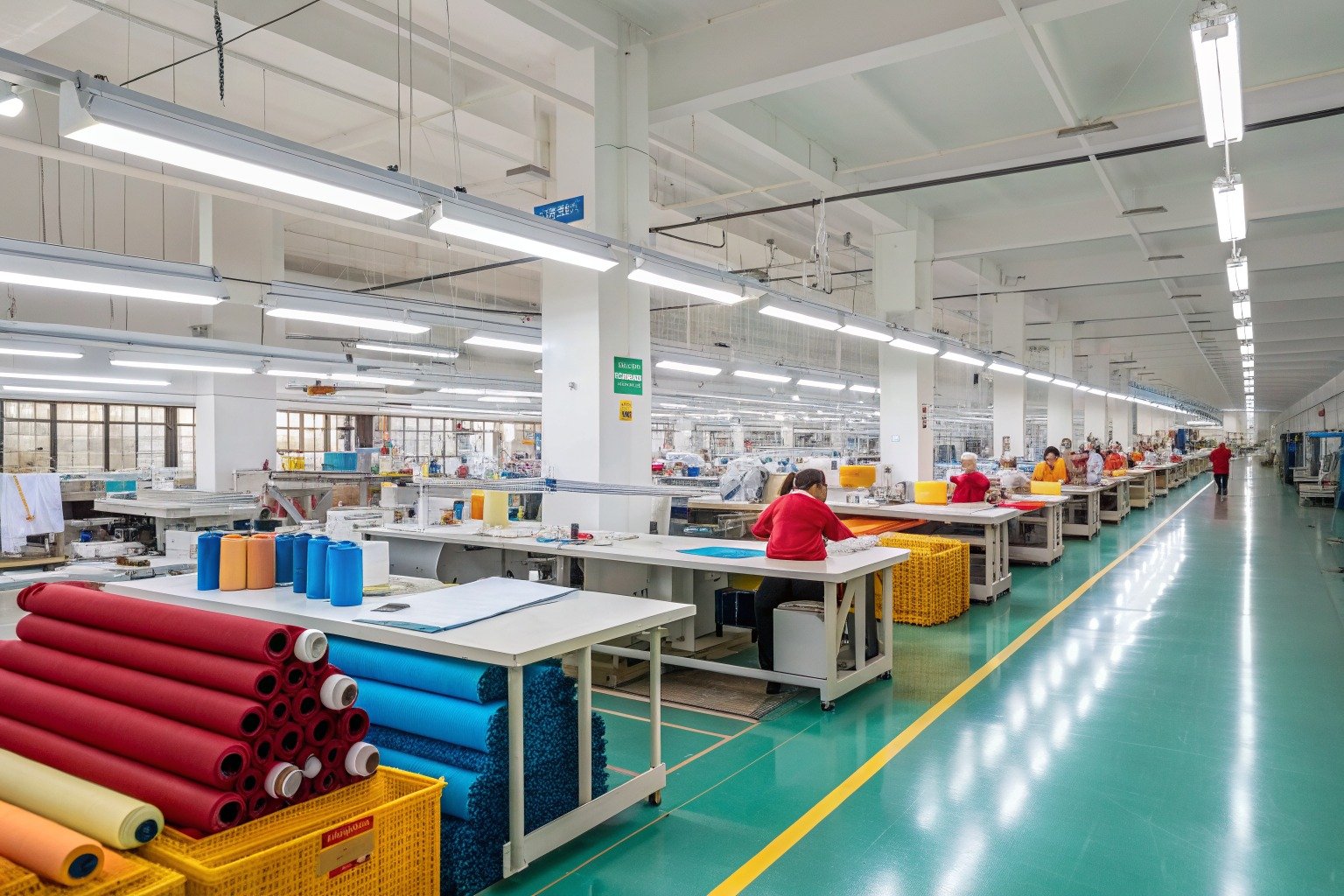
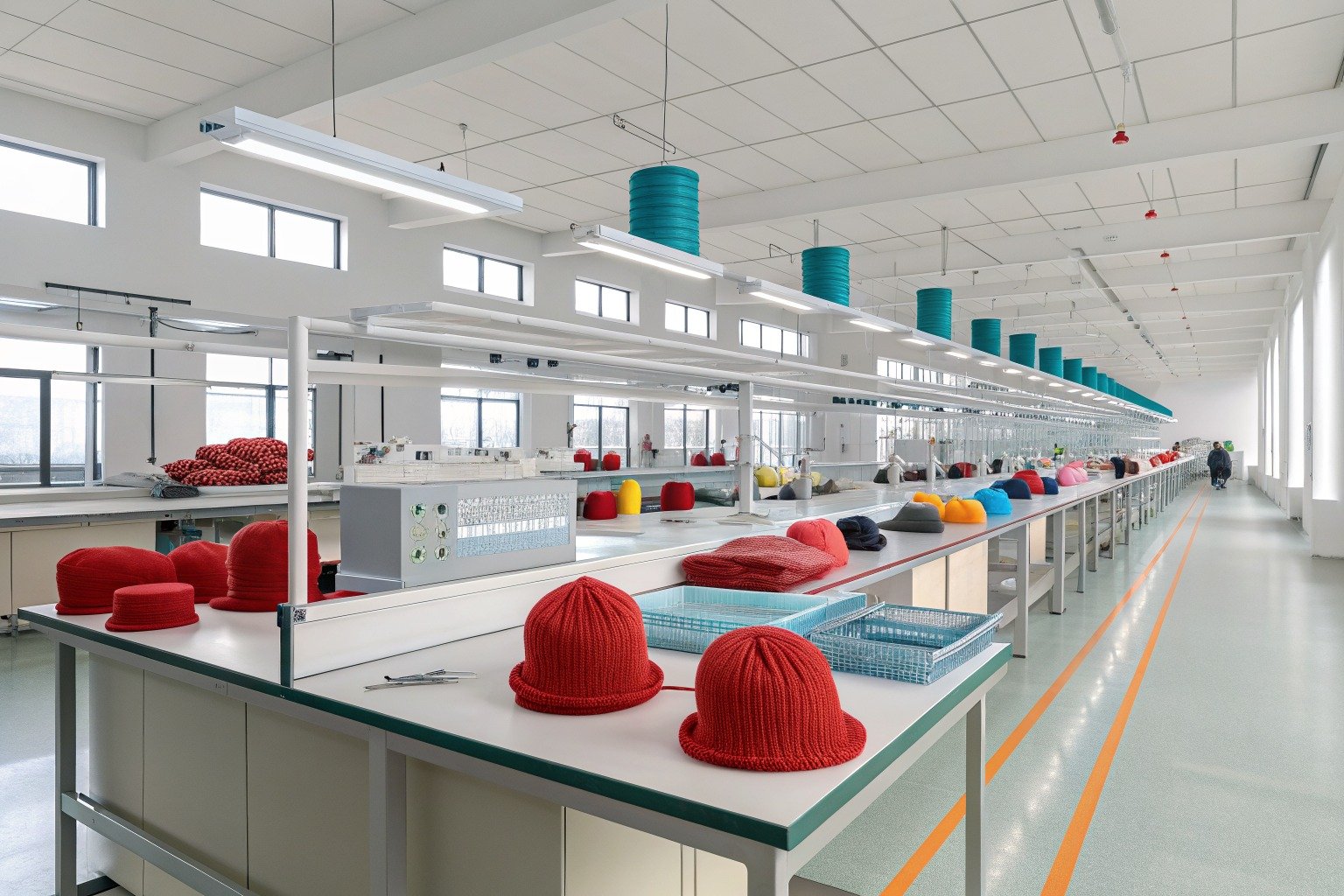
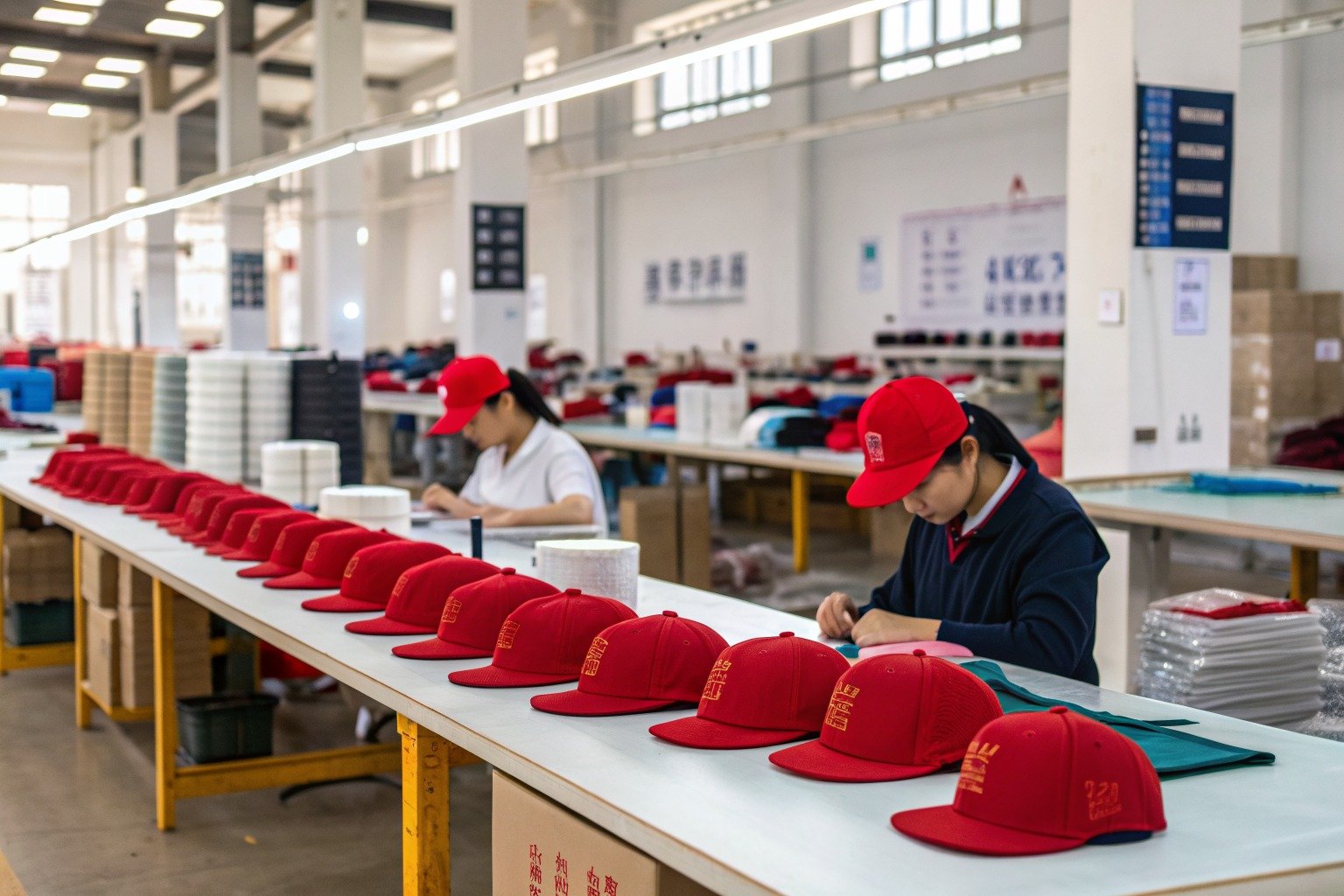
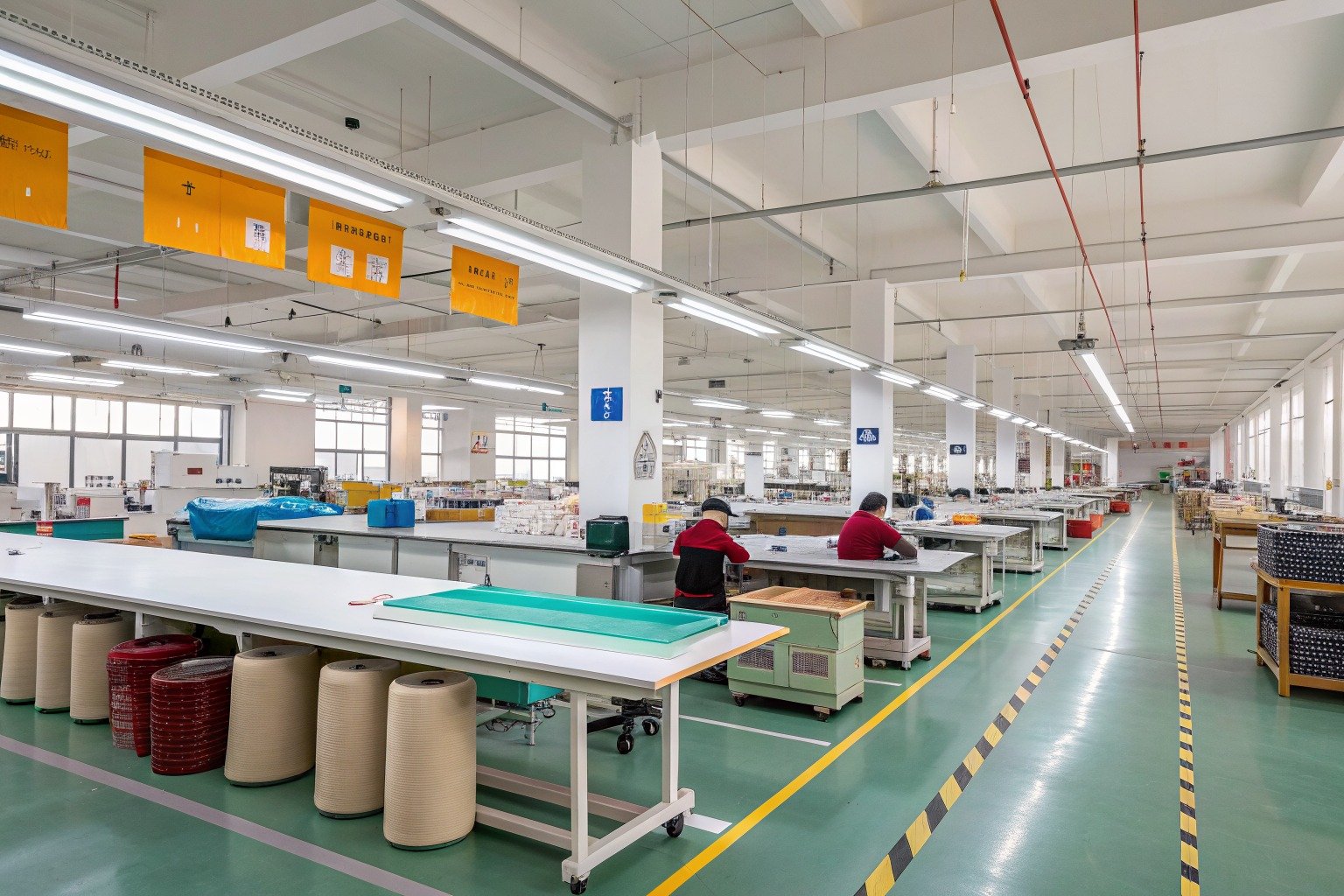
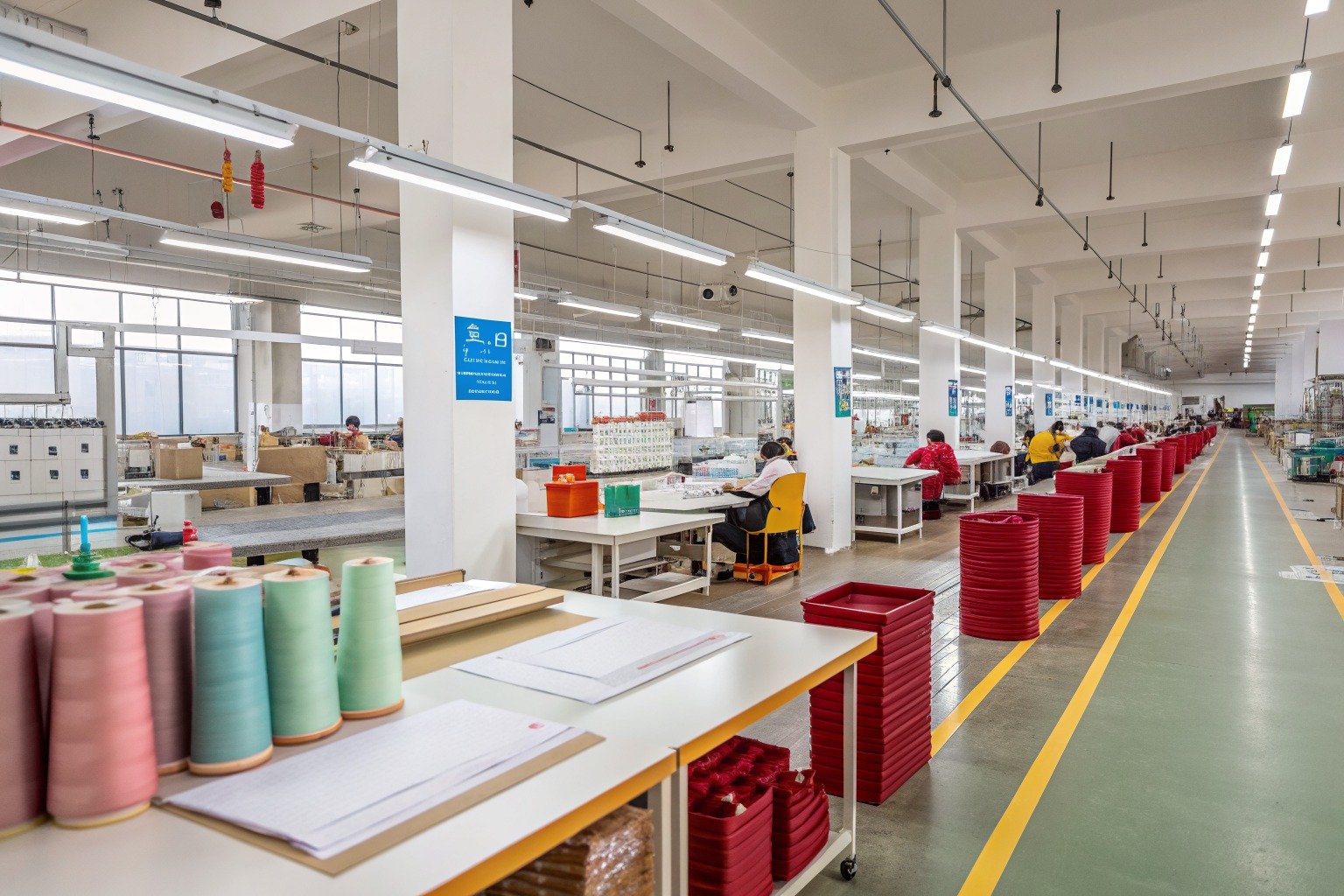
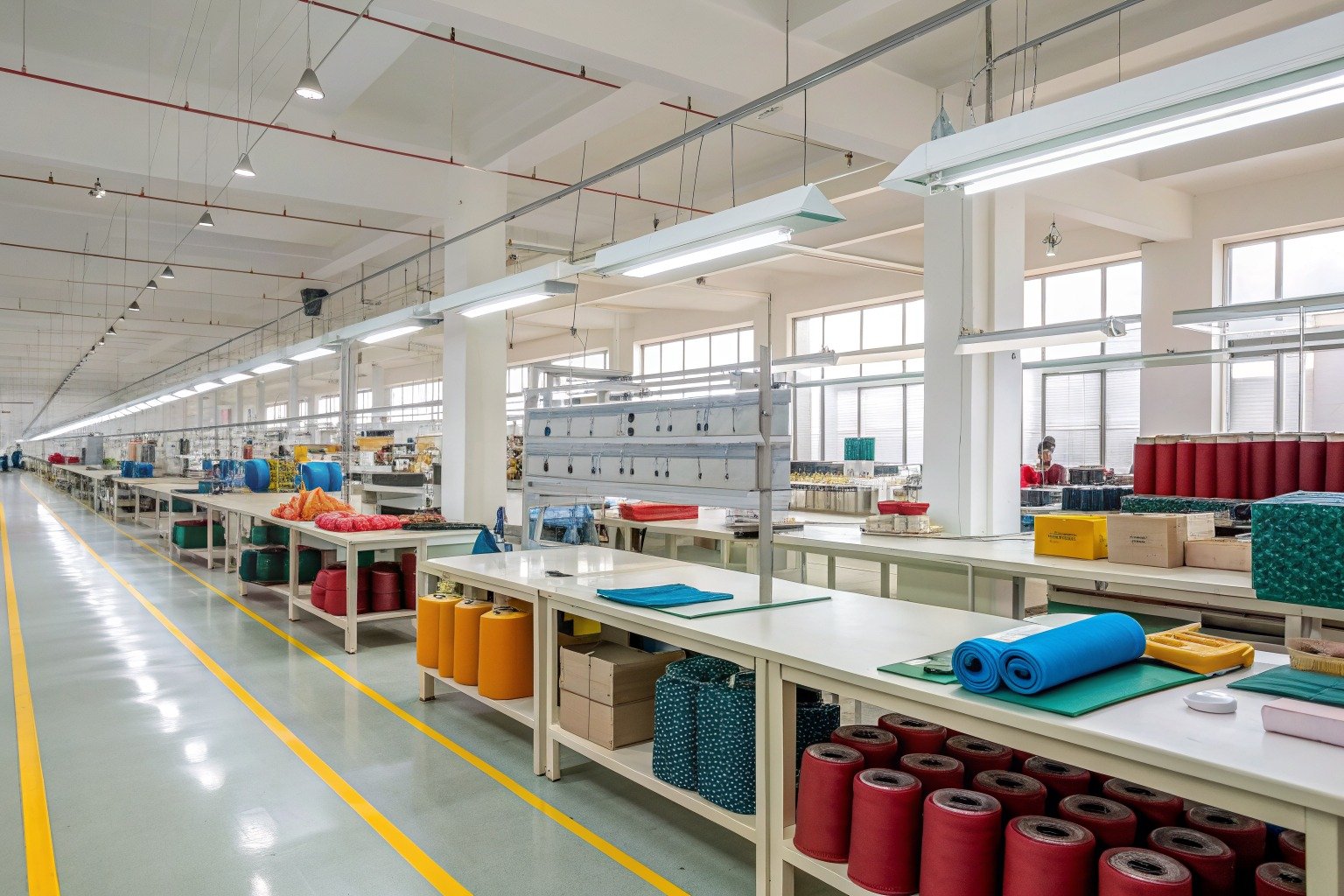
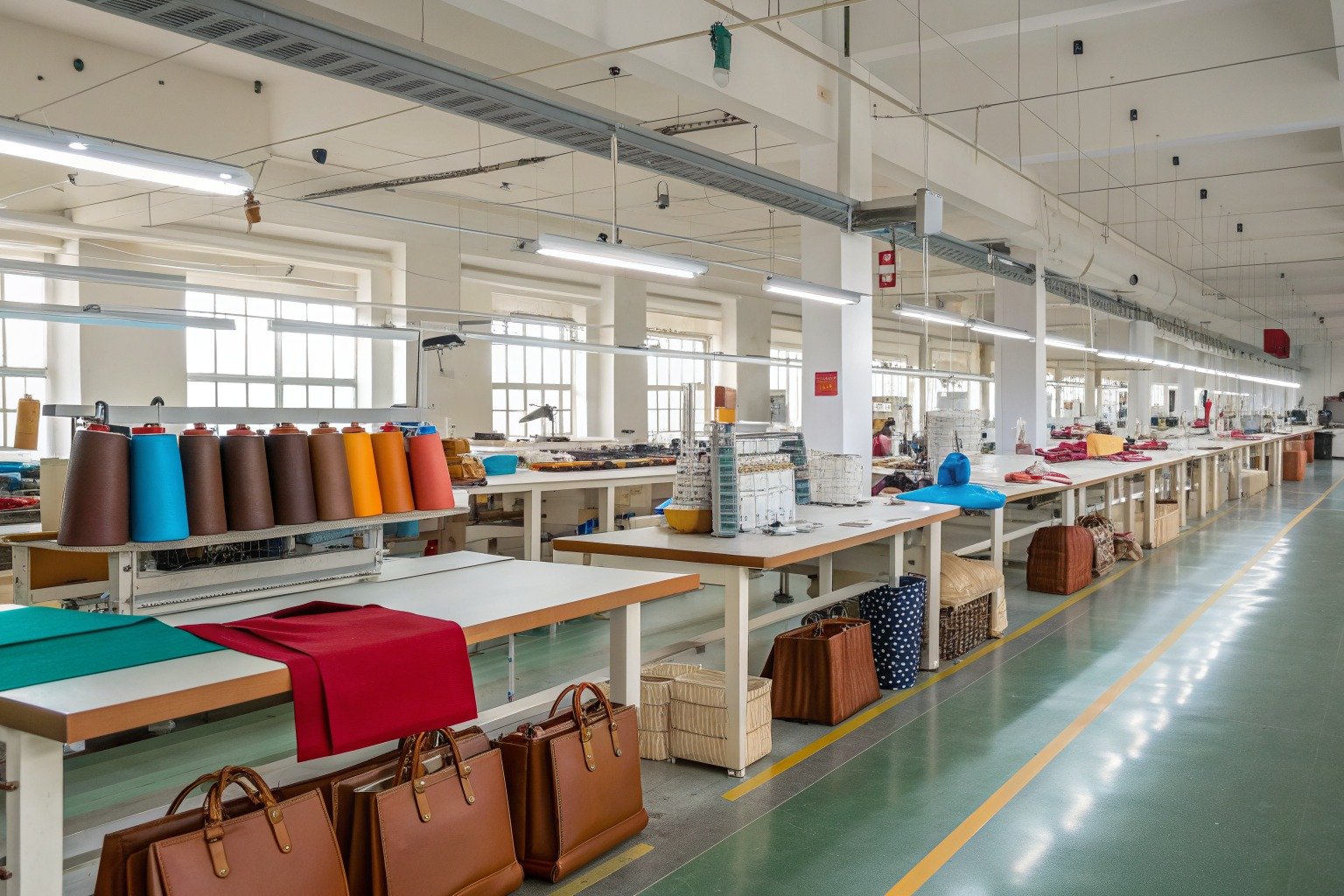
I walk through our factory floor in Zhejiang every morning. Ten years ago, I would see rows of workers sitting at sewing machines. Today, I see a different picture. I see automated cutting tables that use laser guides and vacuum suction to hold fabric in place. I see digital printing machines that apply logos to cloth hats with zero setup waste. I see robotic arms that stack and pack finished goods.
These machines are expensive. A single automated cutting table can cost $50,000 to $100,000. But they work 24 hours a day. They do not take lunch breaks. They do not make cutting errors that waste fabric. The investment pays for itself in material savings and consistent quality.
For products like hair bands and gloves, automation has made a huge difference. A machine can cut 1,000 gloves in the time it takes a human cutter to do 200. The labor cost per unit drops significantly. This allows our FOB prices to remain competitive even as wages rise. The automation advantage is something Vietnamese factories are only beginning to adopt. They face higher capital costs and less access to the specialized machinery manufacturers that are clustered in China.
What Role Does the Chinese Yuan Play in Current Pricing Stability?
Currency matters in international trade. The Vietnamese Dong has been relatively stable, but it is a managed currency that does not float freely. The Chinese Yuan, the Renminbi, is also managed but has shown more flexibility in recent years.
When the US Dollar is strong against the Yuan, Chinese goods become effectively cheaper for American importers. The Yuan has weakened modestly against the Dollar over the last year. This currency movement provides a natural hedge against rising domestic costs in China. A factory in Zhejiang paying workers in Yuan and buying materials in Yuan sees its costs in Dollar terms decline when the Yuan weakens.
This currency dynamic is not the main reason to choose China over Vietnam. But it is a contributing factor to the pricing stability we can offer. We are less exposed to wild swings in input costs because so much of our supply chain is domestic and Yuan-denominated. A Vietnamese factory importing Chinese components pays in Yuan, then sells to you in Dollars. They are exposed to two currency fluctuations instead of one. This adds risk to their pricing model. We can offer more stable pricing because our cost structure is simpler and more contained.
Is Product Development Faster and Easier in China for US Brands?
Speed is the hidden competitive advantage that most buyers undervalue until they lose it. In the fashion accessory business, trends move at the speed of social media. A celebrity wears a specific style of hair clip on a Tuesday. By Friday, brands want a sample to show their buyers. By next month, they want goods on the water.
This kind of speed is only possible in an ecosystem where every part of the supply chain is physically close and culturally aligned with the need for urgency. China, particularly the coastal manufacturing regions, operates at this tempo. Vietnam operates at a slower, more deliberate pace. Neither is wrong. They are just different. But for US brands competing in a fast-fashion world, the Chinese tempo is a better fit.

Why Do Chinese Sample Rooms Turn Designs Around in Days Versus Weeks?
Our sample room is on the second floor of our building. The fabric warehouse is on the first floor. The cutting table is 20 feet away. The sewing machines are 30 feet away. When a buyer sends a sketch or a reference photo for a new shawl design, our designer walks downstairs, picks the fabric, walks back up, cuts a sample, and sews it. The whole process can happen in a single afternoon.
In Vietnam, the sample room might be separate from the material warehouse. The fabric might need to be ordered from a supplier in China or Korea. The communication between the buyer, the sales office, and the sample room often involves more layers of translation. The result is that a sample that takes 3 days in China might take 10 to 14 days in Vietnam.
This development speed compounds over a product line. A brand developing 20 new SKUs for a season might save 6 to 8 weeks on the development calendar by working with a Chinese factory. That extra time can be used to refine designs, test colors, or get earlier commitments from retail buyers. It is a strategic advantage that does not show up on the unit price. Our design team is staffed to handle this rapid iteration. We know that the first sample is rarely perfect. It is a conversation starter. The faster we can have that conversation, the faster we get to a production-ready design.
How Does the Depth of the Chinese Trim and Component Market Benefit US Brands?
I mentioned this earlier, but it deserves its own focus. The trim market in China is not just large. It is deep and specialized. If you need a specific type of snap button for a baseball cap, there are 50 factories within 100 miles that make nothing but snap buttons. They compete on quality, price, and innovation. They have catalogs of thousands of options. They can make a custom mold in a week.
This depth allows for creative design. A US brand can come to us and say, "We want a hair band with a textured, matte-finish metal connector that looks like a piece of sea glass." We can find that. Or we can make it. The component ecosystem in China makes this level of customization possible at accessible prices.
In Vietnam, the trim market is shallower. There are fewer specialists. The range of off-the-shelf options is narrower. Custom components take longer and cost more because the mold still has to be made in China or Taiwan. This limitation subtly steers design toward simpler, more generic products. For a brand trying to differentiate itself with unique fashion accessories, this is a real constraint. Working in China means working at the source of the components. That access translates directly into more distinctive products on the shelf.
Conclusion
The shift of US importers back to China for accessories is not a rejection of Vietnam. It is a recalibration of value. Buyers have learned through experience that the lowest invoice price does not equal the lowest total cost. They have factored in the cost of delays. The cost of quality failures. The cost of slower development. The cost of logistics uncertainty. When all those factors are added up, China often emerges as the more reliable and ultimately more profitable choice.
At Shanghai Fumao, we have always believed that our job is to make our clients’ businesses easier. We do that by being fast, being accurate, and being transparent. We do not win on price alone. We win on the combination of price, quality, speed, and service. That is the value proposition that is bringing buyers back from Vietnam and other alternative sourcing destinations.
The global supply chain for fashion accessories will continue to evolve. Vietnam will continue to develop its capabilities. Other countries will emerge. But the depth of the Chinese manufacturing ecosystem, built over 30 years, is not easily replicated. It remains the best place in the world to develop and produce a wide range of accessories with speed and reliability.
If you have been sourcing accessories from Vietnam or elsewhere and have encountered some of the frustrations described here, I would welcome a conversation. We can discuss your specific product categories and show you how our factory in Zhejiang can solve those pain points.
To explore moving your production back to China or to start a new development project, please contact our Business Director, Elaine. She has guided many brands through this transition and can provide a clear, honest assessment of your options. You can reach her directly at elaine@fumaoclothing.com. Let us show you why so many importers are coming back.