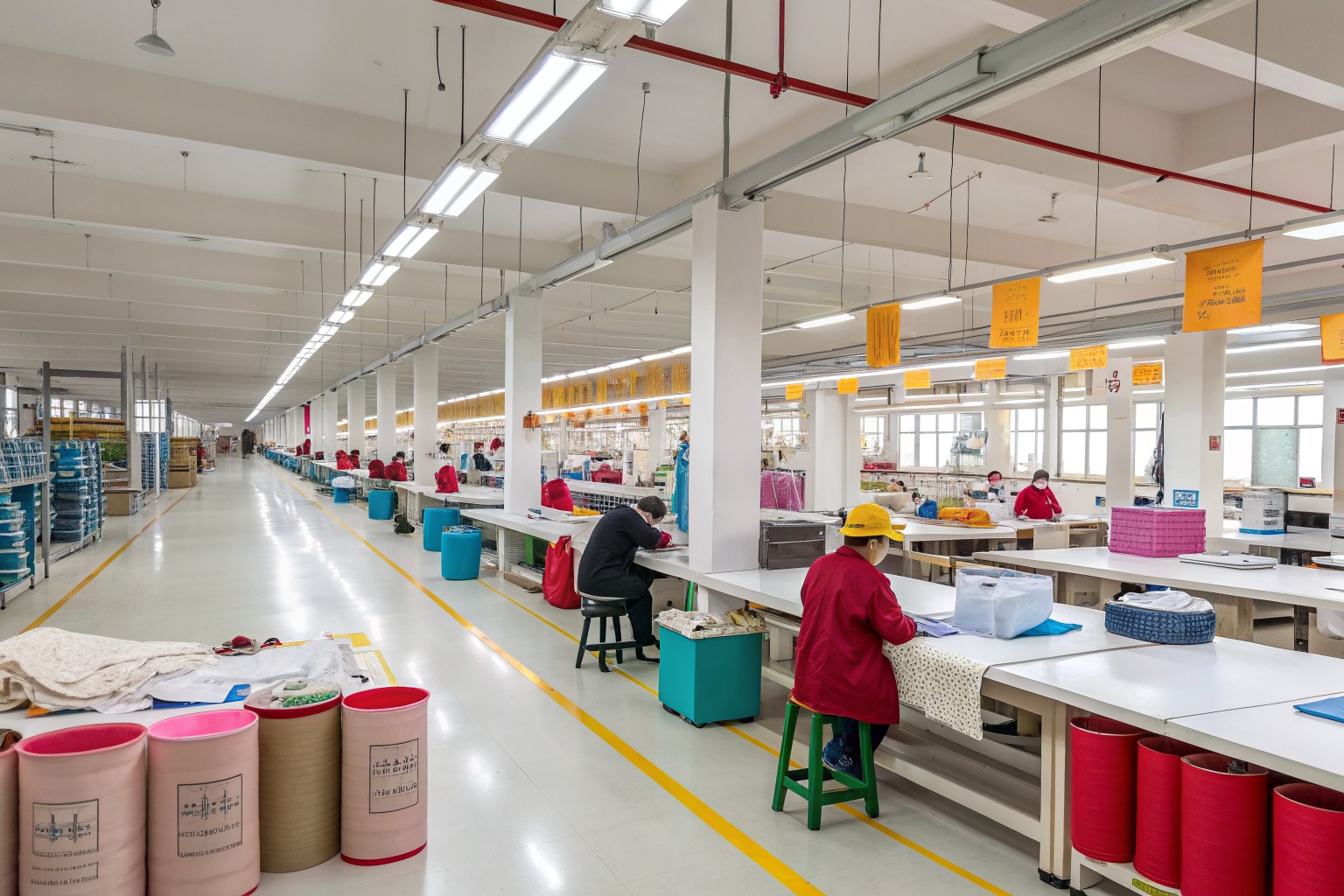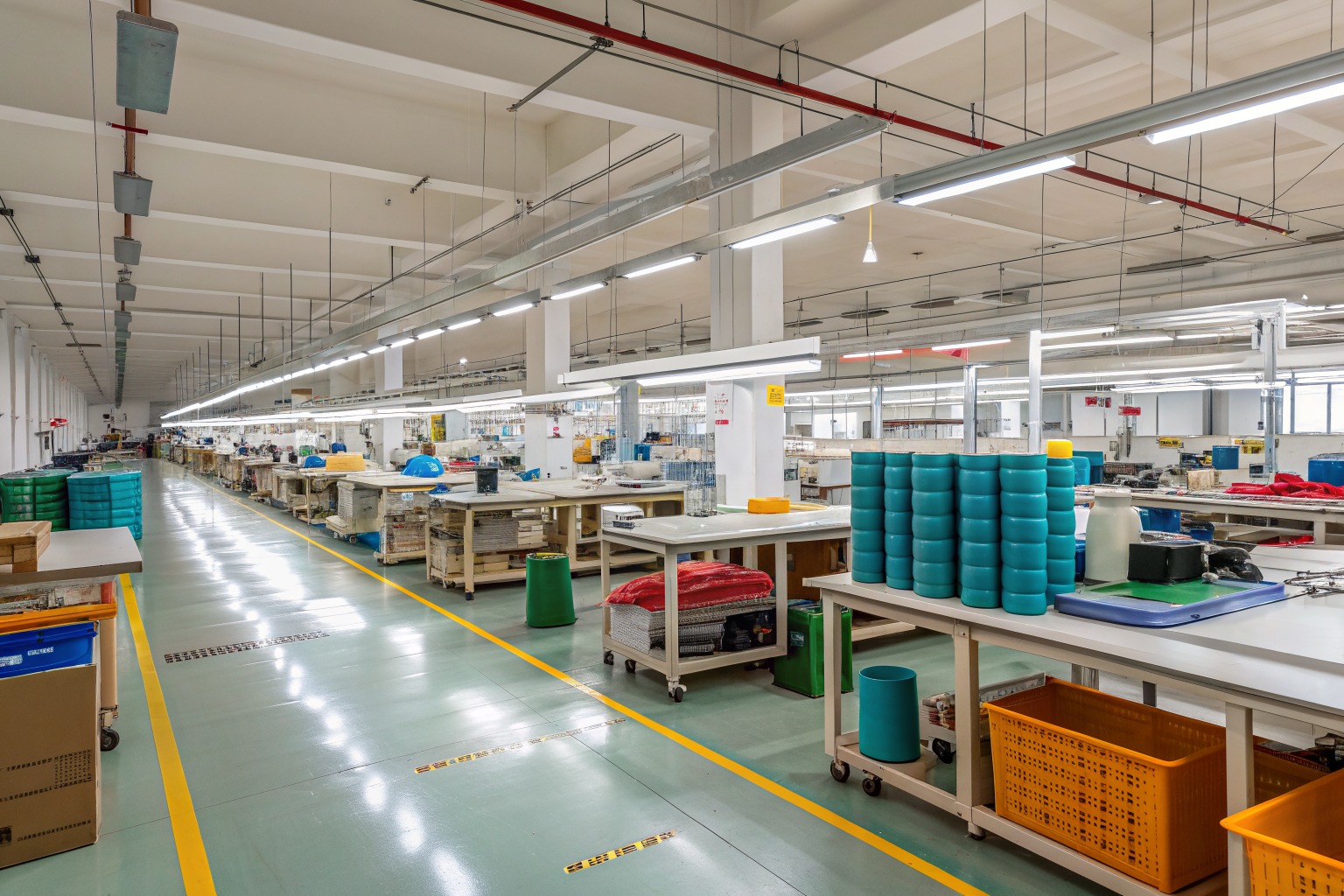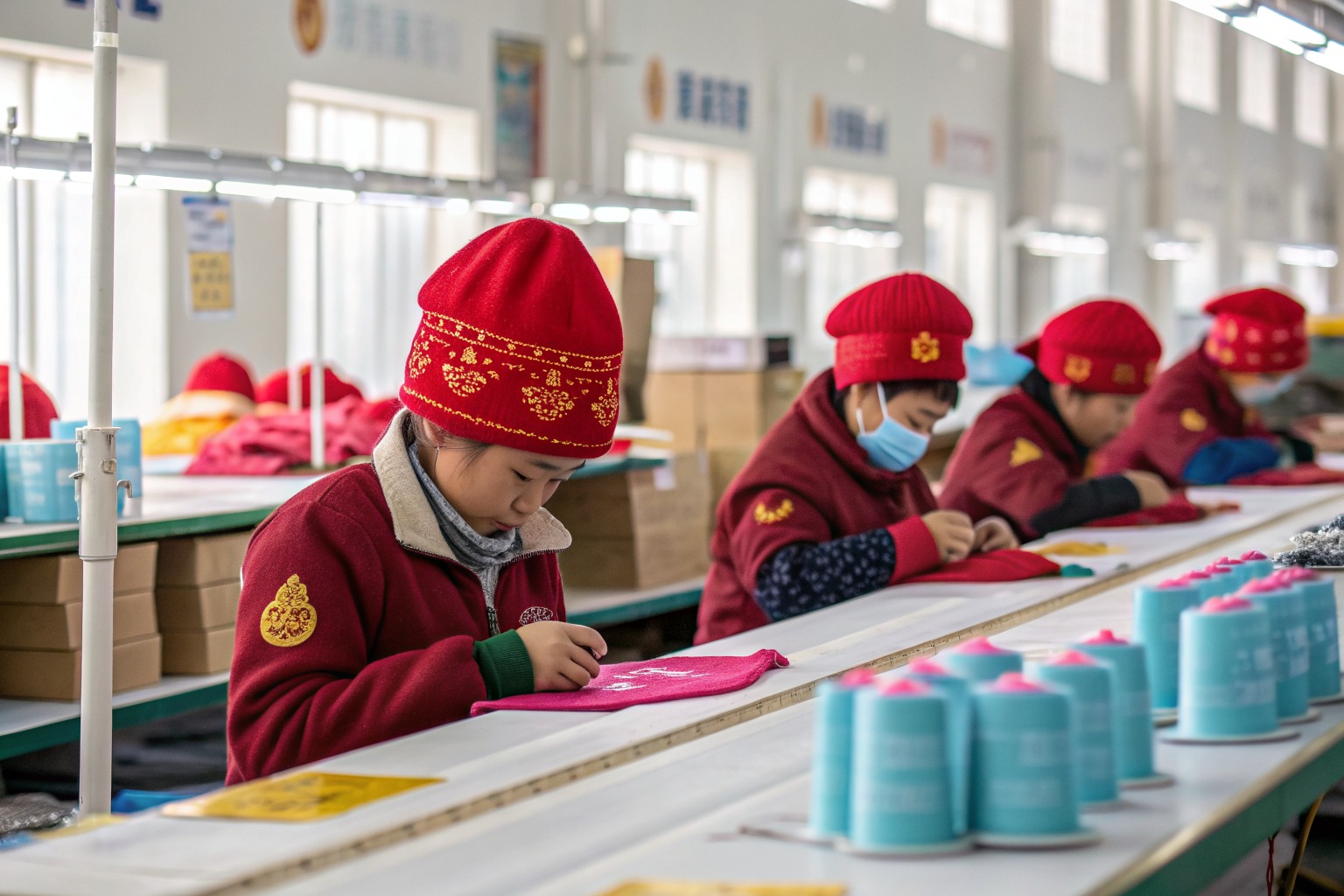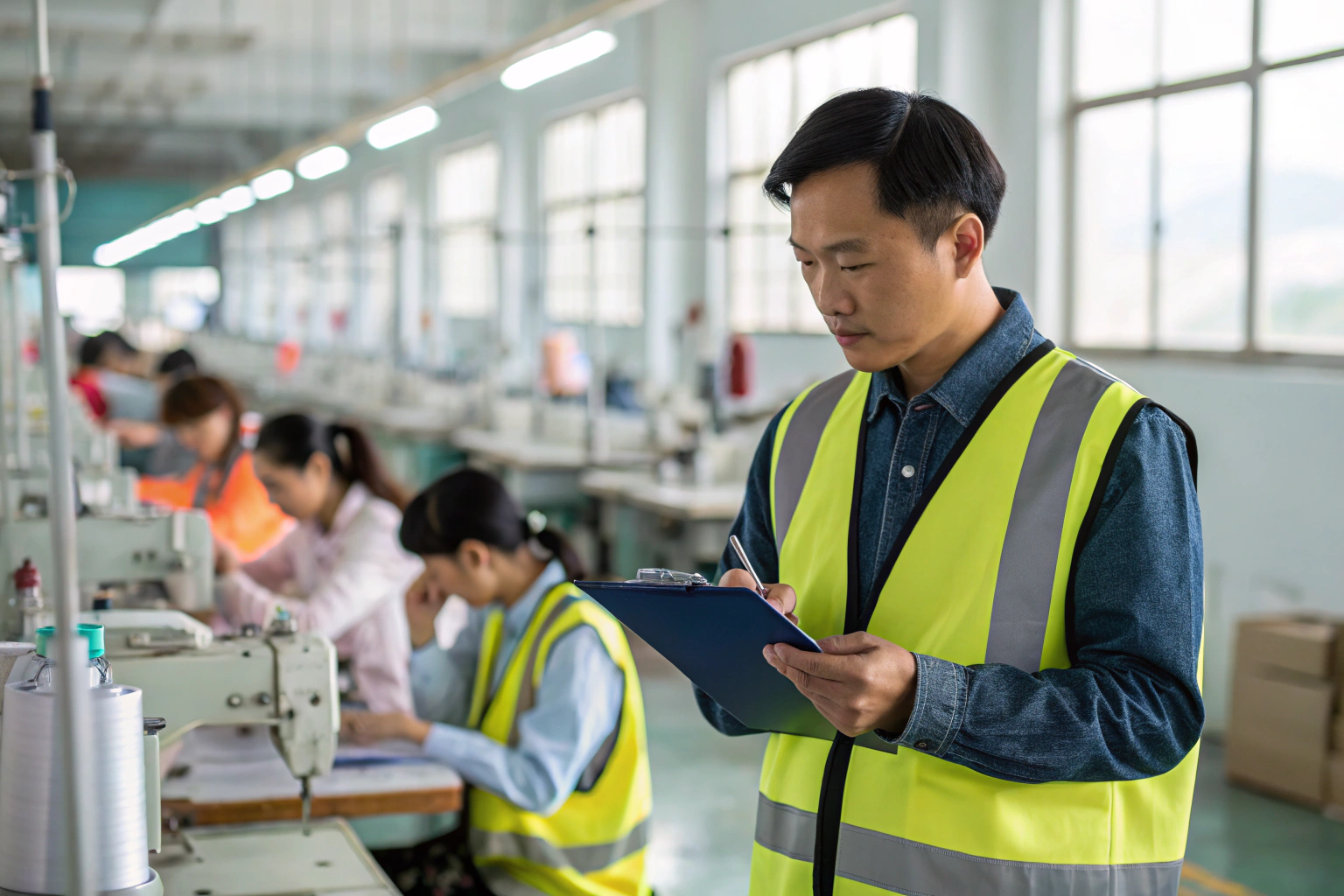
The first time a potential client asked me for a factory audit report, I was a little offended. I took it personally. My factory is my pride. I walk the floor every day. I know every worker’s name. I know which sewing machine has a slight timing issue and needs extra attention. Why would a stranger need a report to tell them what I already know is true? Then I stepped back and looked at it from the buyer’s perspective. You are thousands of miles away. You have been burned before by factories that looked great on a website but were actually a dirty workshop with a nice camera angle. You are about to wire tens of thousands of dollars to a bank account in China. You need proof. Not promises.
Getting a factory audit report before placing your first order is not only possible, it is standard practice for professional buyers. At Shanghai Fumao, we actually prefer when a client asks for one. It shows they are serious. It shows they have a process. And it gives us a chance to demonstrate that we are exactly who we say we are. A clean audit report is the best sales tool a factory can have.
The process is straightforward. You can commission an audit through a third-party inspection company. Or you can ask the factory to provide a recent audit report from a recognized firm. Or you can do a virtual audit via video call if the order size does not justify the cost of a physical inspection. Let me walk you through all three options and explain exactly what you should be looking for in that report.
What Are the Most Reliable Third-Party Factory Audit Companies in China?
The inspection industry in China is mature and competitive. There are several large, reputable firms that specialize in factory audits for international buyers. These companies have trained auditors stationed in every major manufacturing region. They know what to look for. They know the tricks that bad factories use to hide problems. They provide a standardized report that allows you to compare one factory against another using the same criteria.
Choosing the right audit company depends on your specific concerns and your budget. Some audits focus on quality management systems. Others focus on social compliance and worker conditions. Others focus on security and anti-terrorism protocols for cargo. Most professional buyers in the fashion accessory space use a general manufacturing audit that covers quality, capacity, and basic social compliance in a single report.
How Much Does a Factory Audit Cost and Who Typically Pays?
A standard factory audit from a major firm like SGS, Intertek, Bureau Veritas, or QIMA typically costs between $600 and $1,200 USD for a single day on-site. The exact price depends on the factory location, the scope of the audit, and how quickly you need the report.
The question of who pays is a point of negotiation. Here is how it usually works in our industry. If the buyer requests a custom audit from a specific company they prefer, the buyer pays the audit fee directly to the inspection company. This keeps the auditor independent. They have no financial relationship with the factory. Their loyalty is to the buyer who paid for the report.
However, if the factory already has a recent audit report from a recognized firm, they can share that report with you at no cost. We keep current SGS audit reports and Intertek audit reports on file. We are happy to share these with serious buyers under a non-disclosure agreement. This saves you the audit fee and the time delay. The report is already done. You just need to review it.
Some buyers ask the factory to pay for the audit as a condition of doing business. This is less common for first orders unless the order volume is significant. Factories receive many audit requests. Paying $800 for every inquiry would not be sustainable. My policy at AceAccessory is simple. If you want a custom audit from a company we do not already work with, you pay the fee. If you are comfortable reviewing our existing Bureau Veritas audit, I share it freely.
What Is the Difference Between a Social Compliance Audit and a Quality System Audit?
This is an important distinction that many first-time buyers do not understand. A social compliance audit looks at the people side of the factory. The auditor checks worker ages to ensure no child labor. They check wage records and time cards to ensure legal pay and working hours. They check fire exits, fire extinguishers, and building safety. They check that bathrooms are clean and that workers have access to drinking water. This is the audit that major retailers like Walmart and Target require.
A quality system audit looks at the process side. The auditor checks how we control incoming materials. They check if we have calibrated measuring tools. They check if we have a documented procedure for handling defective products. They check if we do inline inspections during production. This audit tells you if the factory has the systems in place to consistently make good products.
At AceAccessory, we maintain certifications for both types of audits. Our social compliance is verified annually. Our quality management system is also audited regularly. We can provide both reports. For a buyer of fashion accessories like hair clips and belts, I recommend looking at the quality system audit first. That tells you if the factory can make your product correctly. The social compliance audit is more about protecting your brand reputation.
What Should a Good Factory Audit Report Reveal About a Chinese Supplier?
An audit report is only as valuable as your ability to read it. I have seen buyers receive a 40-page PDF from a major inspection firm and only look at the final score. That is a mistake. The final score is a summary. The real gold is in the detailed findings and the photos embedded in the report.
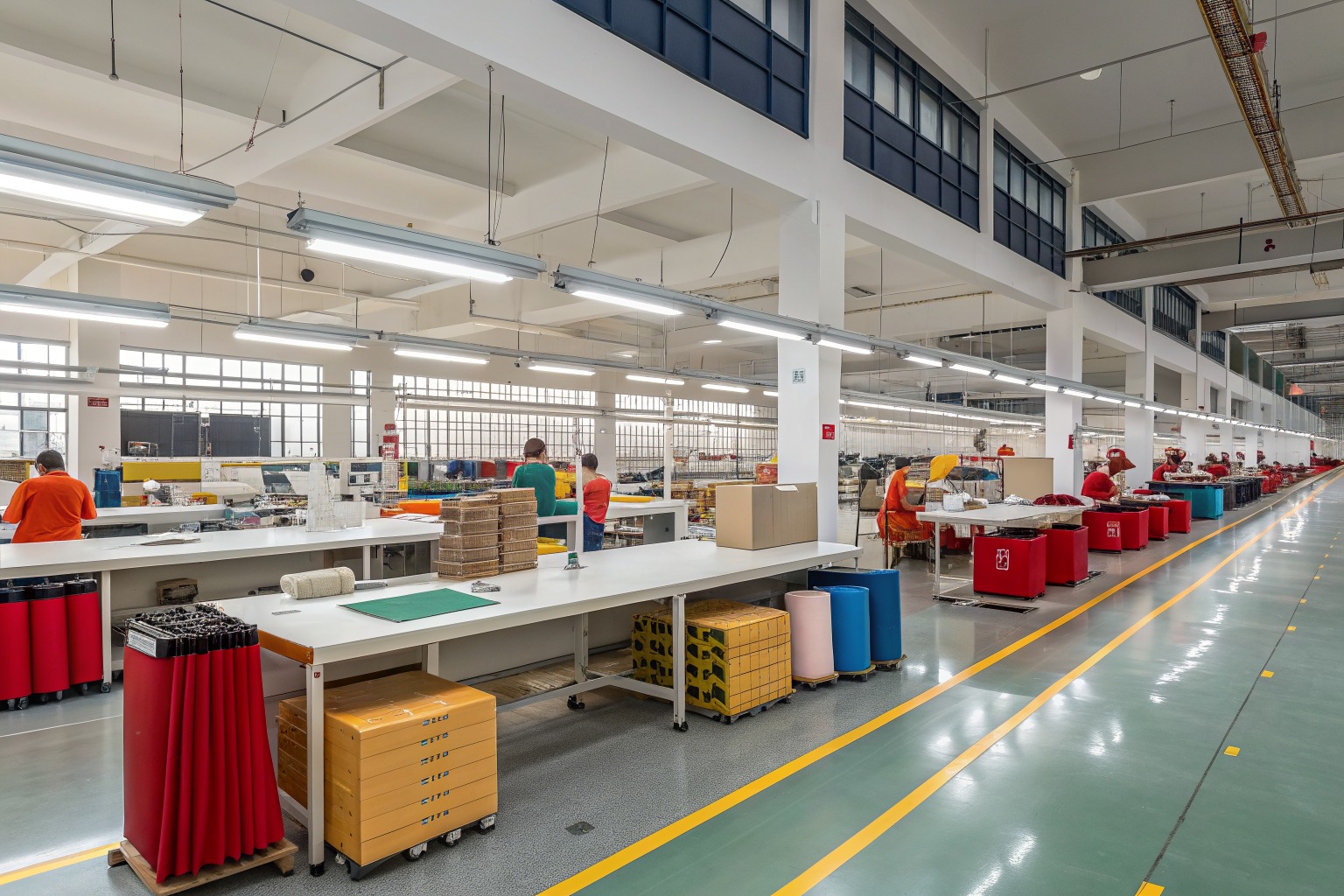
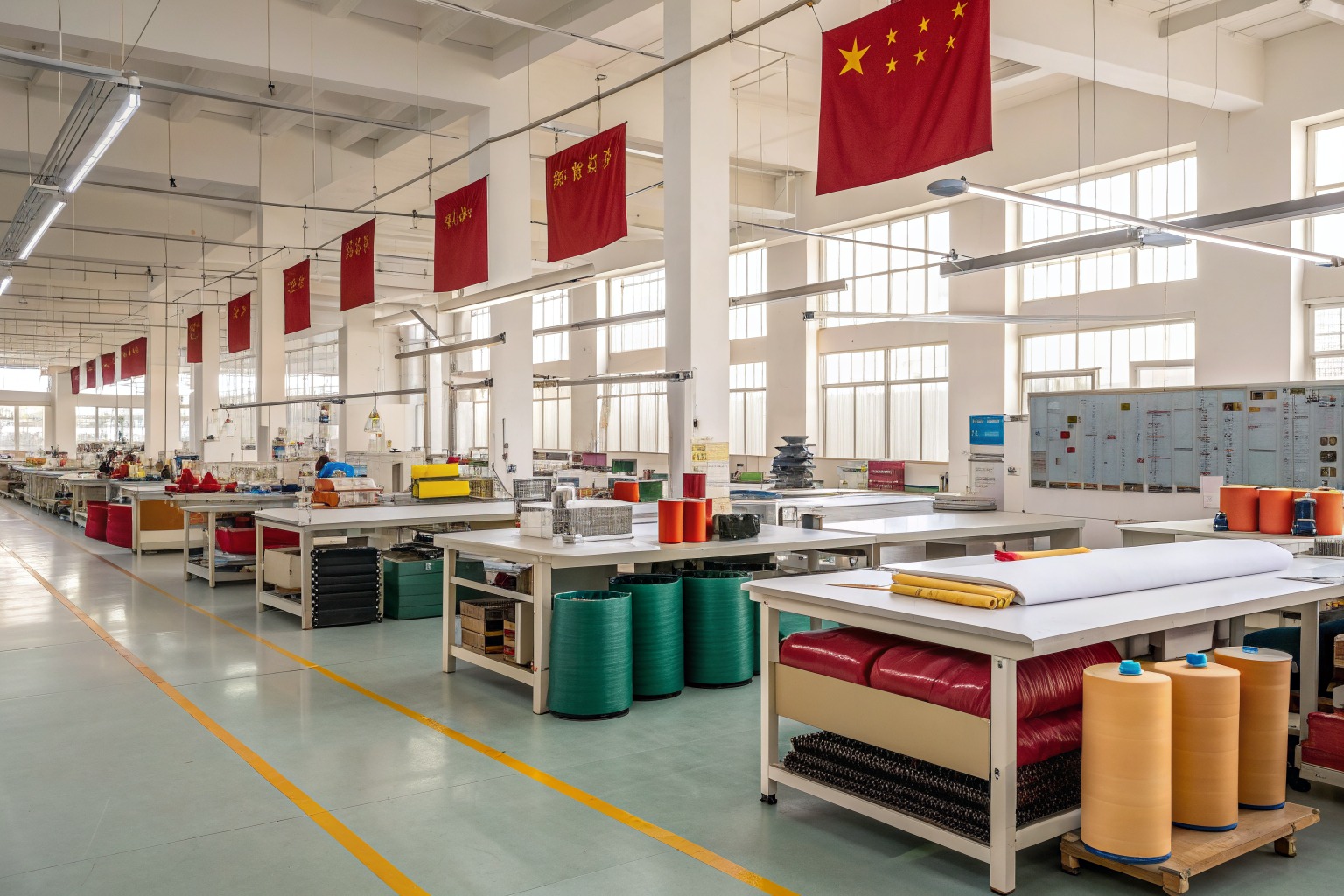
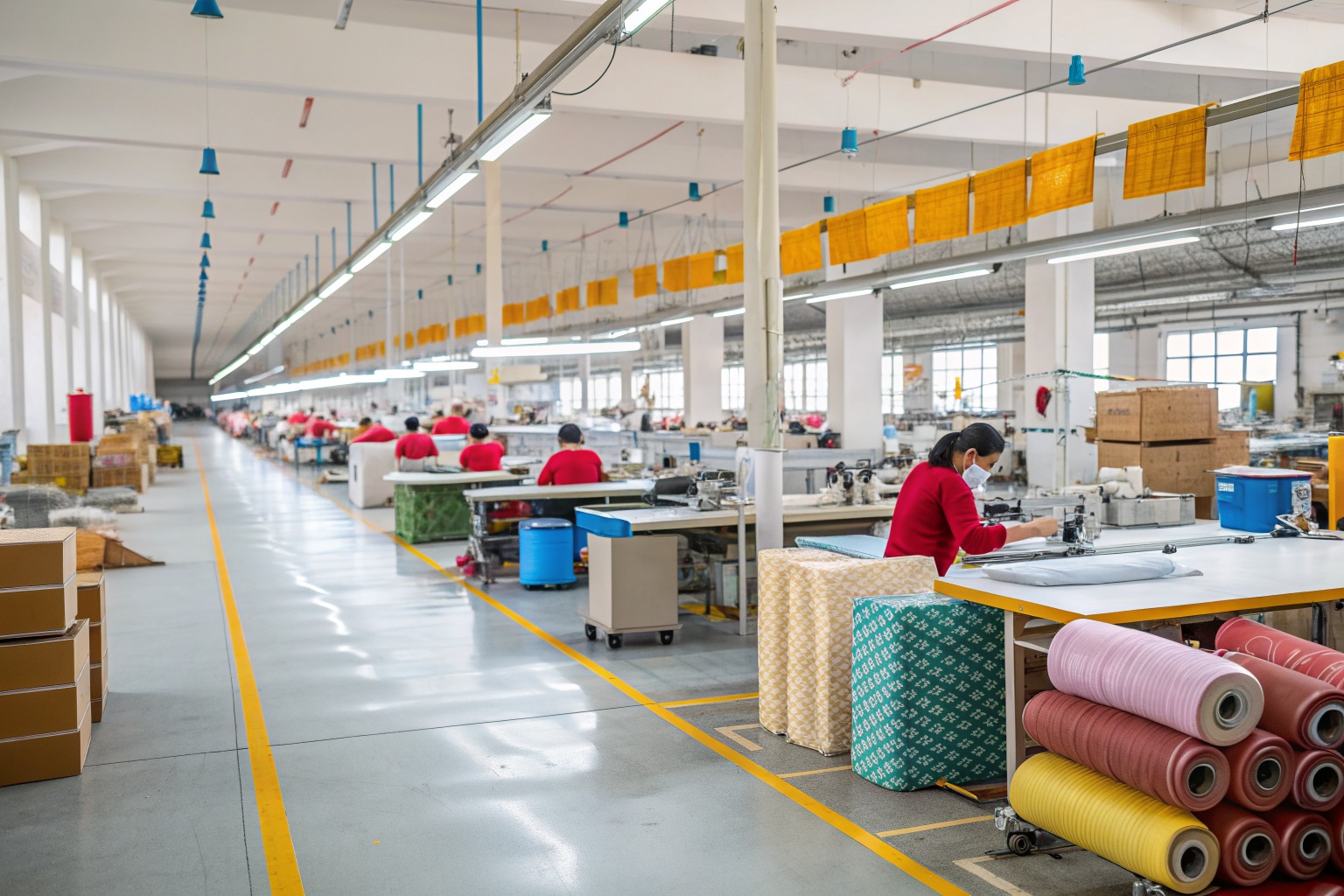
A good audit report should give you a clear picture of the factory’s physical condition, its production capacity, its quality control processes, and its workforce stability. It should include photos of the production floor, the warehouse, the QC area, and the sample room. It should list the major equipment on site. It should show the organizational chart. It should reveal any major non-conformances and the factory’s plan to correct them.
Why Are Photos of the QC Area and Finished Goods Warehouse Critical?
The quality control area tells you more about a factory’s real commitment to quality than any written policy. A good QC area is well-lit. It has a dedicated inspection table. It has calibrated measuring tools hanging on a board. It has a lightbox for checking color matching. It has a record of recent inspections posted on the wall.
If the audit report shows a dark corner with a rickety table and no tools, that is a red flag. That factory is probably doing final inspection on the packing table while workers rush to meet the shipping deadline. That is not real quality control. That is box-ticking.
The finished goods warehouse is equally revealing. Look at the photos. Are the cartons stacked neatly on pallets? Or are they piled directly on the concrete floor where they can absorb moisture? Are the aisles clear? Is there a section for quarantined goods? A clean, organized warehouse shows that the factory respects the product after it is made. Our warehouse in Zhejiang is fully palletized with clear signage. The audit photos confirm this.
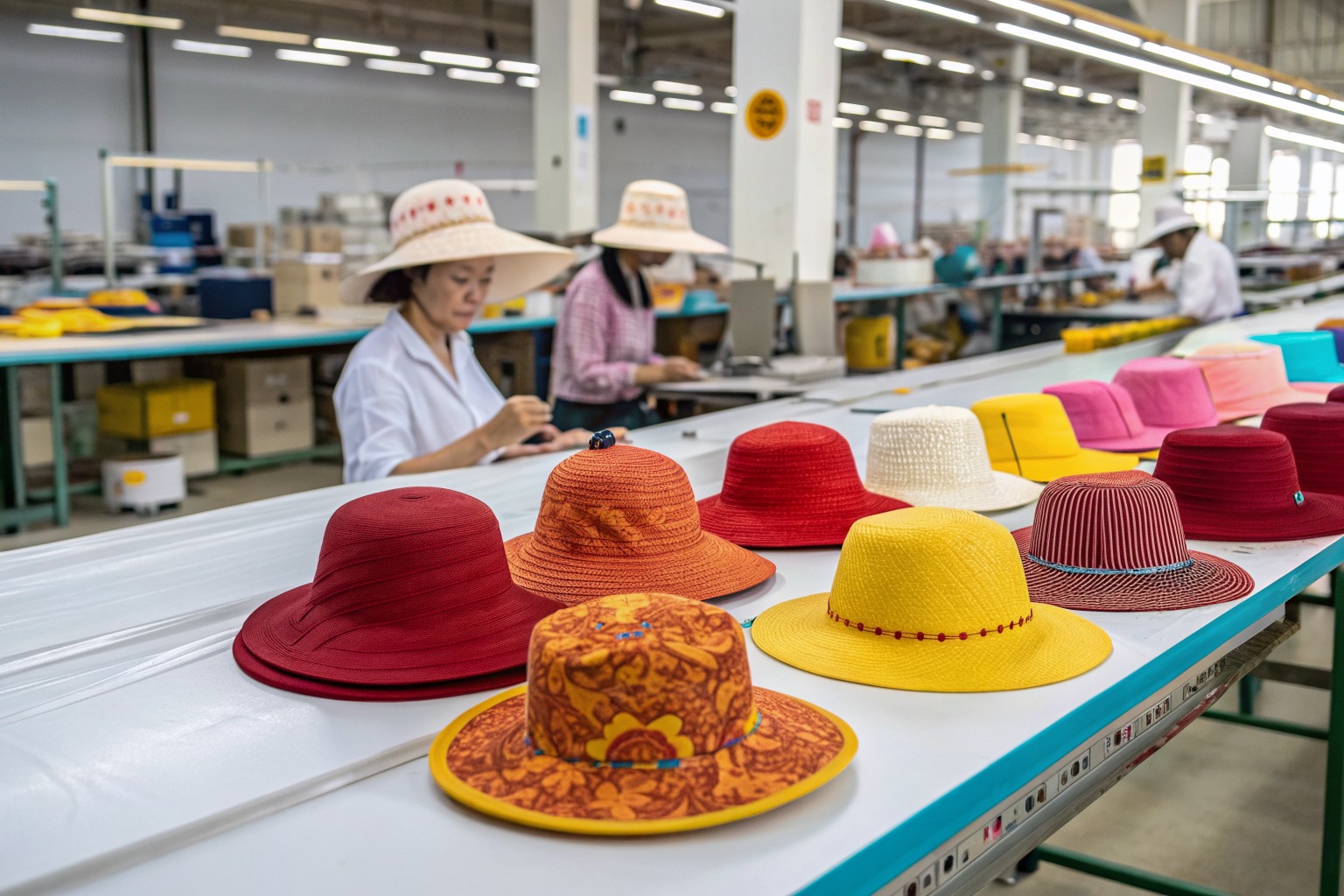
For straw hats specifically, the warehouse condition matters a lot. Paper straw absorbs moisture from concrete floors. We store all straw material and finished hats on raised pallets with moisture barriers. An audit photo showing straw hats on the floor is a reason to reject the factory for this product category.
What Do Capacity Calculations and Equipment Lists Tell a First-Time Buyer?
The equipment list in an audit report is not just a random list of machines. It is a calculator. You can use it to verify if the factory can actually handle your order volume in your required time frame.
For example, an audit might list that the factory has 50 sewing machines and 80 workers on the sewing line. You want to order 10,000 baseball caps for delivery in 45 days. A cap takes roughly 15 minutes of sewing labor per unit. 10,000 caps require 150,000 minutes of sewing time. That is 2,500 hours. With 50 machines running one 8-hour shift, the factory has 400 machine-hours per day. The math says they can sew your order in about 6 days of dedicated production. That fits easily within 45 days.
But what if you want 50,000 caps? The math changes. 50,000 caps require 12,500 hours of sewing. At 400 machine-hours per day, that is 31 days of dedicated production just for sewing. That is still possible within 45 days, but it is tight. You need to ask if the factory has other orders that will compete for those machines.
The capacity calculation is even more important for knit hats. Knitting machines are specialized. An audit will tell you how many knitting machines the factory owns and what gauge they are. If you need a specific knit structure, you need to confirm the factory has the right gauge of machine. Our audit reports clearly list our equipment by type and capacity.
Can I Do a Virtual Factory Tour Instead of a Paid Third-Party Audit?
A full third-party audit is the gold standard. But it is not always practical. The cost of $600 to $1,200 is hard to justify for a small trial order of 500 pieces. The time delay of 7 to 10 days to schedule the audit and receive the report can also slow down a project that needs to move fast.
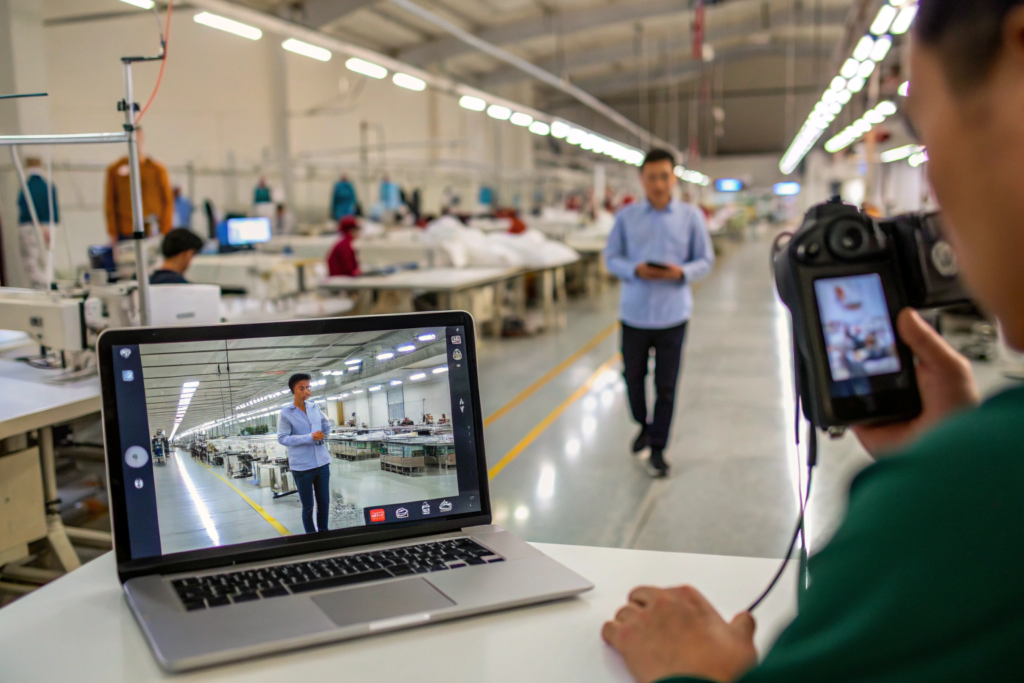
A virtual factory tour via video call is a very good alternative for smaller orders or for initial screening before committing to a paid audit. I do these calls regularly. I walk the buyer through every corner of the factory using my phone or a tablet. They see the production floor live. They see the workers. They see the materials. They can ask me to zoom in on anything that catches their eye. It is not as thorough as an audit, but it is much better than just looking at photos on a website.
What Specific Areas Should You Ask to See on a Video Walkthrough?
If you are doing a virtual tour, you need to be the director. Do not let the factory manager just show you the nicest corner of the cleanest room. You need to ask for specific views.
First, ask to see the raw material warehouse. Look at how fabric and components are stored. Are they on shelves? Are they covered to protect from dust? Can you see labels with dates and supplier names? A messy material warehouse means a messy production process.
Second, ask to see the sewing floor during working hours. You want to see workers at their stations. You want to hear the hum of machines. A quiet factory during business hours is a red flag. It means they do not have enough work. Or worse, they are showing you an empty space they rent for show.
Third, ask to see the QC inspection area. Ask the person holding the camera to show you the inspection tools. Ask them to pick up a measuring tape or a lightbox and show it to the camera. A factory that actually does QC will have these tools right there, not hidden in a cabinet.
Fourth, ask to see finished goods ready to ship. Look at the cartons. Are they labeled clearly? Are they in good condition? This shows you how your own order will be treated when it is ready.
I welcome these requests. I have nothing to hide. Our factory in Zhejiang is clean, organized, and busy. A video call confirms what the photos show.
How Can You Verify a Factory’s Legitimacy Through Online Tools?
Before you spend money on an audit or even spend time on a video call, you can do some basic due diligence from your desk. There are online tools that can verify the basic facts about a Chinese company.
First, check the company registration. This is a Chinese business database. You can search the company’s Chinese name or its unified social credit code. The record will show you when the company was founded, who the legal representative is, and what the registered capital is. A company that claims to be a 15-year-old manufacturer but was registered 2 years ago is lying.
Second, check the factory address on satellite view. Look at the building. Does it look like a factory? Does it have loading docks? Are there trucks parked outside? A factory located in an office tower in downtown Shanghai is not a factory. It is a trading office.
Third, ask for the business license. Every legitimate Chinese factory has one. It should show the company name, the legal representative, the registered address, and the business scope. The business scope should include "manufacturing" not just "trading." Our license clearly states that we are a manufacturer of fashion accessories.
These online checks are not a substitute for an audit. But they are a quick filter. If a supplier fails these basic checks, do not waste money on an audit. Move on.
How Should I Interpret an Audit Report Score and Non-Conformance Findings?
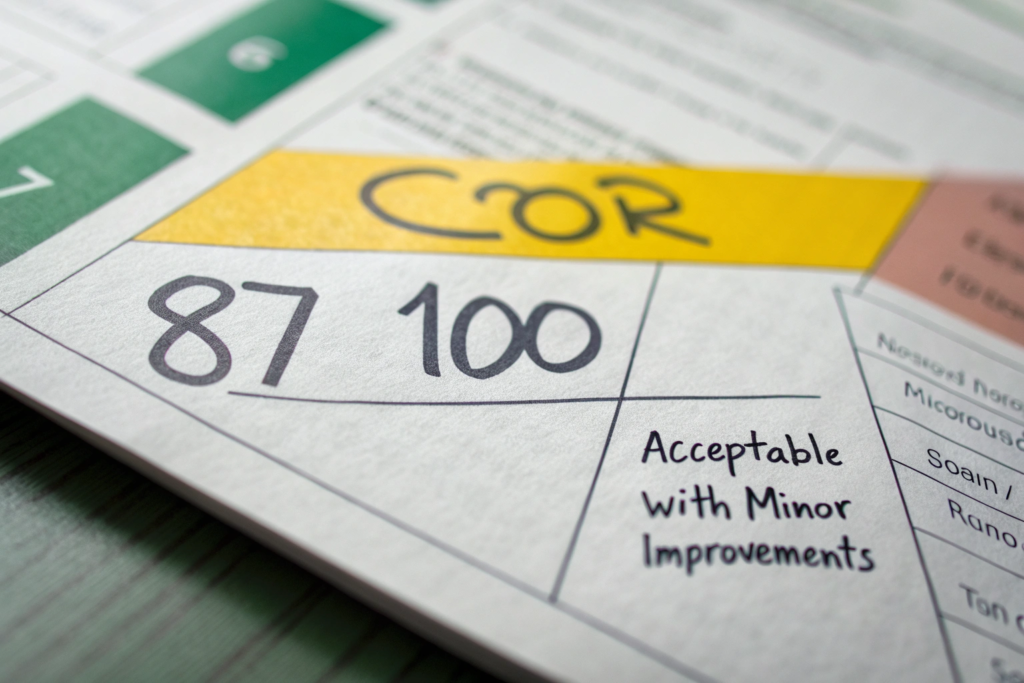
You have the audit report in your hands. You see a score. Maybe it is 85 out of 100. Maybe it is 92. Maybe it is 68. What does that number actually mean for your order of hair bands or shawls?
Most major audit firms use a color-coded or numerical grading system. A score above 85 is generally considered "Green" or "Acceptable." The factory has good systems in place. There may be minor issues, but nothing that would prevent a successful order. A score between 70 and 85 is "Yellow" or "Conditional." The factory has some gaps that need to be addressed. You might proceed with caution or require a corrective action plan before placing an order. A score below 70 is "Red" or "Unacceptable." This factory has significant problems. You should not place an order until those problems are fixed and verified.
What Minor Non-Conformances Are Acceptable for a First Order?
No factory is perfect. Every audit will find something. The question is whether the findings are material to your product and your brand risk.
Minor non-conformances are things like a missing signature on a training record. Or a lightbulb that is burned out in the QC area. Or a fire extinguisher that was inspected 13 months ago instead of 12. These are housekeeping issues. They show that the factory’s documentation discipline could be tighter. But they do not affect the quality of a baseball cap or the safety of a glove. I would not reject a factory over minor non-conformances.
What I would look for is the factory’s response to the findings. A good factory provides a corrective action plan. They say, "We have replaced the lightbulb. We have retrained the supervisor on document signing. Here is a photo of the new fire extinguisher tag." This shows that they take the audit seriously and are committed to improvement. Our quality management system includes a formal process for addressing every audit finding.
What Major Non-Conformances Should Cause You to Reject a Factory?
Major non-conformances are different. These are findings that directly impact product quality, worker safety, or legal compliance. You should not ignore these.
Examples of major non-conformances include no record of incoming material inspection. This means the factory is not checking the fabric or components before they are used. You could receive a shipment of straw hats made with the wrong color braid. Another major non-conformance is blocked fire exits. This is a worker safety issue. It is also a sign of poor management. Another is evidence of unauthorized subcontracting. The factory you audited is not the factory making your goods.
A particularly serious finding for accessories is the lack of product safety testing for things like lead in metal trims or small parts detachment. This is a CPSC compliance issue for the US market. A factory that does not understand or cannot provide testing protocols is a liability.
If an audit report shows a major non-conformance, you should ask the factory for a corrective action plan with evidence. If the finding is severe, or if the factory is dismissive of it, you should walk away. There are thousands of factories in China. You do not need to take a risk on one with serious problems.
Conclusion
Getting a factory audit report before your first order is a smart business practice. It replaces hope with evidence. It protects your money and your brand. You have several options. You can pay for a fresh audit from a top-tier firm like SGS or Intertek. You can request and review an existing audit report that the factory has on file. Or you can conduct a thorough virtual tour and online verification as a screening step before committing to a larger order.
At Shanghai Fumao, we understand that trust must be earned. We are proud of our factory and our processes. We are happy to share our audit reports with serious buyers. We are also happy to participate in custom audits arranged by our clients. A clean, transparent factory has nothing to fear from an auditor. We see the audit as an opportunity to demonstrate our professionalism.
If you are considering placing an order with us for custom hats, fashion belts, hair accessories, or any of our other products, I encourage you to do your due diligence. Ask for the report. Schedule the video call. Verify our license. We will cooperate fully because we want you to feel as confident in our factory as I do when I walk the floor every morning.
To request our current factory audit reports or to schedule a virtual tour of our Zhejiang facility, please contact our Business Director, Elaine. She can provide the documentation you need to make an informed decision. You can reach her directly at elaine@fumaoclothing.com. Let us earn your trust with transparency.