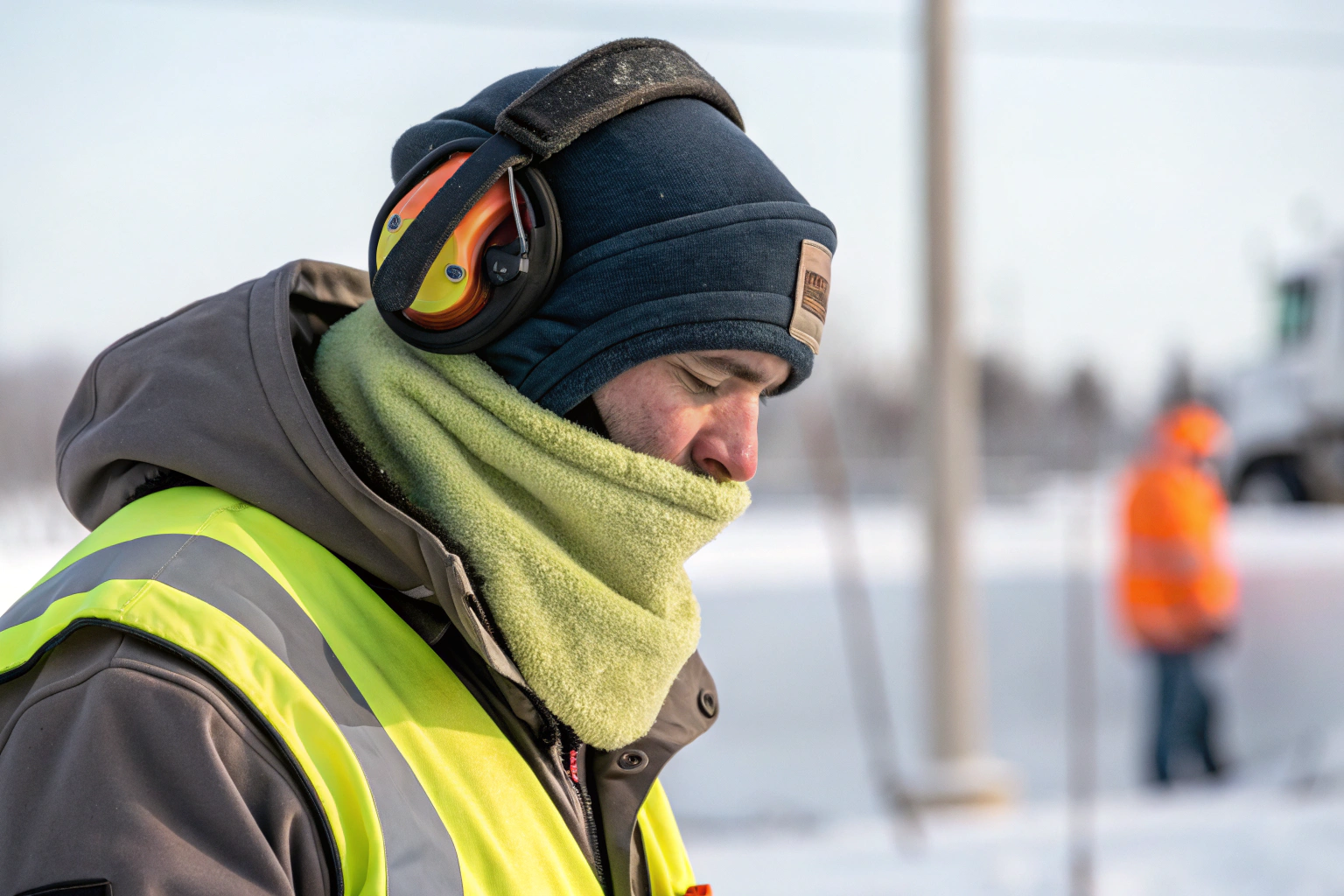
You are a buyer for a workwear brand, an outdoor gear retailer, or a corporate safety program. You are not sourcing a delicate fashion accessory for a boutique. You are sourcing a critical piece of cold-weather gear for people who work outside. Construction workers, road crews, utility linemen, warehouse staff, delivery drivers. These people need a headband that performs a specific, vital function: keeping their ears and forehead warm without overheating their head, fitting comfortably under a hard hat or helmet, and staying in place during physical activity. The cute, trendy knotted headband is useless here. You need function, durability, and safety. You are not just buying headbands. You are providing a tool for the job.
The defining winter headband trends for outdoor workers in 2026 are the wide, contoured fleece and thermal knit headband with windproof membrane, the high-visibility headband with integrated reflective hits for safety compliance, and the ultra-thin, moisture-wicking merino wool blend liner headband designed specifically to fit seamlessly under hard hats and helmets without compromising fit or safety.
I manage AceAccessory in Zhejiang, and we have a significant business supplying functional, performance-oriented headwear for the work and outdoor markets. The needs of the outdoor worker are specific and non-negotiable. Let me walk you through the three key headband styles that are defining performance and safety for 2026.
The Wide, Contoured Windproof Thermal Headband?
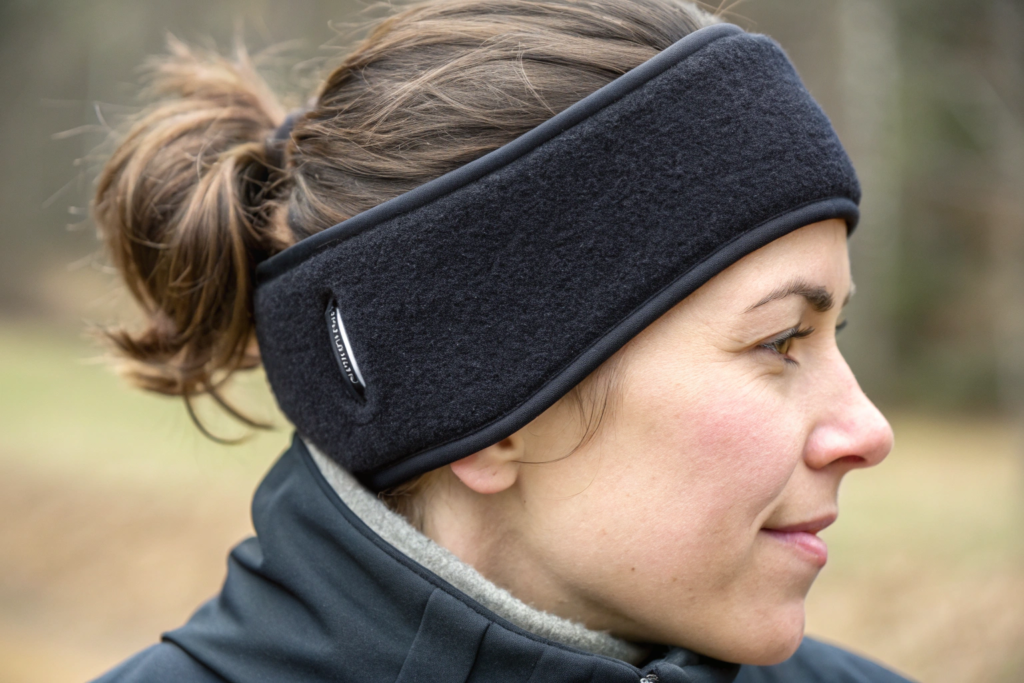
For the outdoor worker in a cold climate, the primary job of a headband is to prevent frostbite and discomfort on the ears, one of the most exposed and vulnerable parts of the body. The 2026 trend is toward headbands that are specifically engineered for this task. This means a wider profile, typically 4 to 5 inches, that provides ample coverage not just for the ears but also for the forehead and the sensitive mastoid bone area behind the ears. The shape is not a simple straight tube. It is contoured, often with a slight curve or a dropped section, to ergonomically wrap around the head and fully encapsulate the ears without gaps. The materials are technical. The outer layer is a dense, windproof fleece or a bonded softshell fabric that blocks biting wind. The inner layer is a soft, moisture-wicking fleece or a brushed thermal knit that provides insulation and comfort against the skin. This headband is a serious piece of protective equipment. This wide contoured windproof thermal headband for outdoor work is the workhorse of the category.
What Are the Best Materials for a Windproof and Warm Work Headband?
The material selection is critical for performance. For the outer layer, we recommend a bonded fleece with a windproof membrane, similar to what is used in softshell jackets. This material blocks the wind while remaining breathable enough to prevent overheating. Alternatively, a high-density, anti-pill polyester fleece with a tightly knit structure offers good wind resistance at a lower cost. For the inner lining, a soft, brushed microfleece or a moisture-wicking grid fleece is ideal. The grid pattern traps warm air while the channels wick away perspiration. The combination of these materials creates a headband that is warm, wind-resistant, and comfortable for all-day wear. This windproof and thermal fleece materials for performance work headbands is a key differentiator from casual fashion headwear.
How Does the Contoured Shape Improve Fit and Function?
A simple, straight tube of fabric will leave gaps around the ears, especially when the wearer is moving. A properly contoured headband is shaped on a curved pattern. It is wider at the bottom to cover the ears and nape of the neck, and slightly narrower at the top. This anatomical shape ensures a snug, gap-free fit. It stays in place better during bending, lifting, and turning. Some designs also incorporate a subtle, flexible internal stiffener at the back to help the headband maintain its shape and prevent it from sliding up. This ergonomic contoured design for secure fit and full ear coverage on work headbands is a key functional detail.
The High-Visibility Safety Headband with Reflective Details?
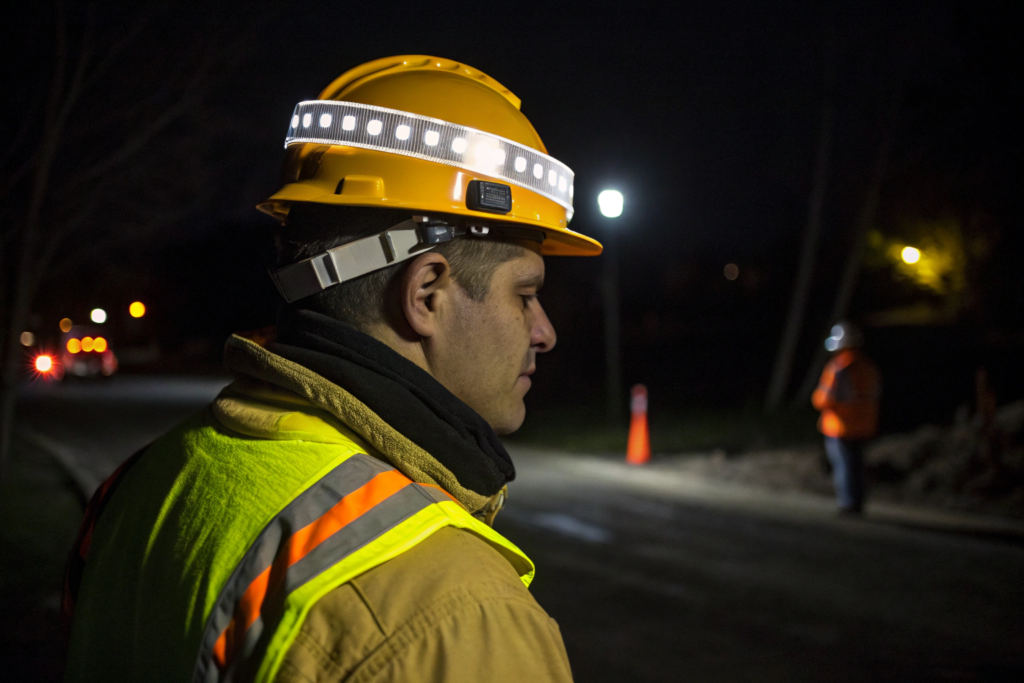
For a huge segment of the outdoor workforce, from road construction crews to airport baggage handlers to warehouse workers operating near vehicle traffic, high visibility is not an option. It is a safety requirement mandated by ANSI standards and company policy. The humble headband is becoming an important part of the high-visibility, or hi-vis, safety ensemble. The 2026 trend is the integration of hi-vis materials and reflective elements into performance headbands. The headband is typically made from a bright, fluorescent fabric in ANSI-compliant colors like yellow-green, orange-red, or red. Crucially, it incorporates retroreflective tape or printed reflective logos. These reflective elements bounce light from vehicle headlamps or flashlights directly back to the source, making the worker dramatically more visible in low-light and nighttime conditions. A hi-vis headband ensures that the worker’s head, the highest point of their body, is visible, even if their hi-vis vest is partially obscured. This ANSI compliant high visibility headband with reflective tape for worker safety is a growing category.
What Are the ANSI Requirements for Hi-Vis Headwear?
The American National Standards Institute, or ANSI, standard ISEA 107 sets the requirements for high-visibility safety apparel. For a headband to be considered ANSI-compliant, it must meet specific requirements for the amount of fluorescent background material and the amount and placement of retroreflective material. The reflective tape must be a certain width and must encircle the head. We source certified fluorescent fabrics and reflective tapes that meet these standards. We can provide documentation to support ANSI compliance claims. This is essential for brands selling into the occupational safety market. This ANSI ISEA 107 standards for high visibility headwear and accessories is the regulatory framework for this category.
How Do You Ensure the Reflective Material Withstands Washing and Wear?
A hi-vis headband is a work garment. It will be washed frequently and subjected to tough conditions. The durability of the reflective material is paramount. We use high-quality, industrial-grade retroreflective tape that is certified for a specific number of home wash cycles, typically 25 or 50, without significant degradation of reflectivity. The tape is securely stitched, not just glued, onto the headband. The fluorescent fabric itself must also be colorfast and resistant to fading from sun exposure and repeated washing. This durability and wash fastness of reflective materials on work headwear is a critical quality specification.
The Ultra-Thin Merino Wool Liner Headband for Under Hard Hats?
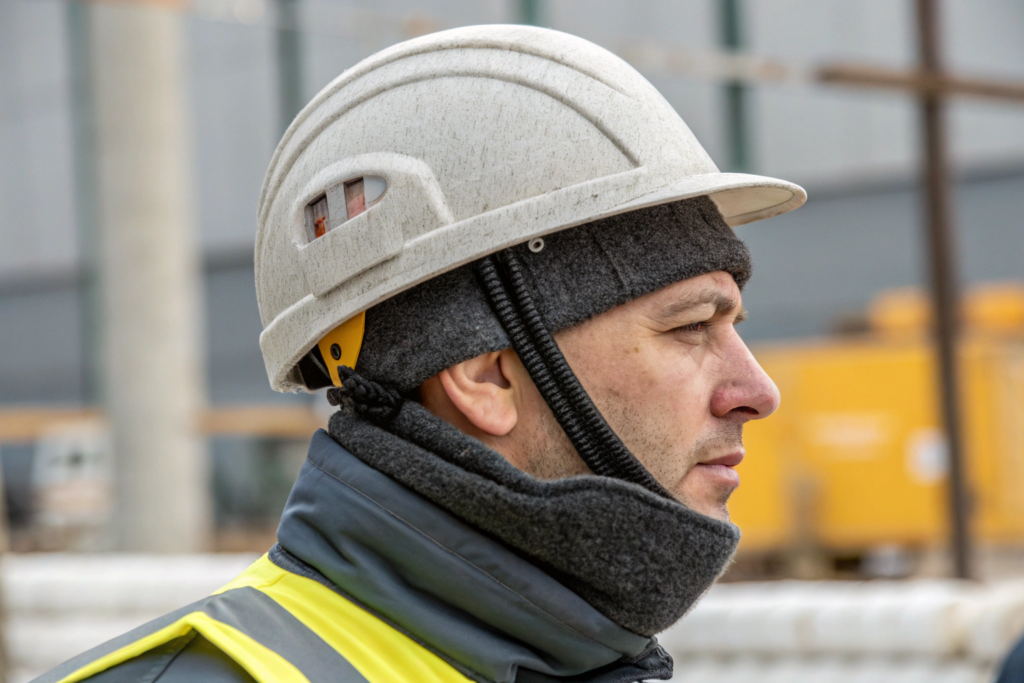
One of the biggest challenges for outdoor workers who are required to wear a hard hat or helmet is staying warm without compromising the fit and safety of their head protection. A thick, bulky beanie will not fit under a hard hat. It can push the helmet up, reducing its effectiveness. The solution is the ultra-thin performance liner headband. This headband is typically made from a fine-gauge merino wool blend or a high-performance synthetic like polyester with a grid fleece backing. It is incredibly thin, often just 1 to 2 millimeters thick. It is designed to fit seamlessly under a helmet without altering the fit. Its primary function is to cover the ears and provide a thin layer of insulation. The merino wool version is particularly prized because it is naturally breathable, moisture-wicking, and antimicrobial. It prevents the clammy, sweaty buildup that can occur under a hard hat, keeping the worker comfortable all day. This ultra thin merino wool liner headband for under hard hat compatibility is a specialized but essential piece of kit.
Why Is Merino Wool Preferred Over Synthetic for This Application?
While synthetic performance fabrics are excellent, superfine merino wool has unique properties that make it ideal for a next-to-skin liner. It is incredibly soft and non-itchy. It is naturally breathable and has superior moisture-wicking capabilities, moving sweat away from the skin to keep the head dry. Crucially, it is naturally antimicrobial. It resists the buildup of odor-causing bacteria, which is a significant advantage for a garment worn for long shifts and washed less frequently. A merino liner headband can be worn for multiple days without developing unpleasant odors. This benefits of merino wool for moisture management and odor resistance in work liners makes it a premium choice.
How Do You Ensure the Headband Stays in Place Under a Helmet?
A liner headband that slips down over the eyes is a dangerous distraction. The fit and grip are critical. We use a fine-gauge knit with a small amount of spandex, such as 2% to 5%, blended into the yarn. This provides gentle, consistent stretch and recovery. The headband grips the head without being tight. We also often apply a thin, continuous silicone bead or print on the inside of the headband at the forehead. This silicone provides a non-slip grip against the skin, ensuring the headband stays exactly where it is placed, even when donning and doffing a hard hat. This silicone grip and spandex blend for secure fit of under helmet liner headbands is a key performance feature.
How Do You Balance Warmth and Breathability in a Work Headband?
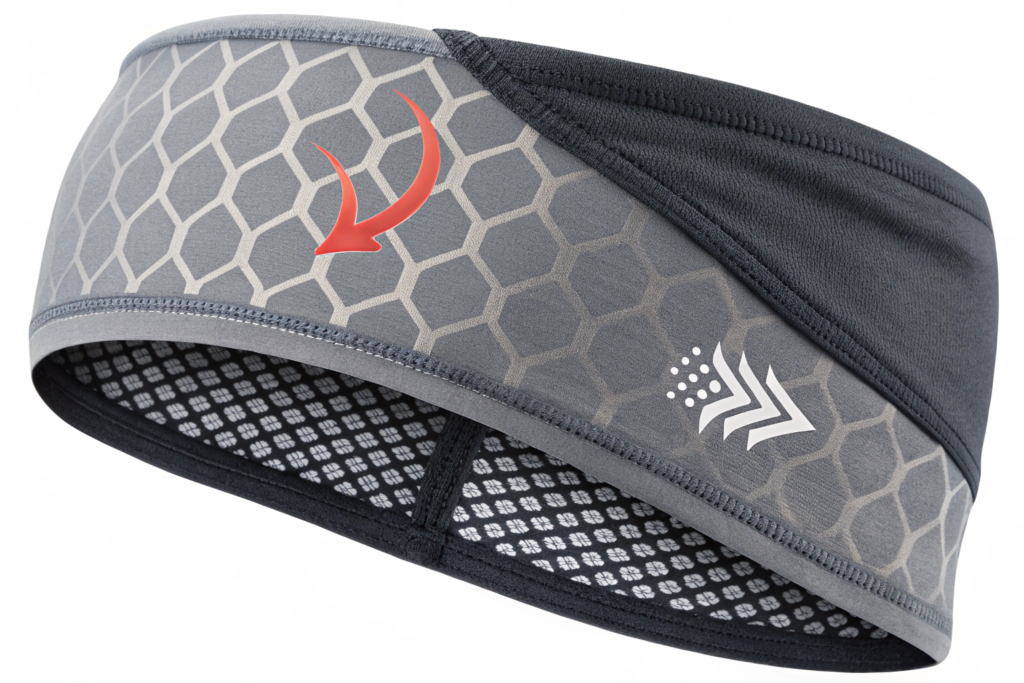
An outdoor worker is not standing still. They are active, generating body heat and perspiration. A headband that is too warm and not breathable will quickly become a sweaty, uncomfortable mess. The key is to engineer the headband for thermoregulation. This means balancing insulation with breathability. The materials and construction must trap warm air to insulate the ears, but allow excess heat and moisture vapor to escape. This is achieved through the use of technical fabrics like grid fleece. The grid pattern creates channels next to the skin. The raised grid squares trap warm air for insulation. The recessed channels between the squares wick moisture away from the skin and allow it to evaporate. This design provides warmth without overheating. We also select materials with inherently good breathability, like merino wool and high-quality polyester fleece. This balancing insulation and breathability in active work headbands with grid fleece technology is the key to all-day comfort.
How Does the Headband Interact with Safety Eyewear and Ear Protection?
The outdoor worker often wears a combination of PPE, a hard hat, safety glasses, and earplugs or earmuffs. A bulky headband can interfere with the seal of earmuffs or push safety glasses out of alignment. The headband must be designed to be compatible with other PPE. The ultra-thin liner styles are ideal for this. For over-the-ear styles, we ensure the fabric around the ear is not excessively bulky. We also consider features like a port or a channel for the stems of safety glasses to pass through comfortably. This compatibility of work headbands with safety glasses earmuffs and hard hats is a critical systems-thinking approach.
What Are the Best Color Options for Work Headbands Beyond Hi-Vis?
While hi-vis is essential for many, other workers need durability and a professional appearance without the bright colors. The most practical and popular color for a general-purpose work headband is a heathered charcoal or dark grey. This color effectively hides dirt, grease, and wear, looking professional for longer between washes. Other solid, dark colors like navy blue and black are also staples. For a more modern look, muted earth tones like olive green and coyote brown are gaining popularity, especially in the trades and outdoor recreation crossover market. This practical color options for non hi vis work headbands charcoal navy olive reflects the needs of the broader workforce.
Conclusion
The 2026 winter headband trends for outdoor workers are driven by a relentless focus on function, safety, and performance. The fashion trends of the boutique market are irrelevant here. What matters is the wide, contoured fit that fully protects the ears. The windproof and thermal materials that provide reliable warmth. The high-visibility colors and reflective details that keep workers safe in hazardous environments. And the ultra-thin, moisture-wicking liners that fit seamlessly under hard hats. These are not just accessories. They are essential tools for the men and women who work outside in the cold. They demand a level of engineering, material quality, and durability that goes far beyond a typical fashion item. For the brand or buyer serving this market, partnering with a factory that understands these specific, rigorous requirements is essential.
At AceAccessory, we have the expertise, the material sourcing capabilities, and the quality control systems to deliver high-performance work headbands that meet the demands of the job. We speak the language of ANSI compliance, technical fleece, and merino wool blends. We are ready to help you equip the outdoor workforce for the 2026 winter season.
If you are developing a workwear or outdoor gear headband program, I encourage you to contact our Business Director, Elaine. She can discuss technical materials, safety compliance, and our quality assurance protocols. You can email Elaine at: elaine@fumaoclothing.com. Let us help you build headwear that works as hard as your customers do.