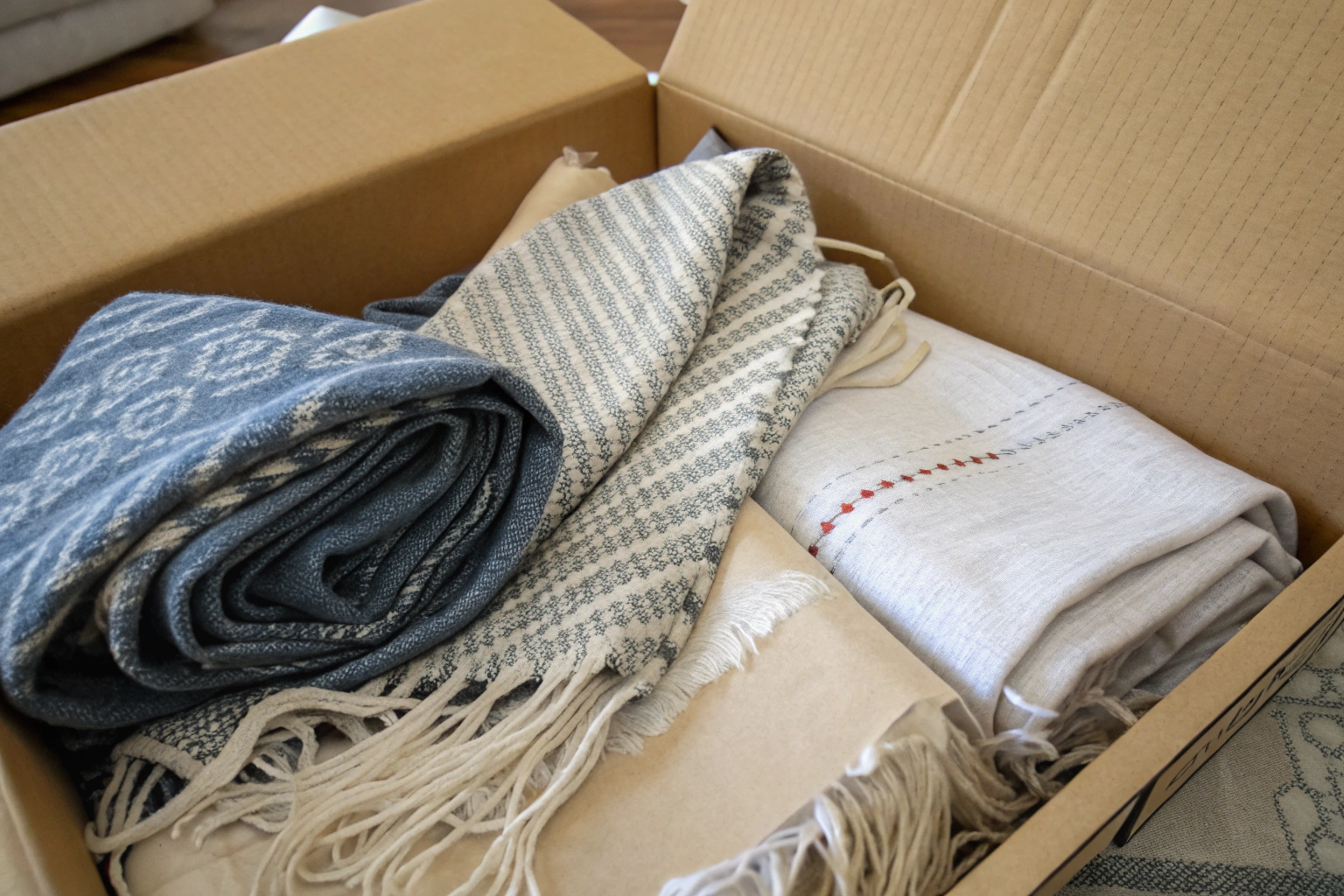
You have finalized a beautiful order of woven scarves. The fabric is soft, the colors are perfect, the fringe is even. They leave the factory in China in pristine condition. Weeks later, the container arrives at your warehouse. You open the first carton with anticipation. You pull out a scarf. It has a deep, stubborn crease down the center from being folded tightly. You pull out another. The delicate fringe is tangled and several threads are pulled. A third scarf has a faint, musty odor and a small watermark near the edge. Your beautiful, premium product now looks like damaged goods. You are not just dealing with a shipping issue. You are dealing with a failure in the entire packaging and handling process.
The most common shipping damages for woven scarves are deep-set creasing and wrinkling from improper folding and compression, snagged threads and distorted fringe from abrasion against rough carton interiors or inadequate protection, and moisture damage and mildew from exposure to humidity and condensation during the ocean voyage, all of which are preventable with proper folding techniques, protective inner packaging, and climate-conscious shipping practices.
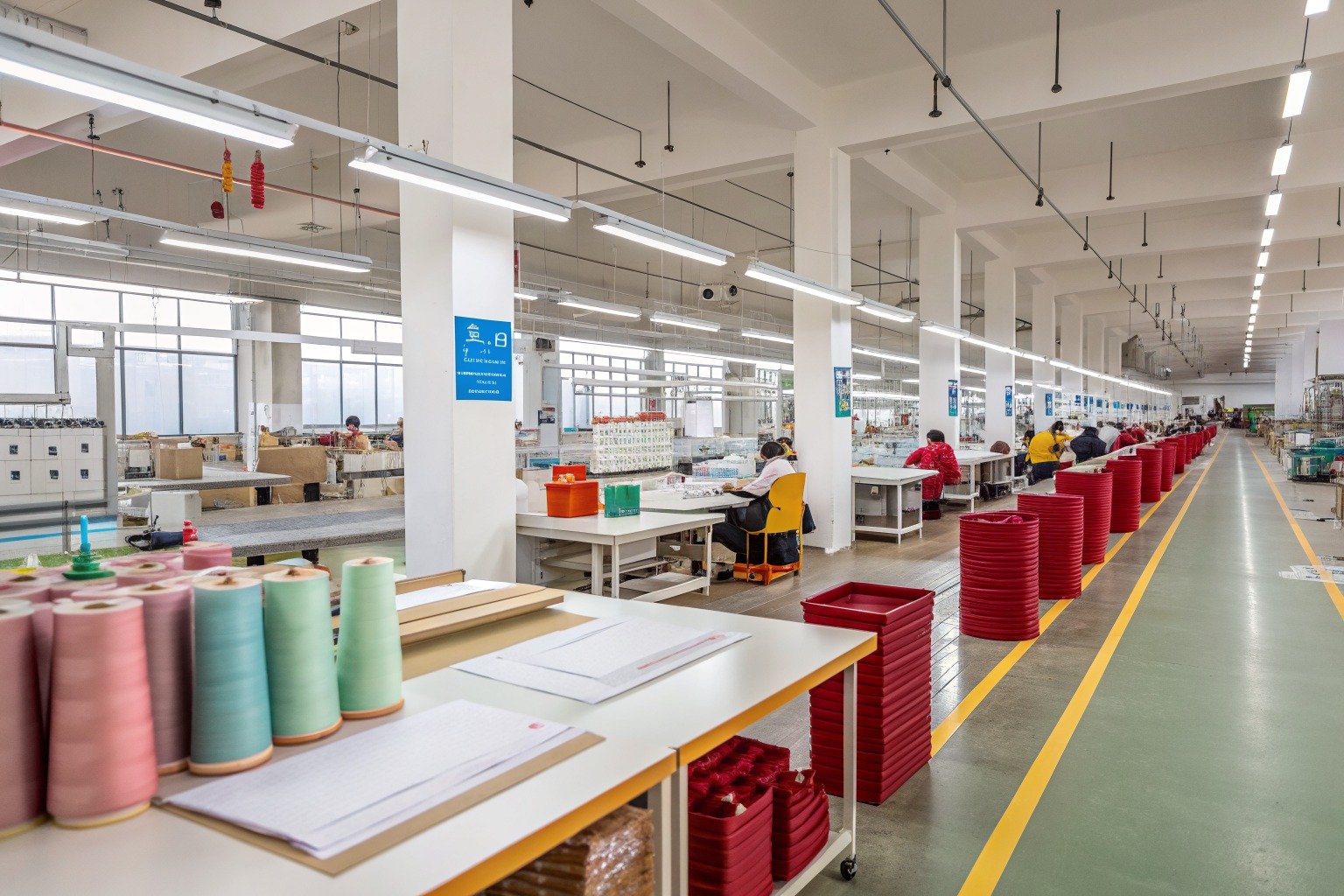
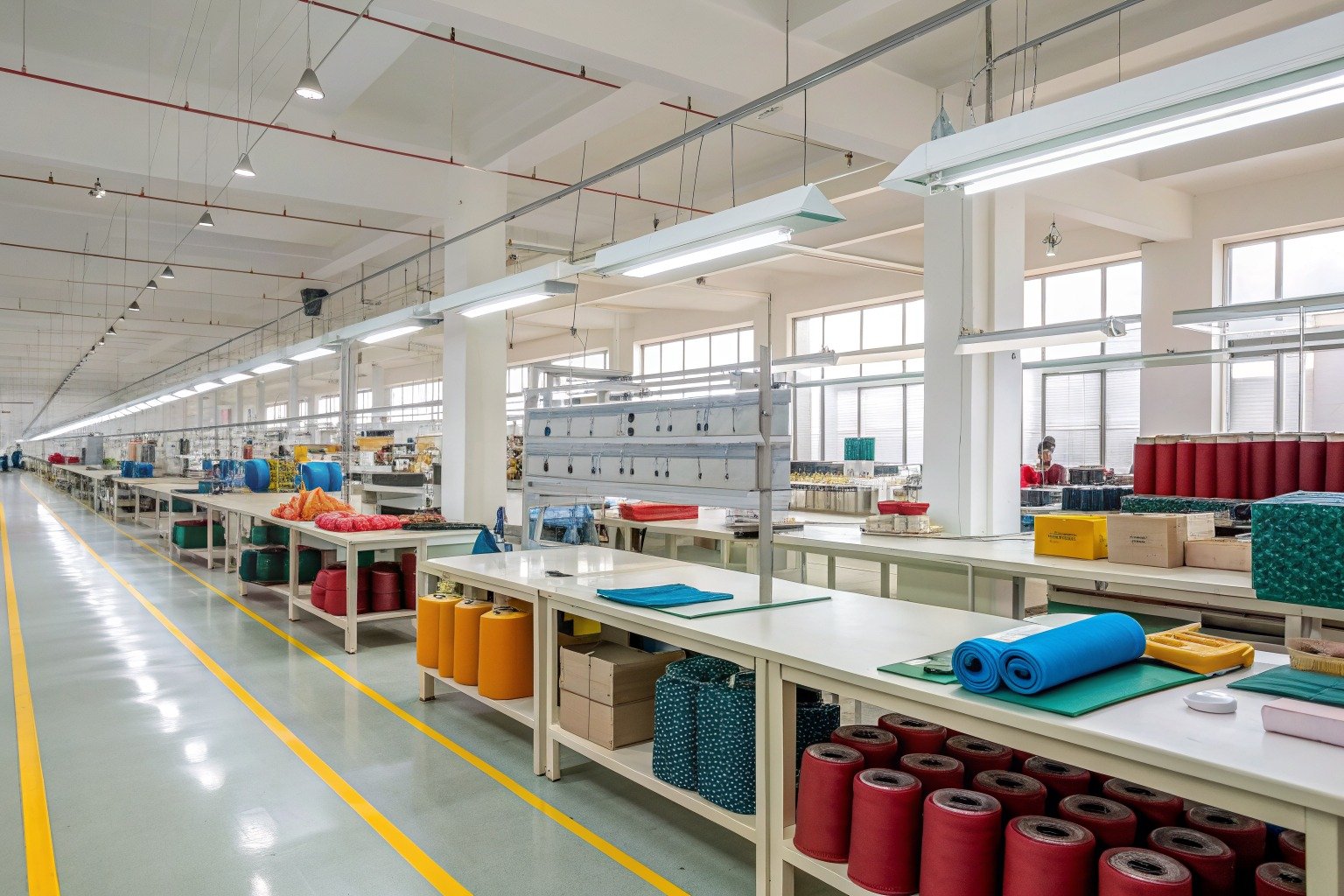
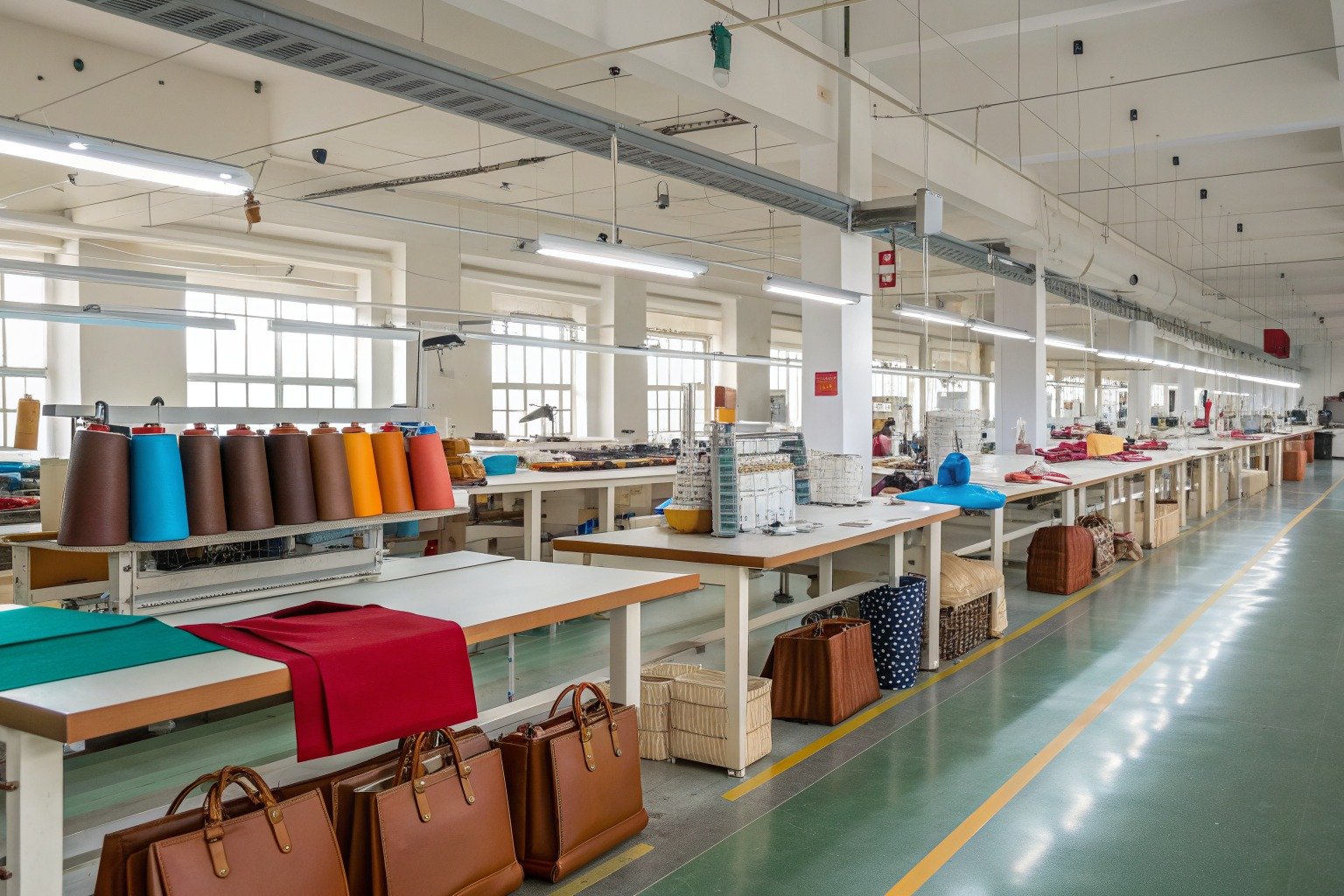
I manage AceAccessory in Zhejiang, and we ship thousands of scarves globally every month. We have seen, and learned to prevent, every type of transit damage imaginable. A scarf is a delicate textile. Protecting its beauty from our factory floor to your retail shelf requires specific, intentional packaging. Let me explain the most common problems and, more importantly, exactly how we prevent them.
Why Are Deep Creases and Wrinkles the Number One Scarf Shipping Issue?
The most frequent complaint when a shipment of scarves arrives is not a tear or a stain. It is wrinkles. Deep, stubborn creases that do not simply "hang out." This happens because the scarf, a relatively flat textile, is folded tightly and then subjected to significant compression for weeks inside a shipping container. The weight of the cartons stacked on top, sometimes ten or more high, presses down relentlessly. The fibers of the fabric, especially natural fibers like cotton, viscose, or wool, are forced into the folded position. Over time, this crease becomes "set" into the fabric. The simple act of folding the scarf in half and then in half again creates a sharp crease. The solution is not to avoid folding, which is necessary for efficient packing. The solution is to fold intelligently and to provide internal support. We use wider, softer folds rather than sharp, tight creases. We place a sheet of acid-free tissue paper or a lightweight cardboard insert inside the folded scarf. This insert acts as a cushion and prevents the fabric from being compressed into a sharp edge. This preventing deep creases in shipped scarves with tissue inserts and soft folding is a simple but transformative practice.
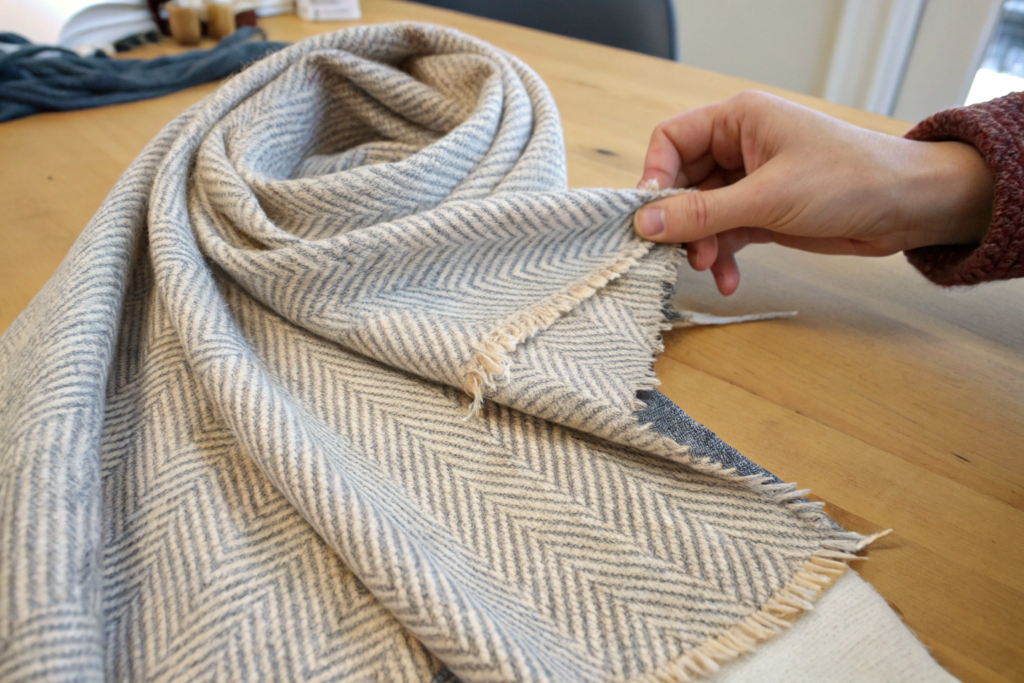
What Is the Best Way to Fold a Scarf for Shipping to Minimize Creasing?
The traditional sharp, flat fold is the enemy. The best method is a "soft roll" or a "flat fold with a rounded edge." Instead of creating a hard crease, you create a gentle curve. For a soft roll, the scarf is laid flat, a sheet of tissue paper is placed on top, and the entire thing is gently rolled into a loose cylinder. This completely eliminates hard creases. For flat packing, the scarf is folded around a wide, flat cardboard form or with multiple sheets of tissue paper at the fold points. This creates a soft, rounded edge instead of a sharp crease. The goal is to prevent the fabric from being bent at an acute angle. This soft roll and padded folding techniques for shipping delicate scarves is the professional standard.
How Does the Choice of Carton Size and Packing Density Affect Wrinkling?
The carton itself plays a crucial role. A carton that is too large allows the scarves to shift and slide during transit, leading to abrasion and its own set of wrinkles. A carton that is too small, or packed too tightly, creates excessive compression. The scarves are crammed in, and the pressure forces the fibers into permanent creases. The ideal is a carton that is perfectly sized for the folded scarf dimensions, allowing the scarves to be packed snugly but not under extreme pressure. The cartons should be filled to capacity to prevent shifting, but the packer should not have to use excessive force to close the lid. This optimizing carton size and packing density to prevent scarf wrinkling and shifting is a key logistics detail.
How Do Snags and Fringe Damage Occur During Ocean Transit?
Woven scarves, especially those with a loose, open weave or a delicate fringe, are incredibly vulnerable to snagging. The journey from our factory to your warehouse involves many handling points and a lot of vibration. Inside the shipping container, the cartons vibrate and rub against each other. Inside the carton, if the scarves are not properly protected, they can rub against the raw, rough cardboard of the carton interior. The fringe, with its many loose ends, is particularly susceptible. It can catch on the cardboard, on other scarves, or on the adhesive tape used to seal the carton. The result is pulled threads, distorted fringe, and a scarf that looks instantly worn and damaged. The solution is a complete barrier. Every single scarf must be individually protected. We place each scarf in its own clear, food-grade polybag. This bag protects the scarf from abrasion against the carton, from moisture, and from snagging on other scarves. For premium scarves, we use a thicker, more luxurious-feel polybag or even a tissue paper wrap inside the polybag. This individual polybag protection to prevent snagging and fringe damage during scarf transit is a non-negotiable standard.
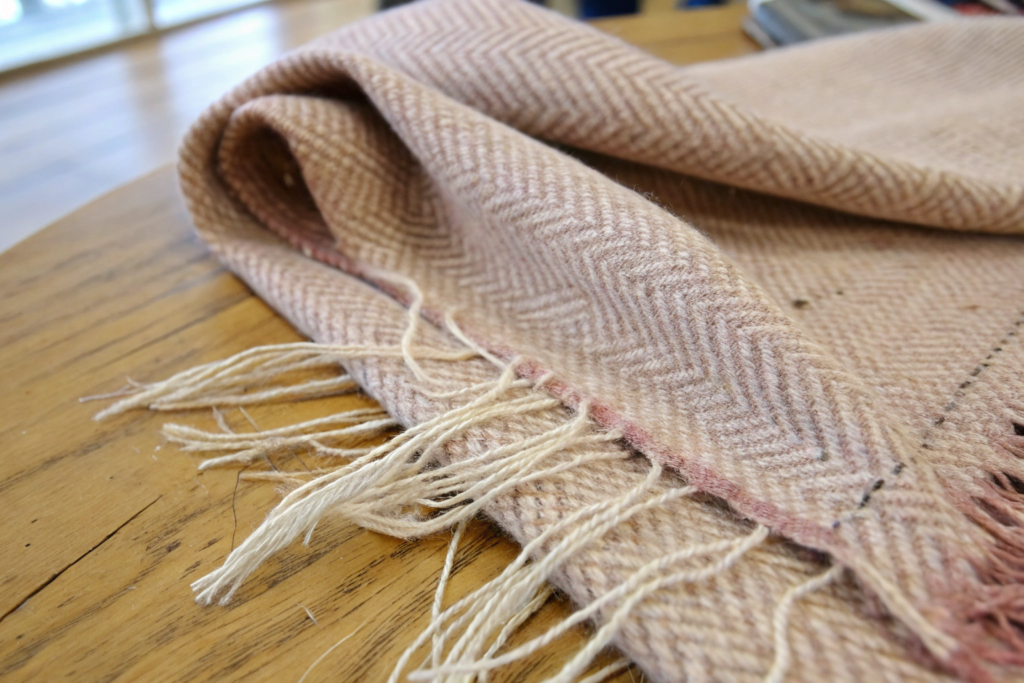
Should the Fringe Be Protected with a Special Wrap or Sleeve?
For scarves with an exceptionally delicate or valuable fringe, such as a hand-knotted fringe on a premium wool or silk scarf, additional protection is warranted. The fringe can be gently folded and wrapped in a small piece of acid-free tissue paper, creating a protective "cuff" around it. This cuff is then tucked inside the polybag. This prevents the individual fringe threads from tangling with each other or catching on anything. For very high-end scarves, the entire scarf, fringe and all, can be wrapped in a sheet of tissue paper before being placed in the polybag. This extra step adds a small amount of labor but provides a significant increase in protection. This protective tissue wrapping for delicate scarf fringe during shipping is a mark of a quality-focused shipper.
How Do You Prevent the Polybag Itself from Causing Creases or Marks?
An improperly sealed polybag can also cause damage. If the scarf is not laid flat before the bag is sealed, the trapped air can create a "balloon" effect, and the folds of the plastic can impress creases onto the fabric. If the bag is sealed with a heat sealer that is too hot, it can melt the plastic and leave a residue on the scarf. We train our packing team to carefully lay the scarf flat, gently press out excess air, and seal the bag with a clean, cool seal. The goal is a neat, flat package that protects the scarf without causing its own form of damage. This proper polybag sealing techniques to avoid creasing and marking delicate textiles is a detail that matters.
What Causes Moisture Damage and Mildew on Scarves During Shipping?
Perhaps the most devastating form of shipping damage is moisture. A container traveling across the ocean experiences extreme temperature fluctuations. During the day, the sun heats the container. The air inside expands. At night, it cools rapidly. This causes condensation, known as "container rain," to form on the ceiling and walls of the container. If the cartons are not properly protected, this moisture can seep in. Even without direct water contact, high humidity inside a sealed container can create a perfect environment for mildew and mold to grow on natural fibers like cotton and viscose. The scarves can arrive with a musty, sour smell and visible mildew stains. This is a total loss. The damage is often not discovered until the cartons are opened at the final warehouse. Prevention is a multi-layered defense. First, we include desiccant packs inside each carton. These small packets absorb excess moisture from the air inside the carton. Second, we use a container liner or a "dry bag" for the entire container during humid seasons. This is a large plastic liner that seals the cargo from the container walls. Third, we strongly advise against shipping during the peak humidity seasons without these extra precautions. This preventing container rain and mildew damage with desiccants and container liners is essential for protecting natural fiber scarves.
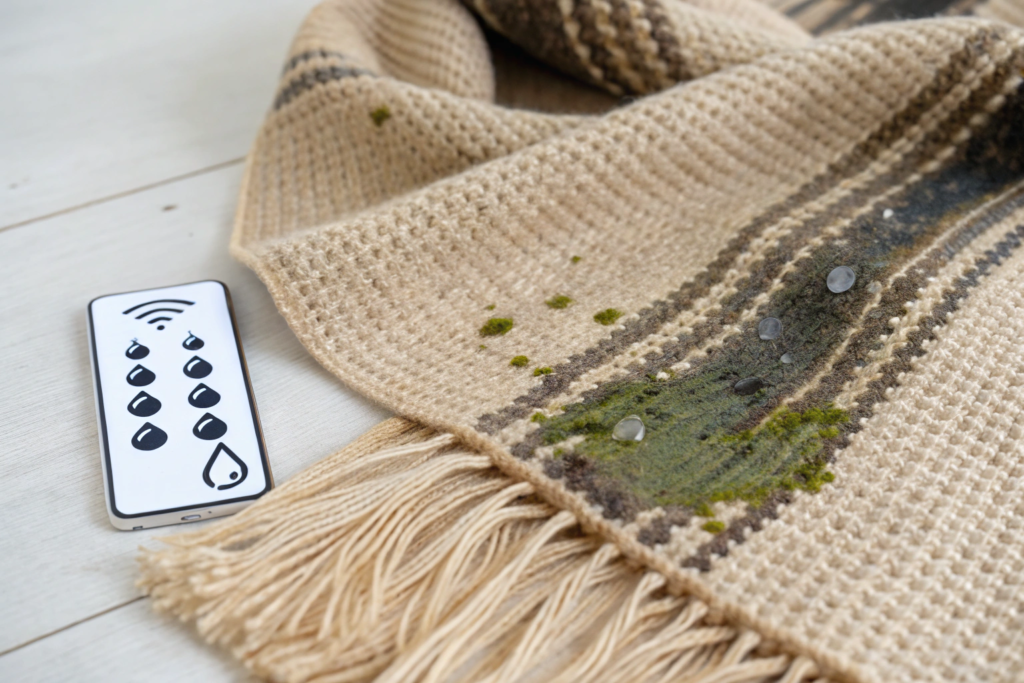
What Are Desiccant Packs and How Should They Be Used?
Desiccant packs are small, porous sachets filled with a highly absorbent material, usually silica gel or bentonite clay. They act like tiny sponges, absorbing moisture from the surrounding air. For a carton of scarves, we place one or two desiccant packs inside, depending on the carton size and the fiber content. Natural fibers like cotton and viscose are more susceptible to moisture and benefit from more desiccant. The packs should be food-grade and non-toxic. They are a simple, low-cost insurance policy against humidity damage. This using desiccant packs to control humidity inside scarf shipping cartons is a standard best practice.
How Should a Customer Handle a Scarf That Arrives with a Musty Odor?
If, despite all precautions, a scarf develops a slight musty odor, it is usually due to being sealed in a polybag with a small amount of residual moisture from the manufacturing process, such as from steam pressing. The odor is not necessarily permanent mold. The customer should be advised to remove the scarf from the polybag immediately and hang it in a well-ventilated area, away from direct sunlight. The fresh air will usually dissipate the odor within a day or two. For a persistent odor, airing it out for a longer period or a very gentle steam from a handheld steamer can help. This customer care instructions for airing out musty odors from shipped scarves is a helpful addition to the product care information.
How Does Proper Carton Sealing and Labeling Prevent Damage?
The individual scarf protection is critical, but the outer carton is the first line of defense against the rigors of the global supply chain. A poorly sealed carton can burst open, spilling its contents and exposing the scarves to dirt, moisture, and loss. We use heavy-duty, water-activated tape, also known as Kraft paper tape, to seal our cartons. This tape bonds permanently with the cardboard, creating a much stronger and more secure seal than standard plastic packing tape. We apply tape to all seams. We also ensure the carton is properly labeled. A "Fragile – Handle with Care" label alerts handlers that the contents are delicate. A "This Way Up" arrow ensures the carton is not stored upside down. These simple labels, while not a guarantee of gentle handling, do communicate the nature of the contents. This proper carton sealing with water activated tape and use of handling labels is a mark of a professional shipper.
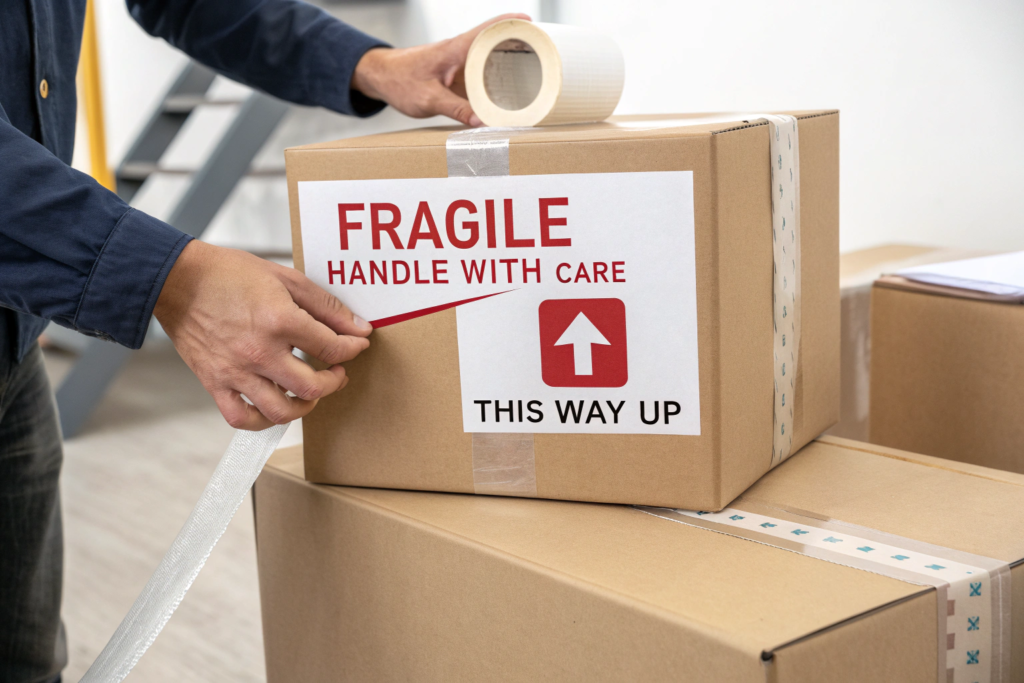
What Is the Risk of Using Regular Plastic Packing Tape?
Standard polypropylene packing tape is prone to "flagging," where the ends peel up. It can become brittle and crack in cold temperatures. It does not bond as securely to recycled cardboard. Under the stress of a long ocean voyage and multiple handling points, cartons sealed only with plastic tape are much more likely to pop open. The water-activated paper tape, when applied with a dispenser, creates a permanent, tamper-evident seal that is significantly stronger and more reliable. This advantages of water activated paper tape over plastic tape for export cartons is a small change with a big impact on security.
Should Scarves Be Shipped Flat or in a Box?
For woven scarves, shipping them flat in a sturdy carton is the preferred method. It minimizes creasing and provides the best protection for the delicate fabric and fringe. Shipping them rolled in a tube is an alternative, but it can create a different set of issues, such as a permanent curl in the fabric. Unless the scarf is specifically designed to be rolled, such as a lightweight crinkle scarf, flat packing in a carton is the standard. For very high-value scarves, we offer the option of individual gift boxes. The scarf is beautifully folded and placed in its own rigid box, which is then packed inside a master carton. This provides the ultimate protection and creates a premium unboxing experience. This flat pack carton versus tube versus gift box shipping for woven scarves is a decision based on the product’s value and the brand’s presentation goals.
Conclusion
The journey of a woven scarf from a factory in Zhejiang to a boutique shelf or a consumer’s doorstep is fraught with potential hazards. Deep creases, snagged threads, tangled fringe, and insidious moisture damage are not random acts of fate. They are predictable consequences of inadequate or improper packaging and handling. The good news is that they are almost entirely preventable. A combination of intelligent, soft folding techniques, individual polybag protection, internal tissue support, desiccant packs for humidity control, and robust, properly sealed outer cartons creates a protective system that ensures the scarf arrives in the same beautiful condition it left the factory. It requires attention to detail and a commitment to using the right materials. It is an investment in quality and customer satisfaction that pays for itself many times over in reduced returns, fewer chargebacks, and a stronger brand reputation. The first moment a customer unfolds your scarf should be a moment of delight, not disappointment.
At AceAccessory, we treat the packaging and shipping of our clients’ scarves as an extension of our quality control process. We have developed and refined these protective protocols over years of experience. We do not cut corners on packaging materials because we know that the unboxing experience is the final, critical touchpoint of our manufacturing process.
If you are sourcing woven scarves and want a partner who is as meticulous about shipping and packaging as they are about manufacturing, I encourage you to contact our Business Director, Elaine. She can explain our standard packing procedures and discuss options for your specific product. You can email Elaine at: elaine@fumaoclothing.com. Let us ensure your beautiful scarves arrive as beautifully as they left.