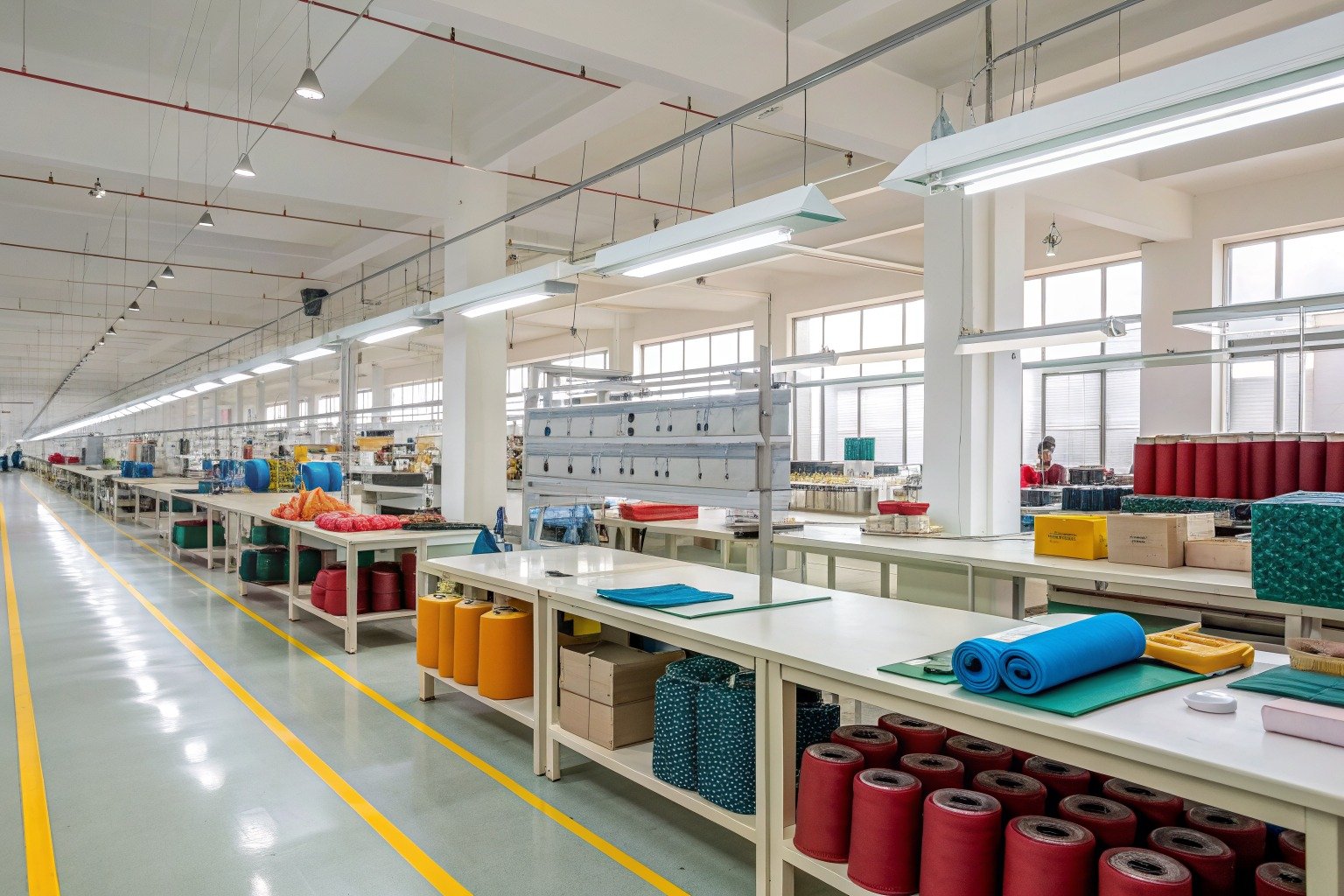
The crossbody bag market moves at an extraordinary pace, with consumer preferences shifting rapidly between seasons. Traditional bag development cycles of 6-9 months struggle to keep up, causing brands to miss key trends and revenue opportunities. Through our implementation of digital solutions across our crossbody bag division, we’ve reduced development time by 60% while significantly increasing design innovation and market responsiveness.
Digital solutions enable faster crossbody bag innovation by collapsing traditional sequential processes into simultaneous digital workflows, enabling rapid virtual prototyping, facilitating real-time global collaboration, and providing data-driven consumer insights that guide development toward higher-success outcomes.This digital transformation represents a fundamental restructuring of how bags are conceived, developed, and brought to market.
The acceleration isn’t incremental—it’s revolutionary. Let’s examine the specific digital capabilities that are compressing innovation timelines while expanding creative possibilities in crossbody bag development.
How do digital design tools accelerate concept development?
Traditional bag design involves lengthy physical prototyping cycles where each iteration requires days or weeks to produce. Digital design tools collapse this timeline by enabling rapid visualization, modification, and evaluation of concepts before any physical resources are committed.
Virtual design environments transform the creative process from sequential steps to fluid exploration, dramatically increasing both speed and creative freedom.
What 3D modeling capabilities transform design velocity?
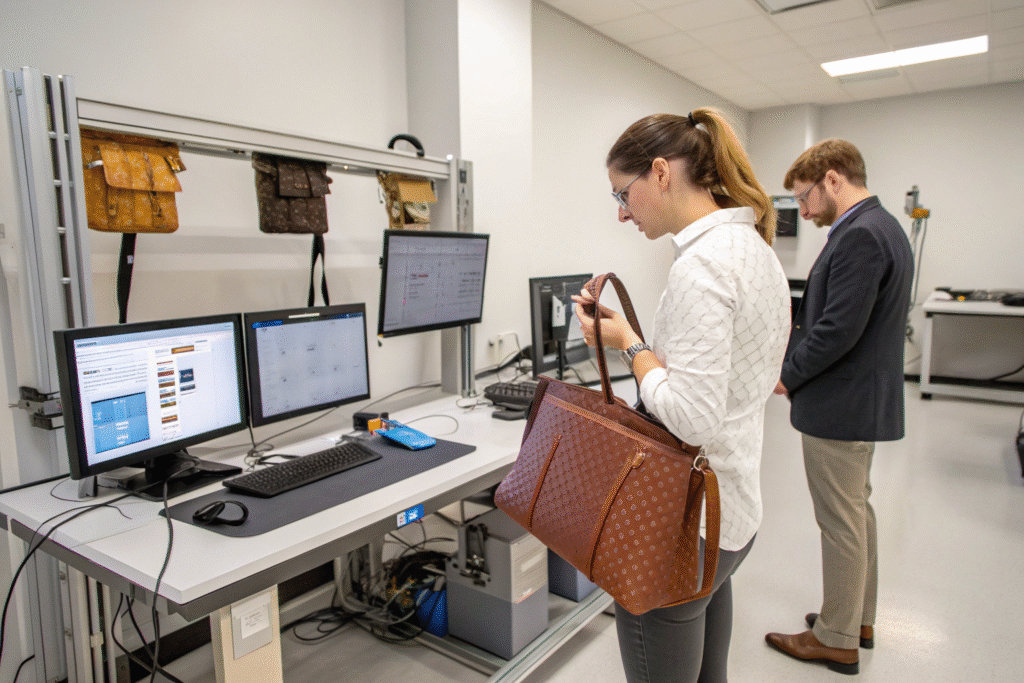
Physical prototyping represents the single greatest time bottleneck in traditional bag development. Our implementation of advanced 3D modeling software allows designers to create, modify, and evaluate crossbody bag concepts in hours rather than weeks. These digital models show how materials drape, how hardware interacts with fabrics, and how proportions work on virtual avatars of different body types. Designers can instantly test dozens of strap length variations, pocket configurations, and closure mechanisms without creating a single physical sample. The most significant time savings comes from digital material libraries that accurately simulate how real fabrics, leathers, and hardware will look and behave, eliminating the need for physical swatches during early development phases.
How does computational design expand creative possibilities?
Human designers naturally gravitate toward familiar solutions, while computational systems explore unconventional possibilities. We’ve integrated generative design algorithms that propose innovative crossbody bag structures based on specified parameters like capacity requirements, weight limits, and aesthetic preferences. These systems explore thousands of configuration options that human designers might never consider, often resulting in breakthrough designs with unique functional advantages. For example, our algorithms developed a novel strap attachment system that distributes weight more comfortably and a compartment layout that maximizes accessibility while maintaining sleek proportions. This computational partnership doesn’t replace human creativity—it amplifies it by providing unexpected starting points that designers can then refine and humanize.

How do digital collaboration platforms compress development timelines?
Traditional bag development involves sequential handoffs between departments and partners across different time zones, creating communication gaps and lengthy review cycles. Digital collaboration platforms enable simultaneous contribution from all stakeholders, regardless of physical location.
Real-time collaboration transforms development from a relay race to a team sport, with all players contributing simultaneously toward a shared goal.
What cloud-based review systems accelerate decision making?
Physical sample review traditionally required shipping prototypes between designers, manufacturers, and brand teams across continents—a process consuming weeks per iteration. Our cloud-based review platform allows all stakeholders to examine digital prototypes simultaneously from anywhere in the world. Team members can add comments directly to specific areas of 3D models, request modifications, and approve elements without waiting for physical samples. The system maintains version control that ensures everyone references the latest iteration, eliminating confusion from outdated drawings or specifications. For crossbody bags with complex construction, we use augmented reality viewers that allow stakeholders to visualize digital prototypes in physical space, assessing scale and proportion more accurately than traditional drawings permit.
How does integrated data sharing prevent miscommunication?
In traditional development, information gaps between departments cause errors that only surface during physical sampling, requiring costly rework. Our integrated product development platform ensures that all teams work from synchronized information. When designers modify dimensions, the changes automatically update in technical specifications. When material selections change, cost calculations instantly reflect new pricing. This connectivity prevents the misalignment that traditionally caused samples to deviate from design intent. For crossbody bags specifically, the system maintains critical relationships between elements—ensuring strap attachments align with internal reinforcement points and hardware dimensions accommodate specified material thicknesses. This digital continuity has virtually eliminated the "it looked different in the drawing" problem that previously plagued bag development.
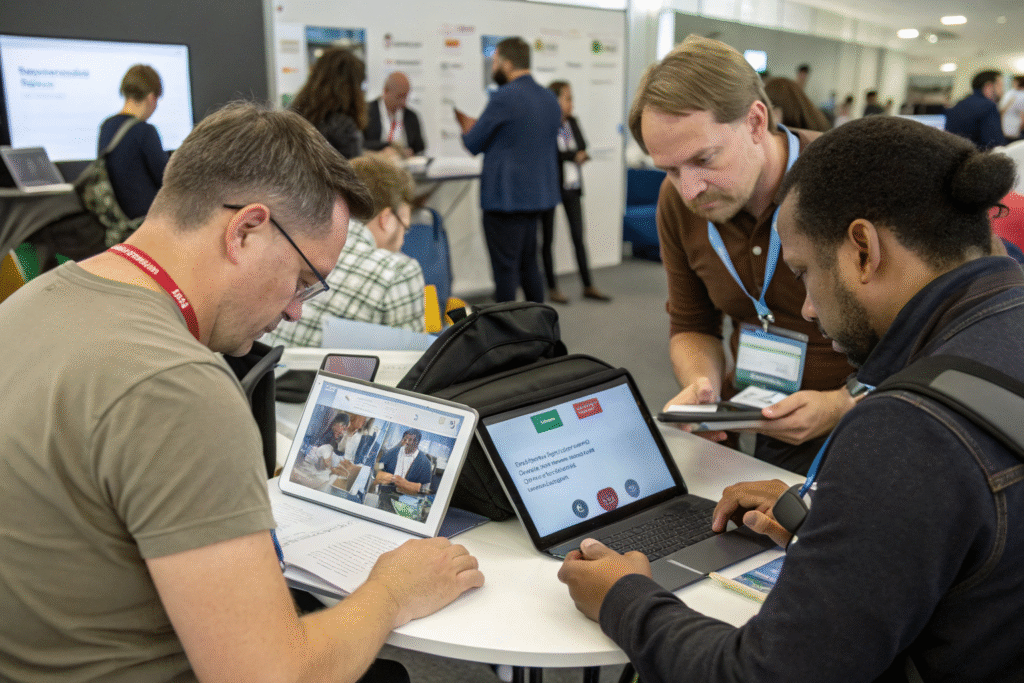
How do virtual prototyping and testing reduce physical iterations?
Physical prototyping represents the most time-intensive phase of traditional bag development, with each iteration requiring pattern making, material cutting, sample sewing, and shipping. Digital prototyping compresses this process from weeks to days while enabling more extensive exploration.
Virtual creation and evaluation allow manufacturers to refine designs to near-perfection before committing to physical resources, dramatically reducing the iteration cycle.
How does digital material simulation improve accuracy?
Traditional prototyping requires physical materials to assess appearance and performance, limiting exploration due to cost and time constraints. Our digital material simulation accurately replicates how real fabrics, leathers, and hardware will behave in finished crossbody bags. The system simulates how materials drape under gravity, how they stretch across curved surfaces, and how they interact with adjacent components. For technical bags, we can simulate water resistance, abrasion patterns, and stress distribution across high-load areas. This virtual testing identifies potential issues like material buckling, strap stress points, or hardware compatibility problems before physical creation. The accuracy of these simulations has improved to where our first physical samples now achieve 90% alignment with final production quality, compared to 30-40% with traditional methods.
How does virtual consumer testing guide development?
Traditional consumer testing happens late in development, making changes costly and time-consuming. Our virtual testing platforms expose digital prototypes to consumer panels early in the process, gathering feedback on aesthetics, perceived functionality, and purchase intent before physical samples exist. Consumers interact with 3D models they can rotate and examine from all angles, providing insights comparable to physical handling. The system aggregates responses across demographic segments, identifying which design elements drive preference within target audiences. For crossbody bags, this early feedback has been particularly valuable for optimizing strap comfort, pocket accessibility, and overall proportion—elements difficult to assess through traditional sketches or drawings. This front-loaded consumer insight has significantly increased our commercial success rate while reducing post-launch modifications.
How do data analytics drive targeted innovation?
Traditional bag design often relies on designer intuition and retrospective sales analysis, causing development to lag behind market trends. Digital analytics provide real-time insights that guide innovation toward emerging opportunities with scientific precision.
Data-driven development replaces guesswork with evidence, ensuring innovation efforts focus on the highest-potential opportunities.
What social listening tools identify emerging trends?
Crossbody bag trends now emerge and evolve at digital speed, particularly through social media and influencer channels. Our AI-powered social listening systems continuously analyze millions of social posts, search queries, and image shares to detect emerging style preferences, feature demands, and usage patterns. The algorithms identify subtle shifts in consumer language and visual preferences weeks or months before they appear in sales data. For example, we detected growing interest in convertible crossbody-to-backpack designs six months before this trend reached mainstream awareness, allowing us to develop a successful collection precisely as demand peaked. This predictive capability has transformed our innovation from reactive to proactive, positioning new designs at the leading edge of trends rather than chasing them.
How does sales analytics optimize feature selection?
Historical sales data contains invaluable patterns about which crossbody bag features drive commercial success. Our predictive analytics platforms analyze sales performance across thousands of style attributes to identify which specific elements—strap width, closure type, pocket configuration, material combination—correlate with strong sales across different consumer segments. This data-driven insight guides our innovation toward higher-probability combinations while avoiding features with historically poor performance. For seasonal collections, the system identifies which previous successful elements can be recombined or evolved for newness with reduced risk. This analytical approach has increased our innovation success rate from approximately 40% with traditional methods to over 75% with data-guided development.

Conclusion
Digital solutions are enabling faster crossbody bag innovation by transforming every aspect of the development process—from initial concept through final production preparation. The integration of 3D design, virtual prototyping, collaborative platforms, and data analytics has collapsed traditional timelines while expanding creative possibilities and improving commercial outcomes. Companies that fully embrace these digital capabilities position themselves to lead in the intensely competitive accessories market, responding to trends with unprecedented speed while reducing development costs and risks.
If you’re ready to accelerate your crossbody bag innovation through digital transformation, we invite you to contact our Business Director, Elaine. Our comprehensive digital implementation has positioned us to help brands achieve similar breakthroughs in speed, creativity, and market alignment. Reach her at: elaine@fumaoclothing.com.