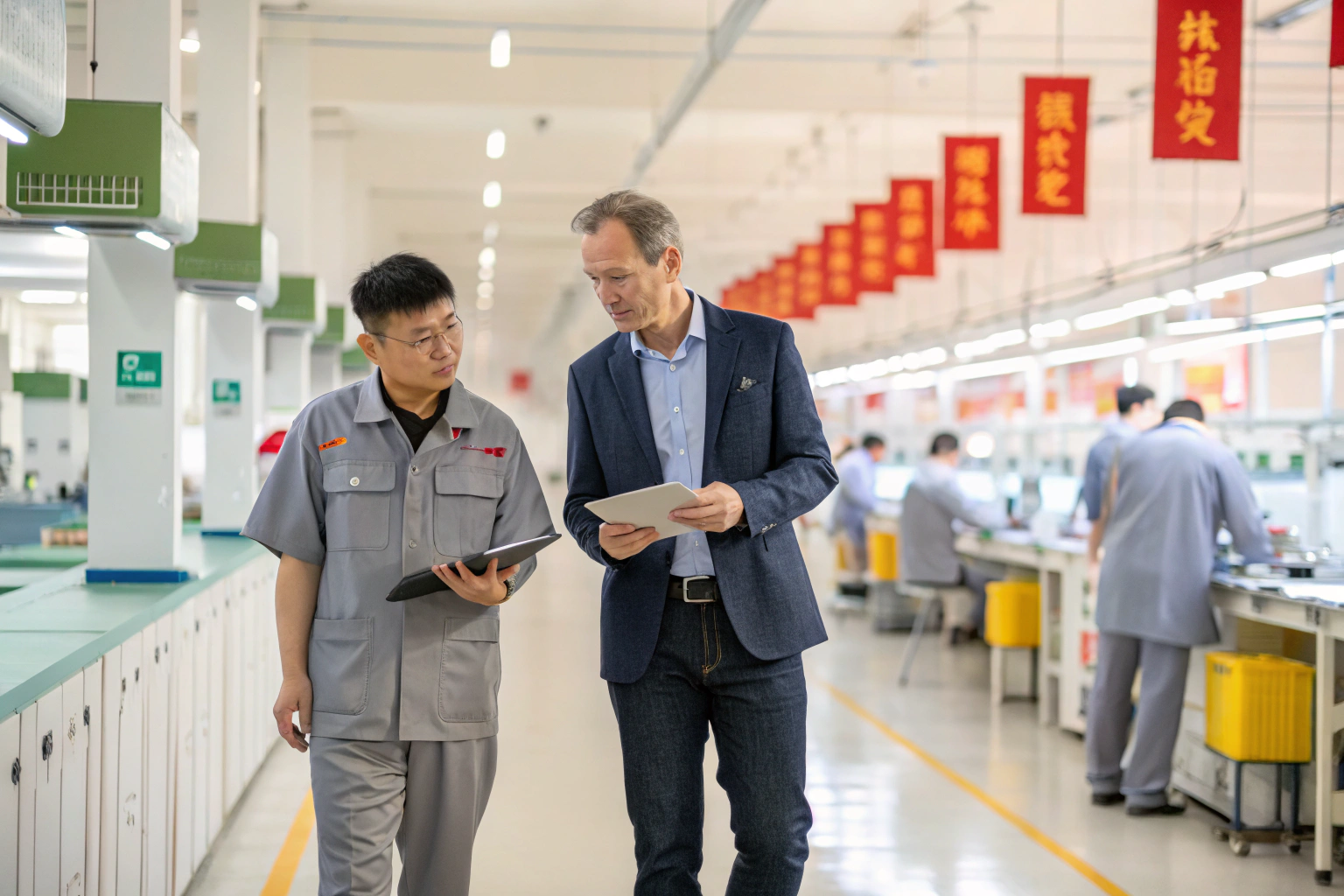
I have been on both sides of the factory tour. As a buyer early in my career, I visited a factory in Yiwu that had sent me beautiful samples and responded to emails within hours. Their showroom was impressive. When I asked to see the production floor, the manager suddenly remembered a reason I could not enter. A machine was being repaired. The workers were on an unscheduled break. The area was being cleaned. Three excuses in three minutes. I did not place the order. Later, I learned from another buyer that the factory outsourced all their production to a network of small, unmonitored workshops. The samples were made in-house specifically to win orders. The actual production was done in conditions the brand they were pitching would never have approved. That experience taught me a lesson I have never forgotten. A factory tour does not guarantee quality. But a denied or obstructed factory tour guarantees a risk.
Experienced buyers request a factory tour before placing an order because a physical visit reveals information that samples, emails, and video calls cannot convey. A visit verifies that the production floor shown in photos actually exists and operates at the stated scale. It assesses the real-time organization, cleanliness, and workflow of the production lines, which are indicators of management discipline that directly affect product quality and delivery reliability. It allows the buyer to evaluate worker skill levels and working conditions firsthand, not through a curated video. It provides an opportunity to review quality control records, material inventories, and maintenance logs that document the factory’s operational maturity. And it establishes a personal relationship with the factory’s management and project team, which becomes the foundation for effective communication and problem-solving when the inevitable production challenges arise. I will walk through exactly what experienced buyers look for on a factory tour and how they interpret what they see.
What Can a Factory Visit Reveal That Samples and Certifications Cannot?
Samples prove that the factory can make one perfect unit. Certifications prove that the factory was compliant on the day of the audit. Neither proves that the factory produces consistent quality every day, across every order, with the workers and equipment that are actually in place. A factory visit closes the gap between the curated representation of the factory and the operational reality. The experienced buyer walks into the factory not just to confirm what they have been told, but to look for what they have not been told.
How Do You Assess Real Production Capacity Versus Claimed Capacity?
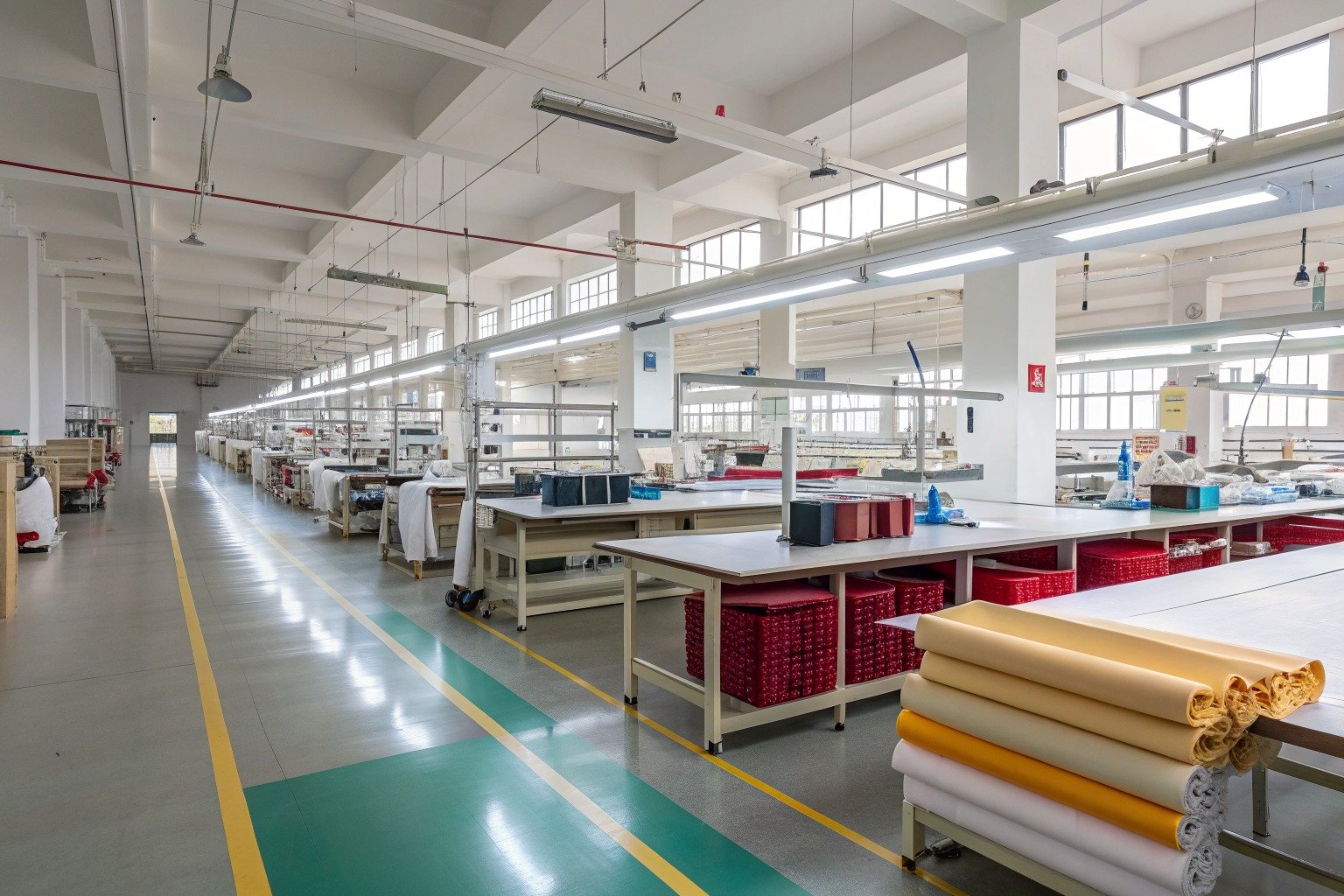
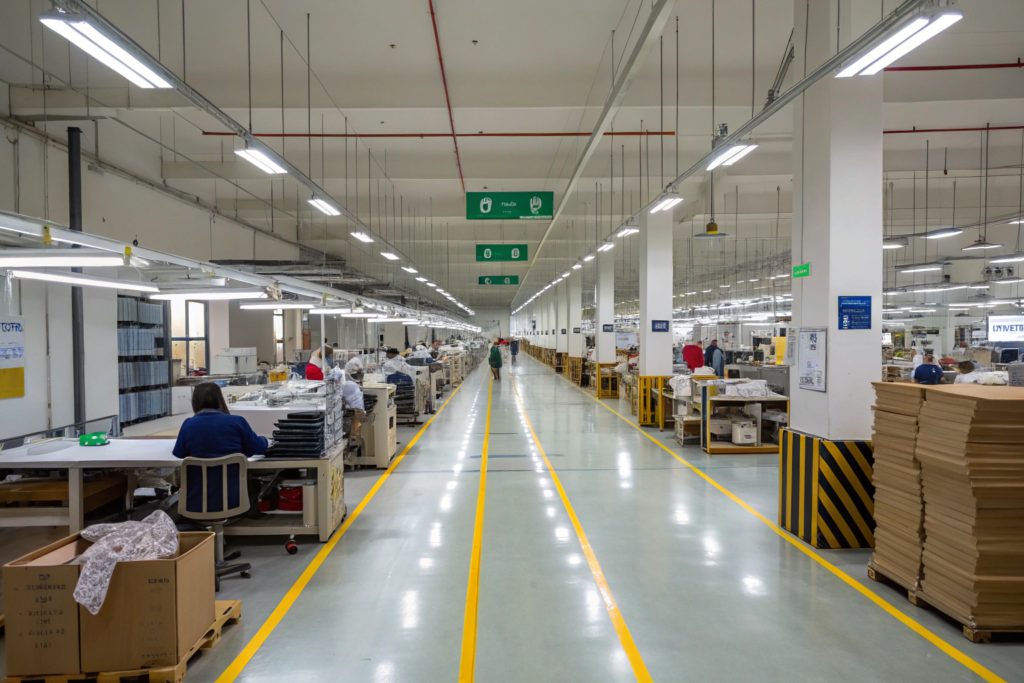
A factory’s claimed capacity, the number of units per month they say they can produce, is a marketing number until verified. On a factory visit, you can ground-truth that number by observing the physical indicators of capacity that cannot be faked for a single day. Count the production lines that are actually running. A line is a set of sequential workstations, not just a row of machines. Are there 10 lines running, or are there 2 lines running and 8 lines of covered equipment in a corner? Count the workers on each line. A factory that claims to employ 300 workers should have 300 workers visible on the floor, not 50 workers and empty workstations with personal items staged to look occupied.
Look at the material inventory. A factory with high claimed production capacity must have commensurate raw material inventory to feed that production. Walk through the material warehouse. Are the shelves full of fabric rolls, component boxes, and trim inventory, or are they half-empty with large gaps? A factory that is genuinely running at high capacity will have material moving through the receiving and staging areas, not a quiet, static warehouse. Look at the finished goods area. Are there pallets of packed goods waiting for shipment, with shipping marks and labeling that correspond to the clients the factory claims to serve? A factory that ships significant export volume generates a constant flow of outgoing goods. A quiet, nearly empty finished goods area on a weekday suggests low production activity.
Ask to see the production schedule board or the digital production planning system. A real, current production schedule lists specific client orders, product codes, quantities, and delivery dates. It shows the factory’s actual workload. A blank board or a board with generic entries that do not reference specific clients is a warning sign. The schedule tells you whether the factory is busy, what kinds of products they are currently producing, and whether your order would fit into their existing production flow comfortably or would strain their capacity.
What Signs of Production Organization Signal Reliable Quality Control?
Production organization is visible the moment you walk onto the factory floor. It is not something that can be staged in a few hours. An organized factory has clearly marked aisles that are wide enough for material movement and free of obstructions. Workstations are arranged in a logical flow from raw material to finished product, not scattered randomly. Each workstation has the necessary tools, jigs, and reference samples positioned within the operator’s reach, and the workstation is clean and uncluttered. A workstation with a pile of rejected parts on the floor, tools scattered across the surface, and no reference sample visible is a visual indicator of poor process discipline.
In-process quality control stations are integrated into the production line, not relegated to a separate room visited only at the end of the line. An inline QC station where an inspector checks a sample of units from the preceding operation and either releases the batch or returns it for rework is evidence of a factory that catches defects early, when correction is cheap. The inspector should have an inspection standard document at the station, a calibrated measurement tool, and a clearly marked reject bin. A factory that says they do inline QC but cannot show you the station, the document, and the reject records is either exaggerating their QC claims or performing QC only as a final inspection after packing.
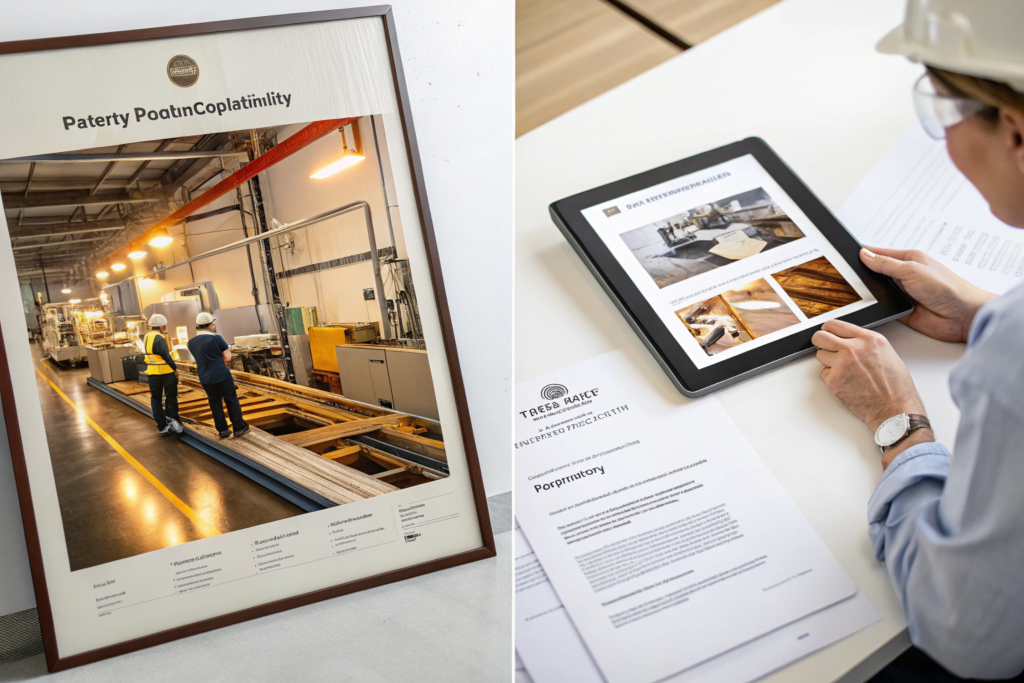
The final QC area should have a calibrated lightbox, measurement equipment, an inspection table large enough for the products being inspected, and reference samples displayed for comparison. The QC records, which you can request to see, should be dated, signed by the inspector, and show specific measurements and defect counts, not just a "pass" stamp. A factory that lets you review its QC records freely is demonstrating confidence in its quality system. A factory that cannot produce QC records or whose records are incomplete or undated is operating QC as a formality rather than a discipline. Understanding the principles behind lean manufacturing helps you recognize the visual signals of an organized, waste-reducing production environment when you see one, even without a formal audit background.
What Worker-Related Insights Can Only Be Gathered In Person?
The workers are the factory. The machines, the materials, the management systems, none of these produce a single unit without skilled, attentive workers operating them. Evaluating the workforce is one of the primary purposes of a factory visit because worker skill, morale, and treatment are not visible in samples or certifiable through a document. A factory with skilled, content workers produces consistent quality. A factory with untrained, unhappy, or coerced workers produces defects, delays, and hidden risks that will eventually surface.
How Do You Evaluate Worker Skill and Turnover Without Direct Interviews?
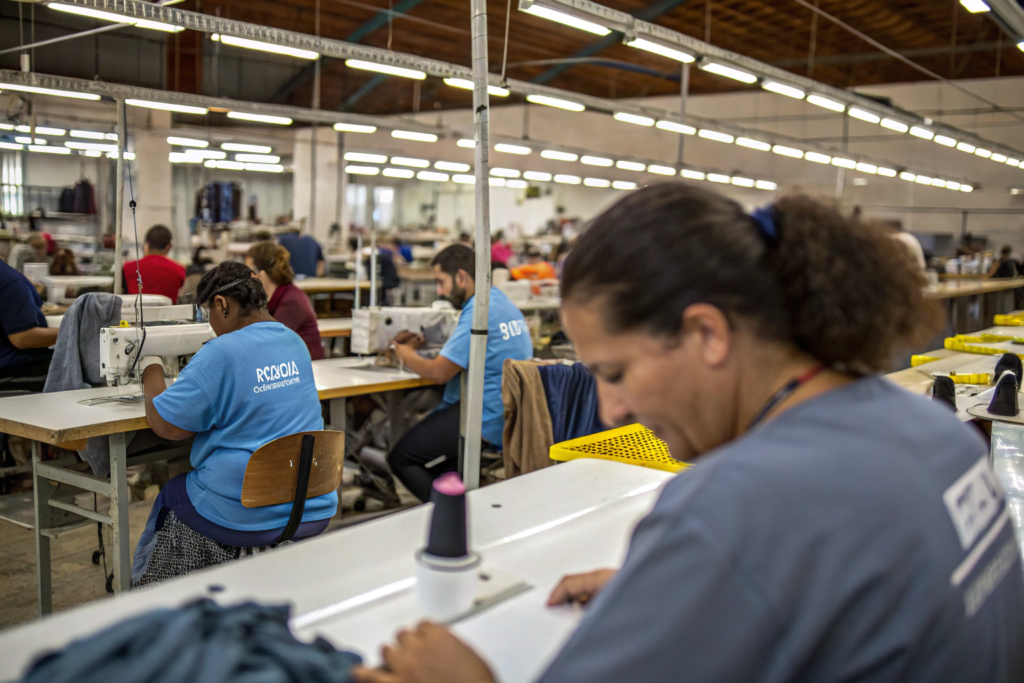
Directly interviewing workers on the factory floor is generally not appropriate for a buyer visit, and management is unlikely to permit unsupervised conversations with their employees. However, worker skill and turnover signals are visible to an observant buyer who knows what to look for. Worker age and experience distribution is a visual indicator. A workforce that consists entirely of very young workers, 18 to 22 years old, with no older, more experienced workers visible, suggests high turnover and a factory that relies on a rotating pool of inexperienced labor. Experienced workers are the backbone of quality production. Their presence on the floor indicates that the factory retains talent over time.
Watch the workers’ hands. Skilled sewing machine operators, assemblers, and finishers move with an economical, practiced rhythm. Their motions are fluid, consistent, and fast. An unskilled worker moves hesitantly, checks the reference sample frequently, and produces work at a visibly slower pace. A floor full of workers moving with practiced rhythm is a floor of experienced workers. A floor full of hesitant, slow-moving workers is a floor of new hires, which means recent high turnover or rapid expansion without adequate training.
Observe the interaction between supervisors and workers. Do supervisors walk the floor regularly, stopping to check work and offer guidance? Or do supervisors sit in a separate office, only emerging when a problem escalates? Engaged, present supervision is a positive indicator. Absent supervision suggests that quality problems are only addressed after they have produced significant volumes of defective units. The noise level on the factory floor is also informative. A floor that is quiet enough for normal conversation indicates a controlled, orderly environment. A floor that is excessively loud suggests poorly maintained equipment, a lack of acoustic management, and a work environment that contributes to fatigue and errors.
What Visual Indicators of Worker Welfare Suggest an Ethical Workplace?
Worker welfare is both an ethical concern and a quality concern. Workers who are treated poorly produce poor quality, intentionally or not, and their working conditions represent a compliance risk for your brand. On a factory visit, you can observe visual indicators of worker welfare without conducting formal interviews. Check whether the factory floor has adequate lighting. Dim, shadowy workstations cause eye strain and quality errors. Check whether the factory is ventilated and temperature-controlled, particularly in areas where heat-generating equipment operates. A factory that is oppressively hot or filled with chemical odors without visible ventilation is not providing a safe working environment.
Check whether workers have access to clean drinking water and clean restroom facilities. Walk to the restroom area yourself. A factory that maintains clean, stocked restrooms cares about worker dignity and is likely to care about other aspects of worker welfare. Check whether there is a visible first aid station with a trained attendant or at least a stocked first aid kit. Check whether fire exits are clearly marked, unobstructed, and unlocked during working hours. An unobstructed fire exit is a basic safety requirement that requires zero interpretation to assess. It is either clear or it is not.
Observe worker breaks and the canteen if a break occurs during your visit. Workers who are socializing, using their phones, and resting comfortably during a break are displaying normal, unrestricted behavior. Workers who sit silently, avoid eye contact with visitors, or look tense and monitored may be operating under excessive control or may have been coached on how to behave. The overall atmosphere on the floor, the facial expressions, the body language, and the noise level of conversation, tells you more about the real working environment than any policy document.
What Physical Facility Conditions Impact Product Quality and Safety?
The physical condition of the factory building and equipment is a direct reflection of management’s long-term investment in the business. A factory that invests in its facility and maintains its equipment is a factory that intends to be in business for decades. A factory with a deteriorating facility and poorly maintained equipment is managing for short-term cash flow, and that short-term thinking will eventually affect the quality of the products it produces and the reliability of its delivery promises.
Why Is Equipment Maintenance History a Trustworthy Quality Indicator?
Production equipment, including sewing machines, molding presses, cutting tables, and plating lines, requires regular maintenance to produce consistent output. A sewing machine with a dulled needle produces skipped stitches and fabric pulls. A molding press with a worn hydraulic seal produces inconsistent pressure and dimensional variation in molded parts. An electroplating line with contaminated bath chemistry produces uneven, poorly adhering plating.
On a factory tour, ask to see the equipment maintenance log for a few representative machines. A disciplined factory maintains a log for each piece of production equipment. The log records the date of each maintenance action, the action performed, the technician who performed it, and the next scheduled maintenance date. The log should be a physical notebook or a digital record that is clearly in regular use, not a freshly printed spreadsheet created for your visit. Grease pencil marks on the machine itself noting the last service date are a good sign. A machine with a thick layer of dust on the maintenance log sticker is a bad sign.
Walk past machines that are not currently running. Are they clean and covered? Or are they dirty, with frayed belts, rusted surfaces, and visible wear? A factory that maintains its idle equipment properly maintains its active equipment. Listen to the sound of the factory floor. Machines that are properly maintained run smoothly and quietly. Machines in need of maintenance squeak, rattle, knock, and hum loudly. The overall noise quality of the floor is an audible maintenance indicator.
How Do You Assess a Factory’s Material Storage and Handling Practices?
Material storage conditions directly affect the quality of the finished product. Fabric rolls stored in direct contact with a concrete floor absorb moisture and develop mold. Leather stored in direct sunlight fades and dries out. Metal components stored in open bins in a humid environment tarnish before they even reach the assembly line. A factory visit allows you to walk through the material warehouse and assess storage conditions.
Fabric rolls should be stored off the floor on pallet racks or shelves, in a dry area, and if possible in a climate-controlled or at least dehumidified environment. Rolls should be wrapped or covered to protect them from dust and light. The warehouse should be organized with clear labeling that identifies each material by type, color lot, and receipt date. A first-in, first-out inventory rotation system prevents old material from sitting unused at the back of a shelf while newer material is consumed.
Component inventory, such as buckles, clasps, hair clip springs, and decorative elements, should be stored in clearly labeled bins or boxes, organized by SKU, and protected from dust and moisture. The component storage area should have an inventory tracking system, whether a simple card system or a digital inventory database, that shows current stock levels and reorder points. A factory that cannot tell you how much of a key component they have in stock and relies on the production manager’s memory is managing inventory reactively, and a reactive inventory system causes production delays.
Chemicals used in production, including adhesives, dyes, and finishing treatments, must be stored in a dedicated, ventilated chemical storage area with secondary containment to capture spills, away from production areas, and with Safety Data Sheets available on site. Chemical storage violations are both a safety hazard and a product quality risk, as improperly stored chemicals can degrade, become contaminated, or cause a fire or spill that shuts down production. Reference to factory safety and compliance standards provides a framework for what acceptable chemical management and overall workplace safety should look like in a manufacturing environment.
How Do You Build a Problem-Solving Relationship During a Factory Visit?
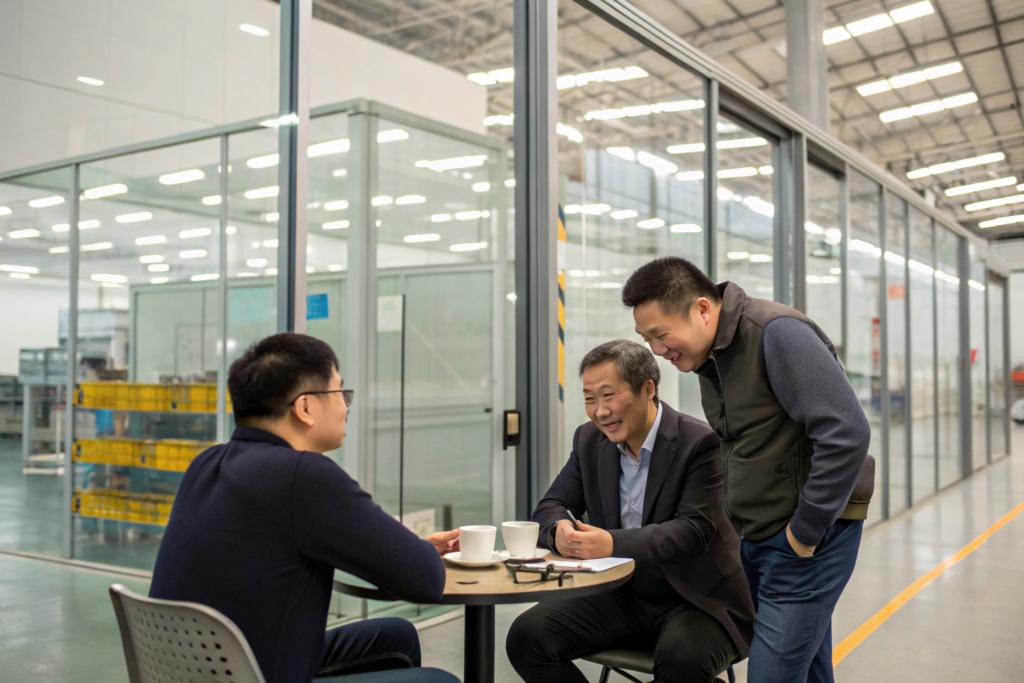
The factory visit is where a transactional sourcing relationship begins to transform into a problem-solving partnership. The conversations you have in person, the rapport you build with the project manager, and the mutual understanding you develop about each other’s businesses are the foundations of a relationship that will handle production challenges effectively when they arise, and they will arise. A factory that knows you as a person, not just as a purchase order number, will prioritize your order, communicate with you proactively about issues, and invest effort in solving your problems beyond the strict letter of the contract.
What Specific Conversations Build Mutual Trust with Management?
The most trust-building conversations on a factory visit are not about price or delivery dates. They are about how the factory has handled specific past challenges. Ask the factory manager to describe a recent problem on a client order and how it was resolved. This question is revealing. A manager who is open about a challenge, describes the root cause, explains the steps taken to fix it for the client, and describes the process change made to prevent recurrence is demonstrating a learning culture and a client-focused mindset. A manager who says there have never been any problems is either not being truthful, not aware of the problems because they are shielded by subordinates, or managing a factory so simple that no interesting work occurs there.
Describe a hypothetical scenario relevant to your product category. For example, "If our pre-production sample of a beaded hair band looks correct but the beads are slightly smaller than the spec called for, and we discover this after 500 units have been produced, how would you handle that?" The manager’s answer tells you volumes about their approach to quality ownership. Do they immediately propose a solution at their cost? Do they deflect blame onto the bead supplier? Do they ask clarifying questions about the spec and the sampling process before proposing an answer? The content and the tone of the response are equally informative.
Discuss your business goals beyond the current order. Share your growth plans, your channel strategy, your target customers. A factory that understands your business context can make better suggestions about materials, construction techniques, and packaging that support your business objectives. They become a partner in your success, not just a supplier of units.
How Can You Evaluate a Project Manager’s Communication Style Firsthand?
The project manager assigned to your account will be your primary point of contact for months or years. Evaluating their communication style in person, before you are relying on them across a 12-hour time difference, is essential. During the factory tour, observe how the project manager interacts with you, with the factory manager, and with workers on the floor. Are they comfortable translating between your questions and the production team’s knowledge? Do they answer questions directly, or do they deflect and redirect? Do they take notes when you mention a specification preference or a packaging concern, or do they rely on memory?
Ask the project manager to explain a technical aspect of the production process you observed on the floor. How clearly and accurately do they describe it? A project manager who deeply understands the production process can explain it in simple terms without oversimplifying. A project manager who is primarily a salesperson with limited production knowledge will give a vague, generic explanation or defer to the production manager. The project manager’s technical knowledge directly affects their ability to give you accurate information about lead times, material options, and quality issues.
Ask the project manager how they prefer to communicate, email, WhatsApp, scheduled calls, and what their typical response time is for different types of inquiries. A project manager who has a clear, realistic communication plan that they can articulate is likely to be responsive and organized. A project manager who says they are always available and responds immediately to everything is either overpromising or handling so few clients that their workload does not reflect a capable factory’s reality. The communication norms established during the visit set the pattern for the working relationship. At AceAccessory, we structure our project management around proactive, scheduled communication that keeps our clients informed without them having to ask, and a factory visit is the best time to understand how that communication rhythm will work for your specific account.
Conclusion
Experienced buyers visit a factory before placing an order because they know that the gap between a factory’s marketing presentation and its operational reality is where sourcing risk lives. They visit to verify production capacity by counting running lines, observing material flow, and reviewing the live production schedule, not just the brochure. They visit to assess production organization by walking the aisles, observing inline QC stations, and reviewing dated, signed inspection records. They visit to evaluate the workforce by observing worker skill rhythms, supervisor engagement, and visual indicators of worker welfare including lighting, ventilation, restrooms, and fire exits.
They visit to inspect physical facility conditions, equipment maintenance logs, and material storage practices, direct reflections of management’s long-term investment and commitment to quality. They visit to build a personal relationship with management and to evaluate their assigned project manager’s communication style and technical knowledge in person, laying the foundation for effective problem-solving when challenges arise. The factory tour is not a ceremonial visit. It is a structured due diligence exercise that answers the questions samples and certifications cannot.
A factory that welcomes a visit, that provides access to the production floor, that shares QC records and maintenance logs openly, and whose management engages in candid, substantive conversation about problems and solutions, is a factory that has nothing to hide and much to demonstrate. A factory that obstructs a visit, limits access, cannot produce operational records, or whose management deflects substantive questions, is a factory that has not yet earned your trust, regardless of how beautiful their samples or how low their price.
If you are considering a sourcing trip to China to visit potential factories, including ours, and you want to structure your visit for maximum due diligence value, contact our Business Director Elaine at elaine@fumaoclothing.com before you travel. She can provide a suggested factory tour agenda, a list of areas and records you should request to see, and the contact information for the project manager who would host your visit. A well-structured factory tour protects your business. We look forward to demonstrating to you, in person, why our clients trust us with their production.