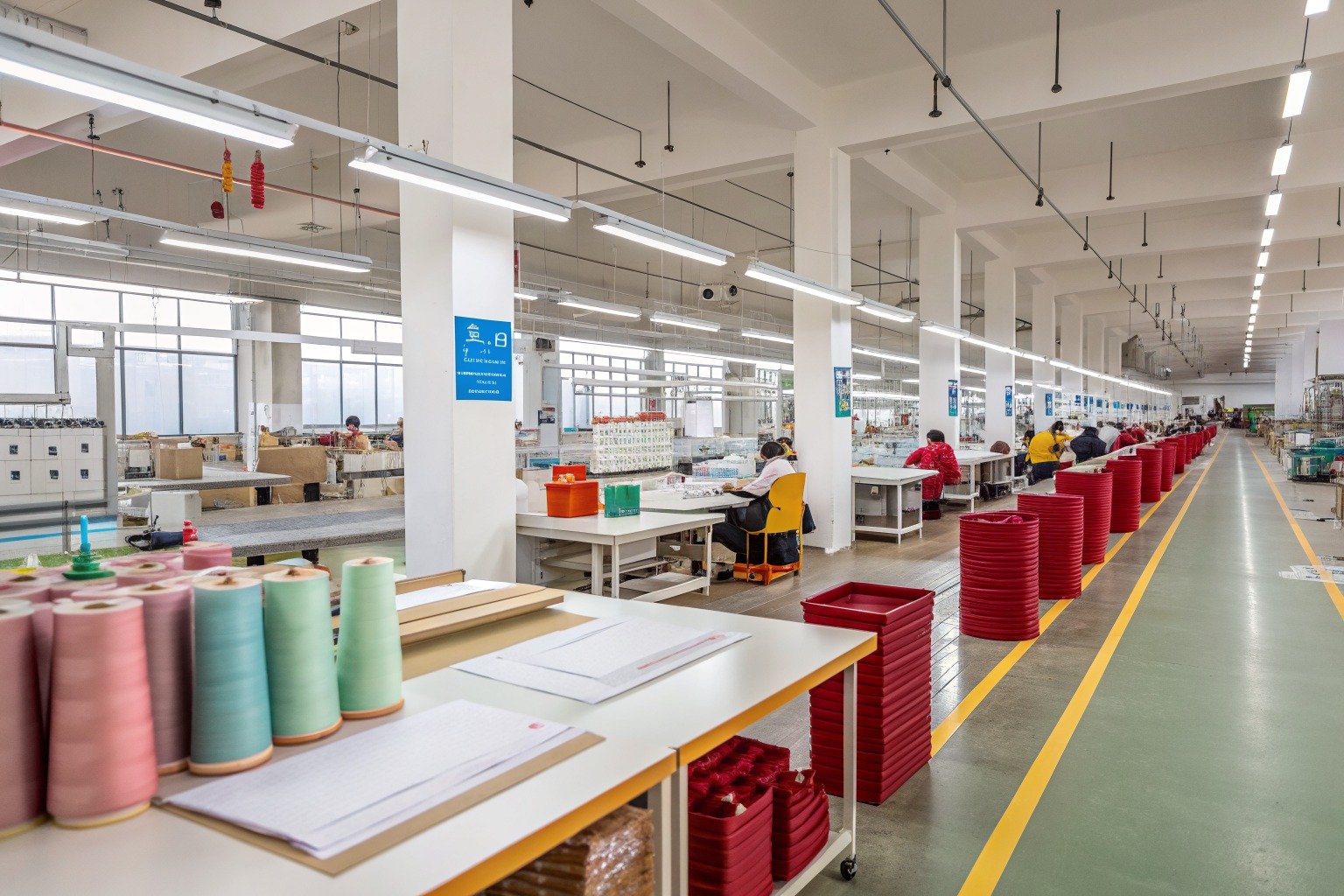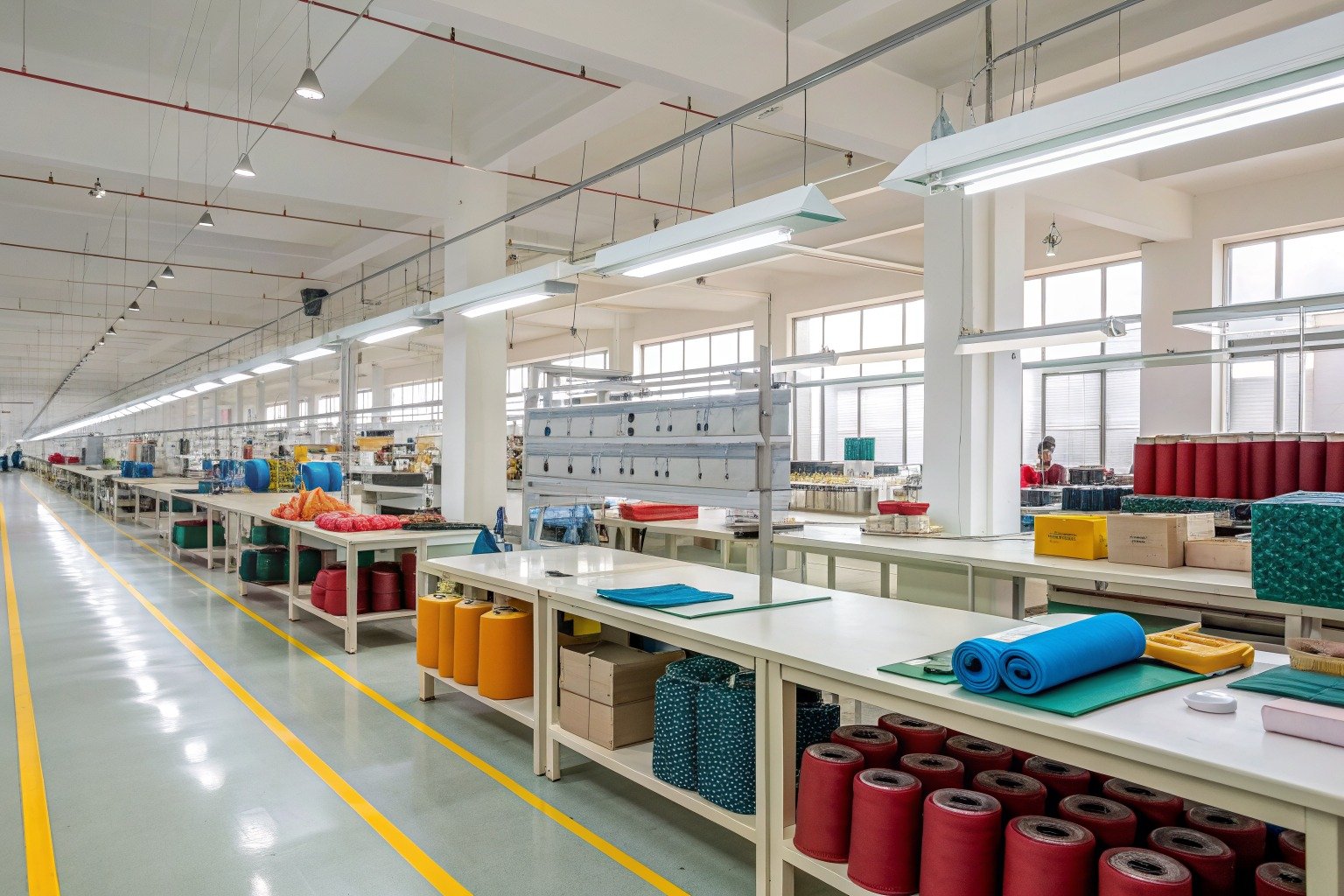
Cashmere blend scarves represent a premium product category where quality expectations far exceed those for ordinary accessories. Even minor quality issues can significantly impact perceived value and brand reputation in this luxury segment. Through our specialized experience producing cashmere blends for international brands, we’ve developed comprehensive quality control systems that address the unique challenges of these delicate yet demanding textiles.
Controlling cashmere blend scarf quality requires rigorous raw material verification, specialized manufacturing processes, precise finishing treatments, and multi-stage inspection protocols that collectively ensure the luxurious hand-feel, appearance, and durability customers expect from premium accessories.This systematic approach transforms subjective quality perceptions into measurable, controllable standards.
Quality excellence in cashmere blends demands attention to both scientific measurements and sensory characteristics. Let’s examine the specific control methods that guarantee consistent luxury quality across production runs.
How does fiber quality verification ensure foundation excellence?
The quality of cashmere blend scarves begins with the raw materials. Unlike single-fiber products, blends require verification of multiple component fibers and their interaction, making material assessment more complex but critically important.
Comprehensive fiber evaluation combines technical measurement with sensory assessment to ensure only premium materials enter production, establishing the foundation for final product quality.
What fiber composition testing guarantees blend accuracy?
Cashmere blend integrity depends on maintaining exact fiber ratios that deliver the optimal balance of luxury softness, durability, and price positioning. We implement advanced spectroscopic analysis to verify fiber composition, detecting deviations as small as 2-3% that could impact performance and value. Each incoming batch undergoes microscopic fiber identification that distinguishes cashmere from cheaper alternatives like fine wool or cashmere-like synthetics. For our premium blends, we maintain fiber traceability systems that track materials back to specific herds and processing batches, ensuring consistency and authenticity. This rigorous composition control prevents the quality erosion that occurs when blends drift from specified ratios during high-volume production.
How does fiber length and fineness assessment impact softness?
The legendary softness of cashmere depends on specific fiber characteristics that must be verified before blending. We measure mean fiber diameter using laser scanning technology, rejecting any batches exceeding our strict 18.5-micron limit for premium blends. Simultaneously, we assess staple length distribution since longer fibers produce stronger yarns with less pilling while maintaining softness. Our quality team also evaluates fiber curl retention which contributes to the loft and insulation properties unique to quality cashmere. These precise measurements ensure that only fibers meeting our luxury standards proceed to production, guaranteeing the fundamental softness and durability that define premium cashmere blend scarves.
What specialized manufacturing controls preserve quality?
The manufacturing process for cashmere blend scarves requires specific controls that address the delicate nature of cashmere while maintaining production efficiency. Without proper process management, even premium fibers can be compromised during transformation into finished scarves.
Strategic process controls at each manufacturing stage protect fiber quality while ensuring consistent execution across production runs.
How does spinning parameter optimization enhance yarn quality?
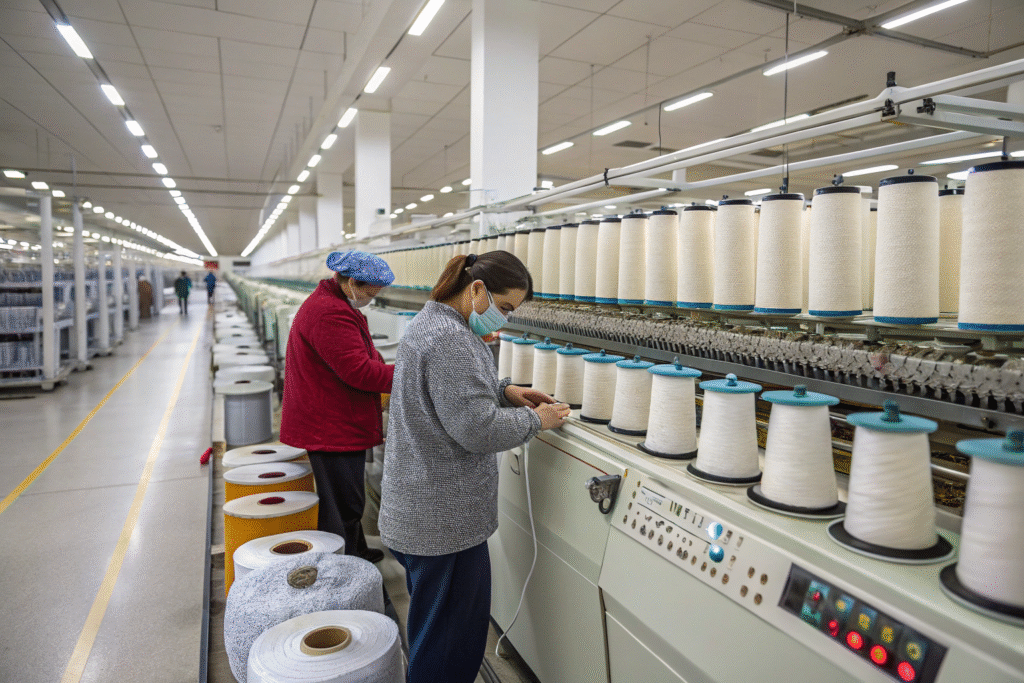
The spinning process determines many final scarf characteristics, making parameter control essential. We maintain precise tension controls throughout spinning to prevent fiber damage and maintain the natural elasticity of cashmere. Our spinning technicians adjust twist levels based on blend ratios—higher twist for durability in cashmere-wool blends, lower twist for maximum softness in cashmere-silk combinations. For colored scarves, we conduct colorfastness verification during yarn production rather than waiting for finished goods, allowing early detection of dyeing issues. This proactive approach to yarn quality has reduced finished goods rejection by 40% while ensuring the foundational material meets luxury standards before weaving or knitting begins.
What weaving/knitting controls maintain fabric integrity?
Fabric formation represents a critical stage where quality must be carefully preserved. We implement real-time monitoring systems on our looms and knitting machines that detect potential issues like tension variations, missed stitches, or pattern deviations immediately. For woven cashmere blends, we control beating force to prevent fiber damage during weaving. For knitted scarves, we maintain precise loop length consistency that ensures uniform fabric density and drape. Our operators conduct hourly fabric inspections using standardized lighting and magnification to identify issues at their earliest stage. This vigilant process control prevents the weaving and knitting defects that would compromise the luxury appearance of finished scarves.
How do finishing processes enhance final quality?
Finishing transforms raw fabric into luxurious scarves through treatments that enhance appearance, hand-feel, and performance. For cashmere blends, finishing requires particular care to preserve delicate fibers while achieving the desired aesthetic and functional characteristics.
Strategic finishing protocols balance aesthetic enhancement with fiber protection, creating scarves that look and feel luxurious while maintaining their beauty through years of use.
What controlled brushing achieves optimal softness?
Brushing raises surface fibers to create cashmere’s characteristic bloom and ultra-soft hand, but over-brushing can weaken the fabric. We’ve developed precision brushing protocols that use specialized brushes with controlled fiber density, rotation speed, and pressure settings optimized for different blend ratios. Our technicians conduct frequent brush inspection to ensure bristles remain clean and undamaged, preventing fabric snags or inconsistent results. The brushing intensity is carefully calibrated based on fabric weight and intended use—lighter brushing for drapey fashion scarves, more aggressive brushing for cozy winter wraps. This controlled approach delivers the luxurious softness customers expect without compromising fabric integrity.
How does specialized washing enhance quality?
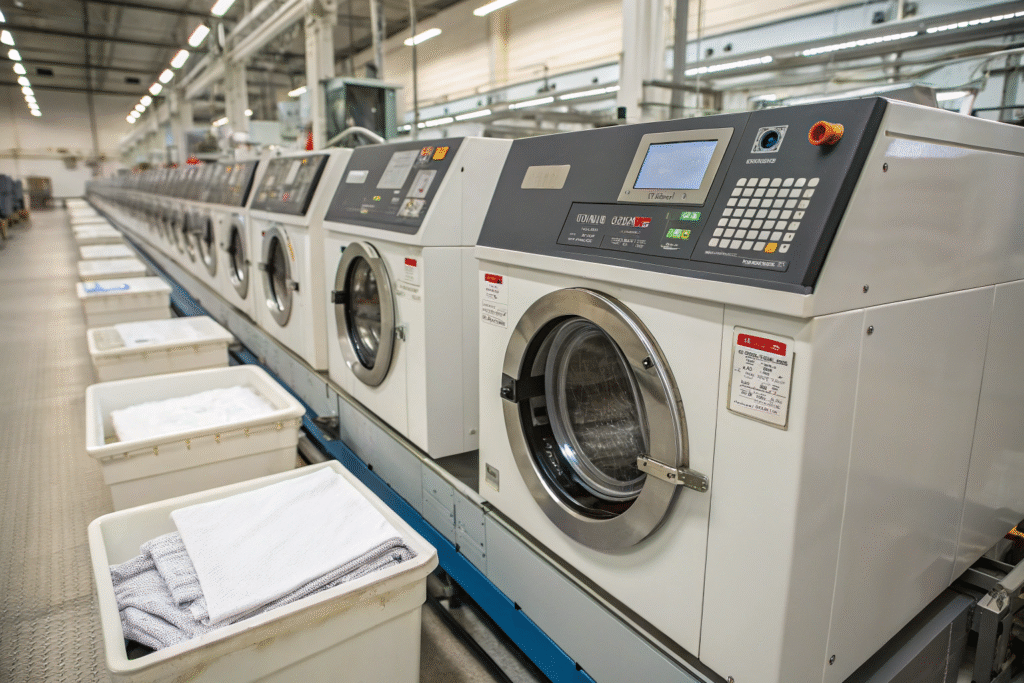
Washing represents both a risk and opportunity in cashmere blend production. We use computer-controlled washing machines that maintain exact temperature, pH, and mechanical action settings proven to gently clean while enhancing fabric hand. Our washing formulas include fiber-protective lubricants that reduce friction and prevent felting, followed by pH-balanced rinsing that prepares fabrics for subsequent finishing. For blends including silk, we implement even gentler cycles that protect the delicate silk fibers. The result is scarves with improved drape, enhanced softness, and dimensional stability that prevents excessive shrinkage during consumer care. This scientific approach to washing has eliminated the shrinkage issues that traditionally plagued cashmere products.
What comprehensive inspection protocols catch defects?
Even with perfect materials and processes, final inspection remains essential for guaranteeing luxury quality. Cashmere blend scarves require specialized inspection methods that address their unique characteristics and high-quality expectations.
Multi-stage inspection combining measurement, visual assessment, and sensory evaluation ensures only flawless products reach customers.
How does detailed visual inspection identify flaws?
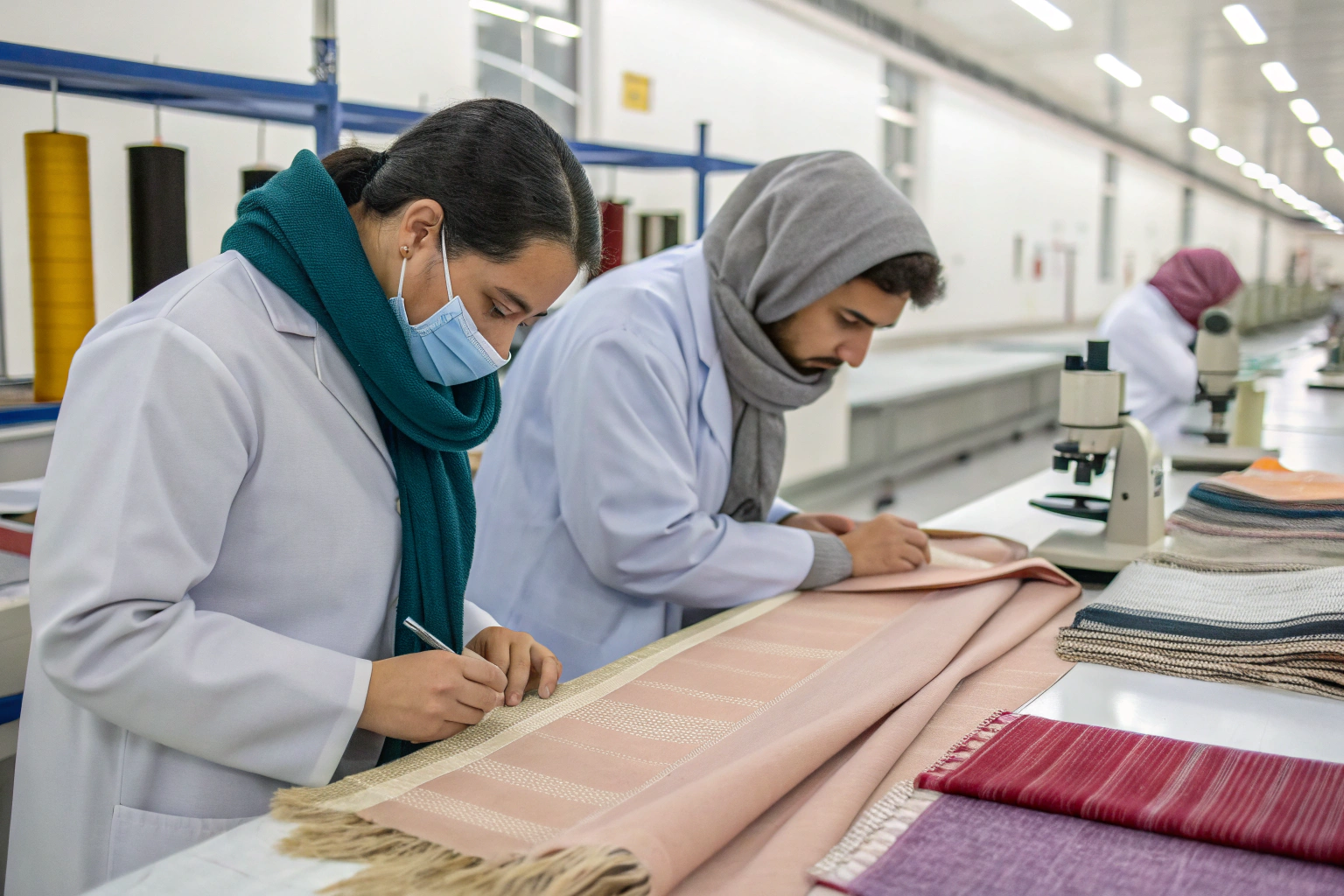
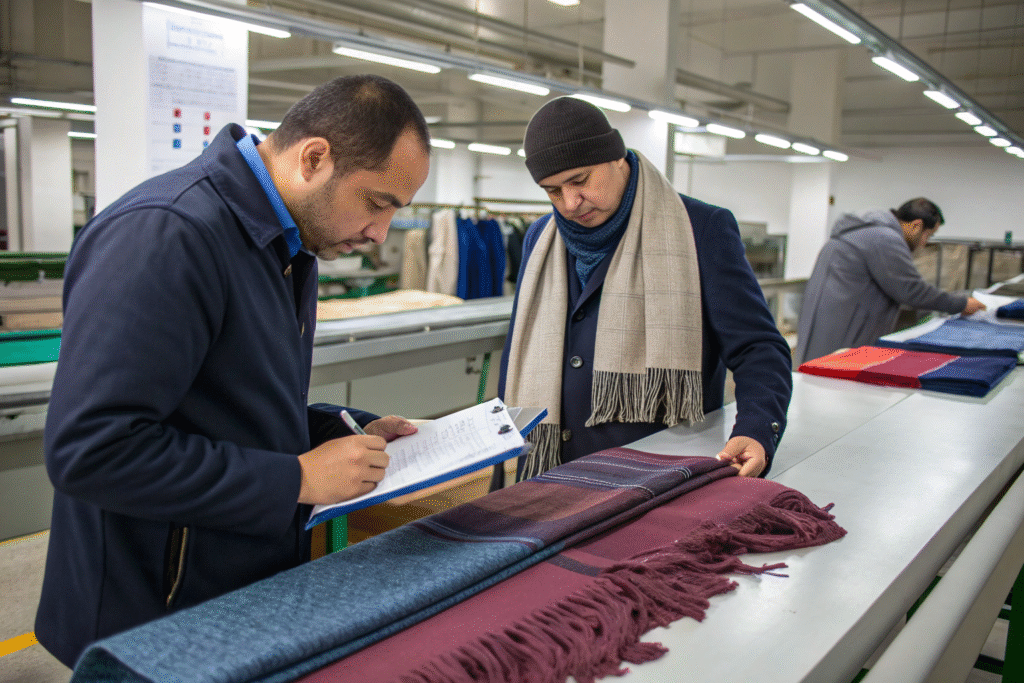
Cashmere’s luxurious appearance can be marred by subtle defects that might escape notice in ordinary textiles. Our inspectors examine scarves on illuminated inspection tables using both natural and standardized artificial lighting to reveal inconsistencies. Each scarf undergoes point-by-point review that checks for weaving/knitting defects, color variations, staining, and finishing imperfections. We’ve established defect classification standards specific to cashmere blends that distinguish between critical flaws (requiring rejection), major flaws (requiring repair if possible), and minor imperfections (within acceptable limits). This meticulous visual inspection, conducted by trained specialists, ensures the aesthetic perfection expected in luxury scarves.
How does tactile assessment verify hand-feel quality?
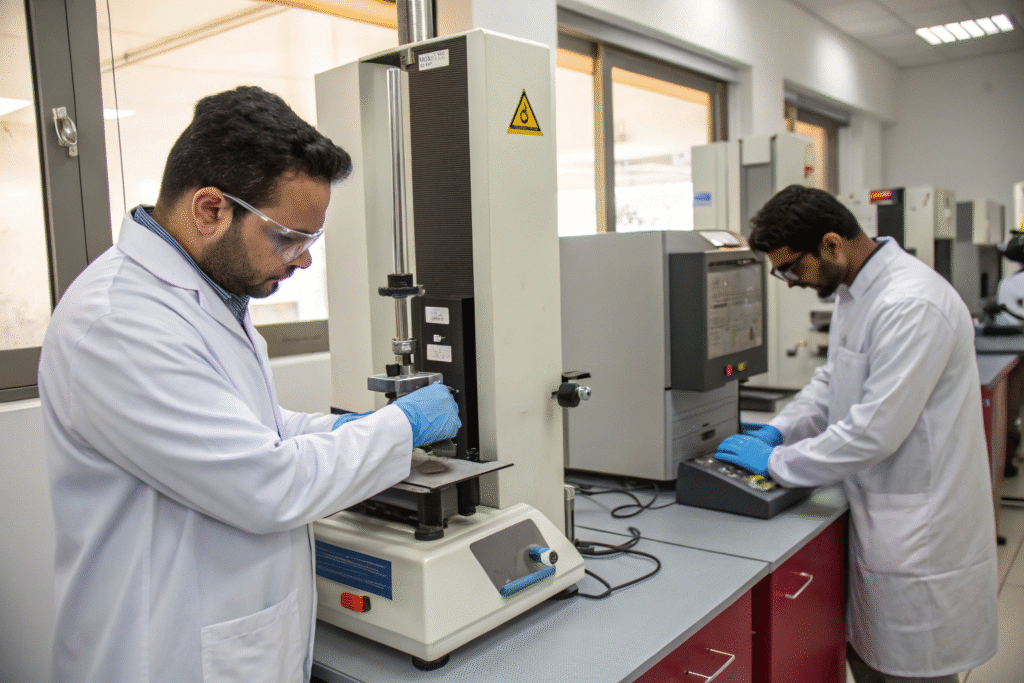
The legendary hand-feel of cashmere cannot be fully assessed through visual inspection alone. Our quality team includes tactile evaluation specialists who assess each scarf batch for softness, drape, and overall hand using standardized assessment protocols. These experts compare production samples against reference standards that exemplify ideal hand-feel characteristics. Additionally, we use instrumental testing including drape coefficient measurement and softness analyzers to provide objective data supporting sensory evaluations. This combination of human expertise and technical measurement guarantees the sublime tactile experience that justifies the premium positioning of cashmere blend scarves.
Conclusion
Controlling cashmere blend scarf quality requires a comprehensive system that addresses unique material characteristics through specialized processes from fiber selection to final inspection. The most successful quality programs combine scientific measurement with sensory evaluation, ensuring both technical compliance and luxurious consumer experience. Companies that implement these rigorous quality controls build reputations for excellence that justify premium pricing and foster brand loyalty in the competitive luxury accessories market.
If you’re looking to ensure exceptional quality in your cashmere blend scarf collections, we invite you to contact our Business Director, Elaine. Our specialized expertise in luxury textile manufacturing and quality control can help you achieve the consistent excellence that discerning customers expect. Reach her at: elaine@fumaoclothing.com.