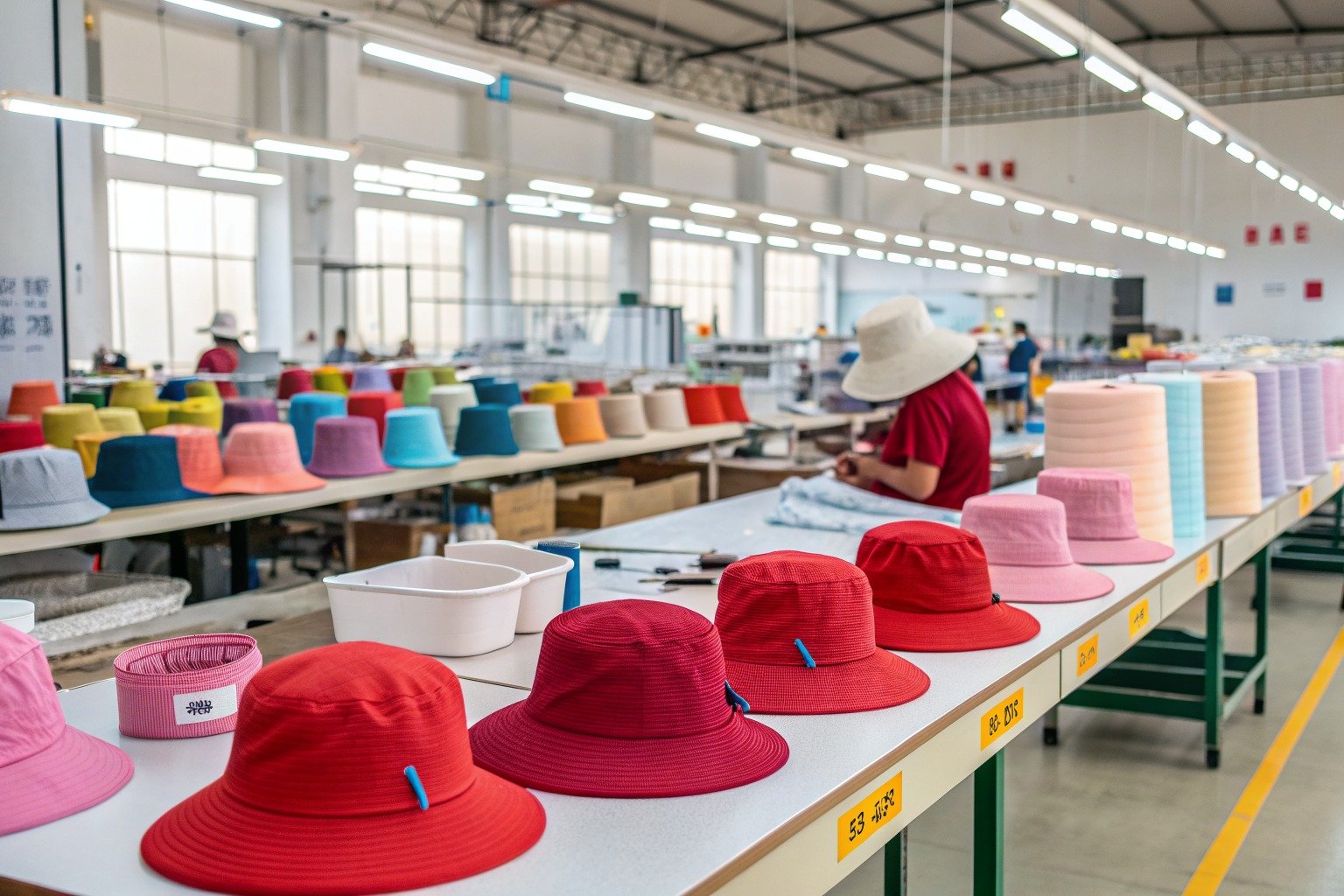
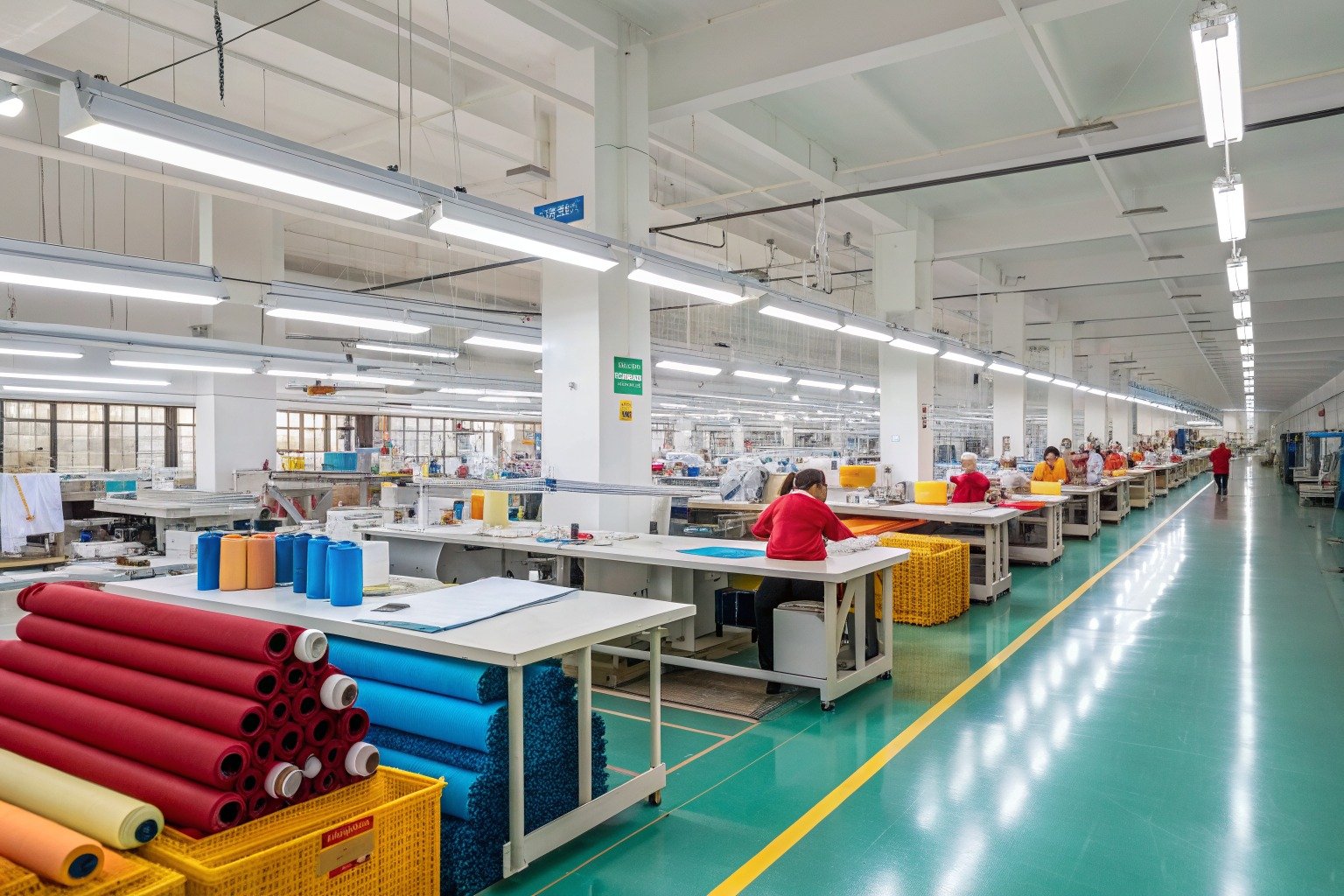
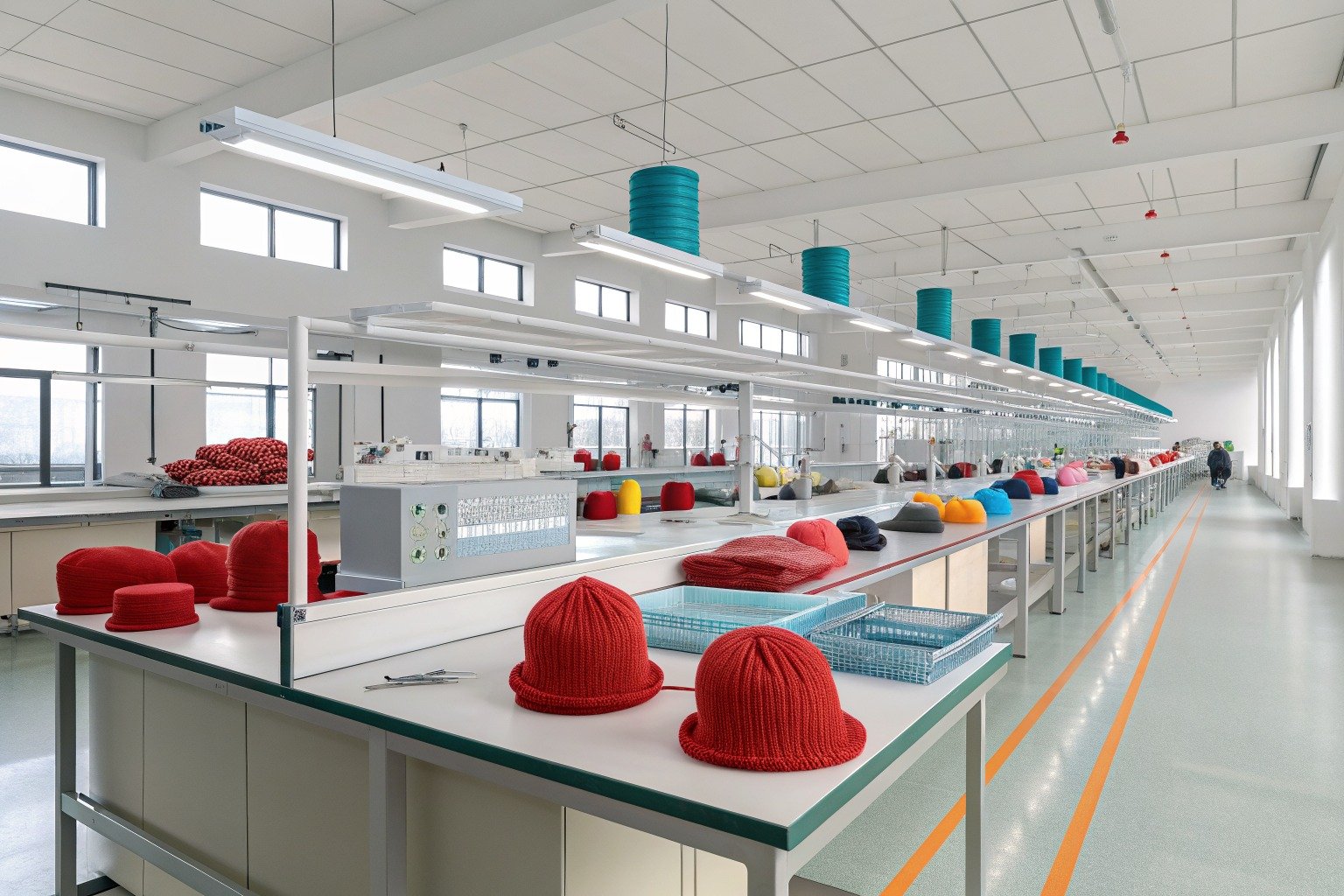
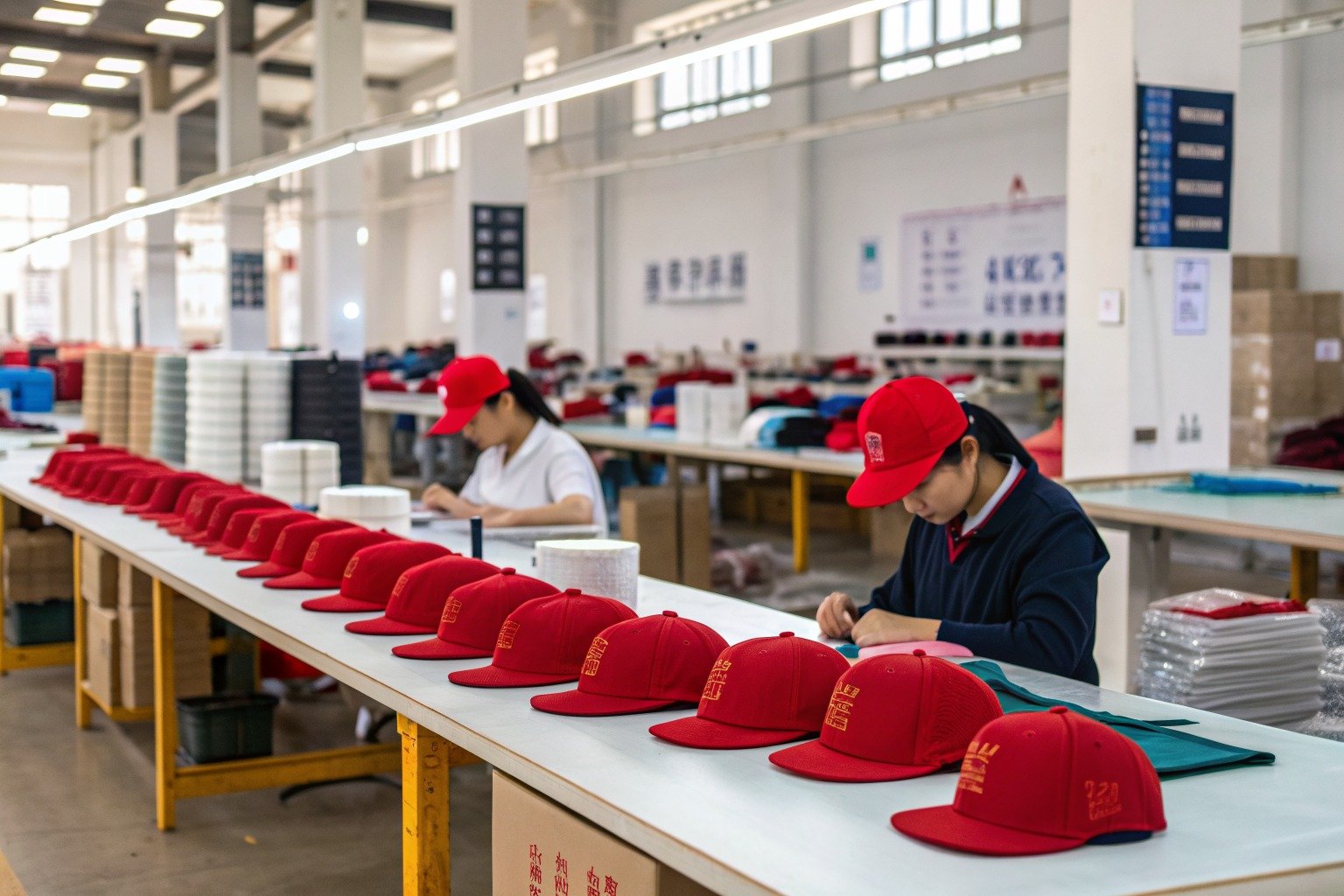
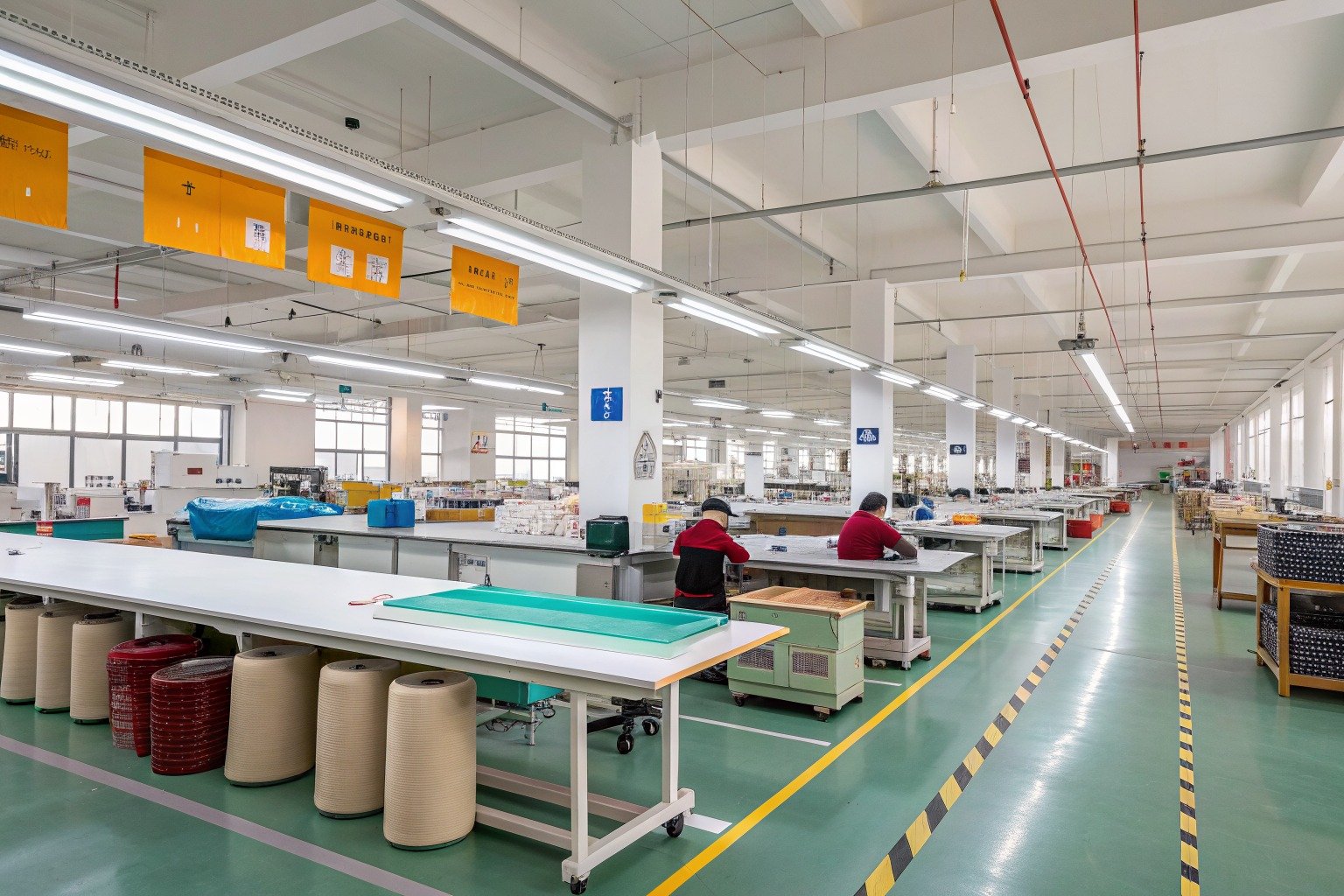
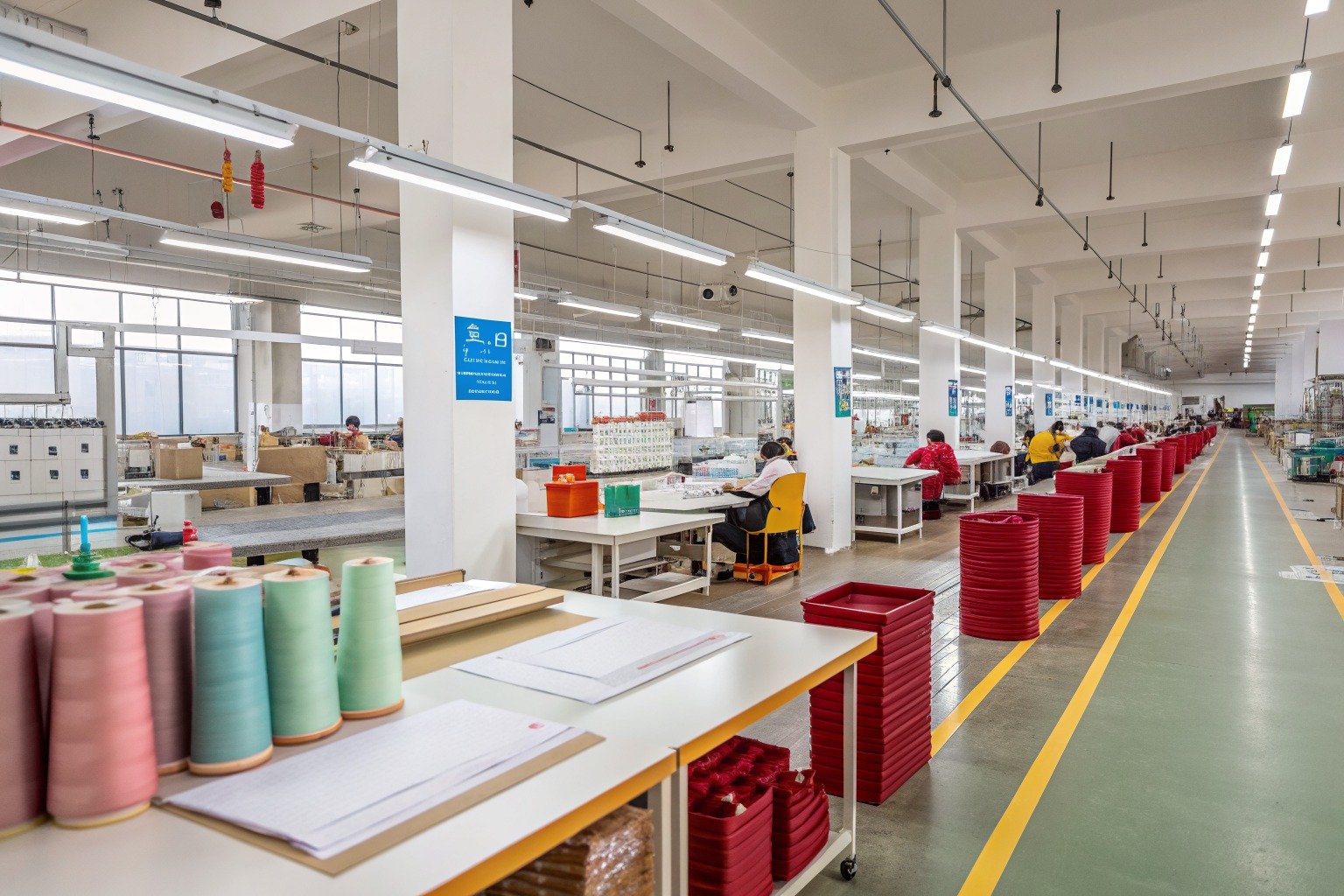
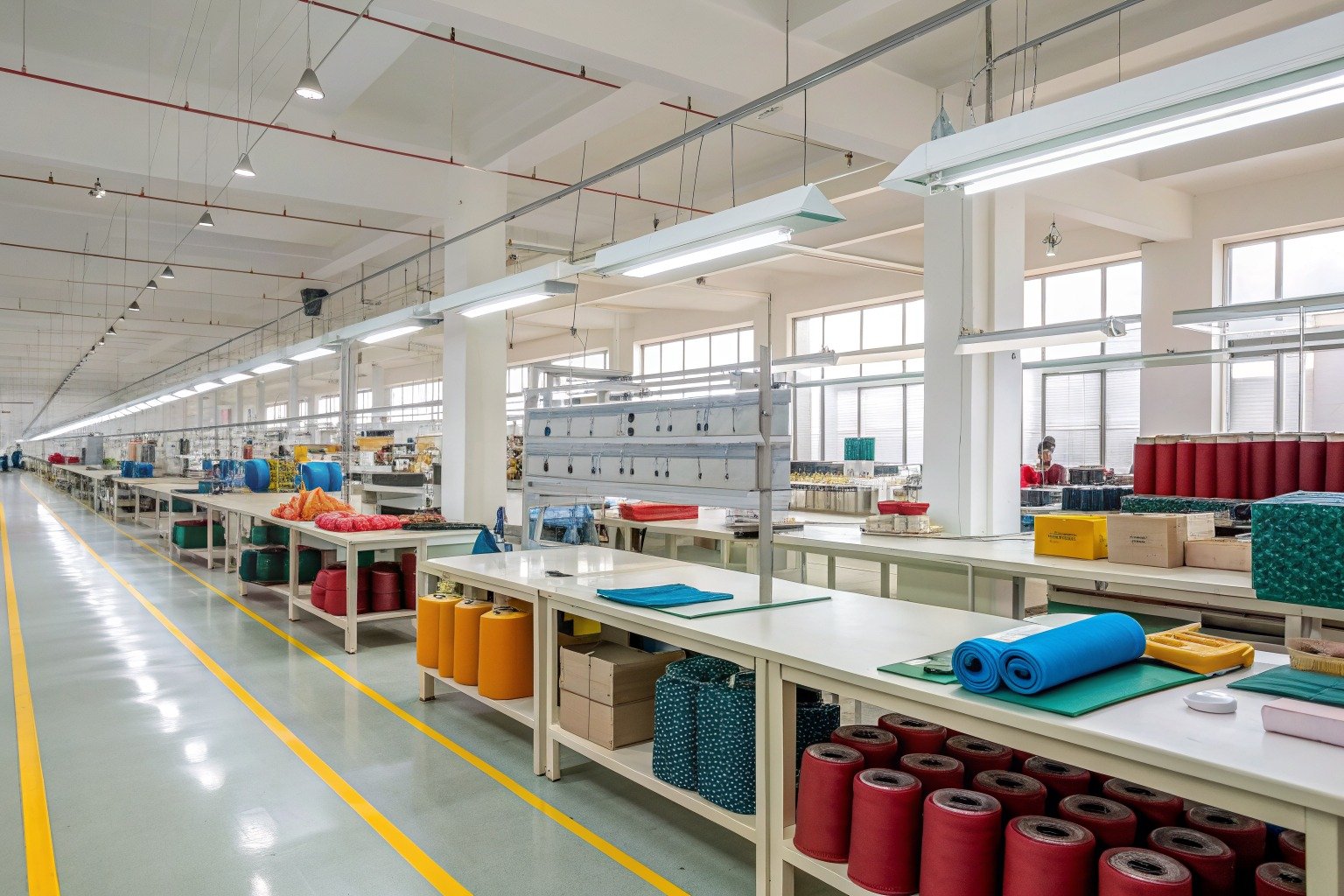
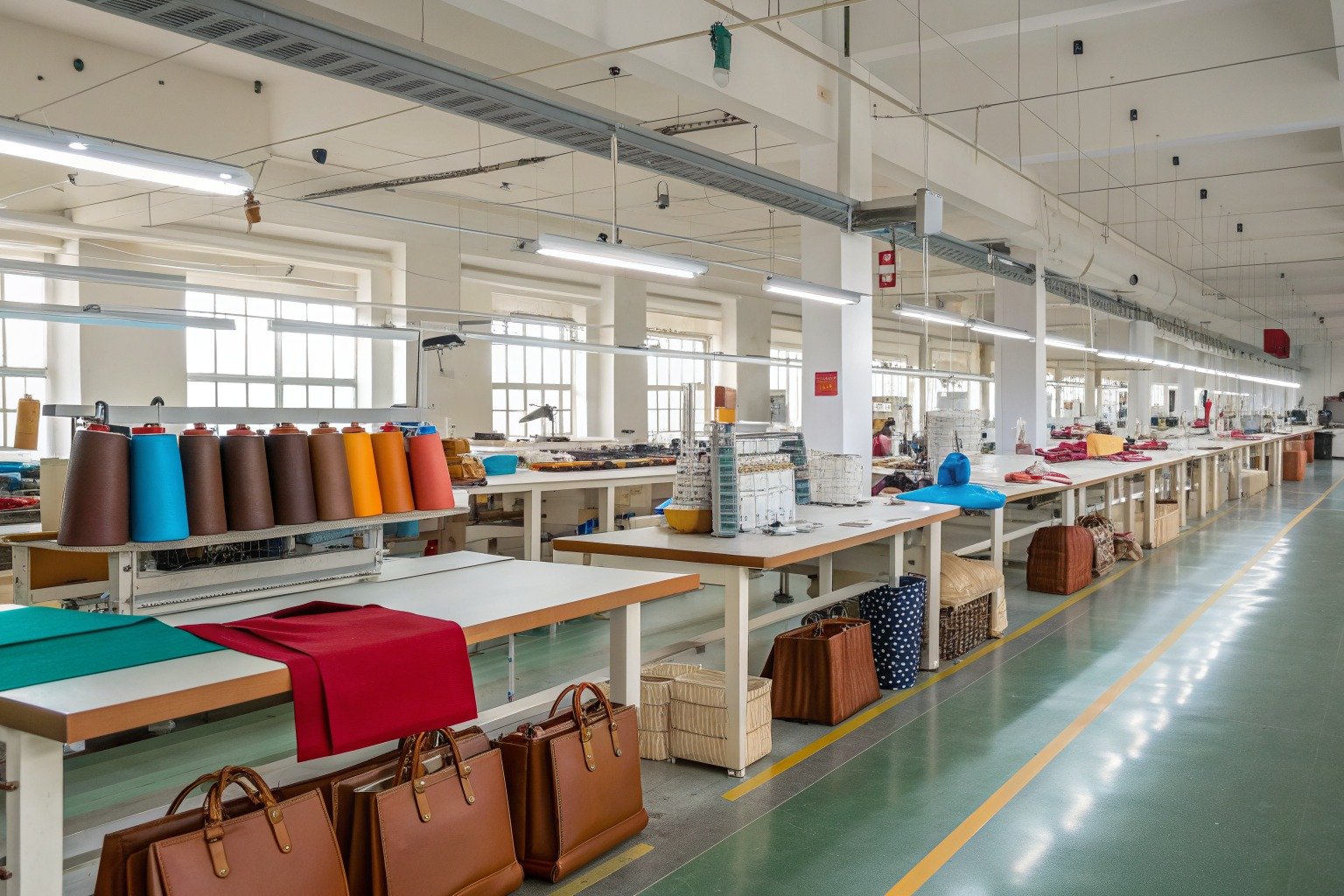
Recycled fabric tote bag manufacturing faces unique efficiency challenges, including material inconsistency, specialized processing requirements, and complex sustainability documentation. Traditional production methods often struggle with these variables, resulting in longer lead times and higher costs compared to conventional bag production. Through our dedicated focus on sustainable manufacturing, we’ve developed systematic approaches that significantly improve efficiency while maintaining environmental integrity.
Improving recycled fabric tote bag production efficiency requires optimizing material handling, streamlining manufacturing processes, implementing smart technology solutions, and establishing circular workflow systems that address the specific challenges of working with reclaimed materials.This integrated approach transforms potential obstacles into opportunities for innovative efficiency gains.
Efficiency improvement in recycled fabric production isn’t about cutting corners—it’s about working smarter throughout the entire manufacturing ecosystem. Let’s examine the specific strategies that can accelerate your sustainable tote bag production while enhancing quality and reducing costs.
How can material management enhance production efficiency?
Recycled fabrics present unique handling challenges that differ from virgin materials, requiring specialized approaches to prevent bottlenecks and quality issues. Efficient material management transforms these potential obstacles into smooth workflow components.
Strategic material handling addresses the variability of recycled fabrics while maintaining production velocity and minimizing waste throughout the manufacturing process.
What preprocessing standardization improves consistency?
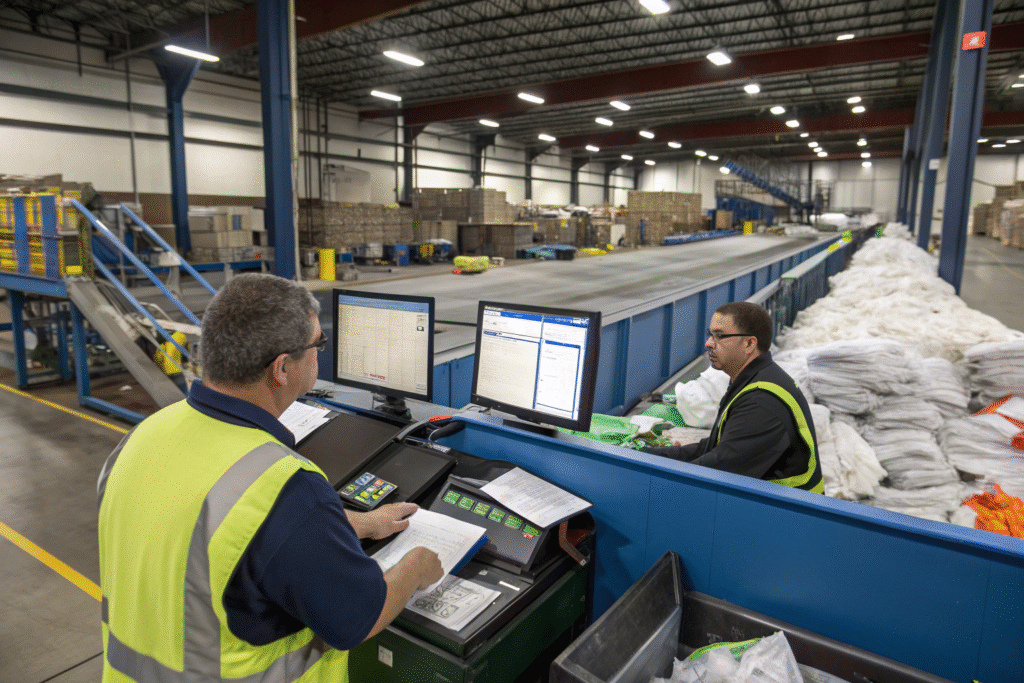
Recycled fabrics often arrive with inconsistent characteristics that can disrupt production flow. We’ve implemented comprehensive preprocessing protocols that transform variable incoming materials into standardized production-ready resources. This includes automated sorting systems that categorize fabrics by weight, stretch properties, and thickness before cutting. We’ve established fabric conditioning processes that normalize moisture content and relax tension variations, preventing dimensional changes during production. For critical efficiency, we’ve developed batch blending methods that combine materials from different sources to create consistent rolls with uniform characteristics. This preprocessing investment has reduced material-related production delays by 65% while improving final product consistency.
How does smart inventory management reduce downtime?
Material availability directly impacts production efficiency, particularly with recycled fabrics that may have limited or irregular supply. We’ve implemented predictive inventory systems that analyze production schedules against material consumption rates to maintain optimal stock levels. The system automatically generates proactive replenishment orders when inventory approaches minimum thresholds, considering the longer lead times often associated with sourcing quality recycled materials. For our highest-volume tote bag styles, we maintain strategic safety stock of key recycled fabrics that have proven production reliability. This intelligent inventory approach has virtually eliminated production stoppages due to material shortages while minimizing capital tied up in excessive inventory.
What manufacturing process optimizations deliver time savings?
Traditional bag manufacturing processes often require modification when working with recycled fabrics to accommodate different handling characteristics and quality considerations. Streamlined processes specifically designed for reclaimed materials significantly improve throughput and reduce labor requirements.
Process optimization for recycled fabrics addresses their unique properties while maintaining high production speeds and quality standards.
How does specialized equipment configuration improve throughput?
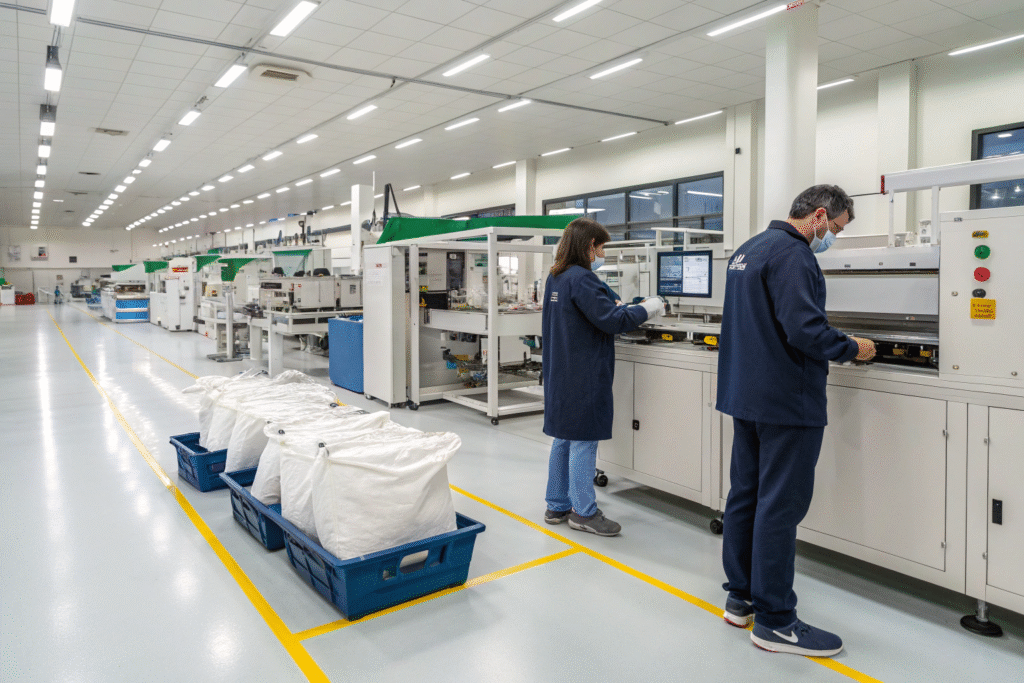
Standard sewing equipment often struggles with the varied thickness and texture of recycled fabrics. We’ve reconfigured our production lines with specialized needle systems that prevent fabric damage, adjusted presser foot pressures that accommodate material variations, and modified feed mechanisms that handle different surface textures without jamming. For cutting operations, we use ultrasonic cutting technology for synthetic recycled fabrics that seals edges during cutting, eliminating subsequent hemming operations for certain bag styles. These equipment optimizations have increased our production speed by 30% while reducing material waste and equipment downtime caused by fabric handling issues.
What workflow redesign reduces handling time?
Inefficient workflow layouts create unnecessary movement and handling that slow production. We’ve redesigned our production floors using cellular manufacturing principles that organize all required equipment and materials within compact work cells dedicated to specific tote bag models. This layout minimizes material movement between operations and reduces non-value-added walking time. We’ve implemented kanban replenishment systems that ensure materials flow to production cells precisely when needed without excessive handling. For high-volume styles, we’ve established U-shaped production lines that allow operators to handle multiple sequential operations without repositioning. These workflow improvements have reduced total manufacturing time per tote bag by 45% while decreasing physical strain on operators.
How can technology integration accelerate production?
Digital technologies offer powerful tools for improving efficiency in recycled fabric manufacturing, where traditional methods often struggle with variability and documentation requirements. Strategic technology implementation transforms production from artisanal to precision manufacturing.
Smart technology solutions address both the physical production challenges and the administrative burdens associated with sustainable manufacturing.
How does automated cutting optimization reduce waste?
Material utilization significantly impacts both efficiency and sustainability in recycled fabric production. We’ve implemented AI-powered nesting software that calculates optimal cutting patterns to maximize material usage from each fabric roll. The system considers the unique characteristics of recycled fabrics, including pattern repeats, directional properties, and any inherent imperfections that need avoidance. This automated approach has increased our material utilization rate to 92% compared to 75-80% with manual layout methods. The reduction in waste not only supports sustainability goals but also decreases material costs and handling time associated with remnant management. Additionally, the system automatically generates cutting instructions that guide operators through the most efficient sequence, further reducing processing time.
How do digital monitoring systems prevent bottlenecks?
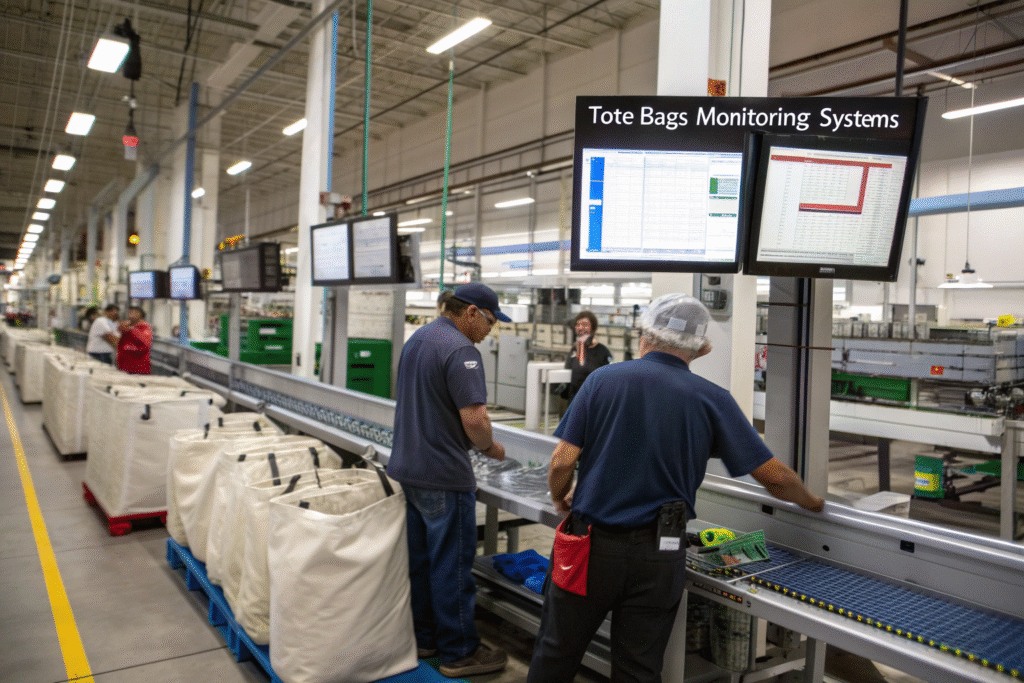
Production bottlenecks often go undetected until they cause significant delays. Our real-time production monitoring systems track each tote bag through every manufacturing stage, identifying slowdowns as they develop. The system alerts supervisors when operations exceed standard time allowances, enabling immediate intervention before backups occur. For quality control, we use computer vision inspection that checks critical construction points like stitch quality, handle attachment, and seam consistency at production speed. This automated inspection has reduced our quality control time by 80% while improving defect detection rates. The combination of production flow monitoring and automated quality verification has created a manufacturing environment that virtually self-optimizes in response to changing conditions.
How does sustainable documentation efficiency impact production?
Recycled fabric tote bags require extensive documentation to verify sustainability claims, creating administrative burdens that can slow production if not efficiently managed. Streamlined documentation processes ensure compliance without compromising manufacturing velocity.
Efficient sustainability management transforms necessary documentation from a production obstacle into a seamless component of the manufacturing workflow.
How integrated tracking systems simplify certification?
Sustainability certifications require detailed chain-of-custody documentation that traditionally involves manual record-keeping. We’ve implemented blockchain-based tracking systems that automatically record material provenance, manufacturing processes, and quality verification at each production stage. This system generates automated certification documentation that satisfies requirements for standards like Global Recycled Standard (GRS) and Recycled Claim Standard (RCS). The automated approach has reduced our certification-related administrative time by 75% while providing more reliable and verifiable documentation. For our clients, this means faster access to certified products with complete transparency that supports their sustainability marketing claims.
What streamlined communication protocols accelerate decision-making?
Sustainable manufacturing often requires more stakeholder approvals and documentation reviews than conventional production. We’ve established digital approval workflows that route decisions automatically to the appropriate parties with clear deadlines and escalation protocols. The system maintains centralized documentation repositories where all sustainability records, quality certifications, and production specifications are instantly accessible to authorized team members. This has eliminated the delays previously caused by searching for documents or waiting for manual approvals. For custom tote bag projects, clients can monitor production progress and review documentation through a secure customer portal that provides real-time visibility without requiring manual status updates from our team.

Conclusion
Improving recycled fabric tote bag production efficiency requires addressing both the physical manufacturing challenges and the administrative requirements unique to sustainable production. The most successful efficiency programs integrate material management, process optimization, technology implementation, and documentation streamlining into a cohesive system that respects environmental values while achieving commercial competitiveness. Companies that master this balance position themselves as leaders in the growing sustainable accessories market while operating with efficiency that supports healthy profit margins.
If you’re looking to enhance your recycled fabric tote bag production efficiency while maintaining your sustainability commitments, we invite you to contact our Business Director, Elaine. Our specialized experience in sustainable manufacturing optimization can help you achieve both environmental and commercial objectives. Reach her at: elaine@fumaoclothing.com.