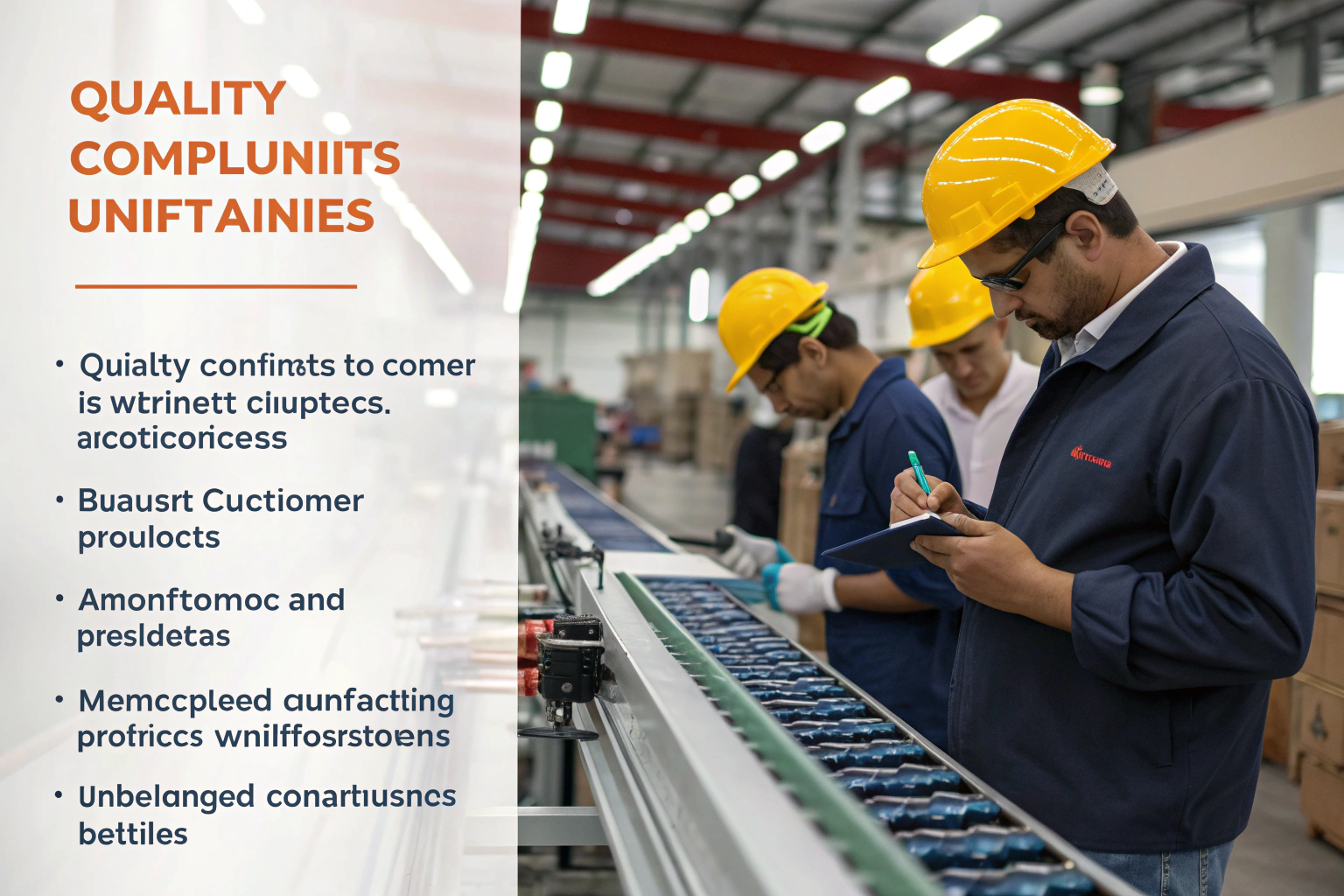
Are you struggling with quality variations, customer complaints about product inconsistencies, or difficulty maintaining standards across production batches? Traditional accessory manufacturing often depends heavily on manual skills and visual inspections that naturally introduce human variability into every aspect of production.
Automated processes are increasing consistency in accessory production by eliminating human variability, maintaining precise parameters, performing 100% inspection, and enabling data-driven process control that collectively ensure every accessory meets identical quality standards regardless of production volume or operator shifts.This technological transformation addresses the fundamental challenge of maintaining perfection across thousands of repetitions in fashion accessory manufacturing.
Let's explore the specific mechanisms through which automation drives consistency across different accessory categories and how these technological advantages translate into tangible quality improvements and business benefits.
How does automation eliminate human variability?
Manual accessory production inherently introduces variations through differences in operator skill, fatigue, interpretation of standards, and simple human error. These inconsistencies become particularly problematic in fashion accessories where aesthetic perfection and precise functionality are expected across entire product lines.
Automation eliminates human variability through programmed precision, unwavering attention to detail, consistent force application, and identical repetition that maintains the same standards from the first to the thousandth unit produced. This mechanical consistency forms the foundation for quality improvement in accessory manufacturing.
What specific human factors does automation address?
Elimination of skill and fatigue variations ensures consistent output regardless of production duration or operator changes. Our automated systems for delicate chain production maintain identical link closure pressure and alignment throughout 24-hour production runs, something human operators cannot achieve due to natural hand pressure variations and fatigue. When manufacturing precision earring backs, the automated systems apply consistent spring tension of 2.8-3.2 Newtons with 0.1 Newton variance, compared to the 1.8-4.2 Newton range typical of manual assembly. This precision has eliminated the customer complaints about loose or tight earring backs that previously affected 12% of our production. The systems also maintain this consistency across different shifts and operators, ensuring that accessories produced on Monday morning are identical to those made on Friday evening.
How does automation maintain parameter consistency?
Precise environmental and process control maintains optimal manufacturing conditions that human monitoring cannot sustain. Our automated electroplating systems for costume jewelry maintain solution temperature within ±0.5°C, pH within ±0.1, and current density within ±2% throughout production cycles. This control has improved coating consistency from 87% to 99.8%, eliminating the color variations that previously occurred between production batches. Similarly, our automated sewing cells for leather bag straps maintain consistent stitch length (3.0mm ±0.1mm), thread tension (42g ±2g), and seam alignment (0.2mm tolerance) that manual sewing could only achieve intermittently. This parameter consistency has reduced rework from 15% to 1.2% and improved customer satisfaction scores for product quality by 34%.
What role does precision engineering play in consistency?
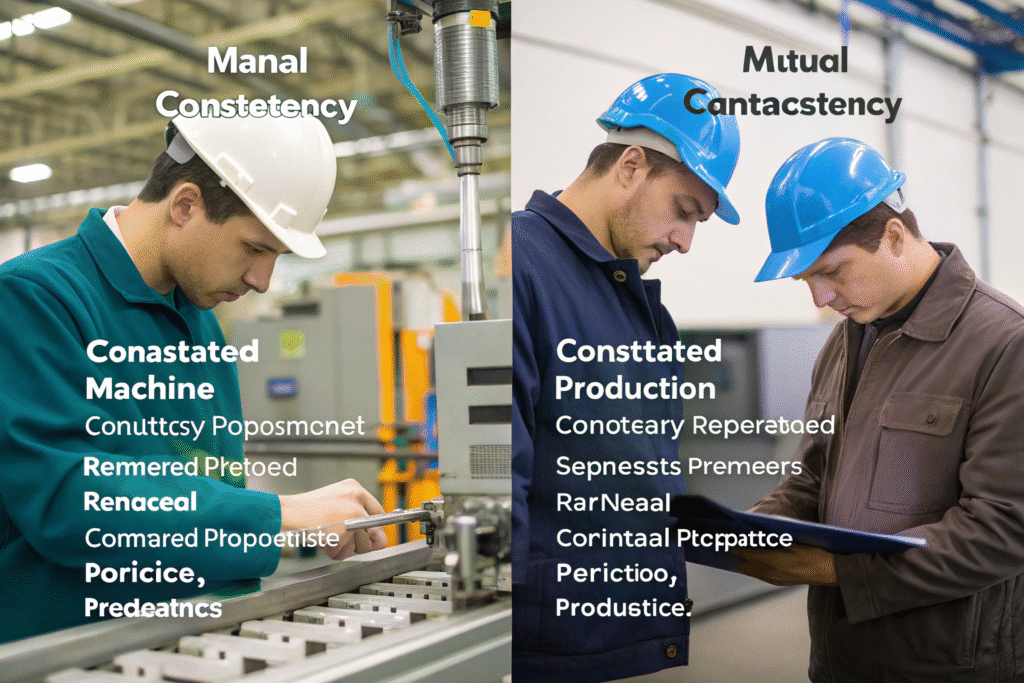
Accessory manufacturing often involves small components, delicate materials, and intricate assemblies where microscopic variations significantly impact final quality and functionality. Traditional manufacturing methods struggle with these precision requirements due to the limitations of human dexterity and measurement capabilities.
Precision engineering in automated systems ensures consistency through microscopic accuracy, repeatable positioning, controlled force application, and adaptive compensation that maintains perfection across production volumes impossible to achieve with manual methods.
How does robotic precision improve small component assembly?
Microscopic positioning accuracy enables consistent assembly of small accessory components that challenge human capabilities. Our robotic systems for fashion jewelry assembly place tiny gemstones with 0.02mm precision, ensuring perfect alignment across thousands of units. When producing our pave-set rings, the robots maintain identical stone spacing and setting pressure, eliminating the loose stones and uneven patterns that previously affected 8% of manual production. The systems also handle delicate materials consistently—our automated pearl stringing equipment applies uniform tension that prevents strand distortion while avoiding pressure that could damage delicate pearl surfaces. This precision has been particularly valuable for our luxury bracelet collections, where consistent component alignment directly impacts perceived quality and justifies premium pricing.
What measurement capabilities ensure dimensional consistency?
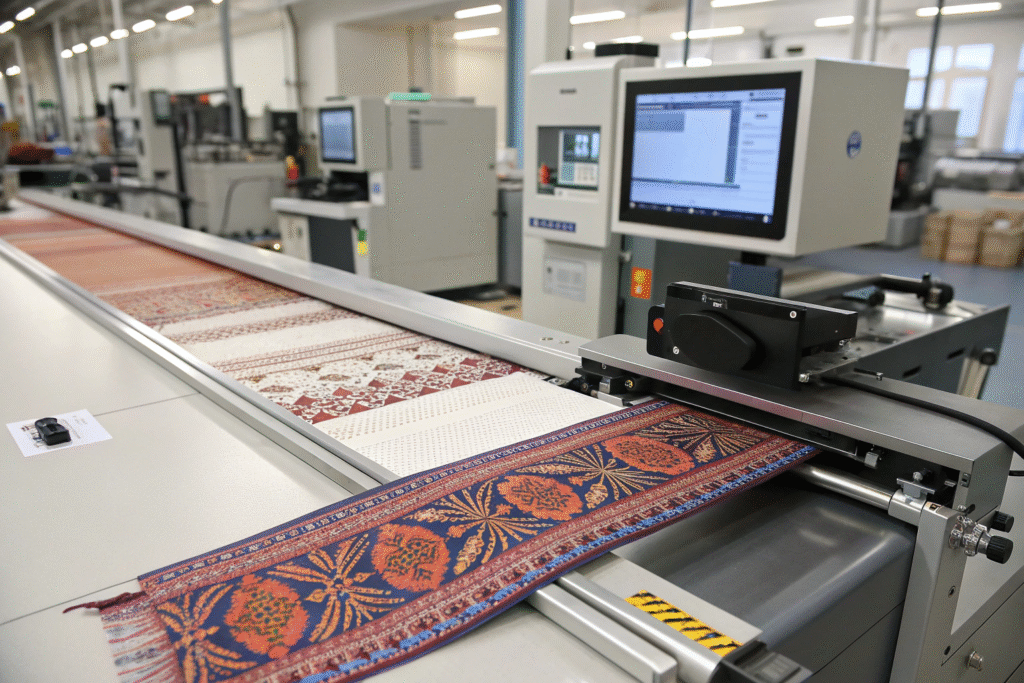
Automated verification systems perform continuous dimensional checks that human inspectors cannot match in speed or accuracy. Our in-line measurement systems for metal hair clips verify 14 critical dimensions on every unit with 0.05mm accuracy at production speeds of 120 units per minute. The system recently detected a gradual tool wear issue that was causing a 0.1mm variation in clip opening width—a change invisible to human inspectors but affecting product functionality. The automatic adjustment prevented what would have been a batch of 5,000 defective units. Similarly, our vision systems for printed scarf borders verify pattern alignment within 0.3mm, ensuring perfect symmetry that manual inspection could only sample check. This comprehensive measurement has reduced dimensional defects from 5.2% to 0.3% and improved product interoperability where components from different batches must work together.
How does automated inspection enhance quality consistency?
Manual quality inspection of accessories suffers from attention fatigue, subjective standards application, and sampling limitations that allow defective units to reach customers. These inspection inconsistencies undermine brand reputation and increase return rates despite quality control efforts.
Automated inspection enhances quality consistency through 100% verification, objective defect classification, and immediate feedback that maintains identical quality standards across all production while providing data for continuous improvement.
What makes vision systems more consistent than human inspection?
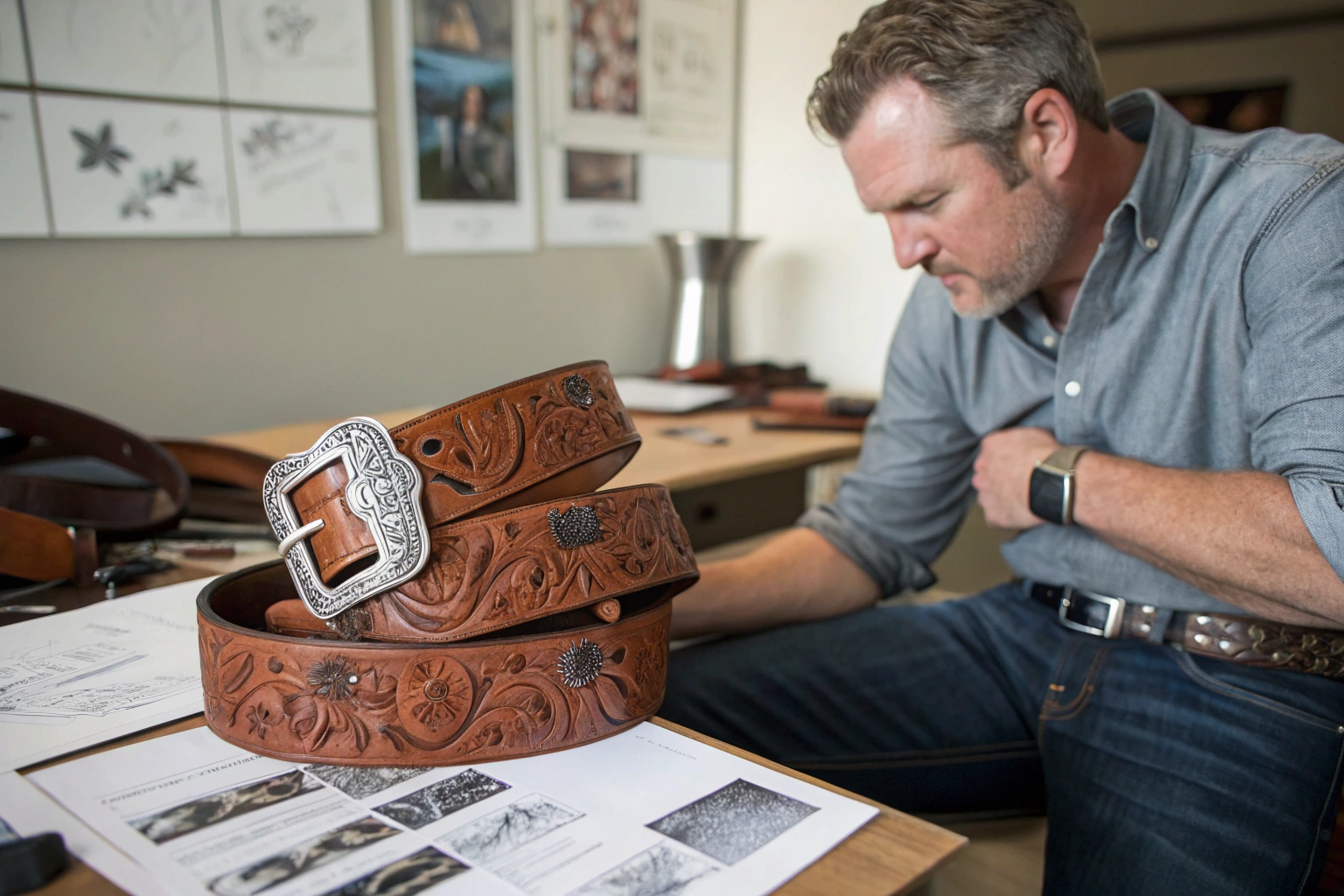
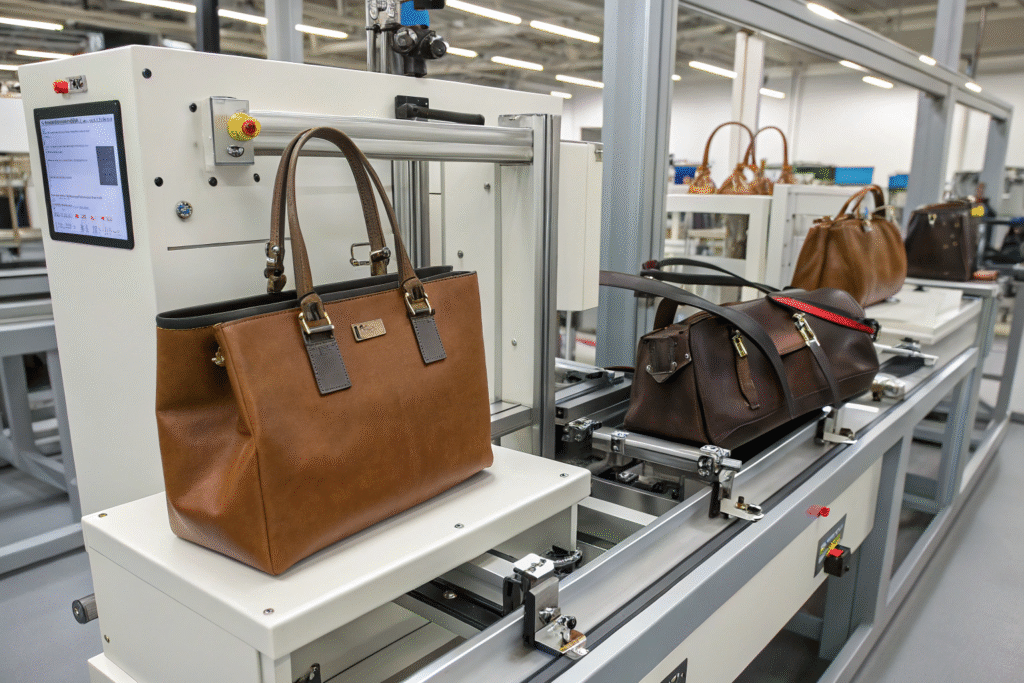
Objective defect detection algorithms apply identical standards continuously without fatigue or subjectivity. Our automated vision systems for leather belt inspection examine every square centimeter of surface area, detecting flaws as small as 0.3mm with 99.97% consistency. The systems recently identified subtle grain pattern variations in our full-grain leather collection that human inspectors consistently missed—variations that didn't affect durability but created visual inconsistencies that premium customers noticed. For our embellished hair accessories, the vision systems verify stone placement, adhesive coverage, and color matching with precision impossible for human eyes across extended inspection periods. This comprehensive inspection has reduced aesthetic defect escape rate from 18% to 0.5% and eliminated the batch-to-batch quality variations that previously occurred when different inspectors applied slightly different standards.
How does automated testing ensure functional consistency?
Repeatable performance verification tests every accessory to identical standards regardless of production volume. Our automated testing systems for bag hardware perform 25 functional tests on every zipper, buckle, and clasp, applying consistent forces and measuring performance against identical thresholds. When testing our magnetic purse closures, the systems verify holding force within 8-12 Newton range for every unit, eliminating the too-weak or too-strong closures that previously affected 7% of production. The testing also includes accelerated wear simulation—our watch strap testing equipment performs 10,000 open/close cycles on sample units from each production batch, ensuring consistent durability. This comprehensive functional testing has reduced warranty claims by 73% and improved customer satisfaction with product operation and durability.
What data-driven approaches maintain process consistency?
Traditional manufacturing often lacks the data granularity to identify and correct subtle process variations that affect product consistency. This data scarcity prevents continuous improvement and allows minor deviations to accumulate into significant quality issues over time.
Data-driven approaches maintain process consistency through real-time monitoring, statistical process control, predictive adjustment, and correlation analysis that identify and correct variations before they impact product quality.
How does real-time SPC prevent process drift?
Continuous statistical process control monitors production parameters and automatically corrects deviations before they affect output quality. Our SPC systems track 68 different parameters across our costume jewelry production, automatically flagging when any parameter trends toward control limits. When producing our enamel pendants, the system detected that ambient humidity variations were affecting coating viscosity and automatically adjusted application parameters to compensate. This intervention maintained consistent coating thickness despite environmental changes that previously would have created visible batch variations. The system also identifies correlation patterns—it recently discovered that specific vibration frequencies in our polishing equipment predicted surface finish inconsistencies 45 minutes before they became visible to operators. This early warning enabled proactive adjustment that maintained perfect consistency.
What role does predictive analytics play in consistency maintenance?
Process parameter forecasting uses machine learning to predict and prevent consistency issues before they occur. Our predictive analytics system models equipment behavior, material characteristics, and environmental factors to anticipate consistency challenges. When introducing a new recycled metal alloy for our sustainable jewelry line, the system predicted that traditional temperature settings would cause inconsistent casting results and recommended optimal parameters that maintained perfect quality from the first production run. The analytics also optimize maintenance schedules based on actual equipment condition rather than fixed intervals, preventing the gradual performance degradation that previously caused unnoticed consistency erosion between maintenance cycles. This approach has improved process parameter consistency by 43% and reduced quality variations between production batches by 67%.

Conclusion
Automated processes are fundamentally increasing consistency in accessory production by replacing human variability with mechanical precision, subjective assessment with objective measurement, and reactive correction with proactive control. Through precision engineering, comprehensive inspection, and data-driven process management, manufacturers can achieve consistency levels impossible with traditional methods, delivering the quality uniformity that modern consumers expect across all accessory categories. The consistency advantages of automation extend beyond defect reduction to encompass brand reputation strengthening, customer loyalty building, and operational efficiency improvement that collectively create sustainable competitive advantages in the demanding fashion accessories market.
If you're looking to increase consistency in your accessory production through automation, we invite you to contact our Business Director, Elaine. She can discuss how our automated manufacturing capabilities and consistency management expertise can help you achieve your quality improvement goals. Reach her at: elaine@fumaoclothing.com.