The creation of fashion accessories involves a fascinating journey from initial concept to finished product, combining traditional craftsmanship with modern manufacturing technologies. At AceAccessory, we’ve refined this process over years of producing accessories for global brands, developing systems that ensure quality, efficiency, and scalability.
The process of making fashion accessories in factories involves design conceptualization, material sourcing, prototyping, production planning, manufacturing, quality control, and final packaging—each stage requiring specialized expertise and careful coordination to transform creative visions into market-ready products.
Understanding this complete manufacturing journey helps brands make informed decisions and appreciate the complexity behind even seemingly simple accessories. Let’s explore each stage of the factory production process.
How does the design and development phase work?
The journey of any accessory begins long before manufacturing starts, with a crucial development phase that transforms creative concepts into producible designs.
The design and development phase involves trend research, concept creation, technical specification, and sample development that bridge the gap between creative vision and manufacturing reality.
What happens during trend research and concept development?
Market intelligence gathering forms the foundation of successful accessory development. Our design team continuously monitors global fashion trends, consumer behavior shifts, and emerging materials through trade shows, trend forecasting services, and social media analysis. This research informs initial concept boards that explore color palettes, material options, and style directions for upcoming seasons. For hair accessories, this might mean identifying the resurgence of 90s styles; for bags, it could involve recognizing new functional requirements for tech integration. This strategic approach ensures the accessories we develop have market relevance beyond mere aesthetic appeal.
How are designs translated into technical specifications?
Technical package creation transforms artistic concepts into manufacturing instructions. This comprehensive document includes detailed drawings, material specifications, color standards, hardware requirements, and quality benchmarks for each accessory. Our technical designers specify everything from the exact metal alloy for jewelry findings to the stitch density for fabric accessories, ensuring consistent production regardless of when or by which team members manufacturing occurs. This meticulous documentation phase typically takes 3-5 days per design but prevents costly errors and revisions during mass production.

What occurs during material preparation and sourcing?
Once designs are finalized, the focus shifts to procuring and preparing the raw materials that will become the finished accessories through the manufacturing process.
Material preparation involves supplier selection, raw material procurement, quality verification, and preparation processes that transform bulk materials into production-ready components.
How are materials selected and tested?
Comprehensive material evaluation ensures both aesthetic qualities and performance characteristics meet design requirements and safety standards. We conduct rigorous testing on all incoming materials—checking fabric colorfastness, metal tarnishing resistance, plastic durability, and compliance with international safety standards. Our quality team rejects approximately 8% of material shipments that fail to meet specifications, maintaining consistent input quality that directly impacts final product excellence. This diligent approach has significantly reduced manufacturing defects and customer returns for our clients across all accessory categories.
What material transformation occurs before production?
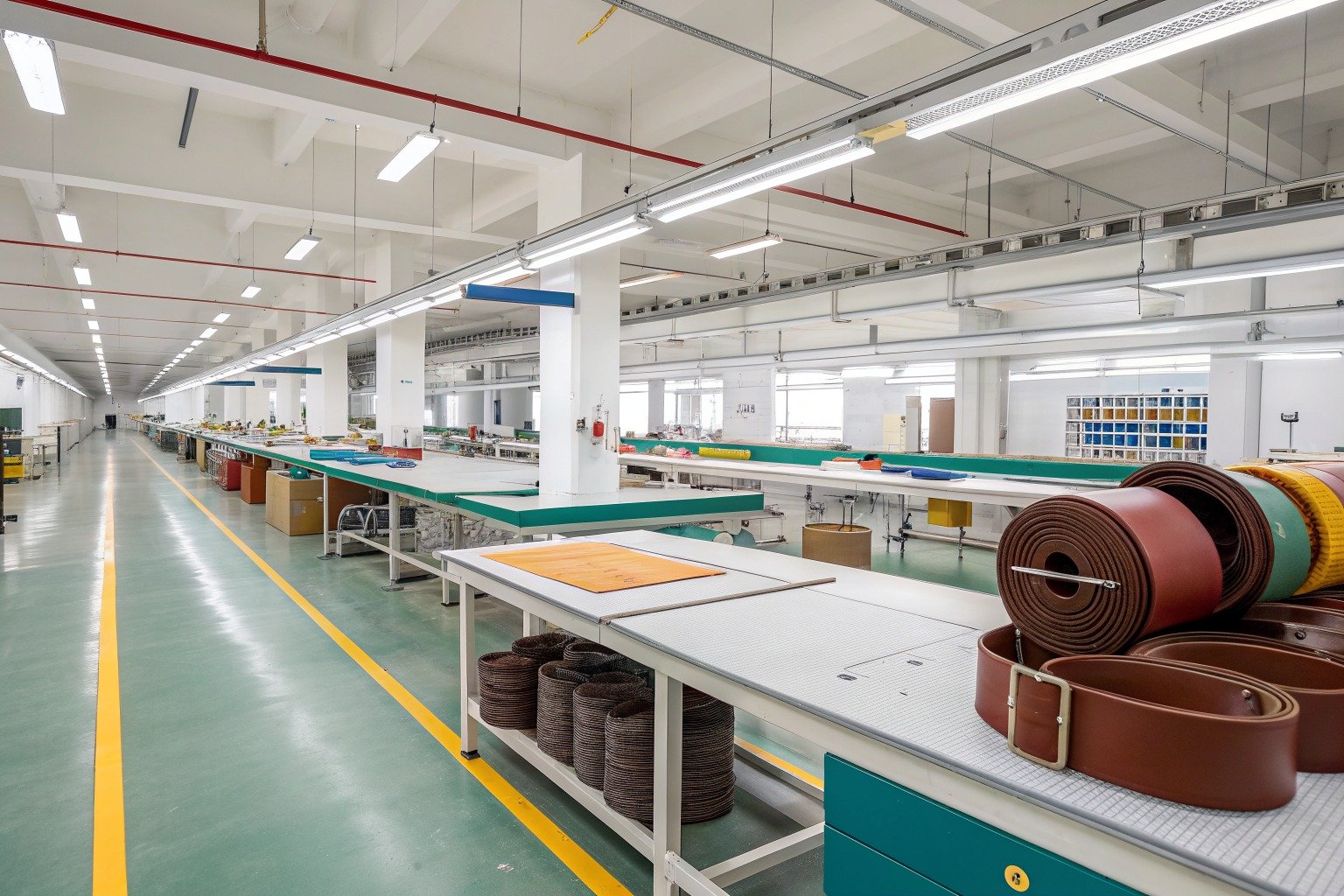
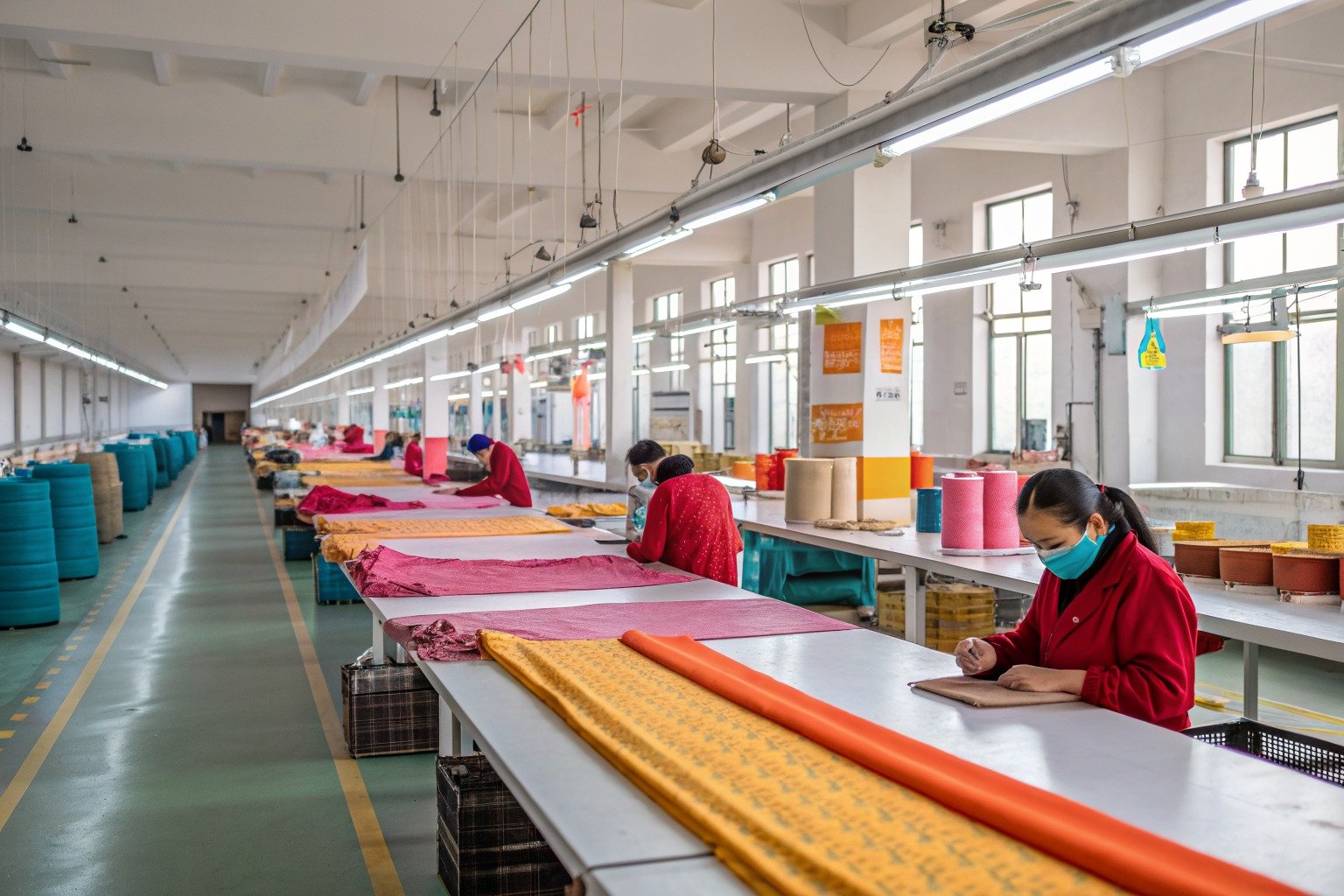
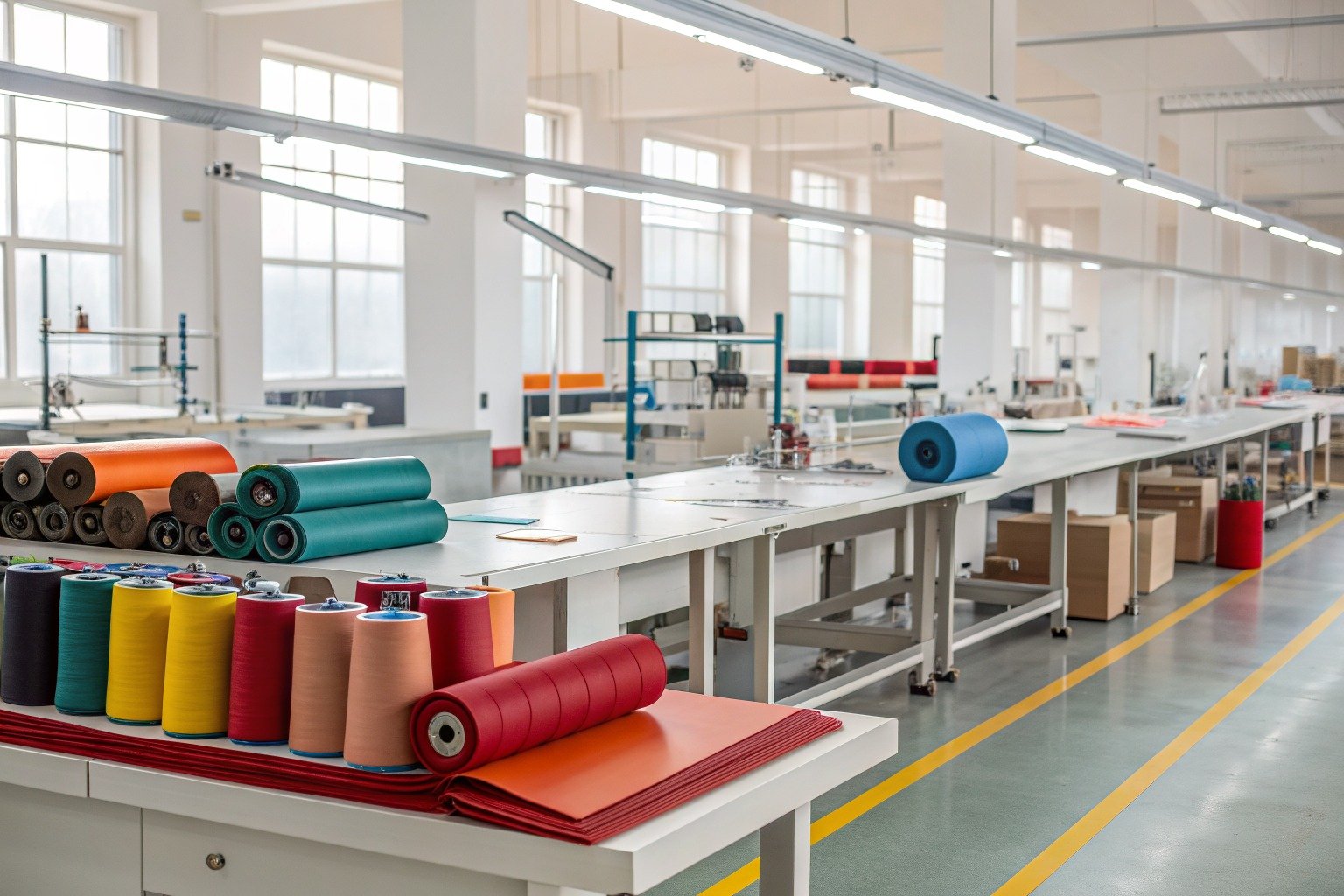
Component preparation converts raw materials into forms ready for assembly. This might involve cutting fabric into specific patterns for bags and scarves, stamping metal blanks for jewelry findings, or injection molding plastic components for hair accessories. Our automated cutting machines optimize material usage, reducing waste by up to 25% compared to manual cutting methods. For metal components, we operate in-house plating facilities that apply consistent finishes in gold, silver, rose gold, and gunmetal options. This vertical integration of preparatory processes gives us greater control over timing and quality compared to relying on external suppliers for component preparation.

How does the manufacturing and assembly process work?
The core production phase transforms prepared materials into finished accessories through a coordinated sequence of manufacturing operations tailored to each product type.
Manufacturing and assembly involves multiple specialized processes including forming, joining, finishing, and assembly operations that vary significantly across different accessory categories.
What are the key manufacturing techniques for different accessories?
Category-specific production methods address the unique requirements of each accessory type. The table below outlines primary manufacturing approaches for major accessory categories:
| Accessory Category | Primary Techniques | Special Considerations |
|---|---|---|
| Metal Jewelry | Casting, stamping, soldering, polishing | Surface finishing consistency, clasp functionality |
| Hair Accessories | Injection molding, assembly, heat setting | Spring tension, grip strength, surface smoothness |
| Bags & Purses | Cutting, stitching, hardware attachment | Seam strength, alignment precision, hardware durability |
| Belts | Cutting, edging, hole punching, buckle attachment | Leather/fabric grading, hole reinforcement, buckle security |
| Scarves | Cutting, hemming, printing/embellishment | Fabric alignment, hem consistency, pattern matching |
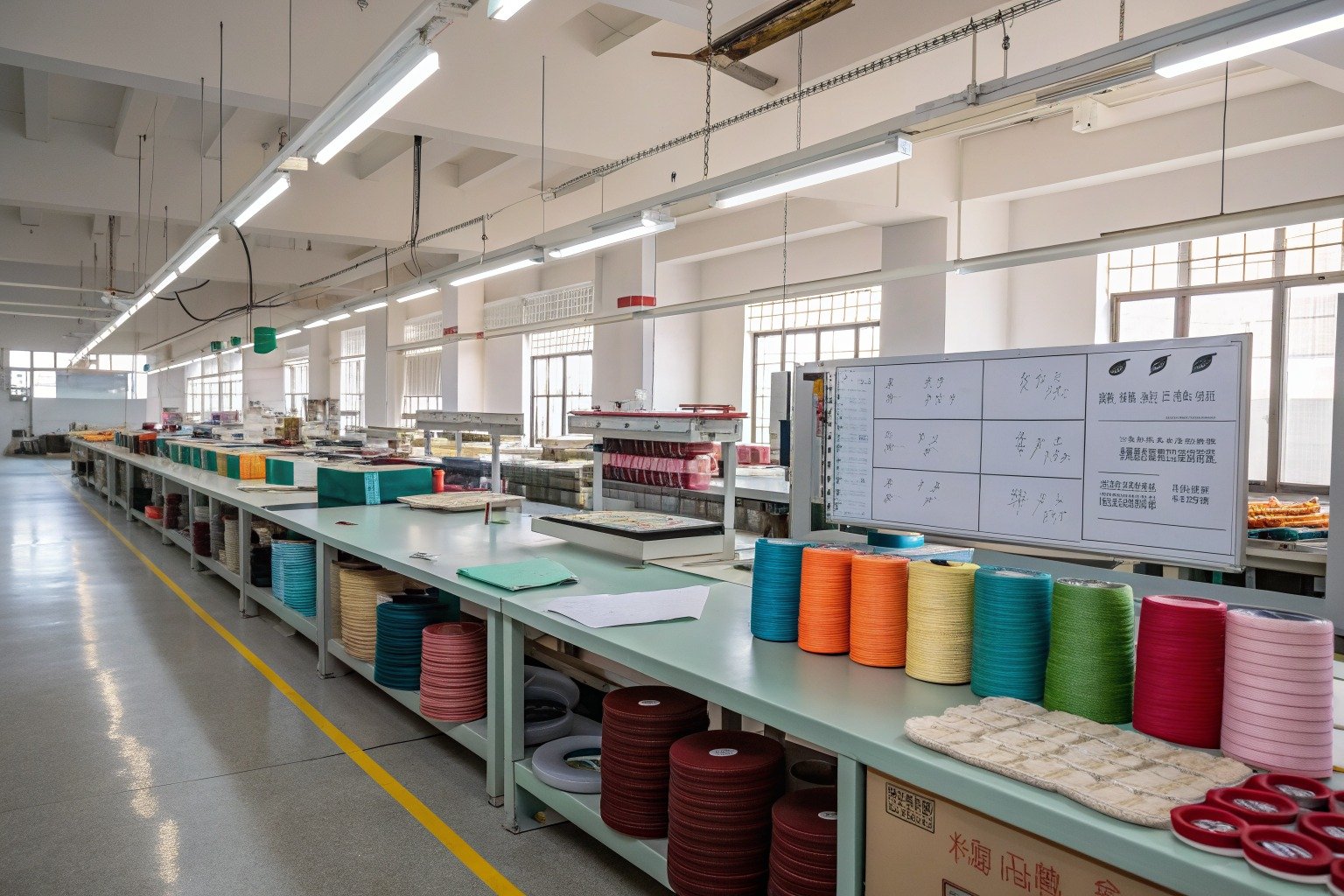
Our production lines are organized by accessory type, with team members specializing in specific manufacturing techniques to maximize efficiency and quality.
How is quality maintained during assembly?
In-process quality control occurs at multiple checkpoints throughout manufacturing rather than only at the end of production. Each workstation includes quality standards and measurement tools that enable operators to verify their own work before passing items to the next stage. For example, hair clip assembly stations have tension gauges to ensure proper spring resistance, while jewelry stations include magnifiers for detailed inspection of small components. This distributed quality approach catches issues immediately, when they’re easiest and least expensive to correct, rather than discovering problems in finished products.

What happens during finishing and quality assurance?
The final manufacturing stages focus on refining appearance and ensuring products meet all quality standards before reaching customers.
Finishing and quality assurance involves surface treatments, final inspections, functional testing, and certification processes that validate product quality and compliance.
What finishing techniques enhance accessory appearance?
Surface enhancement processes elevate accessories from basic constructions to refined products. These techniques include polishing metal components to achieve specific luster levels, applying protective coatings to prevent tarnishing, steaming fabric items to remove wrinkles and set shapes, and laser-engraving logos or decorative patterns. Our finishing department operates as the bridge between manufacturing and presentation, adding those final touches that transform components into commercially viable accessories. The specific finishing approaches vary significantly based on material and price point, from basic functional finishes to luxury-level hand-polishing for high-end collections.
How comprehensive is the final quality control process?
Multi-layered inspection protocols ensure only products meeting all specifications proceed to packaging. Our quality control system includes:
- Visual inspection for surface defects, color consistency, and aesthetic flaws
- Functional testing of moving parts, closures, and mechanisms
- Measurement verification against technical specifications
- Safety compliance checking for relevant standards
- Packaging validation to ensure proper presentation and protection
This rigorous process typically evaluates 15-20 quality parameters per accessory, with random sampling rates of 10-30% depending on product complexity and client requirements. Items failing any check are either repaired or rejected, with detailed documentation tracking all quality issues for continuous improvement analysis.

How are accessories prepared for shipment?
The final factory stage focuses on presenting and protecting finished accessories for their journey to customers while maintaining efficiency and cost-effectiveness.
Shipping preparation involves branding application, protective packaging, order consolidation, and documentation processes that complete the manufacturing cycle.
What packaging approaches are used for different accessories?
Category-appropriate packaging solutions balance protection, presentation, and cost considerations. Delicate jewelry requires individual cushioning and security tagging, while hair accessories might use card-and-blister packaging that provides both visibility and theft prevention. Scarves often employ folded presentations with tissue paper in gift-ready boxes, while belts typically use hanging packaging that showcases the product while minimizing space. Our packaging department maintains multiple packaging systems that can be quickly adapted to different client requirements, from basic protective packaging for mass market retailers to luxury presentations for high-end boutiques.
How is order accuracy ensured before shipment?
Systematic order verification processes prevent shipping errors that create customer satisfaction issues and additional logistics costs. Our fulfillment system includes barcode scanning at multiple checkpoints, weight verification to detect missing items, and final visual confirmation before sealing cartons. For clients with complex assortment requirements, we create customized packing stations with visual guides that ensure correct item selection and quantities. These meticulous processes have reduced shipping errors by over 95% compared to manual packing approaches, significantly enhancing customer satisfaction while reducing the costs associated with returns and corrections.

Conclusion
The factory process for creating fashion accessories represents a sophisticated integration of creative development, material science, specialized manufacturing techniques, quality management, and logistical planning. Each stage builds upon the previous one, with coordination and quality focus maintained throughout the journey from raw materials to finished products.
Understanding this complete process helps brands appreciate the complexity behind accessory manufacturing and make informed decisions about their product development strategies. The most successful manufacturing partnerships recognize that quality, timing, and cost considerations must be balanced throughout all process stages rather than optimized in isolation.
If you’re considering manufacturing fashion accessories and would like to understand how this process could work for your specific products, we invite you to contact our Business Director, Elaine. She can guide you through our manufacturing capabilities and help you develop a production strategy aligned with your business goals. Reach her at: elaine@fumaoclothing.com.