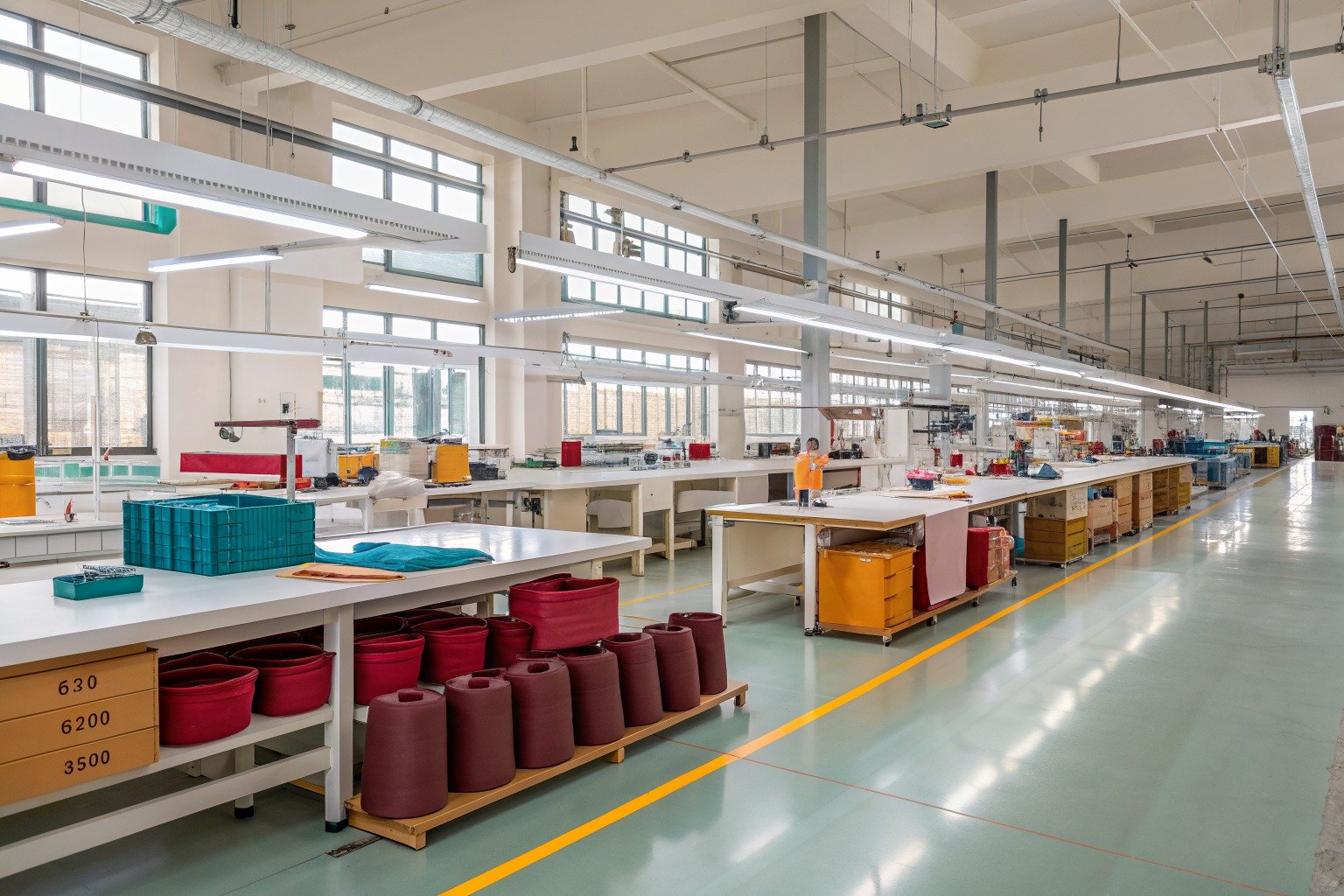
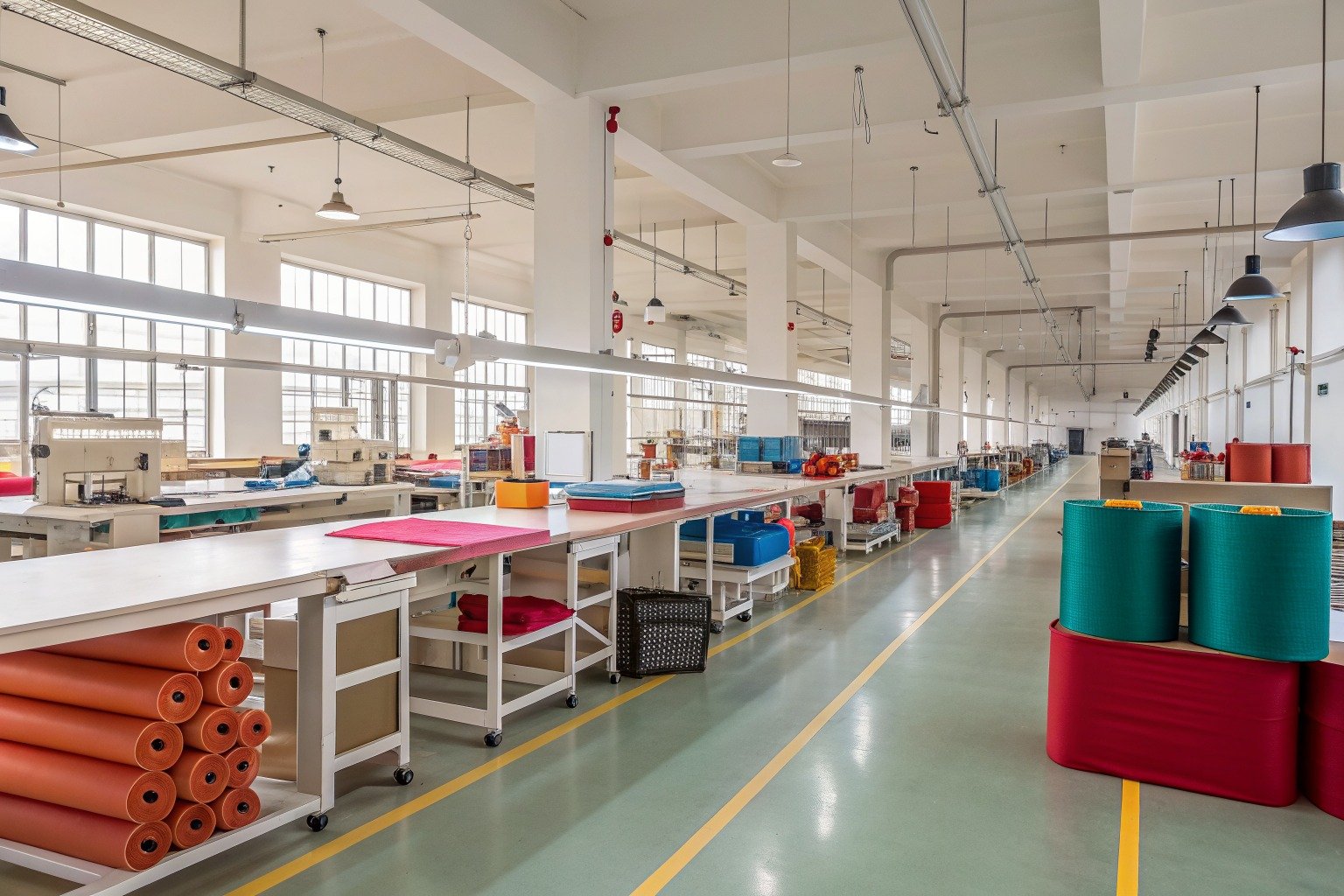
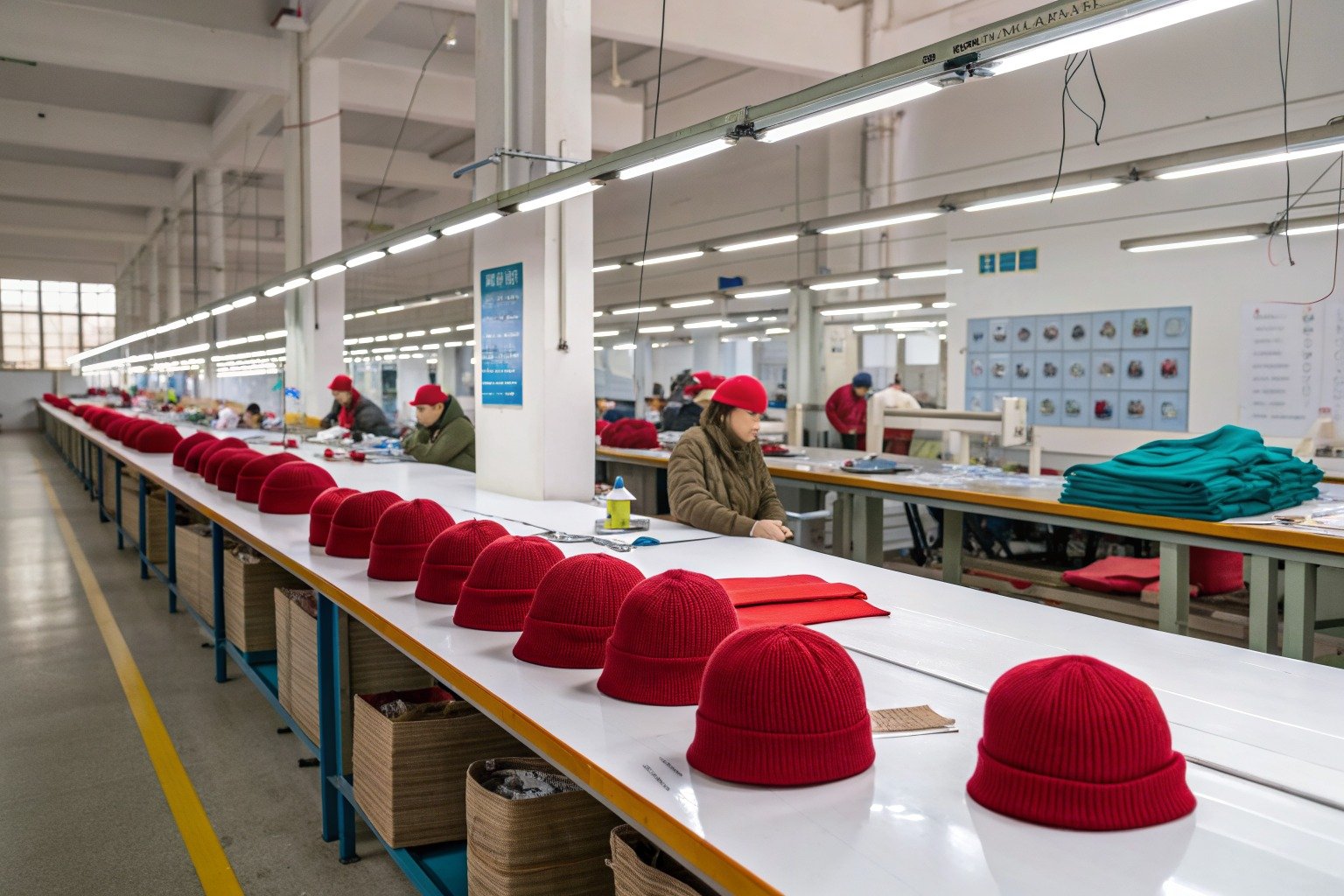
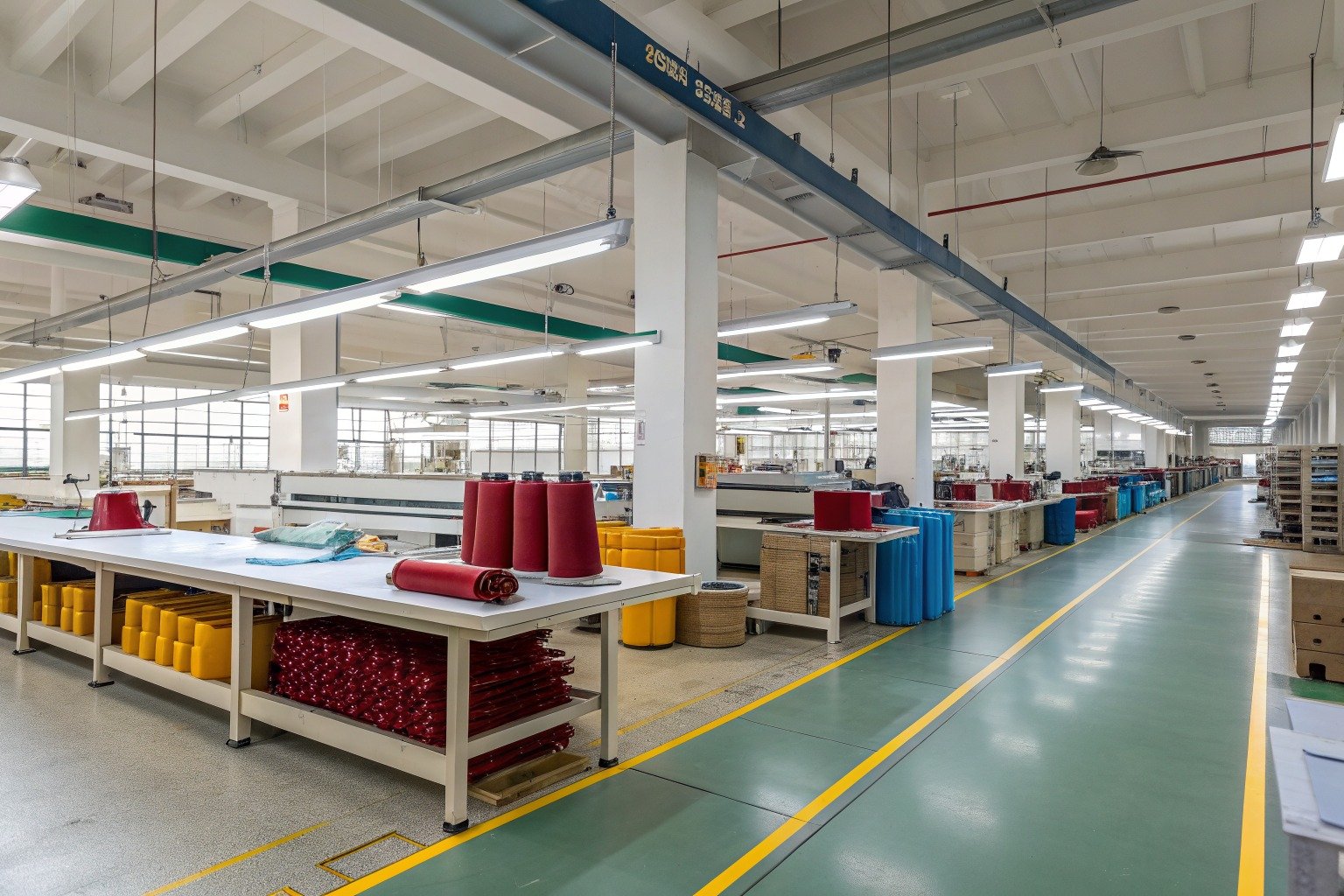
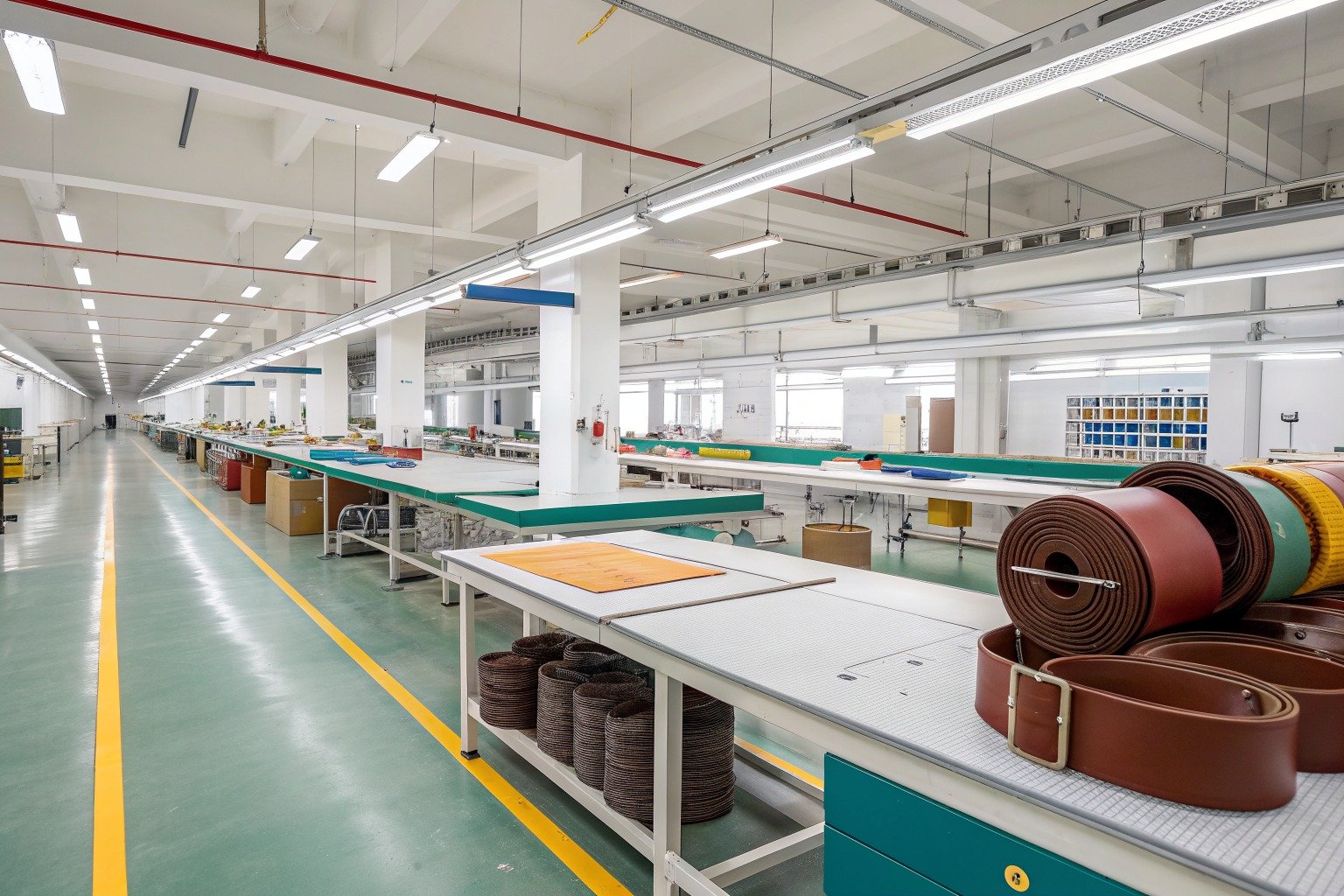
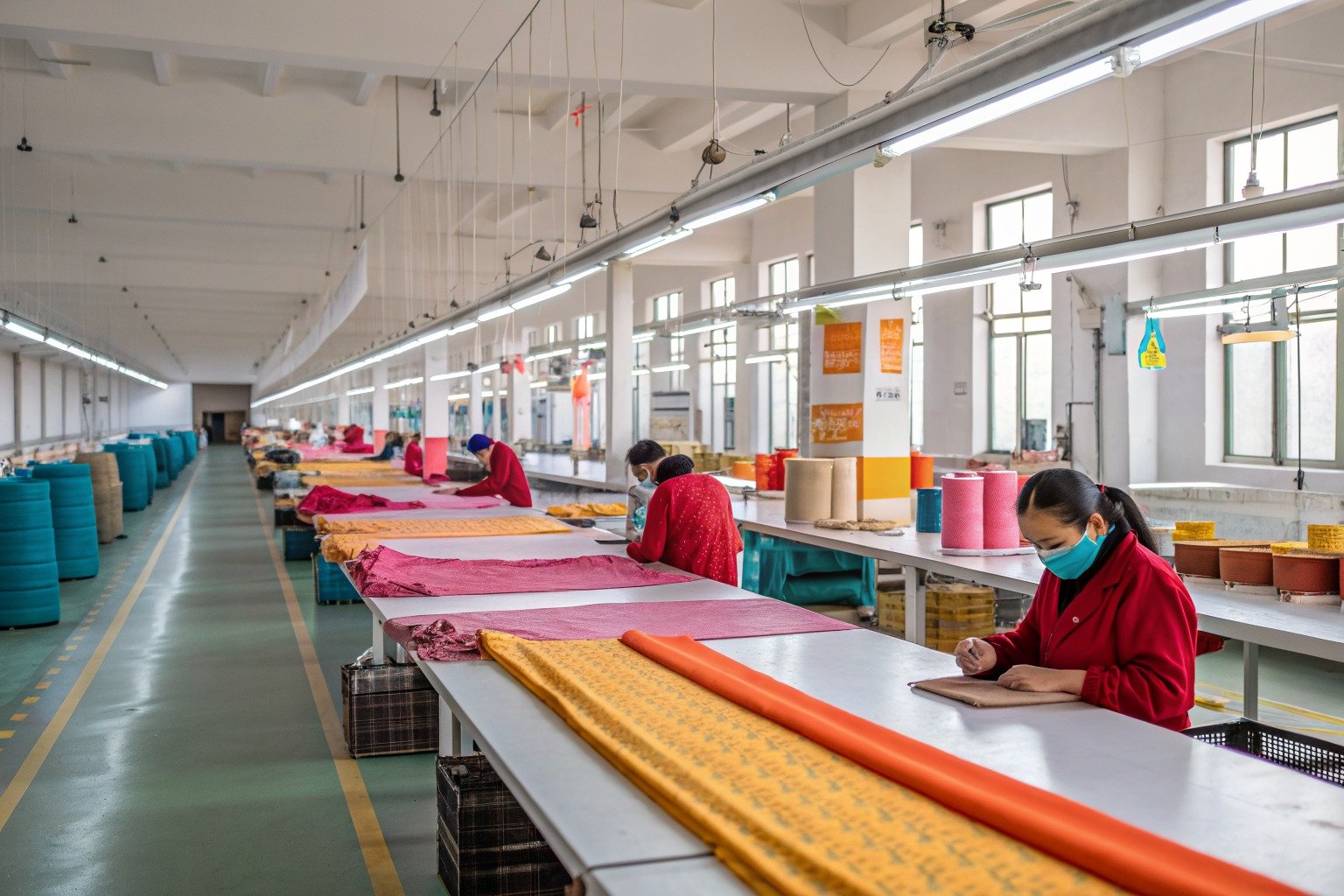
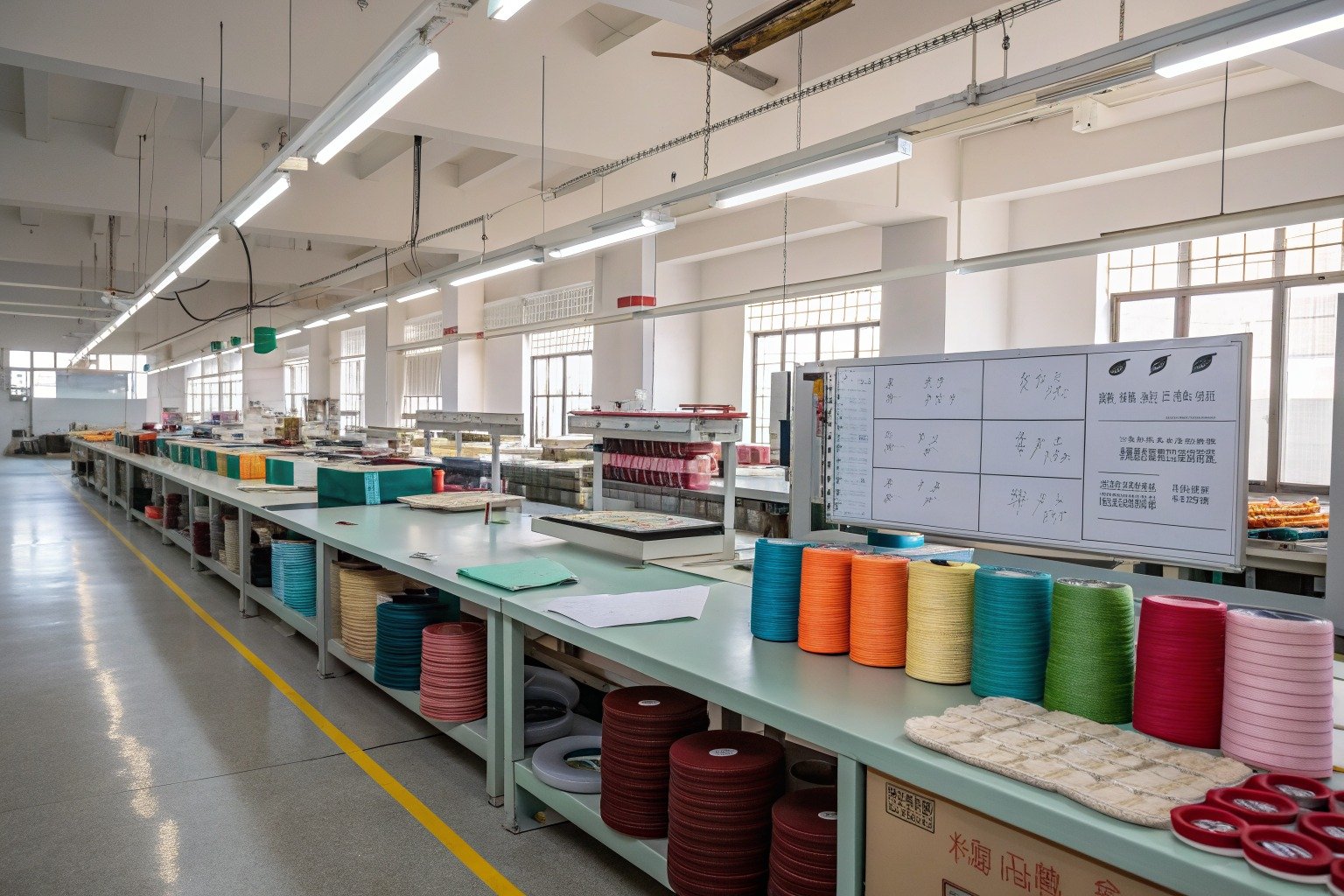
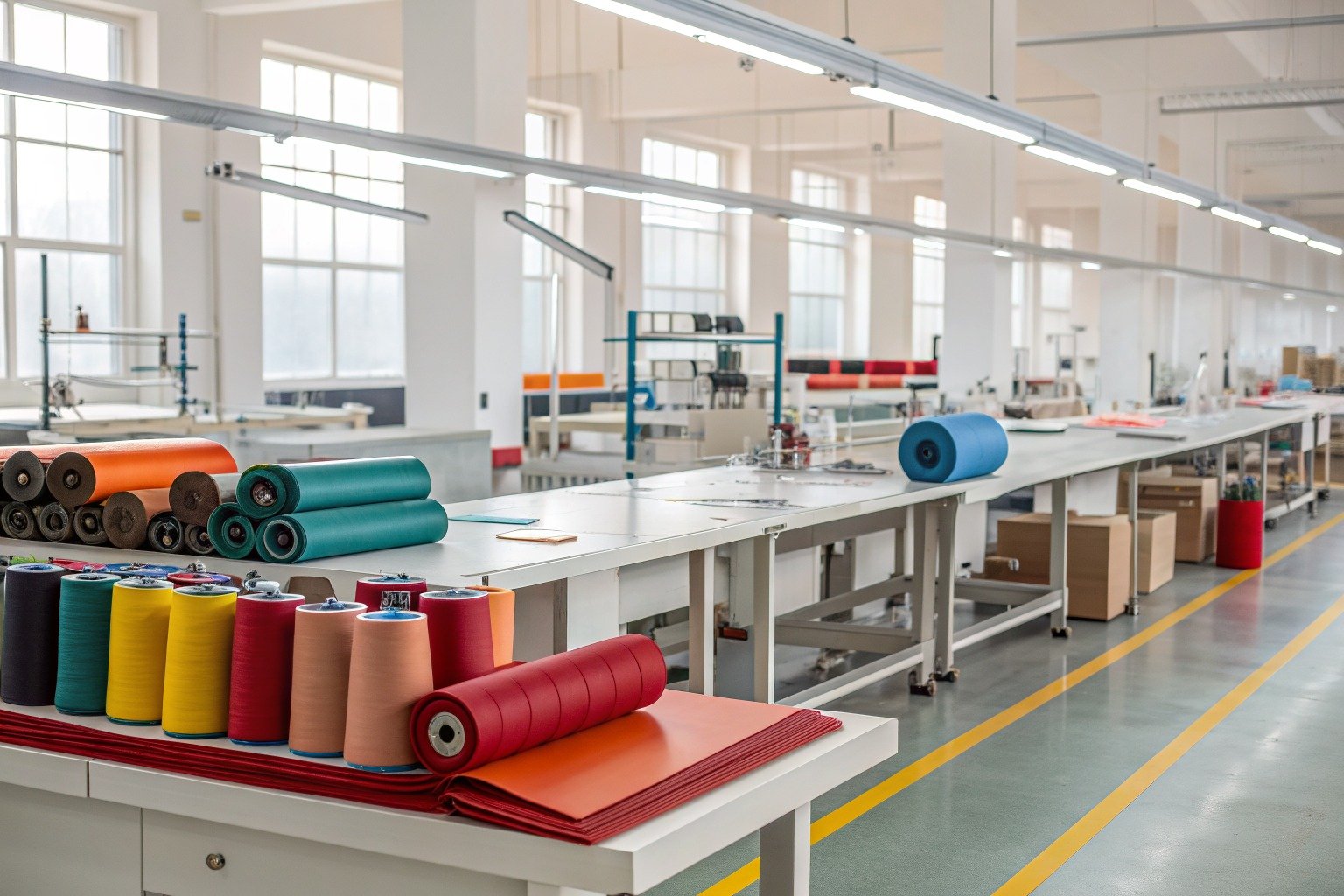
The integration of machine automation in fashion accessory manufacturing represents a significant evolution from traditional craftsmanship to high-tech production. This transformation is reshaping how accessories like jewelry, hair pieces, belts, and bags are designed, produced, and delivered to market. At AceAccessory, our strategic implementation of automated systems has demonstrated compelling advantages across multiple aspects of our manufacturing operations.
Machine automation in fashion accessory production delivers substantial benefits including enhanced production efficiency, superior quality consistency, significant cost reduction, improved workplace safety, and greater manufacturing flexibility. These advantages collectively create a stronger competitive position while addressing the dynamic demands of the global fashion market.
The move toward automated manufacturing represents a fundamental shift in production philosophy with far-reaching implications for quality, speed, and profitability. Let’s examine the specific benefits that machine automation brings to fashion accessory production.
How does machine automation enhance production efficiency?
Production efficiency represents one of the most immediate and measurable benefits of machine automation, with dramatic impacts on output capacity, lead times, and resource utilization.
Machine automation boosts production efficiency through continuous operation capabilities, optimized process speeds, reduced changeover times, and elimination of non-value-added activities that characterize manual manufacturing.
Why do automated systems achieve higher output than manual processes?
Uninterrupted operation allows automated machinery to maintain consistent production speeds 24/7 without fatigue, breaks, or shift changes. Our automated injection molding machines for hair clip components can operate continuously, producing up to 8,000 units per machine daily compared to approximately 1,200 units with manual operation. This 567% increase in output capacity has been transformative for meeting tight deadlines during peak fashion seasons. The consistency of automated systems also eliminates the natural speed variations between different human operators, creating predictable production timelines that enhance planning accuracy and customer promise reliability.
How does automation reduce changeover time between accessory designs?
Rapid reconfiguration capabilities enable dramatically faster transitions between different accessory designs. Where manual production might require 3-4 hours to reconfigure workstations for a new jewelry collection, our automated systems can change over in under 20 minutes through pre-programmed settings and modular tooling. This flexibility has been particularly valuable for our fast-fashion clients who require frequent style rotations and smaller batch sizes. The table below illustrates time savings across key production activities for fashion accessories:
| Production Activity | Manual Process Time | Automated Process Time | Time Saving |
|---|---|---|---|
| Jewelry Assembly | 60 seconds per unit | 9 seconds per unit | 85% |
| Quality Inspection | 35 seconds per unit | 2 seconds per unit | 94% |
| Style Changeover | 3 hours | 15 minutes | 92% |
| Packaging & Labeling | 30 seconds per unit | 4 seconds per unit | 87% |
These efficiency gains collectively reduce total production lead times by 50-70%, creating significant competitive advantages in time-sensitive fashion markets.

How does machine automation improve product quality consistency?
Beyond speed improvements, automation delivers consistently superior quality by eliminating human variability and introducing precision that exceeds manual capabilities, which is particularly important in fashion items where aesthetic details matter greatly.
Machine automation enhances product quality through exceptional dimensional accuracy, consistent material application, significantly reduced defect rates, and comprehensive quality documentation that supports continuous improvement.
Why do automated processes achieve better consistency in fashion accessories?
Precision execution in automated systems ensures every action occurs with exact repeatability that human hands cannot match. Our automated jewelry soldering machines apply precisely the same amount of solder in exactly the same location for every piece, eliminating the variations that previously caused 12% of our jewelry items to require rework. Similarly, our automated fabric cutting systems for bags and scarves maintain pattern alignment within 0.3mm tolerance, compared to 3-8mm variations with manual cutting. This precision directly translates to higher product quality, fewer customer returns, and strengthened brand reputation for reliability in the fashion marketplace.
How does automated inspection improve defect detection in accessories?
Advanced vision systems can identify imperfections invisible to the human eye while maintaining 100% inspection coverage. Our automated quality control stations use high-resolution cameras and machine learning algorithms to detect hairline cracks in resin hair accessories, microscopic plating flaws in metal components, subtle color variations in dyed fabrics, and stitching inconsistencies in leather goods. These systems process up to 150 fashion items per minute with 99.8% accuracy, compared to approximately 25 items per minute with 90% accuracy for human inspectors. The comprehensive inspection data also feeds back into production systems, automatically adjusting processes to prevent defect recurrence—creating a closed-loop quality system that continuously improves over time.

What cost benefits does machine automation provide?
While automation requires significant initial investment, the long-term financial benefits extend far beyond labor savings to include multiple direct and indirect cost advantages that improve profitability.
Machine automation reduces manufacturing costs through decreased labor requirements, lower material waste, reduced energy consumption, minimized rework expenses, and decreased costs associated with quality failures.
How does automation impact labor costs and utilization in accessory manufacturing?
Optimized workforce allocation allows companies to redeploy human workers to value-added tasks while automation handles repetitive operations. Our implementation of automated assembly for standard fashion jewelry reduced direct labor requirements by 70% for those products, while simultaneously increasing output by 400%. Rather than reducing overall workforce, we reassigned team members to more complex accessory categories, quality oversight, equipment maintenance, and design functions—roles that utilize human capabilities more effectively. This approach has improved both our cost structure and employee satisfaction, as workers engage in more meaningful tasks than repetitive assembly work.
How does automation reduce material waste in fashion accessory production?
Precision material application significantly decreases waste compared to manual processes, which is particularly valuable when working with expensive fashion materials. Our automated fabric and leather cutting systems optimize pattern placement to achieve 94% material utilization compared to 75-80% with manual cutting—saving 14-19% of material costs while reducing environmental impact. Similarly, automated dispensing systems for adhesives, coatings, and decorative elements apply exact amounts required without overflow or spillage. For metal components, automated stamping machines produce less scrap material than manual cutting and filing processes. These material savings typically offset 20-30% of automation operating costs, creating compound financial benefits beyond labor reduction alone.

How does machine automation enhance workplace safety?
The safety benefits of automation extend beyond cost considerations to encompass ethical manufacturing practices and regulatory compliance that protect both workers and businesses.
Machine automation improves workplace safety by handling hazardous tasks, reducing repetitive strain injuries, minimizing exposure to harmful substances, and creating cleaner, more organized work environments.
What dangerous tasks can automation assume in accessory production?
Hazard mitigation through automation protects workers from processes involving high temperatures, sharp tools, heavy lifting, and chemical exposure. Our automated plating systems handle all electrolyte solutions and chemical baths for metal fashion accessories, eliminating worker exposure to potentially harmful substances. Similarly, automated press machines with light curtains and safety sensors have eliminated the hand injuries that previously occurred with manual stamping operations. These safety improvements not only protect workers but also reduce costs associated with workplace accidents, insurance premiums, and regulatory compliance issues.
How does automation reduce ergonomic injuries in accessory manufacturing?
Repetitive strain prevention represents a significant benefit in fashion accessory manufacturing where detailed manual assembly can cause cumulative trauma disorders. Our implementation of automated stations for repetitive tasks like jewelry chain assembly, stone setting, and small component assembly has eliminated the wrist, hand, and vision problems that previously affected 15% of our assembly team members. The automation of heavy lifting tasks has similarly reduced back injuries by 85%. These improvements create both ethical and business benefits—healthier workers mean lower healthcare costs, reduced absenteeism, and higher workforce stability, all contributing to more consistent production output.

How does machine automation support manufacturing flexibility?
Modern fashion markets demand unprecedented flexibility, with automation providing the agility to respond quickly to changing trends, customization requests, and variable order quantities.
Machine automation supports manufacturing flexibility through rapid changeover capabilities, scalable production volumes, enhanced customization potential, and data-driven responsiveness to market changes.
How does automation enable mass customization in fashion accessories?
Programmable personalization allows automated systems to efficiently handle customized orders that would be prohibitively expensive with manual processes. Our automated engraving and embroidery systems can personalize accessories with names, initials, or custom patterns without slowing production speeds or increasing costs significantly. This capability has opened new market opportunities in personalized fashion accessories that command premium prices while maintaining efficient production. The ability to efficiently produce small batches of customized items has been particularly valuable for our e-commerce clients who increasingly demand made-to-order capabilities.
How does automation support responsive manufacturing for fast fashion?
Data-driven production adjustment enables manufacturers to quickly respond to emerging fashion trends and sales data. Our automated systems can shift production between different accessory styles within hours based on real-time sales data from retail partners. This responsiveness has reduced our inventory risks while increasing our value to fashion brands operating in fast-moving markets. The ability to quickly scale production up or down without significant cost penalties provides strategic advantages in an industry characterized by uncertainty and rapid trend cycles.

Conclusion
The benefits of machine automation in fashion accessory production extend across operational, qualitative, financial, safety, and flexibility dimensions, creating a compelling case for strategic technology integration. While the initial investment can be substantial, the multidimensional returns typically deliver rapid payback periods and significant long-term competitive advantages in the dynamic fashion industry.
The most successful automation implementations balance technological capabilities with human creativity, creating synergistic production environments where automated systems handle repetitive precision tasks while human workers focus on design innovation, quality oversight, and continuous improvement. This collaborative approach maximizes the strengths of both human and technological resources.
If you’re considering automation for your fashion accessory production and would like to understand how these benefits might apply to your specific products and business model, we invite you to contact our Business Director, Elaine. She can guide you through our automation capabilities and help you develop an implementation strategy aligned with your operational goals. Reach her at: elaine@fumaoclothing.com.