The fashion industry is at a crossroads. Consumers are increasingly demanding sustainable products, and brands are scrambling to adapt. For buyers and importers of fashion accessories, this shift presents both a challenge and a massive opportunity. The question on everyone’s mind is: what comes next? We are moving beyond recycled materials and into the next frontier—biodegradable accessories. This isn’t just a fleeting trend; it’s a fundamental change in how we think about product life cycles, from creation to decomposition.
Biodegradable accessories represent the future of sustainable fashion, driven by consumer demand, material innovation, and stricter environmental regulations, offering a viable path to reduce landfill waste without compromising on style or quality. This evolution is crucial for brands looking to future-proof their supply chains and build a loyal, eco-conscious customer base. As a manufacturer deeply embedded in this shift, we see the trajectory clearly.
The journey of biodegradable materials is complex and fascinating. To understand its future, we need to look at the key forces shaping it. Let’s explore the driving trends, the innovative materials, the economic realities, and the practical steps for integrating these products into your line.
What are the key trends driving biodegradable accessory demand?
The push for biodegradable accessories isn’t happening in a vacuum. It’s being fueled by a powerful combination of consumer awareness and regulatory shifts. Today’s shoppers, especially younger generations, are making purchasing decisions with the planet in mind. They are educated and use their spending power to support brands that align with their values. Simultaneously, governments are implementing policies that encourage, and sometimes mandate, more sustainable practices.

How is consumer awareness influencing material choices?
Consumer awareness has fundamentally changed the retail landscape. Information is readily available, and shoppers are investigating brand claims like never before. They are not just looking for a "green" label; they want proof of a product’s entire lifecycle. This demand for transparency forces brands to scrutinize their supply chains and source from manufacturers who can provide verifiable, sustainable options like biodegradable materials. A report by the Federal Trade Commission on green guides ensures that environmental marketing claims are truthful, which means brands must be diligent. Furthermore, the rise of ISO 14021 for self-declared environmental claims sets international standards that we, as manufacturers, adhere to for credibility.
What role do government regulations play?
Government regulations are creating a tangible framework that accelerates the adoption of biodegradable products. In North America and Europe, policies are increasingly targeting single-use plastics and packaging waste, with a ripple effect into the fashion industry. Extended Producer Responsibility (EPR) laws are making brands accountable for the end-of-life of their products. This makes biodegradable options, which break down safely, a strategically smart choice to mitigate future compliance risks and potential fees. Staying ahead of these regulations is not just about ethics; it’s about smart business and ensuring uninterrupted market access for our clients.
Which innovative materials are shaping the future?
The future of biodegradable accessories is being built in the lab and the field. Scientists and material developers are creating astonishing alternatives to conventional plastics and synthetics. These new materials offer the durability and aesthetic appeal needed for fashion, while also returning to the earth harmlessly. The innovation is happening across several fronts, from plant-based polymers to novel natural fibers.

What are the most promising plant-based polymers?
Plant-based polymers are leading the charge in material innovation. Polylactic Acid (PLA), derived from fermented corn starch or sugarcane, is a standout. It can be injection-molded to create durable hair clips and hair bands that are both lightweight and strong. Another exciting development is bio-polyols derived from algae, which can be used to create flexible foams for insoles or padded sections of bags. These materials are not only renewable but also have a significantly lower carbon footprint compared to their petroleum-based counterparts. The ASTM D6400 standard specifies the requirements for plastics designed to be composted in municipal facilities, providing a clear benchmark for these polymers.
How are natural fibers being utilized?
Beyond polymers, traditional natural fibers are being re-engineered for modern accessories. Bamboo fiber is incredibly versatile, used for everything from sunglass frames to woven hats. It grows rapidly and requires no pesticides. Similarly, cork is being used for bag accents and belts, offering a unique texture and water resistance. For scarves and shawls, organic cotton and Tencel™ Lyocell are excellent choices. Tencel™, made from sustainably sourced wood pulp, is produced in a closed-loop system that recycles water and solvents. The Federal Trade Commission’s Green Guides help ensure that marketing terms like "organic" and "sustainable" are used accurately for these fibers.
| Material | Source | Common Accessory Applications | Key Benefit |
|---|---|---|---|
| PLA (Polylactic Acid) | Corn Starch, Sugarcane | Hair clips, hair bands, buttons | High clarity, rigid, compostable |
| Bamboo Fiber | Bamboo Plant | Hats, sunglasses, bag handles | Rapidly renewable, antibacterial |
| Cork | Cork Oak Bark | Belts, wallet covers, bag trims | Lightweight, water-resistant, durable |
| Tencel™ Lyocell | Wood Pulp | Scarves, shawls, glove linings | Silky feel, biodegradable, closed-loop production |
Are biodegradable accessories cost-effective to produce?
The perception of high cost is one of the biggest hurdles for biodegradable accessories. While it’s true that emerging technologies and smaller-scale production can make some materials more expensive upfront, a broader view reveals a different story. The cost-effectiveness of these products must be evaluated over their entire lifecycle, considering not just the raw material cost but also long-term brand value, risk mitigation, and consumer loyalty.

How do initial costs compare to long-term value?
The initial unit cost for a biodegradable hair clip might be higher than a conventional plastic one. However, this narrow focus misses the bigger financial picture. Investing in biodegradable materials can future-proof your supply chain against potential carbon taxes or levies on virgin plastics. More importantly, it builds immense brand equity. Customers are often willing to pay a premium for verified sustainable products, which can improve your profit margins. This alignment with consumer values fosters deep loyalty, leading to repeat business and positive word-of-mouth marketing, which is invaluable. The National Institute of Standards and Technology provides frameworks for measuring quality and sustainability, which can help in assessing long-term value.
What factors influence the final price?
Several key factors influence the final price of a biodegradable accessory. The scale of production is paramount; larger order quantities significantly drive down the per-unit cost. The complexity of the product also matters; a simple headband made from organic cotton will be more cost-effective than a intricate belt with a biodegradable PLA buckle. Additionally, certifications like BPI Certified Compostable or GOTS for organic fibers add cost but also add verifiable marketing power. As a manufacturer, our experienced project managers work to optimize these factors—consolidating orders, simplifying designs where possible, and guiding clients on which certifications offer the best return on investment.
How can you integrate biodegradable options into your product line?
Making the switch to biodegradable accessories doesn’t have to be an all-or-nothing, overwhelming overhaul. A phased, strategic approach allows you to test the market, manage costs, and seamlessly integrate sustainability into your brand’s identity. The key is to start with low-risk, high-impact products and build from there.

What is the best way to start the transition?
The most effective way to start is by conducting a product portfolio audit. Identify your best-selling, simplest items. A classic headband, a basic hair clip, or a simple cotton scarf are ideal candidates for a first transition. These products often have straightforward material requirements, making it easier to source biodegradable alternatives. The next step is to partner with a manufacturer that has proven expertise in this area. Look for a partner with a dedicated quality control team that can source certified materials and guide you through the prototyping and sampling process, ensuring the new product meets your quality and aesthetic standards.
Why is supplier partnership crucial for success?
A reliable supplier partnership is the cornerstone of a successful transition. You need more than just a vendor; you need an expert guide. A manufacturer with a strong design team can help you adapt your designs for new materials, ensuring they are both beautiful and functional. Their project managers are vital for navigating logistics and ensuring a smooth supply chain, from sourcing raw materials to managing production timelines. Crucially, a good partner will be transparent about the capabilities and limitations of biodegradable materials, setting realistic expectations and helping you avoid costly mistakes. This collaborative approach turns the challenge of integration into a strategic advantage.
Conclusion
The future of biodegradable accessories is not a distant possibility; it is unfolding now. Driven by informed consumers, supportive regulations, and remarkable material science, this shift is redefining sustainability in fashion. The journey involves understanding market trends, embracing material innovation, recognizing the long-term economic benefits, and implementing a strategic integration plan. While challenges exist, the opportunity for brands to lead, build loyalty, and create a positive environmental impact has never been greater. This is the new standard, and it is a future full of potential for those who adapt.
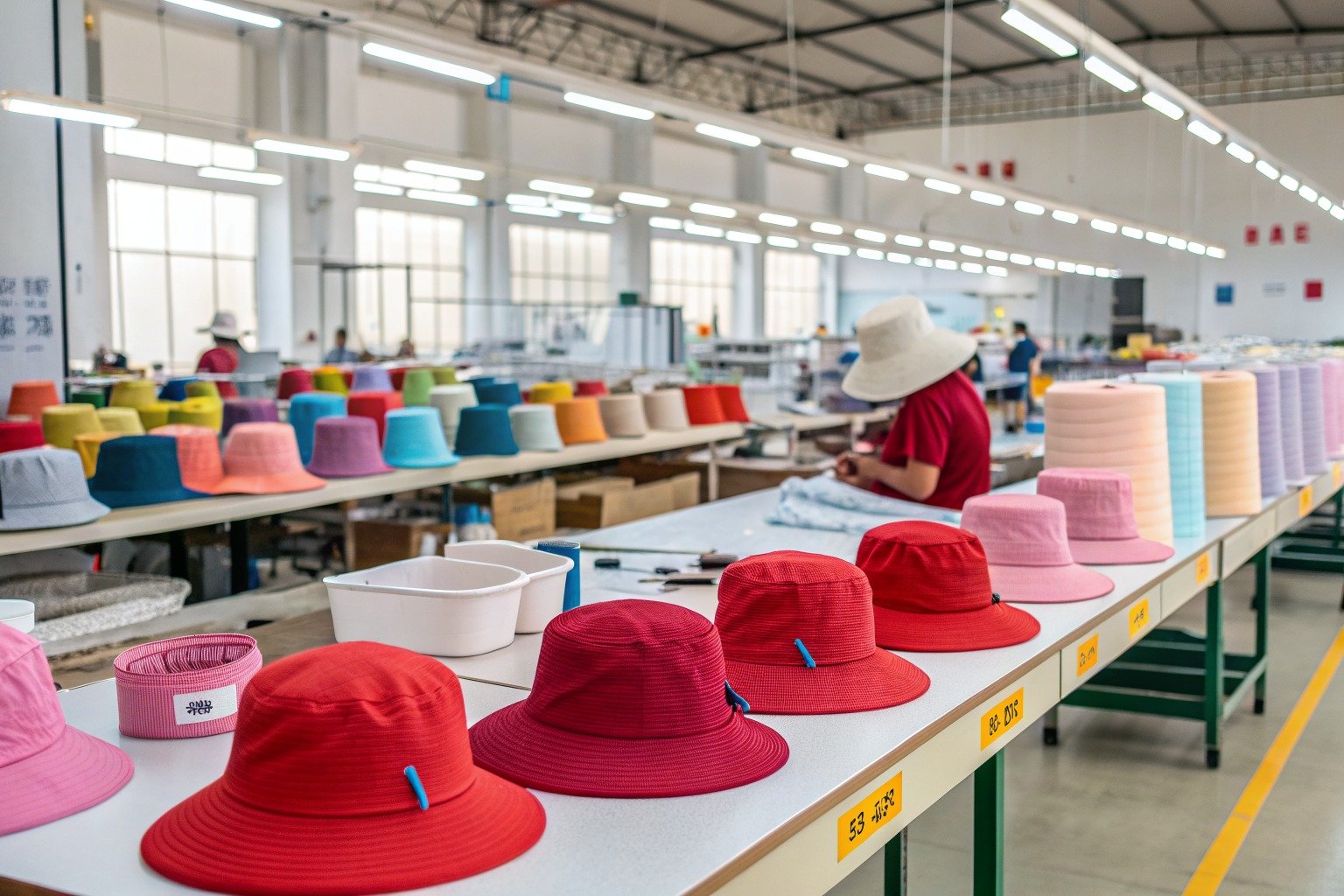
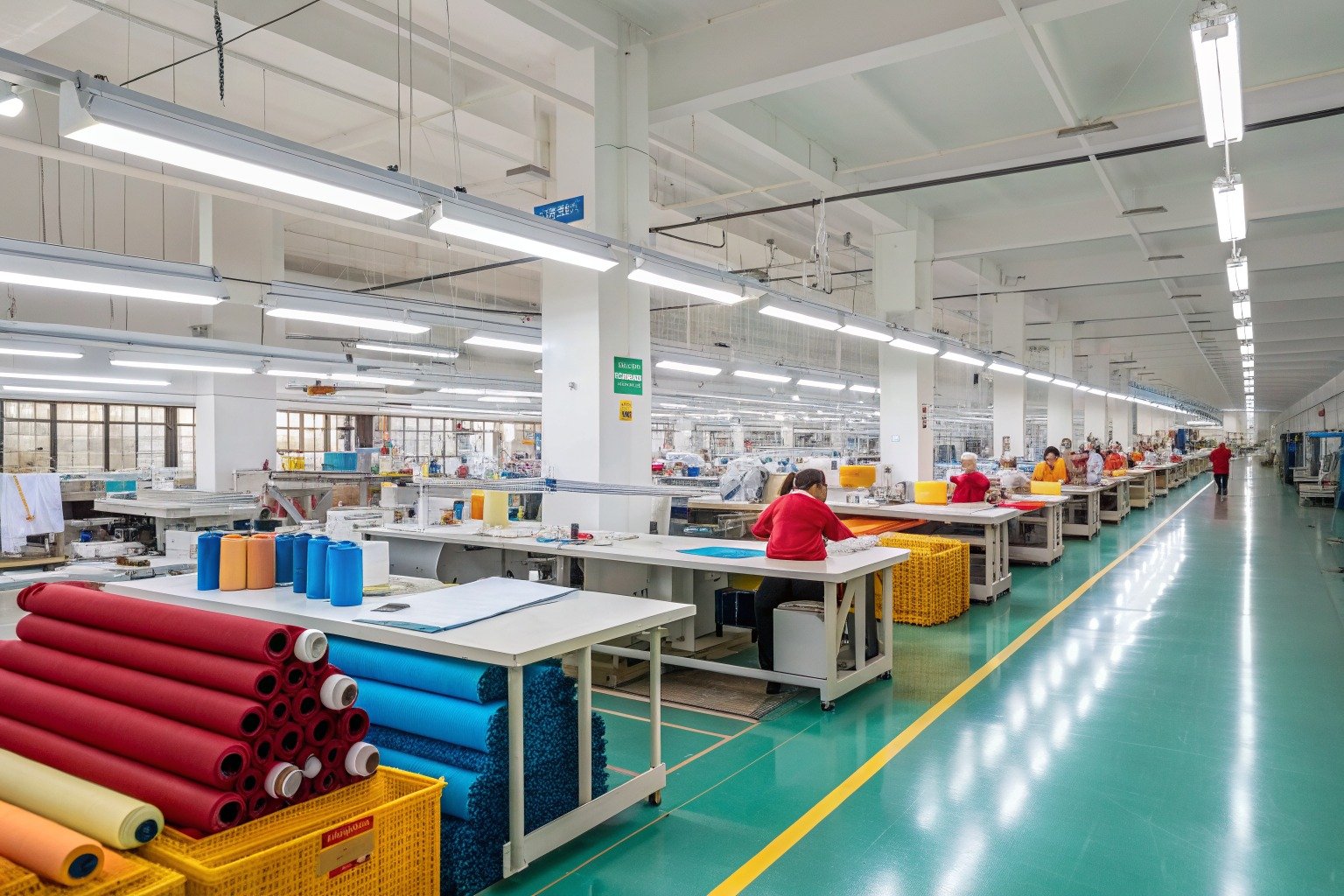
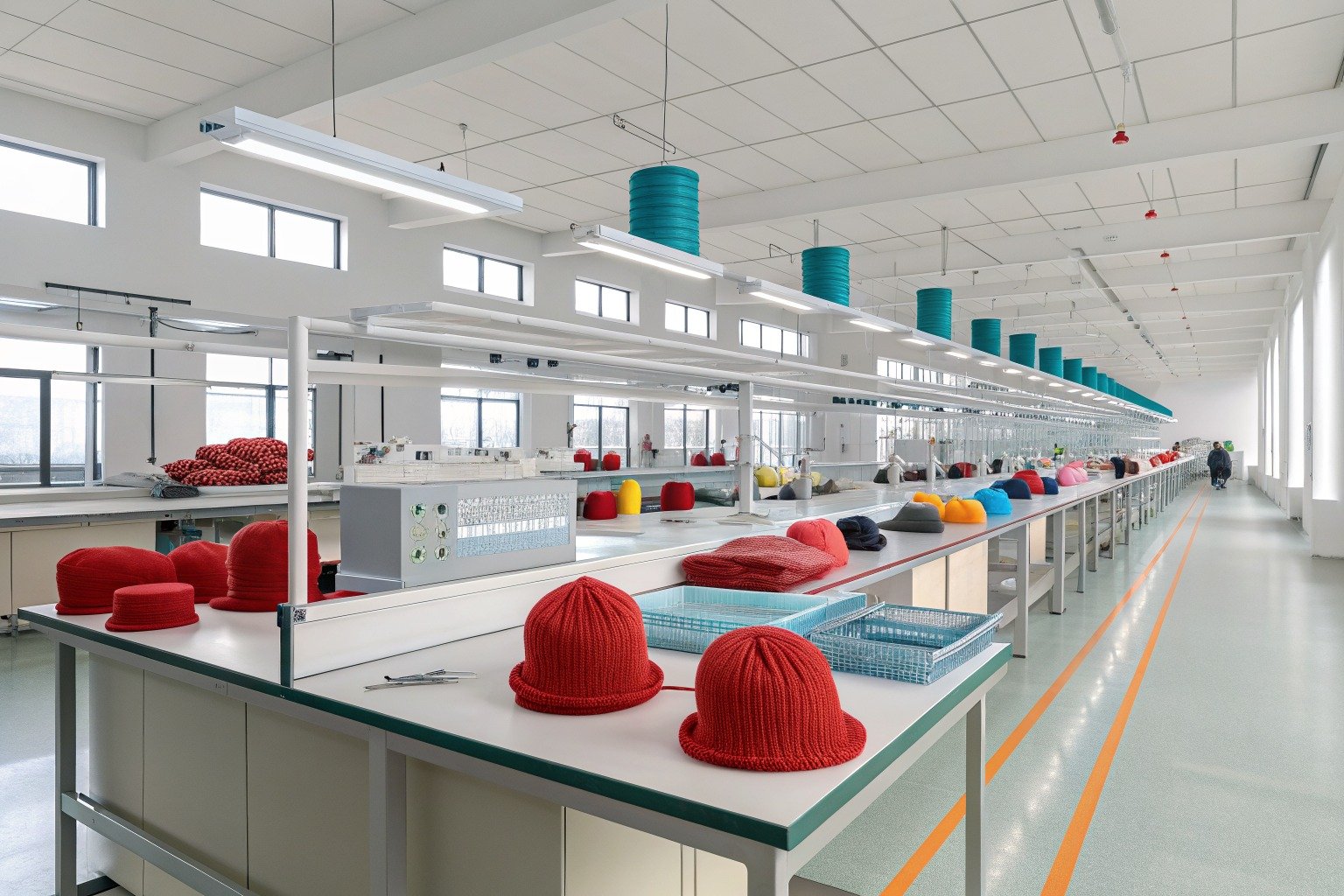
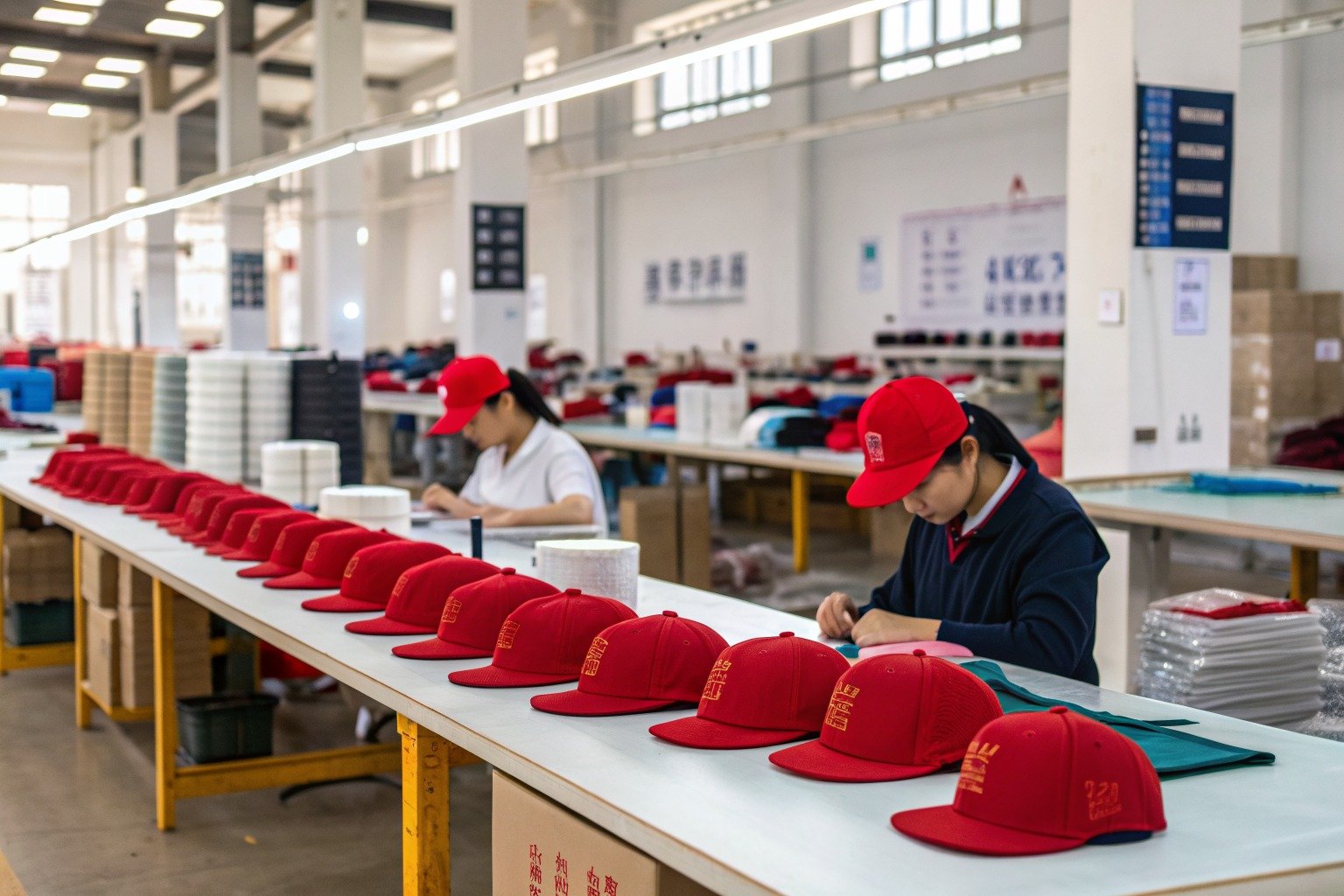
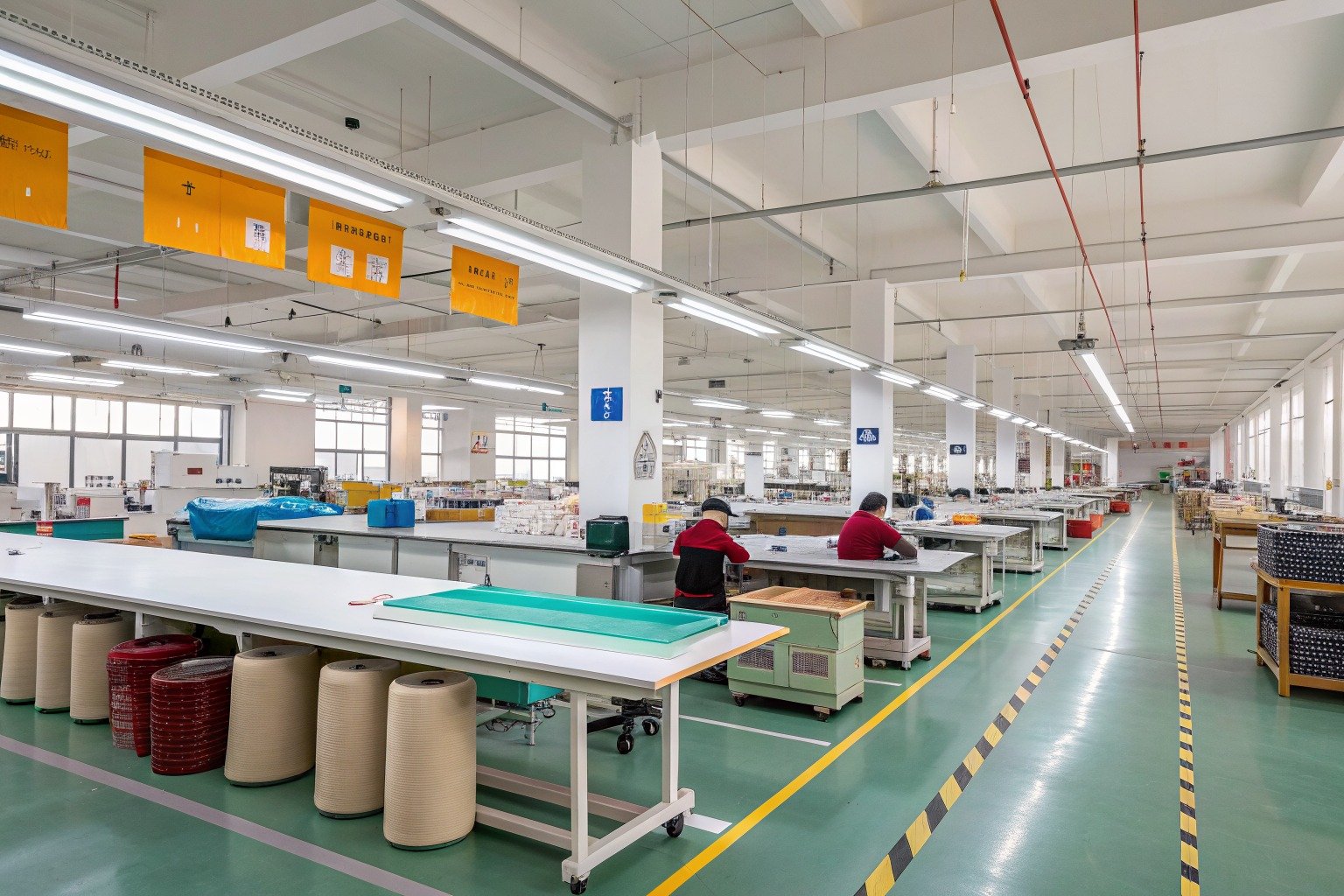
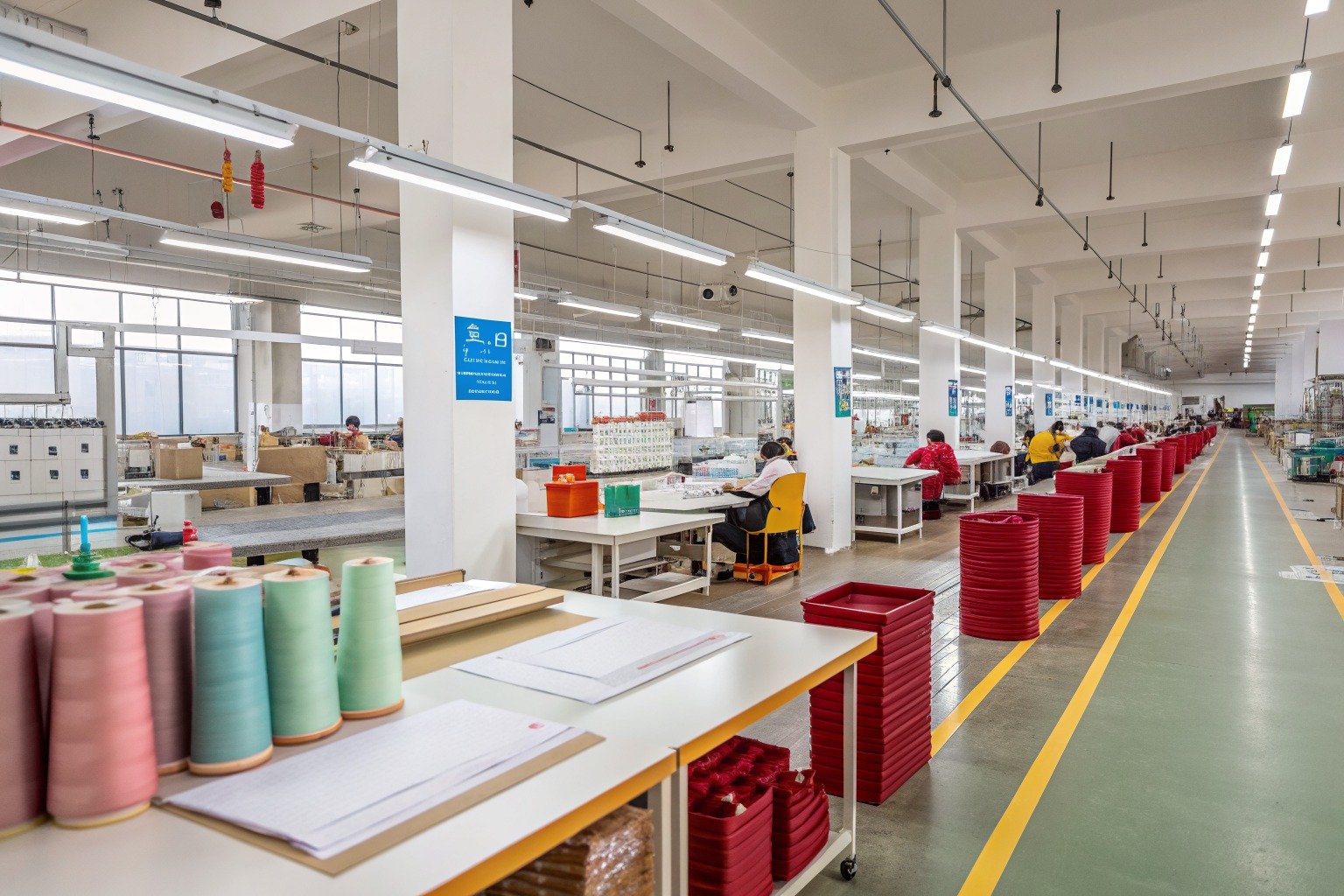
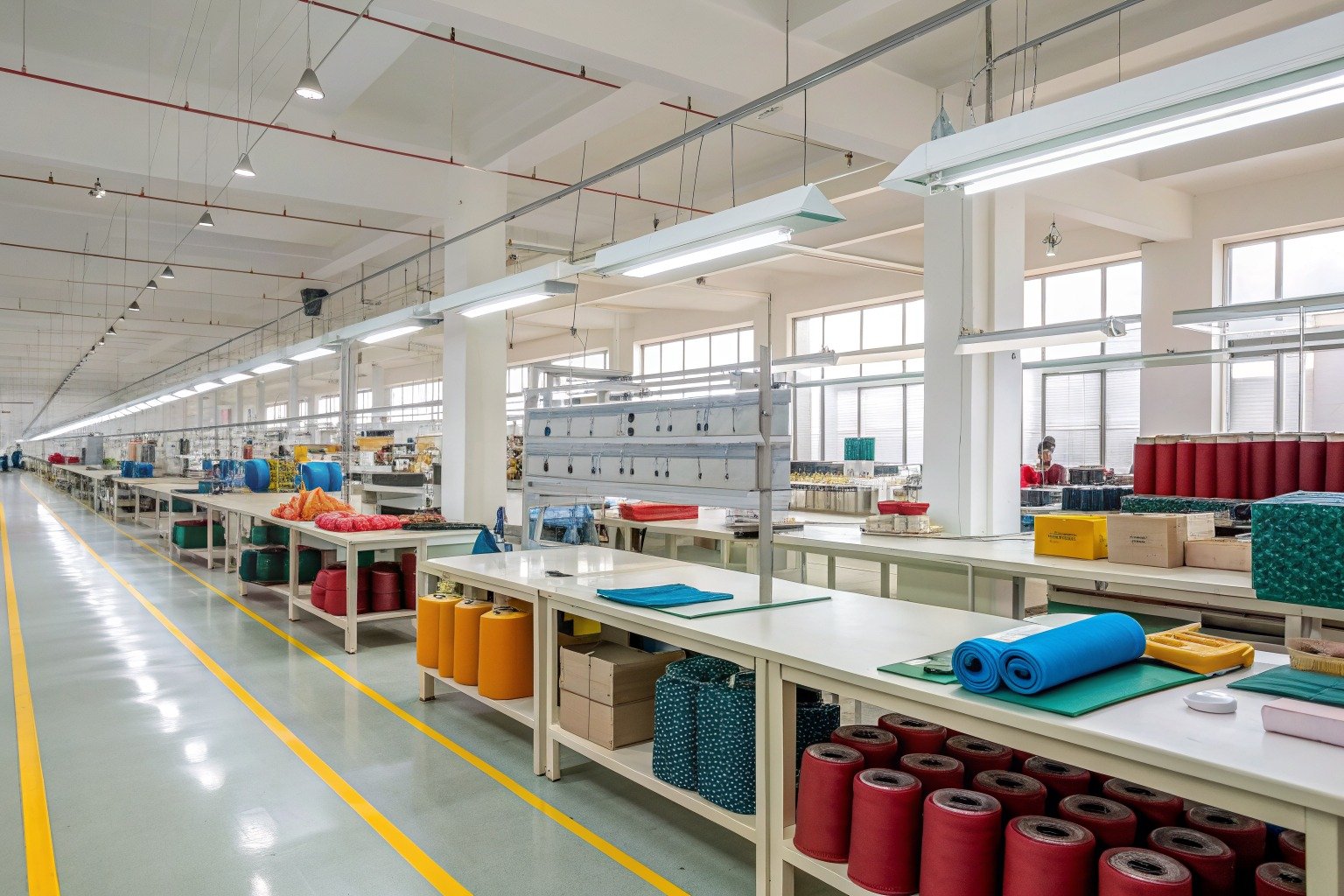
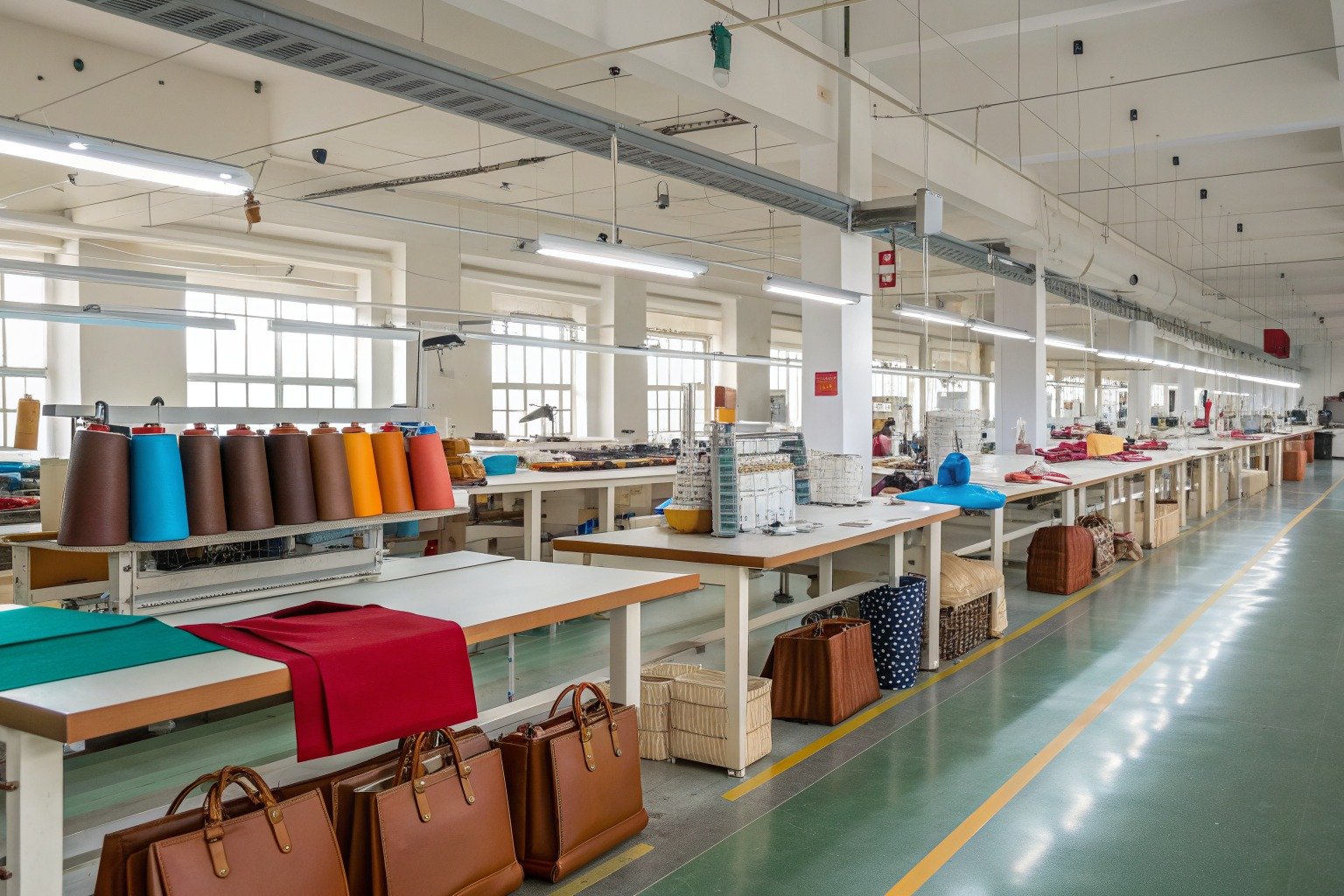
We at AceAccessory are at the forefront of this change, equipped with a modern factory, a creative design team, and a commitment to quality and service. We understand the intricacies of sourcing, manufacturing, and shipping biodegradable fashion accessories. If you are ready to future-proof your product line and meet the growing demand for genuine sustainability, we are here to be your trusted manufacturing partner. For a professional discussion on how we can help you produce your own line of high-quality, biodegradable accessories, please contact our Business Director Elaine at elaine@fumaoclothing.com.