The fashion industry’s environmental footprint is under scrutiny. As a manufacturer, we witness firsthand the impact of producing accessories. Consumers and businesses are demanding transparency about the true cost of their products. The accessory sector contributes significantly to this footprint, but understanding the impact is the first step toward meaningful change.
The environmental impact involves resource depletion, chemical pollution, and waste generation, but can be mitigated through sustainable sourcing, ethical manufacturing, and circular economy principles. By choosing suppliers who prioritize eco-friendly materials, brands can reduce environmental impact while meeting consumer demand for responsible products.
Let’s examine the specific environmental costs and how the industry is evolving to address them.
How Does Material Sourcing Affect the Environment?
Material choices determine an accessory’s environmental lifecycle from the start. Virgin plastics, conventional metals, and synthetic fabrics carry heavy ecological costs through energy-intensive extraction and processing that consumes vast water resources.
The production of virgin polyester for hair accessories and bags relies on fossil fuels in an energy-intensive process that releases greenhouse gases. Conventional cotton farming consumes thousands of liters of water per kilogram, straining local water sources. The mining of metals for belt buckles and hair clips causes habitat destruction and soil contamination, demonstrating our industry’s deep ties to resource-intensive systems.

What Are the Eco-Friendly Material Alternatives?
Sustainable material alternatives are becoming more accessible and affordable. Recycled materials offer powerful solutions, with recycled polyester (rPET) diverting plastic bottles from landfills while using less energy than virgin polyester. Organic cotton grown without synthetic pesticides protects farmer health and preserves soil quality. For metals, suppliers using recycled brass or aluminum reduce destructive mining demands. We’ve integrated these materials into our lines, from organic cotton scarves to rPET bags, delivering high quality with clear environmental benefits.
How Can Certifications Guide Sustainable Sourcing?
Certifications provide reliable roadmaps for sustainable sourcing through third-party verification of environmental and social credentials. The Global Recycled Standard (GRS) ensures genuine recycled content and supply chain tracking. For textiles, the OEKO-TEX Standard 100 tests for harmful substances, guaranteeing product safety for human health. These labels validate eco-claims, giving our supermarket and brand partners confidence in their sourcing decisions when they see these certifications on our materials.
What Pollution Comes From Manufacturing?
Manufacturing generates significant pollution through dyeing and finishing processes that consume large water volumes and chemicals. Contaminated wastewater often discharges into rivers, harming aquatic life and affecting communities. Factory energy from fossil fuels contributes to air pollution and carbon emissions, compounding environmental damage.
The dyeing process presents particular challenges, with traditional methods using toxic heavy metals and formaldehyde that persist in the environment. Cutting waste from leather and fabric represents another major issue, as scraps typically reach landfills where decomposition releases methane. This linear take-make-waste model proves fundamentally unsustainable for long-term industry health.

How Can We Reduce Water and Chemical Use?
Advanced technologies enable significant pollution reduction through cleaner production methods. Our investment in water-saving dyeing machines dramatically cuts water usage while reducing energy needs for heating. Digital printing for scarf and fabric hat patterns applies ink precisely, minimizing waste and water consumption compared to traditional methods. We partner with dye houses using AZO-free dyes compliant with ZDHC standards, with our quality team auditing these processes to ensure they meet our strict environmental requirements.
What Are the Best Practices for Waste Management?
Effective waste management transforms problems into resources by minimizing landfill contributions. Robust factory waste sorting systems separate fabric scraps, plastic, and paper to facilitate recycling. We collaborate with partners who transform our textile waste into new products like insulation materials. For leather goods, we design patterns to maximize material utilization, collecting remaining scraps for upcycling initiatives into smaller items like keychains, keeping materials in use through circular economy principles.
How Does Logistics Contribute to Carbon Emissions?
Global supply chains mean accessories travel long distances, with logistics networks contributing significantly to carbon emissions. The carbon footprint of air shipping proves exceptionally high, while sea freight still relies on heavy fuel oil. Protective packaging adds to the problem through single-use plastics and excessive cardboard that often lacks recycling streams.
| Shipping Method | Relative Carbon Footprint | Typical Use Case |
|---|---|---|
| Air Freight | Very High | Fast fashion, urgent orders |
| Sea Freight | Lower | Bulk orders, non-urgent goods |
| Rail Freight | Low (where available) | Overland transport |
| Ocean Consolidation | Lowest | Combining smaller orders |
Choosing appropriate shipping methods represents a critical environmental decision. As the table indicates, air freight should remain a last resort, with sea freight recommended as the most carbon-efficient option for most client orders. Our order consolidation service combines multiple client shipments into full containers, maximizing space utilization while reducing per-unit emissions. We’re progressively phasing out plastic polybags in favor of recycled and recyclable paper packaging alternatives.

How Can We Optimize Shipping Routes?
Shipping route optimization mirrors efficient trip planning, conserving fuel, time, and emissions. Our use of consolidation hubs groups shipments to prevent half-empty container inefficiencies. Partnerships with logistics providers offering carbon footprint tracking supply data to measure impact and identify improvement opportunities. For European and American clients, we schedule shipments well in advance to avoid expensive, polluting air freight, with project managers creating realistic timelines that ensure prompt delivery without environmental compromise.
What Is the Role of Green Packaging?
Green packaging demonstrates visible sustainability commitment while directly reducing consumer waste. Our strategy focuses on reduction, recycling, and innovation through right-sized box designs that reduce material usage. We employ recycled cardboard for all cartons while innovating with new materials like compostable mailers for samples. For fragile items like cups, we use molded pulp from recycled paper instead of polystyrene foam, lowering environmental impact while enhancing client brand images as responsible companies.
What Are the Social Responsibilities in Production?
Environmental impact remains inseparable from social responsibility, with truly sustainable businesses caring for both planet and people. This requires ensuring safe working conditions, fair wages, and ethical treatment for all supply chain workers. The social impact of manufacturing profoundly affects community health and well-being in factory locations.
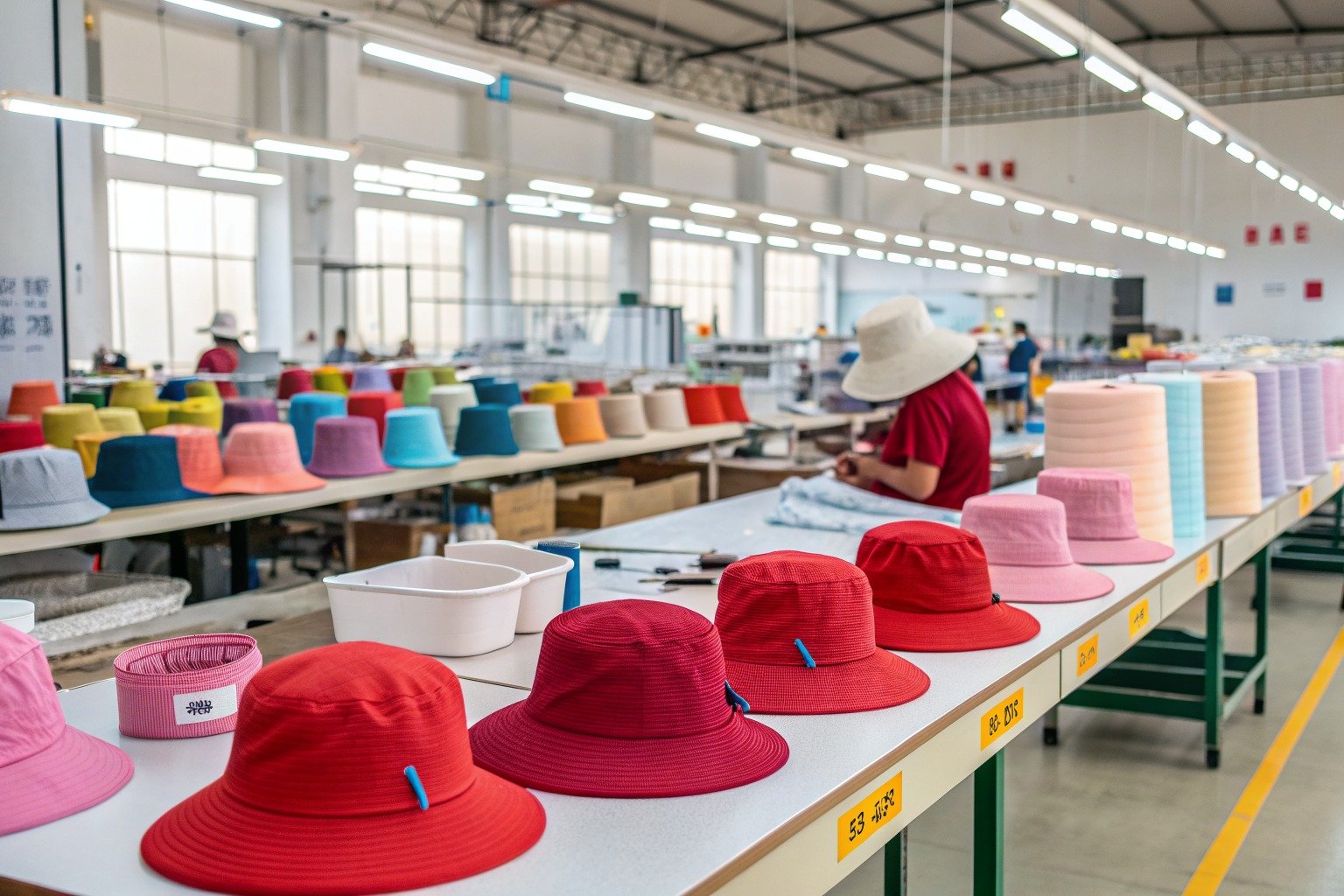
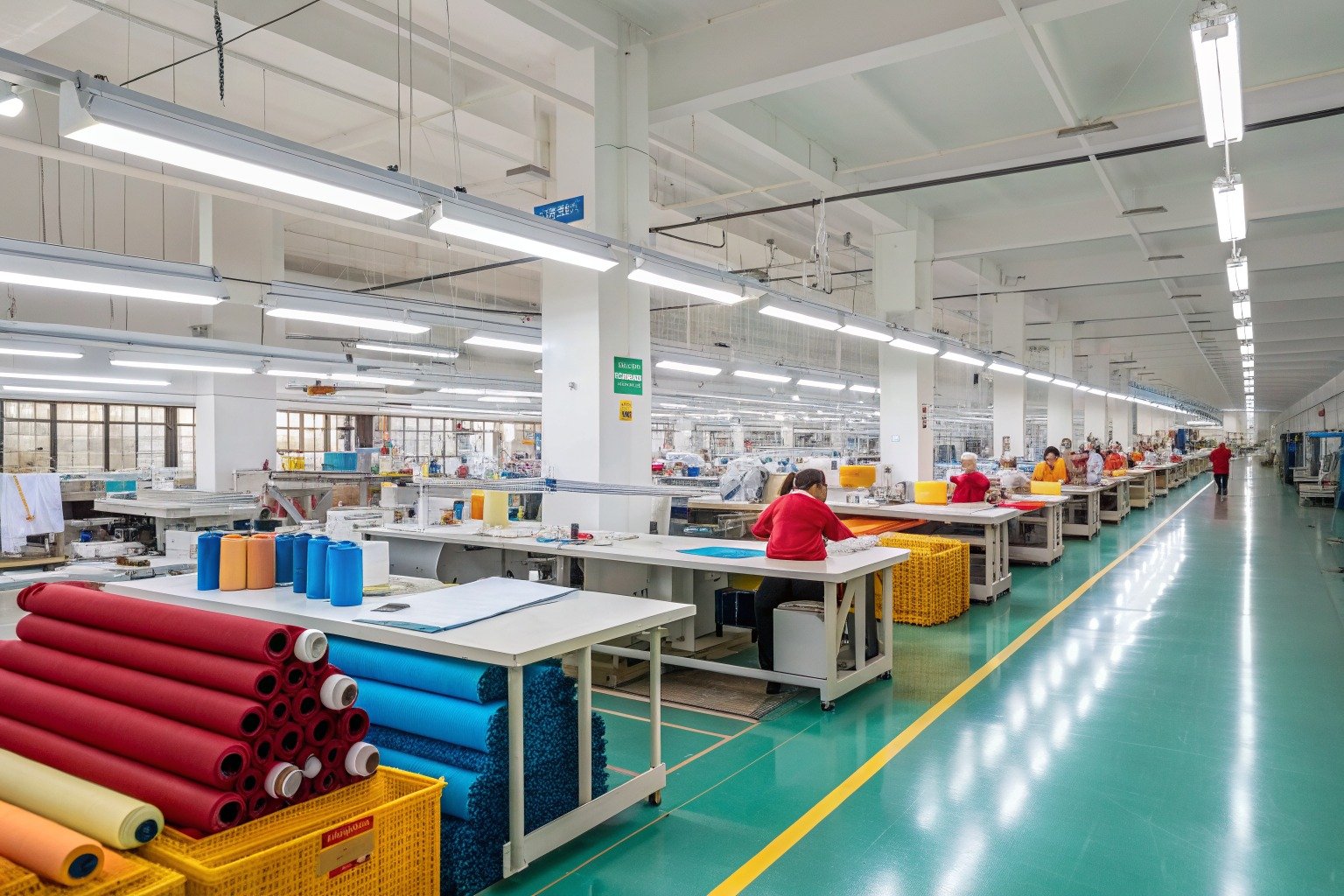
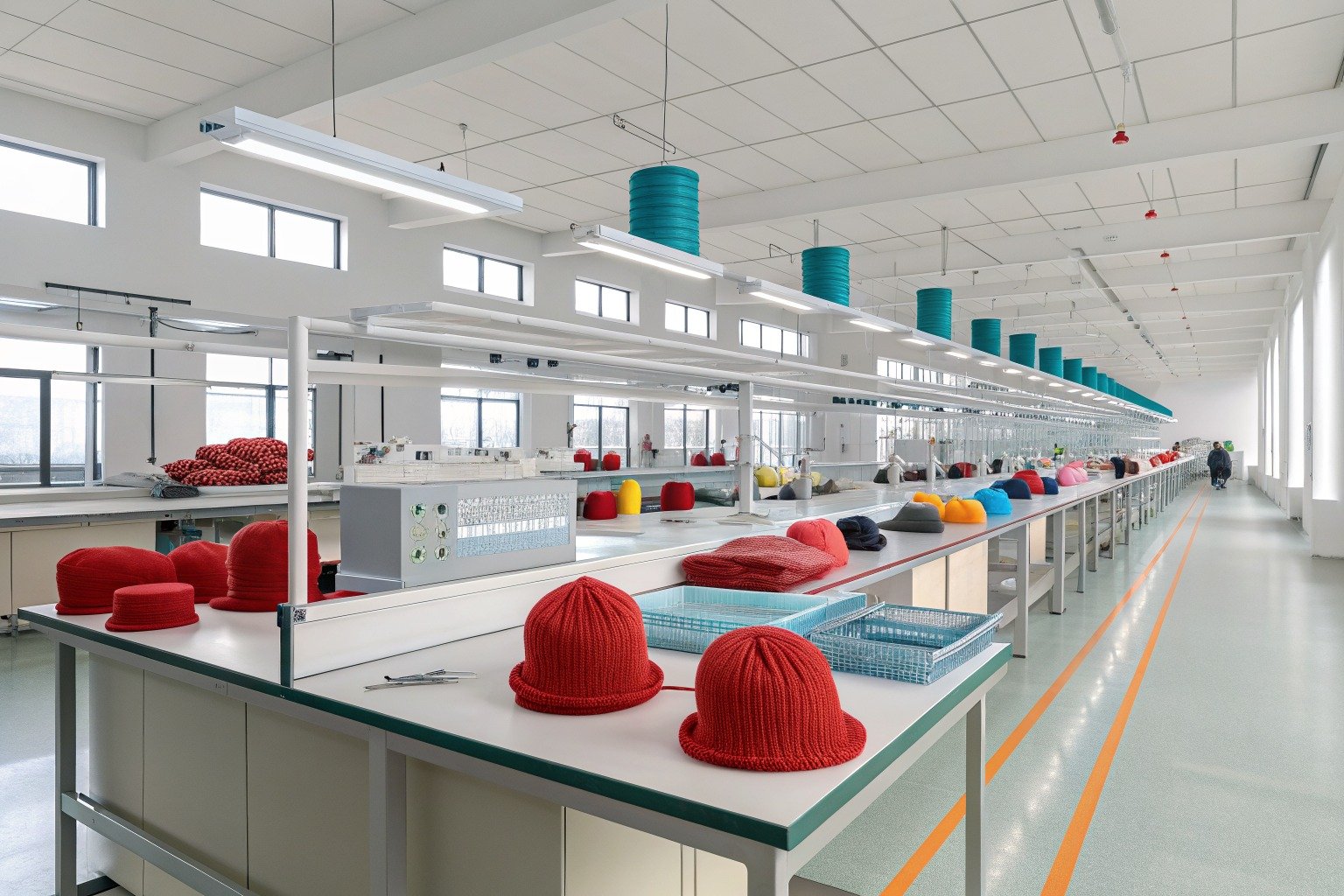
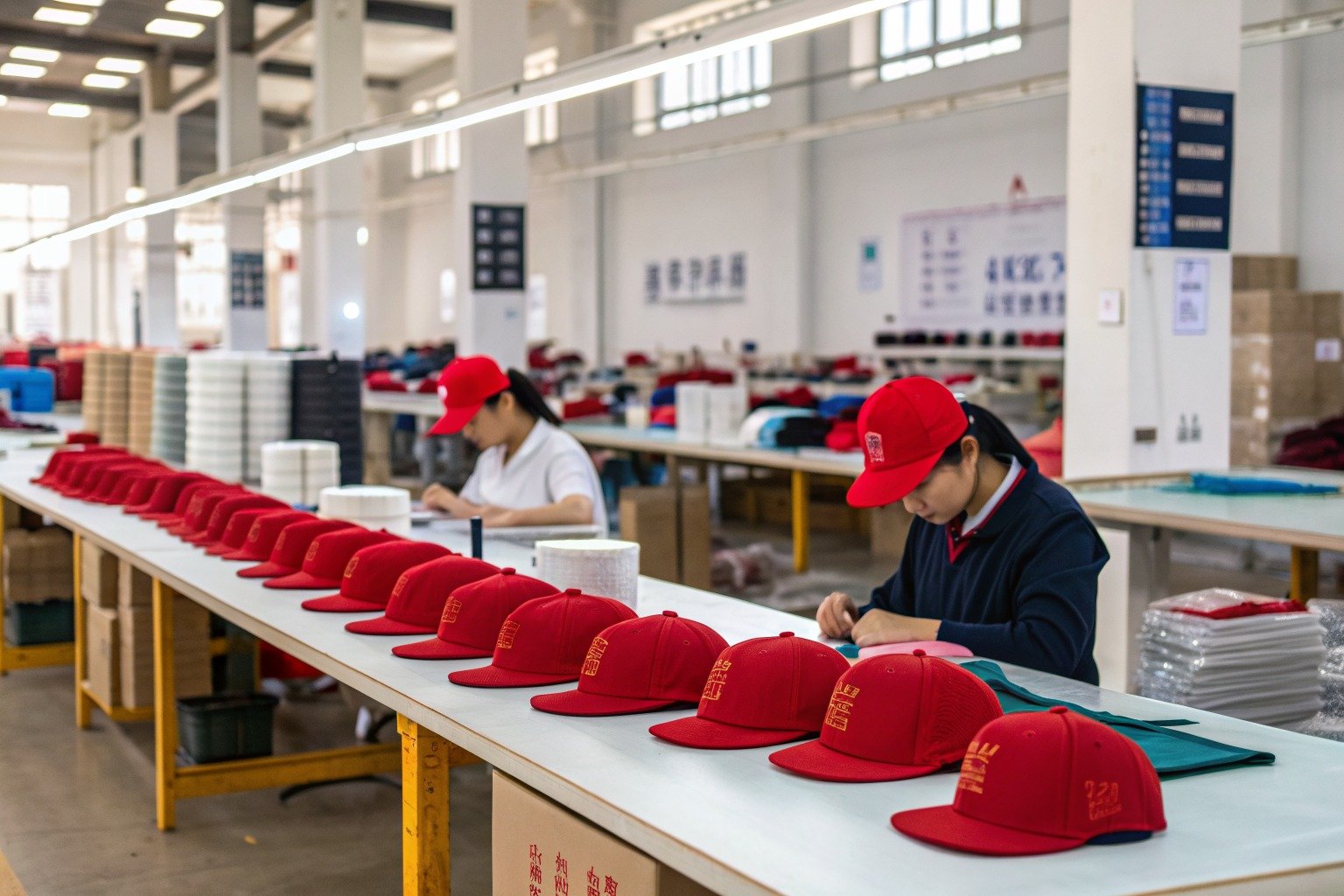
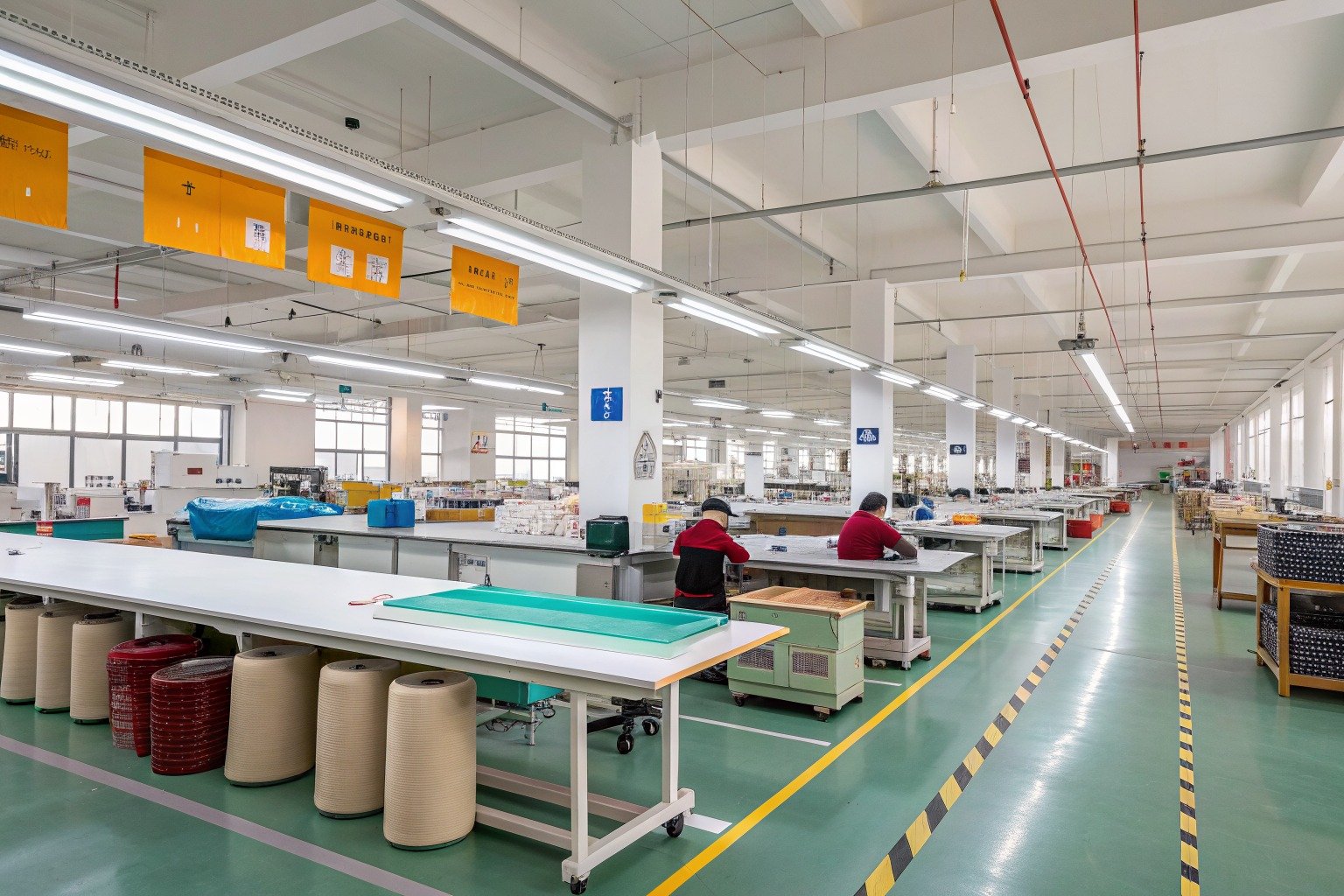
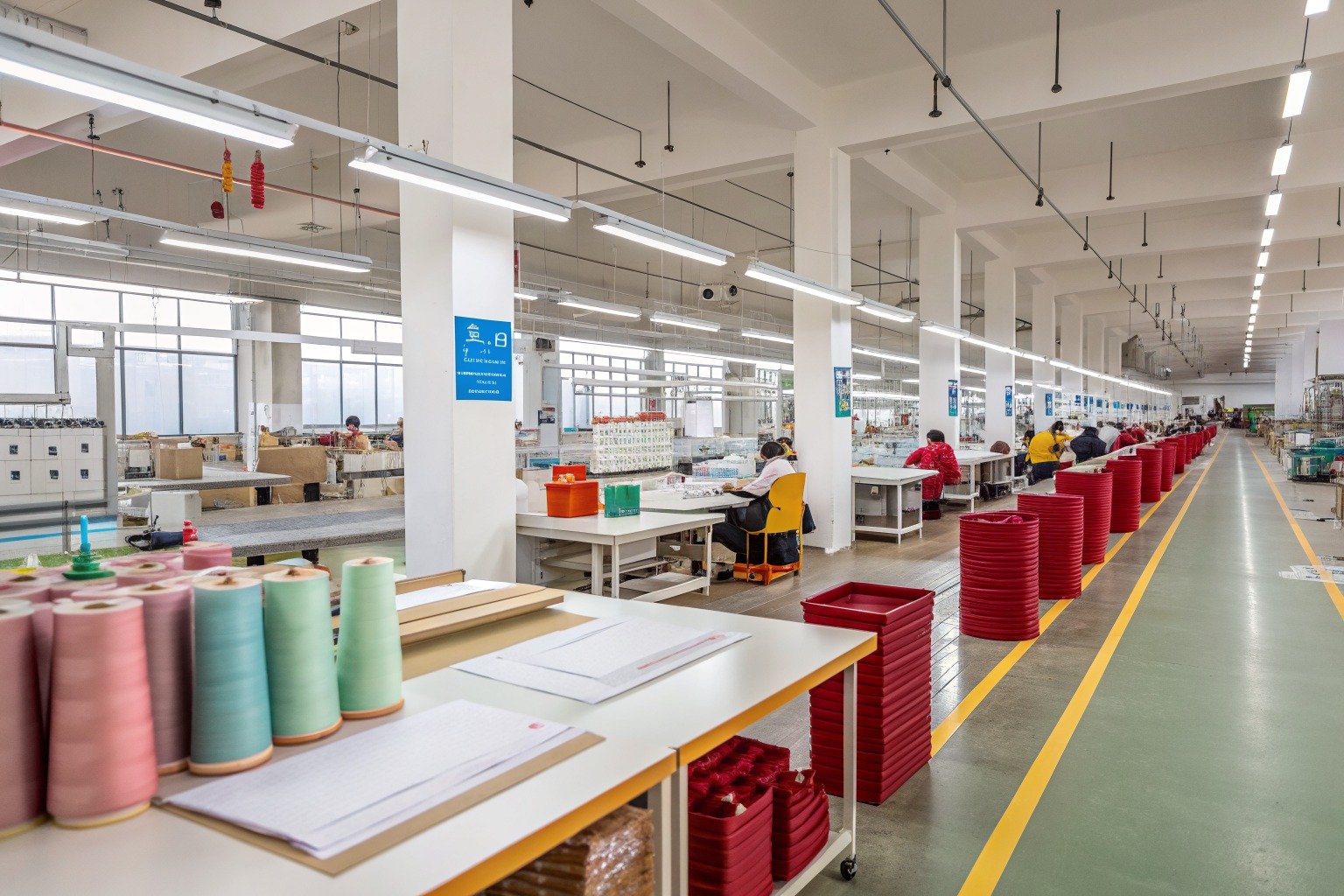
Many brands now seek ethical manufacturing partners to avoid reputational damage associated with sweatshops. Key concerns include excessive working hours, missing safety protocols, and underage labor. Factories cutting corners on worker safety often ignore environmental regulations, demonstrating how sustainability aspects interconnect. Our clean, modern Zhejiang facility represents this commitment, believing safe, respectful workplaces remain non-negotiable for responsible manufacturing.

Why Are Factory Audits and Certifications Important?
Audits and certifications provide proof behind promises through objective verification of social and environmental standards. Our regular SMETA audits cover labor standards, health and safety, and environmental performance as a recognized social compliance standard. Maintaining certifications like BSCI demonstrates our commitment to these principles, providing the transparency essential for building long-term trust with major brands and supermarket clients.
How Does Ethical Production Benefit Brands?
Ethical production has evolved from niche demand to business advantage through enhanced brand reputation and consumer loyalty. Contemporary shoppers, particularly younger generations, prefer purchasing from companies sharing their values, often paying premium prices for responsibly made products. Stable, well-treated workforces yield higher product quality, as valued skilled workers demonstrate greater attentiveness and produce superior goods. This reduces defect and return rates, providing partners with more reliable supplies of high-quality accessories they can proudly market.
Conclusion
Accessory production’s environmental impact spans material sourcing, manufacturing pollution, and logistics emissions, but doesn’t represent an inevitable outcome. Through sustainable material choices, advanced manufacturing technologies, efficient logistics, and strong social responsibility commitments, we can dramatically reduce our footprint. The industry is transforming, with positive change tools readily available.
The sustainability journey requires continuous commitment from manufacturers, brands, and consumers. Collaborative efforts can transform the accessory industry into a positive force. If you seek a manufacturing partner understanding these responsibilities, we welcome the opportunity to help create beautiful, high-quality accessories that respect both planet and people.
For discussion about partnering on your next accessory order, please contact our Business Director, Elaine. Her email is elaine@fumaoclothing.com.