A buyer from a London-based accessories brand called me on a Thursday afternoon, and I could hear the exhaustion in her voice. She had just received a shipment of wool berets from a new supplier. The outer wool was exactly as sampled, a beautiful charcoal herringbone. But when she cut open one of the berets to check the internal construction, she found a cheap, shiny polyester lining instead of the soft cotton viscose blend she had approved. The factory had made the switch without telling her. The berets looked fine on the outside. They would probably pass a casual inspection. But they would not breathe, they would feel clammy against the scalp, and her customers, who paid a premium for natural materials, would eventually notice. She felt cheated, and she did not know how to confront the factory or what remediation to demand. I walked her through exactly what to do, and we turned a potential brand disaster into a supplier accountability moment.
The best way to handle a factory that substitutes lining material without approval is a four-step escalation process. First, document the substitution with photographic evidence and a side-by-side comparison of the approved lining sample versus the delivered lining, including a basic burn test to confirm fiber content. Second, issue a formal corrective action report that clearly states the non-conformance, references the original purchase order and approved sample, and demands a concrete remediation plan. Third, negotiate compensation based on the severity of the substitution, which can range from a discount on the current shipment to a full remake at the factory’s expense. Fourth, implement a pre-shipment inspection protocol that specifically includes a lining verification check, where the inspector cuts open a random sample of finished products to verify internal materials before the container is sealed. If the factory is unwilling to correct the issue or shows a pattern of deceptive behavior, the best long-term solution is to transition production to a more transparent manufacturing partner.
Lining substitution is one of the most common and most insidious problems in accessory manufacturing. It is insidious because it is hidden. A buyer checks the outer fabric, the stitching, the color, the size. How many buyers cut open a finished product to check what is inside? Not many. Unethical factories know this, and some exploit it. At AceAccessory, we have a strict policy of zero unauthorized material substitution. Every lining material we use is specified in the tech pack, verified during inline inspection, and re-verified during final QC. I want to share everything I have learned about preventing this problem and dealing with it effectively when it happens.
Why Do Some Factories Substitute Lining Without Approval
Understanding why a factory substitutes lining material is not about making excuses for bad behavior. It is about understanding the root cause so you can prevent it. Factories substitute materials for a combination of reasons, and they are rarely random. Sometimes it is about cost pressure. Sometimes it is about supply chain disruption. Sometimes it is about internal disorganization. And sometimes, unfortunately, it is about deliberate deception. By understanding the motivation, you can design your sourcing and quality control processes to eliminate the opportunity for substitution.
Factories substitute lining materials without approval for several common reasons. Margin pressure is the most frequent driver. A factory that quoted too low to win the order may try to recover margin by swapping an expensive lining for a cheaper one. Supply chain shortages are another factor. If the specified lining fabric is out of stock and the factory wants to ship on time, they may substitute what is available rather than delay the shipment and risk a late delivery penalty. Internal miscommunication also plays a role. The purchasing department may buy a different material without informing the production line, especially in factories with weak internal controls. In the worst cases, deliberate fraud is the cause. A factory intentionally substitutes cheaper materials, hoping the buyer will not inspect the hidden components, and pockets the difference.
Knowing these motivations helps you identify which factories are high risk. A factory that is significantly cheaper than every other quote is a red flag. They may be planning to make up the difference through material substitutions. A factory that is vague about their material sourcing or cannot provide supplier certificates for their lining fabrics is another red flag. A factory with high staff turnover or a disorganized production floor is more likely to have internal miscommunication that leads to accidental substitution. Here is a deeper look at the two most common scenarios.
How Does Cost Pressure Lead to Hidden Material Changes?
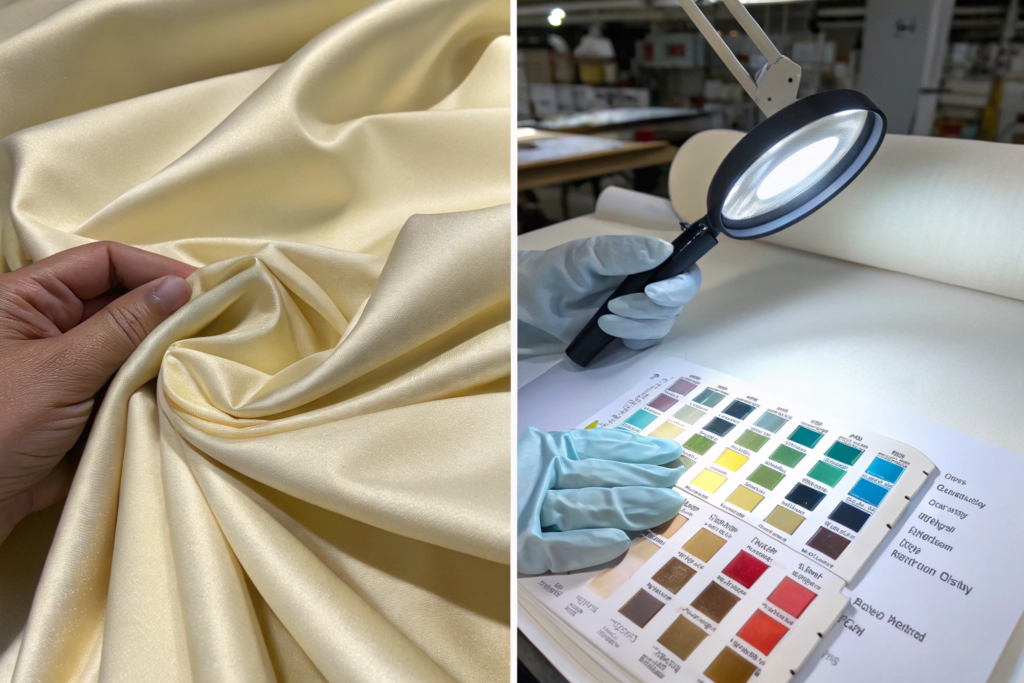
The economics of accessory manufacturing are tight. A factory quotes a price to win an order. That price is based on an assumed material cost, labor cost, and overhead cost. If the factory miscalculated, if material prices rose after the quote was issued, or if the buyer negotiated the price down to a level that eliminated the factory’s profit margin, the factory faces a choice. They can lose money on the order, or they can find savings somewhere. The lining is the easiest place to find savings because it is invisible. A polyester lining might cost half as much per meter as a cotton viscose lining. On a run of 5,000 caps, that substitution might save the factory a few hundred dollars, which can be the difference between a profitable order and a loss-making one. This does not excuse the behavior. A factory that agreed to a price has a contractual and ethical obligation to deliver what was agreed. But understanding the cost pressure helps you have a more productive conversation when the problem is discovered. If you have squeezed the factory to a price that is below market, you have inadvertently created an incentive for substitution. The solution is not to accept the substitution. The solution is to have an honest conversation about whether the price is realistic, and if it is not, to adjust it or to adjust the specification, such as agreeing to a different lining material that still meets your quality standards but at a lower cost. I always tell buyers that the cheapest quote is rarely the cheapest in the long run. The hidden costs of material substitution, returns, brand damage, and lost customer trust, far outweigh any upfront price savings.
Can Supply Chain Issues Cause Unauthorized Substitutions?
Supply chain disruption is a reality of global manufacturing. A fabric mill has a production delay. A dye lot fails inspection. A shipping container of lining material is held at customs for three weeks. The factory is sitting with a production line ready to run, workers waiting, and a shipping deadline approaching. The specified lining material is not available. The factory manager faces a difficult decision. Stop the line, delay the shipment, and face the buyer’s anger over late delivery. Or substitute a similar material that is available, ship on time, and hope the buyer does not notice. In this scenario, the factory’s motivation is not greed. It is fear of missing the delivery date. The problem is not the substitution itself. It is the lack of communication. A professional, transparent factory will contact the buyer immediately when a material shortage occurs. They will explain the situation, present the alternative material for approval, and let the buyer make the decision. An unprofessional factory will make the substitution silently and hope for the best. This is why pre-shipment inspection is critical. It creates a checkpoint where the substitution is discovered before the goods leave the factory, when remediation is still relatively easy. I have experienced supply chain disruptions in our own production, and I have always found that buyers appreciate honesty. A two-day delay while an alternative material is approved is far less damaging than a shipment that arrives with the wrong material and has to be reworked or returned.
How to Document a Lining Substitution for a Formal Complaint
When you discover a lining substitution, your first instinct might be to fire off an angry email. Do not do that. An angry email feels satisfying in the moment, but it puts the factory on the defensive and does not build a case for compensation. What you need is a documented, factual, unassailable record of the non-conformance. This documentation serves multiple purposes. It communicates to the factory that you are professional and serious. It provides the evidence you need to demand specific remediation. And if the situation escalates to a legal or trade dispute, it is the foundation of your case.
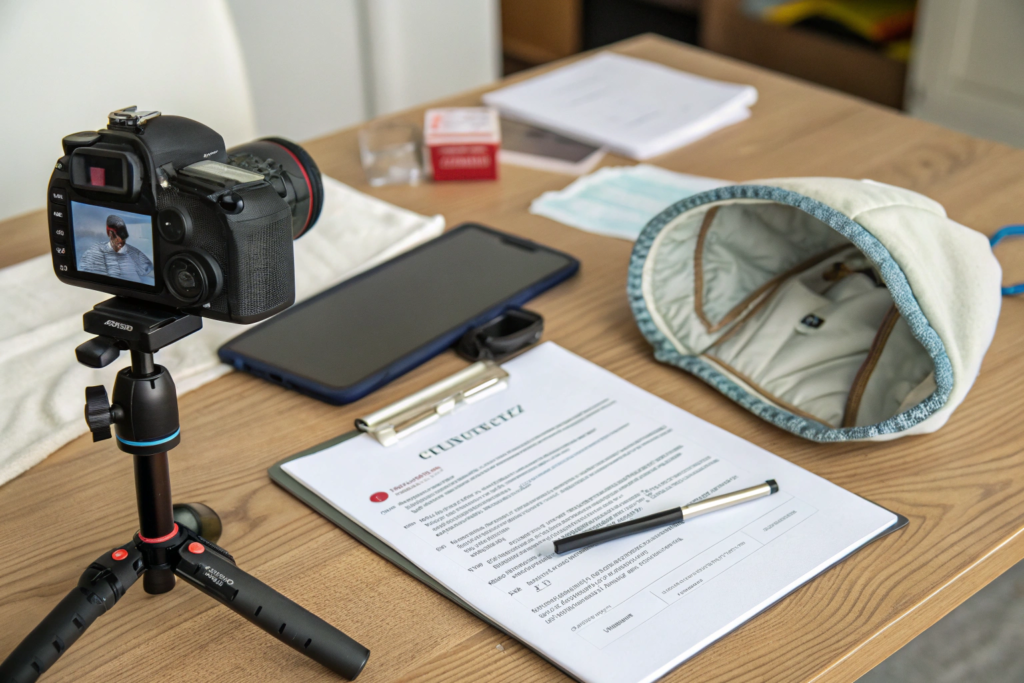
Documenting a lining substitution for a formal complaint requires collecting four types of evidence. First, a side-by-side photographic comparison of the approved lining sample and the actual lining found in the delivered goods, shot under consistent lighting with a scale reference. Second, a fiber content verification, ideally a simple burn test that you can perform yourself, with video documentation of the burn behavior and ash residue. Third, a copy of the original purchase order and the approved tech pack or specification sheet that clearly states the agreed lining material. Fourth, a formal corrective action report that describes the non-conformance in objective, factual language, references the specific purchase order and style numbers, attaches the photographic and test evidence, and states the required remediation and a deadline for the factory’s response.
This level of documentation transforms the conversation from a subjective complaint, "This lining feels cheap," to an objective finding, "The approved sample is 70% cotton, 30% viscose. The delivered lining is 100% polyester. This is a material deviation from the agreed specification." Facts are hard to argue with. Let me explain the two most effective forms of evidence.
How Do You Perform a Burn Test to Verify Fiber Content?
A burn test is a simple, fast, and surprisingly informative way to identify fabric fiber content. It requires nothing more than a small snip of fabric, a pair of tweezers, a flame source like a lighter, and a non-flammable surface like a ceramic plate. You take a small piece of the lining fabric, about one centimeter square. Hold it with the tweezers. Bring the flame to the edge of the fabric and observe what happens. The behavior of the fabric as it burns, the smell of the smoke, and the characteristics of the ash residue all provide clues about the fiber content. Natural plant fibers like cotton and viscose burn quickly with a yellow flame. They smell like burning paper or burning leaves. The ash is fine, soft, and gray. It crumbles to powder between your fingers. Synthetic fibers like polyester behave completely differently. Polyester shrinks away from the flame. It melts and forms hard, shiny black beads. The smoke is black and has a sweet, chemical smell, like burning plastic. The residue is a hard, brittle bead that cannot be crushed. A cotton viscose blend will burn mostly like cotton, with a papery smell and soft gray ash, but there may be a slight melting at the edge if synthetic fibers are present. The burn test is not a precise quantitative analysis. It will not tell you the exact percentage of each fiber. But it will very quickly and very clearly tell you whether the lining is a natural cellulose fiber, a synthetic petroleum-based fiber, or a blend. A video recording of the burn test, showing the fabric sample being held to the flame, the burn behavior, and the resulting ash, is compelling evidence. It is hard for a factory to argue with a video that clearly shows their "cotton lining" melting into a hard plastic bead. For a more precise and legally robust analysis, you can send a fabric sample to a textile testing laboratory for a fiber composition test according to ISO 1833 or AATCC 20. This test provides an exact percentage breakdown and a formal test report. For high-value disputes, the lab report is worth the cost.
What Photographic Evidence Strengthens a Quality Complaint?
Photographs are the universal language of quality complaints. A well-shot photograph eliminates ambiguity and makes the problem immediately visible, even across language barriers. The most important photograph is the side-by-side comparison. Place the approved lining sample and the actual delivered lining sample next to each other on a neutral gray or white background. Both samples should be roughly the same size, and the edges should be cleanly cut, not frayed. Place a ruler or a color reference card next to the samples for scale and white balance. Shoot the photograph in natural daylight or under a daylight-balanced lamp. The photograph should capture the color difference, the texture difference, the sheen difference, and the weight difference if the samples are draped to show how they hang. The next photograph should show the location of the lining inside the finished product. Cut open a product, or photograph a partially assembled product if you have access to inline production, and show the lining in situ. This proves that the sample you tested came from the actual delivered goods, not from a different source. Photograph the product’s outer appearance, the style number label, and the barcode sticker on the shipping carton. This connects the faulty lining to a specific production batch. If you are documenting a shipment that has already arrived at your warehouse, photograph the carton markings, the opened carton with the products inside, and the individual product before and after cutting it open. A continuous photographic chain from sealed carton to revealed lining leaves no room for the factory to claim that the sample was tampered with. I always recommend that buyers perform this documentation immediately upon receiving a shipment, while the cartons are still in their original sealed condition. The freshness of the evidence matters.
How to Negotiate Compensation for Substituted Materials
Negotiating compensation for a lining substitution is a test of your supplier relationship. The goal is not to punish the factory. The goal is to be made whole for the loss you have suffered and to create a strong incentive for the factory to never make the same mistake again. The compensation you demand must be proportional to the actual damage. If the substituted lining is functionally identical and the end customer will never notice the difference, the compensation might be a modest discount on the current order. If the substituted lining fundamentally changes the product’s performance or contradicts your brand’s material claims, the compensation might need to be a full remake or a complete refund.
Negotiating compensation for substituted lining material should follow a clear, documented escalation. Start with a formal corrective action request that asks the factory to propose their own remediation. A factory that acknowledges the mistake and offers a fair compensation is demonstrating good faith. If the factory denies the problem or offers an unacceptable remedy, escalate to a specific demand. Common compensation options include a percentage discount on the current shipment, typically 10 to 30 percent depending on the severity of the substitution. A chargeback for the difference in material cost between the specified lining and the substituted lining, calculated per unit. A full remake of the order at the factory’s expense, with the original defective goods either returned at the factory’s cost or destroyed with photographic proof. Or, in cases of deliberate fraud, a full refund and cancellation of the business relationship, potentially accompanied by a claim against any trade assurance or quality guarantee program that covered the order.
The strength of your negotiating position depends on your leverage. If you have not yet paid the balance, you have significant leverage. If you have already paid in full, your leverage is reduced, but you still have the power of the ongoing relationship and the potential for future orders. Here is how to approach the two most common scenarios.

What Percentage Discount Is Reasonable for a Lining Swap?
The reasonable discount percentage depends on how the substitution affects the product’s value, usability, and brand integrity. If the substitution is a fiber content change that does not visibly or functionally alter the product, for example, a switch from one type of polyester to a slightly cheaper polyester, a discount of 10 to 15 percent is a typical starting point. This compensates you for the cost difference and the inconvenience, without being punitive. If the substitution is a change from a natural fiber to a synthetic, such as cotton viscose replaced by polyester, the discount should be higher, typically 20 to 30 percent. The natural fiber lining was a feature that justified a higher retail price. The synthetic lining reduces the product’s value proposition. If your brand markets itself as using natural materials, the substitution also causes brand damage, which is hard to quantify but must be factored into the compensation. If the substitution makes the product unsellable through your normal channels, if the product is labeled as cotton-lined and it is actually polyester, and selling it would constitute false advertising, then a discount is not sufficient. The product must be remade or refunded. A discount is only appropriate when the goods can still be sold honestly and without damage to your brand. When negotiating the discount percentage, reference the actual cost difference between the specified material and the substituted material. Ask the factory to provide the material cost per meter for both fabrics. The discount should at minimum capture that cost difference, multiplied by the total meterage used, plus an additional amount for your administrative burden and the risk to your brand. A factory that is transparent about the cost difference is showing good faith.
When Should You Demand a Full Remake or Refund?
A full remake or refund is warranted when the substitution fundamentally undermines the product’s marketability or your brand’s legal compliance. If your product is labeled with a fiber content claim, such as "Lining: 100% Cotton," and the actual lining is polyester, selling that product is illegal in most markets. It violates textile labeling laws. You cannot sell it. In this case, a discount is irrelevant. The goods are non-conforming and not fit for purpose. The factory must remake the order with the correct lining at their own expense, including all material and labor costs, and they should cover the shipping cost for the replacement goods. If the timeline does not allow for a remake, a full refund is the appropriate remedy. Another scenario that demands a remake is when the lining substitution causes a functional failure. If the specified lining was a breathable cotton for a summer cap, and the substituted lining is a non-breathable polyester that makes the cap uncomfortably hot, the product is functionally defective. Customer returns will be high. The brand’s reputation will suffer. A discount does not fix a defective product. A remake is required. When demanding a remake, you must be clear about the timeline. Specify a delivery date for the replacement goods. If the factory cannot meet that date, the order should be cancelled and refunded. You should also address the disposition of the defective goods. Usually, the factory will not want to pay return shipping for defective products. They may ask you to donate or destroy them. If they are destroyed, require photographic or video proof of destruction. If they are donated, ensure the donation does not harm your brand, for example, do not donate branded defective goods that could re-enter the market and dilute your brand value. All of these terms should be confirmed in writing, ideally in an amended purchase order or a formal settlement agreement.
How to Prevent Lining Substitution in Future Orders
Prevention is always better than cure. The lining substitution problem that you catch and negotiate today is a problem that should never have happened. Building a prevention system into your sourcing and quality control process will save you time, money, and stress on every future order. Prevention operates on three levels. The supplier level, selecting factories that have a track record of transparency and strong internal quality systems. The contract level, specifying materials clearly in the purchase order and tech pack with legal consequences for unauthorized substitution. And the inspection level, verifying the materials before production begins and again before the goods ship.
Preventing lining material substitution in future orders requires a three-part prevention system. At the supplier selection stage, audit the factory’s material sourcing practices, ask for supplier certificates for their lining fabric suppliers, and check references from other buyers about material integrity. At the contract stage, include a specific clause in the purchase order that states unauthorized material substitution constitutes a material breach, entitles the buyer to a full refund and compensation for consequential damages, and requires the factory to retain a retained sample of the approved lining for the duration of the production order. At the inspection stage, implement a pre-production material check where the inspector verifies the lining fabric against the approved sample before cutting begins, an inline inspection that checks lining during assembly, and a pre-shipment inspection that specifically includes destructive testing, cutting open a random sample of finished goods to verify internal materials.
This prevention system adds a small amount of time and cost to each order, but it is a fraction of the cost of dealing with a substitution after the goods have shipped. Here are the two most effective prevention measures.
Why Should You Retain a Sealed Lining Sample Before Production?
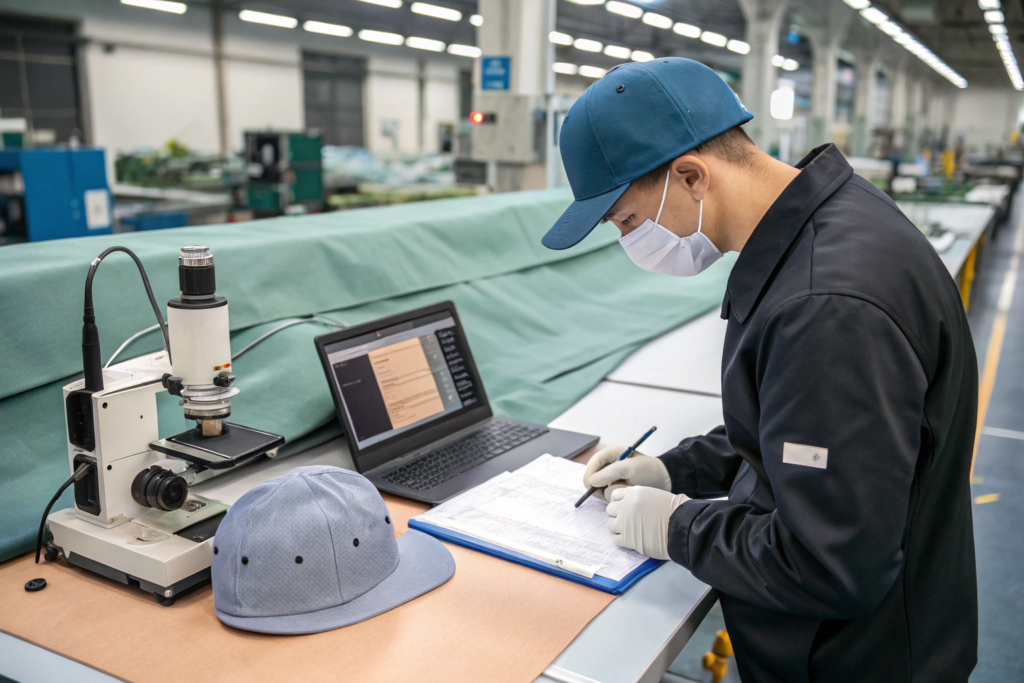
A retained sample, sometimes called a counter sample or a sealed sample, is a physical piece of the approved material that is signed, dated, and kept by both the buyer and the factory as the definitive reference for the order. Before production begins, the factory sends a swatch of the exact lining material they intend to use. The buyer approves it by signing and dating the swatch, or by sending a formal material approval form. One copy is kept by the buyer. One copy is kept by the factory, often sealed in a plastic bag and attached to the production file. This retained sample becomes the undisputed reference. If a dispute arises about whether the lining in the finished goods matches what was approved, the retained sample is the arbiter. There is no argument about memory or interpretation. The approved material is physically present, and the delivered material either matches it or does not. This simple practice prevents the most common cause of accidental substitution, which is a miscommunication about which material was approved. It also makes deliberate substitution harder to defend. A factory cannot claim they thought the polyester lining was acceptable when the retained sample in their own production file is clearly a cotton viscose. I recommend that buyers keep their retained sample in a secure place, organized by supplier and purchase order number, for at least one year after the order is delivered and sold through. If a quality issue arises months later, the retained sample is still available for comparison.
How Does Inline Inspection Catch Substitutions Before They Ship?
Inline inspection is the practice of checking products while they are still being manufactured, rather than waiting until everything is finished and packed. A lining substitution can be caught at multiple points during inline inspection. The earliest point is during cutting. The inspector visits the cutting table and checks the rolls of lining fabric against the retained sample before the fabric is spread and cut. If the wrong lining is on the cutting table, the problem is caught before a single piece is sewn. The next point is during sewing. The inspector checks partially assembled products on the sewing line. They can see the lining being inserted and verify it against the sample. If the wrong lining has made it past the cutting stage, it is caught here, after only a small number of units have been produced. The rework cost at this stage is minimal compared to reworking finished goods. The final inline check is during finishing and packing. The inspector selects a random sample of finished goods, cuts them open, and verifies the lining. This is a destructive test, so it is performed on a small sample, but it provides final assurance that the lining in the finished product is correct. Inline inspection requires that an inspector be present at the factory during production. This can be an internal QC team member, a third-party inspection service, or the buyer themselves if they are visiting. The key is that the inspection happens early and in the middle of production, not just at the end. I schedule inline inspections for every new supplier and for every first production run of a new design. Once a supplier has proven their reliability over multiple orders, I may reduce the frequency of inline inspections, but I never eliminate the final random destructive check. It is the last line of defense.
Conclusion
A factory that substitutes lining material without approval is testing your attention to detail, your quality standards, and your resolve as a buyer. How you respond defines the future of that supplier relationship and protects your brand’s integrity. We have walked through why substitutions happen, from margin pressure and supply chain disruption to deliberate deception, and understanding the root cause is the first step to addressing the problem effectively, not just reacting emotionally. Documenting the substitution with burn test videos, side-by-side photography, and a formal corrective action report transforms your complaint from an opinion to an unassailable fact. Negotiating compensation based on the severity of the substitution, whether it is a discount, a remake, or a refund, requires clarity about the actual damage to your business and a willingness to enforce consequences. And finally, building a prevention system with retained samples, detailed tech pack specifications, and inline inspection at multiple production stages stops the problem before it starts.
At AceAccessory, we operate on a simple principle. The material specified in the tech pack is the material that goes into the product. No exceptions, no substitutions, no surprises. Our QC team verifies lining materials at incoming inspection, during inline production, and at final audit. We retain signed, dated lining samples for every order, and we welcome our clients to inspect our production at any stage. We have built our reputation with European and North American brands who trust us precisely because they never have to worry about hidden material swaps.
If you have been burned by a factory that substituted lining material, or if you are looking for a manufacturing partner who treats material integrity as a non-negotiable standard, I invite you to reach out. Contact our Business Director, Elaine, at elaine@fumaoclothing.com. Tell her about your product range, the materials that matter to your brand, and the quality standards you expect. She will walk you through our material sourcing and QC protocols and show you how we ensure that what you approve is exactly what you receive. Do not let a dishonest factory compromise the quality your customers trust you to deliver.