A customer once returned an entire batch of 2,000 fashion headbands to one of my retail clients. The reason was not a design flaw or a stitching defect. The inner seam was a stiff nylon thread that rubbed against the scalp and caused redness and itching after just an hour of wear. The retailer lost the sale, the customer lost trust, and I lost sleep. That moment taught me that a headband is not just an accessory. It is a medical device for some people and a comfort object for others. Ignoring what touches the skin is the fastest way to destroy a brand.
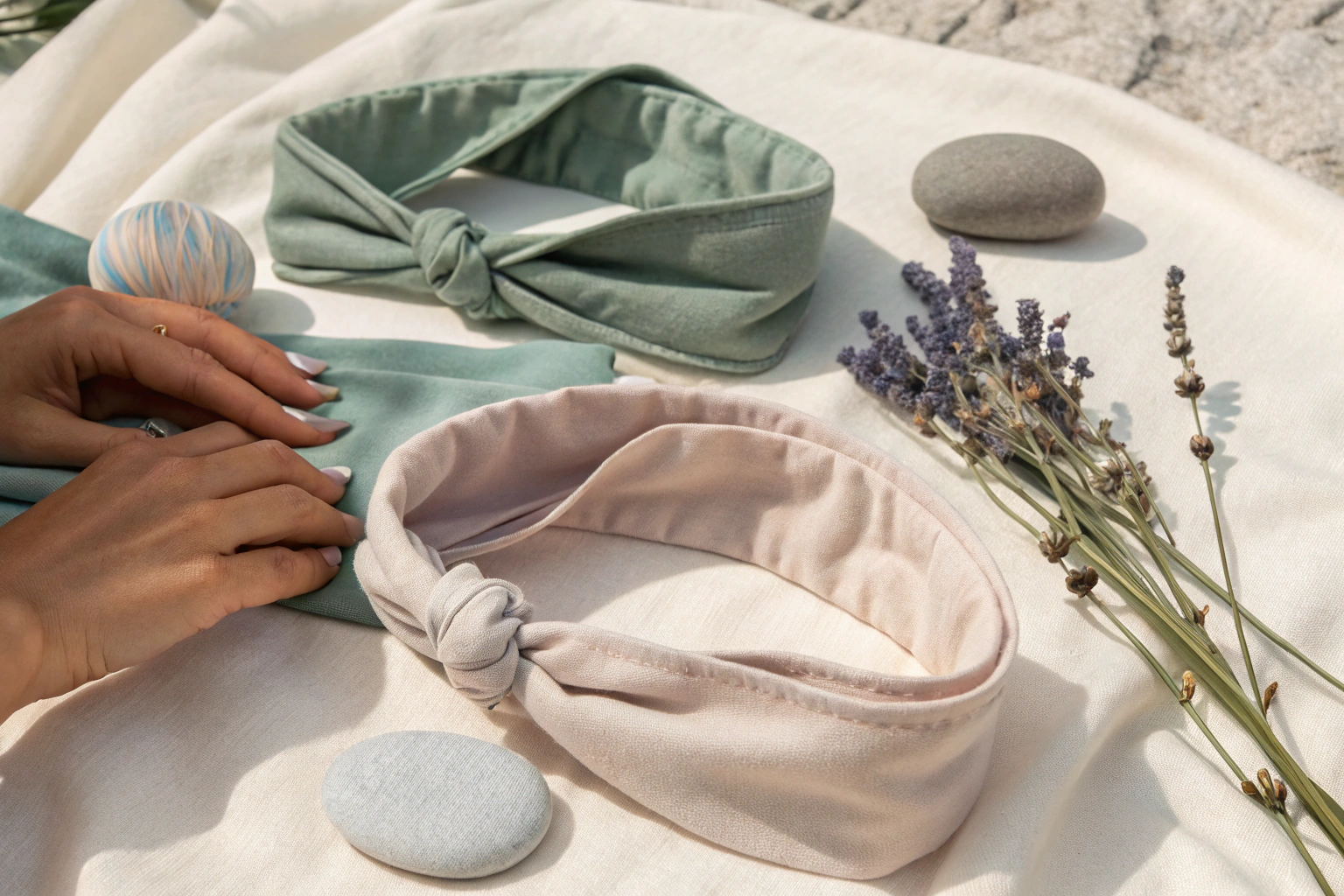
The most common headband materials for sensitive scalps in 2026 are organic bamboo viscose, mulberry silk charmeuse, brushed organic cotton, seamless microfiber with silver ion treatment, and TENCEL lyocell. These materials share three critical properties. They are naturally hypoallergenic, they wick moisture away from the skin to prevent irritation, and they offer an exceptionally low-friction surface that does not pull or snag fine hair. The shift toward scalp health is not a niche trend driven by a few dermatologists. It is a mainstream consumer movement fueled by the clean beauty industry, the wellness lifestyle boom, and a growing awareness that chronic scalp irritation can lead to hair thinning.
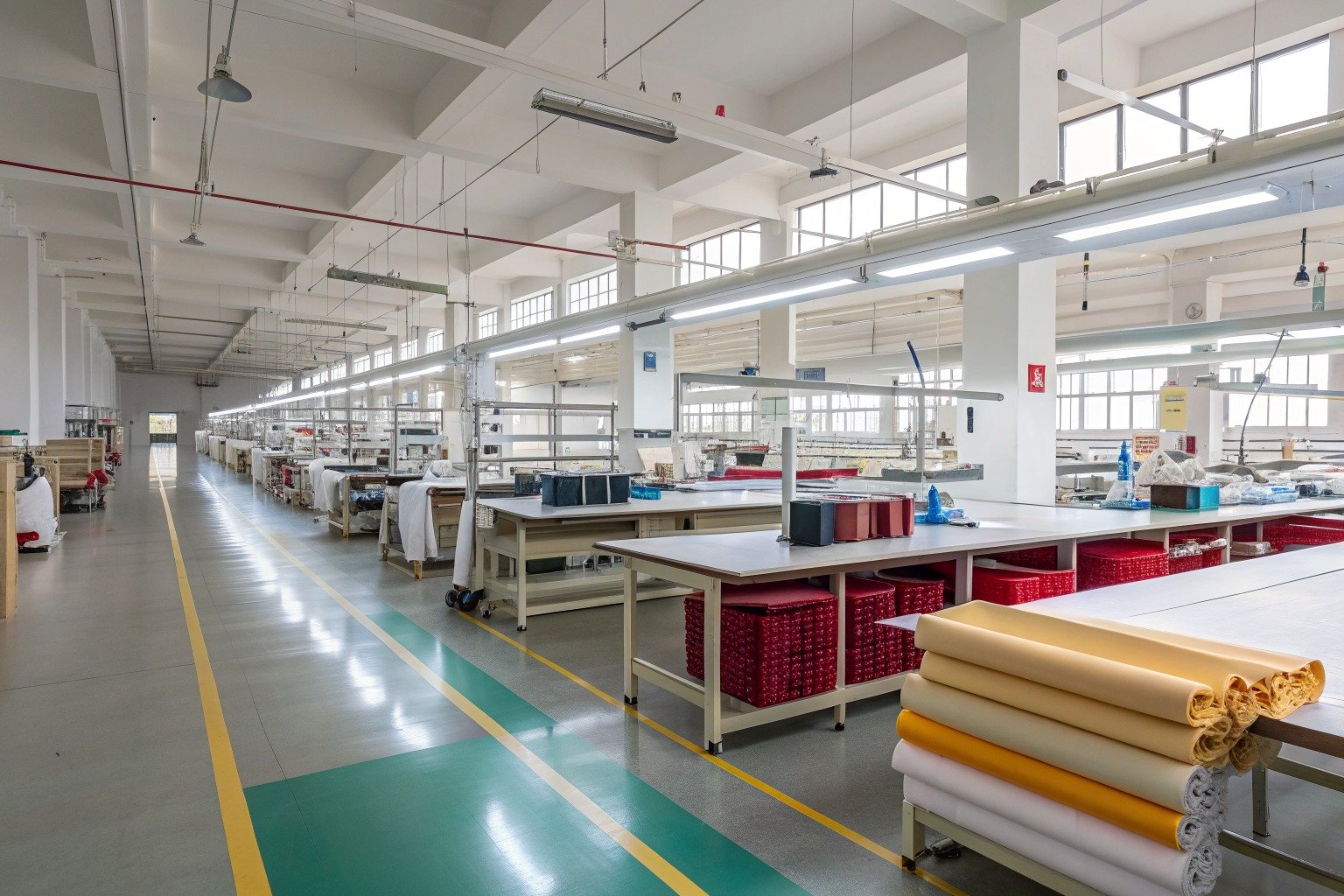
In our Zhejiang factory, I have retooled a significant portion of our headband production line to accommodate these sensitive-skin materials. It required new cutting tables to handle slippery silk, new needle types to avoid snagging bamboo knits, and a completely revised quality control checklist that includes a skin patch test simulation. This is the work that separates a general accessories supplier from a specialized manufacturer who understands the health implications of what they produce. I want to share exactly what materials are trending, why they work for sensitive scalps, and how to source them correctly so that your brand becomes the one customers trust with their comfort.
Which Natural Fibers Are Best for Hypoallergenic Headbands?
When a customer searches for a "hypoallergenic headband," they are often coming from a place of frustration. They have tried the standard drugstore elastic bands and ended up with a red, itchy line across their forehead. They may have contact dermatitis, eczema, or simply very sensitive skin that reacts to synthetic dyes and chemical finishes. Natural fibers offer the safest starting point because they are minimally processed and free from the petroleum-based compounds that commonly trigger skin reactions. But not all natural fibers are equal. Some are rougher than synthetics. Some absorb moisture and become a breeding ground for bacteria.
The three natural fibers leading the 2026 sensitive scalp market are organic bamboo, mulberry silk, and organic cotton. Each has a unique set of properties that address different sensitivity triggers. Bamboo offers natural antibacterial protection. Silk offers the lowest friction coefficient of any natural fiber. Cotton offers breathability and familiarity. Our product development team selects the fiber based on the specific use case. A bamboo knit is perfect for an everyday casual headband. A silk charmeuse is the premium choice for a sleep headband. An organic cotton woven is ideal for a post-shower spa band that needs to absorb moisture without irritating wet skin.
Why is organic bamboo viscose the top choice for sensitive skin headbands?
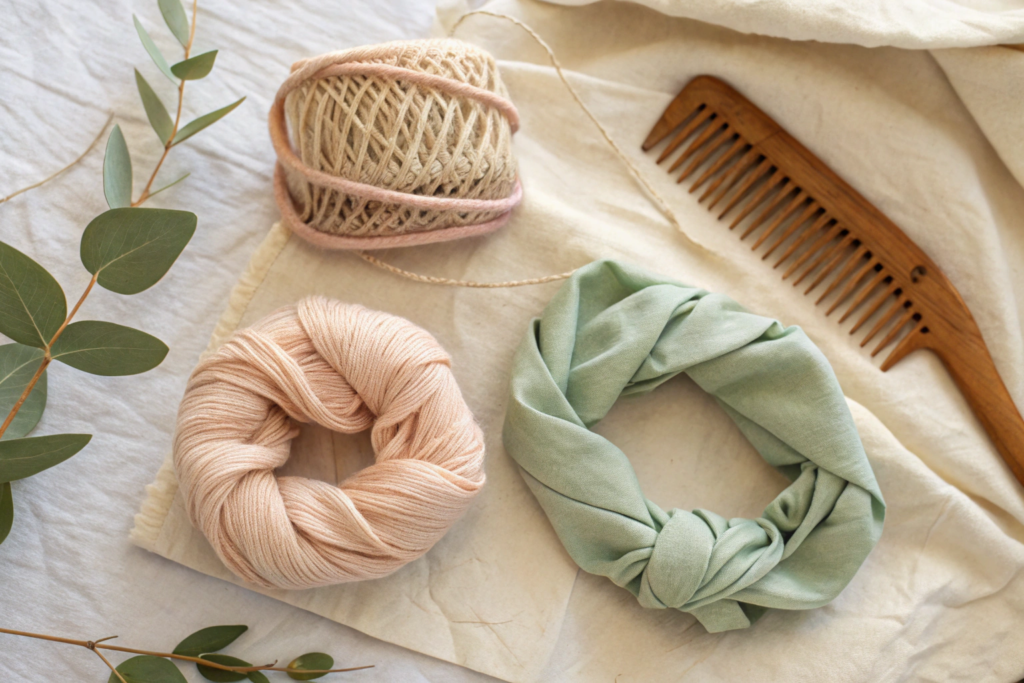
Bamboo viscose has exploded in popularity, and for good reason. The fiber is naturally smooth and round with no sharp spurs to scratch the skin. Under a microscope, cotton looks like a twisted ribbon with rough edges. Bamboo looks like a smooth, round tube. This structural difference means bamboo glides over the scalp without causing micro-abrasions. Bamboo also contains a natural bio-agent called "bamboo kun" that resists bacteria and fungi. This is a crucial advantage for a headband worn during exercise or in humid climates. A synthetic headband traps sweat and becomes a bacteria factory within hours. A bamboo headband actively resists that microbial growth, reducing the risk of folliculitis and scalp acne. We source our bamboo from FSC-certified forests and process it in a closed-loop viscose system that recaptures and reuses the solvents. This ensures the final fabric is free from chemical residues that could irritate the skin. We also test every bamboo batch for textile skin irritation compliance under the OEKO-TEX Standard 100 certification. The certification guarantees that the fabric is tested for harmful substances. For a brand selling to the clean beauty consumer, this certification label on your packaging is a powerful trust signal. The bamboo fabric properties include excellent moisture wicking. The fiber pulls sweat away from the scalp and evaporates it quickly, keeping the skin dry and comfortable all day.
How does mulberry silk protect sensitive scalps during sleep?
Sleep headbands are a growing category, driven by the curly hair and protective styling communities. Women wrap their hair at night to preserve a blowout or protect braids. A rough cotton headband can create friction that causes breakage along the hairline and irritates the delicate skin of the temples. Mulberry silk is the solution. It is the smoothest natural fiber available. Its friction coefficient is significantly lower than cotton or polyester. This means the headband slides gently against the pillow without tugging at the hair or rubbing the skin raw. We use a high momme weight silk charmeuse, typically 19 to 22 momme, for our premium sleep headbands. This weight offers durability for daily use while maintaining the buttery soft hand-feel that customers expect. We construct these headbands with a completely encased elastic band. No exposed elastic touches the skin. The entire inner channel is lined with the same silk charmeuse. We also use a flat, seamless construction with no inner tags. The care label is printed directly on the silk with skin-safe ink. For the sensitive scalp customer, details like a hidden tag seam are not minor. They are the difference between a restful night and a morning of itching. We recommend silk for brands targeting the luxury sleep accessories market. It commands a higher retail price and creates a loyal repeat customer who will not go back to rough synthetic alternatives.
What Are the Best Synthetic Materials for Hypoallergenic Athletic Headbands?
Not every sensitive scalp customer wants a natural, spa-like aesthetic. Athletes, runners, and gym-goers with sensitive skin need a headband that can handle intense sweat, frequent washing, and constant friction without causing a rash along the hairline. Natural fibers like cotton absorb sweat and stay wet, which softens the skin and makes it more vulnerable to friction damage. A wet cotton headband essentially becomes sandpaper against a damp forehead during a long run. This is where high-performance synthetics enter the picture. They are not the enemy of sensitive skin when engineered correctly.
The key is to choose synthetic fibers that are non-porous, quick-drying, and treated with antimicrobial agents that prevent bacterial overgrowth. The three synthetics dominating the sensitive athletic headband market in 2026 are seamless microfiber nylon, TENCEL lyocell blends, and recycled polyester with silver ion or zinc oxide finishes. These materials provide the stretch and recovery that athletes need while maintaining a smooth, non-abrasive surface against the skin. Our factory has developed a proprietary blend that combines the moisture management of microfiber with the skin-soothing properties of TENCEL.
Why is seamless microfiber construction critical for sensitive skin?
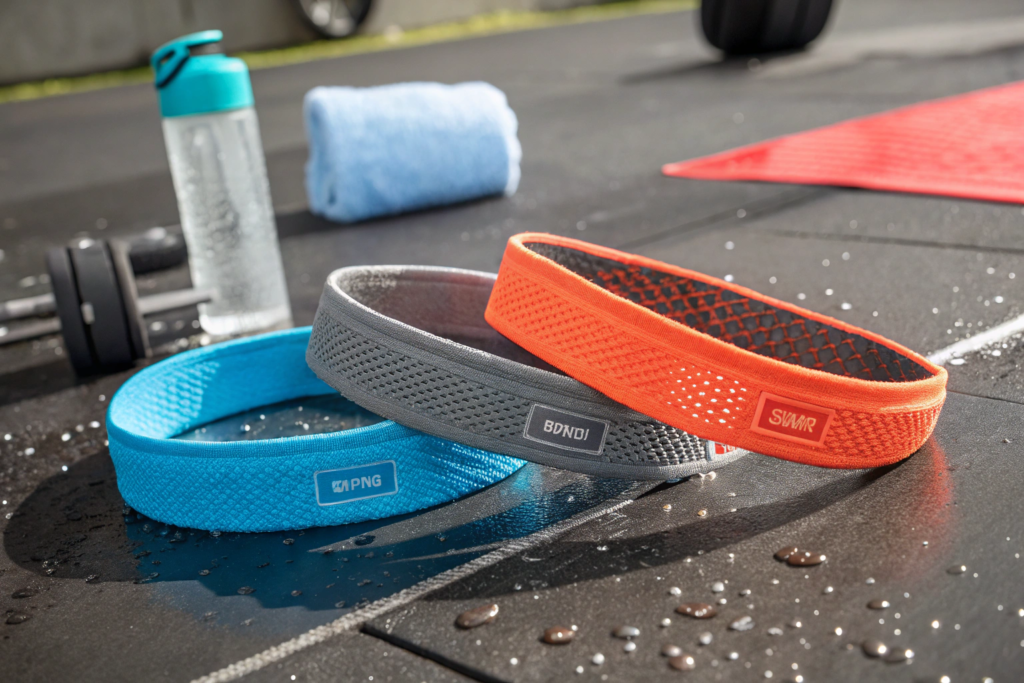
The seam is the most common culprit in headband-related skin irritation. Even a soft fabric becomes a source of friction if there is a thick, raised seam pressing against the skin behind the ears or at the nape of the neck. Seamless construction eliminates this problem entirely. We produce athletic headbands using a circular knitting machine that creates a continuous tube of microfiber fabric. The headband has no side seams, no top stitching, and no rough edges. The only join is a flat, ultrasonic weld at the back closure that is smoother than any sewn seam could be. The microfiber yarn itself is a split-fiber nylon-polyester blend. The split-fiber structure creates millions of tiny channels that wick moisture away from the skin through capillary action. Sweat does not sit on the skin surface. It is pulled into the fabric and spread across a large surface area for rapid evaporation. This keeps the scalp dry and cool, which is essential for preventing heat rash and contact irritation. We test the moisture management capability of every athletic headband batch using the AATCC TM195 standard for liquid moisture management properties. The fabric must achieve a one-way transport index above a certain threshold to pass our internal quality gate. This technical performance is invisible to the customer, but they feel it as comfort. For brands selling to the athletic accessories market, seamless microfiber is the baseline expectation, not a premium upgrade.
How does TENCEL lyocell offer a sustainable option for sensitive skin?
TENCEL is a branded lyocell fiber produced by Lenzing AG. It is made from sustainably harvested eucalyptus wood pulp processed in a closed-loop system that recycles more than 99 percent of the solvent. From a sensitive skin perspective, TENCEL offers a unique combination of properties. It is smoother than cotton, more absorbent than polyester, and naturally resistant to bacterial growth because it manages moisture so efficiently that bacteria cannot find a damp environment to multiply. The fiber surface is extremely smooth under an electron microscope, with a nearly round cross-section similar to bamboo. We blend TENCEL with a small percentage of elastane to give the headband the stretch and recovery needed for athletic use. The fabric is then cut and sewn with flatlock stitching to minimize seam bulk. TENCEL also takes dye exceptionally well, producing vibrant, long-lasting colors without the need for harsh chemical fixatives. We use low-impact, fiber-reactive dyes that bond directly to the cellulose structure of the TENCEL fiber. There is minimal residual dye left on the surface to rub off onto the skin. This is a significant advantage for people with chemical sensitivities. We recommend TENCEL blends for eco-conscious brands that want to market both sustainability and skin health. The TENCEL fiber benefits are well-documented and provide a strong marketing narrative. You can honestly claim that your headband is botanically sourced, closed-loop manufactured, and dermatologist-recommended for sensitive skin. Our quality control team tests TENCEL headbands for fiber composition and harmful substances according to OEKO-TEX standards to back up those claims.
How Do Antimicrobial Treatments Enhance Headband Comfort for Sensitive Scalps?
A sensitive scalp is not just about friction. It is often about the microbiome of the skin. The scalp has a high density of sebaceous glands and hair follicles. When a headband traps heat and moisture, the natural yeast and bacteria that live harmlessly on the skin can overgrow. This leads to seborrheic dermatitis, folliculitis, and that maddening itch that makes a person rip their headband off by noon. The material itself can be smooth, but if it becomes a bacteria hotel, it will still cause problems. This is where antimicrobial treatments come into the equation.
We apply two types of antimicrobial protection to our sensitive-skin headbands. Silver ion treatment and zinc pyrithione infusion. Silver ions work by binding to the cell walls of bacteria and disrupting their metabolic processes. The bacteria cannot reproduce, and the population on the fabric collapses. Zinc pyrithione is the same active ingredient used in medicated dandruff shampoos. When infused into headband fabric, it provides a localized, low-dose protection against the yeast Malassezia, which is a primary trigger for seborrheic dermatitis. These treatments are not a substitute for washing the headband. They are an added layer of defense between washes.
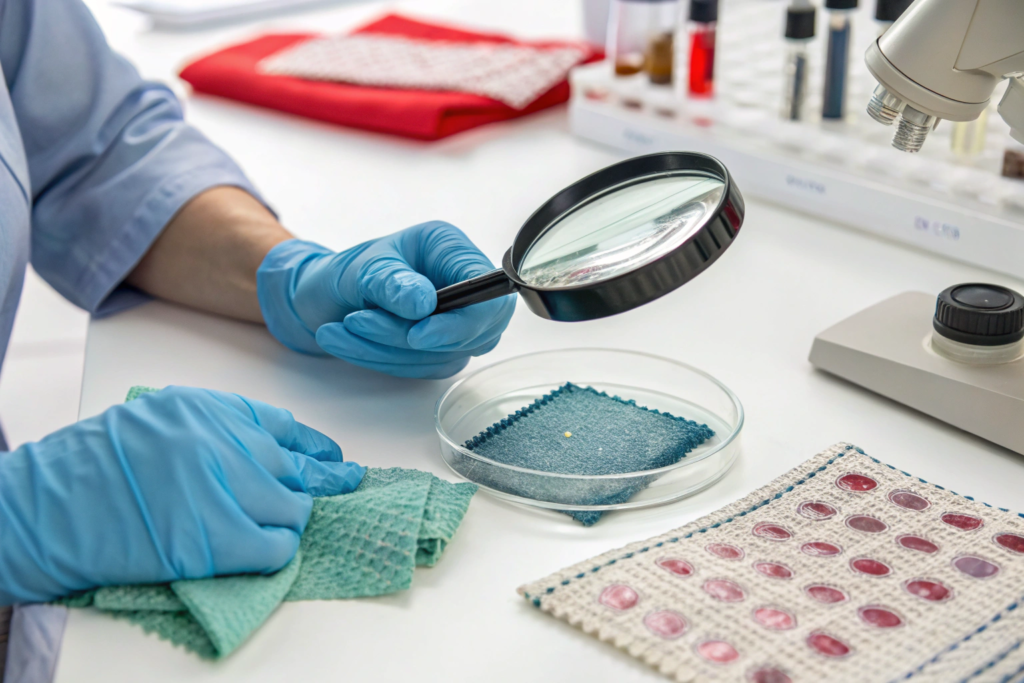
How does silver ion technology work in headband fabric?
Silver has been used for centuries to preserve water purity and prevent infection. Modern textile engineering has refined this ancient knowledge into a precise technology. Silver ions are embedded into the headband fabric during the finishing process. They form an ionic bond with the fiber surface. When moisture from sweat touches the fabric, a tiny amount of silver ions is released. These ions penetrate the cell membrane of any bacteria present and disable the enzymes the bacteria need to breathe and reproduce. The bacteria die within hours, and the fabric remains fresh. This technology is particularly effective for active wear headbands that are worn multiple times between washes. We use a silver ion treatment that is registered with the EPA antimicrobial pesticide registration for textile applications. This registration provides regulatory assurance that the treatment is both effective and safe for prolonged skin contact. We also test the treated fabric for skin sensitization using the ISO 10993-10 standard for biological evaluation of medical devices. This is a higher testing standard than typical fashion accessories require, but we apply it because our clients sell to customers with compromised skin barriers. The silver treatment lasts for the expected lifetime of the headband, typically 50 to 100 wash cycles depending on the exact formulation. We provide care instructions that recommend washing in cold water and avoiding bleach, which can strip the silver coating prematurely.
Can zinc-infused fabrics help with scalp dermatitis and itching?
Zinc pyrithione is a compound that specifically targets Malassezia yeast, which is implicated in dandruff and seborrheic dermatitis. People who suffer from these conditions often cannot wear standard headbands because the trapped heat triggers a flare-up. A headband infused with zinc provides a soothing, anti-fungal environment that actually helps calm the scalp rather than aggravate it. We incorporate zinc into the fabric through a microencapsulation finishing process. Tiny capsules containing zinc pyrithione are bonded to the fibers. The capsules break open gradually with friction and moisture, releasing small amounts of the active ingredient over time. This creates a sustained, gentle delivery system that does not overload the skin. The treatment is combined with a cooling finish that uses phase-change materials to absorb excess body heat. The combination of zinc protection and active cooling makes these headbands genuinely therapeutic for people with chronic scalp conditions. We have received feedback from customers with psoriasis who told us that our zinc-infused bamboo headband was the first one they could wear comfortably in years. That kind of feedback tells us we are solving a real problem. The zinc textile treatment market is growing rapidly, and we are investing in expanding our finishing capabilities. For a brand, offering a zinc-infused headband creates a powerful point of differentiation. You are no longer just selling a fashion item. You are selling a solution to a painful daily problem. This justifies a higher price point and builds intense customer loyalty.
How to Verify Material Claims When Sourcing Sensitive Skin Headbands?
I have seen too many importers get burned by material claims that sound beautiful on a product description page but have no basis in reality. A supplier can call a headband "bamboo" when it is actually rayon from generic wood pulp with a bamboo marketing story. They can call it "organic cotton" with no GOTS certificate to prove it. They can claim "hypoallergenic" without a single skin irritation test to back it up. In the unregulated world of fashion accessories, words are cheap, and certificates cost money. That is why you must learn to verify, not just trust.
My factory operates on a "show me the certificate" principle. For every sensitive-skin material we use, we maintain current, third-party certifications that our clients can download and share with their own customers. We do not expect you to take our word for it. We expect you to ask the hard questions. I want to equip you with the specific certificates, tests, and documentation standards you should demand from any headband supplier who claims to serve the sensitive scalp market. If a supplier cannot produce these documents, walk away.
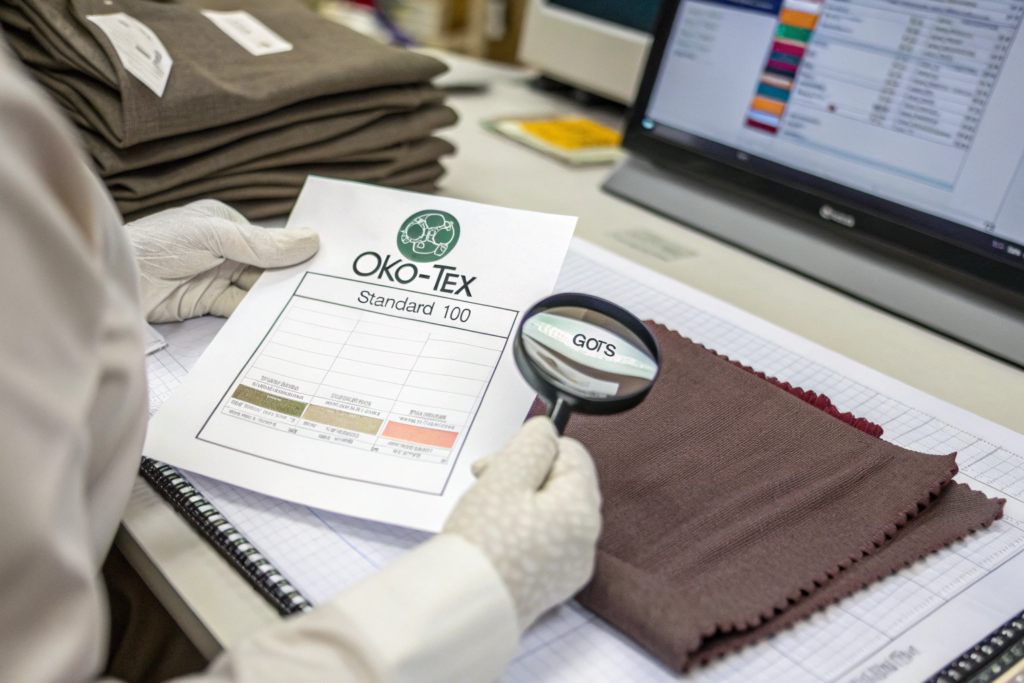
What certifications should a genuine organic headband supplier have?
If a headband is labeled "organic cotton," the supplier must hold a GOTS, which stands for Global Organic Textile Standard, certificate for that specific product. A GOTS certificate is not a one-time achievement. It is an annual audit that traces the organic fiber from the farm to the finished product. The certificate covers the raw cotton, the spinning mill, the knitting or weaving factory, and the dyeing and finishing facility. Every step in the chain is verified. We maintain a valid GOTS scope certificate that lists our facility and the processes we are certified to perform. You can enter our license number into the GOTS public database and verify our certification status instantly. For bamboo viscose, look for the OEKO-TEX Standard 100 certification. This standard does not verify organic origin but tests the finished fabric for a comprehensive list of over 100 harmful substances including formaldehyde, heavy metals, pesticides, and allergenic dyes. A product with Standard 100 certification has been tested and found safe for direct skin contact. We test our bamboo and TENCEL headbands to the most stringent Product Class I level, which applies to textiles for babies and toddlers. This exceeds the requirement for adult accessories. The textile certification standards landscape is complex, but your supplier should guide you through it transparently. A supplier who is vague about certification details is almost certainly hiding a gap in their compliance.
How can you independently test for skin irritation potential of headband materials?
Beyond certifications, you can and should commission your own testing. A reputable supplier will welcome this and provide you with fabric swatches specifically for third-party lab submission. The key test for skin irritation is the ISO 10993-10 skin sensitization and irritation test. This is the same standard used to evaluate medical devices that contact the skin. A laboratory applies an extract of the fabric to a test model and measures the inflammatory response. A passing result confirms that the material is non-irritating and non-sensitizing. We can provide you with contact information for accredited textile testing laboratories such as Intertek, SGS, or Bureau Veritas that can perform this test on samples you pull from your shipment. A second critical test is for restricted substances. Ask your supplier for a recent test report from an accredited lab that screens for the substances on the ZDHC, which stands for Zero Discharge of Hazardous Chemicals, Manufacturing Restricted Substances List. This report will show quantitative results for a range of chemicals that are known skin irritants and environmental pollutants. If the supplier has never heard of the ZDHC MRSL, that is a red flag. We participate in the ZDHC program and submit our wastewater and product samples for regular testing. This commitment to chemical management in textiles is part of our promise to both our customers and the environment. When you source from us, you get the test reports without having to ask.
Conclusion
The sensitive scalp market is not a niche. It is the future of the headband industry. Consumers are increasingly unwilling to tolerate itching, redness, and breakage as the price of wearing a simple accessory. They are reading labels, researching materials, and demanding transparency. The brands that win in 2026 and beyond are the ones that treat a headband as a skin-contact product with the same seriousness as a skincare formulation or a medical textile.
We have walked through the natural fiber champions like bamboo, silk, and organic cotton. We have explored the high-performance synthetics like seamless microfiber and TENCEL that keep athletes comfortable without sacrificing skin health. We have examined how antimicrobial treatments using silver and zinc add an active layer of protection against the bacteria and yeast that trigger scalp conditions. And we have armed you with the certification and testing knowledge to verify every claim a supplier makes. This is the complete toolkit for sourcing headbands that your customers will love wearing and recommend to friends with the same skin struggles.
If you are developing a sensitive-skin headband line or want to upgrade your existing collection with genuinely hypoallergenic materials, I invite you to put our claims to the test. Ask us for our GOTS certificate. Request a sample pack of our bamboo, silk, and TENCEL fabrics. Send them to an independent lab if you wish. We are confident that our materials and manufacturing standards will exceed your expectations. Our Business Director Elaine manages our sensitive-skin product partnerships. She can walk you through our material options, testing documentation, and custom development process. Reach out to her directly at elaine@fumaoclothing.com. Let’s build headbands that comfort, protect, and delight the most sensitive scalps.