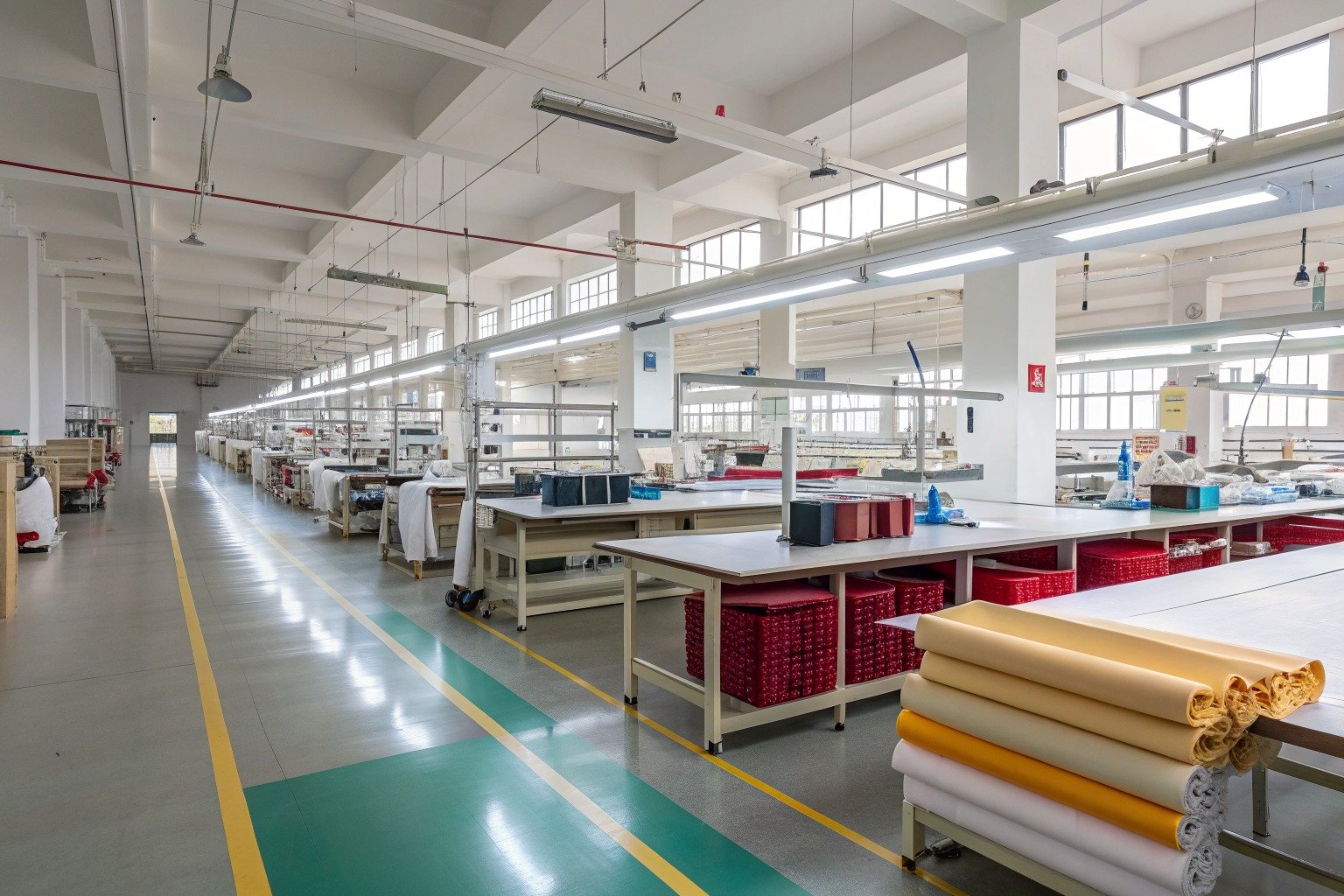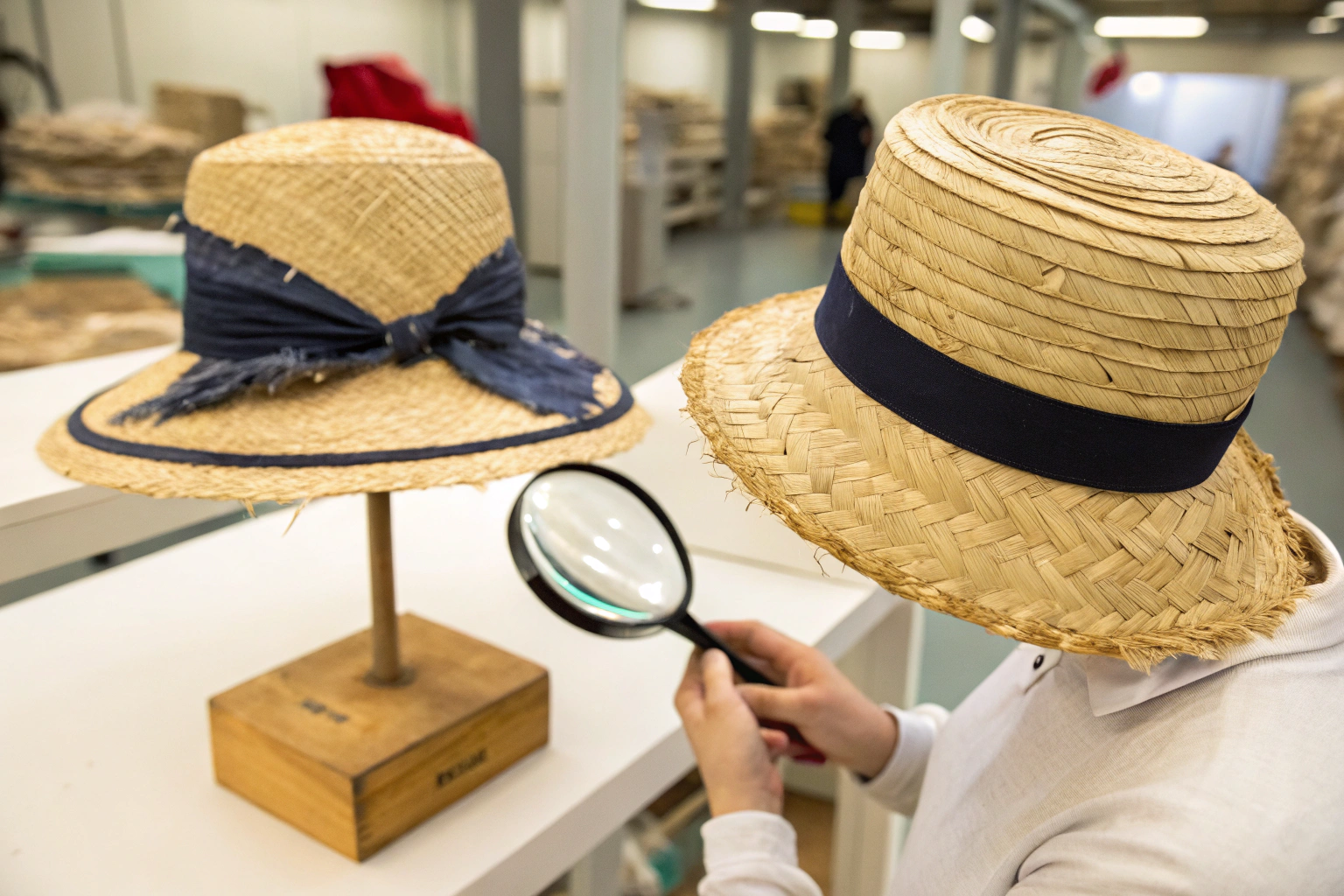
I once walked through a competitor’s straw hat workshop in a neighboring province and saw a familiar design sitting on their finishing table. It was the same wide-brim fedora shape I had produced for a major American resort brand. The silhouette was identical. The ribbon color was a close match. But when I picked it up, the brim felt flimsy, the sweatband was glued crookedly, and the straw had a brittle, almost plastic-like texture that would crack after a few wears. The factory owner proudly told me he sold that hat for 40% less than my price. He was not lying to his buyers. He was simply serving a different tier of the market, and the buyer who chose his hat understood exactly what they were getting for that lower price.
Chinese straw hat factories offer different quality tiers for the same design because a straw hat is not a single product but a collection of material, labor, and component choices that can be adjusted across a wide spectrum of cost and durability. The design file, the brim width, the crown height, and the ribbon style, can remain identical while the underlying material grade, the weaving density, the sweatband construction, and the finishing quality vary dramatically. These tiers are not random. They are structured, intentional, and driven by the specific demands of different retail channels, from dollar-store bargain bins to luxury resort boutiques.
In our factory, we produce straw hats across multiple quality tiers, and we are transparent with our clients about exactly what changes between a good, better, and best version of the same design. Understanding these tiers is essential for any buyer importing straw hats from China. It prevents the costly mistake of thinking you are getting a premium product when you are paying a budget price, or equally damaging, paying a premium price for a product built to budget specifications. I want to walk you through the specific material, construction, and finishing choices that define each tier.
What Material Grades Define the Different Quality Tiers of Paper Braid?
The material is the foundation of a straw hat’s quality. When a buyer specifies a "straw" hat, they are often not getting actual straw. The vast majority of fashion straw hats on the market today are made from paper braid, a cellulose-based material derived from wood pulp, wheat straw, or rice paper. The quality of this paper braid varies enormously, and the differences are visible in the finished hat even to an untrained eye.
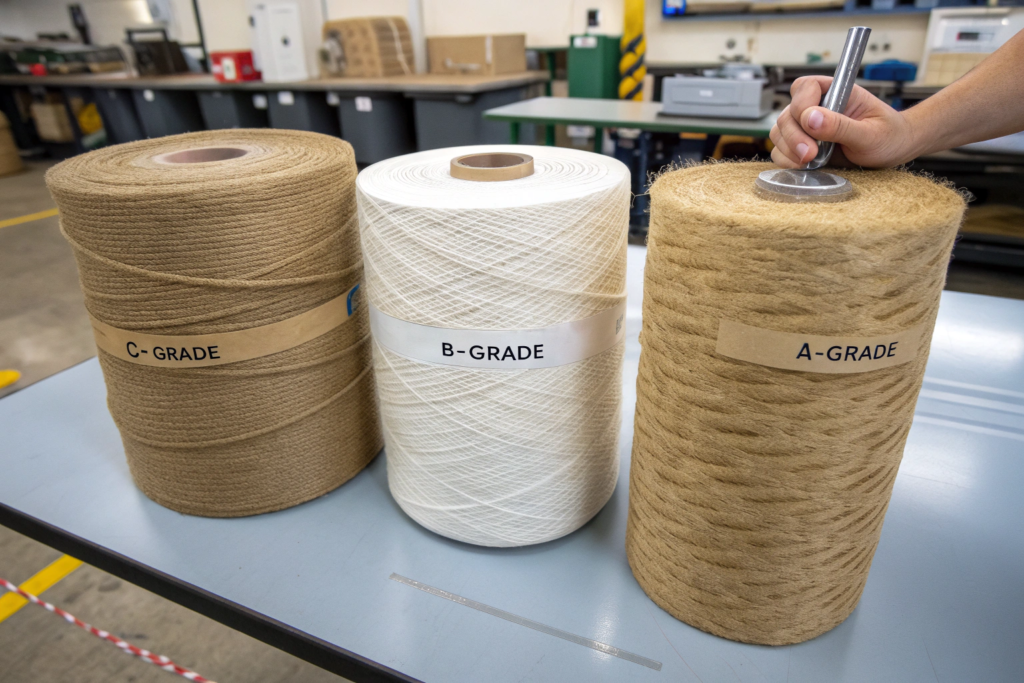
The highest tier of paper braid is Toyo, a Japanese-influenced material made from rice paper that is twisted into fine, strong yarns before being woven. Toyo braid has a natural sheen that mimics the luster of genuine Panama straw at a fraction of the cost. The mid-tier uses wheat-straw cellulose, which produces a uniform, smooth braid with good tensile strength and a matte finish. The budget tier uses recycled kraft paper pulp, which results in a coarser, more brittle braid that lacks the flexibility and durability of higher-grade materials. Each tier of material has a different cost per kilogram, a different weaving yield, and a different performance profile in terms of water resistance, UV stability, and brim shape retention.
How does Toyo rice paper braid differ from standard wheat straw paper?
Toyo braid begins with rice paper that is manufactured in a specialized process where the fibers are aligned to maximize strength along the length of the braid. The paper is slit into narrow ribbons and then twisted under tension to create a yarn with a round, uniform cross-section. This twisted structure gives Toyo braid a natural springiness and resilience. When woven into a hat, a Toyo braid crown can be crushed flat and will spring back to its original shape. The surface of Toyo has a slight, natural sheen that reflects light attractively, giving the hat a premium look without any chemical coating. Wheat straw paper braid, by comparison, is made from shorter cellulose fibers that produce a flatter, more paper-like ribbon. It lacks the twisted structure and the natural sheen of Toyo. It can still produce an attractive hat, but the brim will not hold its shape as well over time, and repeated exposure to humidity will eventually cause the braid to soften and sag. This straw hat material grades guide explains the full spectrum of natural and paper straw options.
Why does the UV stabilization treatment differ between budget and premium tiers?
Paper braid is cellulose, and cellulose degrades under prolonged exposure to ultraviolet sunlight. A budget straw hat worn daily during a summer season will begin to show signs of UV damage, the color fades to a yellowish, brittle tone, and the braid fibers lose their flexibility and begin to crack. Premium-tier hats incorporate a UV stabilization treatment during the paper manufacturing stage. The treatment embeds UV-absorbing compounds into the cellulose fibers themselves, not just as a surface spray. This treatment can extend the cosmetic and structural life of the hat significantly. For a resort brand selling hats to guests who will wear them for one vacation, the lack of UV treatment may be acceptable. For a brand positioning their hats as long-lasting accessories, the UV treatment is essential. This UV resistance in textiles is a measurable performance characteristic that separates the tiers.
How Does Weave Density and Brim Construction Vary Between Tiers?
The material choice sets the ceiling for quality. The weaving and construction choices determine how close the finished hat comes to that ceiling. Two hats made from the same mid-tier wheat straw paper can look and feel completely different based on the density of the weave, the stiffness of the brim construction, and the method used to finish the brim edge. These are the variables that a buyer controls when specifying a quality tier.
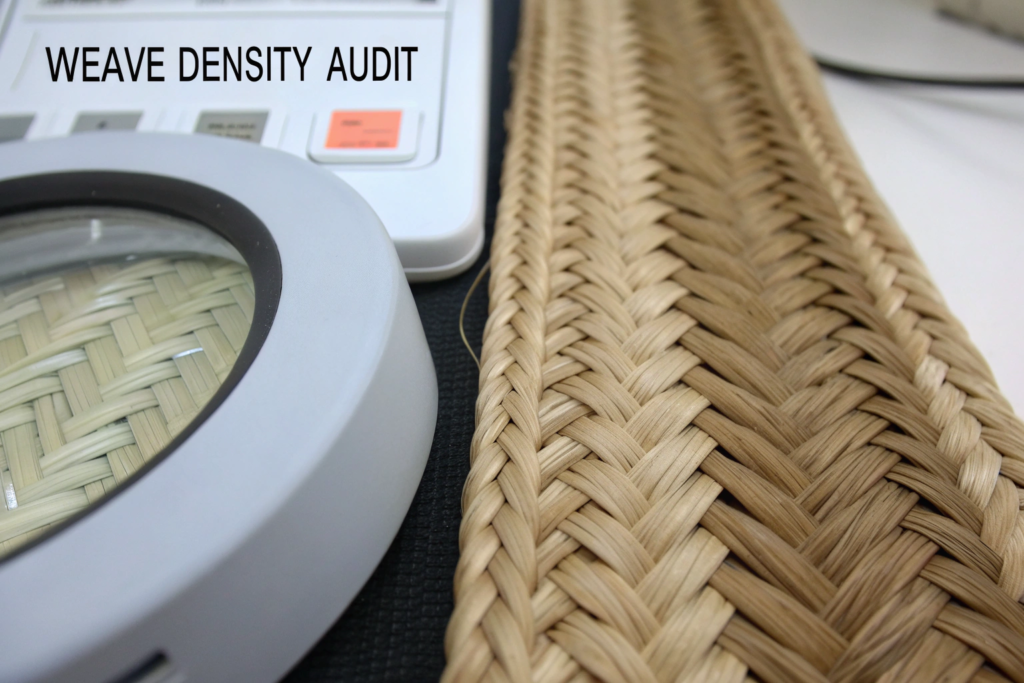
Weave density is measured by the number of braids per inch across the crown and brim. A higher density creates a smoother surface, a stiffer structure, and a more refined appearance. It also consumes more material and requires more labor, increasing the cost. Brim construction ranges from a single layer of unstiffened braid, which produces a floppy, informal brim, to a double-layered brim with a hidden wire edge, which holds a precise, sculpted shape even in windy beach conditions.
What is the difference between a single-layer and a wired double-layer brim?
A single-layer brim is exactly what it sounds like. One layer of woven braid, cut to the brim shape and finished with a simple edge stitch or glue. This construction is lightweight, breathable, and inexpensive. It is the standard for budget-tier hats destined for promotional giveaways or single-season use. However, a single-layer brim has no structural memory. It will warp in humidity, droop in the heat, and lose its shape after being packed in a beach bag. A wired double-layer brim sandwiches a thin, flexible wire between two layers of braid. The wire is sewn into a channel along the brim edge. This construction allows the wearer to shape the brim to their preference, up on one side, down all around, and the shape will hold. The wire also provides structural reinforcement that prevents the brim from flopping or warping. This hat brim construction technique is a hallmark of premium-tier straw hats.
How does braid count per inch affect the hat’s drape and durability?
Braid count is the thread count of the straw hat world. A budget hat may have a braid count of 4 to 6 braids per inch. The weave looks open and airy, which is attractive for ventilation, but the gaps between braids allow the hat to lose its shape and make it more vulnerable to snagging. A premium hat typically has a braid count of 10 to 14 braids per inch or higher for fine Toyo weaves. The surface appears almost fabric-like in its smoothness. The higher density creates a stronger, more durable hat that holds its crown shape and resists deformation. Achieving a high braid count requires more skilled weavers who can maintain consistent tension on the finer, more delicate braids. This labor cost is a significant component of the price difference between tiers. This weave density quality control is a measurable specification.
What Sweatband and Trim Choices Distinguish Premium from Budget Hats?
The internal sweatband is the part of the hat the wearer feels most directly, yet it is the component most often downgraded in budget-tier production. A hat can look beautiful on the outside and feel cheap and uncomfortable on the inside because of a poor-quality sweatband. The sweatband material, the attachment method, and the comfort padding all vary significantly between quality tiers.
The external trim, the ribbon hat band, the decorative bow, and any additional embellishments, also follows a tiered structure. A budget hat uses a synthetic polyester ribbon with a glued bow that may unravel after exposure to moisture. A premium hat uses a cotton grosgrain or linen ribbon, precisely sewn into place, with a tailored bow that maintains its shape. These details are small individually, but collectively they define the wearer’s experience and the hat’s perceived value.
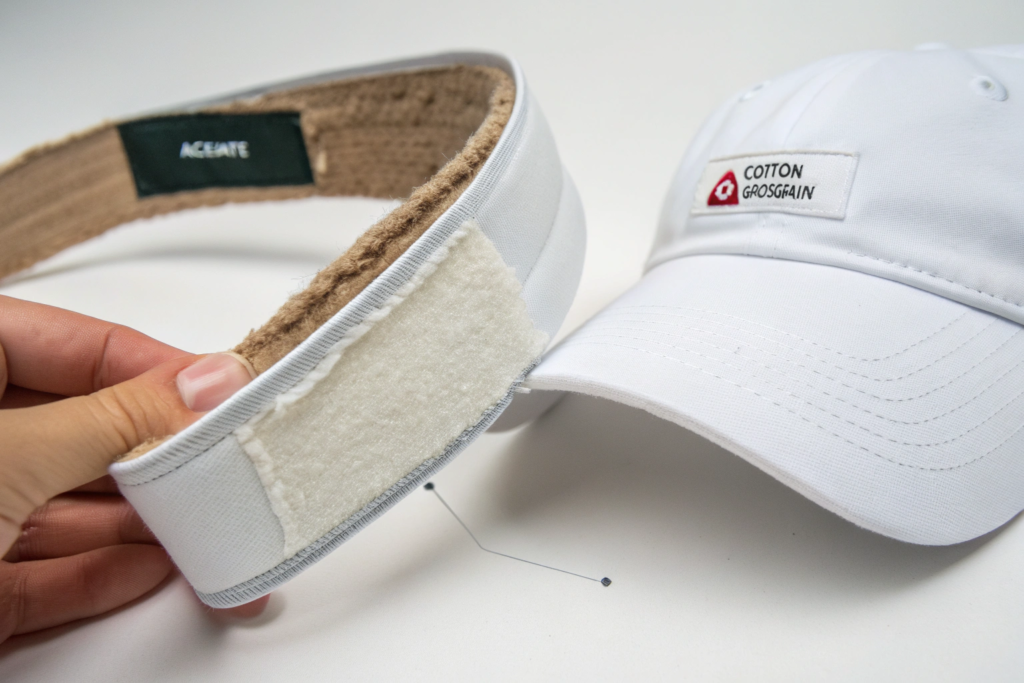
Why does a sewn-in cotton sweatband indicate a higher quality tier?
A budget sweatband is typically made from a thin strip of polyurethane foam laminated to a polyester fabric. It is cut to length and glued into the hat with a hot-melt adhesive. After a few wears in hot weather, the glue softens, and the sweatband begins to peel away from the hat. The foam backing deteriorates and crumbles. A premium sweatband is made from natural cotton twill or a cotton-linen blend, which absorbs sweat effectively and feels comfortable against the forehead. It is cut with finished, folded edges and sewn into the hat with a lockstitch machine, not glued. The sewing creates a permanent, durable attachment that will not fail in heat or humidity. Some premium sweatbands also include a foam or terry cloth padding insert behind the cotton for additional comfort. This sweatband construction quality is a quick diagnostic for overall hat quality. Lift the sweatband. If you see stitches, the hat is built to last. If you see glue, it is built to a price.
How do ribbon material and attachment methods affect the hat’s longevity?
A hat ribbon serves both decorative and structural functions. It covers the seam where the crown meets the brim and adds visual interest. A budget ribbon is often made from acetate or cheap polyester satin, which frays easily at the cut edges and fades quickly in sunlight. The ribbon is attached with glue, which can stain the straw and release over time. A premium ribbon is made from cotton grosgrain, linen, or high-quality polyester with a woven, non-fray edge. The ribbon is attached with a combination of a discreet stitch at the back seam and a small amount of fabric glue only at the join point. The bow is hand-tied and stitched into place, not simply glued onto the ribbon surface. These hat trim specifications differentiate a hat that looks good on the retail shelf from one that still looks good after a full season of wear.
Conclusion
The existence of different quality tiers for the same straw hat design is not a sign of deception. It is the natural result of a global market that serves dollar stores and designer boutiques from the same manufacturing base. The difference between tiers is not invisible marketing magic. It is visible, measurable, and specifiable in the material grade, the braid density, the brim construction, and the sweatband and trim choices.
A buyer who understands these tiers can make an intentional choice. They can select the tier that matches their brand’s price point and their customer’s expectations. They can avoid the trap of paying a premium price for a budget product, and they can also avoid the trap of expecting premium performance from a budget purchase. The key is to move beyond the design file and specify the construction details.
If you are sourcing straw hats and want a manufacturing partner who will clearly explain the material, weave, and component options behind each price point, we can provide a tiered sample set that shows the same design built to good, better, and best specifications. You can touch the difference in braid density, feel the difference in sweatband quality, and make an informed decision. Our Business Director Elaine manages our straw hat programs and can walk you through the options. Contact her directly at elaine@fumaoclothing.com. A great design deserves the right quality tier. Let’s find yours.