A sustainable fashion buyer from Copenhagen visited our factory last spring with a specific challenge. Her brand had built its entire identity around bamboo fiber, marketing its silky softness and eco-friendly credentials to discerning European customers. She had just terminated a relationship with her previous supplier because the bamboo headbands she received, while beautifully soft, arrived without a single certificate that could prove their eco-claims to European regulators. Her retail partners were demanding OEKO-TEX certification. Her online customers were asking for REACH compliance documentation. She needed a manufacturer who understood that producing bamboo headbands for Europe is not just about the fiber. It is about the paperwork, the chemical compliance, and the traceable supply chain that stands up to the most rigorous consumer protection framework on the planet.
The answer is yes. We produce eco-friendly bamboo fiber headbands specifically engineered for the European market, fully compliant with EU REACH chemical safety regulations, certifiable to OEKO-TEX Standard 100, and manufactured with FSC-certified bamboo viscose in a closed-loop production process that meets the strict environmental expectations of European consumers and retail buyers.
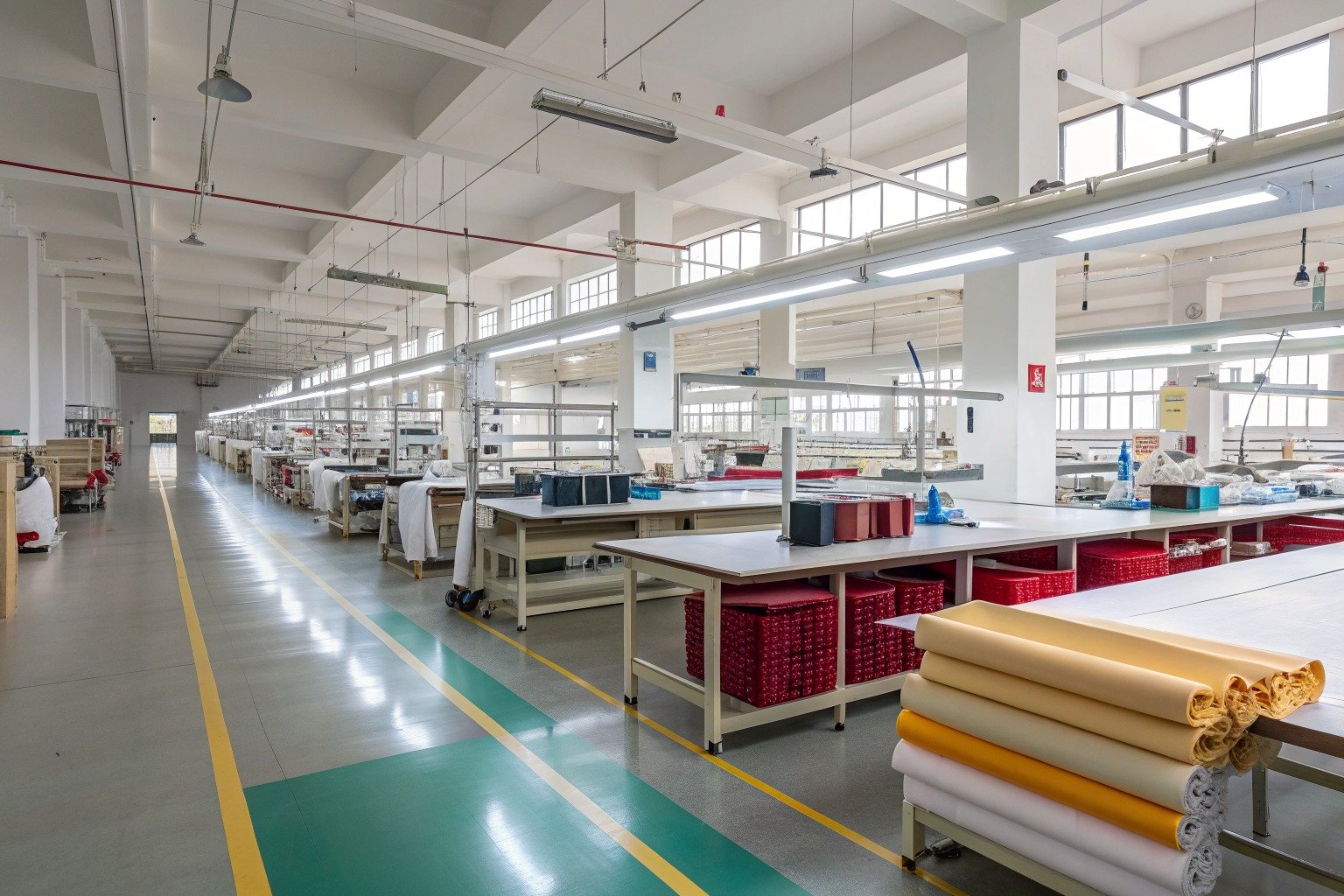
In our Zhejiang facility, we have developed a dedicated bamboo production line that handles the unique properties of bamboo fiber, its exceptional softness, its moisture-wicking capabilities, and its tendency to behave differently than cotton or polyester during cutting and sewing. More importantly, we have built the documentation infrastructure that European brands require. I want to walk you through exactly what makes bamboo headbands eco-friendly, how we ensure they meet EU regulatory standards, and what you need to know to confidently market these products to your European customers.
What Makes Bamboo Fiber a Genuinely Eco-Friendly Material?
Not all bamboo fabric is eco-friendly. This is the first and most important truth every brand owner must understand before marketing bamboo headbands. The bamboo plant itself is a sustainability champion. It grows rapidly, up to a meter per day for some species, without the need for pesticides, herbicides, or irrigation beyond natural rainfall. It regenerates from its own root system after harvesting, requiring no replanting. It sequesters more carbon dioxide than many tree species and thrives on marginal land that cannot support food crops. These agricultural credentials are genuinely impressive.
The environmental question mark hangs over the processing stage. Turning hard bamboo stalks into soft, wearable fabric requires breaking the plant’s cellulose down into a pulp and extruding it into fibers. The traditional viscose process uses harsh chemicals, primarily carbon disulfide and sodium hydroxide, which can pollute waterways and harm workers if not properly managed. A bamboo headband is only eco-friendly if the fiber was produced in a closed-loop system where these chemicals are captured, recycled, and reused rather than discharged into the environment. This distinction is the difference between a genuinely sustainable product and greenwashing.

How does the closed-loop viscose process differ from traditional bamboo processing?
The closed-loop viscose process is the environmental standard that separates responsible bamboo production from harmful practices. In this process, the cellulose pulp is dissolved using a solvent, typically N-methylmorpholine N-oxide, which is non-toxic and recoverable. Over 99% of the solvent is captured, purified, and fed back into the production cycle. The water used in the process is also treated and recycled. The resulting fiber, often branded as bamboo lyocell rather than bamboo viscose, carries a significantly lower environmental footprint. We source our bamboo fiber exclusively from producers who operate certified closed-loop systems and who can provide documentation of their chemical recovery rates. This closed-loop manufacturing process is the standard we require. When a brand sells a headband made from closed-loop bamboo lyocell, they can honestly tell their customers that the product is manufactured with a process that minimizes environmental harm.
What certifications prove the eco-credentials of bamboo fabric?
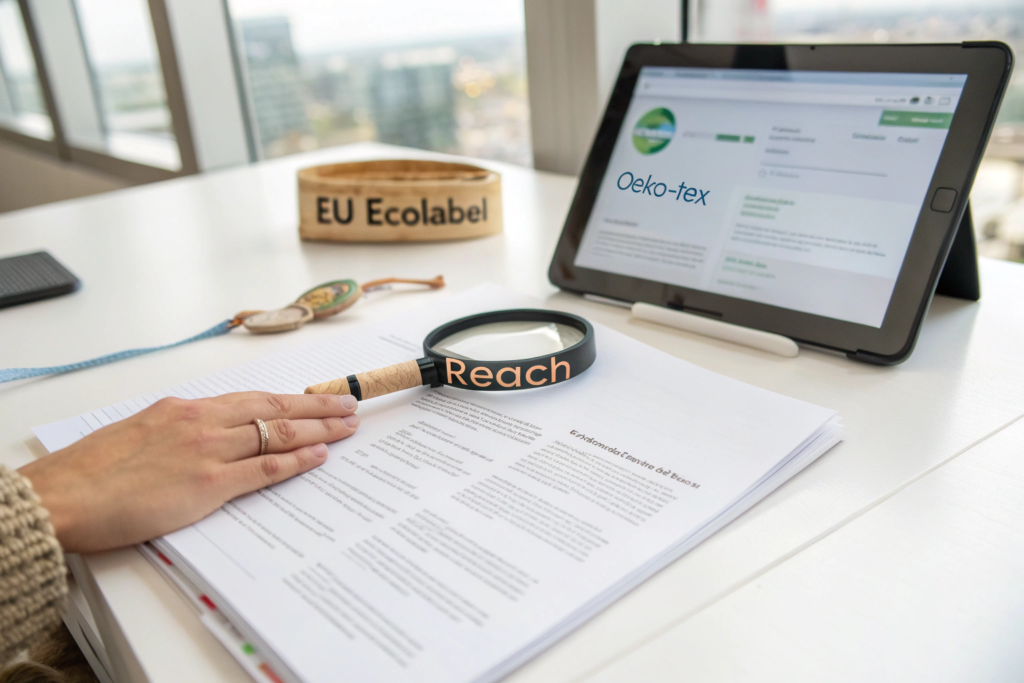
Certifications translate environmental claims from marketing language into verified fact. For bamboo headbands destined for the European market, three certifications form the essential foundation. The Forest Stewardship Council, or FSC, certification verifies that the bamboo was harvested from responsibly managed forests. The OEKO-TEX Standard 100 certification verifies that the finished headband has been tested for over 100 harmful substances and is safe for human skin contact. The EU Ecolabel, while more challenging to obtain, provides a comprehensive environmental certification that European consumers increasingly recognize and trust. These textile sustainability certifications are not optional decorations on a hangtag. They are the verifiable proof points that European retail buyers require before they will stock a product marketed as eco-friendly.
What EU Compliance Standards Must Bamboo Headbands Meet?
Selling accessories in Europe is not the same as selling them in markets with less regulated consumer product frameworks. The European Union has established some of the world’s strictest regulations governing chemical substances in consumer products, product labeling, and environmental claims. A bamboo headband that enters the European market without the required compliance documentation is a legal liability, a customs risk, and a reputational threat to the brand that sells it.
The regulatory framework that governs a textile accessory like a bamboo headband rests on three pillars. REACH, which stands for Registration, Evaluation, Authorisation and Restriction of Chemicals, governs the chemical substances that can be present in the product. The General Product Safety Directive requires that all consumer products be safe under normal use conditions. And the EU Textile Labeling Regulation governs how the fiber content is described on the care label and marketing materials. A manufacturer serving the European market must understand and comply with all three.
Why is REACH compliance non-negotiable for European textile imports?
REACH is the most comprehensive chemical safety regulation in the world. It restricts or prohibits the use of over 200 substances of very high concern in consumer products sold within the European Economic Area. For a bamboo headband, REACH compliance means that the dyes used to color the fabric do not contain restricted azo dyes that can release carcinogenic amines. It means the metal components, if any, such as decorative studs or adjuster beads, do not contain excessive levels of lead, cadmium, or nickel, which is a common contact allergen heavily restricted under REACH. It means the finishing agents applied to the fabric, softeners or anti-wrinkle treatments, do not contain formaldehyde above the strict threshold. We maintain a comprehensive REACH compliance file for every bamboo headband product we ship to Europe. This file includes test reports from ISO 17025 accredited laboratories that screen for the full REACH restricted substances list. This REACH regulation compliance is a mandatory gate that must be passed before any product enters the European market.
How does the EU Textile Labeling Regulation affect bamboo fiber naming?
The EU Textile Labeling Regulation requires that textile products sold in the European Union be labeled with accurate fiber names from a standardized list. This regulation creates a specific challenge for bamboo fabric. The fiber created from bamboo cellulose through the viscose or lyocell process is not legally "bamboo" on a European care label. It is viscose or lyocell. The term "bamboo" can only be used in marketing descriptions if the fiber origin is clearly stated, such as "viscose made from bamboo." Mislabeling a product as "100% bamboo" when it is actually bamboo viscose is a violation of EU law and can result in customs detention, fines, or forced product withdrawal. We ensure that all care labels and hangtags for European-bound bamboo headbands use the legally correct fiber nomenclature. We provide our brand clients with the exact wording required by the EU textile labeling regulation to ensure full compliance.
How Do We Manufacture Bamboo Headbands for European Quality Expectations?
The European consumer has a different quality expectation than consumers in many other markets. They expect a headband to feel substantial and premium in the hand. They expect the stitching to be perfectly even, with no loose threads. They expect the fabric to maintain its color and shape after repeated washing at the temperatures commonly used in European washing machines. They expect the product to arrive in packaging that is either fully recyclable or home-compostable, with no single-use plastics. These expectations are not negotiable. They are the baseline for market entry.
Manufacturing bamboo headbands to this standard requires adjustments to the standard production process. Bamboo fiber behaves differently than cotton or polyester. It is exceptionally soft and drapes beautifully, but it can be slippery during cutting and can shrink more than expected if not properly pre-treated. Our production process for European-bound bamboo headbands incorporates specific steps to address these material characteristics.
Why does bamboo jersey require specialized cutting and sewing techniques?
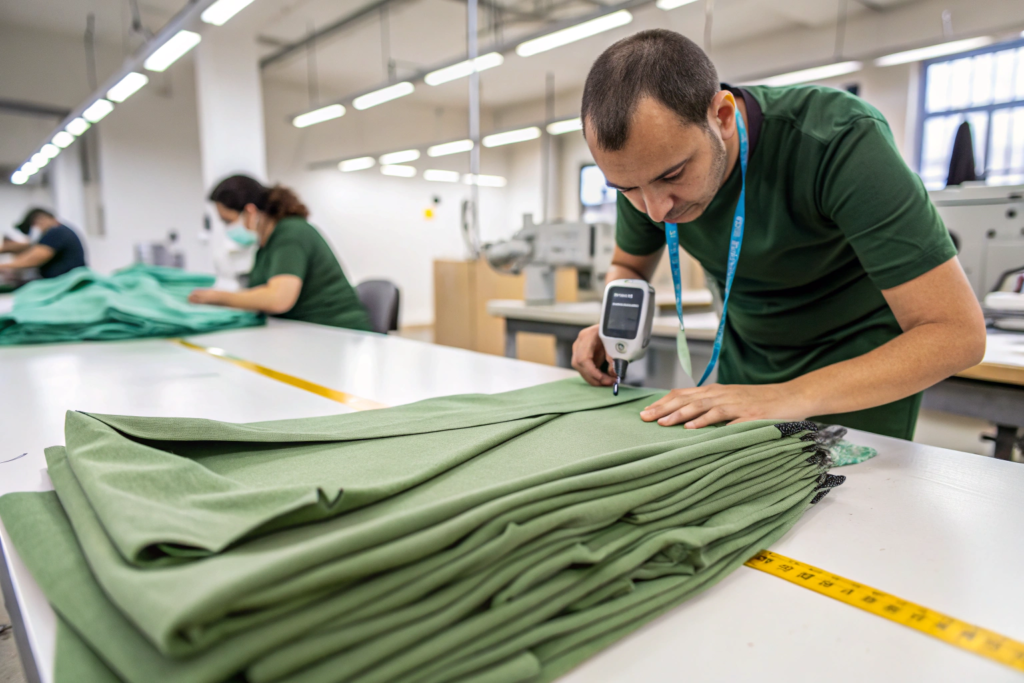
Bamboo jersey fabric has a fluid drape and a smooth surface that makes it luxurious to wear but challenging to cut and sew. The fabric layers can shift during cutting if not properly stabilized. We use a vacuum cutting table that holds the fabric stack firmly in place during the cutting process, ensuring each headband panel is cut to the exact dimensions of the approved pattern. During sewing, bamboo jersey can pucker if the thread tension is too high or if the needle is not the correct gauge for fine knit fabrics. We use ballpoint needles specifically designed for knit fabrics and set the thread tension to a lighter setting than we would use for woven cotton. The seams are finished with a flatlock stitch that lies smooth against the skin, essential for a headband that will be worn for extended periods. This knit fabric handling technique is a specialized skill that our sewing team has developed through years of working with bamboo and other sustainable knit fabrics.
What packaging standards do European retailers require for eco-friendly accessories?
European retailers, particularly in the eco-conscious segment, have strict packaging requirements that go beyond product protection. Single-use plastics are increasingly banned or penalized. A headband that arrives wrapped in a plastic poly bag may be rejected by the retailer or generate negative customer feedback. We package our European-bound bamboo headbands in FSC-certified paper belly bands or unbleached cotton muslin drawstring bags. The hangtag is printed on recycled cardstock with soy-based inks and attached with a natural jute string rather than a plastic swift tack. The master carton uses paper tape instead of plastic packing tape. These sustainable packaging standards align with the European consumer’s expectation that the packaging reflects the same environmental values as the product inside. We can also print a QR code on the packaging that links to a digital page detailing the product’s material origin, certifications, and end-of-life disposal instructions.
How Should You Market Bamboo Headbands to European Consumers?
Marketing bamboo headbands to European consumers requires a different narrative than marketing them to other markets. The European eco-conscious consumer is skeptical of vague green claims. They have been exposed to years of greenwashing, and they have learned to look for specific, verifiable proof points. A marketing message that says "eco-friendly bamboo headband" without supporting evidence will be ignored or, worse, called out on social media as misleading.
Effective marketing in this environment leads with transparency rather than persuasion. It tells the story of the material, from the bamboo forest to the finished product, and it backs every claim with a certification number or a QR code that the consumer can verify independently. The narrative should address the three questions the European consumer is silently asking. What is this made of, exactly. How do I know it is safe for me and the environment. And what happens to it when I am finished with it.

Why is fiber traceability a compelling marketing story for European buyers?
A consumer who can scan a QR code on a hangtag and see the exact bamboo forest where the raw material was harvested, the mill where the fiber was processed, and the factory where the headband was sewn experiences a level of transparency that builds profound brand trust. This traceability narrative answers the question "how do I know this is truly eco-friendly" in a way that no generic green leaf icon ever could. We provide our European brand clients with a digital supply chain map that they can embed on their product page or link to via the hangtag QR code. The map shows the FSC-certified bamboo source, the closed-loop viscose mill with its chemical recovery rate, and our factory with its social compliance audit report. This supply chain traceability transforms a simple headband into a story the consumer wants to share. It generates the word-of-mouth marketing that eco-brands rely on.
How should end-of-life instructions be communicated on the packaging?
The European consumer thinks about the end of a product’s life before they even purchase it. A bamboo headband that is biodegradable in theory but comes with no practical disposal instructions misses a critical marketing opportunity. We recommend including a clear, simple end-of-life instruction on the hangtag or the packaging insert. For example, "This headband is made from 95% biodegradable bamboo lyocell and 5% natural rubber elastic. To dispose, remove the elastic and the care label, cut the remaining fabric into strips, and add to your home compost bin. The fabric will biodegrade within six to twelve months under normal composting conditions." This level of specific, actionable instruction demonstrates a commitment to circularity that the European eco-consumer respects deeply. It also positions the brand as a leader in the circular fashion economy. The end-of-life story completes the sustainability narrative.
Conclusion
Producing eco-friendly bamboo fiber headbands for Europe is a commitment to excellence across the entire product lifecycle. It begins with sourcing bamboo fiber from certified, closed-loop producers who can document their chemical recovery rates. It continues through manufacturing processes that respect the unique properties of bamboo jersey and produce a headband that meets European quality expectations. It requires rigorous compliance with REACH chemical safety regulations and accurate fiber labeling under EU law. And it culminates in a marketing and packaging strategy that leads with transparency, traceability, and end-of-life responsibility.
The European market rewards brands that do this work thoroughly and punishes those that cut corners. A bamboo headband sold with genuine certifications, accurate labeling, and a transparent supply chain story commands a premium price and builds a loyal customer base. A bamboo headband sold with vague green claims and no compliance documentation is a return waiting to happen, or worse, a regulatory penalty.
If your brand is developing an eco-friendly bamboo headband line for the European market, we can provide the certified materials, the compliance documentation, and the manufacturing quality that this demanding market requires. We will prepare a complete compliance package for your review, including our REACH test reports, our OEKO-TEX certificates, and our bamboo fiber sourcing documentation. Our Business Director Elaine manages our European sustainable accessories partnerships and can guide you through the regulatory and material considerations. Contact her directly at elaine@fumaoclothing.com. Let’s create a bamboo headband that European consumers will trust, love, and recommend.