The demand for hypoallergenic accessories has surged as consumers become increasingly aware of skin sensitivities and material safety. Many people experience reactions to common accessory materials, ranging from mild irritation to severe allergic responses that limit their fashion choices. This growing awareness has created both a challenge and opportunity for accessory manufacturers and retailers.
The best materials for hypoallergenic accessories include surgical-grade stainless steel, titanium, nickel-free metals, medical-grade silicone, and certain natural materials that minimize allergic reactions while maintaining aesthetic appeal and durability. These materials provide safe alternatives for consumers with sensitivities while meeting the quality standards expected from fashion accessories.
Understanding hypoallergenic materials is essential for creating inclusive accessory lines that cater to the substantial market of consumers with skin sensitivities. Let’s explore the specific materials that combine safety, style, and functionality.
Why are nickel-free metals essential for hypoallergenic accessories?
Nickel allergies represent one of the most common contact allergies worldwide, affecting approximately 10-20% of the population. This high prevalence makes nickel-free metals a fundamental requirement for any truly hypoallergenic accessory line targeting broad consumer acceptance.
Nickel-free metals prevent allergic reactions, reduce skin irritation, and provide peace of mind for consumers with metal sensitivities. These materials allow people with nickel allergies to enjoy fashionable metal accessories without the risk of uncomfortable reactions.
What makes surgical stainless steel a safe choice?
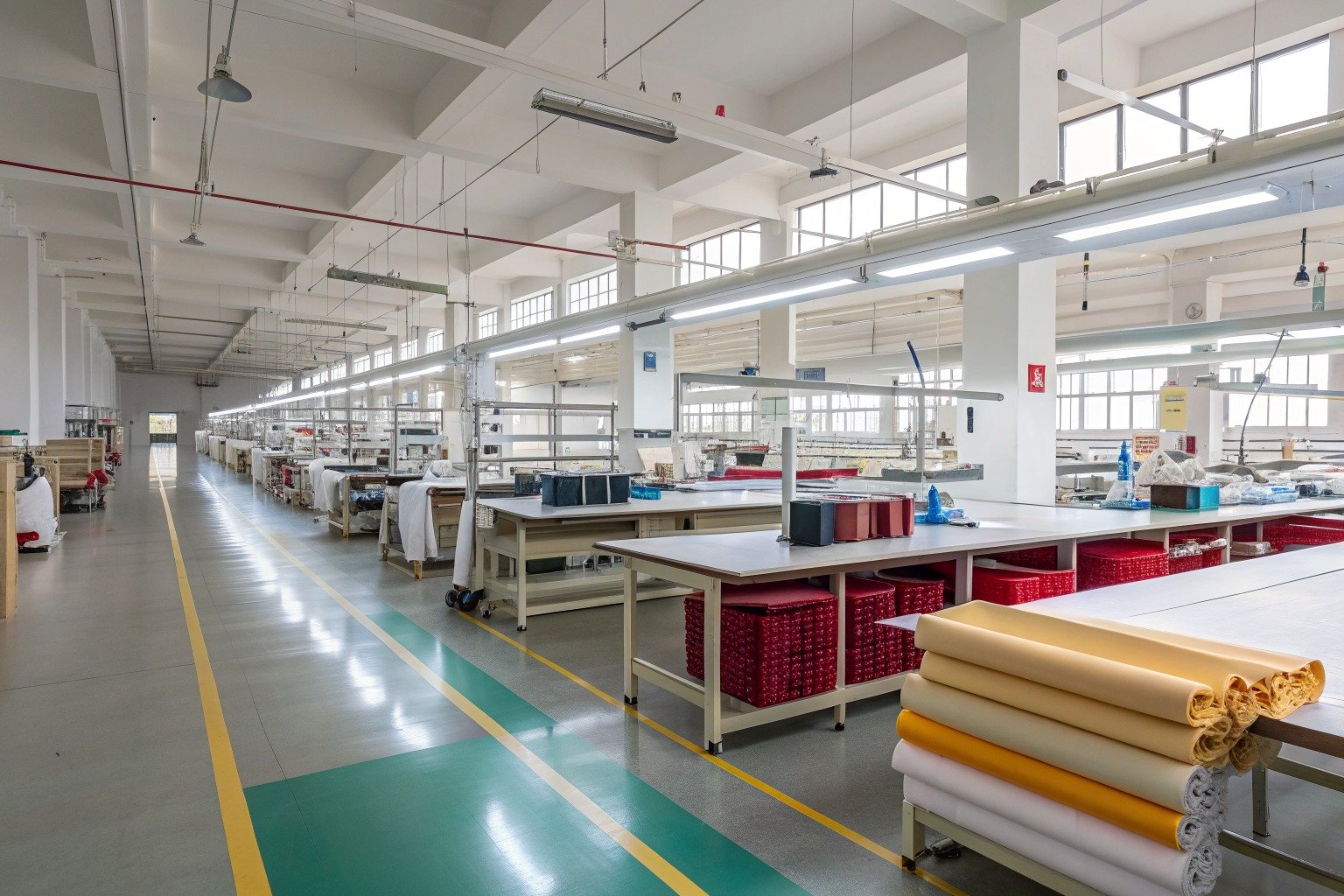
Surgical-grade stainless steel (typically 316L or 304 grade) contains less than 0.05% nickel, making it suitable for most people with nickel sensitivities. This material has a tight molecular structure that prevents nickel ions from leaching onto the skin, even with prolonged wear. At our manufacturing facility, we use certified surgical stainless steel for all metal components in our hypoallergenic lines, ensuring consistent quality and safety. The material’s durability and corrosion resistance also make it ideal for hair clips and accessories that undergo frequent use and exposure to hair products and environmental elements.
How does titanium compare to other hypoallergenic metals?
Commercially pure titanium represents the gold standard for hypoallergenic metals because it’s completely nickel-free and biologically inert. While more expensive than stainless steel, titanium offers superior weight-to-strength ratio and exceptional corrosion resistance. We reserve titanium for our premium hypoallergenic collections where customers prioritize maximum safety and are willing to pay for superior materials. The metal’s natural gray color provides a modern aesthetic that appeals to consumers seeking minimalist, high-quality accessories that won’t cause skin reactions.

What role do coatings and platings play in hypoallergenic accessories?
Coatings and platings can either enhance or compromise the hypoallergenic properties of accessories. Understanding which coatings provide safe barriers and which potentially cause problems is crucial for manufacturing truly hypoallergenic products.
Safe coatings create effective barriers between skin and potential allergens, while inappropriate platings can wear away and expose problematic underlying materials. The choice of coating method and quality significantly impacts long-term safety.
How do PVD coatings improve material safety?
Physical Vapor Deposition (PVD) coatings create an extremely durable, microscopically thin layer that completely seals the base metal, preventing any contact with skin. This process bonds the coating at a molecular level, making it far more resistant to chipping, tarnishing, and wear than traditional electroplating. We use PVD coating for our colored metal accessories, ensuring the finish remains intact and continues to provide a safe barrier throughout the product’s lifespan. This technology allows us to offer hypoallergenic hair clips in various colors without compromising safety through traditional plating methods that might wear down to expose underlying metals.
Why should you avoid certain electroplatings?
Traditional electroplating often involves nickel as an underlying layer, even for gold and silver finishes. As the plating wears thin through regular use, nickel can eventually reach the surface and contact the skin. The table below compares coating methods for hypoallergenic accessories:
| Coating Method | Durability | Hypoallergenic Safety | Cost Factor | Best Use Cases |
|---|---|---|---|---|
| PVD Coating | Excellent – molecular bond | High – complete barrier | Higher | Daily wear accessories |
| Powder Coating | Good – thick layer | High – effective seal | Medium | Larger components |
| Anodizing | Good – for aluminum only | High – changes surface | Medium | Lightweight pieces |
| Traditional Electroplating | Poor – wears quickly | Low – nickel underlayer | Lower | Fashion jewelry (not recommended) |
| Lacquer Coating | Fair – requires maintenance | Medium – can chip | Lower | Temporary protection |
Our quality control process includes rigorous coating adhesion tests to ensure these protective barriers remain effective throughout reasonable product lifespans.

Which natural materials work well for sensitive skin?
Natural materials offer excellent hypoallergenic properties when properly sourced and processed. These materials appeal to consumers seeking both safety and sustainability in their accessories, representing a growing segment of the hypoallergenic market.
Certain woods, natural fibers, and properly processed materials provide breathable, non-reactive options for consumers with multiple sensitivities. These materials often carry additional benefits like sustainability stories and unique aesthetic qualities.
What types of wood are safe for hair accessories?
Properly sealed hardwoods like maple, cherry, and beech provide beautiful, natural options for hair accessories when finished with hypoallergenic sealants. The wood must be completely sealed to prevent absorption of hair products and moisture that could lead to bacterial growth or material degradation. We use medical-grade epoxy resins to seal our wooden hair clips and accessories, creating a smooth, non-porous surface that’s easy to clean and safe for sensitive skin. This approach allows us to offer the warmth and uniqueness of natural materials while maintaining the safety standards required for hypoallergenic products.
How can natural fibers be used safely?
Organic cotton and linen offer excellent hypoallergenic properties for fabric-based accessories like headbands and scrunchies. These natural fibers are breathable, absorbent, and unlikely to cause reactions when undyed or colored with natural, non-toxic dyes. For customers with multiple chemical sensitivities, we offer hypoallergenic hair bands made from GOTS-certified organic cotton with plant-based dyes. The growing demand for these options reflects consumers’ increasing interest in both material safety and environmental responsibility, creating opportunities for accessories that address both concerns.

How do you verify and communicate hypoallergenic claims?
Simply using hypoallergenic materials isn’t enough—verification and clear communication are equally important for building consumer trust. Misleading claims can damage brand reputation and harm customers with genuine sensitivities.
Proper verification involves material certification, manufacturing controls, and clear labeling that helps consumers make informed choices. Transparency throughout the supply chain ensures claims are accurate and defensible.
What certifications support hypoallergenic claims?
Independent laboratory testing provides the most credible verification for hypoallergenic claims. Tests for nickel content, lead compliance, and other potential allergens demonstrate commitment to safety beyond marketing language. We maintain documentation for all materials used in our hypoallergenic lines, including mill certificates for metals and test reports for coatings and plastics. This documentation allows our retail partners to confidently market these accessories as truly hypoallergenic, knowing the claims are substantiated by verifiable data. As consumer awareness grows, this level of transparency becomes increasingly important for building trust and loyalty.
How should packaging communicate safety information?
Clear labeling helps consumers quickly identify products that meet their safety needs. We recommend including specific material information (e.g., "Nickel-Free Stainless Steel" or "Medical-Grade Silicone") prominently on packaging, along with any relevant certifications. This approach not only assists consumers with sensitivities but also educates the broader market about material safety. Our most successful retail partners find that transparent product information actually expands their customer base by appealing to both sensitized consumers and those simply seeking higher quality, safer products for everyday use.

Conclusion
The market for hypoallergenic accessories continues to grow as consumers become more educated about material safety and its impact on their wellbeing. By selecting appropriate materials, implementing careful manufacturing processes, and communicating transparently about product composition, brands can tap into this significant market segment while providing genuinely safer products for all consumers. The investment in hypoallergenic options often yields returns through increased customer loyalty and expanded market reach.
If you’re interested in developing a line of hypoallergenic accessories that combine safety, style, and quality, we invite you to contact our Business Director, Elaine. She can guide you through our material options and manufacturing processes for hypoallergenic products. Reach her at: elaine@fumaoclothing.com.