If you’ve ever experienced itchy, red, or swollen ears after wearing earrings or other ear accessories, you’re not alone. Many people suffer from metal allergies that make finding comfortable accessories a real challenge. As a manufacturer who has worked with clients across the globe, I’ve seen firsthand how material choice can make or break a product for sensitive skin.
The best materials for allergic-sensitive ears are hypoallergenic options that minimize contact with common irritants. Surgical-grade stainless steel, titanium, pure 24k gold, medical-grade plastic, and nickel-free sterling silver are among the top choices that rarely cause reactions. These materials create a protective barrier between your skin and potential allergens.
Finding the right materials is just the beginning. Let’s explore what makes certain materials better for sensitive ears and how you can ensure the accessories you choose won’t cause discomfort.
What Metals Cause Ear Allergies Most?
Many people discover their metal allergies only after they’ve experienced the uncomfortable symptoms. The itching, redness, and swelling can appear within hours or days of wearing problematic metals. Understanding which metals most commonly trigger these reactions is the first step toward finding safer alternatives.
Nickel is the most common culprit for metal allergies, affecting approximately 10-20% of the population. This metal is frequently used in fashion jewelry because it’s inexpensive and adds strength to other metals. Cobalt and copper are also common triggers, often found as components in cheaper jewelry alloys. Even some precious metals can cause issues when mixed with alloy metals to increase durability.
The severity of reactions can vary significantly from person to person. Some experience mild redness, while others develop blistering rashes that can last for weeks. The reaction occurs when your immune system mistakenly identifies the metal ions as harmful invaders, launching a defensive response that creates inflammation and irritation at the contact site.

Why is nickel so problematic for sensitive ears?
Nickel causes more allergic reactions than all other metals combined because it readily releases ions when in contact with skin moisture and sweat. These ions penetrate the skin and trigger an immune response in sensitive individuals. The problem is compounded by nickel’s prevalence in inexpensive jewelry – it’s found in most fashion earrings costing under $50. At our factory, we’ve completely eliminated nickel from all our production lines after numerous clients reported customer complaints about reactions to their ear accessories.
The American Academy of Dermatology confirms nickel allergy is one of the most common causes of allergic contact dermatitis. Once developed, this sensitivity tends to be lifelong, with reactions often worsening with repeated exposure. This is why so many of our European and American clients now specifically request nickel-free certifications for their accessory orders.
How can you identify allergy-triggering metals in jewelry?
Checking product descriptions for specific material information is your first defense against reactive metals. Look for clear labeling like "nickel-free," "hypoallergenic," or specific metal content listings. Be wary of vague terms like "surgical steel" without grade specifications, as some lower-grade surgical steels still contain trace nickel. At AceAccessory, we provide detailed material breakdowns for all our products and can supply independent laboratory test results to verify compliance with international safety standards.
The European Union has implemented strict nickel regulation through its REACH program, limiting nickel release to less than 0.5 micrograms per square centimeter per week. When sourcing accessories, ask suppliers about their compliance with these international standards. Many reputable manufacturers now use dimethylglyoxime testing kits to quickly detect nickel presence – a practice we’ve implemented across our quality control process to ensure client safety.
Which Hypoallergenic Materials Are Safest?
The term "hypoallergenic" literally means "less likely to cause an allergic reaction," though it’s important to note that no material is 100% safe for everyone. However, certain materials have proven track records of compatibility with sensitive skin. These options create effective barriers between your skin and potential irritants.
Surgical-grade stainless steel (specifically 316L) and titanium lead the safety category because they’re inert, corrosion-resistant, and contain minimal nickel. Both are widely used in medical implants, demonstrating their biocompatibility. For those with extreme sensitivities, niobium offers another excellent option as it’s similarly hypoallergenic and can be anodized to create beautiful colors without adding allergens.
Precious metals including pure 24k gold, platinum, and palladium are generally safe choices, though their high cost places them out of reach for many consumers. Sterling silver (92.5% silver) is typically safe unless it contains nickel as a hardening agent – always verify the alloy composition. For budget-friendly options, medical-grade plastics and acrylics provide completely metal-free alternatives that work well for both fashion and functional ear accessories.

What makes surgical steel and titanium so safe?
Surgical stainless steel (316L variant) and titanium form protective oxide layers when exposed to air that prevent metal ions from transferring to skin. This passive layer makes them exceptionally stable and non-reactive. Both metals also resist corrosion from sweat and body fluids, maintaining their integrity over time. We specifically use implant-grade titanium (Grade 23) for our most sensitive clients because it contains even fewer impurities than commercial grades.
The International Titanium Association confirms that titanium is biologically inert, which explains its widespread use in medical devices from joint replacements to dental implants. The minimal conductivity of these metals also reduces galvanic reactions that can sometimes trigger sensitivity responses. In our manufacturing process, we ensure all earring posts and backs made from these materials are polished to a mirror finish to further minimize potential irritation points.
Are precious metals always safe for sensitive ears?
Higher-karat gold (18k and above) and platinum are generally excellent choices, but be cautious with gold-filled and gold-plated items. The base metal underneath can eventually wear through and contact skin, potentially causing reactions. Solid 14k gold and above typically contains enough gold to prevent significant nickel leaching, though some people with extreme sensitivities may still react to the alloy metals mixed with even high-karat gold.
The Gemological Institute of America provides detailed guidelines on precious metal content that can help consumers make informed choices. For those wanting the look of gold without the cost, vermeil (thick gold plating over sterling silver) offers a good compromise. At our factory, we’ve developed a proprietary plating process that creates a intermediate barrier layer between our nickel-free brass bases and gold surfaces, providing extra protection against wear-through that could expose underlying metals.
How to Verify Material Safety Claims?
With so many manufacturers making "hypoallergenic" claims, verifying these assertions has become increasingly important. As both a producer and consumer, I’ve learned that transparent documentation separates reputable suppliers from those simply using marketing buzzwords.
Independent laboratory certifications provide the most reliable verification of material claims. Look for suppliers who can provide mill certificates for their metals or test results from recognized laboratories. The European Union’s REACH compliance documentation offers assurance that products meet strict nickel release standards. For American consumers, the ASTM International standards provide similar guidance for jewelry safety.
Physical testing methods can also help verify claims before committing to large orders. Dimethylglyoxime testing kits available online can detect nickel presence at levels as low as 10 parts per million. For more comprehensive analysis, third-party testing laboratories can perform accelerated wear testing to simulate years of use and check for underlying metal exposure in plated items.

What certifications should you look for?
REACH (Registration, Evaluation, Authorisation and Restriction of Chemicals) compliance is arguably the most important certification for European markets, specifically limiting nickel, cadmium, and lead content. For the American market, ASTM F2923 standards for children’s jewelry safety represent a good benchmark, even for adult products. ISO 13485 certification, while primarily for medical devices, indicates a manufacturer maintains exceptional material traceability and control systems.
At AceAccessory, we maintain comprehensive material certification files for all raw materials entering our factory. This due diligence not only ensures customer safety but also prevents costly border rejections for our clients. We’ve found that suppliers who readily provide these documents typically have better overall quality control systems. The Consumer Product Safety Commission provides additional guidance on jewelry safety standards that can help importers verify their suppliers’ claims.
How can you test materials before large orders?
Requesting material sample cards with small swatches of actual metals used in production allows for both visual inspection and potential testing. Many manufacturers (including ours) provide sample packs of their standard materials for exactly this purpose. For higher-volume orders, commissioning a pre-production sample batch lets you test finished products in real-world conditions before committing to full production.
We encourage our clients to conduct patch testing by having multiple people with known metal sensitivities wear sample products for extended periods. This real-world testing often reveals issues that laboratory testing might miss, such as reactions to polishing compounds or cleaning solutions residue. The extra step of testing might add time to your sourcing process, but it prevents costly returns and brand damage from allergic reactions down the line.
What Manufacturing Processes Affect Material Safety?
The safety of ear accessories isn’t determined solely by base materials – manufacturing and finishing processes play equally important roles. Improper handling, contamination, or cost-cutting production methods can compromise even the safest starting materials.
Electroplating quality significantly impacts product safety, as thin or porous plating can wear through quickly, exposing underlying metals to skin. The thickness and composition of plating layers, the preparation of base metals, and the quality of plating solutions all affect durability. Post-plating treatments like sealing can further enhance protection. At our Zhejiang facility, we’ve invested in advanced plating thickness testers to ensure all plated items meet or exceed international standards for durability.
Surface finishing techniques also influence material safety. Rough edges, microscopic pores, or improper polishing can create irritation points beyond allergic reactions. Laser welding instead of soldering with potentially reactive alloys, proper rinsing to remove cleaning chemicals, and careful handling to prevent cross-contamination all contribute to the final product’s biocompatibility.

How does plating quality affect hypoallergenic properties?
Quality plating acts as a protective barrier between skin and base metals, but poor plating can accelerate allergic reactions. When plating is too thin or contains pores, sweat can penetrate through to the base metal and create galvanic corrosion that actually increases metal ion transfer to skin. This is why we insist on plating thicknesses of at least 2.5 microns for all our gold and silver plating – significantly above the industry standard of 0.5-1 micron.
The British Standards Institution provides specific guidelines for gold plating thickness that many quality manufacturers follow. Beyond thickness, the composition of intermediate plating layers matters tremendously. We use multiple barrier layers including nickel-free palladium between our brass bases and final plating – a technique developed through collaboration with material scientists that prevents copper and zinc migration without introducing nickel allergens.
What production safeguards prevent material contamination?
Strict factory protocols separate different materials throughout manufacturing to prevent cross-contamination. Dedicated production lines for nickel-free items, regular equipment cleaning, and material segregation from raw receiving through shipping all reduce contamination risks. At our facility, we implement a color-coded tool system where tools used for nickel-containing metals never contact our hypoallergenic production lines.
Employee training plays a crucial role in maintaining material purity. Our quality control team receives specialized instruction in identifying potential contamination points, and we conduct regular audits of our processes. Implementing a traceability system that tracks each batch from raw material to finished product ensures that if issues arise, we can quickly identify affected items and implement corrective actions. These manufacturing disciplines might seem excessive, but they’re what separate truly hypoallergenic products from those that merely claim to be.
Conclusion
Choosing the right materials for allergic-sensitive ears requires careful consideration of both base metals and manufacturing quality. Hypoallergenic options like surgical-grade stainless steel, titanium, and high-karat gold provide the safest choices, while verification of material claims through certifications and testing ensures you get what you pay for. The manufacturing processes behind the products prove equally important, with proper plating and contamination prevention making the difference between comfortable wear and allergic reactions.
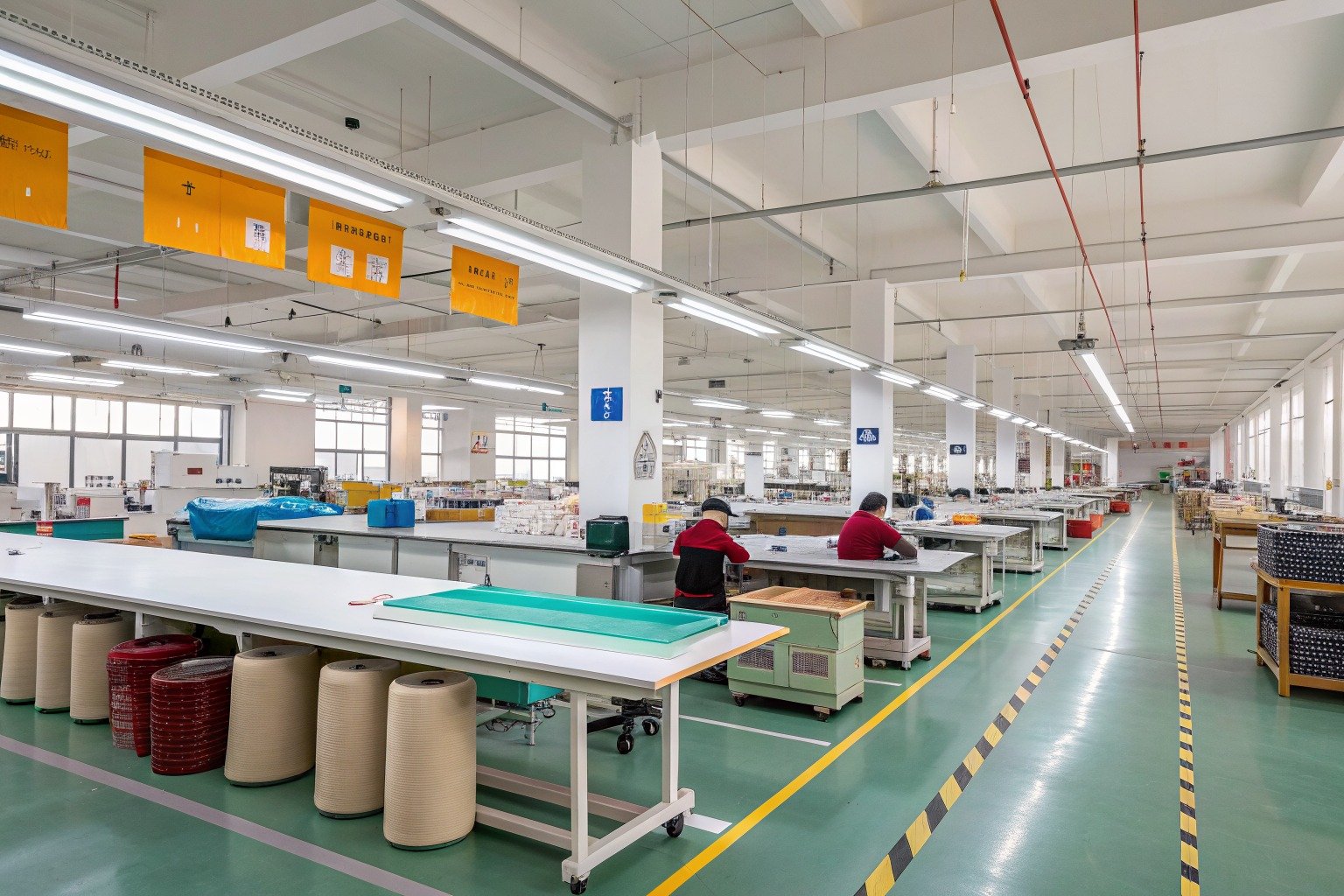
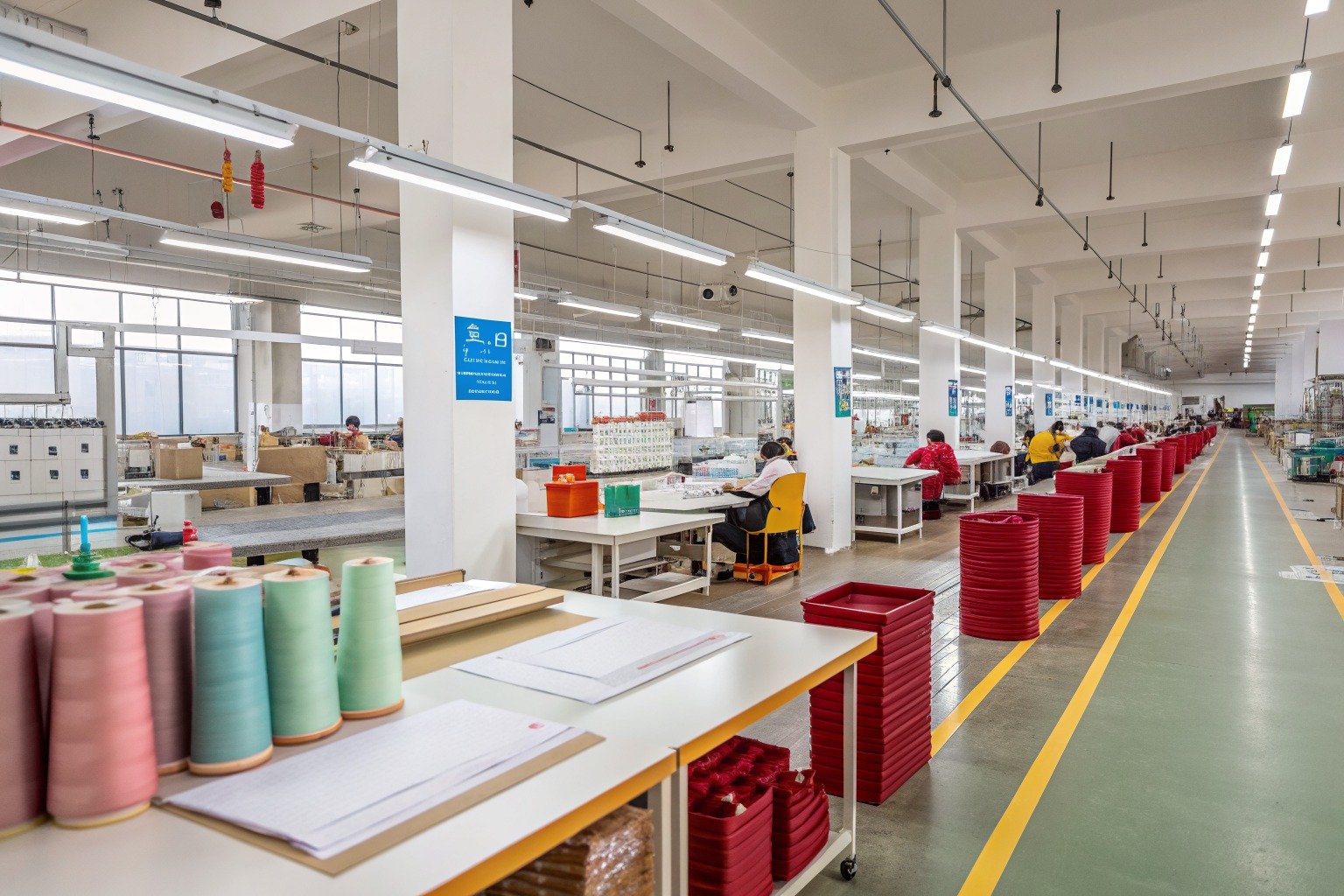
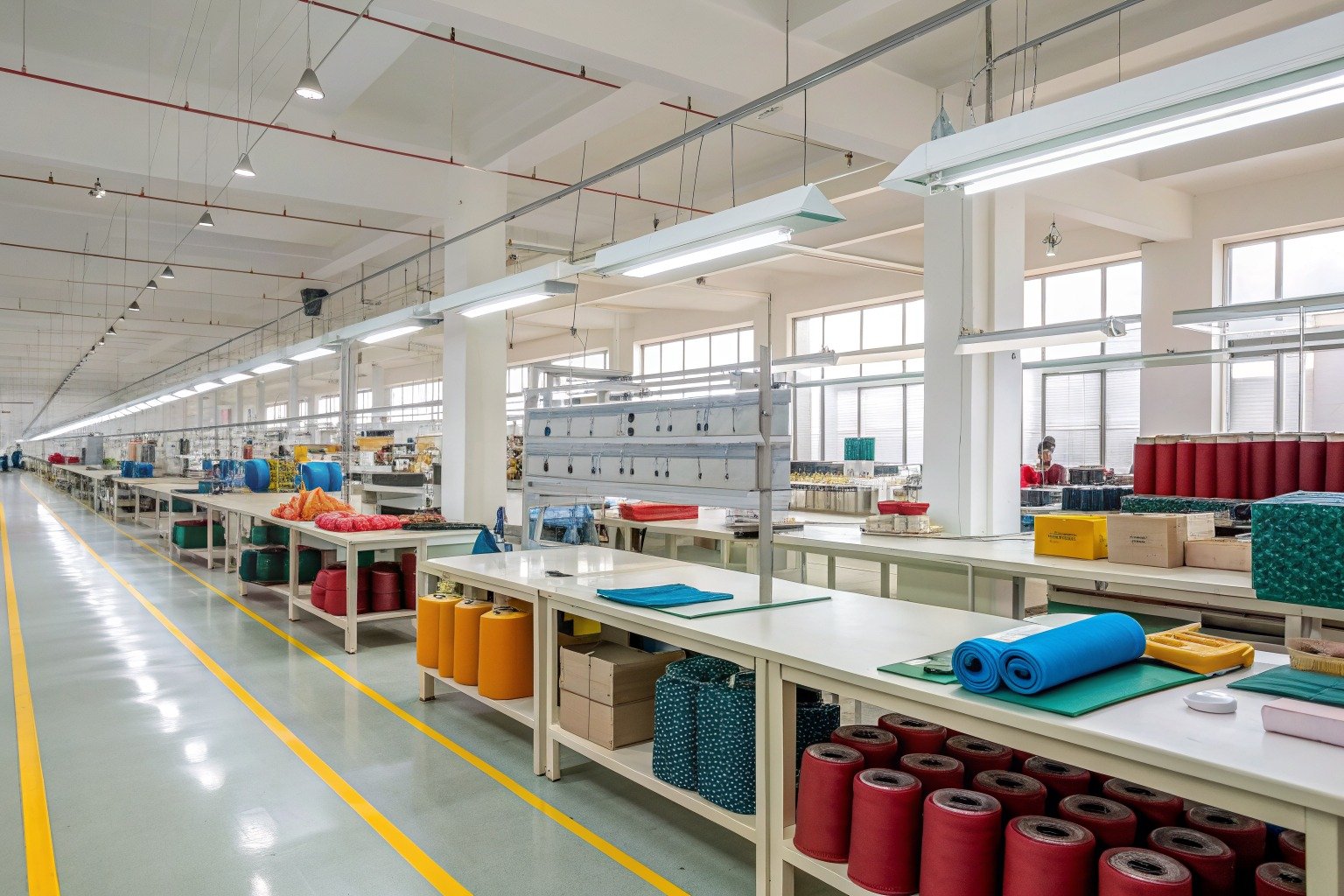
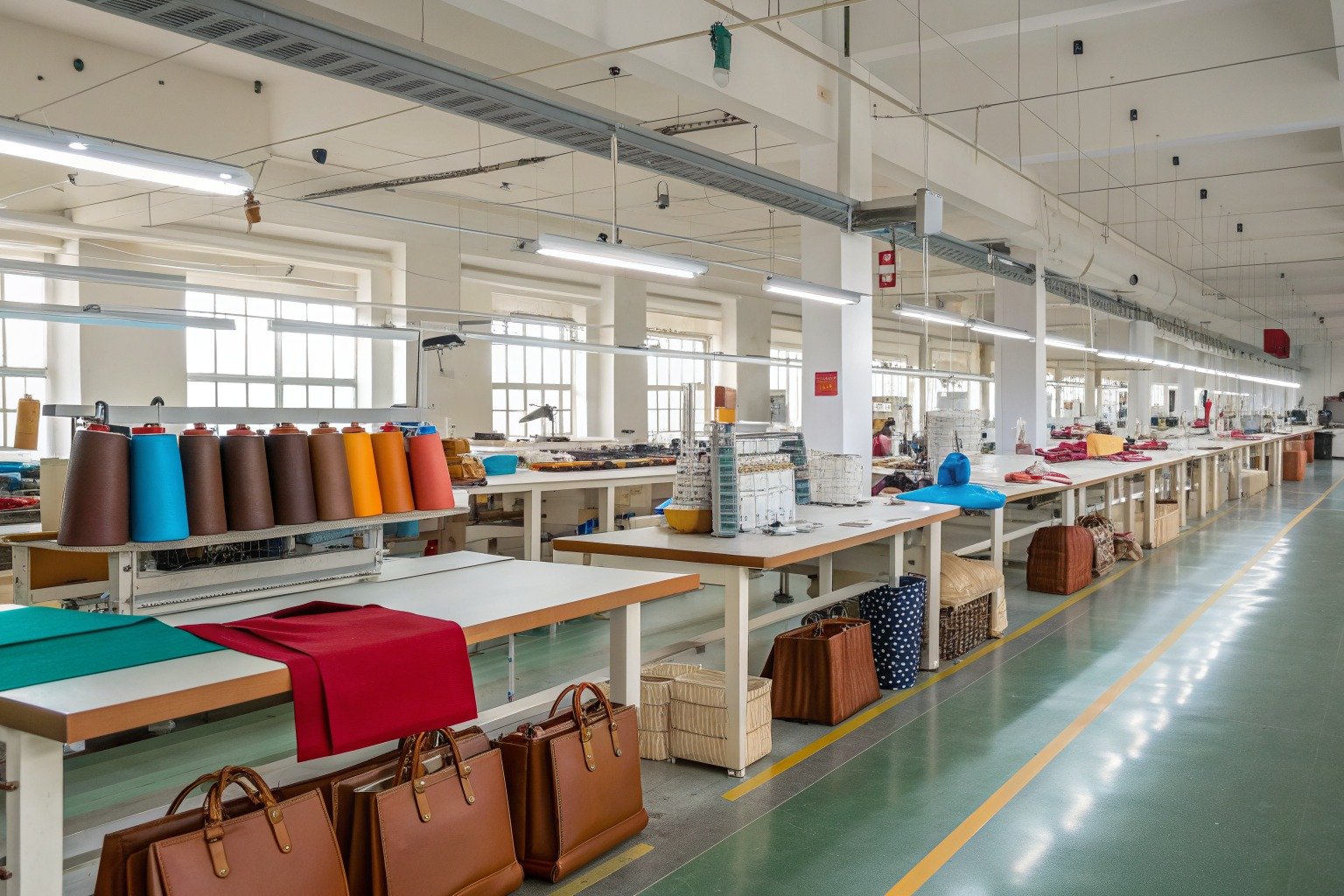
At AceAccessory, we’ve built our reputation on creating beautiful accessories that don’t compromise on safety. Our clean, modern facility in Zhejiang, China maintains strict material controls and advanced manufacturing processes specifically designed to serve clients needing hypoallergenic products. We understand that material safety directly impacts your brand’s reputation and customer satisfaction.
If you’re looking for a manufacturing partner who understands the critical importance of material safety for sensitive ears, we invite you to contact our Business Director Elaine at elaine@fumaoclothing.com. Let us help you create accessory collections that combine style, quality, and safety for your customers with even the most sensitive skin.