I remember an email from a client named Sophie, who ran a charming online boutique specializing in nostalgic, feminine accessories. Her best-selling item was a delicate, hand-tied satin bow clip. It was simple, but the quality of the satin and the crispness of the bow were everything. Her first supplier sent a batch where the bows were lopsided, the satin was dull, and the edges were fraying after a single wear. She was heartbroken. She told me, "It looks easy, but finding someone who can make a perfect satin bow feels impossible. Everyone just shows me a cheap, shiny ribbon glued onto a clip." If you are like Ron, you know that the most "simple" looking products are often the most difficult to source well. The fear of receiving a box of sad, frayed, mass-produced-looking bows that destroy your brand’s romantic aesthetic is a very specific and very real sourcing nightmare.
Finding a Chinese factory that truly excels at satin bow hair clips requires looking beyond general "hair accessory" manufacturers and seeking out a partner with a specific, hard-to-find combination of skills: access to high-quality, Korean or Japanese-grade polyester satin ribbon that mimics silk’s drape and luster; a dedicated, skilled handwork team that can consistently tie and shape bows to your exact dimensions; and mastery of the "invisible finish"—clean, fray-free, heat-sealed ribbon ends and a secure, hidden attachment method. A factory that does this well is not just a clip maker; it is an atelier with a specific craft focus.
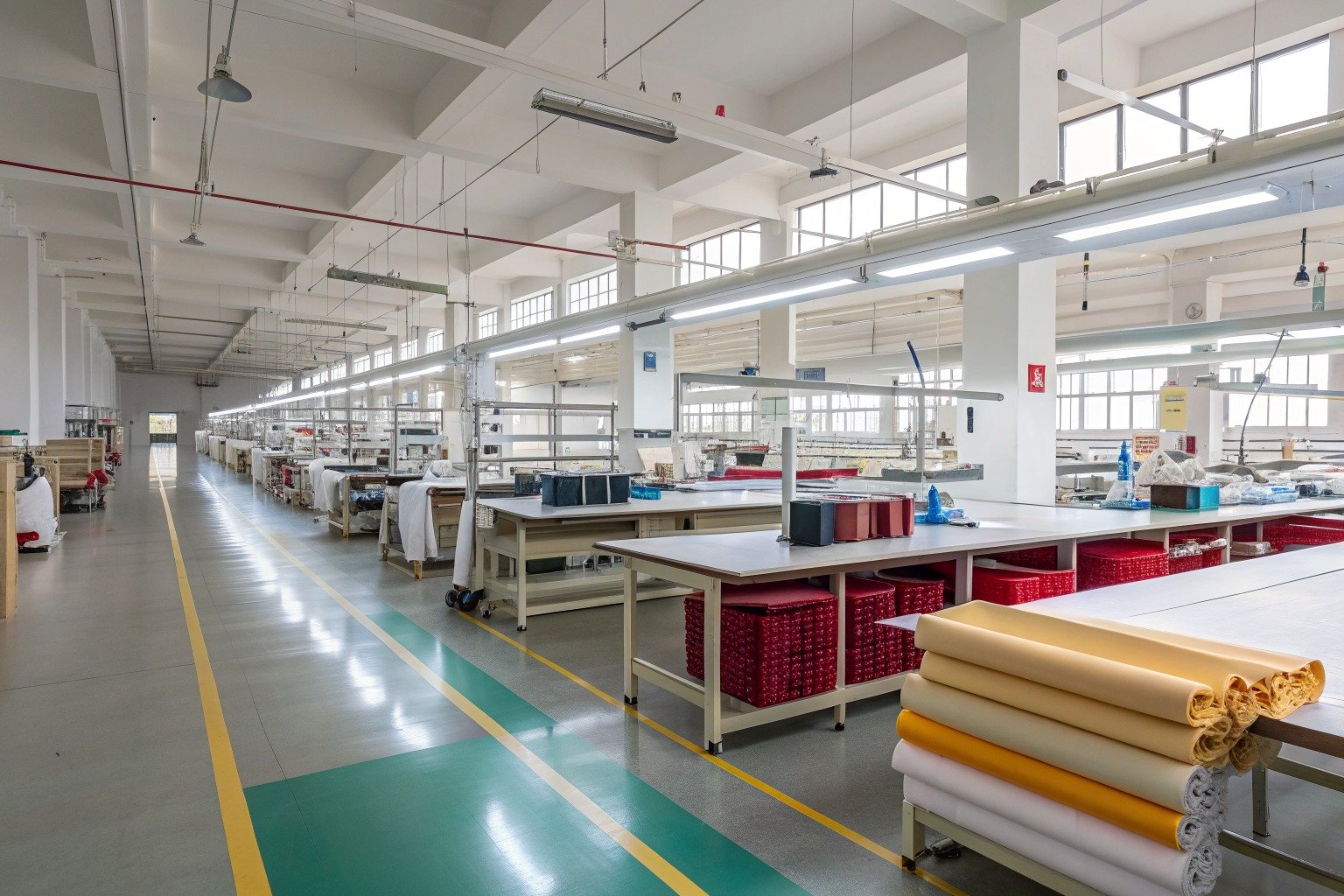
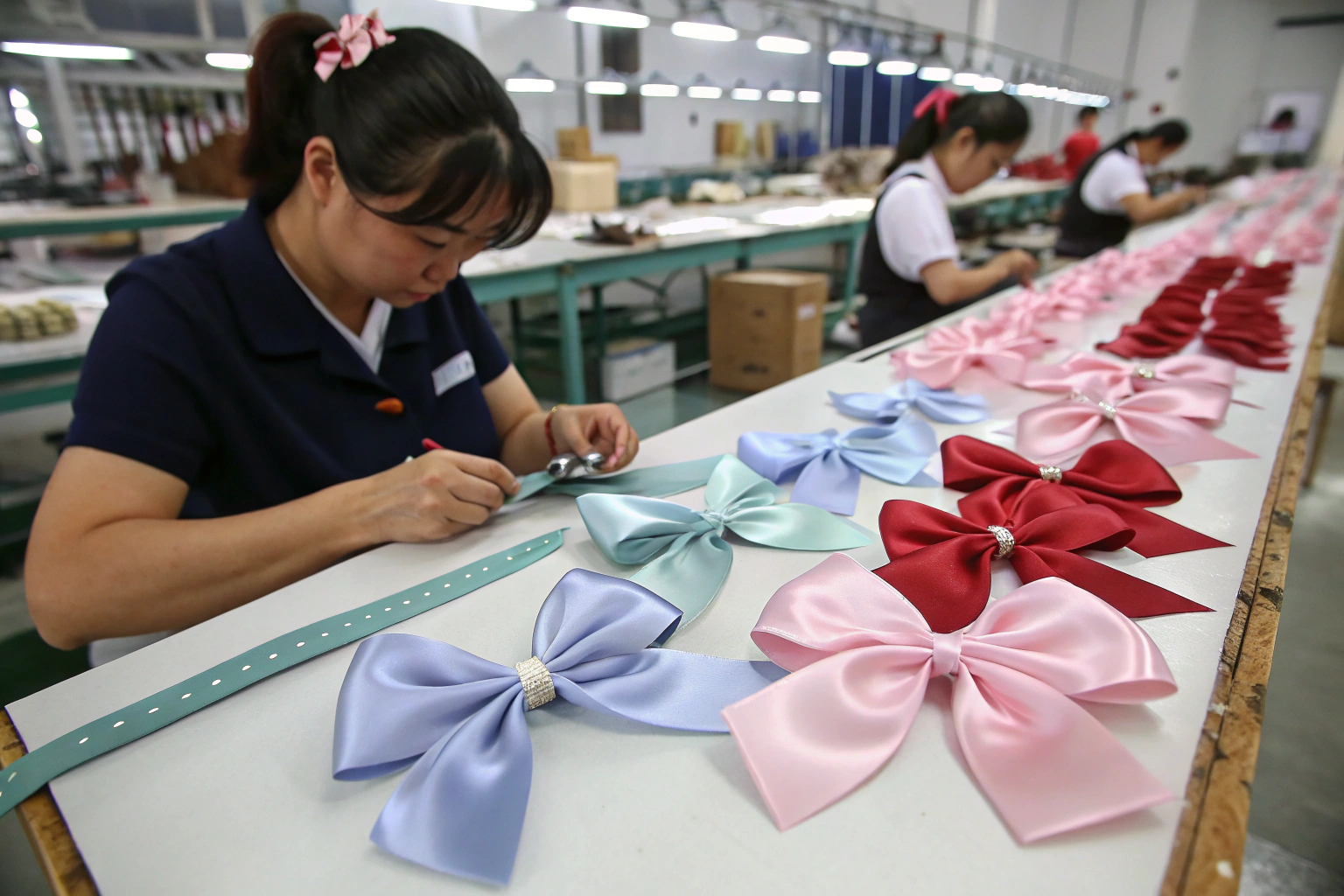
I run AceAccessory in Zhejiang Province. Over the years, I have developed a specialized team dedicated to what we call our "Ribbon & Bow Atelier." I learned early on that making a beautiful satin bow is not a machine process. A machine can cut the ribbon and heat-seal the edge, but the tying, the shaping, the hand-sewing of the center knot to achieve the perfect, identical shape—that is a human skill. It requires patience, dexterity, and a deep understanding of how satin behaves. Let me walk you through exactly what to look for in a manufacturing partner, the specific materials and techniques that separate a luxury bow from a cheap one, and the questions you must ask to find your perfect atelier.
Why Is Ribbon Quality the Single Biggest Differentiator?
The secret to a beautiful satin bow clip is not in the clip itself. It is in the Ribbon. The ribbon is the fabric that creates the volume, the shape, and the visual appeal. A cheap ribbon will always look like a cheap bow, no matter how skillfully it is tied. The difference between a beautiful, boutique-quality bow and a dollar-store imitation is almost entirely determined by the ribbon’s Fiber Content, Weave, and Finish.
The Anatomy of Premium Satin Ribbon:
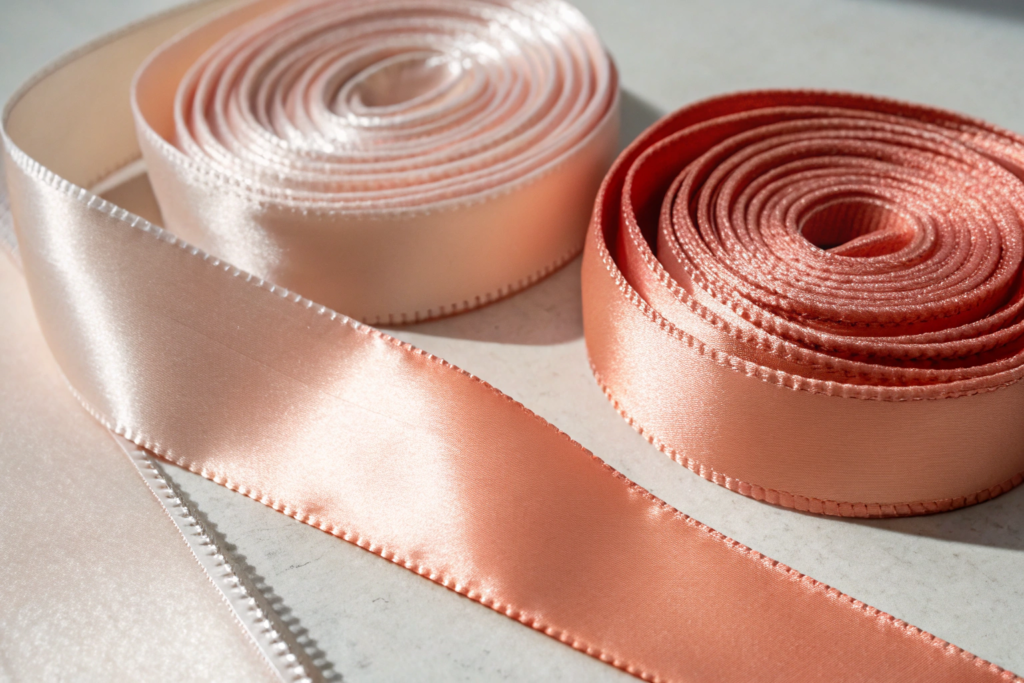
- The "Silk Mimic": The best polyester satin ribbons are not called "satin" in the factory. They are often sourced from specialist mills in Korea or Japan and are known by their trade characteristics: "Peach Skin," "Charmeuse," or "Soft Crepe" finish. They are engineered to mimic the drape, softness, and deep, liquid luster of real silk, without the fragility and water-spotting issues of silk.
- The Luster: Cheap satin has a loud, shiny, plastic-like glare. Premium satin has a Deep, Soft, Matte-Like Luster. It reflects light in a rich, complex way, not a single, harsh highlight. This difference is due to the yarn quality and the finishing process.
- The Body and Drape: A cheap ribbon is stiff and springy. It resists being shaped. A bow tied from it looks forced and angular. A premium ribbon has a beautiful, fluid Drape. It yields to the hand, allowing the bow maker to shape soft, rounded loops. The finished bow has a natural, organic volume. It does not look "stiff."
At AceAccessory, our ribbon buyer sources directly from specialist mills in the Korean and Japanese markets that produce these premium polyester satins. We understand that our clients do not just want "a satin bow." They want a bow that looks and feels like it came from a high-end boutique. The ribbon is the foundation of that promise.
What Is the Difference Between Polyester "Peach Skin" and Real Silk for Bows?
This is a critical material decision that balances aesthetics, durability, and cost. While real silk is the ultimate luxury fiber, it is often Not the Best Choice for a functional hair accessory intended for daily wear.
| Feature | Real Silk (Charmeuse/ Habotai) | Premium Polyester "Peach Skin / Charmeuse" |
|---|---|---|
| Aesthetic | Unmistakable, deep, liquid luster. The gold standard. | Very close visual mimic. Soft, deep luster without the plastic shine. |
| Drape & Hand | Superb. Fluid, soft, unbelievably luxurious. | Excellent. Soft, yielding, holds a bow shape beautifully. |
| Durability | Poor. Delicate fiber. Water spots permanently. Frays easily. Snags on hair and jewelry. | Excellent. Strong, durable fiber. Resists fraying. Does not water spot. Machine washable (on a delicate cycle in a wash bag). |
| Colorfastness | Moderate. Prone to fading in sunlight. | Excellent. Holds dye deeply. High lightfastness. |
| Cost | Very High. | Moderate. Allows for a luxury aesthetic at an accessible retail price. |
The Verdict for a Hair Bow:
For a wedding or a very special occasion piece, real silk may be the right choice. For a beautiful, everyday luxury bow that a customer will wear regularly, travel with, and want to keep looking pristine, a Premium Polyester "Peach Skin" or "Charmeuse" is the superior and more practical material. It offers 95% of the aesthetic luxury of silk with 500% more durability and usability. At AceAccessory, we guide our clients to the material that best serves their customer’s lifestyle. We offer both, but we always explain the trade-offs.
How Can You Test the "Fray-O-Meter" to Spot a Cheap Ribbon?
This is a simple, destructive field test our QC team uses to instantly grade the quality of a new ribbon lot. You can do it at your desk with a small ribbon swatch. I call it the "Fray-O-Meter" Test.
The Test:
- Take a piece of the ribbon, about 10cm long.
- Using a sharp pair of scissors, make a single, clean cut at a 45-degree angle.
- Now, use your thumb and forefinger to Gently Rub the Cut Edge back and forth 5-10 times.
- Observe the edge.
The Results:
- Cheap Ribbon (Fail): The edge immediately begins to separate. Individual threads pull out and fray. A little "beard" of fuzz appears. This ribbon will fray the first time it is worn in a child’s hair or brushed against a sweater.
- Good Ribbon (Pass): The edge remains clean and sharp. A few microscopic fibers may loosen, but the structure of the weave holds tight. This ribbon will withstand normal wear.
- Premium Ribbon (Excellent): The edge is perfectly clean. No movement at all. This is the sign of a high-density, well-finished weave.
At AceAccessory, we perform this test on every incoming batch of ribbon. If a batch frays excessively, it is rejected and returned to the supplier. This one simple test tells you more about the underlying quality of the material than a dozen spec sheets. It is a practical tool I share with all my clients so they can be informed buyers.
Why Is the Craftsmanship of the Bow Itself a "Human Skill" Audit?
An industrial sewing machine can attach a clip to a piece of webbing. But it cannot make a beautiful, perfectly symmetrical, hand-tied satin bow. This is a Manual Craft. It is a skill that is passed down and refined over years of practice. The quality of a satin bow clip is a direct reflection of the skill and pride of the individual artisan who made it.
When vetting a factory, you are not just assessing their machinery. You are auditing their Handwork Team. This is a "Human Skill Audit," and it is just as important as a factory tour.
What to Look For in a Bow Maker’s Craft:
- Consistency of Form: You must ask to see not just one perfect sample bow, but a Tray of 10 or 20 finished bows from a recent production run. Place them side-by-side. Do they look like identical sisters? The loop size, the angle of the tails, the tightness of the center knot—all must be perfectly uniform. A skilled craftsperson produces consistent, identical output.
- The "Invisible" Center Knot: This is the mark of mastery. A cheap bow has a center knot that looks like a cinched mess—a tight, twisted wad of ribbon or a visible wire. A premium bow has a Clean, Flat, Hand-Sewn Center Knot, often wrapped in a tiny piece of matching ribbon or even thread. It is perfectly centered and sits beautifully flat.
- The Energy of the Bow: This is an abstract but real quality. A cheaply made bow looks "dead." It lies flat and limp. A beautifully made bow has Energy and Volume. The loops have a natural, springy fullness. It looks alive. This comes from the artisan’s touch in shaping and tensioning the ribbon without crushing it.
At AceAccessory, our bow-making team is our pride. They are skilled artisans who have been with us for years. They take immense pride in their work, and you can see it in the final product. This is not a commodity. It is a craft skill .
How Can You Spot a "Hand-Tied" Bow from a "Pre-Formed" Bow?
This is a key question of quality and perceived value. There is a massive difference between a bow that is Tied by Hand and a bow that is Mechanically Pre-Formed from a folded and stitched piece of fabric.
-
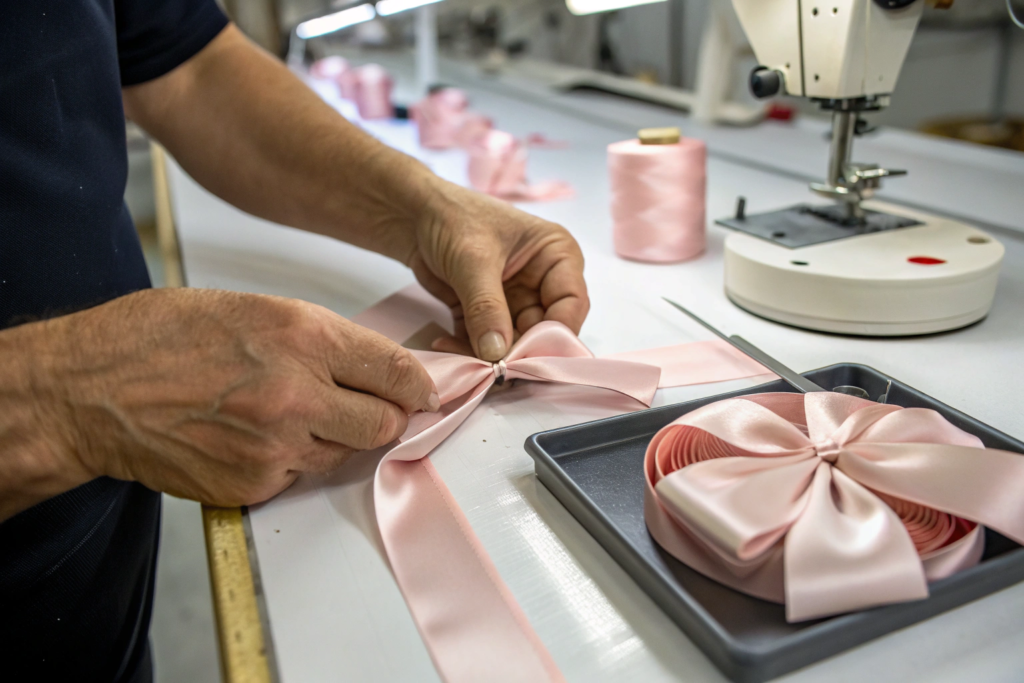
The Hand-Tied Bow:
- Construction: The artisan takes a single, continuous piece of ribbon and literally ties it into a bow, just as you would tie a shoelace. The loops and tails are formed by the action of the knot.
- The Visual Cues: It has a Natural, Organic Quality. The loops may have a very slight, beautiful asymmetry. The center knot is a real, functional knot. The tails fall naturally from the knot.
- The Feel: You can gently pull the tails and feel the knot tighten. The bow has life and movement.
-
The Pre-Formed Bow:
- Construction: The factory cuts separate pieces of ribbon for the loops and the tails. These are folded into shape, layered on top of each other, and then stapled or sewn together in the center. A separate piece of ribbon is wrapped around the center to hide the staple/stitching.
- The Visual Cues: It looks Stiff, Flat, and Mechanically Perfect. The loops are often perfectly, unnaturally identical. The center wrap looks like a bandage covering the construction.
- The Feel: It is stiff and immobile. It feels like a manufactured object, not a crafted one.
A premium satin bow clip is almost always Hand-Tied. This is the method that produces a beautiful, organic shape and communicates luxury and craftsmanship. At AceAccessory, our standard for boutique-quality bows is hand-tied construction. We train our artisans in this specific skill.
Why Are Fray-Free, Heat-Sealed Ribbon Ends a Non-Negotiable Detail?
This is a single, minute detail that instantly separates a quality accessory from a disposable one. The cut end of a satin ribbon is the single most vulnerable point on the entire product. A raw, unfinished end will fray into an unsightly mess of threads the very first time the bow is handled.
The Two Acceptable Finishes for a Professional Bow:
-
The "Hot Knife" Heat Seal (Standard).
- Process: The ribbon is cut not with scissors, but with a heated blade (a "hot knife"). The blade melts through the synthetic polyester fibers, simultaneously cutting and sealing the edge.
- Visual Result: A clean, hard, slightly glossy, beaded edge. It is perfectly flat and will Never Fray.
- Aesthetic: Functional and clean. The standard for commercial-quality bows.
-
The "Fish Tail" Fold and Stitch (Premium).
- Process: The ribbon end is not cut straight across, but at an angle. This angle-cut end is then folded back onto itself to create a small triangle and secured with a tiny, hidden stitch.
- Visual Result: A beautiful, clean, dimensional "V" shape that mimics the elegant tail of a fish. It adds a subtle, couture-level detail. Zero Fraying.
- Aesthetic: The mark of a luxury, handcrafted item.
What Is Unacceptable:
- Raw Cut: Scissor-cut, unfinished edge.
- Glued Edge: A desperate attempt to control fraying with a dab of clear glue, which will crack, yellow, and fail.
At AceAccessory, our default finishing for premium bows is the Hot Knife Heat Seal for its perfect combination of durability and cleanliness. For clients seeking a truly elevated detail, we offer the Fish Tail finish. This is the kind of exquisite detail we discuss when developing a custom bow program .
What Are the Best Base Clips for a Secure and Snag-Free Hold?
The most beautiful satin bow in the world is useless if the clip it is attached to slips out of fine hair, snaps in thick hair, or rusts after a few weeks. The Base Clip is the functional backbone of the entire accessory. The choice of clip dictates the end-use, the price point, and the customer satisfaction.
The Three Tiers of Base Clips for Satin Bows:
| Clip Type | Mechanism & Material | Best For | Quality Markers |
|---|---|---|---|
| French Barrette | Metal backplate with a strong, enclosed spring mechanism. Opens and closes with a secure "snap." | Premium / All-Day Hold. The gold standard for a boutique bow. Holds thick, heavy, or fine hair securely. | Silicone Grip Strip on the inner prong. Rust-proof stainless steel spring. Smooth, rounded tips. Non-magnetic premium metal. |
| Snap Clip (Toddler) | Molded plastic living hinge. Smooth, rounded prongs. No metal parts. | Infant & Toddler Bows. The only safe option for children under 3. | BPA-free, lead-free nylon. Fully enclosed, no accessible small parts. Soft, rounded tips. |
| Alligator Clip | Simple pinch-open metal clip with sharp, interlocking teeth. | Budget / DIY / Short-Term Wear. Fine for very light-duty applications but generally not recommended for a premium brand. | Teeth are sharp and can snag hair. Hinge pin can rust. Lacks a strong spring mechanism. |
At AceAccessory, we guide our clients to the appropriate base clip for their target market. For a luxury, adult-focused brand, we almost exclusively use the French Barrette with a silicone grip. It signals quality before the customer even puts it in their hair. The satisfying "snap" of the mechanism communicates precision and durability.
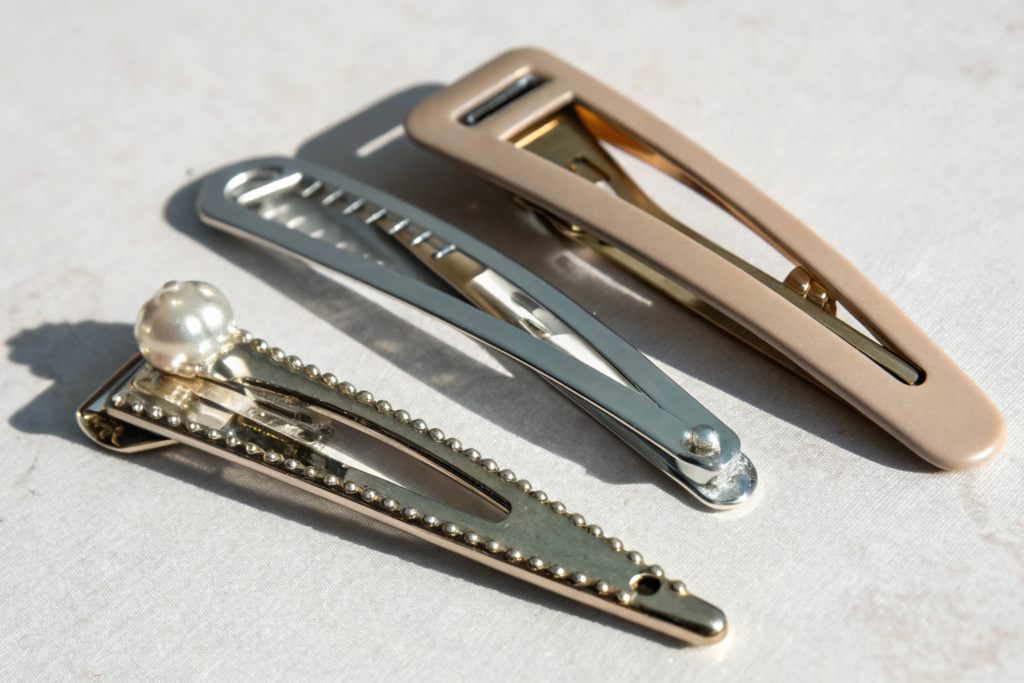
Why Is a French Barrette with a Silicone Grip the Gold Standard?
The French barrette is the workhorse of high-quality hair accessories. Its mechanism is fundamentally different from a simple alligator clip. It is an engineered clasp.
- The Spring Mechanism: The alligator clip relies on a simple, weak tension pin. The French barrette uses a robust, coiled Stainless Steel Spring. This spring provides a consistently strong, secure clamping force. It will not loosen over time. It holds thick hair all day without slipping.
- The Silicone Grip: This is the innovation that makes a great barrette exceptional. A thin, clear, soft strip of silicone is bonded to the inside of the metal prong. When the barrette snaps shut, the silicone Grips the Hair. It creates a high-friction, non-slip hold that a bare, smooth metal prong cannot match.
- The Aesthetic: The mechanical action of the barrette is smooth and elegant. It closes with a quiet, solid, confident "click." It feels like a well-made piece of engineering. The customer perceives this quality instantly. It justifies a premium retail price.
At AceAccessory, our standard premium base clip is a matte-finish metal French barrette with a silicone grip. We stock them in our classic hardware finishes—gold, silver, gunmetal, and matte black. It is the foundation upon which we build a beautiful, durable, and functional hair accessory.
Conclusion
Finding a Chinese factory that can produce truly exceptional satin bow hair clips is a search for a specialist, not a generalist. It is a search for an atelier that understands that the soul of the product resides in the quality of the ribbon, the skill of the human hands that tie it, and the functional integrity of the hidden hardware. A cheap, shiny ribbon, a mechanically pre-formed shape, and a flimsy alligator clip will betray your brand’s promise the moment the customer opens the box.
The path to finding your partner is to look beyond the price list and audit the materials and the craft. Touch the ribbon. Pull on the knot. Snap the clip. Ask the specific questions we have laid out here. A factory that is proud of its ribbon sourcing, its artisan team, and its choice of hardware will answer those questions with detailed, confident explanations. A factory that is hiding behind a low price will deflect.
If you are looking for a partner who treats the humble satin bow as a piece of craft, we can provide samples of our premium "peach skin" ribbon, our hand-tied bow cards, and our full range of base clip hardware.
Contact our Business Director, Elaine. She can send you a bow sample kit and discuss your specific style, ribbon quality, and hardware preferences. Email Elaine at: elaine@fumaoclothing.com