Leading a fashion accessory manufacturing business like AceAccessory has taught me that designing for the mass market is a unique challenge. It's not about creating a single masterpiece; it's about creating thousands of pieces that millions of people will love. Many brands and importers struggle to bridge the gap between a creative vision and a commercially viable product that sells in volume across North America and Europe. The goal is to blend trend-awareness with practical manufacturing to achieve scalable success.
Designing accessories for the mass market requires a strategic blend of trend forecasting, consumer behavior analysis, material selection for scale, and designing for efficient manufacturing. It's a commercial process where data informs creativity to produce appealing, high-quality, and affordable accessories that resonate with a broad audience in supermarkets, large retail chains, and online stores. Success hinges on a deep understanding of your target demographic and a reliable manufacturing partner who can turn designs into high-yield products.
Let's dive into the core principles that can guide you in creating accessory collections that are not only stylish but also primed for mass-market success and profitability.
What Are The Key Trends In Mass Market Accessories?
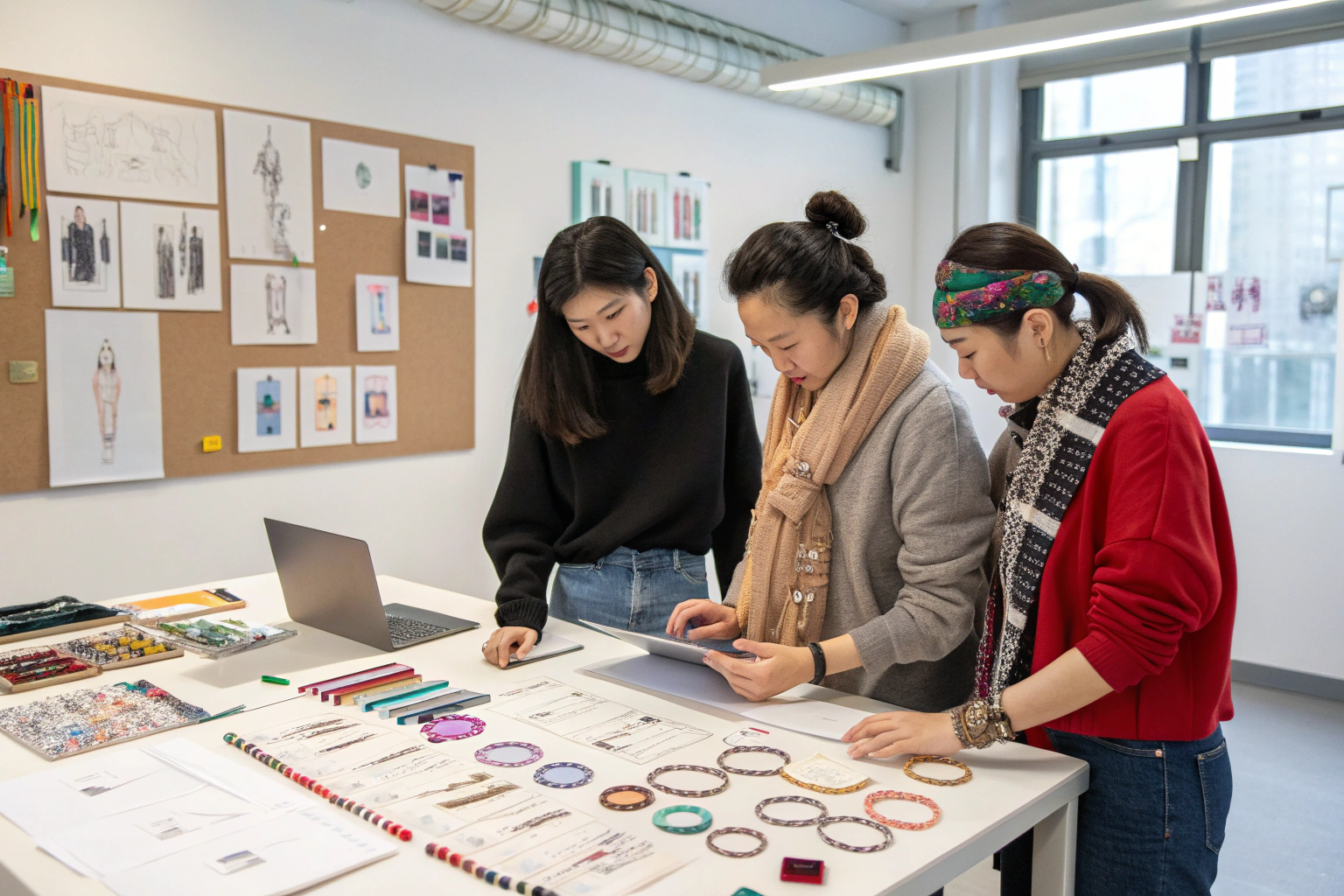
Staying ahead of trends is crucial, but for the mass market, it's about identifying which trends have longevity and broad appeal. The key is to adapt high-fashion trends into wearable, accessible, and price-conscious designs for the everyday consumer.
Designing accessories for the mass market requires a strategic blend of trend forecasting, consumer behavior analysis, material selection for scale, and designing for efficient manufacturing. It's a commercial process where data informs creativity to produce appealing, high-quality, and affordable accessories that resonate with a broad audience in supermarkets with seasonal forecasts from Pantone, but with a focus on core neutrals that guarantee year-round sales.

How Can You Identify A Lasting Trend Versus A Passing Fad?
A lasting trend is often rooted in a broader cultural or lifestyle shift, like the focus on sustainability or wellness. A passing fad is typically driven by a viral moment on social media and fades quickly. To spot the difference, monitor long-term trend reports from sources like the WGSN or Pantone Color Institute. These organizations provide data-driven forecasts about color, material, and style directions for upcoming seasons. Additionally, track sell-through rates on major e-commerce platforms like Amazon. If a product sells quickly and restocks continue to sell, it's a sign of a lasting trend. Fads spike and collapse rapidly, while trends show steady, sustained growth.
What Role Does Consumer Demographics Play In Trend Adoption?
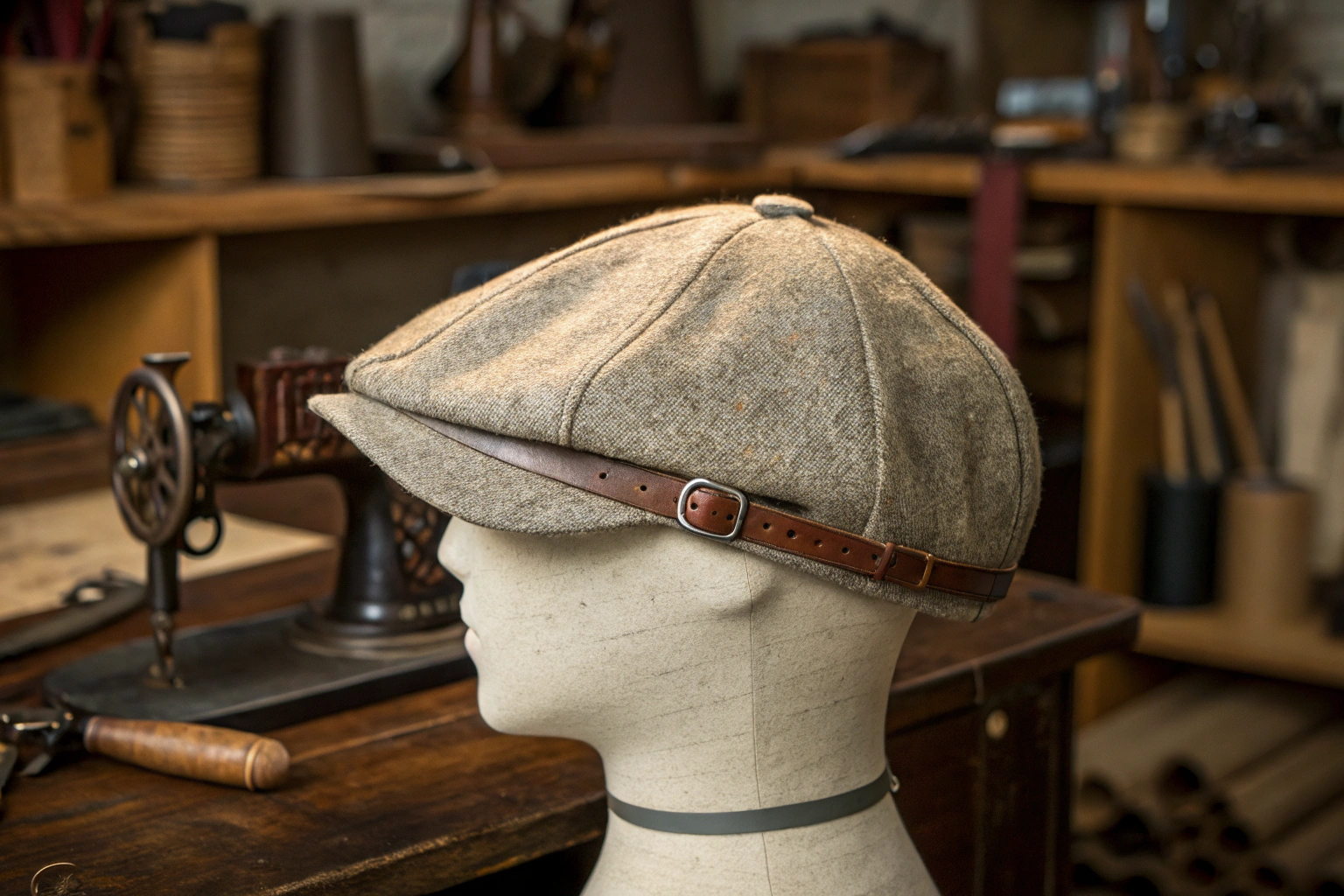
Different age groups and regions adopt trends at different speeds. A trend popular with Gen Z on TikTok might take six months to filter down to mainstream big-box retailers where the primary shopper is Millennial or Gen X. For mass market success, you need to design for the late adopters, not just the early ones. This means slightly toning down extreme versions of a trend. For example, a very bold runway hat can be adapted into a more subtle, everyday-friendly version for a supermarket aisle. Understanding this demographic lag is key to timing your product development and production cycles correctly.
How To Select Materials For High-Volume Production?
Choosing the right materials is a critical business decision that impacts cost, quality, lead time, and ultimately, customer satisfaction. The goal is to find the perfect balance between aesthetic appeal, durability, and cost-effectiveness for large orders.
Material selection for mass production must prioritize availability, consistency, and manufacturability. You need materials that are not only on-trend but also can be sourced reliably in huge quantities without quality fluctuations. This often means working with established, high-yield materials like certain grades of polyester, cotton, and standardized metals that our factory in Zhejiang has extensive experience with.

What Material Properties Ensure Consistency in Large Batches?
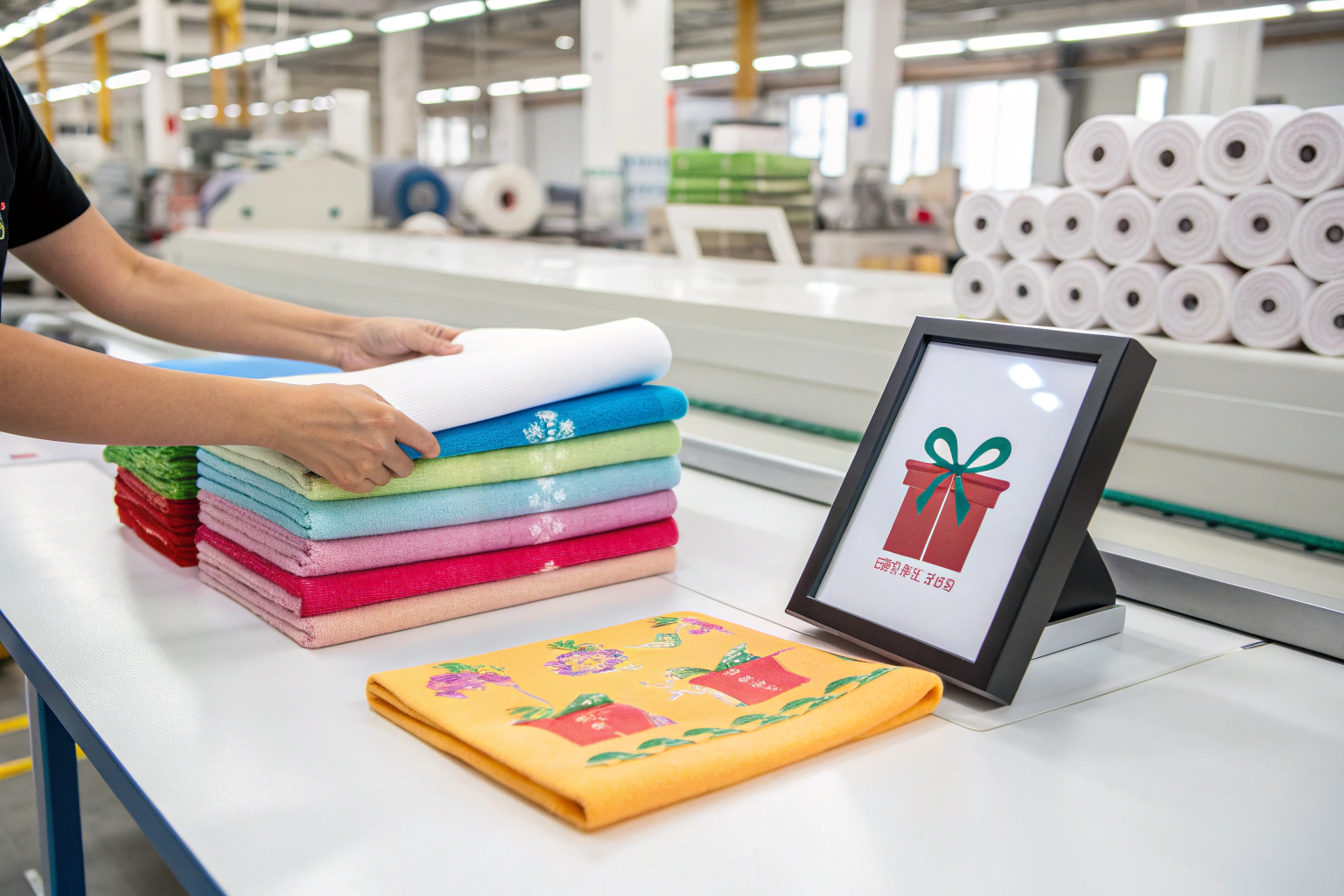
For large batches, material consistency is non-negotiable. You need fabrics with minimal dye-lot variations, metals that are resistant to tarnishing, and plastics that don't become brittle. We prioritize working with suppliers who provide certified materials, such as OEKO-TEX Standard 100 certified fabrics, which guarantee they are free from harmful substances. Furthermore, implementing a robust Quality Control process from the raw material stage is essential. This involves testing shrinkage, colorfastness, and tensile strength on samples from each new batch of material before it enters our production line, ensuring every hair band or belt meets the same standard.
How Does Material Choice Impact Cost and Lead Time?
The choice of material directly dictates the final cost per unit and the production timeline. Common materials like standard polyester are cost-effective and have short lead times due to high availability. Specialty materials, like a specific type of imported straw for hats, can be more expensive and have longer lead times due to complex sourcing and import logistics. As a manufacturer, we help clients navigate this by offering a catalog of "in-stock" materials that allow for faster production turnarounds, often aligning with the need for fast production cycles demanded by large retailers. Smart material choice is a primary lever for managing your budget and ensuring timely delivery for your sailing schedules.
How To Design For Manufacturing And Scalability?
A beautiful design is only successful if it can be produced efficiently and consistently at scale. Designing for Manufacturing (DFM) is the engineering practice that simplifies designs to reduce production costs and time without compromising on function or aesthetics.
Designing for scalability means creating products with simplicity, standardization, and assembly in mind. It involves minimizing the number of components, using common parts across different products, and avoiding overly complex constructions that require manual labor. This approach is what allows us to maintain high yield and consistent quality control across production runs of hundreds of thousands of units.

Why Is Simplifying Assembly Crucial For Mass Production?
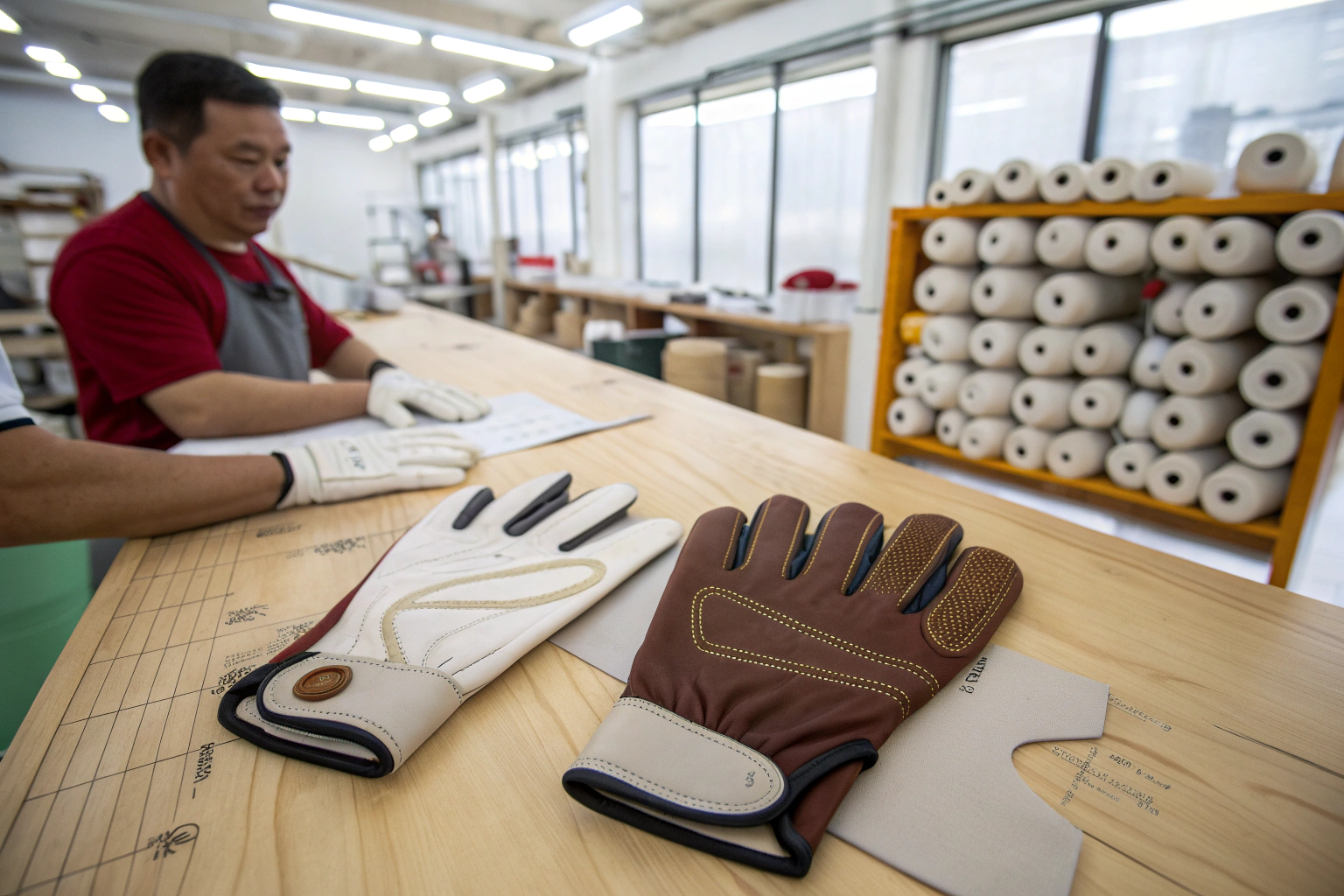
Complex assembly increases the chance of human error, slows down production lines, and raises costs. A hair clip with one moving part is faster and more reliable to assemble than one with three. We use Value Analysis principles to analyze and simplify product designs before they go into tooling. For instance, using a single type of rivet for a bag instead of multiple screws and bolts speeds up assembly significantly. This simplification directly translates to fast production, lower costs, and fewer defective units, making your supply chain more efficient and reliable.
How Can Standardization Across Products Reduce Costs?
Standardization is a powerful cost-saving strategy. By using the same metal alloy for different hair clip designs, the same buckle mechanism across various belts, or the same fabric for multiple scarf styles, we achieve economies of scale in raw material purchasing. It also simplifies the manufacturing process, as workers and machines become highly proficient with these standardized components. This strategy reduces the Minimum Order Quantity (MOQ) for individual components and lowers the overall production cost, which is a significant advantage when dealing with the price pressures of the mass market.
How To Ensure Quality Control In Mass Production?
Maintaining consistent quality across a massive production run is the biggest challenge and the ultimate mark of a professional manufacturer. A single quality failure can lead to massive recalls, brand damage, and lost trust.
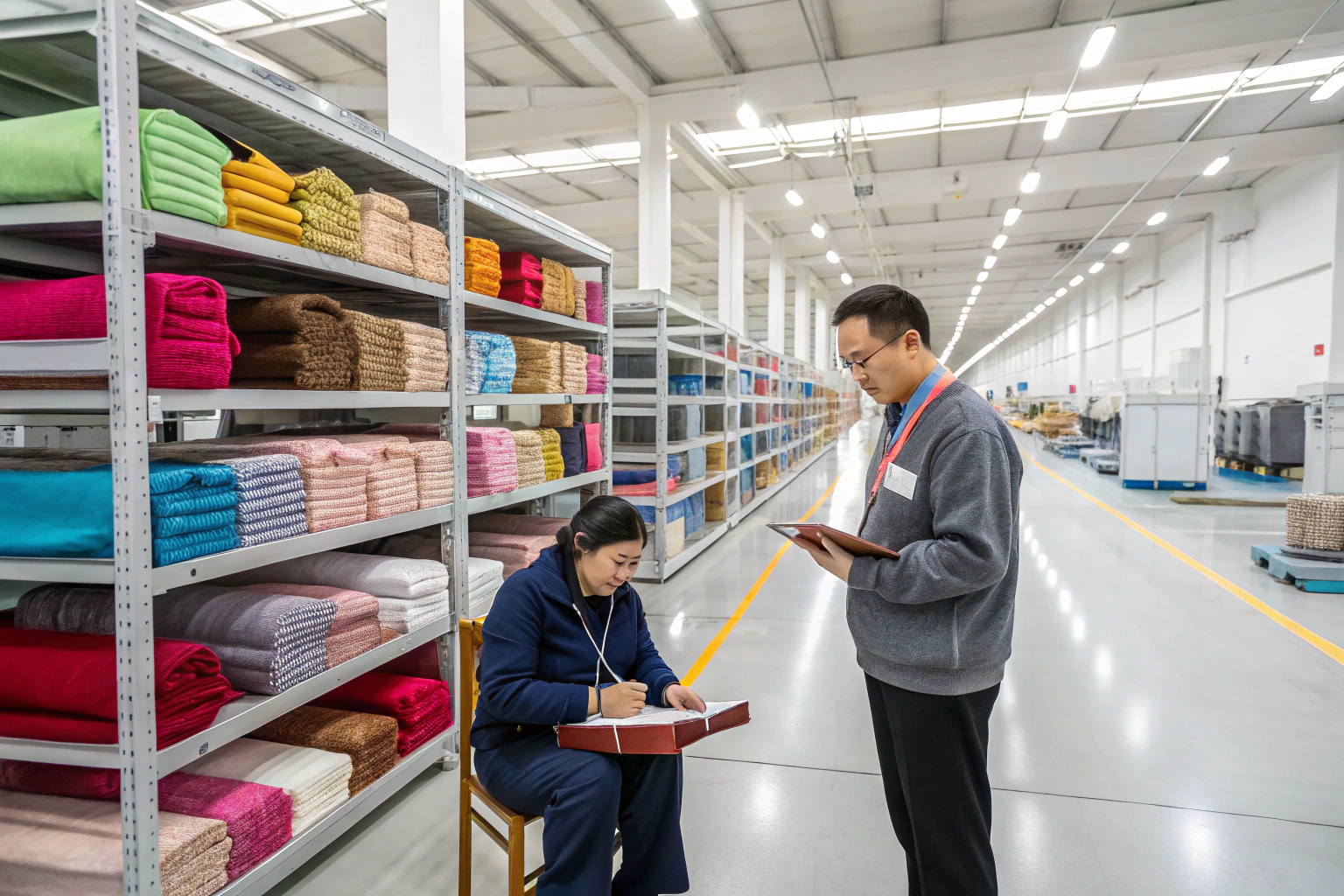
Quality control in mass production is not a single inspection at the end; it's a comprehensive, integrated system that runs from raw material intake to final packaging. It relies on clear Quality Standards, in-process checks, and final random inspections based on internationally recognized standards like AQL (Acceptable Quality Level) to ensure the final shipment meets the client's expectations.

What Are The Critical Stages For In-Process Quality Checks?
In-process checks are conducted at various stages of production to catch defects early. For a woven scarf, this includes checking the loom setup for weaving errors. For a plastic hair clip, it involves inspecting the injection molding for flaws right after the parts are made. For a leather belt, it means checking the cutting, stitching, and buckle attachment at each station. This proactive approach prevents a small error in one stage from becoming a massive problem downstream, safeguarding your timeliness and preventing costly reworks. Our on-site QC team is trained to perform these checks based on pre-defined checklists for each product type.
How Does AQL Sampling Protect Your Large Orders?
The AQL standard provides a statistical method for determining how many units to inspect from a large order to get a representative picture of the entire batch's quality. For a shipment of 10,000 units, we don't inspect every single item. Instead, we randomly select a sample size defined by the AQL tables. This method is efficient and scientifically proven. It balances the need for thorough inspection with the practicalities of package transportation and customs clearance deadlines. By adhering to AQL, we provide our clients with a measurable and transparent report on the product quality, giving them confidence in the security of their investment before the goods are shipped.
Conclusion
Designing accessories for the mass market is a sophisticated dance between creativity and commerce. It demands a sharp eye for adaptable trends, a pragmatic approach to material selection, a disciplined focus on designing for efficient manufacturing, and an unwavering commitment to quality control at scale. This holistic strategy is what transforms a good design into a great product that succeeds in competitive markets across the US and Europe.
Mastering this process requires a partner who understands every step of the journey. If you're looking to develop and produce your own successful accessory lines with a focus on quality, scalability, and value, let's start a conversation. Reach out to our Business Director Elaine to discuss how we can bring your next mass-market project to life. Her email is: elaine@fumaoclothing.com.