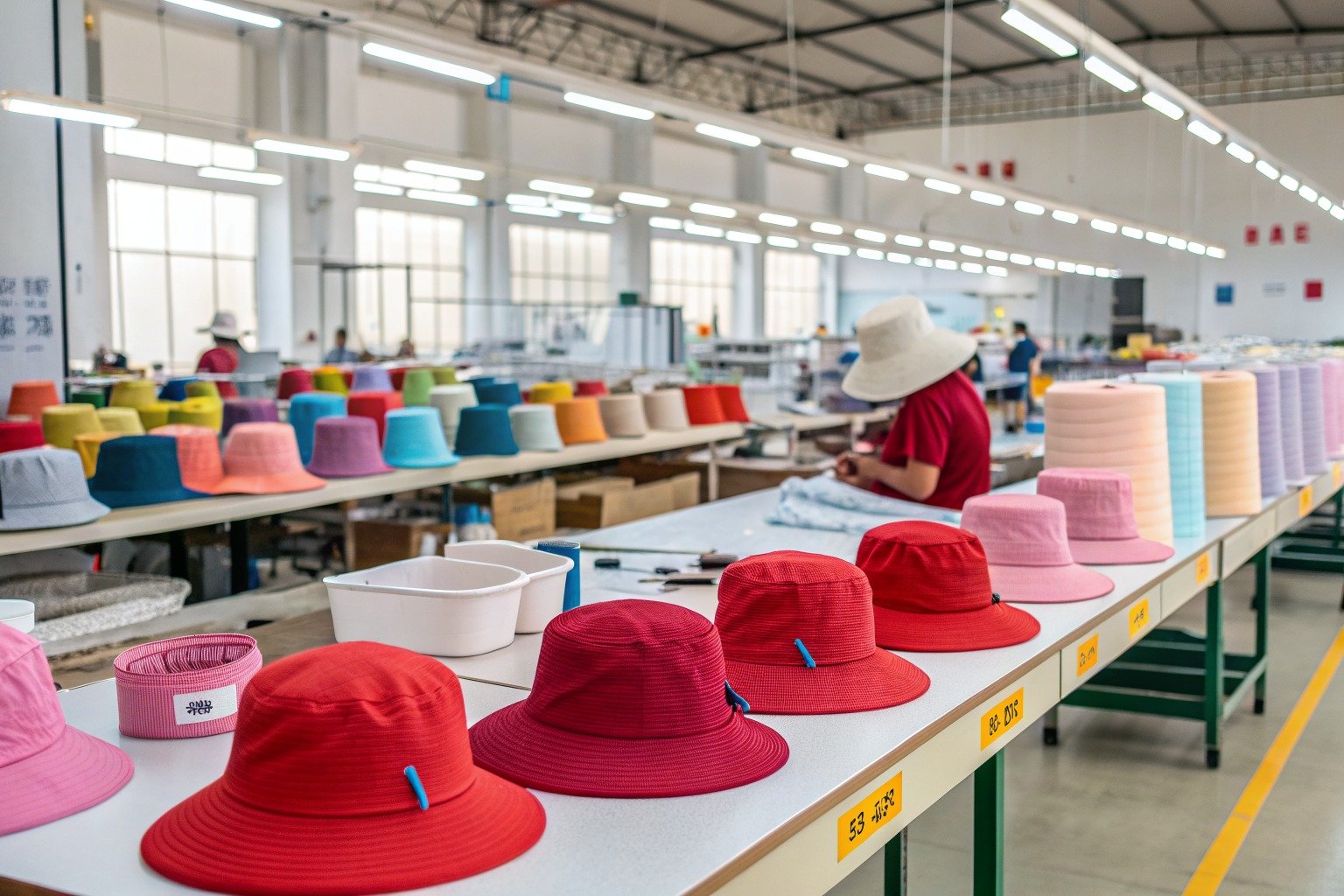
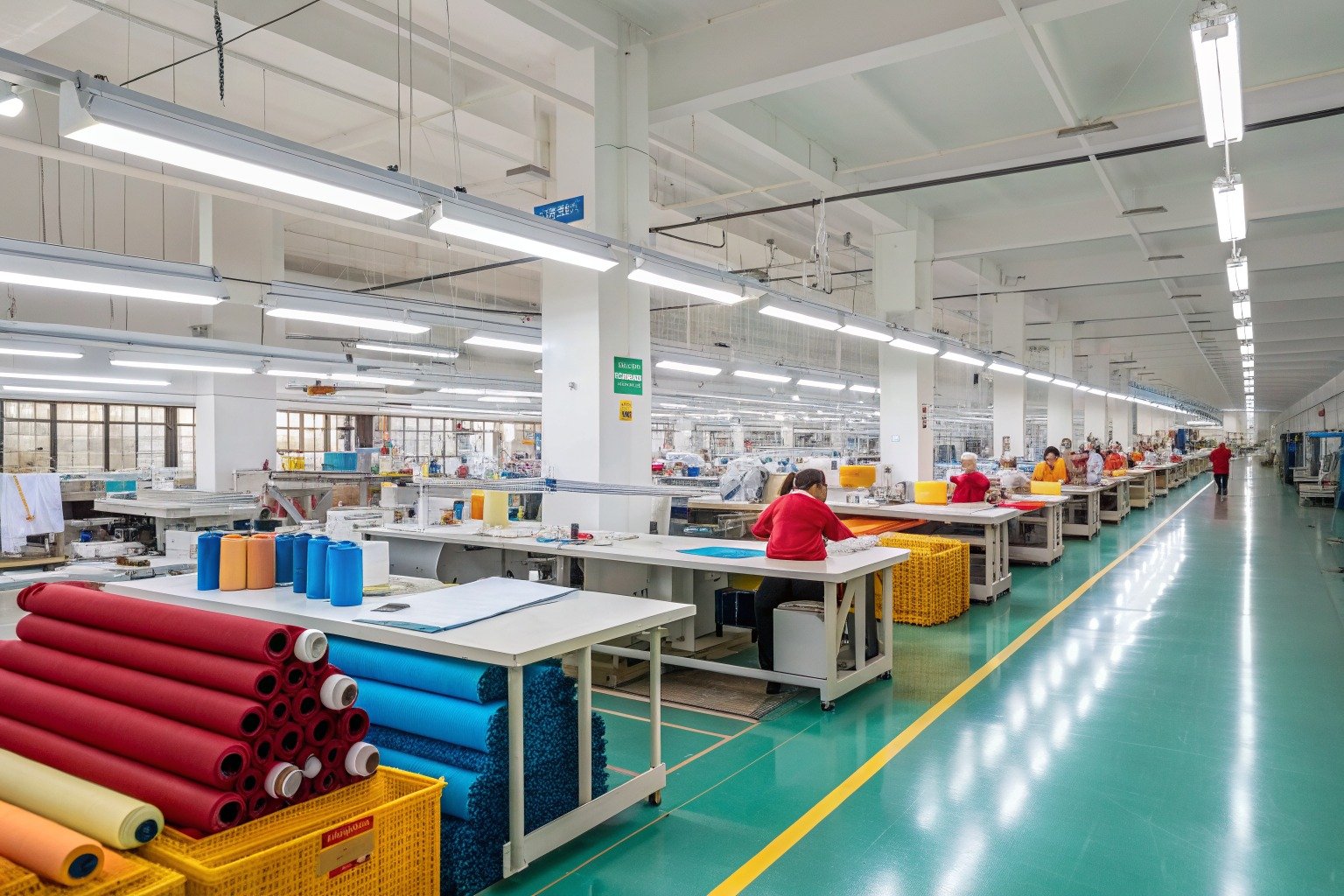
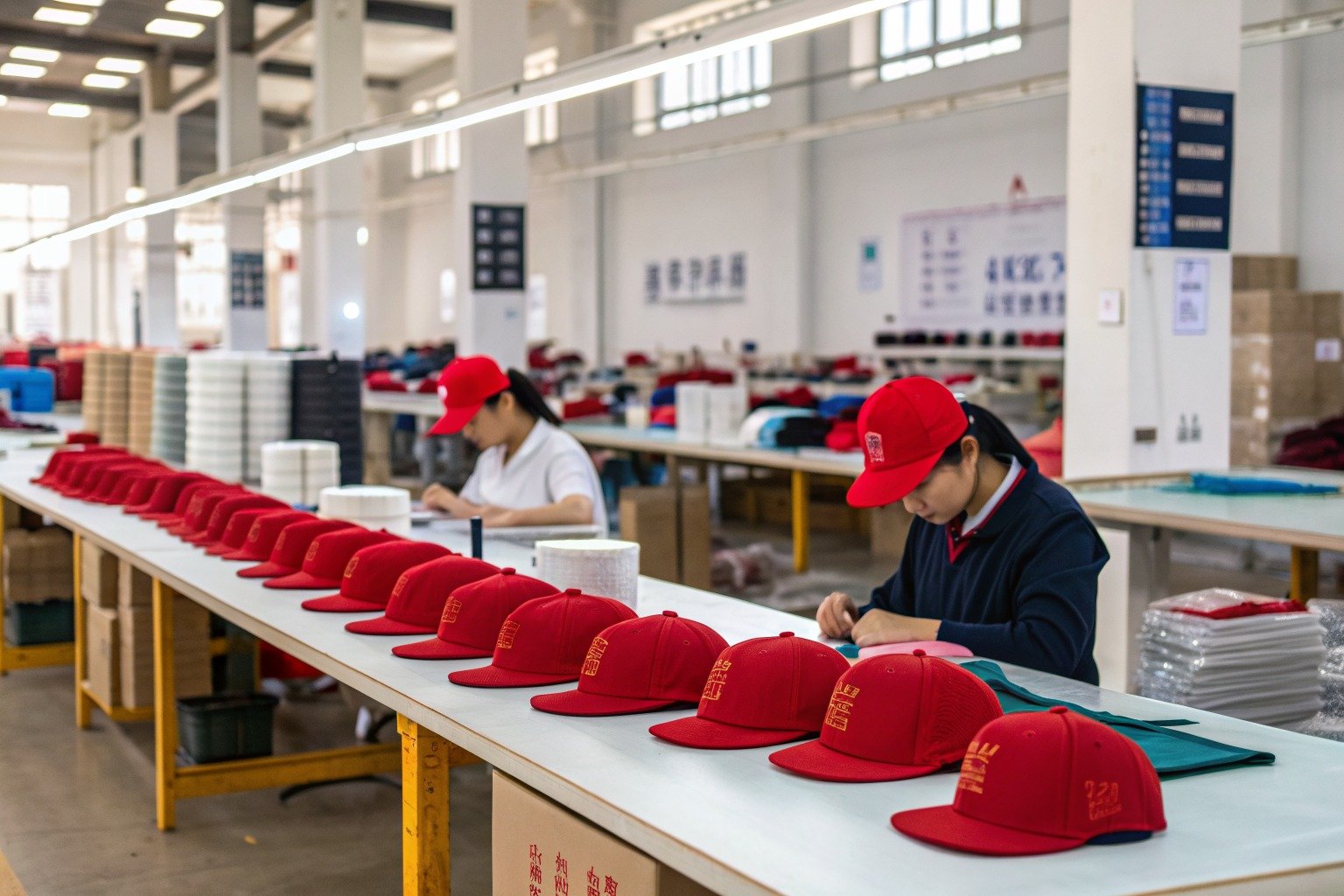
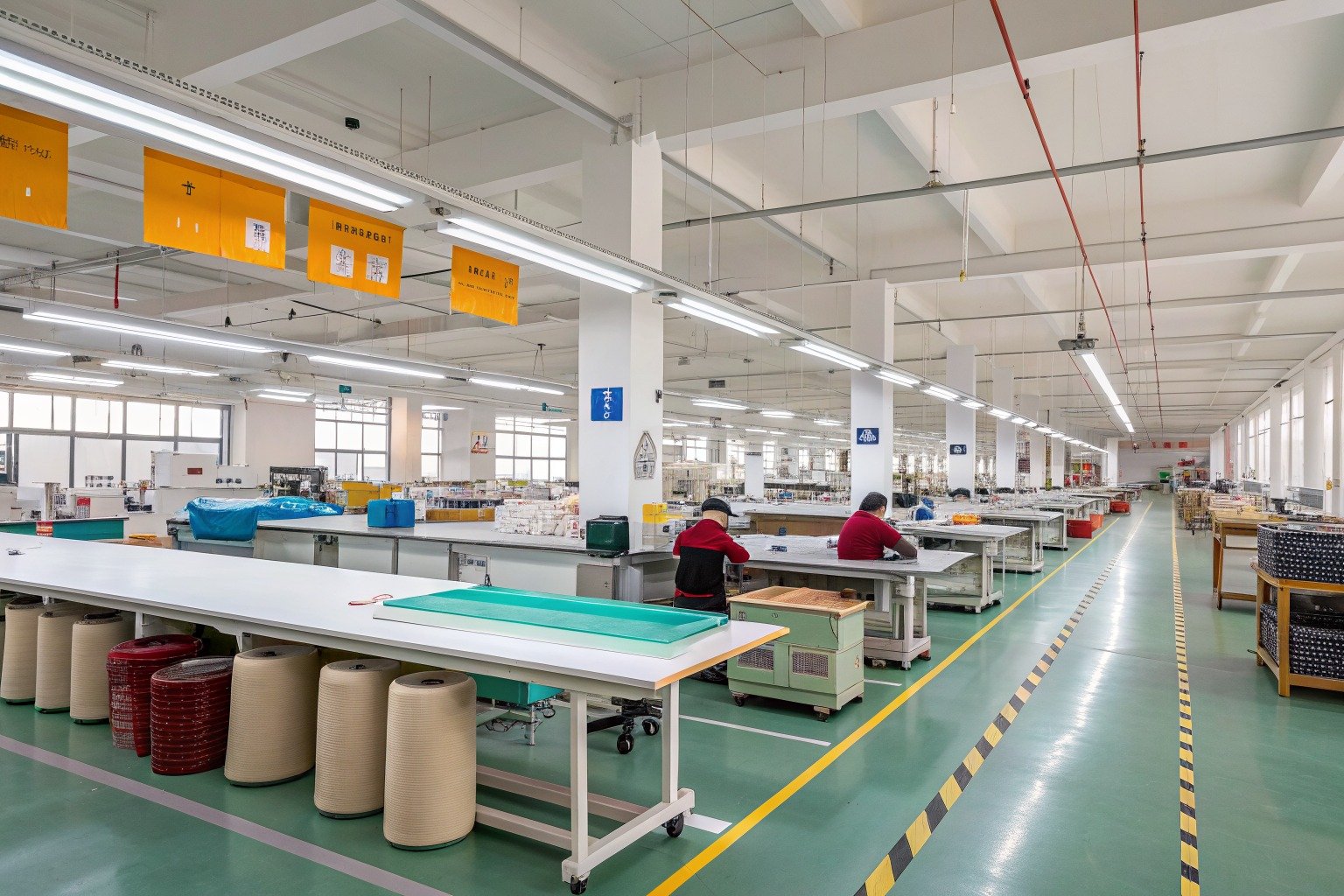
As a manufacturer and exporter of accessories with years of experience, I’ve watched consumer trends come and go. But the rise of Generation Z as a dominant market force is different. Many of our brand partners in the US and Europe ask us the same question: how can we create accessory collections that truly resonate with this influential generation? They are not just young shoppers; they are a demographic with distinct values, digital nativity, and a powerful influence on global fashion.
The key to creating accessories for Gen Z lies in a strategic blend of authentic brand storytelling, a commitment to sustainability, data-driven design that taps into micro-trends, and a seamless omnichannel presence. Success requires moving beyond traditional product development and embracing a culture-centric approach that prioritizes genuine connection over mere transactions. This generation can spot inauthenticity from a mile away, so your strategy must be holistic and sincere.
This guide will break down the essential strategies for connecting with Gen Z consumers through your accessory lines. We will explore how to integrate their core values into your products, leverage digital tools for trendspotting, and build a brand they are proud to support. Let’s dive into the blueprint for creating the next best-selling accessory collection.

What Values Drive Gen Z’s Purchasing Decisions?
Understanding the "why" behind a Gen Z purchase is the first step to designing accessories they will love. Their spending is an extension of their identity and beliefs, making it crucial for brands to align with these core principles.
Gen Z’s purchasing decisions are primarily driven by values like sustainability, social responsibility, diversity and inclusion, and authentic self-expression. They deeply research brands to ensure their values align and are willing to pay more for products from companies that demonstrate ethical practices and a genuine purpose beyond profit. For them, an accessory is not just an object; it’s a statement about who they are and what they stand for in the world.

Why is Sustainability Non-Negotiable?
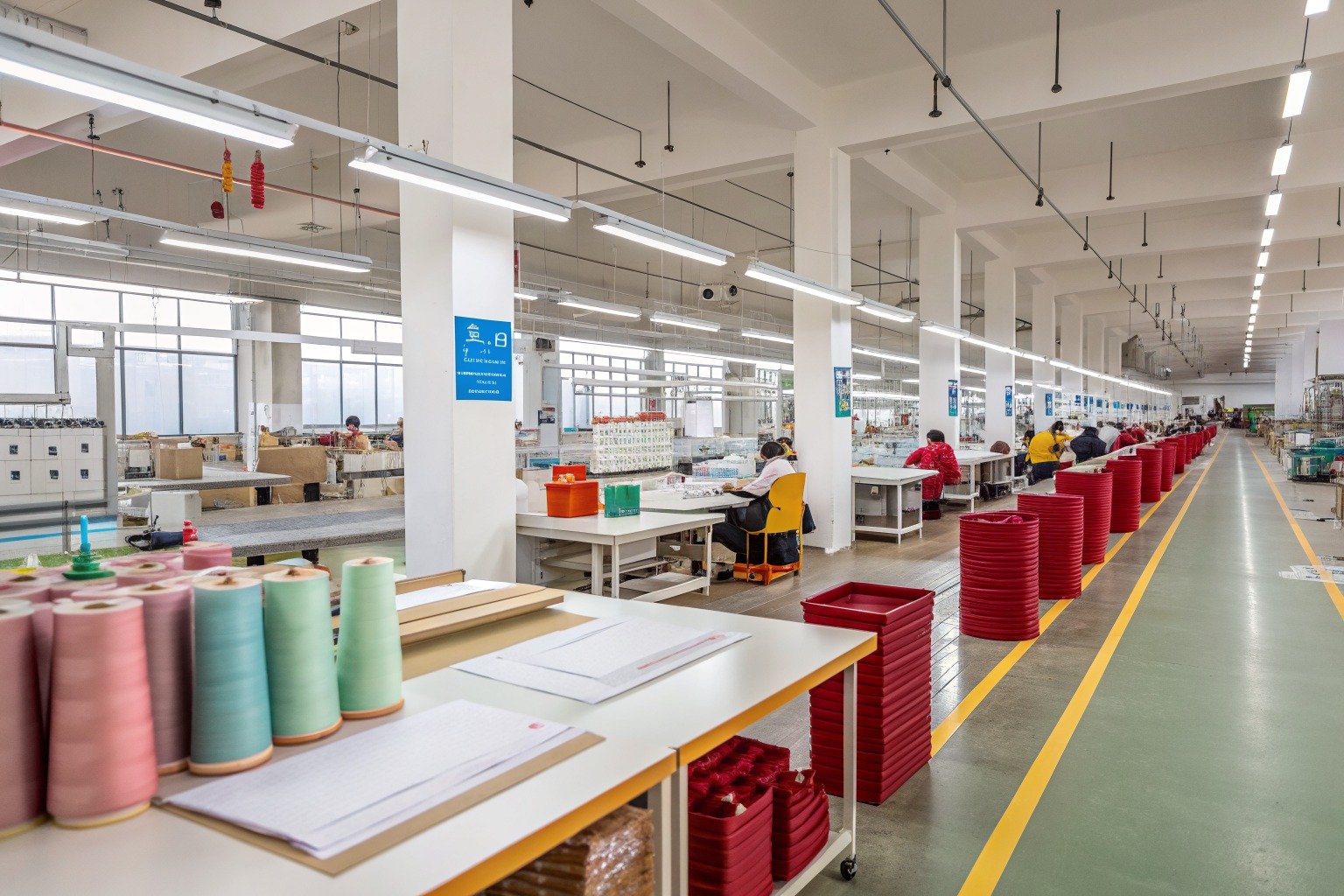
This generation is hyper-aware of environmental issues. For them, sustainability isn’t a nice-to-have feature; it’s a baseline expectation. They look for evidence of eco-friendly practices throughout the supply chain. This includes the use of recycled materials, reduced carbon footprint in production and shipping, and minimal, recyclable packaging. At our factory, AceAccessory, we’ve responded to this by developing a line of hair clips and headbands using recycled plastics and by optimizing our production processes to minimize waste. Partnering with a manufacturer that holds recognized certifications can provide the tangible proof that Gen Z seeks. You can learn more about global standards for sustainable manufacturing through resources like the World Trade Organization.
How Does Authentic Brand Storytelling Build Trust?
Gen Z has a refined radar for marketing fluff. They crave real stories and human connection. Authentic storytelling means being transparent about your brand’s journey, your manufacturing partners, and even your challenges. Share the story of your design inspiration, introduce your quality control team on social media, and be open about your efforts to improve. This builds a community, not just a customer base. Furthermore, ensuring your brand champions diversity and inclusion—both in your marketing imagery and within your company’s practices—is paramount. Gen Z wants to see themselves represented. Resources like Business of Fashion often discuss the importance of diversity in building modern, successful brands.
How to Leverage Social Media for Gen Z Trendspotting?
The digital landscape is the primary playground and research lab for Gen Z. Traditional trend forecasting is being rapidly supplemented—and often surpassed—by real-time insights from social platforms.
To leverage social media for Gen Z trendspotting, brands must actively monitor and engage on platforms like TikTok, Instagram, and Pinterest. The key is to identify micro-trends, analyze viral aesthetics, and understand the context behind why certain accessories are gaining popularity. This isn’t about passive scrolling; it’s about strategic, active participation in the digital conversations this generation is having every day.

What Role Does TikTok Play in Identifying Micro-Trends?
TikTok is the epicenter of Gen Z culture and a powerful engine for creating and accelerating micro-trends. A specific type of bucket hat or a particular way of styling a scarf can explode in popularity overnight. Use TikTok’s search function to explore hashtags like #HairAccessories, #CottagecoreFashion, or #Y2KAccessories. Pay attention to the "For You" page, as its algorithm is uniquely skilled at surfacing emerging trends. The goal is to spot patterns early. Is there a sudden demand for colorful, oversized hair claws? Are beaded bracelets making a comeback? This real-time data is invaluable for informing fast and relevant product development cycles, a core part of our service at AceAccessory.
How Can You Use Instagram for Aesthetic and Style Analysis?
While TikTok is for trend discovery, Instagram is ideal for deep-diving into specific aesthetics. Gen Z often curates their identity around particular visual themes like "Dark Academia," "Light Academia," or "Goblincore." Each aesthetic has its own signature accessories. Follow trend forecasters, style influencers, and even your own Gen Z customers. Use Instagram’s "Save" feature to create mood boards for different aesthetic movements. This helps you move beyond copying a single item to understanding the broader visual narrative that your accessories need to fit into. For instance, the "Dark Academia" aesthetic might call for woolen scarves, leather gloves, and classic satchels, informing a whole collection rather than a single product.
What Are the Key Design Elements for Gen Z Accessories?
Moving from values and trends to tangible product design, certain elements consistently capture the Gen Z imagination. Their design preferences are a mix of nostalgia, individuality, and digital-first thinking.
The key design elements for Gen Z accessories include bold customization and personalization, a nostalgic embrace of Y2K and retro styles, vibrant colors and maximalist patterns, and a focus on multi-functional pieces. Their accessories are tools for self-expression, so designs must be inherently shareable and "Instagrammable," often serving as a centerpiece of an outfit rather than an afterthought.
| Design Element | Why It Appeals to Gen Z | Example Products |
|---|---|---|
| Customization | Allows for unique self-expression and individuality. | Interchangeable bag straps, charm necklaces, monogrammed hats. |
| Nostalgic (Y2K) | Connects to a retro, optimistic era; often rediscovered. | Butterfly hair clips, colorful plastic rings, low-rise belts. |
| Vibrant Colors | Creates visually striking content for social media. | Neon hair bands, color-blocked gloves, patterned scarves. |
| Multi-functional | Offers practicality and value, aligning with smart consumption. | Bucket hats with built-in headphones, reversible belts, bags that transform. |

Why is Customization So Powerful?
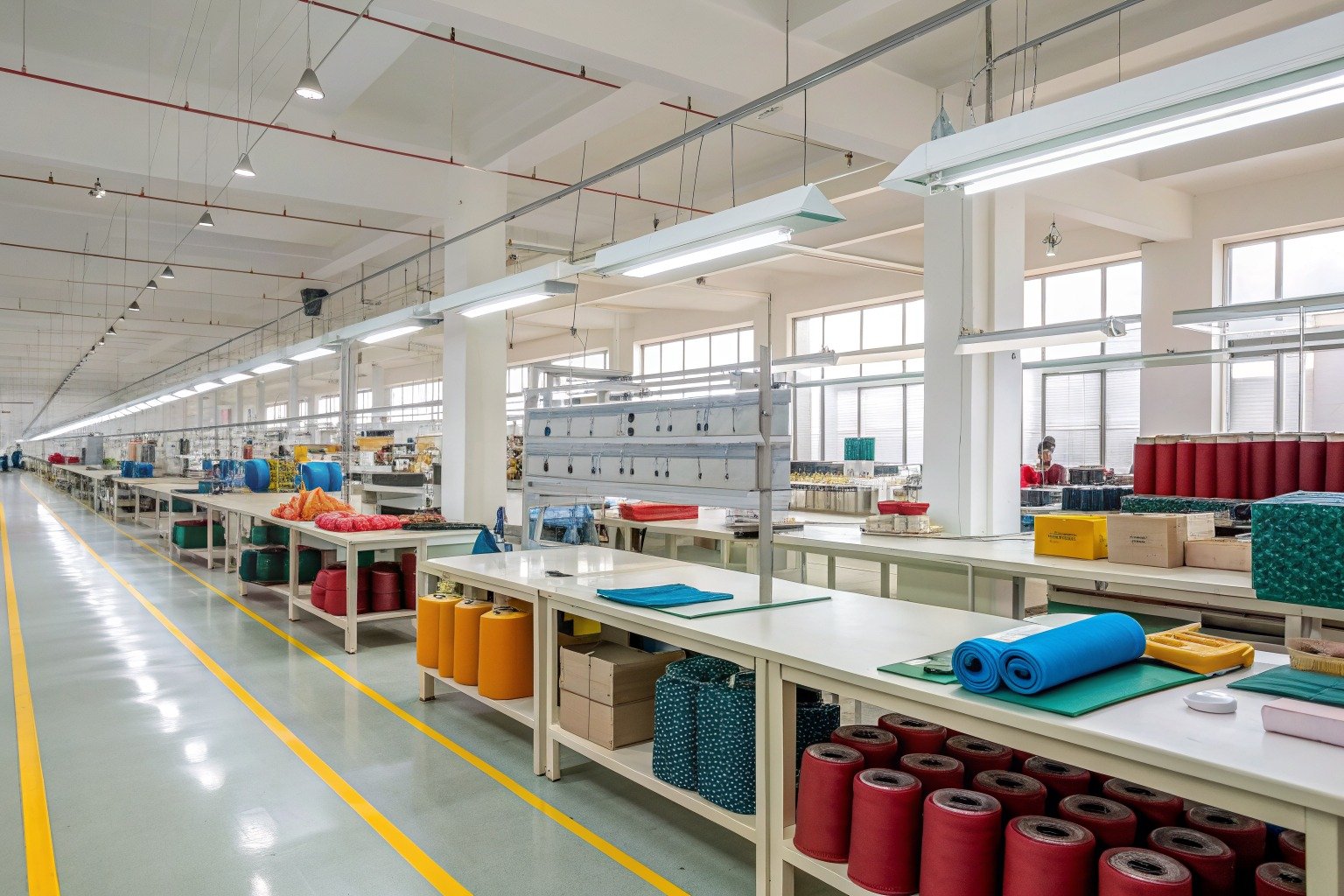
Gen Z rejects one-size-fits-all. They want products that feel uniquely theirs. Offering customization options transforms a standard accessory into a personal statement. This could be as simple as allowing customers to choose the color of a band on a baseball cap, add charms to a hair clip, or select patches for a beanie. This strategy not only increases perceived value but also fosters a deeper emotional connection with the product. It makes the customer a co-creator. From a manufacturing perspective, this requires a flexible and responsive production system, which is a key part of the development capacity we offer our clients at AceAccessory.
How Does Nostalgia Influence Design Choices?
Nostalgia for the late 90s and early 2000s (the Y2K era) is a major driver in Gen Z fashion. Having grown up in the digital age, they romanticize the analog and early internet aesthetics of their childhood. This translates directly into accessory design. Think butterfly motifs, chunky plastic hair clips, mini shoulder bags, and logo-mania. However, it’s not about exact replicas. The trick is to reinterpret these nostalgic elements with modern materials, improved functionality, and a contemporary twist that meets today’s quality and sustainability expectations.
How to Market Accessories Effectively to Gen Z?
Creating the perfect product is only half the battle. Marketing to Gen Z requires a tailored approach that respects their intelligence, leverages the right platforms, and engages them on their terms.
To market accessories effectively to Gen Z, brands must prioritize authentic influencer partnerships over traditional advertising, create engaging and native video content, and utilize user-generated content to build social proof. The marketing should feel like a natural part of their online ecosystem, not an intrusive sales pitch. It’s about starting conversations and building community.

Why are Micro-Influencers More Impactful Than Celebrities?
Gen Z trusts people who feel like their peers more than they trust distant celebrities. Micro-influencers, with their smaller but highly engaged followings, are seen as more relatable and authentic. A genuine review of a hair clip from a micro-influencer who specializes in hair styling will carry more weight than a generic post from a mega-celebrity. Collaborate with a diverse group of micro-influencers whose personal brand aligns with your accessories. Encourage them to share their honest opinions and creative styling ideas. This approach often yields a higher return on investment and generates more trustworthy content for your brand.
How Can User-Generated Content Fuel Your Marketing?
User-Generated Content (UGC) is the currency of trust for Gen Z. When they see real people—not just models or influencers—using and loving your products, it validates their potential purchase. Encourage your customers to share photos and videos of themselves styling your accessories using a specific branded hashtag. Feature this UGC prominently on your website and social media channels. This not only provides you with a constant stream of authentic marketing material but also makes your customers feel seen and valued, turning them into brand advocates. It’s a powerful cycle of social proof that can significantly boost credibility and sales.
Conclusion
Connecting with Generation Z through your accessory lines is a multifaceted endeavor that demands a shift from traditional business models. It requires a genuine commitment to sustainability and ethical practices, an agile approach to design informed by real-time digital trends, and a marketing strategy built on authenticity and community. Success hinges on seeing your accessories not just as products, but as extensions of a cultural conversation that Gen Z is leading.
By aligning your brand’s values with theirs, embracing the power of social media for insight and engagement, and designing products that are both expressive and responsibly made, you can build a loyal following with this generation. They are the future of consumerism, and they reward brands that understand their world.
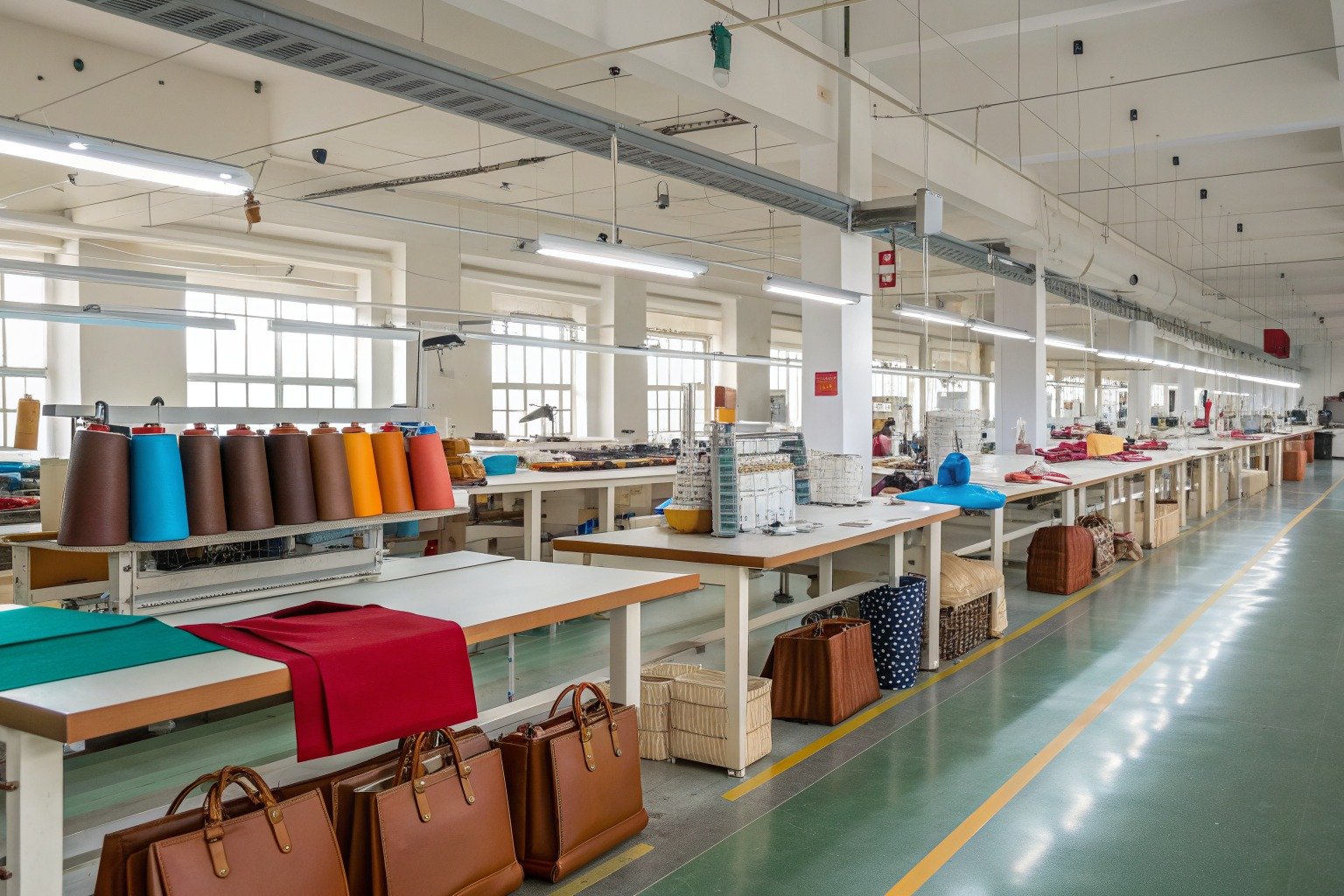
If you are ready to develop a collection of accessories that resonates with the Gen Z market, we are here to help. Our team at AceAccessory specializes in turning insights into high-quality, market-ready products with fast development cycles and a firm commitment to quality control. For a reliable partnership in creating your next successful line, we invite you to contact our Business Director Elaine at elaine@fumaoclothing.com. Let’s build the next trend together.