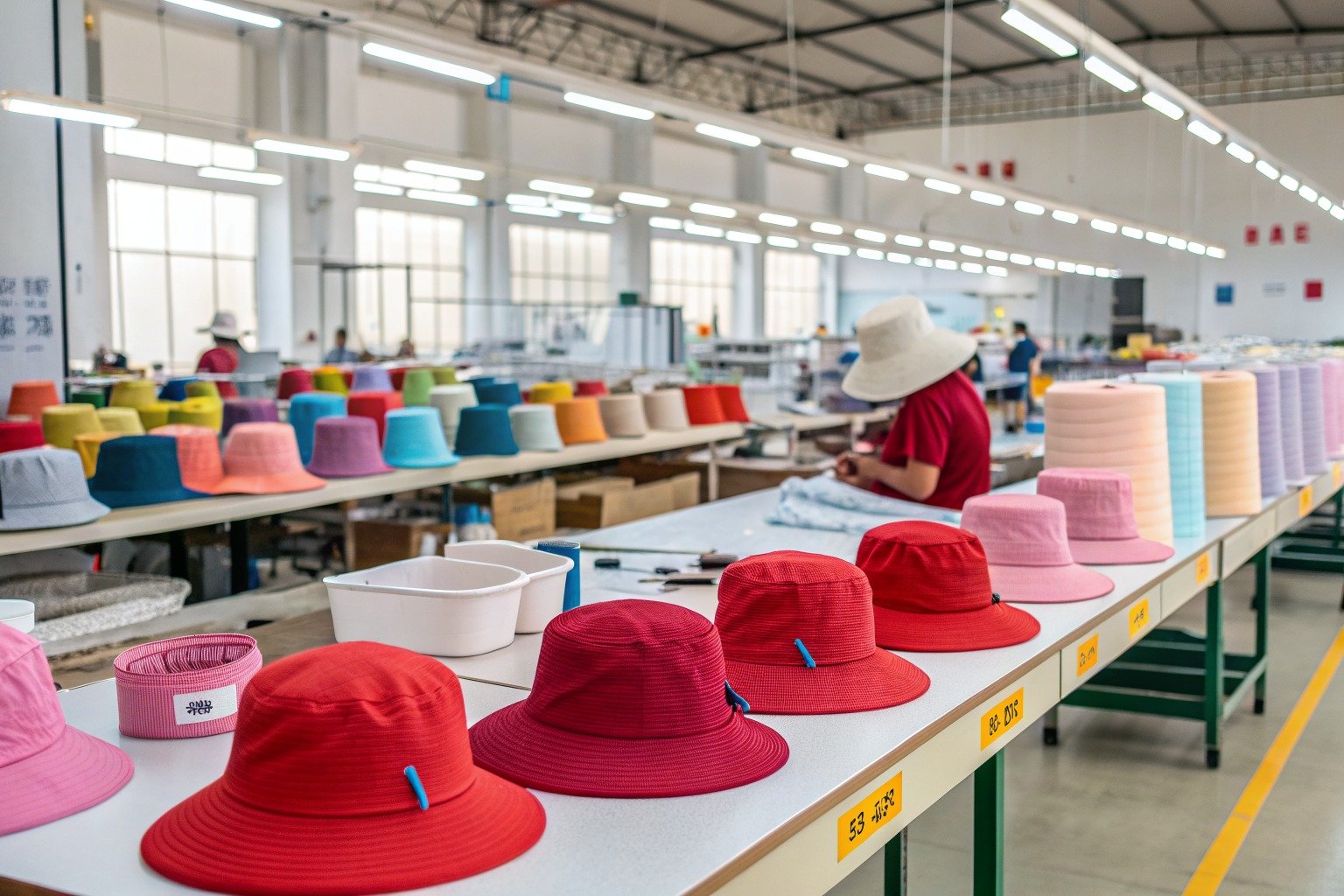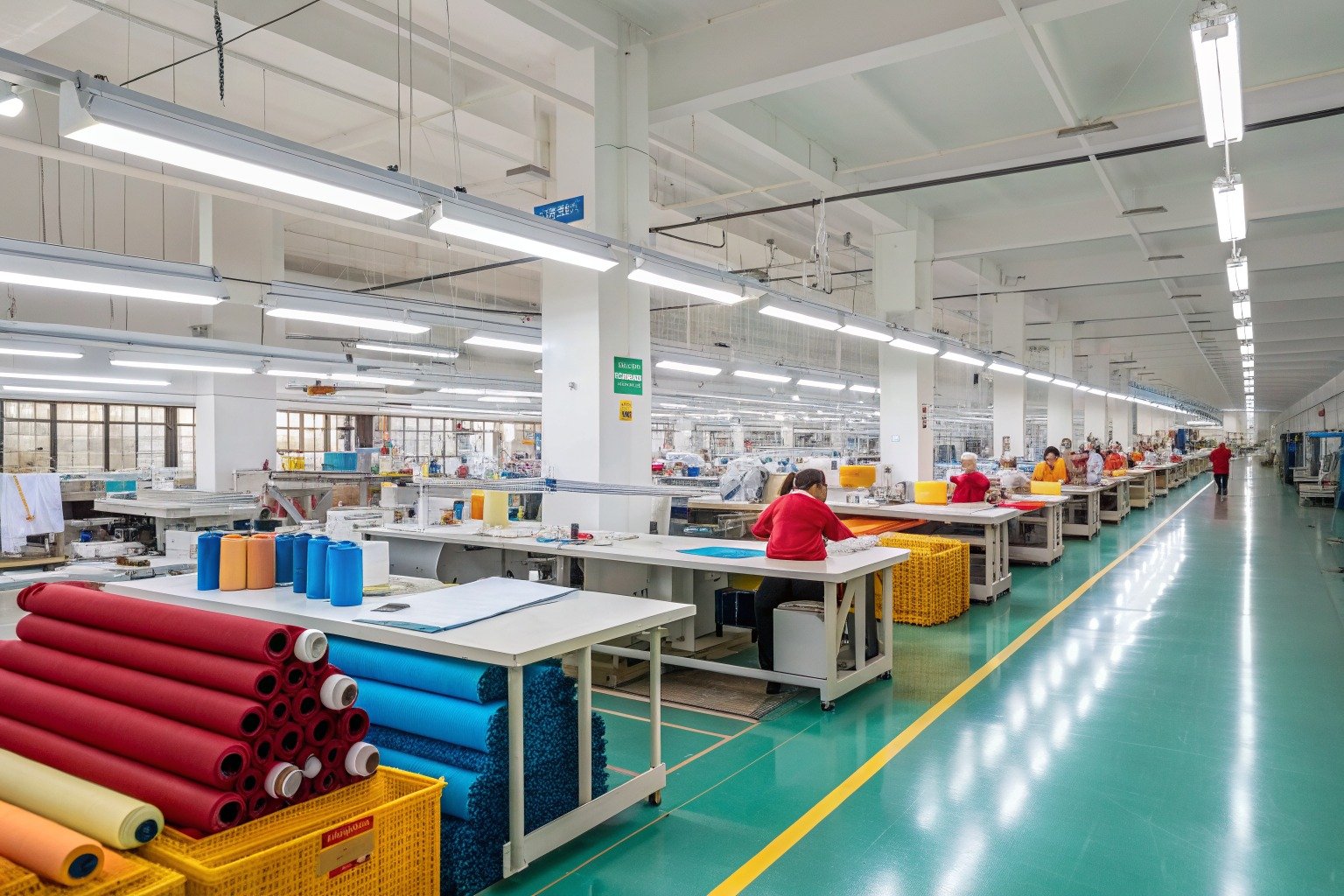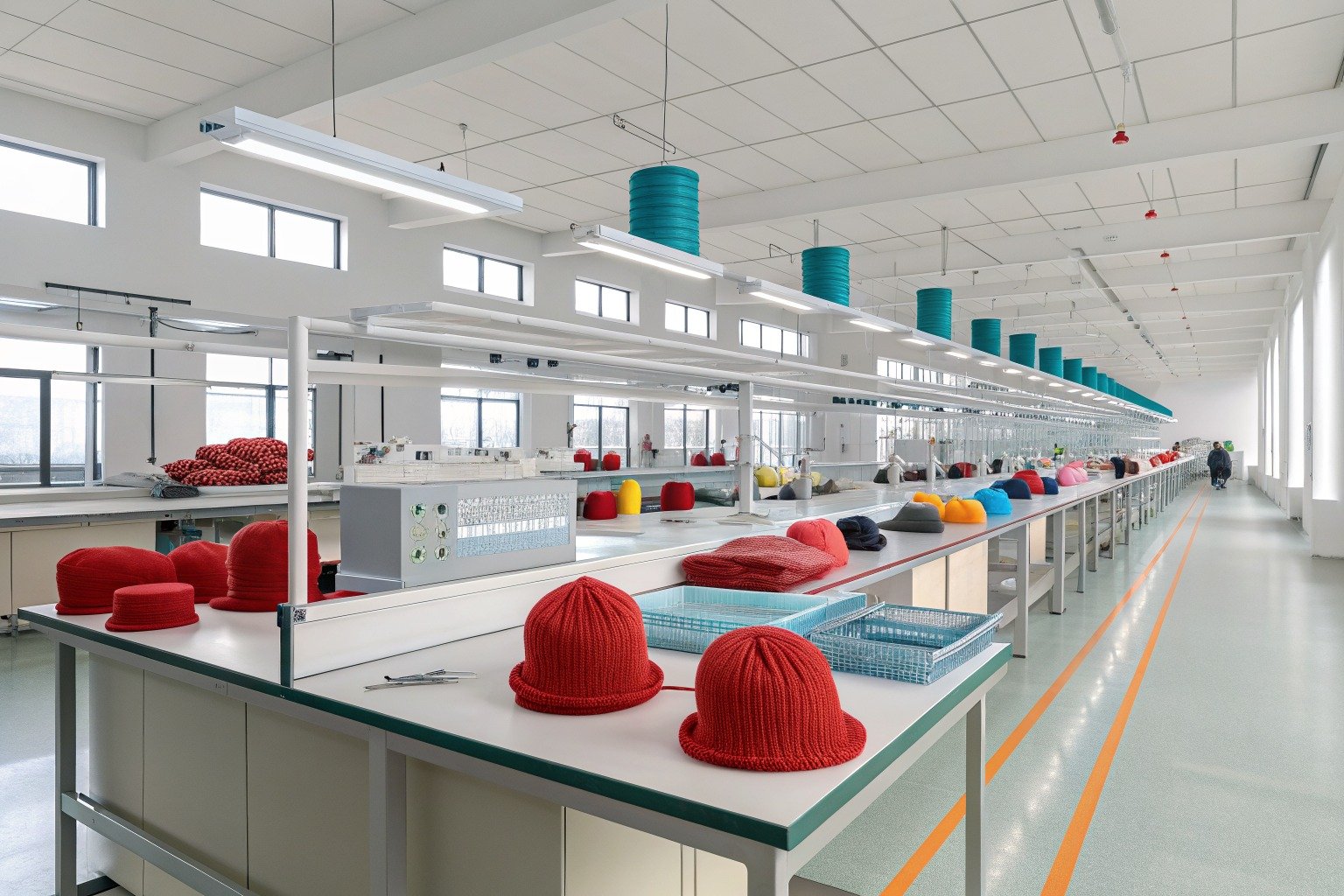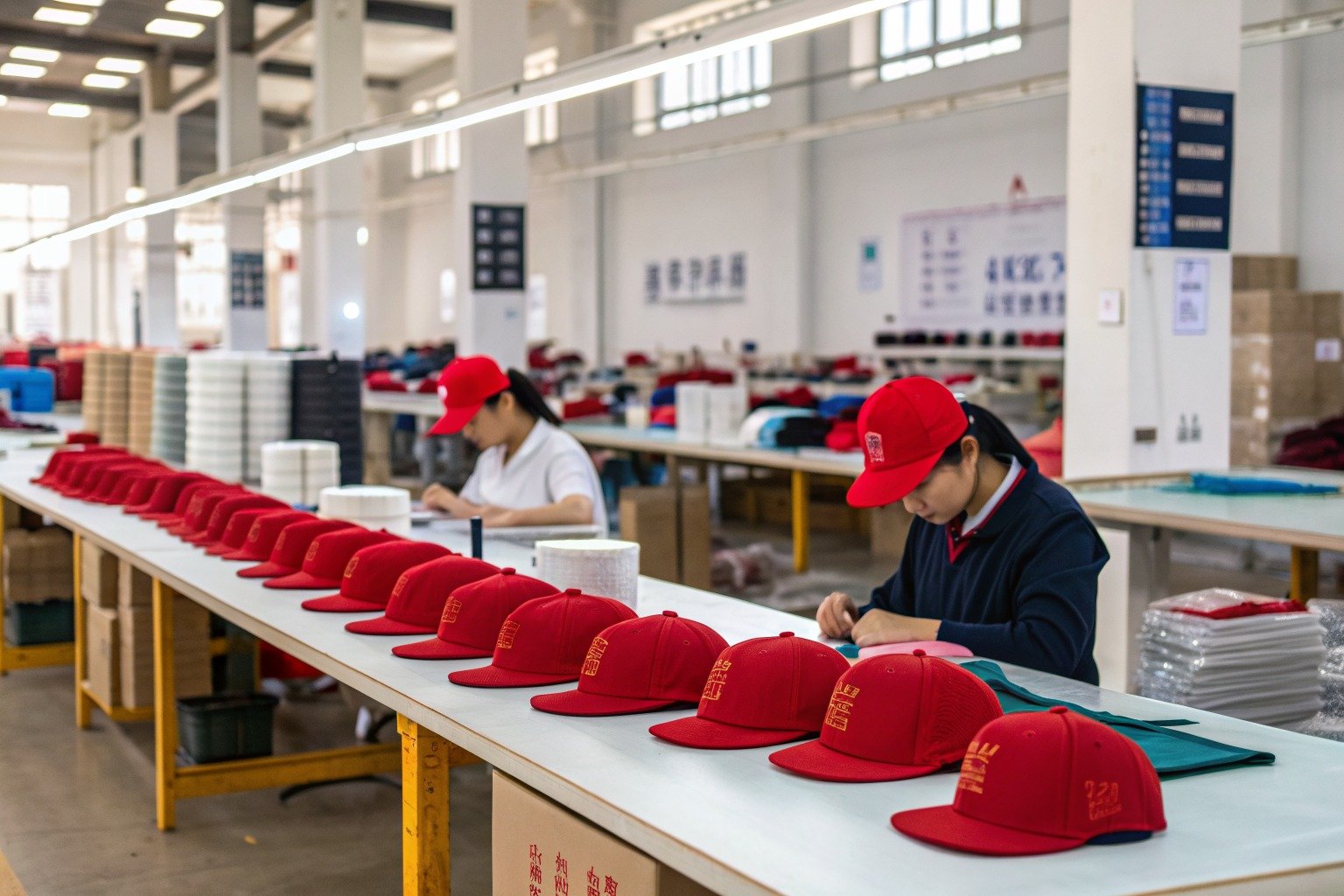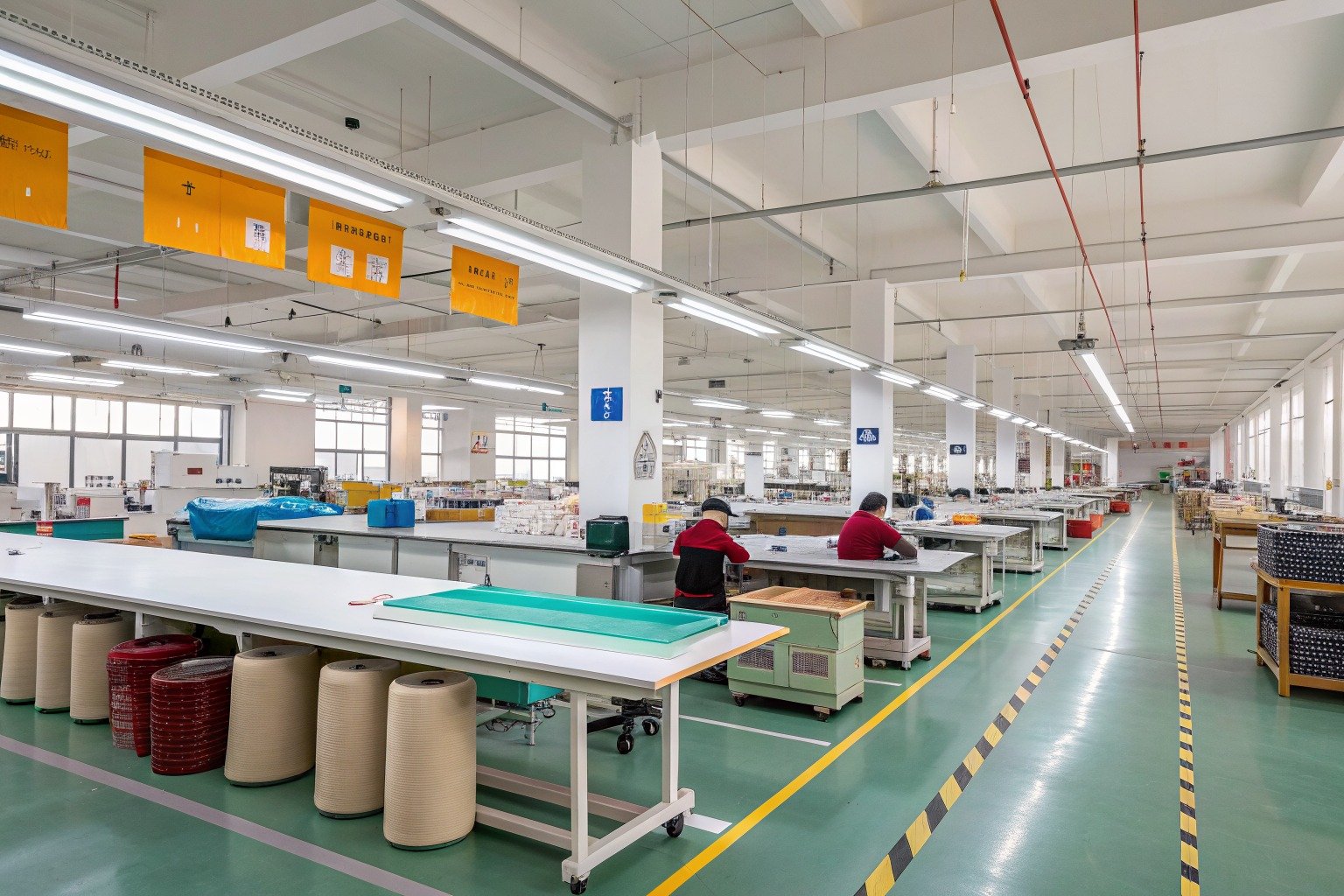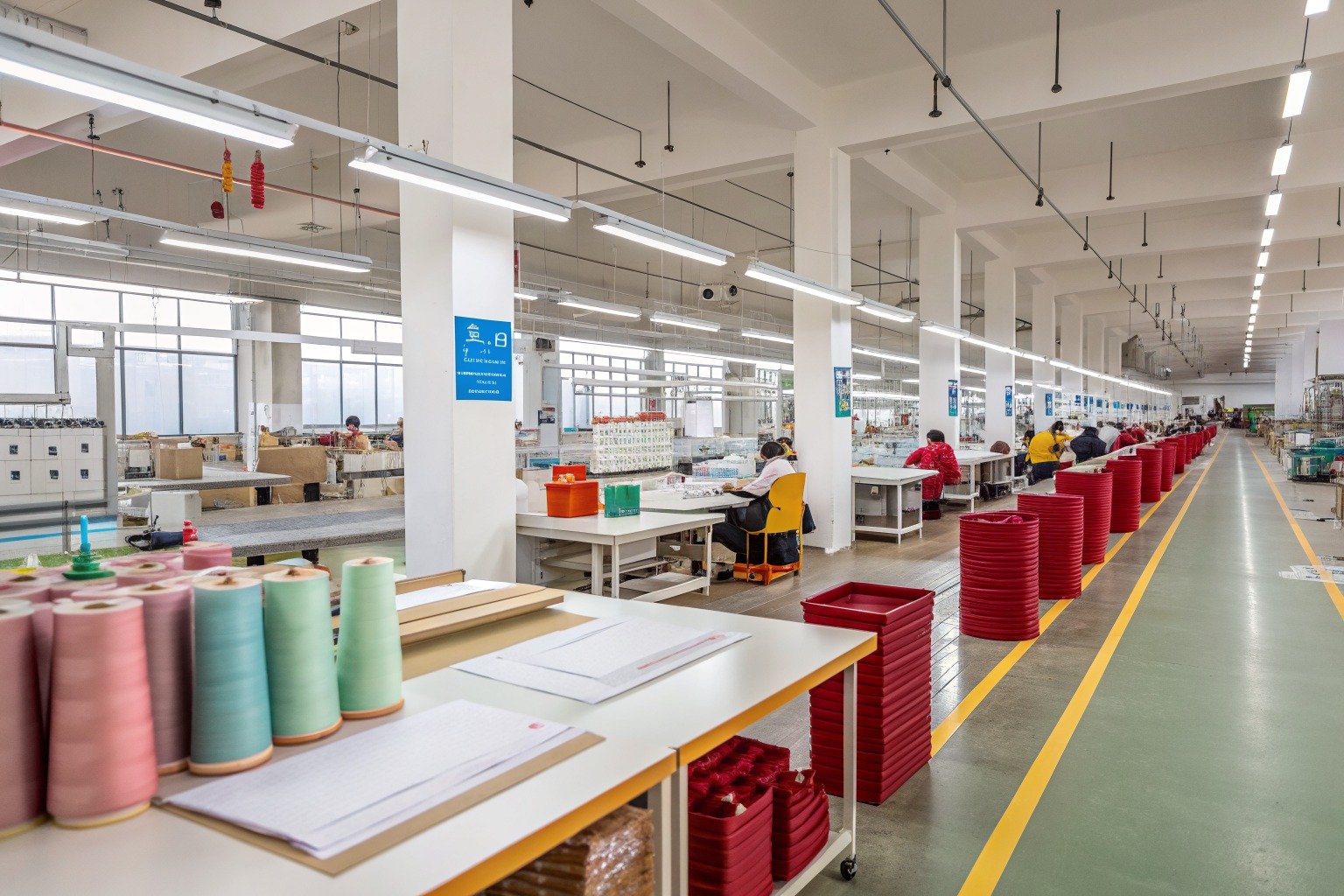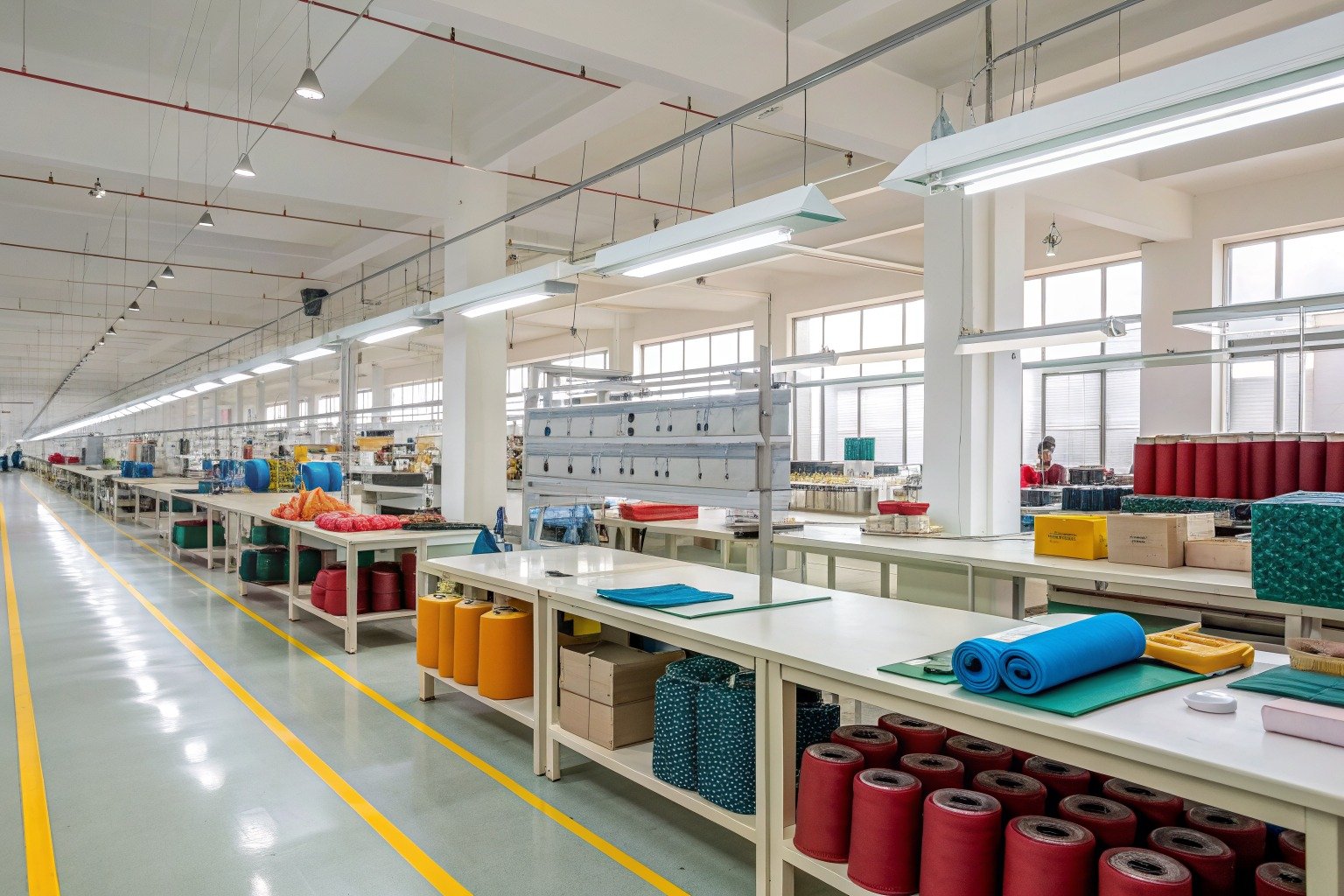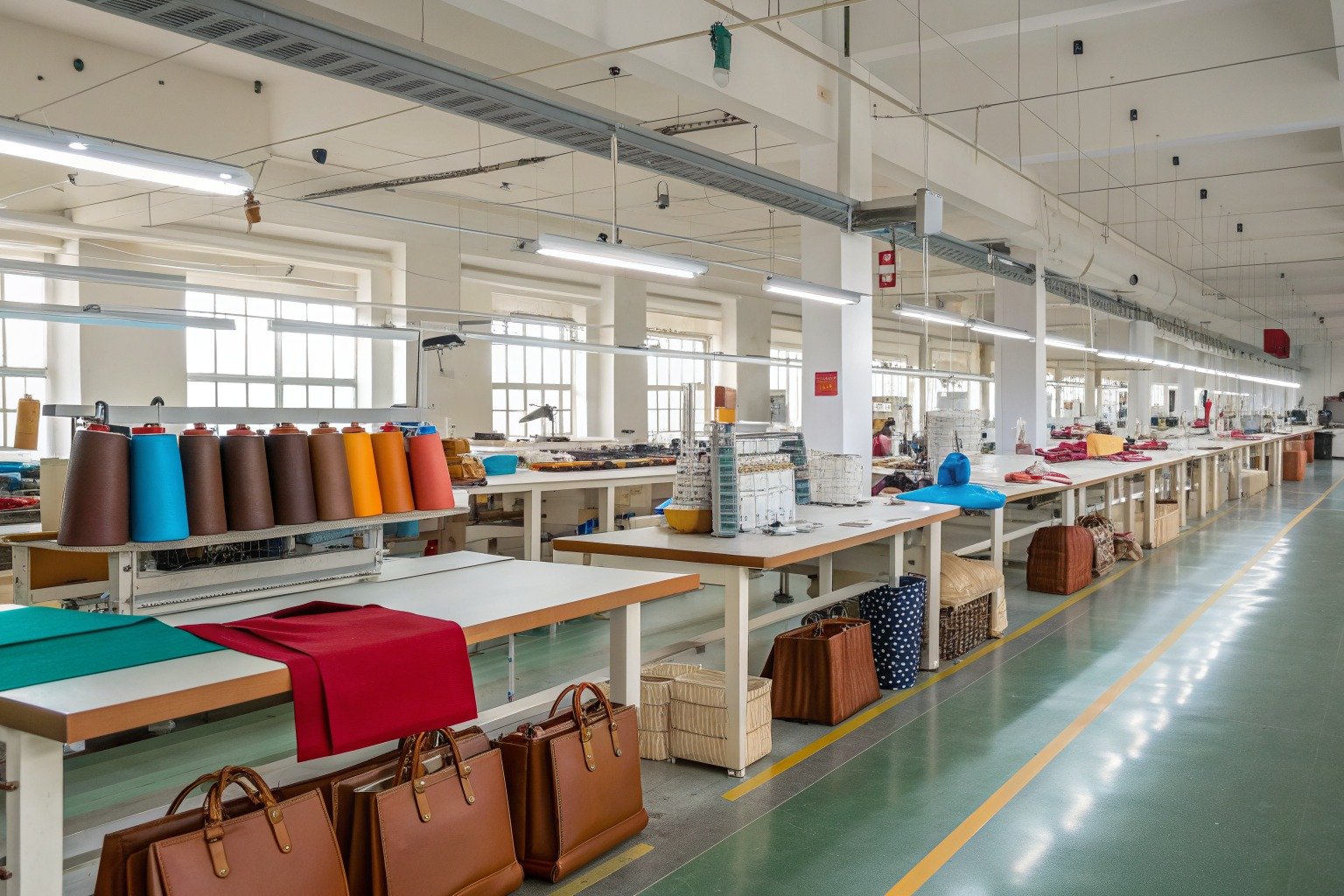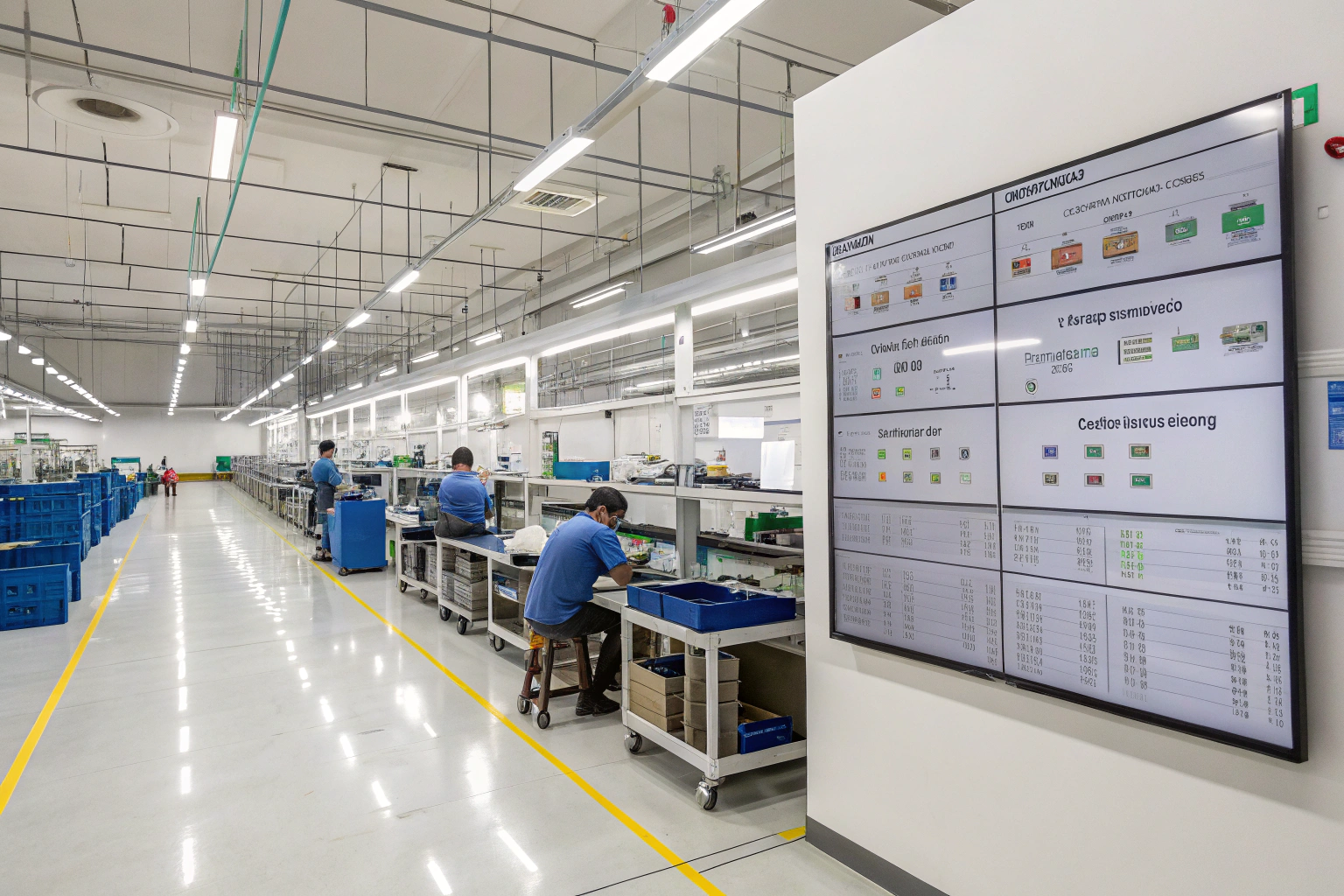
I have been running my factory in Zhejiang for over 15 years. In the early years, our factory looked like many others. There were piles of materials everywhere. Workers waited for parts. Orders were often late. Quality was inconsistent. I knew there had to be a better way. Then I learned about lean manufacturing. It is a system that originated in the automotive industry. It focuses on eliminating waste, improving flow, and empowering workers. I was skeptical at first. I thought, "We make hair bands and belts, not cars. Does this apply to us?" But I was wrong. Lean transformed our factory. It changed how we think about production. Today, I want to share what I have learned about applying lean principles to accessory manufacturing.
Lean manufacturing applies to accessory production by eliminating the seven wastes that are common in small-part manufacturing: overproduction, waiting, transportation, over-processing, inventory, motion, and defects. In accessory production, these wastes show up as excess inventory of hair clips, waiting time between production steps, unnecessary movement of materials, over-processing of belt buckles, and quality defects that require rework. Lean principles like 5S organization, continuous flow, pull production, and Kaizen continuous improvement can be directly applied to the production of hair bands, headbands, belts, scarves, and other accessories. The result is shorter lead times, lower costs, higher quality, and greater flexibility to respond to customer demands.
You might be thinking, "I am a buyer, not a factory manager. Why should I care about lean manufacturing?" The answer is simple. Lean manufacturing benefits you directly. When our factory runs lean, we can offer you shorter lead times. We can handle small orders more efficiently. We can produce consistent quality. We can respond quickly when you need to change an order. The principles of lean are not just about running a factory. They are about serving you better. Let me walk you through how we apply lean to accessory production and what it means for your business.
What Are the Seven Wastes in Accessory Manufacturing?
The first step in lean is understanding waste. In lean thinking, waste is anything that does not add value to the customer. I learned to see waste in our factory that I had never noticed before. Piles of half-finished headbands waiting for the next step. Workers walking across the factory to get materials. Machines running when no one needed the parts. These were all waste. They were costing us money and slowing us down.
The seven wastes in accessory manufacturing are overproduction, waiting, transportation, over-processing, inventory, motion, and defects. Overproduction is making more hair bands than ordered. Waiting is idle time between production steps. Transportation is moving materials unnecessarily across the factory. Over-processing is adding features or steps that the customer does not value. Inventory is excess raw materials, work-in-progress, or finished goods. Motion is unnecessary movement of workers. Defects are products that need rework or scrapping. In our factory, we systematically identify and eliminate these wastes.
I want to give you a concrete example. We used to produce belt buckles in large batches. We would run the casting machine for days to make thousands of buckles. Then the buckles would sit in bins, waiting for the plating step. Then they would sit again, waiting for assembly. That waiting time was waste. The space taken up by the bins was waste. The handling of the bins was waste. When we switched to smaller batches and continuous flow, we eliminated that waste. The buckles moved from casting to plating to assembly in hours, not weeks.
How Does Overproduction Waste Affect Lead Times?
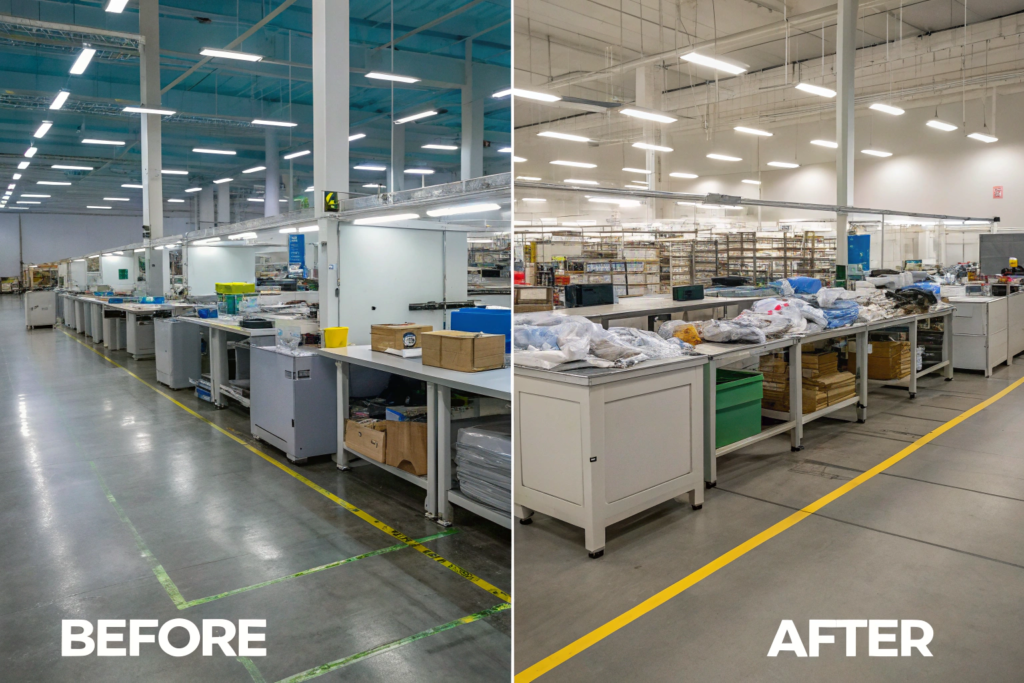
Overproduction is often called the worst of the seven wastes. I have seen why. When we produce more than the customer needs, we tie up resources. We use materials that could have been used for other orders. We occupy space that could be used for other products. We create inventory that may never be needed. In accessory manufacturing, overproduction is tempting. The machines can run fast. It is easy to keep them running. But this thinking is harmful. When we overproduce hair bands, we have to store them. That storage takes space. That space costs money. If the customer changes their order, we are stuck with products they no longer want. Overproduction also hides other problems. If we have a large inventory of finished goods, we might not notice that our production line is slow. We just pull from inventory. This masks the problem. Lean taught us to produce only what the customer needs, when they need it. This is called pull production. We now produce hair clips and headbands based on actual orders, not on a forecast. This has reduced our lead times significantly. We can now respond to rush orders for belts or scarves much faster because we are not bogged down by excess inventory.
What Does Waiting Waste Look Like in a Factory?
Waiting is a waste that I see in many factories. It happens when one step in the process is slower than the step before it. The faster step waits. Or it happens when materials are not available when workers need them. I remember watching our headband assembly line. The workers who attached fabric to the headband bases often waited. They waited for the bases to arrive from the injection molding department. They waited for the fabric to be cut. They waited for the glue to dry. All of that waiting was time they were not adding value. We solved this by balancing the line. We calculated the cycle time for each step. We adjusted the number of workers at each station to match the pace. We also implemented a Kanban system. Kanban is a visual signal that tells the upstream step when the downstream step needs more parts. Now, when the assembly workers need more headband bases, they send a signal. The injection molding department produces exactly what is needed. No waiting. No excess. This flow is essential for efficient accessory production. Your orders move through our factory without delays.
How Do We Apply 5S Organization to Accessory Production?
5S is one of the foundational tools of lean. It is a system for organizing the workplace. The five S’s stand for Sort, Set in Order, Shine, Standardize, and Sustain. When I first heard about 5S, I thought it was just about cleaning. I was wrong. It is about creating a workspace where workers can do their jobs efficiently and safely. It is about eliminating the waste of searching for tools or materials.
We apply 5S organization to accessory production by sorting out unnecessary items, setting everything in its place, shining the workspace through regular cleaning, standardizing the best practices, and sustaining the improvements through daily routines. In our hair clip assembly area, this means tools have designated places on shadow boards. Materials are stored in labeled bins. Workstations are cleaned at the end of each shift. Standardized work instructions are posted at each station. Daily 5S checks ensure the system is maintained. This organization reduces wasted motion and prevents errors.
I remember a specific example of how 5S helped us. In our belt assembly area, workers used to have to walk across the room to get buckles. They would walk back to their station, attach the buckle, then walk to another area for packaging. That walking was waste. We reorganized the layout. Now, the buckle bin is at the worker’s station. The packaging is right next to them. The worker stays in one place. The work comes to them. This simple change reduced motion waste by over 30%. It also reduced fatigue. Workers were less tired at the end of the day. Quality improved because workers were less rushed. This is the power of 5S.
What Does Sort and Set in Order Mean for Accessory Production?
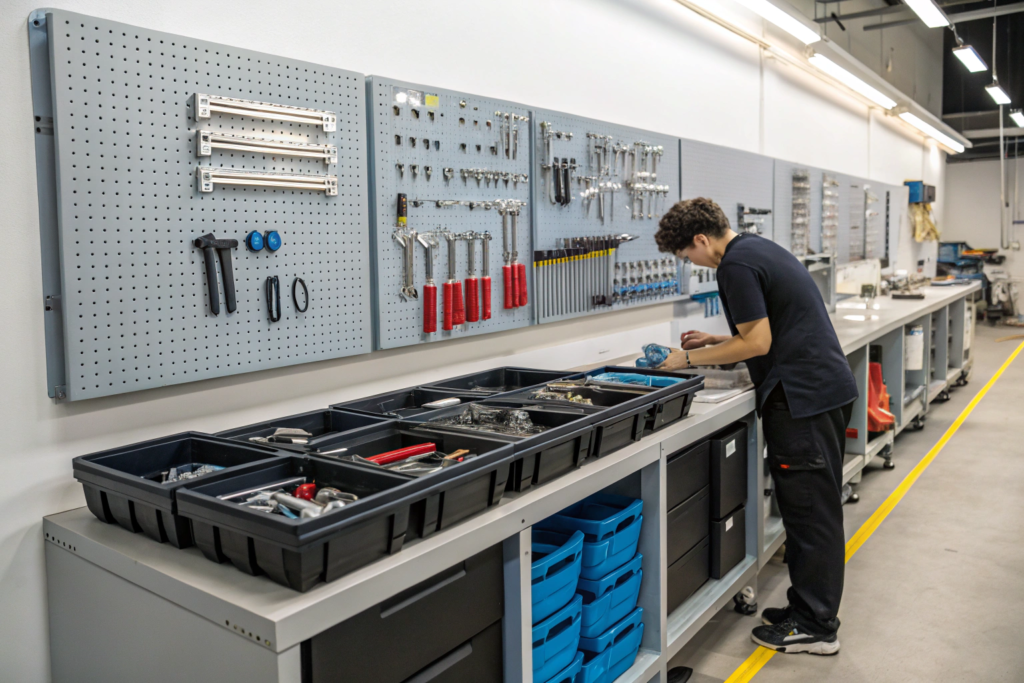
Sort is the first S. It means going through everything in the workspace and removing what is not needed. In our factory, we do this regularly. We look at each workstation. What tools are there? What materials? What paperwork? If an item is not used in that job, it is removed. This sounds simple, but it is powerful. When a worker has only the tools they need, they work faster. They make fewer mistakes. Set in Order is the second S. It means arranging the remaining items so they are easy to find and use. We use shadow boards for tools. The outline of each tool is drawn on the board. When a tool is missing, the outline shows it. This makes it easy to know if a tool is missing. We use labeled bins for materials. The label tells the worker exactly what material is in the bin and how much should be there. We use color coding for different products. For example, all materials for hair bands are in blue bins. All materials for belts are in red bins. This visual organization prevents mistakes. A worker grabbing a blue bin knows they are working on hair bands. This system is essential for consistent quality across different product lines.
How Do We Standardize and Sustain Lean Practices?
Standardization is the fourth S. It means creating consistent ways of doing work. In our factory, we have standardized work instructions for every task. These instructions are simple. They have pictures and short steps. They are posted at the workstation. A new worker can follow them. An experienced worker uses them as a reminder. Standardization ensures that quality is consistent. It does not matter who is working on your order of scarves. The process is the same. The result is the same. Sustain is the fifth S. It is the hardest part. It means maintaining the improvements over time. We do this through daily routines. At the start of each shift, workers do a 5S check. They look at their workspace. Is everything in its place? Is it clean? If something is out of place, they fix it. Managers do weekly 5S audits. They check each area against a checklist. They provide feedback. This routine ensures that our factory stays organized. It prevents the slow slide back to clutter. For you, this means your orders are produced in a consistent, reliable environment. You can count on us.
How Does Continuous Flow Reduce Lead Times for Accessories?
Before lean, our factory operated in batches. We would make 10,000 headband bases. Then we would move them to the next department. They would sit for days. Then they would be covered with fabric. Then they would sit again. Then they would be packed. This batching created long lead times. A simple headband might take weeks to move through the factory. Continuous flow changed that.
Continuous flow reduces lead times for accessories by eliminating the waiting time between production steps. Instead of producing in large batches, we produce in small batches or single pieces that move immediately to the next step. In our hair clip production, this means the metal stamping machine produces clips that go directly to the polishing station. Polished clips go directly to the crystal setting station. Set clips go directly to packaging. The flow is continuous. The total time from raw material to finished product drops from weeks to hours or days. This allows us to offer shorter lead times and greater flexibility.
I want to be honest about the challenges of continuous flow. It is not easy to implement. It requires careful balancing. If one step is slower than the others, the whole line slows down. If a machine breaks, the line stops. But the benefits are worth the effort. When we run continuous flow, we see problems immediately. We do not have a buffer of inventory to hide behind. This forces us to fix problems quickly. Over time, our processes become more reliable. Our equipment is better maintained. Our workers are cross-trained. The result is a production system that is both efficient and resilient.
How Does Cell Production Work for Belt Manufacturing?
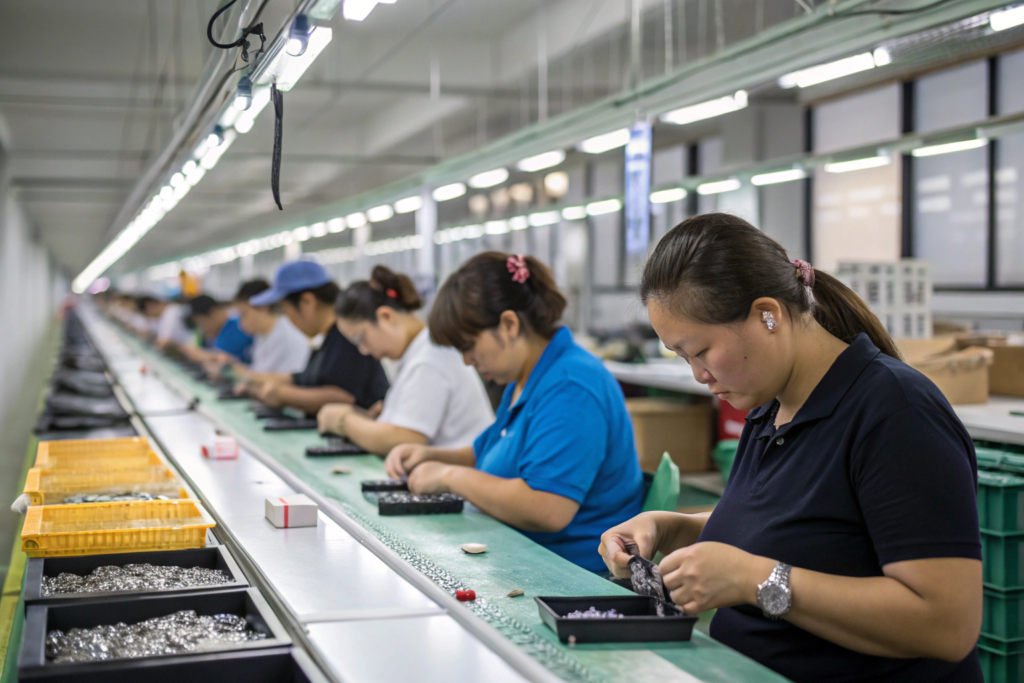
Cell production is a way of creating continuous flow. Instead of having separate departments for each step, we create cells. A cell is a small area where all the steps for a product are performed in sequence. For belt manufacturing, we have belt cells. Each cell has a worker or a small team. They perform all the steps: cutting the leather, punching the holes, attaching the buckle, and packaging. The work flows from one step to the next within the cell. There is no waiting between departments because there are no departments. The cell is the department. This has transformed our belt production. Lead times dropped by over 60%. Quality improved because the same worker sees the belt through all the steps. They notice problems early. Flexibility improved because we can change the cell to make different belt styles quickly. We now use cell production for many of our products, including hair bands and scarves. This allows us to offer fast turnaround on custom orders for clients who need quick delivery.
What Is Pull Production and How Does It Benefit You?
Pull production is a core lean concept. In traditional manufacturing, we push products through the factory based on a forecast. We make what we think the customer will want. In pull production, we make only what the customer has actually ordered. Production is pulled by demand. We use a Kanban system to manage this. Kanban is a simple visual signal. It might be a card, a bin, or an empty space. When the downstream step needs more parts, they send the Kanban signal. The upstream step produces exactly that amount. Nothing more. This system benefits you directly. When you place an order, we pull the materials and start production. We are not tied up making products for a forecast. Our capacity is available for your order. Pull production also reduces our inventory. We do not have bins of finished goods waiting for orders that may never come. This lower inventory means we have less capital tied up. We can pass those savings to you. It also means we are more flexible. If you need to change your order, we can adjust because we are not already committed to a large batch. This flexibility in production is a direct benefit of lean manufacturing.
How Does Kaizen Continuous Improvement Apply to Accessory Quality?
Kaizen is the Japanese word for continuous improvement. It is the philosophy that small, incremental improvements made every day add up to significant progress over time. In our factory, kaizen is not just a management program. It is part of our culture. Every worker is encouraged to suggest improvements. We have found that the people who work on a process every day know it best. They know what is working and what is not.
Kaizen continuous improvement applies to accessory quality by empowering workers to identify and solve quality problems at the source. In our hair band production, a worker noticed that the fabric wrapping machine was occasionally creasing the fabric. She suggested a small modification to the guide rollers. The change took an hour to implement. It eliminated the creasing defect completely. This is kaizen. Small improvements made by the people doing the work. We hold regular kaizen events where teams focus on specific problems. They analyze the root cause, test solutions, and implement changes. This culture of improvement ensures that our quality gets better over time.
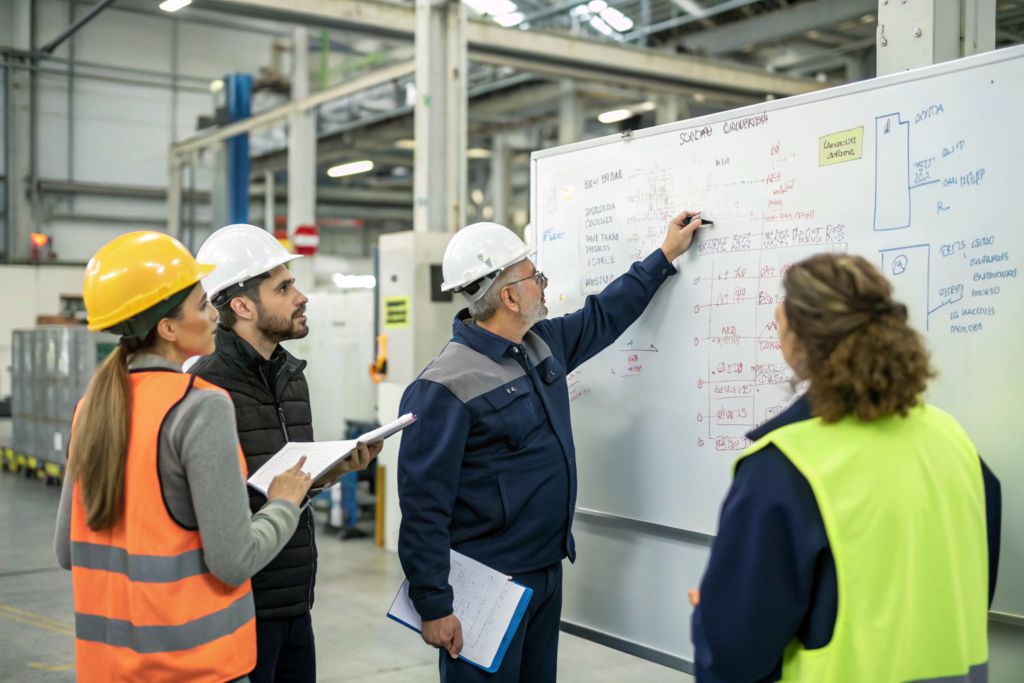
I want to tell you about one of our kaizen events. We were having issues with belt buckle alignment. The buckles were sometimes slightly crooked when attached to the strap. It was a small defect, but it was happening too often. We formed a kaizen team with workers from the cutting, assembly, and quality departments. They spent two days analyzing the problem. They found that the jig used to hold the buckle was worn. It allowed a small amount of movement. They designed a new jig. They tested it. The defect rate dropped to zero. That was a small change. But it saved us hours of rework. It saved our clients from receiving defective products. This is the power of kaizen.
How Do We Use Root Cause Analysis to Prevent Defects?
When a defect occurs, we do not just fix the product. We find the root cause. We use a tool called the "Five Whys." We ask why the defect happened. Then we ask why again. We keep asking until we find the underlying cause. I remember a defect where a batch of scarves had uneven hems. We asked why. The sewing machine was not feeding evenly. Why? The feed dog was worn. Why was it worn? It had not been replaced on schedule. Why was it not replaced? There was no preventive maintenance schedule. Why? We had not implemented one. The root cause was a missing maintenance system. We implemented a preventive maintenance schedule. The defect never happened again. Root cause analysis prevents the same problem from recurring. This is essential for consistent quality in accessory production.
What Role Do Workers Play in Continuous Improvement?
In many factories, workers are told what to do. They are not asked for their ideas. We do things differently. Our workers are problem-solvers. They are trained in lean tools. They have the authority to stop the line if they see a quality problem. This is called "andon." When a worker stops the line, a manager comes to help. They work together to solve the problem. Then the line restarts. This may seem inefficient. But it is actually very efficient. It prevents bad products from moving downstream. It catches problems early. Workers are also encouraged to submit improvement suggestions. We have a suggestion box. Every suggestion is reviewed. Good suggestions are implemented quickly. The worker who suggested it is recognized. This culture of continuous improvement has transformed our factory. Our defect rates are lower than ever. Our lead times are shorter. Our workers are engaged and proud of their work. When you order from us, you benefit from this culture. Your hair clips and headbands are made by people who care about quality.
Conclusion
Lean manufacturing is not just a set of tools. It is a way of thinking. It is about seeing waste and eliminating it. It is about empowering workers to improve their work. It is about creating value for the customer. When I started applying lean principles to our accessory factory, I did not know what to expect. I just knew that the old way was not working. The results have been remarkable.
Today, our factory in Zhejiang is a different place. It is clean and organized. Work flows smoothly. Quality is consistent. Lead times are short. Our workers are engaged. And most importantly, our clients benefit. When you place an order with us, you are not just buying accessories. You are partnering with a factory that is committed to continuous improvement.
The principles I have shared—eliminating waste, 5S organization, continuous flow, pull production, and kaizen—are not just theory. They are practiced every day in our factory. They are the reason we can offer fast development, high quality, and reliable delivery. They are the reason we can handle both small custom orders and large volume orders with the same attention to detail. Your business deserves a manufacturing partner who is constantly getting better. You deserve shorter lead times, lower costs, and higher quality. You deserve a supplier who is not just producing accessories, but is improving the way accessories are made.
Let us show you what lean manufacturing means for your next order. Whether you need hair bands, belts, scarves, or any other accessory, our lean factory is ready to serve you efficiently and reliably. Please contact our Business Director, Elaine, at elaine@fumaoclothing.com to discuss your accessory production needs. We can show you how our lean manufacturing approach delivers better quality, faster delivery, and greater value for your business.