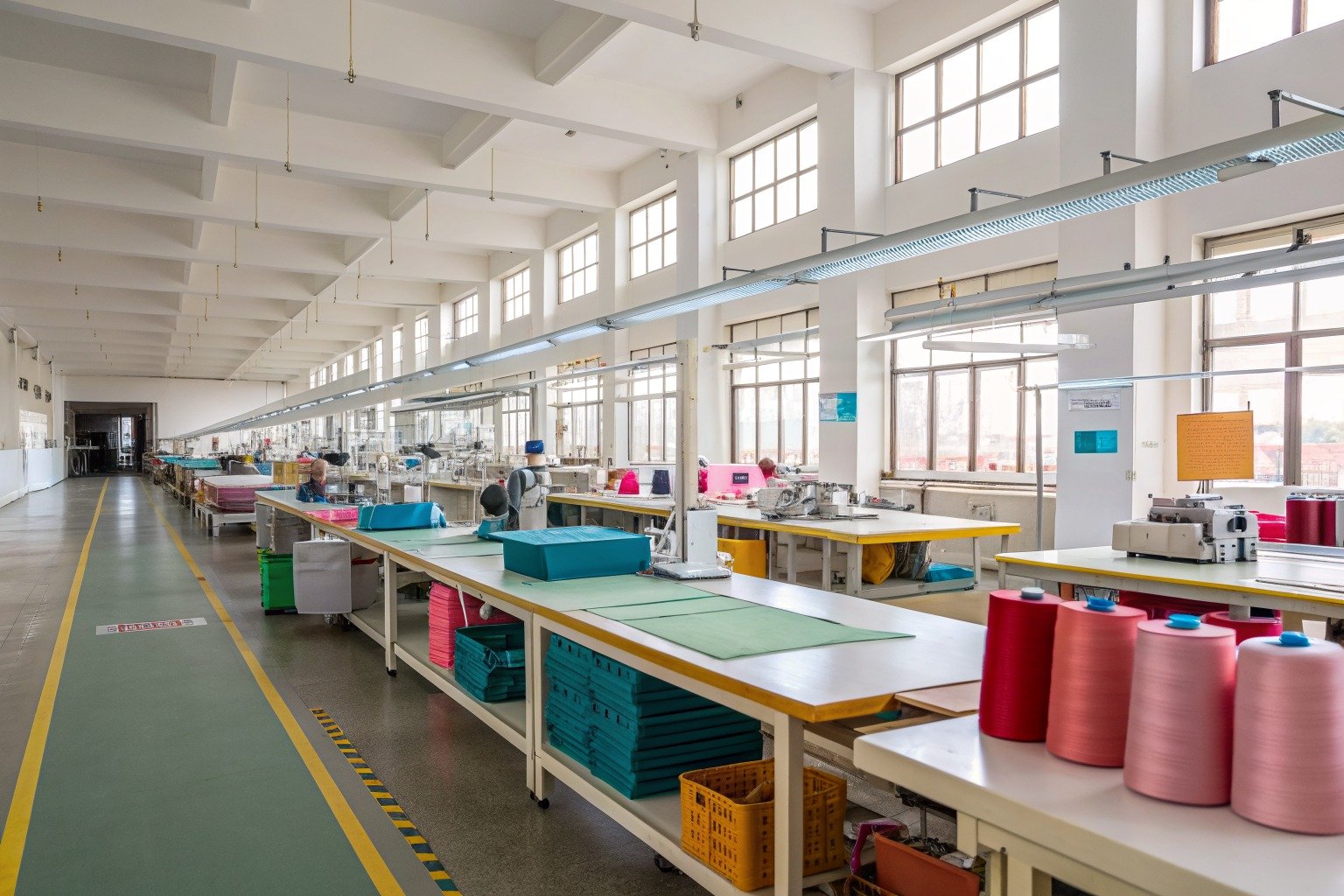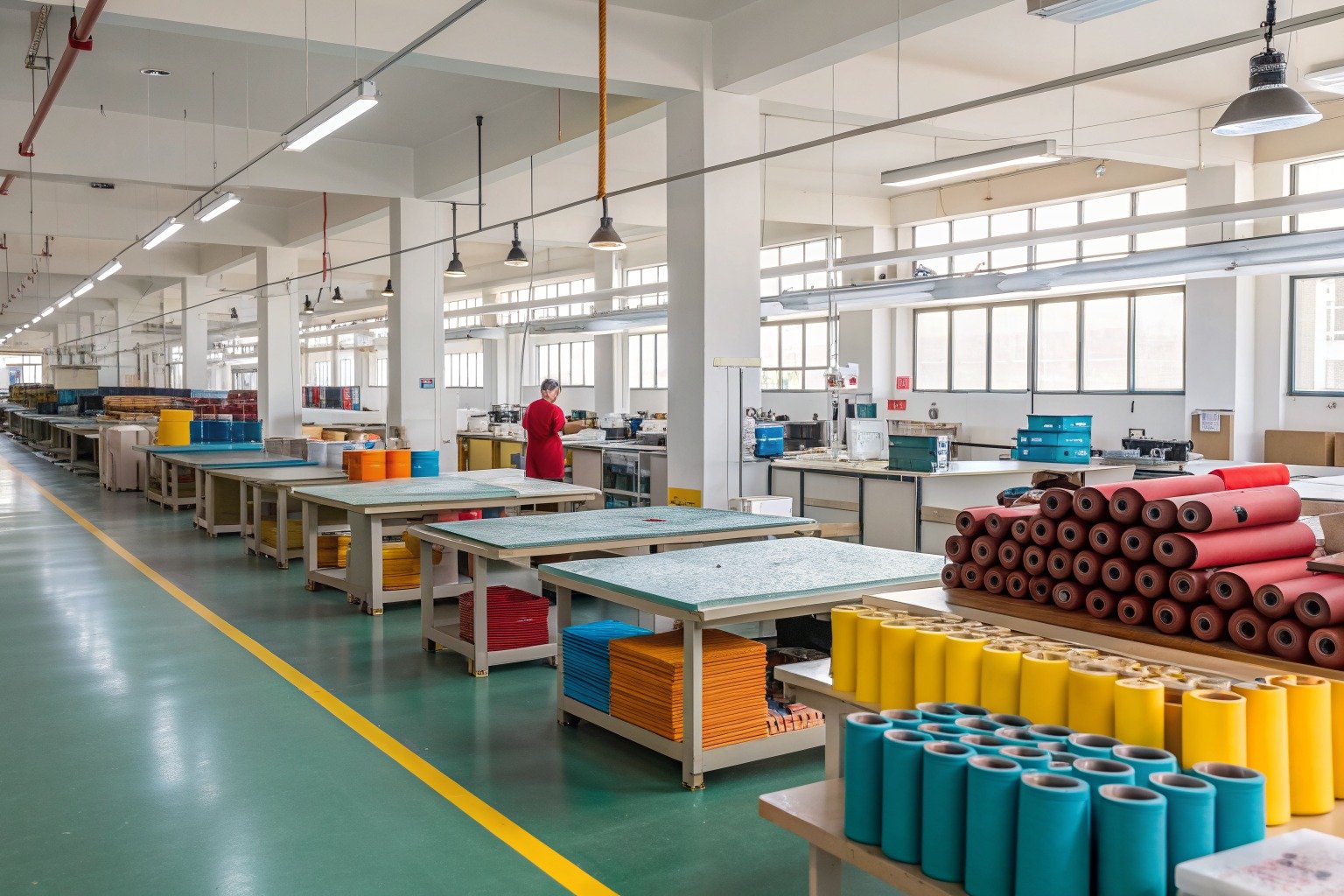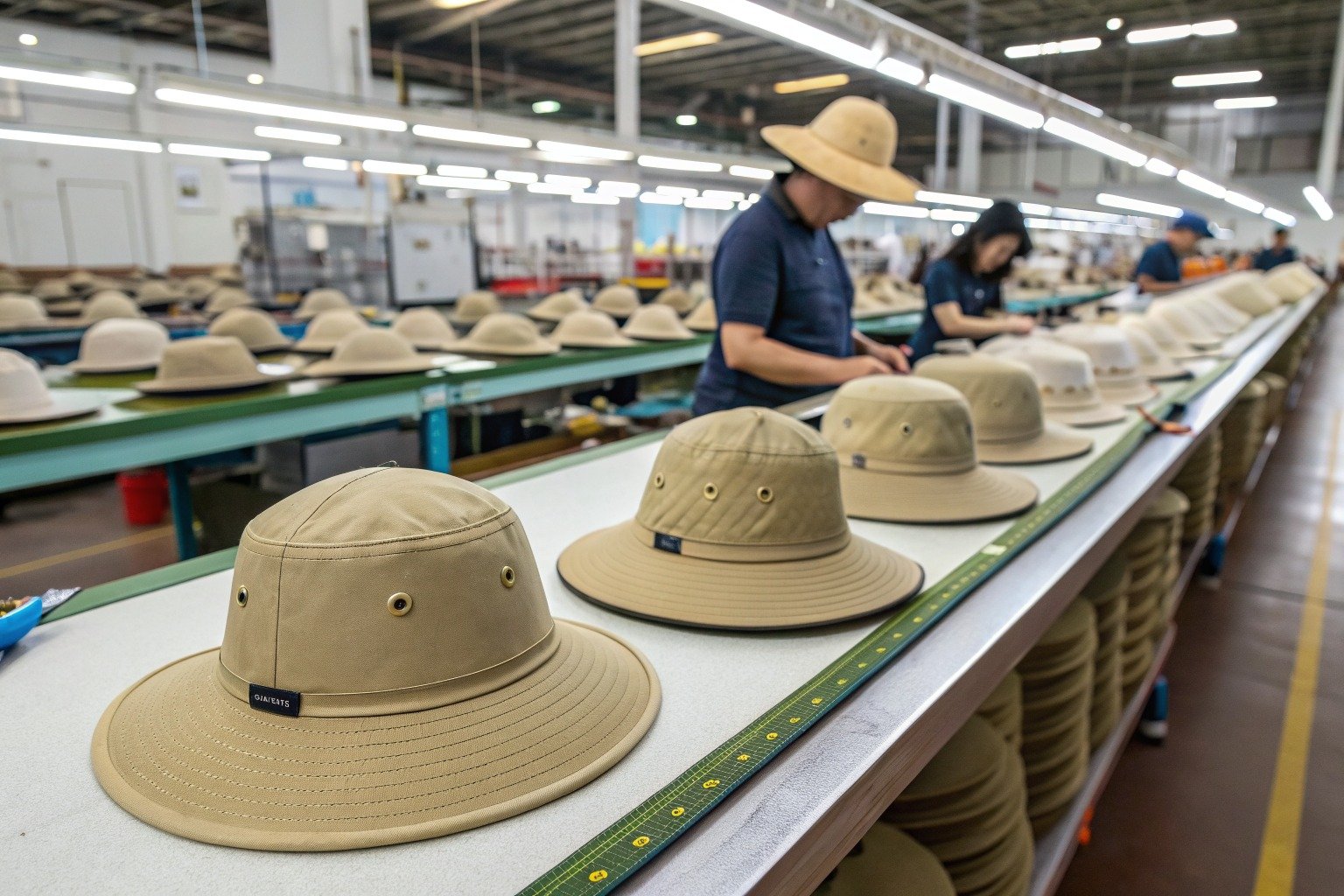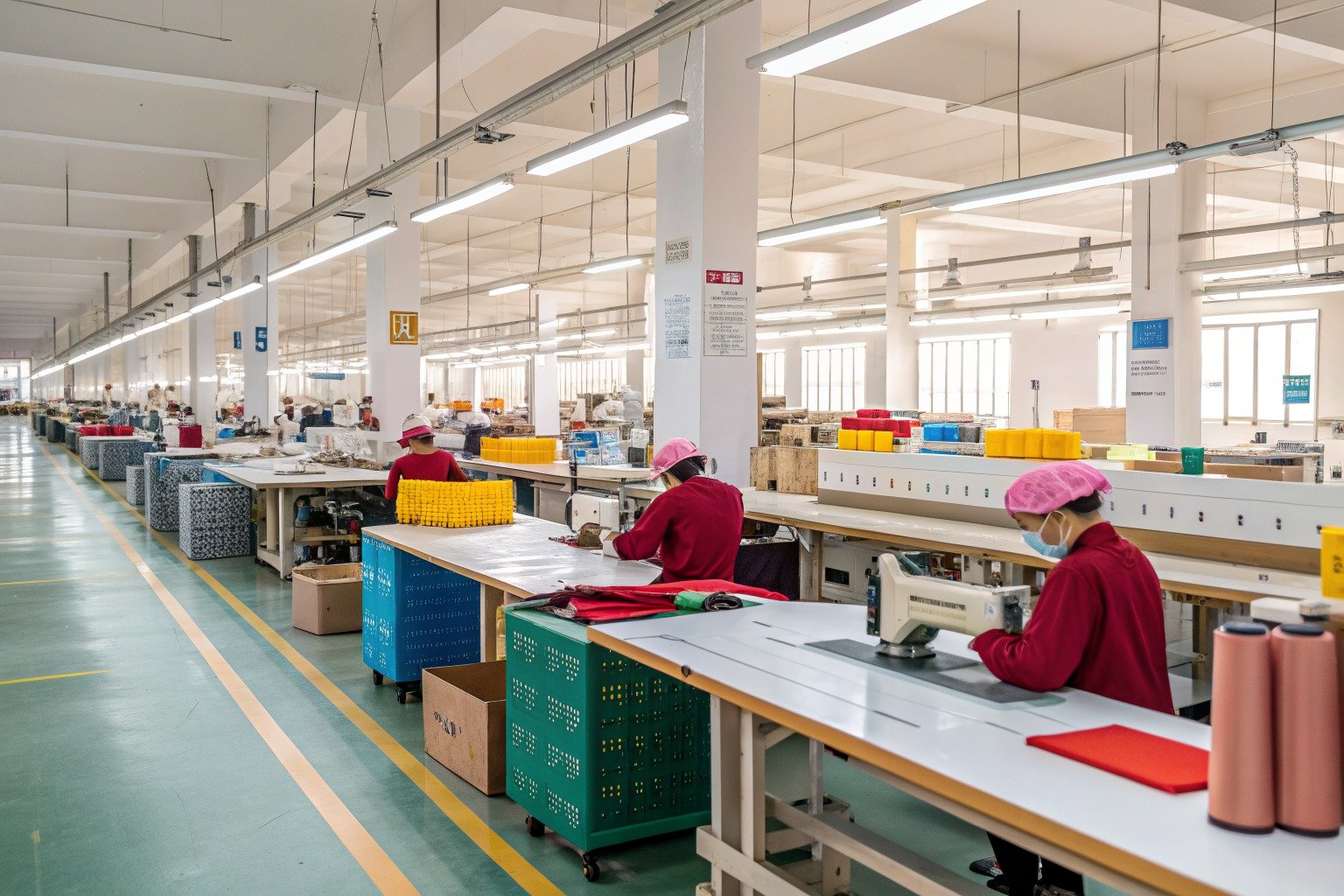
I have been manufacturing hats and umbrellas for over 15 years. In the early years, UV protection was not something most clients asked about. They cared about style, color, and price. But that has changed. Today, my clients—major supermarkets, apparel brands, and online stores—are asking serious questions about sun protection. They want to know that the hats and umbrellas they sell will actually protect their customers from harmful UV rays. I remember a conversation with a client from a European outdoor brand. She told me, “My customers trust that our products will protect them. If a hat fails, they will not trust us again.” That conversation made me dive deep into UV protection fabrics. I visited textile mills. I studied UPF ratings. I tested materials. I learned what works and what does not. Let me share what I have discovered.
The best UV protection fabrics for summer hats and umbrellas are tightly woven polyester, nylon with UV-resistant coatings, solution-dyed acrylic, and specially treated cotton blends. Polyester is naturally UV-resistant due to its molecular structure. It blocks a high percentage of UV rays even without special treatments. Nylon with UV-resistant coatings offers excellent protection combined with lightweight comfort. Solution-dyed acrylic has UV-inhibiting pigments built into the fibers, so the protection does not wash out. Treated cotton blends offer a natural look with added protection. The key factors that determine UV protection are fabric density, fiber type, color, and any applied treatments. A fabric with a UPF rating of 50+ blocks 98% or more of UV radiation.
You might be wondering what UPF actually means. UPF stands for Ultraviolet Protection Factor. It is a rating system that tells you how much UV radiation a fabric blocks. A UPF of 50 means that only 1/50th of the UV radiation passes through. That is 98% blocked. Understanding this rating is essential when choosing fabrics for sun-protective products. But there is more to it. The type of fiber, the weave, the color, and the treatments all matter. Let me walk you through the best fabric options and what makes them effective.
What Makes a Fabric Effective at Blocking UV Rays?
Before I talk about specific fabrics, I want to explain what makes a fabric good at blocking UV rays. It is not just about the material. It is about the structure. I learned this when a client asked me why two hats made from the same material had different UV protection levels. The answer was in the weave. One was woven tightly. The other was loose. The tight weave blocked more UV.
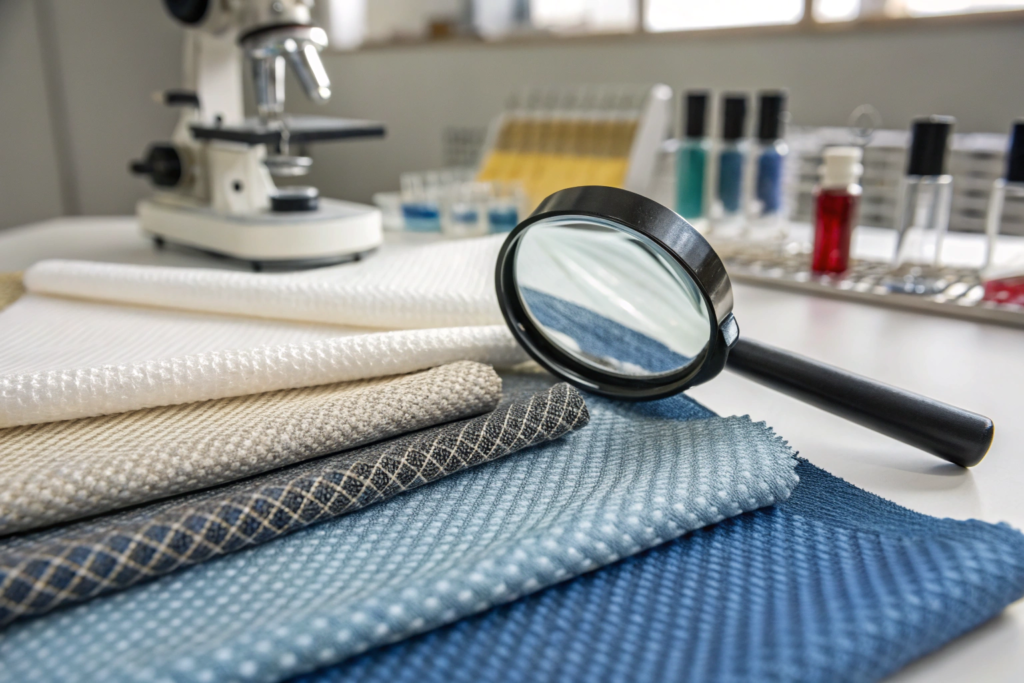
A fabric’s effectiveness at blocking UV rays is determined by four key factors: fiber type, weave density, color, and chemical treatments. Fiber type matters because some fibers, like polyester, naturally absorb UV radiation. Others, like cotton, allow more UV to pass through. Weave density is critical. A tight weave leaves fewer gaps for UV rays to penetrate. Color also plays a role. Darker colors absorb more UV, preventing it from reaching the skin. Chemical treatments, such as UV absorbers or reflective coatings, can enhance the natural UV-blocking properties of the fabric. Together, these factors determine the fabric’s UPF rating.
I want to give you a practical example. Imagine two hats. Both are made from cotton. One is a loose-weave, light-colored cotton. The other is a tight-weave, dark-colored cotton. The second hat will have significantly higher UV protection, even though the fiber is the same. This is because the tight weave and dark color work together to block more UV. Understanding these factors allows you to make informed choices when selecting fabrics.
How Does Fiber Type Affect UV Protection?
Different fibers have different natural UV-blocking properties. This is something I have tested extensively. Polyester is the best natural UV blocker among common fibers. The molecular structure of polyester absorbs UV radiation. A polyester fabric can have a UPF of 30 or more even without any special treatments. This makes it an excellent choice for hats and umbrellas. Nylon is also good, but it is slightly less effective than polyester. However, nylon can be treated with UV-absorbing coatings to achieve very high UPF ratings. Wool and silk have moderate UV-blocking properties. They are less common in summer hats because they are heavy and warm. Cotton and linen are the least effective natural UV blockers. They have a more open molecular structure that allows UV to pass through. A light-colored, loose-weave cotton fabric might have a UPF as low as 5. That is why cotton hats intended for sun protection need to be tightly woven and often treated with UV-absorbing chemicals. At our factory, we use a variety of fibers depending on the client’s needs. For high-UV protection hats, we often recommend polyester or treated nylon.
Why Do Weave Density and Color Matter So Much?
Weave density is perhaps the most important factor after fiber type. Think of a fabric as a net. A loose weave has large holes that let UV rays through. A tight weave has very small holes. The tighter the weave, the fewer gaps for UV to penetrate. This is why denim, which is tightly woven, has a high UPF even though it is made from cotton. For summer hats, we use fabrics with very tight weaves. We test them to ensure the gaps are minimal. Color is the other critical factor. Dark colors absorb UV radiation. Light colors reflect it. For UV protection, absorption is better because it prevents the UV from reaching the skin. A dark blue hat will block more UV than a white hat made from the same fabric. However, dark colors absorb heat. This is a trade-off. For maximum protection, dark colors are best. For comfort in hot weather, lighter colors may be preferred. Some clients choose a middle ground, like medium tones that offer good protection without absorbing too much heat. We help our clients balance these factors. We also offer fabrics with UV-reflective treatments that combine the cooling effect of light colors with high UV protection.
What Are the Top Fabric Choices for UV-Protective Summer Hats?
Now let me talk about specific fabrics. Over the years, I have worked with many different materials for hats. Some performed well. Some did not. The fabrics I recommend today are the ones that have proven themselves through testing and real-world use. They are the fabrics that give our clients confidence that their products will protect their customers.
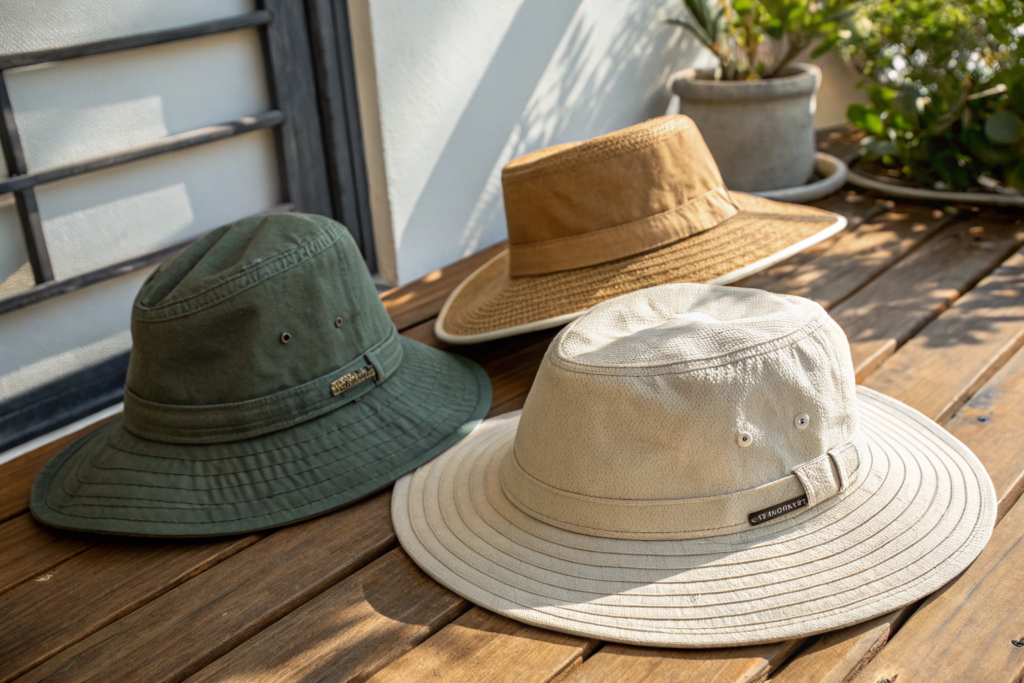
The top fabric choices for UV-protective summer hats are tightly woven polyester, nylon with UV coating, solution-dyed acrylic, and treated cotton canvas. Tightly woven polyester offers excellent natural UV protection, durability, and moisture-wicking properties. It is ideal for active wear and outdoor hats. Nylon with UV coating combines lightweight comfort with high UPF ratings, often 50+. It is popular for packable hats that need to be lightweight and crushable. Solution-dyed acrylic has UV-inhibiting pigments built into the fibers. This means the UV protection is permanent and does not wash out. It is commonly used for wide-brim sun hats. Treated cotton canvas offers a natural look with added UV protection. It is popular for lifestyle and fashion hats.
I want to emphasize that the fabric is only part of the story. The construction of the hat also matters. A wide brim provides shade for the face and neck. A hat with a dark underside reduces reflected UV from the ground. These design elements work with the fabric to provide comprehensive protection. We consider all of these factors when developing hats for our clients.
Why Is Tightly Woven Polyester Ideal for Active Hats?
Polyester has become my go-to recommendation for active outdoor hats. The reasons are practical. First, polyester naturally absorbs UV. A tightly woven polyester fabric can achieve UPF 50+ without any chemical treatments. This is important because treatments can wash out over time. With polyester, the protection is inherent. Second, polyester is durable. It resists abrasion and holds its shape well. Third, polyester wicks moisture. It pulls sweat away from the skin, keeping the wearer comfortable. This is essential for hats worn during hiking, fishing, or any outdoor activity. Fourth, polyester is lightweight. It does not weigh the wearer down. Fifth, polyester dries quickly. If the hat gets wet, it will not stay damp for long. We use polyester for a wide range of hats. For baseball caps, we offer polyester blends that combine UV protection with a classic look. For wide-brim outdoor hats, we use 100% polyester with a tight weave. The result is a hat that provides excellent protection and stands up to active use. We also offer custom printing on polyester hats for clients who want their branding on high-performance products.
What Makes Solution-Dyed Acrylic a Premium Choice?
Solution-dyed acrylic is a fabric that solves a common problem with UV protection. Many fabrics have UV inhibitors applied as a coating or finish. These finishes can wash out or wear off over time. Solution-dyed acrylic is different. The pigments that provide UV protection are added to the liquid acrylic solution before the fibers are formed. This means the UV protection is throughout the fiber, not just on the surface. It will not wash out, wear off, or fade. The UV protection is permanent. This makes solution-dyed acrylic ideal for hats that will be used in the sun frequently. A sun hat made from this fabric will maintain its UPF rating for the life of the product. The fabric also has other advantages. It is soft and comfortable. It resists mildew and moisture. It holds color very well. It does not shrink. The fabric is commonly used for wide-brim sun hats, beach hats, and garden hats. The feel is similar to cotton but with superior performance. We offer solution-dyed acrylic in a range of colors. The colors are rich and consistent because the pigment is in the fiber. This fabric is a favorite among our clients who want to offer premium, long-lasting UV-protective hats.
What Are the Best Fabrics for UV-Protective Umbrellas?
Umbrellas are different from hats. They are not worn on the body. They are held above the head. But the principles of UV protection are similar. The canopy fabric must block UV rays from reaching the person underneath. Over the years, I have seen many umbrellas that look good but provide little protection. The fabric is too thin. The coating is inadequate. I have learned what works.
The best fabrics for UV-protective umbrellas are polyester with silver or black UV coating, high-density nylon with UV treatment, and polyester with a dual-layer construction. Polyester with a silver UV coating is the most common and effective option. The silver coating reflects UV rays away from the umbrella. Black UV coating absorbs UV, preventing it from passing through. High-density nylon with UV treatment offers lightweight protection. Dual-layer construction, with an outer layer for weather protection and an inner UV-blocking layer, provides the highest level of protection. The key is that the fabric must be dense enough and the coating must be properly applied to achieve a UPF 50+ rating.
I want to share something I learned about umbrella coatings. The coating is what makes the difference between a fashion umbrella and a sun-protective umbrella. A standard fashion umbrella might have a UPF of 10 or less. A properly coated UV umbrella can have a UPF of 50+. The coating must be applied evenly and with sufficient thickness. We work with coating specialists to ensure our umbrella fabrics meet the required standards.
How Does Silver UV Coating Work on Umbrellas?
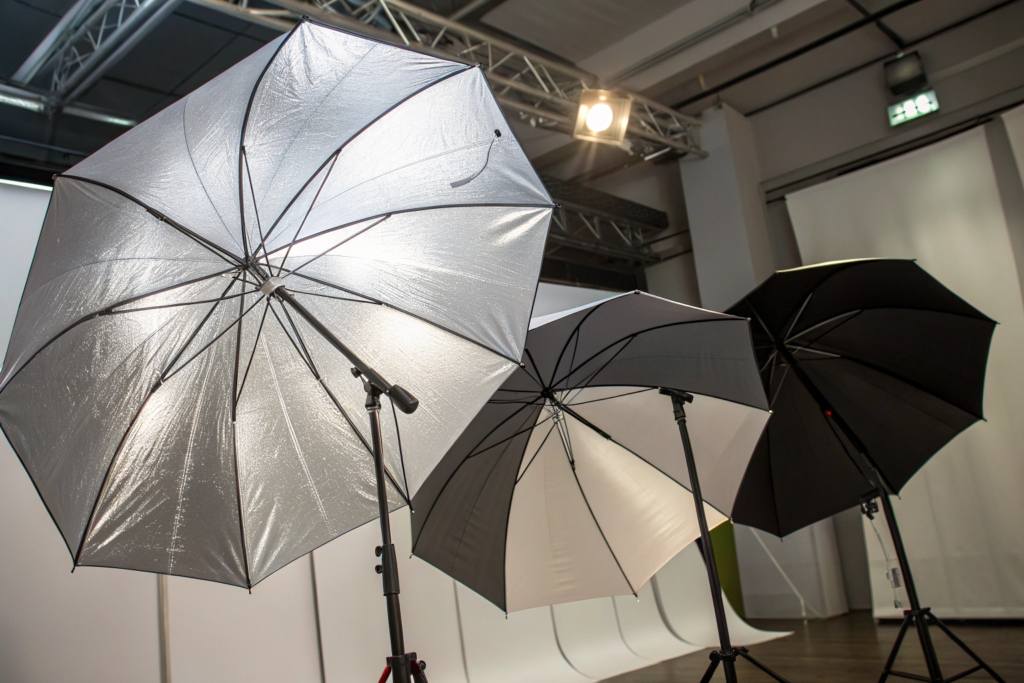
Silver UV coating is the industry standard for sun-protective umbrellas. The coating is applied to the underside of the umbrella canopy. It has a reflective, silvery appearance. The silver coating works by reflecting UV radiation away from the umbrella. When UV rays hit the coated surface, they bounce back outward instead of passing through to the person underneath. This reflective property is very effective. A well-made silver-coated umbrella can achieve a UPF of 50+ easily. The coating also has a secondary benefit. It reflects heat, keeping the area under the umbrella cooler. This is why silver-coated umbrellas are popular in hot climates. The coating must be applied correctly to be effective. We use a multi-layer coating process. The first layer is an adhesive primer that bonds to the polyester fabric. The second layer is the reflective silver layer. The third layer is a protective top coat that prevents the silver from scratching or wearing off. This three-layer system ensures durability. The coating will not crack or peel after repeated folding and unfolding. We offer silver-coated UV umbrellas to clients who prioritize maximum sun protection.
What Are the Benefits of Black UV Coating and Dual-Layer Construction?
Black UV coating is an alternative to silver. It works on a different principle. Instead of reflecting UV, black coating absorbs it. The UV radiation is trapped in the coating and converted to a small amount of heat. The advantage of black coating is aesthetics. Some customers prefer the look of a black underside to a silver one. Black coating can also be applied to printed canopies without affecting the design on the top side. The UV protection level is comparable to silver when the coating is properly applied. Dual-layer construction is the premium option. These umbrellas have two separate layers of fabric. The outer layer is typically a weather-resistant polyester. The inner layer is a UV-blocking fabric, often with a silver or black coating. The air gap between the layers provides additional insulation and UV protection. The result is an umbrella that offers the highest level of sun protection. It also provides better heat insulation. The area under a dual-layer umbrella can be several degrees cooler than the surrounding air. These umbrellas are heavier and more expensive, but they are ideal for clients who want to offer a premium product. We work with clients to choose the right UV umbrella construction based on their target price point and performance requirements.
How Do You Verify a Fabric’s UV Protection Claims?
I have been in this industry long enough to know that not all UV protection claims are true. Some suppliers will tell you their fabric has a UPF of 50+ when it does not. They rely on the fact that most buyers do not test. I learned this lesson when I received a batch of fabric that was supposed to be UV-protective. I had it tested. The result was a UPF of 15. I confronted the supplier. They admitted they had used a cheaper coating. I never used that supplier again. Now, I test everything.
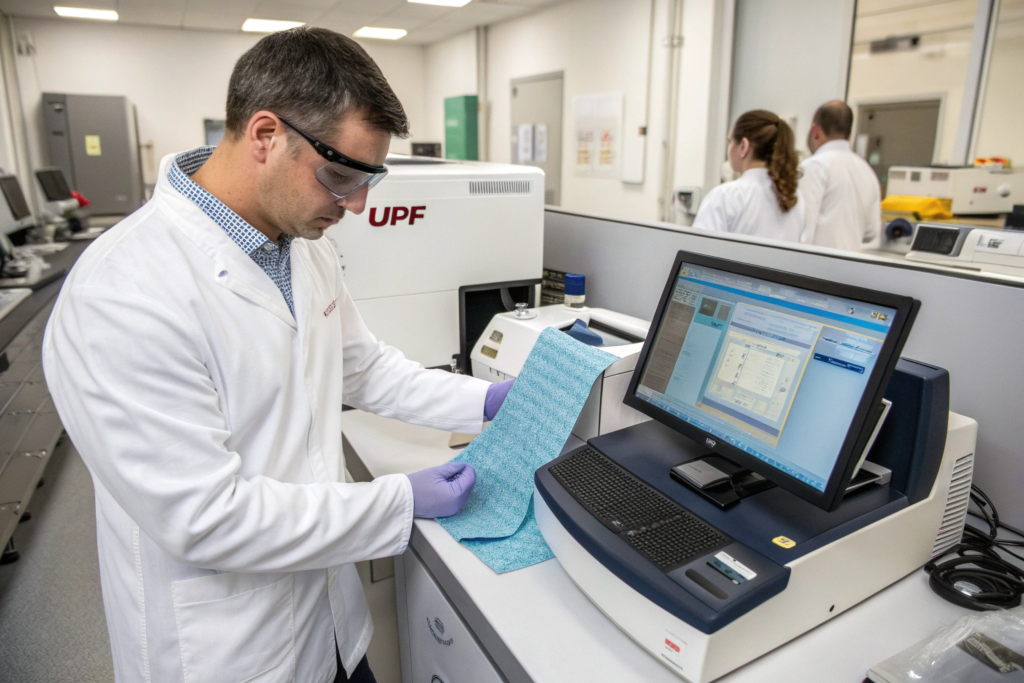
You can verify a fabric’s UV protection claims by requiring lab testing from an accredited third-party facility, requesting material certifications, and performing simple field tests. The most reliable method is UV transmittance testing. A lab uses a spectrophotometer to measure how much UV passes through the fabric. The result is a precise UPF rating. Look for fabrics that come with a UPF certification label. This label indicates the fabric has been tested and meets the claimed rating. You can also perform a simple test by holding the fabric up to a bright light. If you can see light clearly through the fabric, UV will also pass through. A dense fabric with a high UPF will block most light.
I want to be clear about something. I am not suggesting you need to set up your own testing lab. That is not practical for most buyers. But you should work with suppliers who can provide test reports. A reputable supplier will have their fabrics tested regularly. They will provide you with the documentation. If a supplier cannot provide test reports, that is a red flag.
What Testing Standards Should You Look For?
There are established standards for UV protection testing. The most common is the AS/NZS 4399 standard from Australia and New Zealand. This was one of the first standards for UV protection in clothing. It classifies fabrics into UPF ratings. A UPF of 15 to 24 is good protection. UPF 25 to 39 is very good protection. UPF 40 to 50+ is excellent protection. The European standard is EN 13758. It is similar to the Australian standard. The American standard is AATCC 183. It measures UV transmittance through fabrics. When you request test reports, ask for reports that follow one of these recognized standards. The report should show the UPF rating and the percentage of UV blocked. It should also show the test conditions. Was the fabric tested dry? Was it stretched? Fabric can have a different UPF when stretched or wet. A good test report will specify these conditions. At AceAccessory, we work with accredited labs to test our UV-protective fabrics. We can provide UPF test reports for any fabric we use. This gives our clients confidence that the claims are backed by data.
What Are the Red Flags When Evaluating UV Fabric Suppliers?
I have developed a list of red flags over the years. If a supplier says their fabric has UV protection but cannot explain how, that is a red flag. A knowledgeable supplier should be able to tell you whether the protection comes from the fiber, the weave, or a coating. They should be able to tell you the UPF rating and how it was determined. If a supplier claims a UPF of 50+ but the fabric feels thin and lightweight, that is a red flag. High UPF fabrics are generally dense. They have weight to them. If a supplier offers UV protection at a price that seems too good to be true, it probably is. Quality UV fabrics cost more than standard fabrics. The coatings and treatments add cost. If a supplier cannot provide test reports, that is a major red flag. I will not work with a supplier who cannot back up their claims. If a supplier says the UV protection is "permanent" but the fabric is a coated polyester, be skeptical. Coatings can wear off over time. Solution-dyed acrylic offers permanent protection. Coated fabrics offer good protection but it may diminish with heavy use. A reputable supplier will be honest about these limitations.
Conclusion
UV protection in summer hats and umbrellas is not a marketing gimmick. It is a real feature that customers value. They want to know that the hat they are wearing to the beach will protect their face from sunburn. They want to know that the umbrella they are carrying will shield them from harmful rays. As a buyer, you have a responsibility to offer products that deliver on these expectations.
At Shanghai Fumao, we take UV protection seriously. We have invested in understanding the science. We work with textile mills that produce high-quality UV-protective fabrics. We test our fabrics to verify their UPF ratings. We build our hats and umbrellas with construction details that enhance protection, like wide brims and dark undersides.
Whether you need tightly woven polyester hats for an outdoor brand, solution-dyed acrylic sun hats for a beachwear collection, or silver-coated UV umbrellas for a lifestyle store, we have the capabilities to produce them. Our design team can help you select the right fabric for your needs. Our quality control team ensures every product meets the claimed protection level. Our project managers keep your order on track.
The summer accessory market is competitive. Offering products with genuine UV protection gives you an edge. It shows your customers that you care about their well-being. It builds trust in your brand. Let us help you create hats and umbrellas that combine style with genuine sun protection. Please contact our Business Director, Elaine, at elaine@fumaoclothing.com to discuss your UV-protective hat and umbrella collection. We can help you select the right fabrics and construction methods to create products your customers will trust.