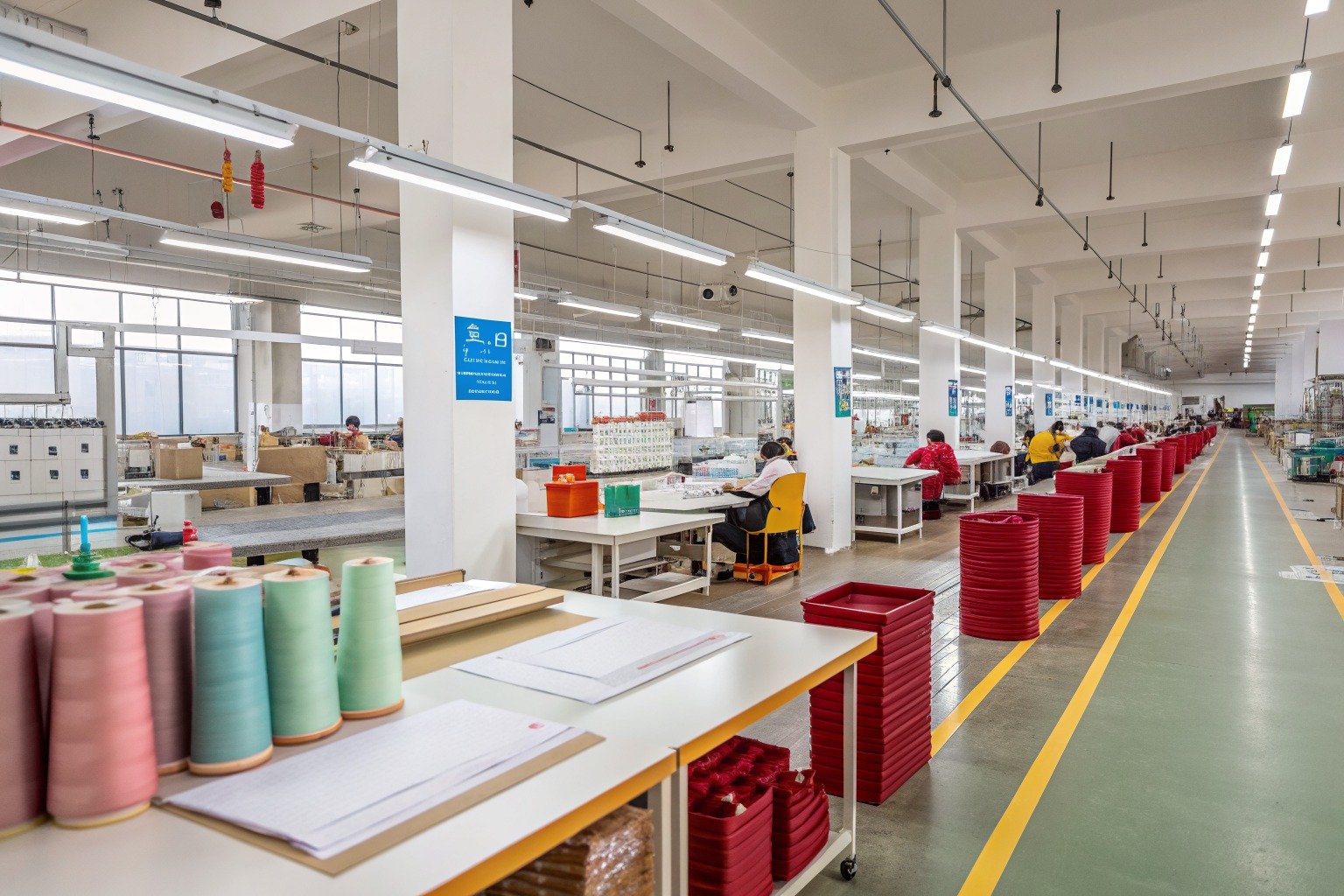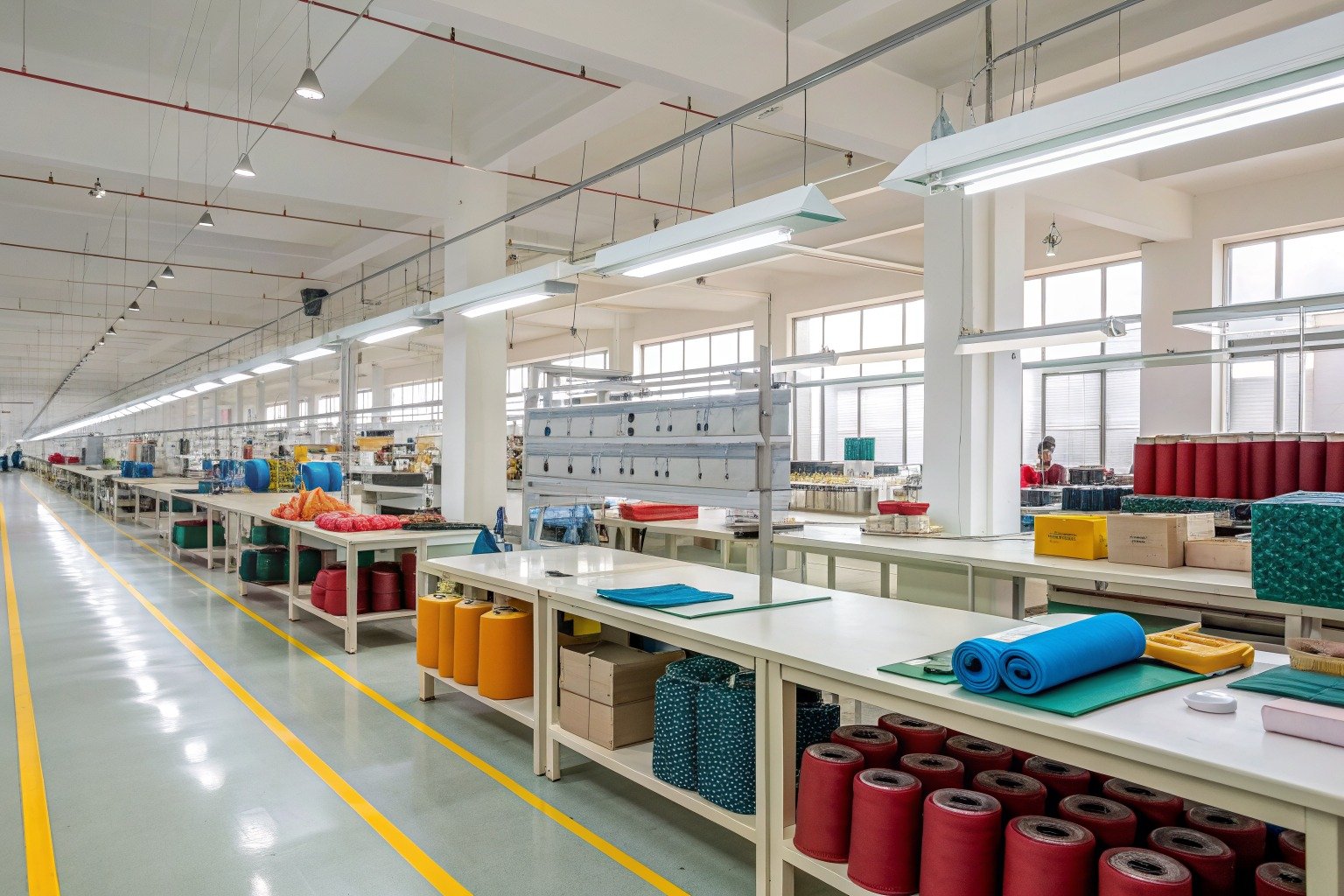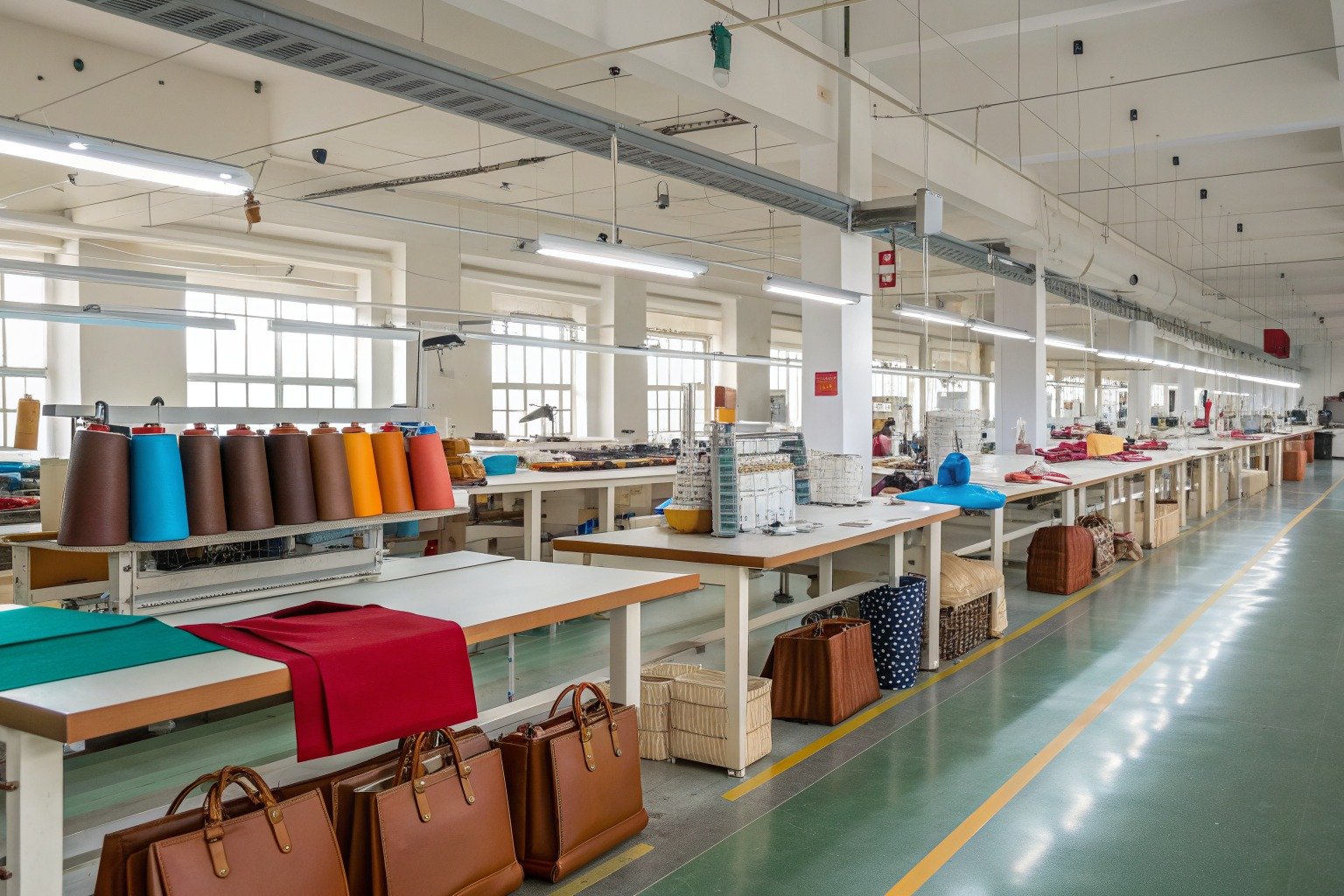
I have worked with hundreds of brands over the past 15 years. Some were huge supermarket chains. Some were small online stores just starting out. The ones who succeeded were the ones who knew exactly what they wanted. They had a clear vision of their brand. They knew the colors, the materials, the styles that represented them. And they found suppliers who understood that vision. I remember a client who came to me with a stack of photos. She had a small online store selling boho-style accessories. She showed me pictures of dried flowers, natural textures, earth tones. She said, “This is my brand. Everything I sell must feel like this.” I understood immediately. We worked together to source hair bands made from natural fibers, belts with raw leather finishes, and scarves in muted earth tones. Her customers loved the collection. Her brand grew. That experience taught me that sourcing accessories is not just about finding products. It is about finding products that tell your brand’s story.
Sourcing accessories that align with your brand’s aesthetic requires a structured approach that starts with defining your brand identity, then communicating that identity clearly to potential suppliers, and finally validating that the products match your vision. The process involves creating a detailed brand style guide that specifies your colors, materials, finishes, and design language. It involves researching suppliers who specialize in your aesthetic and can demonstrate relevant experience. It involves requesting samples that reflect your specifications and rigorously evaluating them against your standards. At Shanghai Fumao, we work with clients to understand their brand aesthetic before we produce a single sample. This alignment ensures that the final products not only meet quality standards but also reinforce the brand identity your customers recognize and trust.
You might be thinking, “I know my brand. I know what I want.” But I have learned that knowing it and communicating it effectively to a supplier are two different things. A supplier who does not understand your aesthetic will send you samples that are close but not quite right. The color is off. The finish is wrong. The vibe is different. This wastes time and money. That is why I want to walk you through the process of defining and communicating your brand aesthetic. When you do this well, you attract the right suppliers. You get samples that are right the first time. You build collections that your customers love.
How Do You Define Your Brand’s Accessory Aesthetic?
Before you can source accessories that match your brand, you have to know what your brand looks like. This sounds obvious. But I have worked with many clients who had a general idea but could not articulate the details. They would say, “I want modern accessories.” But modern can mean many things. Is it minimalist modern? Is it industrial modern? Is it Scandinavian modern? Without specifics, a supplier cannot deliver what you want.
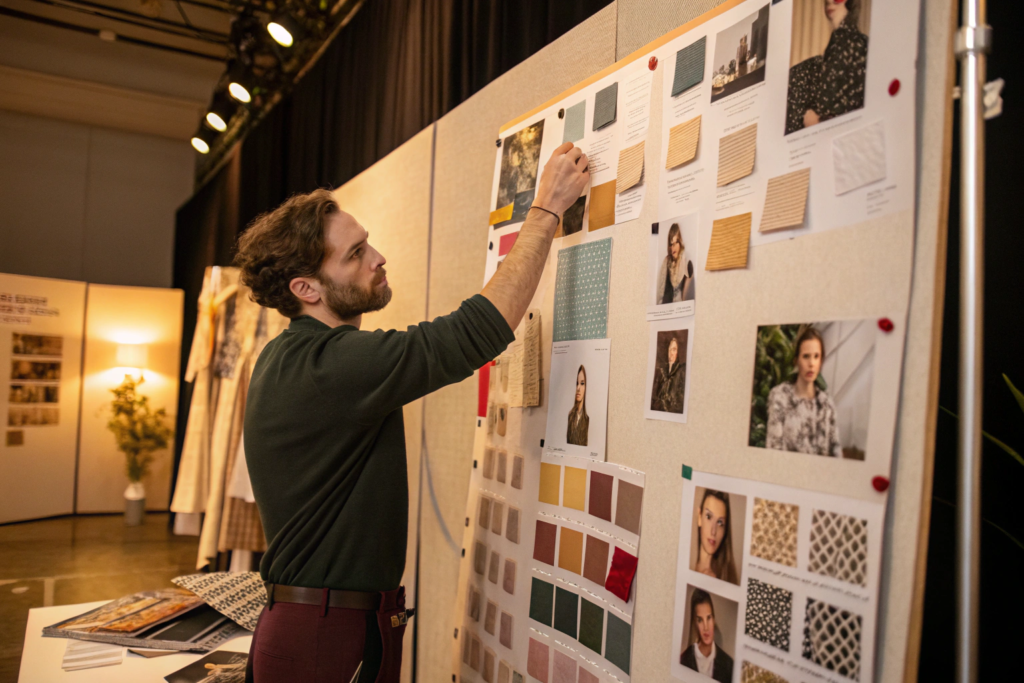
Defining your brand’s accessory aesthetic starts with creating a detailed style guide. This guide should include your brand colors with specific Pantone or hex codes. It should include your preferred materials, such as metals, fabrics, and finishes. It should include your design language—clean lines, organic shapes, vintage details, or bold graphics. It should include examples of accessories that fit your aesthetic, whether from your own past collections or from other brands you admire. The more specific you are, the easier it is for a supplier to understand and execute your vision. This style guide becomes the reference point for every sourcing decision.
I want to share a practical example. A client came to us wanting to source belts for their brand. They said their brand was "minimalist and modern." That was not enough. We asked them to show us examples. They sent photos of belts from Scandinavian brands. The belts had thin profiles, matte black buckles, and clean lines. They also sent a color palette: black, grey, and cognac. They specified that they wanted leather, not synthetic. With this information, we could source exactly what they wanted. The first samples were approved with minor changes. The collection was successful. The specificity saved time and ensured alignment.
What Should Be Included in a Brand Style Guide for Accessories?
A brand style guide for accessories should include several key elements. First, colors. Provide Pantone colors or hex codes for your brand palette. Specify which colors are primary and which are accents. Second, materials. List the materials that fit your brand. For hair bands, is it fabric, metal, resin, or a combination? For belts, is it leather, canvas, or synthetic? For scarves, is it silk, wool, or cotton? Third, finishes. Specify the surface treatment. Do you want polished metal or matte? Do you want shiny or textured fabric? Do you want antique or modern finishes? Fourth, design language. Describe the overall style. Is it geometric or organic? Is it bold or subtle? Is it vintage or contemporary? Fifth, target customer. Describe who you are selling to. This helps the supplier understand the context. Sixth, examples. Include photos of accessories that represent your aesthetic. These can be from your own products or from other brands. The brand style guide becomes the foundation of your sourcing efforts.
How Do You Balance Consistency with Trend Responsiveness?
This is a common challenge. You want your brand to be consistent. Customers should recognize your products. But you also need to respond to trends. A brand that never changes becomes stale. A brand that changes too much loses its identity. I have seen this balance managed well by clients who have a strong foundation. Their core aesthetic is consistent. Their colors, materials, and design language are stable. But they introduce trend elements within that framework. For example, a brand with a minimalist aesthetic might introduce a trending color for one season. The color is new, but the clean lines and simple shapes remain. A bohemian brand might introduce a new texture, like fringe, while keeping their earth tones and natural materials. We help our clients maintain this balance. We show them what is trending. We discuss how those trends can be adapted to their aesthetic. We produce samples that respect the brand identity while incorporating fresh elements. This approach keeps your accessory collection relevant without losing your core customers.
How Do You Find Suppliers Who Understand Your Aesthetic?
Not all suppliers are the same. Some specialize in mass-market, low-cost products. Some focus on high-end, fashion-forward designs. Some have experience with specific materials or styles. Finding a supplier who understands your aesthetic is as important as finding one who can meet your price and quality requirements. I have learned that the best partnerships start with alignment on design.
Finding suppliers who understand your aesthetic requires targeted research and clear communication. Start by looking for suppliers whose existing product lines align with your style. A supplier who already makes accessories in your preferred materials and finishes will have the expertise to execute your vision. Look at their website, their social media, and their product catalogs. Do their products look like something you would want to sell? If not, they are probably not the right partner. Next, communicate your brand style guide clearly. Provide it upfront. Ask if they have experience with your specific requirements. Request samples of their work that are closest to your aesthetic. A good supplier will be honest about what they can and cannot do.
I want to be honest with you. Not every supplier will be a good fit. That is okay. I have turned down clients when I knew we were not the right match. If a client wanted very low-cost, mass-market products, I would refer them to other factories. If a client wanted a very specific aesthetic that we did not have experience with, I would tell them. This honesty saves everyone time. A good supplier will do the same. They will tell you if your aesthetic aligns with their capabilities.
What Should You Look for in a Supplier’s Portfolio?
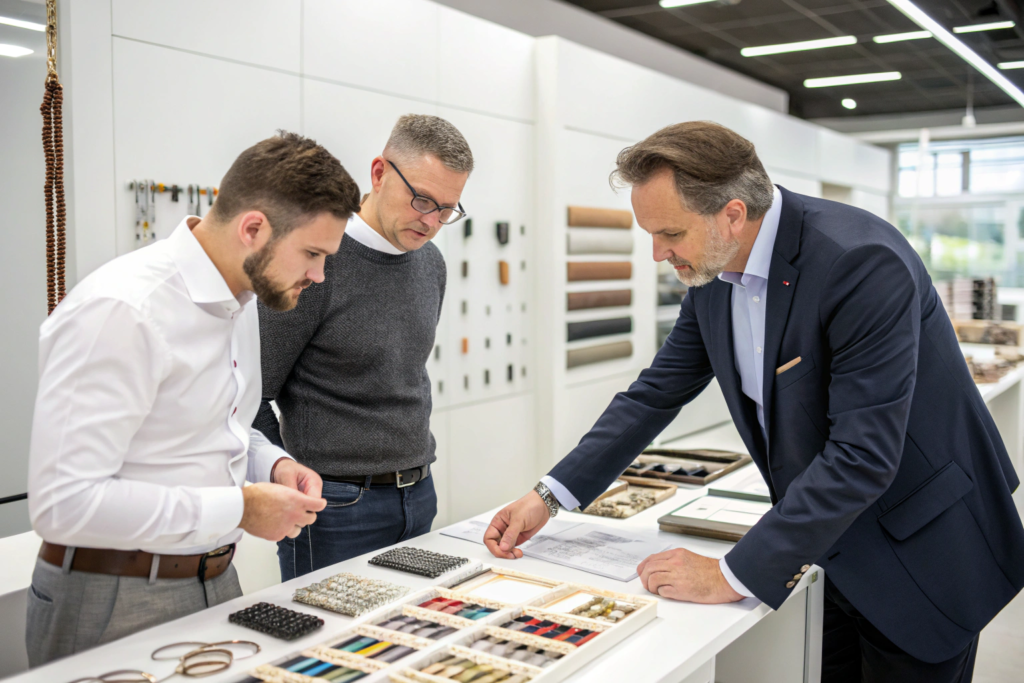
A supplier’s portfolio tells you a lot. Look at the products they have made for other clients. Do the products look high quality? Do they have the finishes and details you want? Do they show a range of styles? A supplier who only makes basic, unbranded products may not have the capability to execute a sophisticated aesthetic. Also look at the variety. A supplier who has made many different styles likely has the flexibility to work with you. Ask for references. Talk to other clients. Ask about the supplier’s ability to match specific colors and materials. Ask about their design process. Do they have in-house designers? Do they work from client specifications or do they create their own designs? A supplier with strong in-house design capabilities, like our team at AceAccessory, can be a valuable partner. They can help you refine your ideas and suggest options that fit your aesthetic.
How Do You Communicate Your Aesthetic to a Potential Supplier?
Communication is everything. I have seen miscommunications derail projects. The best way to communicate your aesthetic is visually. Provide your brand style guide. Include photos, color codes, and material samples. Show them what you like. Also show them what you do not like. This is just as important. A supplier who sees examples of what to avoid will make fewer mistakes. Be specific. Instead of saying "I want modern belts," say "I want belts with a 3 cm width, matte black buckle, and smooth leather finish." The more specific you are, the better. Also ask questions. Ask the supplier to summarize your requirements back to you. This confirms they understood. We always do this with our clients. After a discussion, we send a summary. We list the colors, materials, finishes, and style notes. We ask the client to confirm. This simple step prevents misunderstandings and ensures that we are aligned on the design vision.
How Do You Validate That Samples Match Your Brand Aesthetic?
Samples are the proof. This is where you see if your communication was effective. I have seen clients receive samples that were perfect. I have also seen clients receive samples that were completely wrong. The difference was in the validation process. You cannot assume that a sample will be right. You have to check it against your standards. And you have to give clear feedback.
Validating that samples match your brand aesthetic requires a systematic evaluation process. Compare the sample against your brand style guide. Check the color against your Pantone codes. Is it an exact match or just close? Check the material. Is it the specified leather, fabric, or metal? Check the finish. Is it the correct gloss level, texture, or patina? Check the design details. Do the proportions match your specifications? Are there any elements that feel off? Take photos of the sample next to your style guide. This creates a visual record. If the sample meets all your criteria, approve it. If it does not, provide specific, actionable feedback. Do not just say "this is not right." Say "the color needs to be two shades darker" or "the buckle should be matte, not polished." This clarity allows the supplier to make the correct adjustments.
I want to share a story about a sample that was almost right. A client wanted hair bands with a specific shade of dusty rose. The sample we sent was close, but not exact. The client sent us a photo of the sample next to a Pantone chip. She circled the difference. She wrote, "Needs to match this chip exactly." We went back to our dye house. We adjusted the formula. The second sample was perfect. If she had simply said "the color is off," we would have had to guess what she meant. By being specific, she saved us all time. The final product was exactly what she wanted.
How Do You Evaluate Color and Material Accuracy?
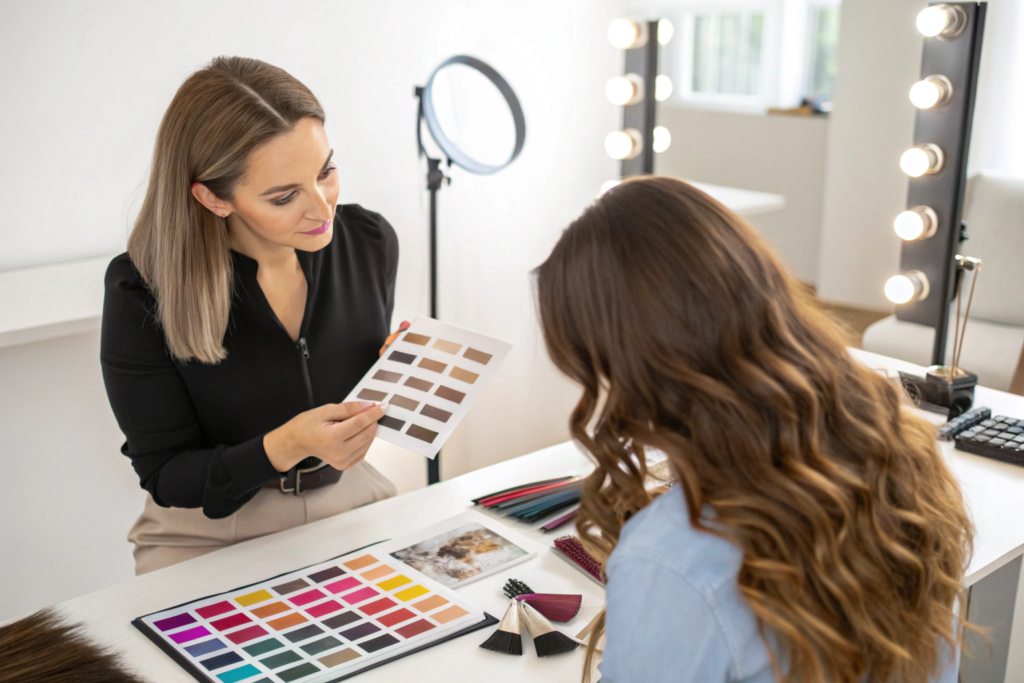
Color is one of the hardest things to get right. Colors look different under different lighting. They look different on screens. That is why we always work with physical color standards. Provide your supplier with a physical color chip or a Pantone swatch. Ask them to match it. When you receive a sample, compare it to the same swatch under natural light. Do not rely on memory. If the color is not exact, send the sample back with the swatch and clear instructions. Material accuracy is also critical. If you specified leather, does the sample feel like leather? If you specified a certain weight of cotton, does it feel right? We encourage our clients to keep a library of approved materials. When a material is approved, we note it. For future orders, we refer back to that approved standard. This consistency ensures that your brand colors and materials remain consistent across production runs.
What Is the Process for Sample Revisions?
Sample revisions are normal. I rarely have a client approve the first sample without any changes. The key is to manage the revision process efficiently. When you receive a sample, evaluate it against your style guide. List any changes needed. Be specific. Provide photos or reference images. Send your feedback to the supplier. The supplier will then make the changes and produce a new sample. This process continues until the sample meets your approval. We typically allow for two to three rounds of revisions. If a sample is not approved after three rounds, we stop and reassess. Usually, this means the communication was not clear. We go back to the specifications. We review the feedback. We make sure we understand exactly what is needed. This process ensures that we do not waste time on endless revisions. When you approve the final sample, that sample becomes the production standard. Every product in the production run will be compared to that approved sample. This sample approval process is critical for maintaining consistency.
How Do You Maintain Aesthetic Consistency Across Production Runs?
Getting the sample right is a major achievement. But your work is not done. The challenge is ensuring that the production run matches the approved sample. I have seen clients who approved a beautiful sample, but the production run was slightly different. The color was a shade off. The material had a different texture. This inconsistency damages your brand. Customers expect the same quality every time they buy from you. That is why we have systems to maintain consistency.
Maintaining aesthetic consistency across production runs requires strict quality control and clear communication of standards. The approved sample becomes the master standard. It is kept in a designated area and is used for comparison throughout production. Our quality control team checks the first pieces off the production line against the sample. They check the color, material, finish, and construction. If the first pieces match, production continues. If they do not, we stop and adjust. We also take random samples throughout the production run and compare them to the standard. This continuous checking ensures that the entire order meets the approved specifications. We also keep records of all approved materials and finishes. When you reorder the same product, we refer to these records. This ensures that your second order matches your first order.
I want to explain why consistency is challenging. Materials vary between batches. Dye lots can have slight differences. Leather from different hides can have different textures. A good supplier manages these variations. They buy enough material for the entire order from the same batch. They test colors before starting production. They inspect continuously. This is what we do. For your brand, this means that every customer who buys your accessory gets the same quality and the same look.

How Do We Manage Color Consistency Across Orders?
Color consistency is one of the biggest challenges in accessory manufacturing. Different dye lots can have slight variations. For example, a batch of black fabric might have a slightly different undertone from the previous batch. To manage this, we take specific steps. When you approve a color, we create a physical standard. We keep that standard. When we receive new material for a production run, we compare it to the standard. If the material is not a match, we reject it. We also use spectrophotometers to measure color. These machines provide numerical color values. This takes the guesswork out of color matching. We can tell if the color is within the acceptable tolerance. For clients who reorder the same product, we refer to the original color standard. We do not rely on memory or digital files. We use the physical standard. This ensures that the color of your hair bands or scarves is consistent from one order to the next. We document all of this in our quality control system.
What Records Do We Keep to Ensure Consistency?
We keep detailed records for every product we make. These records include the approved sample. They include the material specifications. They include the color standards. They include the production notes. When you reorder a product, we pull these records. We know exactly what material to order. We know the exact color formula. We know the production process. This allows us to replicate the product precisely. We also keep a sample from each production run. This sample is retained for future reference. If there is ever a question about a product, we have a physical record. This system is essential for brands that want to offer consistent products over time. Your customers expect that a belt they buy this year will match a belt they bought last year. Our record-keeping system ensures that expectation is met.
Conclusion
Sourcing accessories that align with your brand’s aesthetic is not just about finding products. It is about finding partners who understand your vision. It is about communicating that vision clearly. It is about validating that the products match your standards. And it is about maintaining consistency over time.
I have built AceAccessory on the principle that every client is unique. Your brand is not like any other. Your colors, your materials, your design language are specific to you. My job is to understand that and to translate it into products that your customers will love.
The process starts with you. Define your aesthetic. Create a style guide. Be specific about what you want and what you do not want. Then find suppliers who have the experience and capability to execute your vision. Look at their portfolios. Ask for samples. Communicate clearly. And when you find a supplier who gets it, build a relationship. The best results come from long-term partnerships.
At Shanghai Fumao, we are ready to be that partner. We have the design expertise, the manufacturing capability, and the quality control systems to bring your brand vision to life. Whether you need hair bands, belts, scarves, or any other accessory, we will work with you to ensure that every product reflects your brand.
Please contact our Business Director, Elaine, at elaine@fumaoclothing.com to discuss your brand’s aesthetic and how we can create accessories that align perfectly with your vision. We can help you define your style guide, select the right materials, and produce products that your customers will recognize and trust.