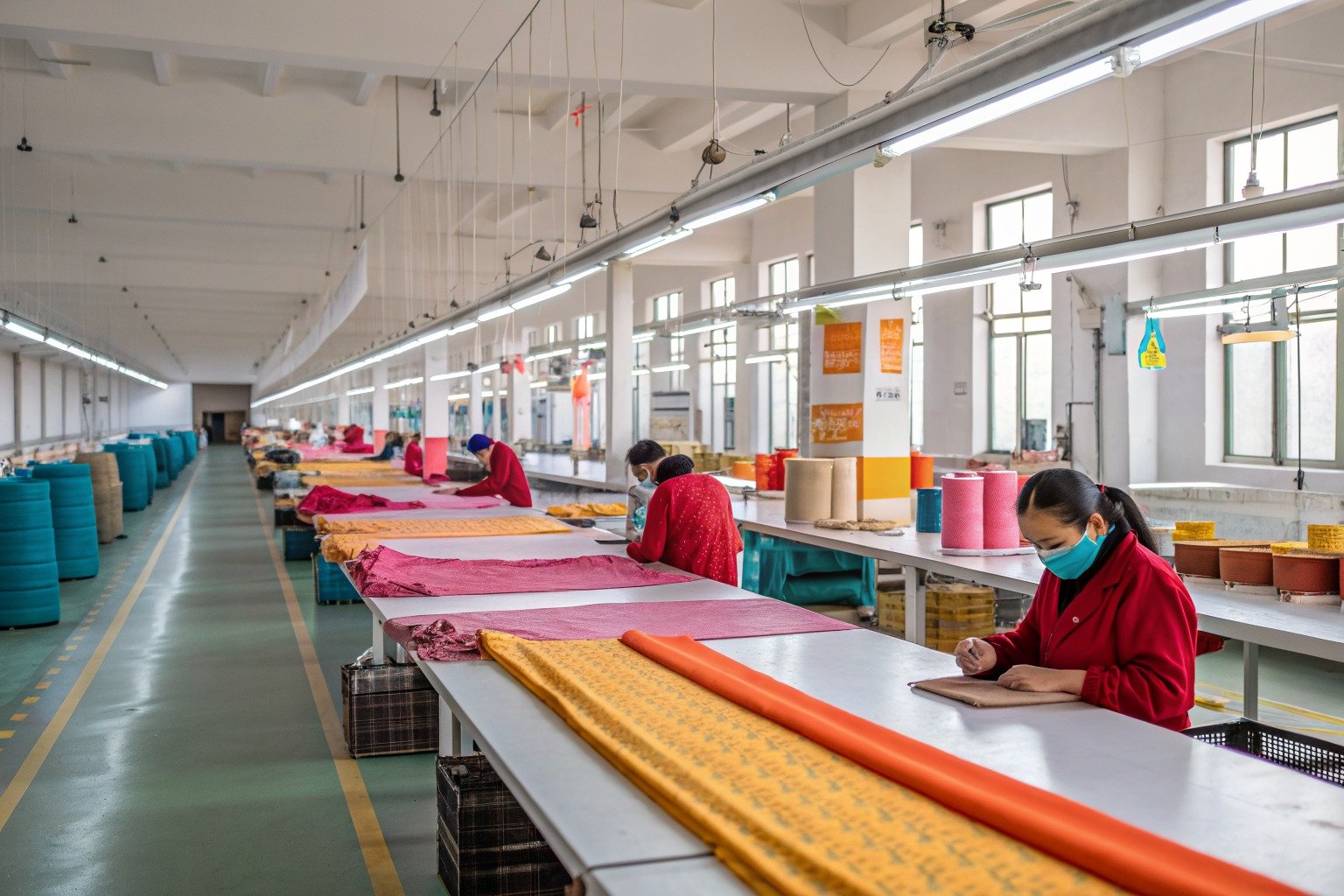
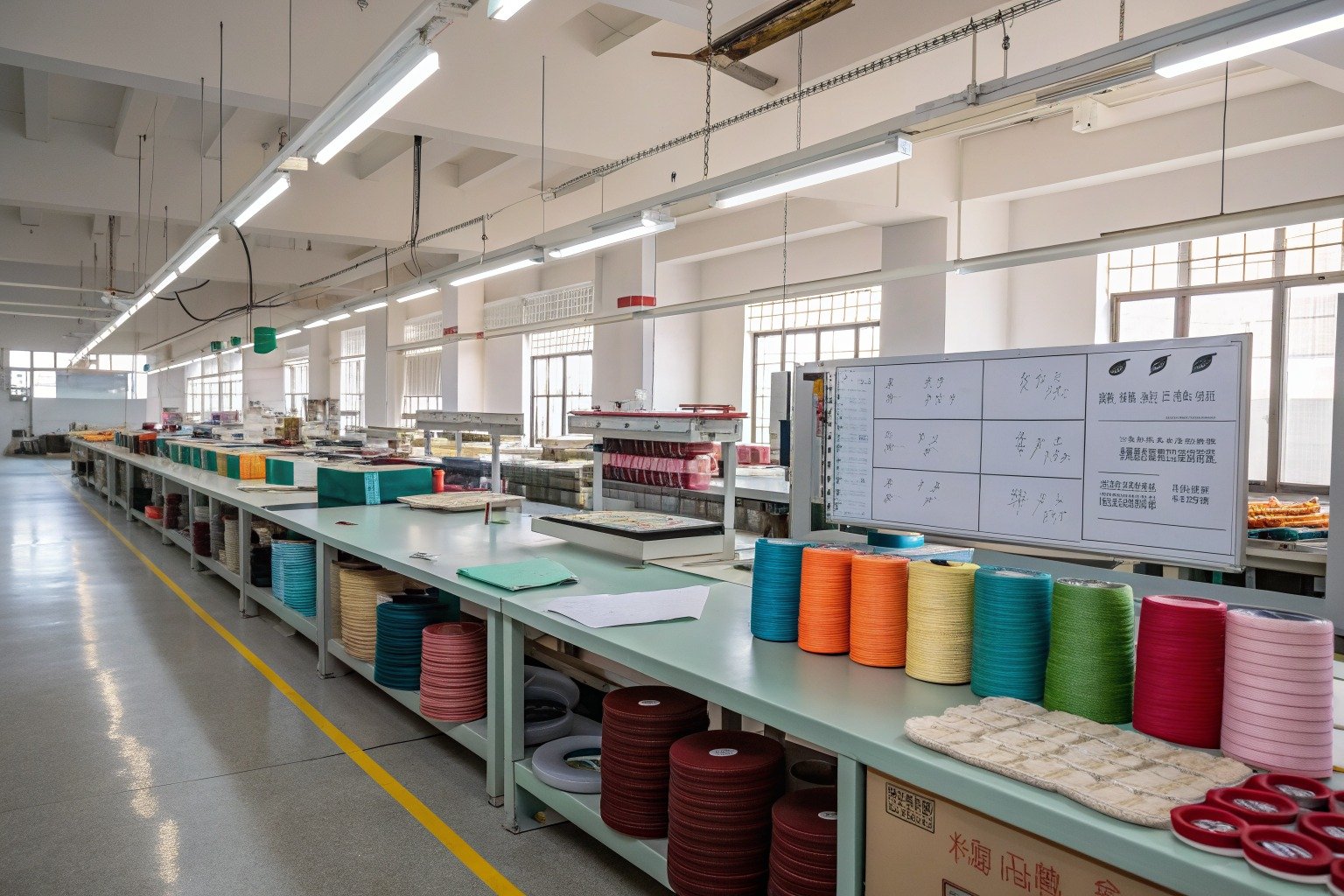
The integration of Internet of Things (IoT) technology has revolutionized quality control in accessory manufacturing, moving beyond traditional manual inspection to create intelligent, data-driven quality assurance systems. At AceAccessory, our implementation of IoT sensors has transformed how we monitor, maintain, and enhance quality throughout the production process.
IoT sensors control accessory quality through real-time production monitoring, precise measurement verification, environmental condition tracking, automated defect detection, and comprehensive data analytics that enable proactive quality management. These connected systems create a seamless quality assurance framework that significantly outperforms traditional inspection methods.
The application of IoT in quality control represents a fundamental shift from reactive problem-solving to predictive quality assurance. Let’s explore how these smart sensors are revolutionizing accessory quality management.
How do IoT sensors monitor production processes in real-time?
IoT sensors provide continuous, granular monitoring of production equipment and processes, enabling immediate detection of deviations that could compromise accessory quality.
IoT sensors monitor production processes through equipment performance tracking, process parameter verification, material flow monitoring, and operational condition assessment that collectively ensure consistent manufacturing quality.
What production parameters do IoT sensors track?
Comprehensive process monitoring covers every aspect of accessory manufacturing. Our facilities utilize sensors that track:
- Equipment operating parameters including temperature, speed, and pressure for injection molding machines
- Tool wear indicators that predict when cutting, stamping, or forming tools need replacement
- Assembly force measurements ensuring consistent pressure application during component joining
- Cycle time consistency detecting variations that might indicate developing problems
These sensors have reduced equipment-related quality issues by 67% by identifying problems before they affect production. For example, our metal stamping sensors detected a 0.2mm tool wear deviation that would have caused imperfect jewelry clasps, allowing replacement before defective production occurred.
How do environmental sensors maintain production quality?
Controlled manufacturing conditions are crucial for consistent accessory quality. Our IoT environmental monitoring includes:
- Temperature and humidity sensors ensuring optimal conditions for material handling
- Air quality monitors detecting particulates that could affect surface finishes
- Vibration sensors identifying equipment vibrations that might cause alignment issues
- Lighting condition sensors maintaining consistent illumination for visual inspection stations
This environmental monitoring has been particularly valuable for sensitive processes like metal plating and precision assembly, where subtle environmental changes can significantly impact quality outcomes.

How do IoT systems verify accessory specifications?
Beyond process monitoring, IoT sensors directly measure accessory characteristics to ensure they meet precise design specifications and quality standards.
IoT systems verify accessory specifications through dimensional accuracy checking, material property verification, functional testing, and surface quality assessment that automatically validate product quality.
How do sensors measure dimensional accuracy?
Precision measurement systems automatically verify that accessories meet exact size specifications. Our facilities employ:
- Laser measurement sensors that check critical dimensions with 0.01mm accuracy
- Vision systems with high-resolution cameras that compare products against digital templates
- Profile scanners that create 3D models of accessories and compare them to design specifications
- Thickness gauges that verify material consistency throughout production
These systems have improved our dimensional consistency by 89% and eliminated the manual measurement variations that previously caused 12% of our quality issues. The table below shows key measurement applications:
| Accessory Type | Critical Measurements | IoT Sensor Type | Tolerance |
|---|---|---|---|
| Jewelry | Chain link size, clasp dimensions | Laser micrometer | ±0.05mm |
| Hair Accessories | Spring tension, clip alignment | Force sensors, vision systems | ±2% |
| Belts | Hole spacing, thickness consistency | Optical encoders, thickness gauges | ±0.1mm |
| Bags | Stitch length, hardware placement | Vision systems, proximity sensors | ±0.3mm |
How do IoT sensors test functional performance?
Automated functional verification ensures accessories work as intended. Our systems include:
- Cycle testing sensors that automatically open and close clasps to verify durability
- Tension measurement for elastic components in hair accessories and wearable items
- Electrical continuity testing for smart accessories with electronic components
- Water resistance verification for accessories requiring moisture protection
This automated functional testing has reduced manual testing time by 84% while improving test consistency and documentation. Each test generates detailed performance data that feeds into our quality analytics platform.

How do IoT systems detect and prevent defects?
IoT-enabled quality systems don’t just identify defects—they predict and prevent them through advanced analytics and real-time process adjustments.
IoT systems detect and prevent defects through pattern recognition, predictive analytics, automated process control, and early warning systems that address quality issues before they result in defective products.
How do IoT sensors identify emerging defect patterns?
Anomaly detection algorithms analyze sensor data to identify subtle patterns indicating developing problems. Our systems detect:
- Gradual parameter drift in equipment that might lead to quality issues
- Statistical process control violations that indicate process instability
- Correlation patterns between multiple parameters that predict defects
- Temporal patterns showing when quality tends to deteriorate during production runs
These detection capabilities have allowed us to address 73% of potential quality issues before they resulted in defective products. For instance, we identified that a 0.5°C temperature increase in our plastic injection process correlated with surface imperfections 45 minutes later, enabling preemptive adjustment.
How does IoT enable predictive maintenance for quality?
Equipment health monitoring prevents quality issues caused by deteriorating machinery. Our predictive maintenance system:
- Monitors vibration patterns to identify developing mechanical issues
- Tracks temperature profiles detecting abnormal equipment heating
- Analyzes power consumption patterns that indicate efficiency losses
- Monitors component wear through direct measurement and indirect indicators
This approach has reduced quality incidents caused by equipment failure by 82% and extended equipment lifespan by 34% while maintaining consistent output quality. Maintenance is now scheduled based on actual need rather than fixed intervals, optimizing both quality and operational efficiency.

How does IoT enhance material quality control?
Material quality fundamentally determines final product quality, with IoT systems providing unprecedented visibility and control over material characteristics and handling.
IoT enhances material quality control through incoming material verification, storage condition monitoring, handling process tracking, and material usage optimization that ensure only optimal materials enter production.
How do sensors verify incoming material quality?
Automated material inspection ensures all materials meet specifications before production. Our systems include:
- Spectrophotometers that verify color consistency of dyes and materials
- Material composition analyzers that verify alloy mixes and fabric blends
- Surface quality scanners that detect imperfections in leather, metals, and plastics
- Physical property testers that measure hardness, flexibility, and strength
These automated material checks have reduced material-related quality issues by 76% and eliminated the subjective visual assessments that previously caused consistency problems between different material batches.
How do environmental sensors protect material quality?
Condition monitoring throughout storage and handling prevents material degradation. We monitor:
- Temperature and humidity in storage areas to prevent material deterioration
- UV exposure for materials sensitive to light degradation
- Stock rotation ensuring first-in-first-out material usage
- Handling conditions tracking how materials are moved and stored
This comprehensive monitoring has been particularly valuable for natural materials like leather and specialty fabrics that can be significantly affected by storage conditions. We’ve eliminated the seasonal quality variations we previously experienced with humidity-sensitive materials.

How does IoT data analytics improve quality management?
The true power of IoT in quality control lies in the analytics that transform sensor data into actionable insights and continuous improvement initiatives.
IoT data analytics improve quality management through trend analysis, root cause identification, performance benchmarking, and predictive modeling that drive systematic quality enhancement.
How does IoT analytics identify quality improvement opportunities?
Pattern recognition and correlation analysis reveal relationships not apparent through manual inspection. Our analytics platform:
- Identifies subtle correlations between process parameters and quality outcomes
- Tracks quality performance across different production lines and shifts
- Analyzes defect clusters to identify common root causes
- Models quality impact of proposed process changes before implementation
These analytics have identified 142 specific improvement opportunities in our first year of implementation, with 89 already implemented and delivering measurable quality improvements. The most significant discovery was identifying that a specific cleaning compound residue was causing adhesion issues in decorated accessories—a problem that had persisted for months without identification through traditional methods.
How does IoT enable closed-loop quality control?
Automated process adjustment creates self-optimizing production systems. Our implementation includes:
- Real-time parameter adjustment based on quality measurement feedback
- Automatic equipment calibration when sensors detect deviation trends
- Dynamic quality threshold adjustment based on historical performance data
- Automated alert escalation when quality trends indicate emerging issues
This closed-loop approach has created what we call "self-healing production lines" that automatically maintain optimal quality conditions. The system has reduced quality-related downtime by 64% and improved overall equipment effectiveness by 28% while maintaining consistently high quality standards.

Conclusion
IoT sensors have fundamentally transformed accessory quality control from a reactive, sampling-based activity to a proactive, comprehensive system that ensures consistent excellence throughout manufacturing. By providing real-time visibility, precise measurement, predictive capabilities, and data-driven insights, IoT technology has elevated quality standards while reducing costs and inefficiencies.
The manufacturers who fully embrace IoT quality systems gain significant competitive advantages through superior product consistency, reduced waste, enhanced customer satisfaction, and continuous quality improvement. As IoT technology continues to advance, its role in quality control will only become more sophisticated and integral to manufacturing excellence.
If you’re interested in implementing IoT quality control systems for your accessory production, we invite you to contact our Business Director, Elaine. She can guide you through our IoT implementation experience and help you develop a quality strategy leveraging these advanced technologies. Reach her at: elaine@fumaoclothing.com.