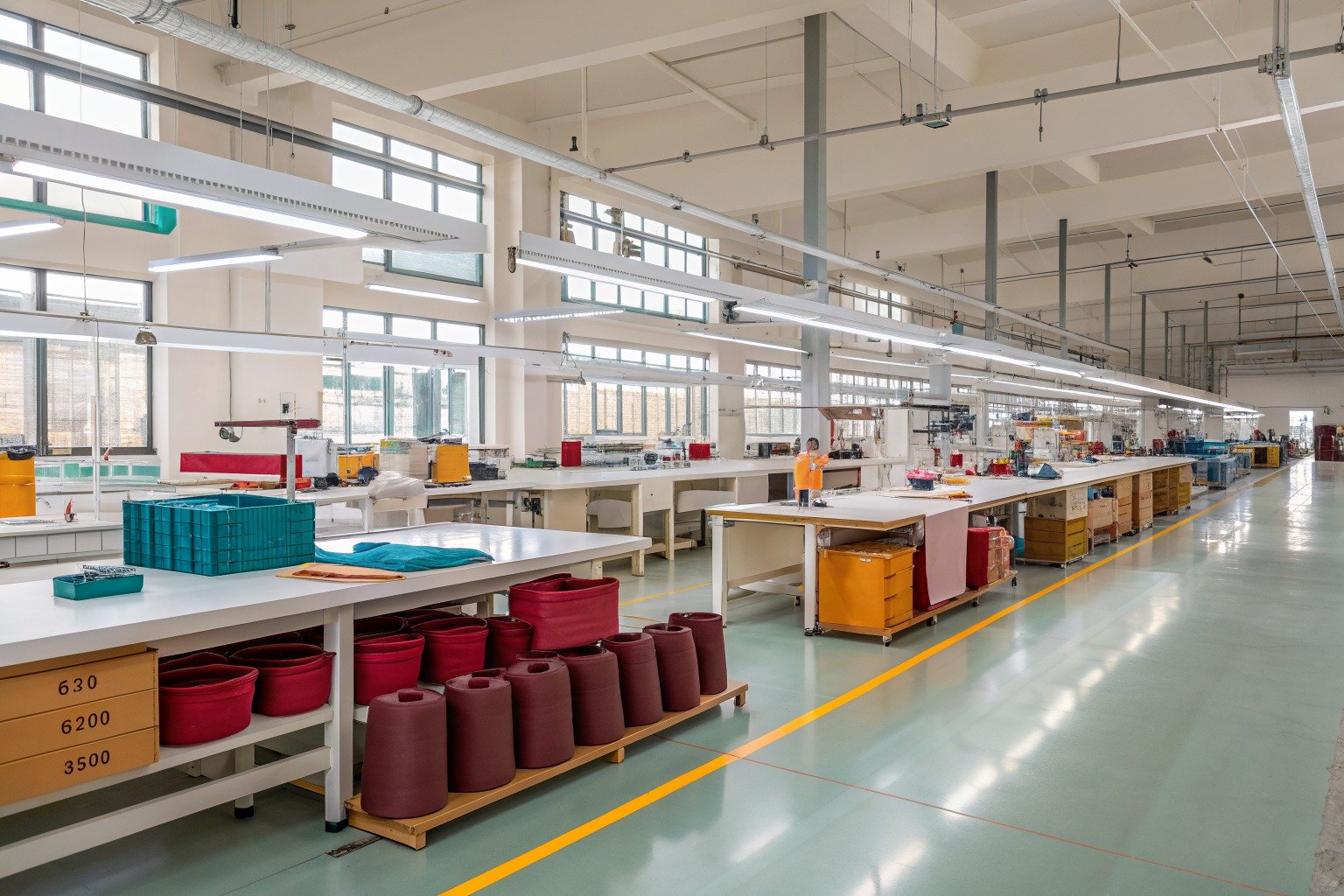
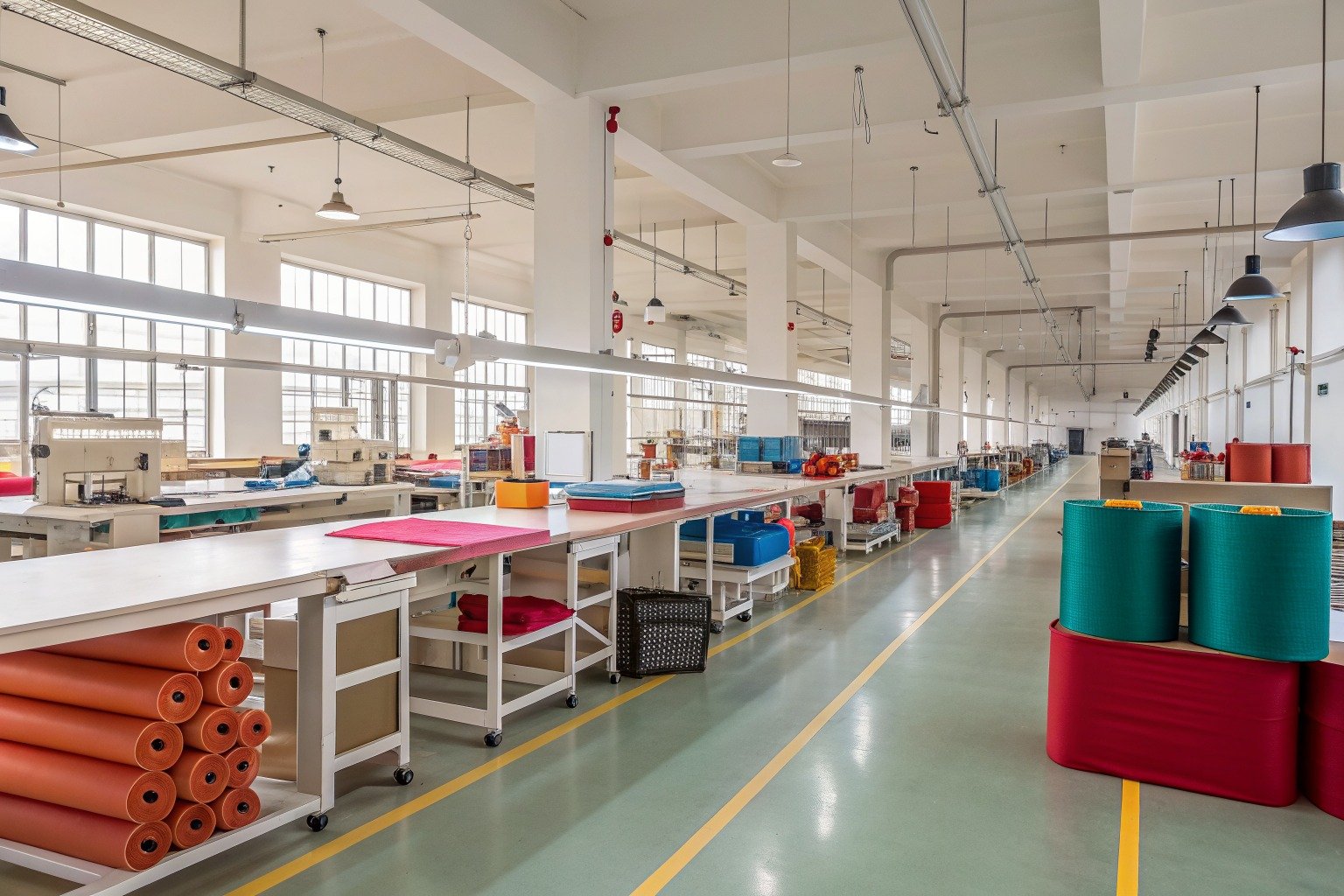
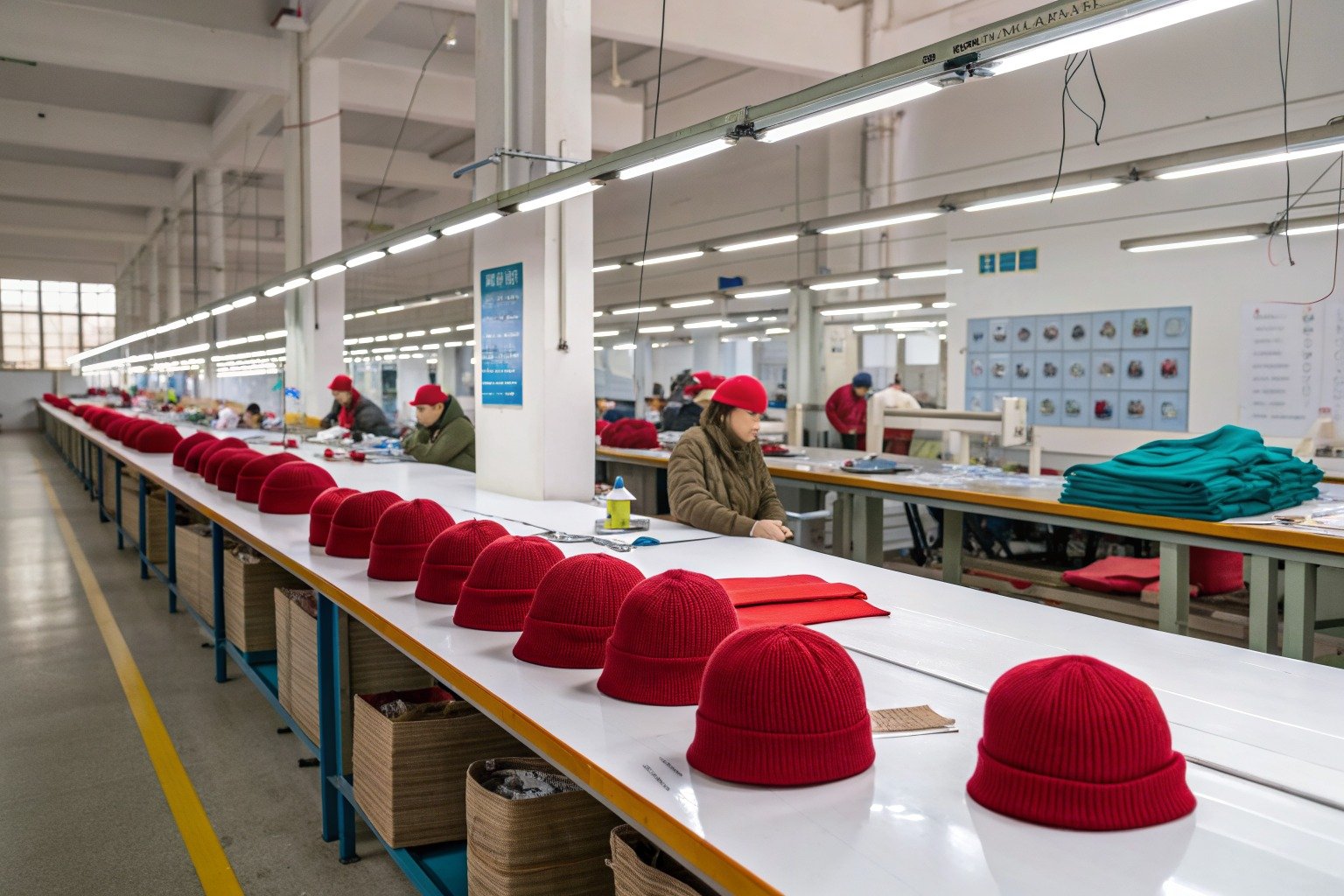
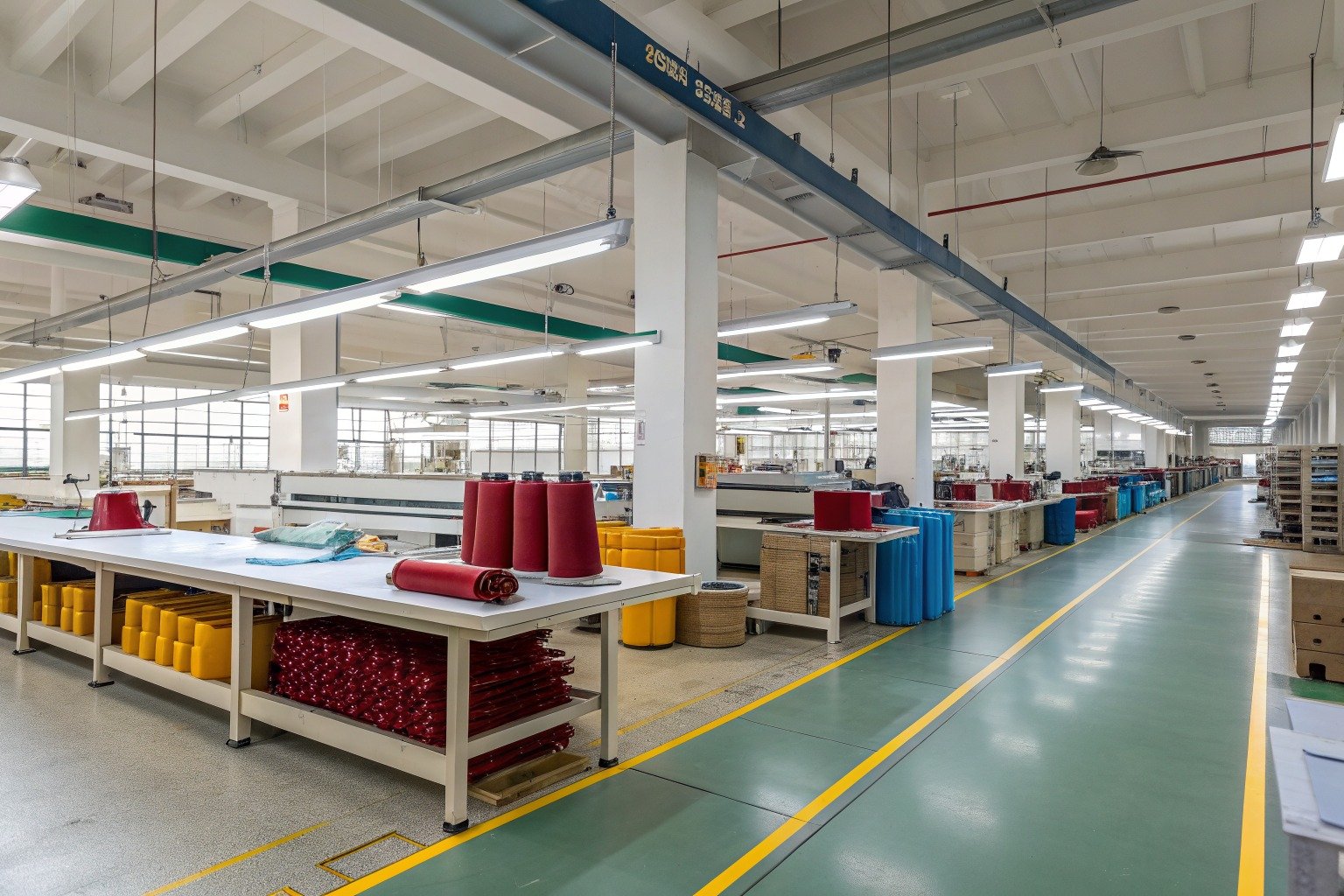
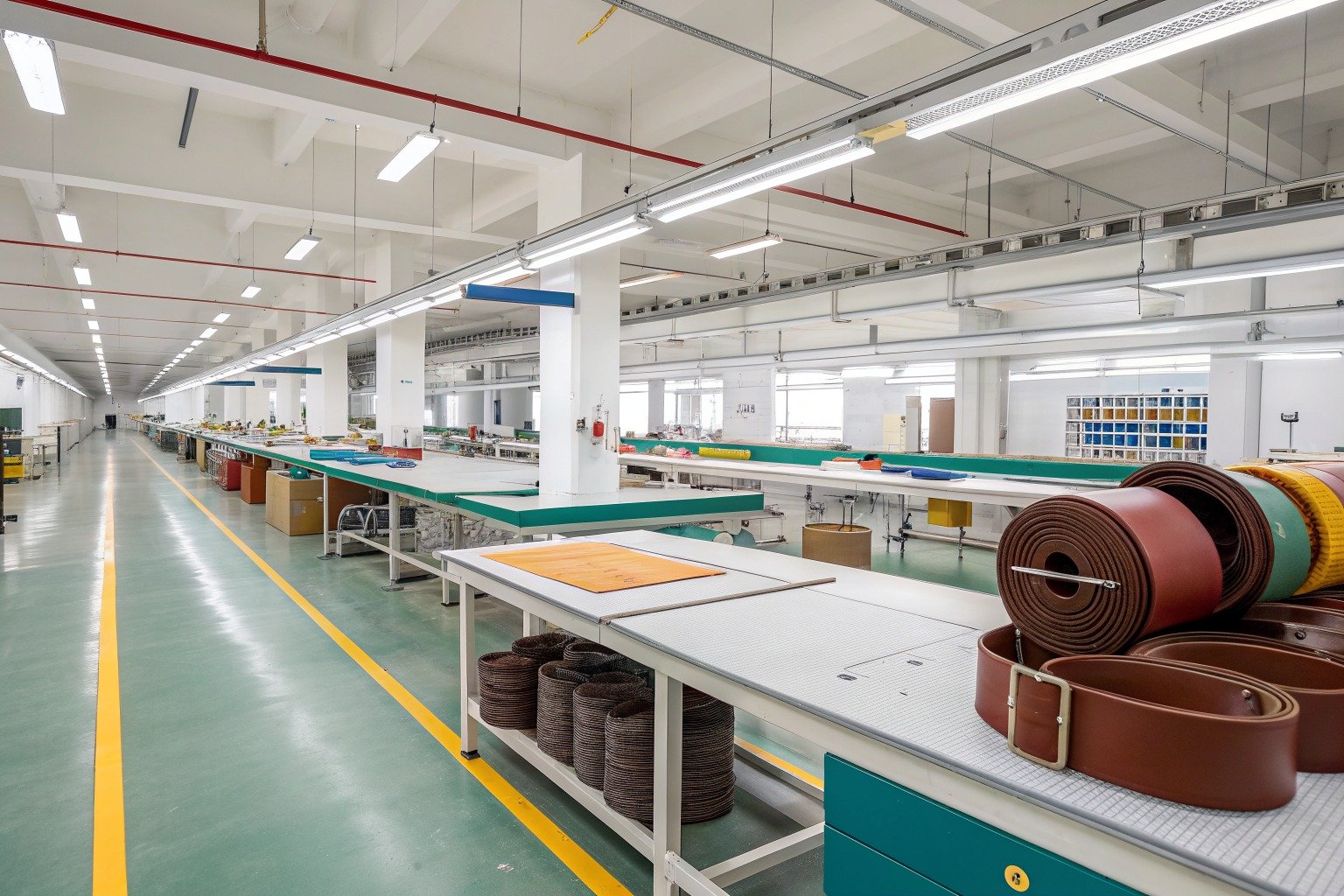
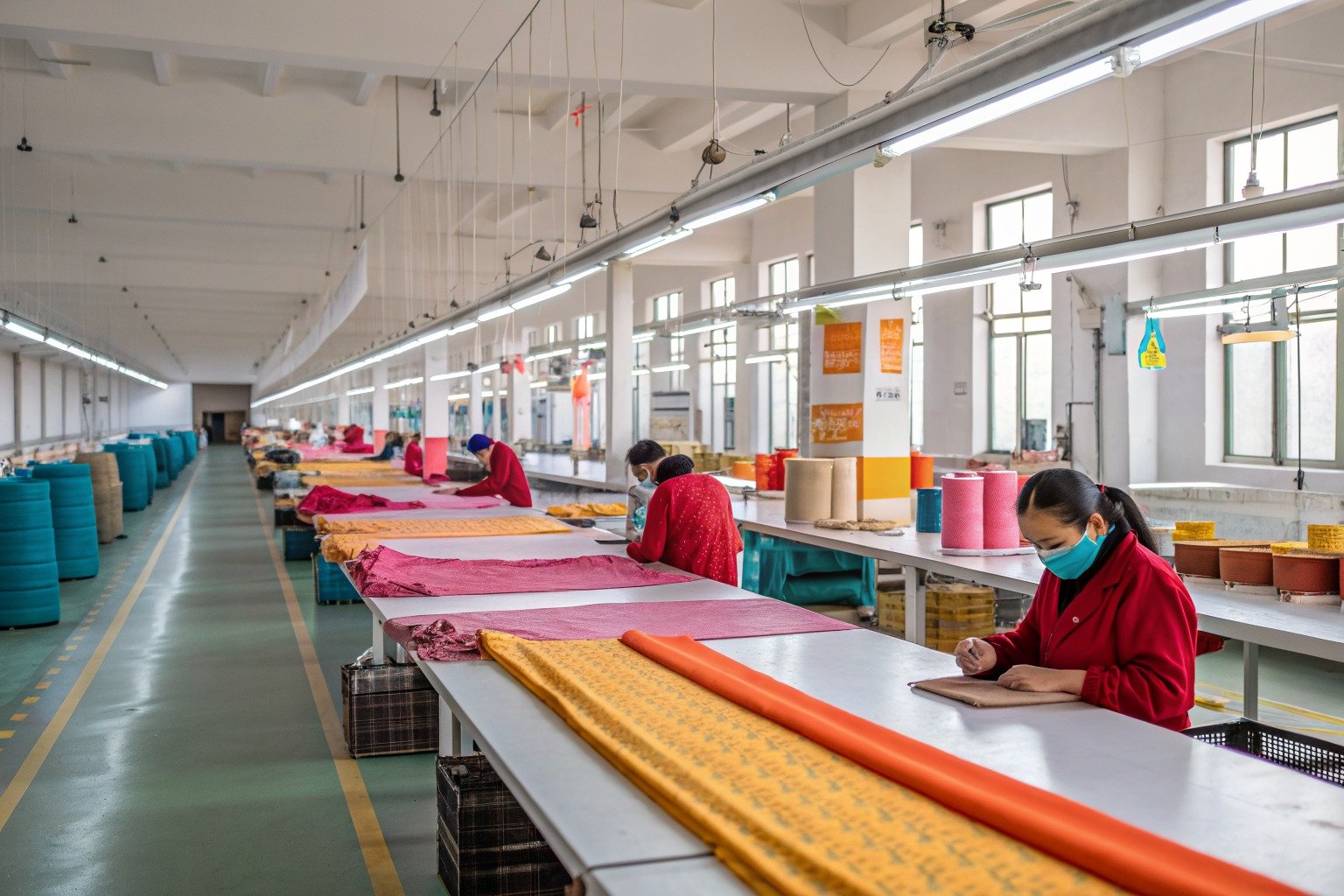
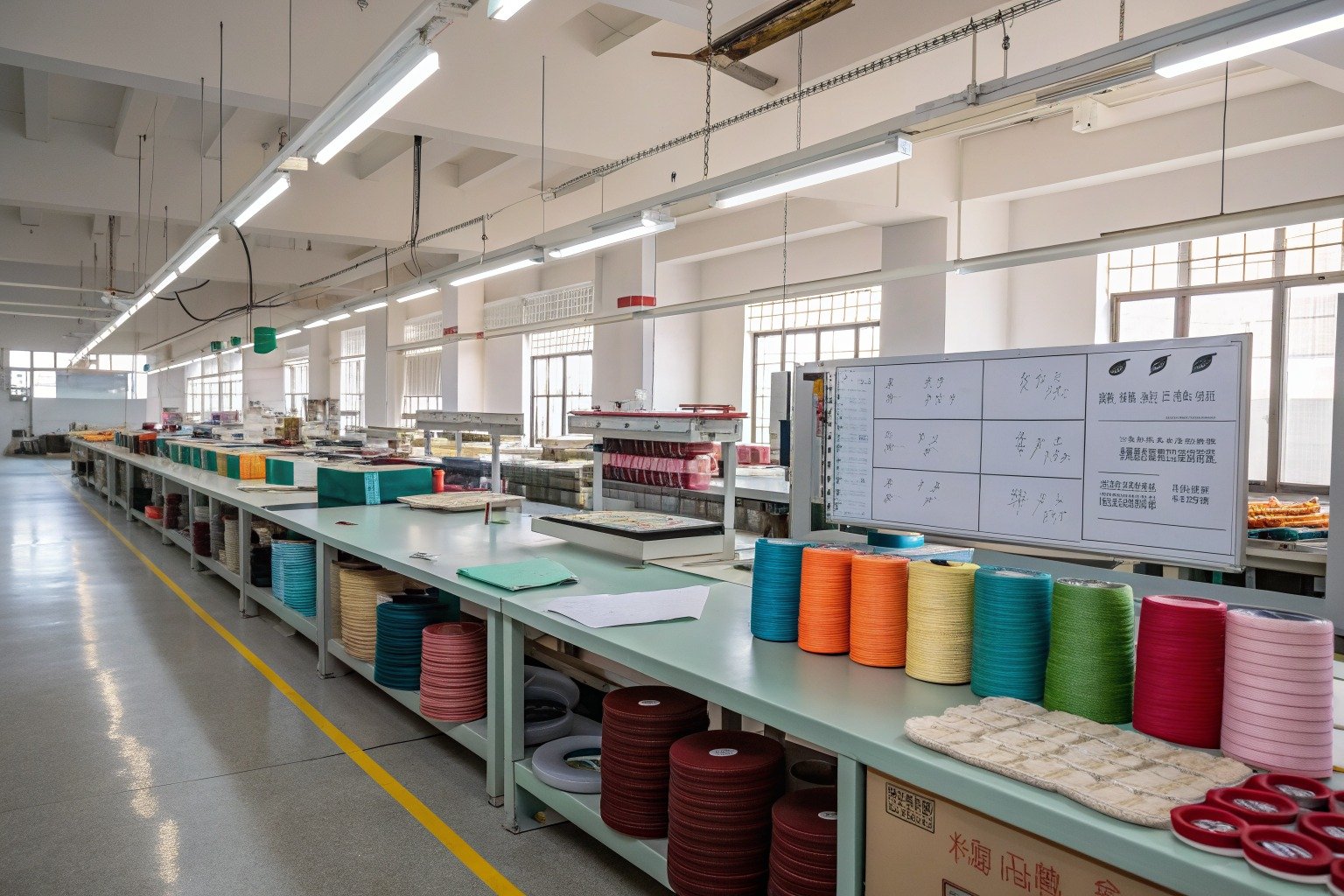
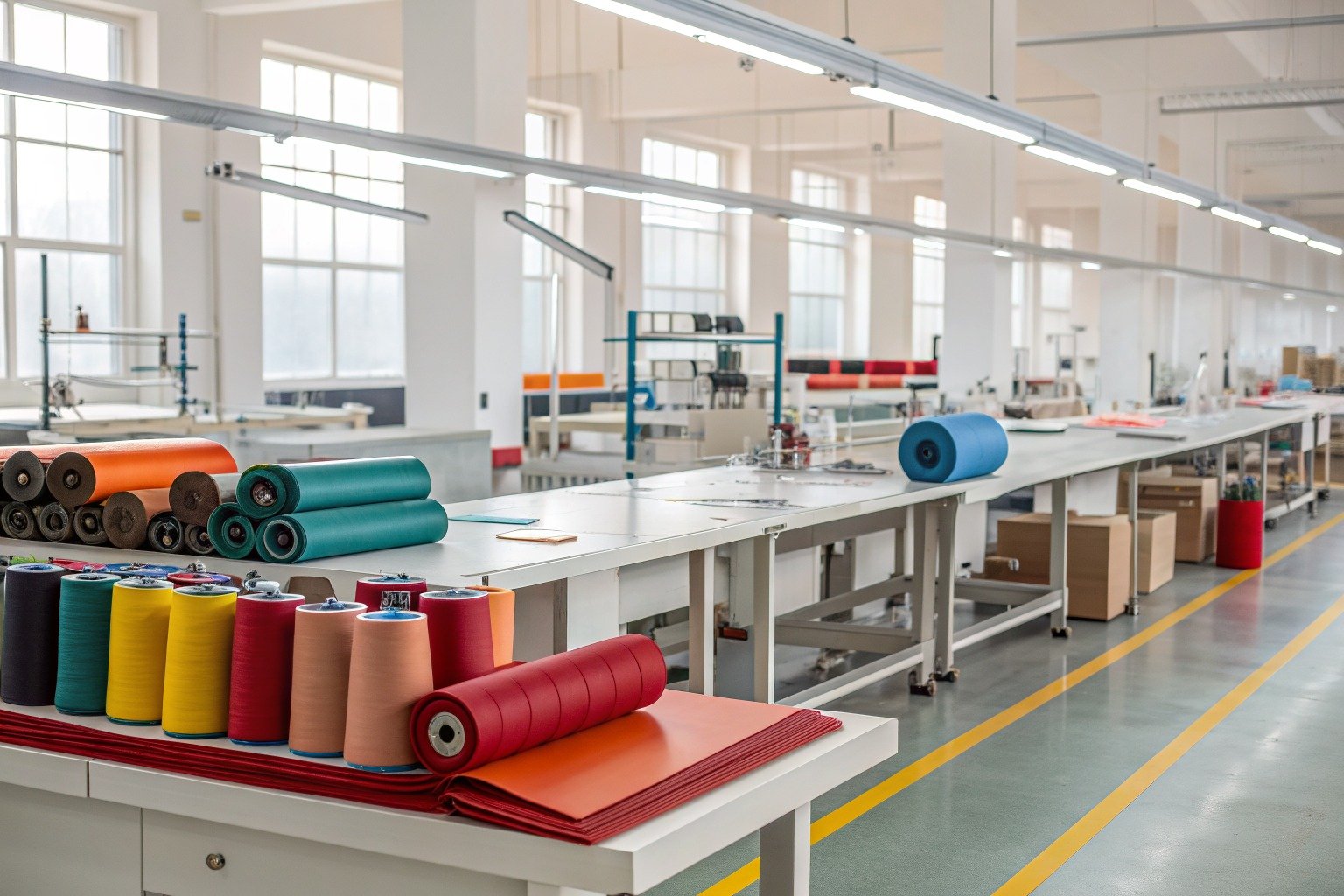
Customization has become a significant trend in the fashion accessory industry, allowing brands to offer personalized products that resonate with individual consumer preferences. At AceAccessory, we’ve developed comprehensive customization systems that balance creative possibilities with manufacturing feasibility.
Customizing fashionable accessories requires clear design specifications, appropriate material selection, feasible production techniques, quality control standards, and efficient logistics coordination. These elements ensure that customized accessories meet both aesthetic expectations and functional requirements while remaining commercially viable.
Successful customization involves careful planning and execution across multiple aspects of product development and manufacturing. Let’s explore the key requirements for creating customized fashionable accessories.
What design specifications are needed for customization?
Clear and comprehensive design specifications form the foundation of successful accessory customization, ensuring that creative visions are accurately translated into physical products.
Design specifications for customized accessories include detailed technical drawings, material requirements, color standards, dimension tolerances, and functional specifications that guide the manufacturing process.
How detailed should technical drawings be for customization?
Comprehensive technical documentation ensures accurate interpretation of custom designs. Our customization process requires:
- Dimensioned drawings with precise measurements for all components
- Material callouts specifying exact materials for each element
- Color standards using Pantone codes or physical color standards
- Finish specifications defining surface treatments and textures
- Assembly details showing how components connect and function
We provide clients with detailed templates that capture all necessary specifications, which has reduced customization errors by 78% compared to informal design descriptions. The most successful custom projects include both visual references and precise technical data to ensure manufacturing accuracy.
What role do digital tools play in design specification?
3D modeling and visualization have revolutionized customization specification. We utilize:
- 3D configurators that allow clients to visualize customizations in real-time
- Augmented reality tools that show how customized accessories will look in use
- Digital material libraries that accurately represent colors and textures
- Virtual prototyping that identifies potential issues before manufacturing
These digital tools have increased client satisfaction with custom orders by 64% by ensuring expectations align with manufacturing realities before production begins. Clients can make informed decisions about their customizations with realistic previews of final outcomes.

What material considerations affect customization?
Material selection significantly impacts both the creative possibilities and practical feasibility of accessory customization, requiring careful evaluation of availability, compatibility, and performance.
Material considerations for customization include availability in small quantities, compatibility with manufacturing processes, consistency between batches, and performance characteristics that meet usage requirements.
How does material availability impact customization options?
Sourcing flexibility determines which customization options can be realistically offered. We categorize materials as:
- Standard materials regularly stocked and readily available for customization
- Special order materials available with reasonable lead times (2-6 weeks)
- Limited availability materials with extended lead times or minimum quantity requirements
- Experimental materials requiring testing and validation before use
This categorization helps set realistic expectations with clients about which customizations can be delivered within their timeframe and budget. The table below shows our material availability framework:
| Material Type | Lead Time | Minimum Quantity | Customization Level |
|---|---|---|---|
| Standard Stock | Immediate | None | High flexibility |
| Catalog Special | 2-4 weeks | Low minimum | Good flexibility |
| Made-to-Order | 4-8 weeks | Medium minimum | Limited flexibility |
| Experimental | 8-12+ weeks | High minimum | Restricted availability |
What material compatibility factors must be considered?
Technical compatibility ensures customized materials work well together and with manufacturing processes. We evaluate:
- Physical properties like hardness, flexibility, and weight
- Chemical compatibility for finishes, adhesives, and coatings
- Manufacturing constraints for specific materials and processes
- Performance requirements based on intended use and wear conditions
This compatibility analysis has prevented 92% of material-related customization failures by identifying potential issues before production. For example, we identified that a client’s requested metal-plated plastic components would not withstand their intended usage conditions, allowing us to suggest alternative materials that met both aesthetic and functional requirements.

What production capabilities support customization?
Effective customization requires specific production capabilities that can efficiently handle variable orders while maintaining quality standards and reasonable costs.
Production capabilities for customization include flexible manufacturing systems, skilled craftsmanship, adaptable quality control, and efficient workflow management that accommodates variable requirements.
How do manufacturing systems handle customization variability?
Adaptable production approaches balance efficiency with flexibility. Our facility employs:
- Modular production lines that can be reconfigured for different customizations
- Digital manufacturing technologies like 3D printing and laser engraving for personalization
- Skilled artisan stations for hand-worked custom elements
- Batch optimization systems that group similar customizations for efficiency
These approaches have allowed us to reduce customization production costs by 35% while maintaining quality standards. The most effective strategy has been creating semi-standardized platforms that can be personalized through specific customizable elements rather than building entirely custom products from scratch.
What skills are essential for customization production?
Specialized technical expertise ensures customizations are executed properly. Our team includes:
- Master craftspeople with traditional accessory-making skills
- Digital technicians proficient with CAD/CAM and customization software
- Material specialists understanding how different materials behave during processing
- Quality experts trained to verify custom specifications
This combination of traditional craftsmanship and modern technical skills has been crucial for handling the wide range of customization requests we receive, from hand-engraved metal components to digitally personalized smart accessories.

What quality standards apply to customized accessories?
Customized accessories must meet the same rigorous quality standards as standard products, with additional verification for custom elements and personalization.
Quality standards for customized accessories include specification compliance verification, functional testing, durability assessment, and consistency checks across custom batches.
How is quality verified for unique custom designs?
Enhanced inspection protocols ensure each custom item meets specifications. Our quality process includes:
- First article inspection for new custom designs before full production
- In-process verification at critical customization steps
- Final comprehensive inspection against all custom specifications
- Functional testing specific to the customization requirements
These protocols have maintained a 99.2% quality acceptance rate for custom orders despite their inherent variability. Each custom order includes a quality checklist specific to its requirements, ensuring all personalized elements are properly verified.
What documentation supports customization quality?
Detailed quality records provide accountability and traceability for custom orders. We maintain:
- Custom specification documents signed by the client
- Material certification for all customized components
- Production process records documenting how customizations were executed
- Inspection reports with evidence of compliance to specifications
This documentation has been invaluable for addressing the rare quality issues that occur with custom orders, providing clear reference points for identifying and resolving problems. It also builds client confidence in our ability to deliver complex customizations reliably.

What logistical considerations affect customization?
The logistics of customization involve unique challenges in order management, production scheduling, inventory handling, and delivery that differ from standard product operations.
Logistical considerations for customization include order tracking systems, production scheduling flexibility, inventory management for custom components, and specialized packaging and delivery requirements.
How does order management handle customization complexity?
Specialized order management systems track custom requirements throughout the process. Our systems:
- Capture all customization details at order entry
- Track production progress against custom specifications
- Manage component inventory for custom elements
- Coordinate special packaging and shipping requirements
These systems have reduced customization order errors by 88% and improved on-time delivery from 76% to 94% for custom orders. Each custom order follows a defined workflow with clear checkpoints and accountability.
What inventory strategies support customization?
Hybrid inventory approaches balance availability with flexibility. We employ:
- Platform component stocking for base items that can be customized
- Custom material procurement based on confirmed orders
- Semi-finished goods buffers for popular customization options
- Digital inventory of designs and specifications rather than physical goods
This approach has optimized our working capital while maintaining the ability to deliver customizations within acceptable timeframes. The most effective strategy has been identifying which elements can be standardized across multiple customizations to gain economies of scale while preserving uniqueness.

Conclusion
Successful customization of fashionable accessories requires a comprehensive approach that addresses design specification, material selection, production capabilities, quality standards, and logistical considerations. When these elements are properly coordinated, customization becomes a powerful tool for creating unique, personal accessories that meet exact customer expectations.
The most effective customization strategies balance creative possibilities with manufacturing practicality, using technology to enhance rather than replace craftsmanship. This approach delivers the personal connection that customers seek through customization while maintaining commercial viability and quality standards.
As customization continues to grow in importance, manufacturers who develop robust systems for handling personalized orders will gain significant competitive advantages in the fashion accessory market.
If you’re considering developing customized accessory offerings and would like to understand how to implement these requirements effectively, we invite you to contact our Business Director, Elaine. She can guide you through our customization capabilities and help you develop an approach tailored to your specific needs. Reach her at: elaine@fumaoclothing.com.