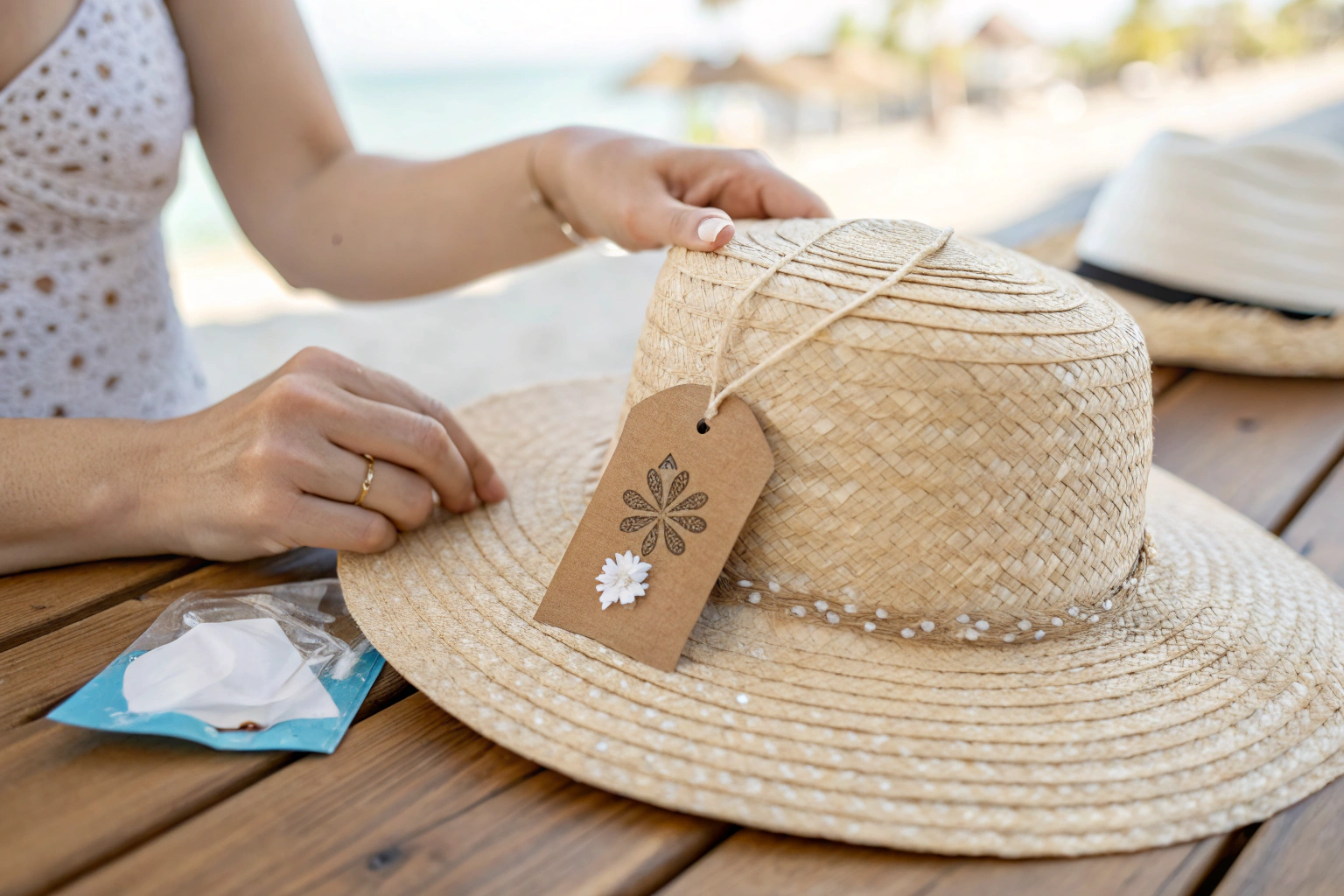
Last summer, a resort chain in Florida received a container of our beautiful wide-brim straw hats. The hats themselves were perfect. The paper hang tags, which carried their brand story, price, and care instructions, were a disaster. The tropical humidity had infiltrated the shipping container during the two-week ocean crossing. The tags had warped, the ink had blurred, and half of them had stuck together in a soggy clump. The hats looked like they came from a clearance bin, not a premium boutique. That one moisture event cost them two weeks of peak-season sales while we air-freighted replacement tags. I learned a lesson that day. A paper label is not just decoration. It is a critical sales tool, and protecting it from moisture is as important as protecting the hat itself.
You can avoid moisture damage on paper labels for straw hats by implementing a layered defense strategy that starts with material selection and continues through coating, packaging, and shipping environment control. The strategy has four essential layers. First, choose a label substrate that has inherent moisture resistance, such as synthetic paper, varnished kraft, or resin-coated cellulose. Second, apply a protective barrier, either a water-based matte varnish or a laminate film, that seals the printed surface. Third, control the micro-environment inside the individual hat packaging with desiccant packs and breathable poly bags. Fourth, manage the shipping container climate by specifying dry container loading and avoiding the monsoon season for unprotected ocean freight.
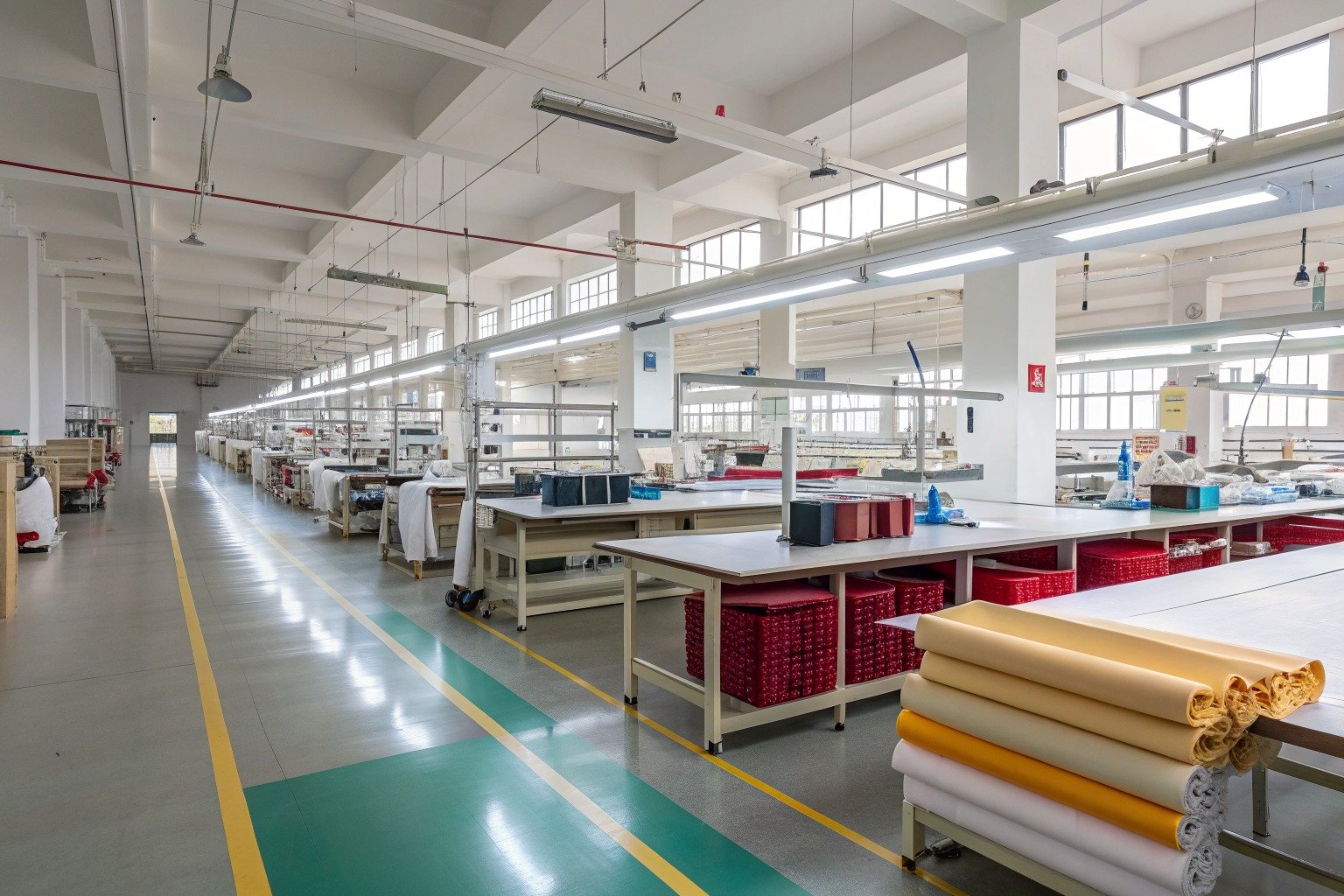
In our Zhejiang factory, we have redesigned our hang tag and label production process specifically to address the humidity challenges of shipping straw hats to tropical and coastal destinations. Straw hats are a unique challenge because the natural straw material itself contains residual moisture that can release inside a sealed package. I want to walk you through the exact materials, coatings, packaging techniques, and shipping protocols we use to ensure that the label on your straw hat arrives at the retail shelf looking as crisp and professional as the day it left our finishing table.
What Are the Best Moisture-Resistant Materials for Paper Hang Tags?
The label material is the foundation of your moisture defense. If you start with a substrate that absorbs water like a sponge, no amount of coating will save it in high-humidity conditions. I have seen beautiful cotton rag paper labels turn into wrinkled, moldy messes inside a sealed hat box simply because the hat itself released a small amount of residual moisture during transit. The label material must be chosen with the end environment in mind. A straw hat sold in a Miami beach boutique faces a completely different humidity challenge than the same hat sold in a dry Denver ski resort gift shop.
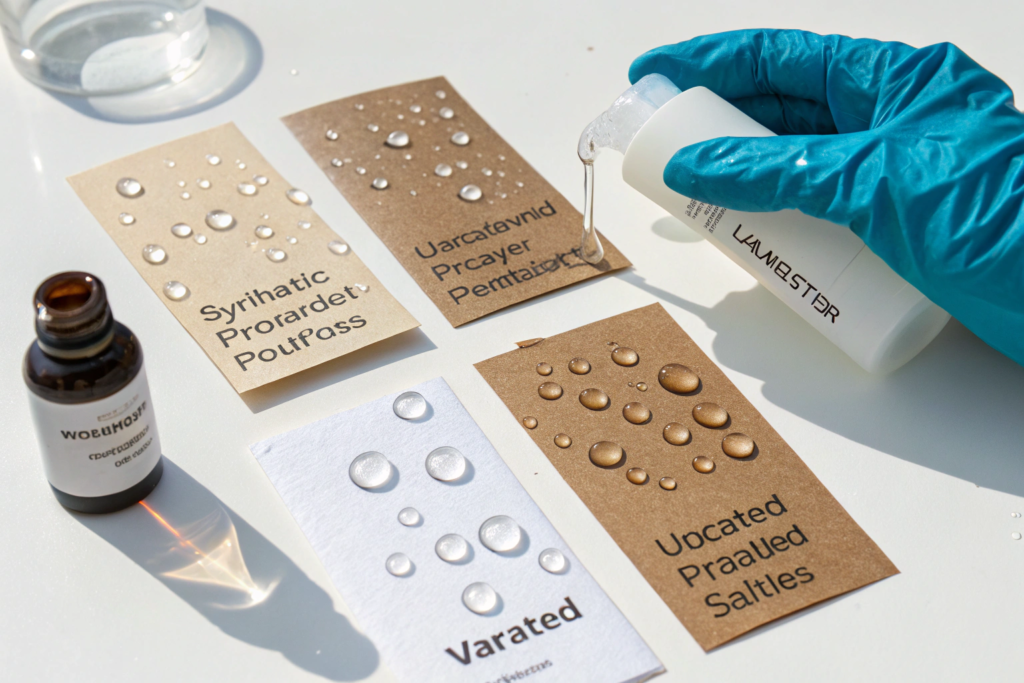
We stock and print on four primary label materials that offer progressive levels of moisture protection. The choice depends on your brand aesthetic, your budget, and your distribution environment. Uncoated kraft paper is the most natural-looking but the least moisture-resistant. It is suitable only for indoor retail environments with climate control. Varnished kraft paper adds a water-based protective coating that resists light moisture and fingerprints while maintaining the natural paper texture. Synthetic paper is the most robust option, made from mineral-filled polypropylene that is completely waterproof and tear-resistant. Laminated cardstock offers the thickest, most premium feel with a plastic film bonded to the surface.
Why is synthetic paper the gold standard for moisture-prone environments?
Synthetic paper is not really paper at all. It is a mineral-filled polypropylene film that looks, feels, and prints like high-quality matte paper but behaves like plastic when exposed to water. You can submerge a synthetic paper label in a bucket of seawater for an hour, pull it out, wipe it dry, and it will look exactly as it did before. The ink does not run because the substrate does not absorb moisture. The label does not warp, wrinkle, or grow mold. This makes it the ideal choice for straw hats destined for tropical resorts, cruise ship gift shops, and outdoor beach markets. Synthetic paper also has excellent tear resistance. A customer trying on a hat will not accidentally rip the tag off by pulling too hard on the string. We print on synthetic paper using UV-curable inks that bond to the surface and provide additional water resistance. The synthetic paper properties include durability that far exceeds any cellulose-based material. The trade-off is that synthetic paper does not have the same tactile warmth as real kraft or cotton paper. For brands that position themselves as rustic, artisanal, or eco-conscious, the plastic feel may conflict with the brand identity. We address this by offering a synthetic paper with a textured matte finish that mimics the look and surface feel of uncoated paper surprisingly well. It is a compromise that many resort brands find acceptable given the practical benefits.
When is a varnished kraft paper label sufficient for your market?
Not every straw hat travels to a tropical monsoon climate. If your primary distribution is through indoor department stores, climate-controlled boutiques, or direct-to-consumer e-commerce where the hat is shipped in a protective box, a varnished kraft paper label offers an excellent balance of aesthetics and protection. The varnish is a water-based acrylic coating applied over the printed label surface. It creates a thin, invisible barrier that repels light moisture such as fingertip sweat, a brief splash of rain, or the ambient humidity of a fitting room. The varnish soaks slightly into the paper fibers to create a bond, unlike a laminate that sits entirely on top. This means the paper retains its natural texture and flexibility. It still feels like paper. It still writes like paper if you need to hand-write a price or a style number. The paper varnish coating adds only a marginal cost increase over an untreated label, making it a practical choice for mid-market brands that want better moisture performance without a fully synthetic look. We recommend varnished kraft labels for brands whose straw hats are sold in typical US and European retail environments where the climate is moderate and the hats are displayed indoors. For any destination with sustained high humidity, we strongly advise stepping up to synthetic paper or laminated cardstock.
How Do Protective Coatings and Laminates Prevent Label Damage?
The substrate provides the base level of moisture resistance. The coating or laminate provides the active defense layer. Think of the substrate as the walls of a fortress and the coating as the outer rampart. A strong rampart can protect a weaker wall, but the best defense combines both. The choice between a varnish, an aqueous coating, and a laminate film depends on the level of protection required and the visual finish you want for your brand presentation.
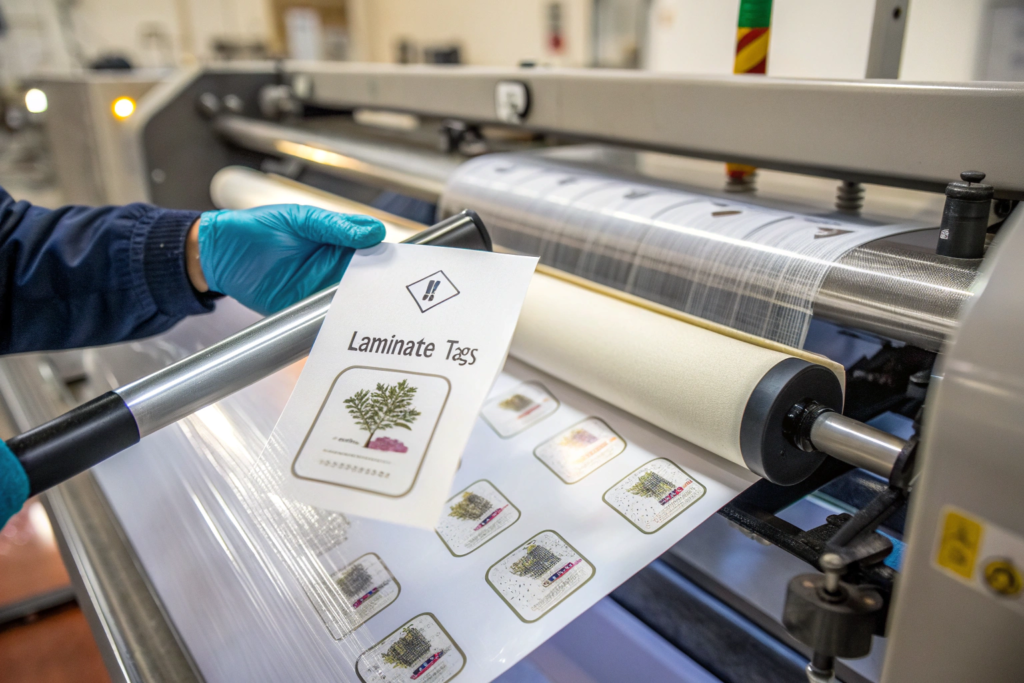
Coatings are liquid-applied layers that bond to the paper surface. Laminates are solid plastic films that are heat-pressed onto the paper. Coatings tend to be thinner, less expensive, and more subtle in appearance. Laminates provide the highest level of moisture and physical protection but change the look and feel of the label more dramatically. We guide our clients through this choice based on the specific risks their distribution channel presents.
What is the difference between matte varnish and gloss lamination for labels?
Matte varnish is a water-based coating that dries to a non-reflective, soft-touch surface. It is almost invisible. A customer looking at a matte varnished label will not immediately notice that the label is coated. They will simply perceive it as a high-quality paper label. The varnish protects against light moisture and prevents the label from absorbing oils from fingertips during handling. It is the most popular choice for brands that want a natural, understated look. Gloss lamination is a polyester or polypropylene film, typically 1.2 to 1.5 mils thick, that is bonded to the label surface under heat and pressure. It creates a completely waterproof, wipeable, and highly durable surface. The trade-off is aesthetic. Gloss lamination makes the label shiny and reflective. It looks and feels plastic. For some brands, particularly those in the active and outdoor lifestyle space, this glossy, durable look is consistent with their brand identity. For a luxury resort brand selling $80 straw hats, the plastic look may feel cheap. A middle ground is soft-touch matte lamination, which provides the same waterproof protection as gloss lamination but with a velvety, non-reflective surface finish. This lamination vs varnish comparison is a conversation we have with every new client. The right choice depends entirely on your brand positioning and the environments your hats will encounter.
How does edge sealing prevent moisture wicking into the paper core?
A common failure point for coated labels is the edge. Even if the face and back of the label are protected by varnish or laminate, the raw paper edge remains exposed. Paper is a capillary structure. If the edge touches water, the moisture wicks into the fiber network from the side, spreading inward like a stain climbing a paper towel. The face coating can be intact, and the label still swells and warps from edge moisture absorption. The solution is edge sealing. After the labels are printed, coated, and die-cut to their final shape, we apply a thin edge sealant to the exposed paper perimeter. The sealant is a clear, flexible polymer that penetrates the paper edge fibers and cures to a waterproof barrier. For laminated labels, the edge can also be sealed by using a slightly oversized laminate film that extends beyond the paper edge and bonds to the laminate on the opposite side, fully encapsulating the paper core. This full-encapsulation method is the most robust edge protection available. It is commonly used for outdoor durable labels and is appropriate for straw hats sold in poolside retail environments where splashing water is a realistic risk. Edge sealing adds a small incremental cost but dramatically extends the label’s survival time in humid conditions.
How Should You Package Straw Hats to Protect the Labels During Transit?
The label leaves our factory in perfect condition. It then spends four to six weeks inside a shipping container crossing the ocean, followed by potentially more weeks in a warehouse or a stockroom before it reaches the retail floor. This journey is where the real moisture battle is fought. The packaging that surrounds the hat and its label is the environmental control system for that entire journey. If the packaging traps moisture or fails to buffer humidity swings, the label will suffer even if the material and coating choices were perfect.
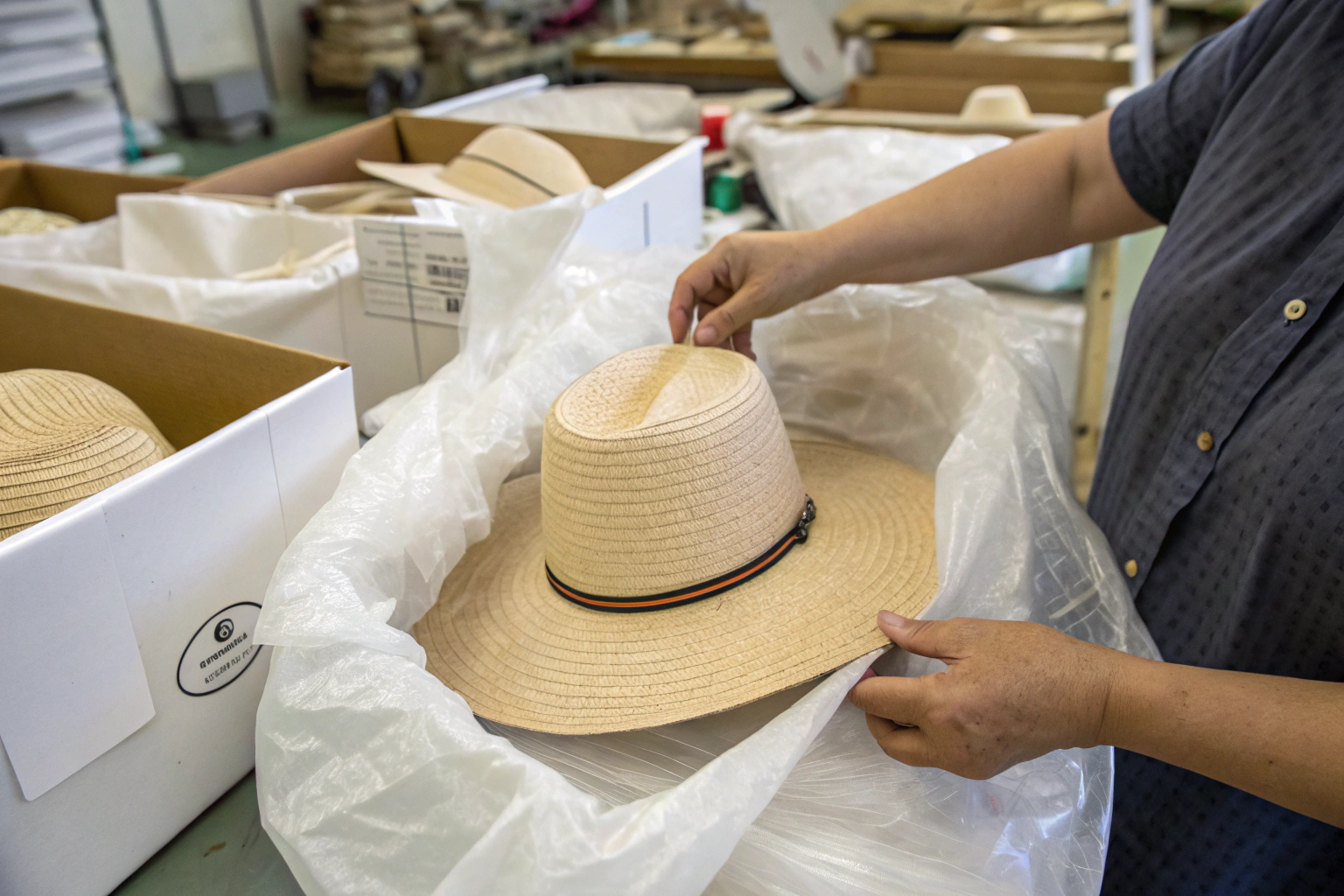
Packaging for moisture protection serves three functions. It separates the label from direct contact with the straw, which may release residual moisture. It includes a desiccant that actively absorbs ambient humidity inside the sealed package. And it uses breathable outer materials that allow moisture vapor to escape rather than condensing inside a sealed plastic bag. Each of these functions is necessary. None is sufficient alone.
Why should you use breathable poly bags instead of sealed plastic?
The instinct to seal each hat in an airtight plastic bag to keep moisture out is understandable but dangerously wrong. A sealed plastic bag traps whatever moisture is inside when the bag is closed. If the straw hat has any residual moisture from the manufacturing process, or if the ambient air in the packing facility is humid, that moisture is now sealed inside a tiny greenhouse. As the container temperature fluctuates during the ocean crossing, the trapped moisture condenses on the inside of the bag, drips onto the hat, and saturates the paper label. The label arrives with water spots, mold growth, or complete structural failure. The solution is to use breathable poly bags with micro-perforations or to skip the poly bag entirely and use a fabric dust bag. The micro-perforations allow water vapor to escape while still providing dust and dirt protection. The fabric dust bag, typically made from unbleached cotton muslin or non-woven polypropylene, breathes naturally and provides excellent moisture vapor transmission. It also adds a premium, giftable unboxing experience. We recommend breathable packaging materials for all straw hat shipments, especially those destined for humid climates. The small additional cost is far less than the cost of replacing damaged labels and the lost sales from unprofessional-looking product.
How do desiccant packs and humidity indicator cards work together?
A desiccant pack is a small, sealed pouch containing a material that actively absorbs moisture from the surrounding air. Silica gel and bentonite clay are the most common desiccant materials. Placing a desiccant pack inside each hat crown or inside the sealed master carton creates a dry micro-environment that protects the label throughout the shipping journey. The desiccant absorbs any residual moisture from the straw and any humidity trapped during packing. The key is to use the correct amount. Too little desiccant, and it becomes saturated and stops working before the journey is complete. Too much is wasteful but not harmful. We calculate the required desiccant quantity based on the enclosed air volume of the package and the expected duration of transit. A companion tool is the humidity indicator card. This is a small paper card printed with moisture-sensitive spots that change color at specific relative humidity thresholds, typically 30%, 40%, and 50%. We place one indicator card inside a sample master carton from each production batch. When the shipment arrives at your warehouse, your receiving team can glance at the card. If the 50% spot has changed color, the carton experienced high humidity during transit, and the labels inside should be inspected immediately. This moisture control packaging system provides both active protection and passive monitoring. You know before you open every box whether a moisture event occurred during shipping. This allows you to prioritize inspection resources and file a freight claim promptly if the damage was caused by a container leak or improper storage.
What Shipping and Storage Practices Prevent Moisture Damage to Labels?
The packaging protects each individual hat. The shipping and storage practices protect the entire shipment. A single poorly sealed container can destroy 5,000 perfectly packaged hats. A warehouse with no humidity control can slowly degrade labels over weeks of storage, turning crisp tags into limp, wrinkled paper without a single drop of liquid water ever touching them. The final two layers of the moisture defense strategy are the shipping container environment and the destination warehouse environment.
These practices require coordination with your freight forwarder and your warehouse team. They are not expensive to implement, but they require clear instructions and consistent follow-through. A few simple protocols, consistently applied, eliminate the vast majority of transit and storage moisture damage.
Why should you specify a dry container and avoid monsoon-season sailings?
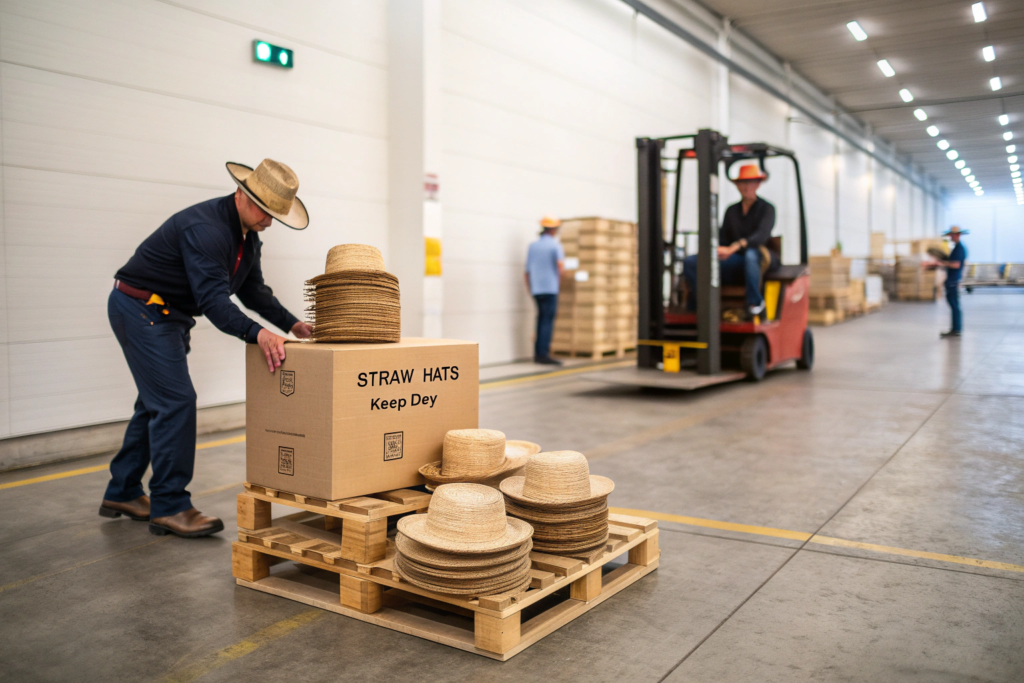
A standard shipping container is a steel box that breathes. As the container travels from a warm port to a cool ocean region and back to a warm destination, the air inside expands and contracts. This pumping action draws in ambient air through the container’s ventilation holes. If the container is on deck during a rainstorm or in a humid tropical port, that incoming air is saturated with moisture. The moisture condenses on the cold steel walls and ceiling, a phenomenon called container rain, and drips down onto the cargo. The solution is to specify a dry container with desiccant blankets and to avoid routing through tropical ports during the peak monsoon season if possible. A dry container is loaded in a covered facility, not exposed to rain during loading. Desiccant blankets or poles are installed along the container walls to absorb condensation before it can drip. We coordinate with our freight forwarders to ensure these container moisture control measures are in place for all straw hat shipments. We also advise clients on optimal sailing dates. Shipping from China in October for a spring resort launch means the container transits during the dry season in the Pacific, significantly reducing the condensation risk. Shipping in June or July, the peak of the typhoon and monsoon season, carries a higher humidity risk.
How does warehouse storage climate affect long-term label integrity?
The label damage story does not end when the container is unloaded. If the hats are stored in an un-air-conditioned warehouse in Florida during August, the sustained high humidity will slowly degrade even well-protected labels over weeks or months. Paper labels have a storage life that is directly related to the ambient relative humidity. The ideal storage range for paper hang tags is 40% to 50% relative humidity at a stable temperature. Sustained humidity above 65% will cause paper fibers to swell, ink to bleed, and mold to grow. Your warehouse does not need to be a climate-controlled cleanroom, but it should be monitored. A simple wall-mounted hygrometer costs less than twenty dollars and provides a continuous readout of the storage environment. If the humidity consistently exceeds 60%, a commercial dehumidifier is a worthwhile investment to protect your inventory. The hats should be stored on pallets elevated from the concrete floor, as concrete can wick ground moisture. They should not be stored against exterior walls, which can develop condensation during temperature swings. These warehouse storage best practices are standard operating procedure for any distributor handling moisture-sensitive goods. The discipline of implementing them is what separates professional operators from those who treat their inventory like it is indestructible.
Conclusion
Moisture damage to paper labels on straw hats is not an unpredictable act of nature. It is a preventable outcome that results from gaps in the material, coating, packaging, and shipping defense system. Close every gap, and your labels will arrive at the retail shelf as crisp and professional as they left the printer. Leave one gap, and that gap will be the point of failure that makes your beautiful straw hats look like damaged goods.
We have explored the four layers of the moisture defense strategy. Material selection, where synthetic paper offers complete waterproofness and varnished kraft provides a balance of aesthetics and protection. Protective coatings and edge sealing, which block moisture from the surface and prevent wicking through the exposed paper edge. Intelligent packaging, where breathable materials and desiccant packs create a dry micro-environment around each hat. And disciplined shipping and storage, where dry containers, seasonal timing, and warehouse humidity monitoring prevent environmental damage at the macro scale. Each layer reinforces the others. Together, they form a system that has proven effective for our clients shipping straw hats to the most humid destinations in the world.
If you are planning a straw hat program and want to ensure your branding and price tags survive the journey from our factory to your customer’s hands, we can help you select the right label materials and packaging protocols for your specific distribution environment. Our Business Director Elaine manages our custom label and packaging partnerships. She can send you samples of our synthetic paper, varnished kraft, and laminated label options so you can test them yourself. Reach out to her directly at elaine@fumaoclothing.com. Let’s make sure your labels look as good on the selling floor as they do on the sample table.