
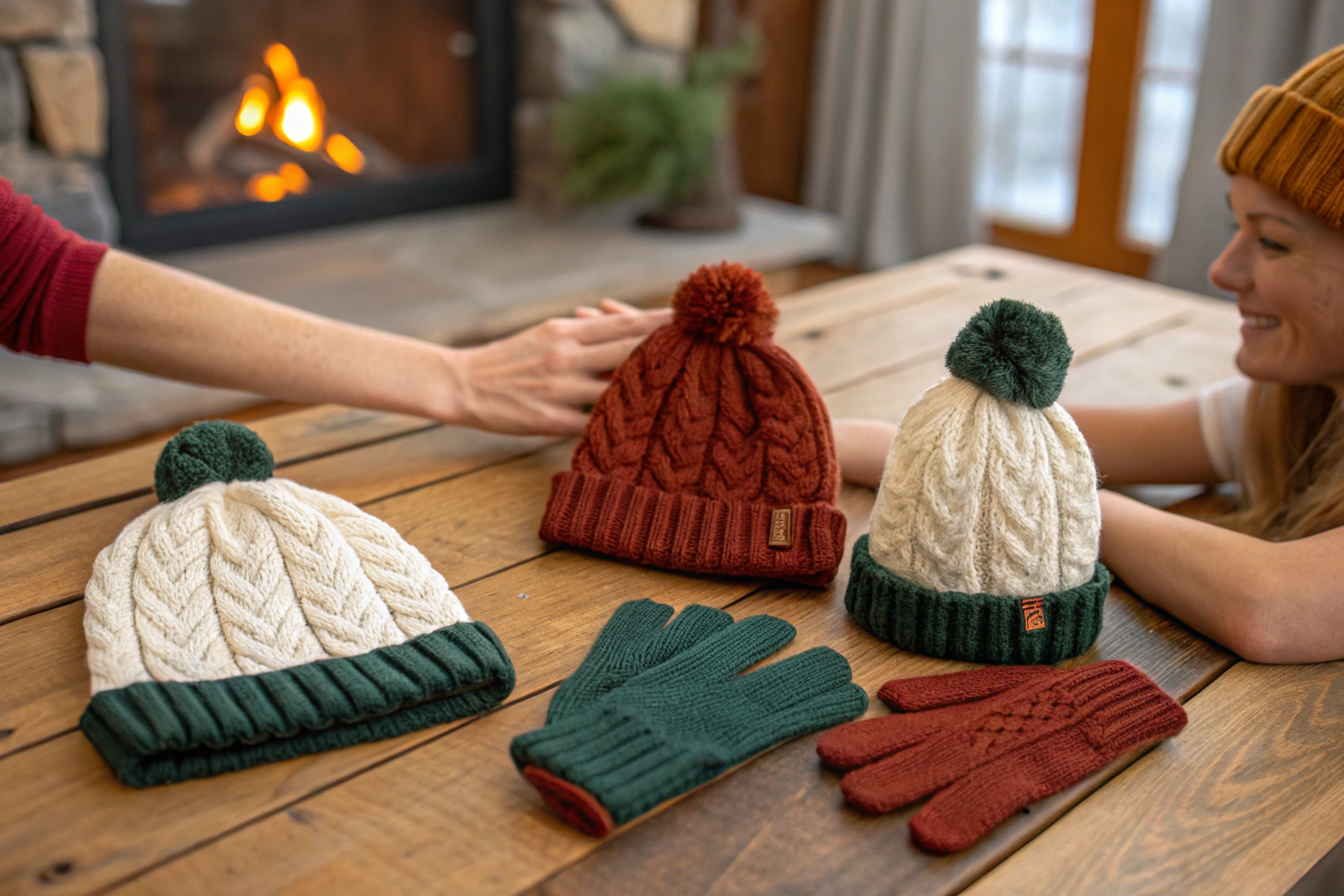
Three winters ago, I received a panicked email from a boutique owner in Minnesota. She had launched a matching family beanie and glove set as a Christmas promotion, and it sold out in four days. Her previous supplier had quoted her a twelve-week reorder window, which meant the restock would arrive in February. She lost the entire holiday season, the most profitable six weeks of her year, because her factory could not scale a family set program quickly. That moment crystallized something I already suspected. The matching family accessories market was exploding, and most factories were not set up to handle the sizing complexity, the packaging requirements, and the seasonal deadline pressure that this category demands.
The answer is a definitive yes. Our factory can absolutely produce matching family sets of beanies and gloves, and we have built a dedicated production cell specifically for this product category. We manufacture coordinated sets across five standard size tiers: infant, toddler, child, teen/adult small, and adult large. We can match the yarn color, the knit pattern, the ribbing style, the pom-pom detail, and the cuff trim across every size in the set. We can package the finished sets in a single gift-ready box with your branded insert. And critically, we can manage the complex production scheduling required to ensure that all sizes of a single design arrive at your warehouse simultaneously, not staggered across three separate shipments.
This is not a simple product to execute well. A matching family set multiplies the quality control checkpoints because every size must be consistent with every other size. A toddler beanie with a pom-pom that is proportionally too large or glove fingers that are too tight will generate returns even if the adult set is perfect. I want to walk you through how we handle the sizing, the material selection, the packaging, and the seasonal logistics that make family sets a profitable, repeat-purchase category for your brand.
What Sizing Options Do You Offer for Family Beanie and Glove Sets?
A matching family set is not just one product in three different sizes. It is three distinct products that must share a common design language while fitting completely different hand and head anatomies. An adult hand has a thumb length of approximately 60 to 70 millimeters with a palm circumference of 180 to 210 millimeters. A toddler hand has a thumb length of approximately 30 to 35 millimeters with a palm circumference of 110 to 130 millimeters. You cannot simply scale down an adult glove pattern by a percentage and expect it to fit a three-year-old. The proportions change. A toddler’s fingers are shorter relative to their palm width than an adult’s fingers. The thumb angle is different. The wrist is chunkier relative to the hand size. These anatomical realities must be built into the patterns, not approximated at the cutting table.
Our pattern library contains graded size blocks for five distinct age groups. Each block has been developed and refined over years of production for the US and European markets. We do not guess at sizing. We use anthropometric data from the ASTM, which stands for American Society for Testing and Materials, children’s apparel standards and from direct feedback provided by our retail clients’ fit sessions. This ensures that when a customer orders a "family set," each member of the family receives a beanie and gloves that fit correctly, comfortably, and safely.
What are the standard size tiers for family accessory sets?
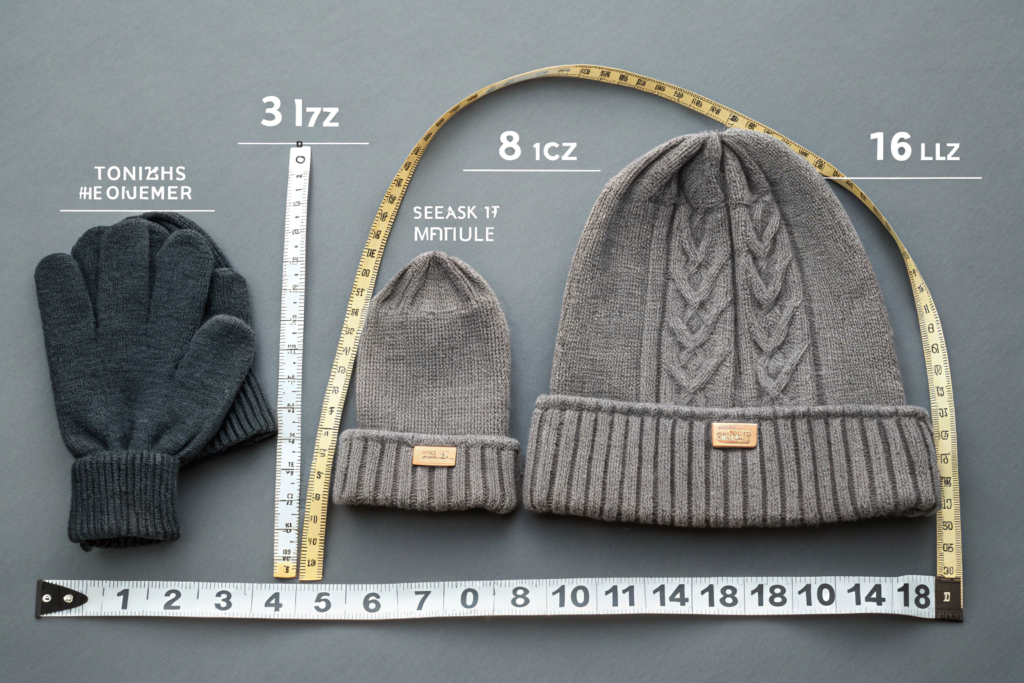
Our standard family set configuration includes three size tiers, which is the most common retail offering. Tier one is toddler, designed for ages one to three with a head circumference of 18 to 20 inches and a hand circumference of 4.5 to 5.5 inches. Tier two is child, designed for ages four to ten with a head circumference of 20 to 21.5 inches and a hand circumference of 5.5 to 6.5 inches. Tier three is adult, designed for ages eleven and up with a head circumference of 21.5 to 23.5 inches and a hand circumference of 7 to 8.5 inches. For brands that want a broader family offering, we can expand to five tiers by splitting adult into teen and adult large and adding an infant size for ages zero to twelve months. Infant sizing requires special attention to safety. We use a flat, non-pom-pom crown and ensure all embellishments are securely attached and pass the small parts pull test. The children’s product safety standards under the CPSIA govern these design choices. We build our infant and toddler products to these standards as a default, not as an optional upgrade. Each size tier uses a pattern that is specifically graded for that age group’s anatomy. The ribbing tension is adjusted so that the beanie stays on an active toddler’s head without being tight enough to leave marks, while the adult beanie provides a snug, comfortable fit that does not slide up during wear.
How do you ensure consistent sizing across production batches?
Consistency across sizes within a set is the challenge that trips up many factories. It is relatively straightforward to produce a beautiful adult beanie. It is relatively straightforward to produce a cute toddler beanie. The difficulty lies in making them look like they belong together when the customer opens the gift box. The color must be an exact match despite different dye lots. The cable knit pattern must be scaled proportionally so the toddler version does not look like a shrunken, distorted copy of the adult version. The glove finger lengths must be graded correctly so the child’s glove does not have disproportionately long fingers that look like costume hands. We achieve this consistency through a combination of digital pattern grading, centralized dye lot management, and a dedicated family set quality control checklist. Before a family set enters production, our pattern engineer grades the design across all requested sizes using a CAD, which stands for Computer-Aided Design, pattern system. The digital file ensures that the knit pattern scale factor, the cuff depth proportion, and the pom-pom diameter are all calculated mathematically rather than estimated by eye on the factory floor. We then produce a full-size set of pre-production samples, one for each tier, and photograph them together on a single background. This photograph is the approval reference. The production batch is inspected against this photograph, not just against individual size specifications. This grading and sizing consistency methodology ensures that the family set feels cohesive when the customer lays all three beanies out on the bed for the holiday card photo.
What Materials Are Best for Matching Winter Accessory Sets?
The material choice for a family set carries more weight than for a single-item accessory purchase. A parent buying a matching set is making an emotional purchase, not just a functional one. They are investing in a shared experience, a holiday photo, a gift that represents family unity. If the material is scratchy against a toddler’s sensitive skin, the experience is ruined. If the adult beanie pills after two wears, the set no longer matches because the adult version looks old while the child version looks new. The material must be soft enough for sensitive skin, durable enough for active children, and colorfast enough to survive a season of snowy play and machine washing.
We recommend three primary material families for matching accessory sets, each suited to a different brand positioning and price point. Premium natural fibers like merino wool and cashmere blends target the luxury gift market. Acrylic-wool blends offer a mid-tier balance of softness, durability, and cost. Recycled polyester knits serve the eco-conscious consumer who expects performance and sustainability in the same product. The choice cascades into decisions about lining materials for gloves, elastic content for beanie ribbing, and care label instructions.
Why is acrylic-cotton blend the most popular choice for family sets?
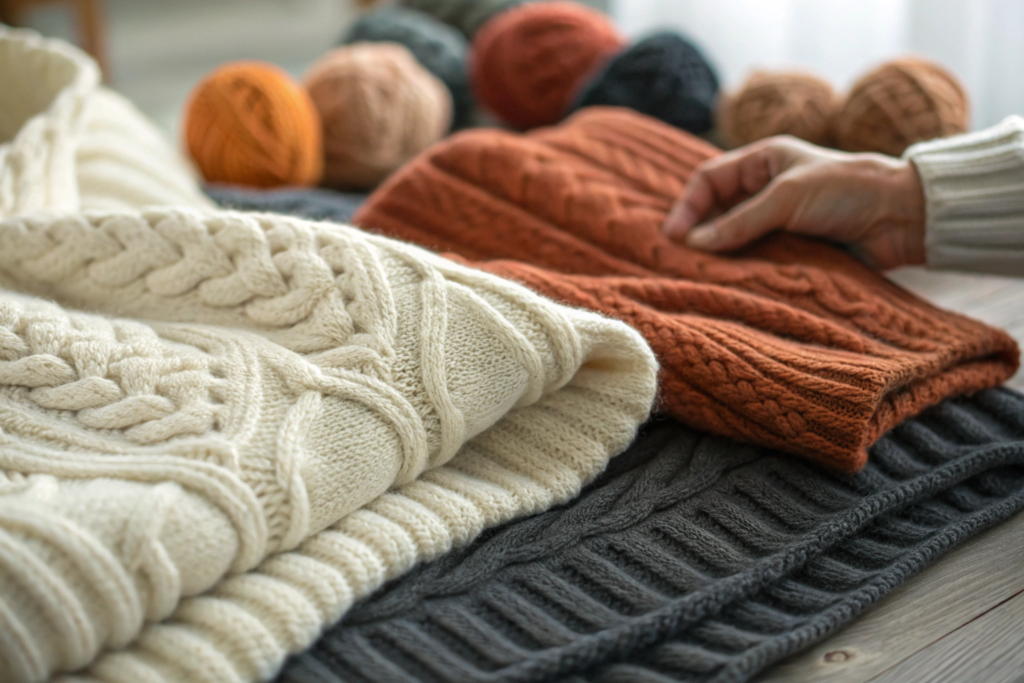
The acrylic-cotton blend has become the workhorse of the family accessories market for practical reasons that matter deeply to the end consumer. Acrylic provides warmth, color vibrancy, and excellent shape retention. It does not shrink in the wash, which is critical for children’s items that will be laundered frequently. Cotton provides breathability and a soft, natural hand-feel against the skin. It reduces the static buildup that pure acrylic is prone to and makes the fabric feel more substantial and less synthetic. A typical blend ratio is 70% acrylic to 30% cotton for the main body knit, with a 100% acrylic ribbing for maximum elasticity and recovery at the cuff. This blend takes dye beautifully, producing rich, saturated colors that match perfectly across the beanie and glove components. It is also machine washable and dryer-safe, which is non-negotiable for the family market. Parents will not hand-wash a toddler’s gloves. We test all acrylic-cotton blend yarns for colorfastness to laundering to ensure the forest green adult beanie and the forest green toddler beanie still match after twenty wash cycles. The price point for an acrylic-cotton blend set is accessible to the mass-market family consumer while still delivering a premium feel. This material is also inherently hypoallergenic in the sense that it contains no wool or animal proteins that could trigger a contact allergy. For the children’s sizing, this is a significant safety and comfort consideration.
When should you choose merino wool for premium family gift sets?
Merino wool occupies the top tier of the family accessories market. It is the material that signals luxury, thoughtfulness, and a willingness to invest in quality. Merino fibers are exceptionally fine, typically 18 to 24 microns in diameter, compared to standard wool fibers that can be 30 microns or more. This fineness means merino wool does not prickle or itch against sensitive skin. It is the wool you can wear directly against a baby’s forehead without causing redness. Merino is also naturally temperature-regulating. It keeps the wearer warm in cold conditions but breathes well enough to prevent overheating when moving between outdoor cold and indoor heating. For a family set, merino also offers natural odor resistance, which is a practical benefit for children’s gloves that are worn day after day without washing. We source our merino yarn from certified Responsible Wool Standard suppliers, which guarantees that the wool comes from farms that meet strict animal welfare and land management criteria. This certification is important for brands marketing to ethically conscious consumers. We recommend merino for brands positioning their family sets as heirloom-quality holiday gifts with a retail price of $60 to $120 per set. The merino family set is a product that customers will purchase once a season as a special gift, not an impulse buy. The merino wool properties of softness, warmth without bulk, and natural elasticity make it ideal for beanies that need to stretch comfortably over different head shapes within a family, from a petite adult head to a full-grown man’s head.
How Do You Package and Present Matching Family Sets for Retail?
The packaging for a matching family set is not just protection during shipping. It is a critical part of the product experience and the purchase decision. A family set is overwhelmingly purchased as a gift. A mother buys it for her children and herself. A grandmother buys it for her daughter and grandchildren. A friend buys it as a baby shower present with a matching parent-child component. The packaging must communicate "gift" from the moment the customer sees it on the shelf or scrolls past it in an online gallery. It must also solve a practical retail problem. How do you display three or five separate items as one cohesive product without the components getting separated or lost.
We have developed packaging solutions specifically engineered for family accessory sets, drawing on feedback from our retail partners about what drives sell-through and what causes frustration at the point of sale. The options range from simple belly-band bundling for value-oriented brands to full gift-box presentation with nested compartments for premium brands. The packaging choice affects your landed cost, your retail display strategy, and the customer’s unboxing experience.
What are the most effective gift box configurations for family sets?
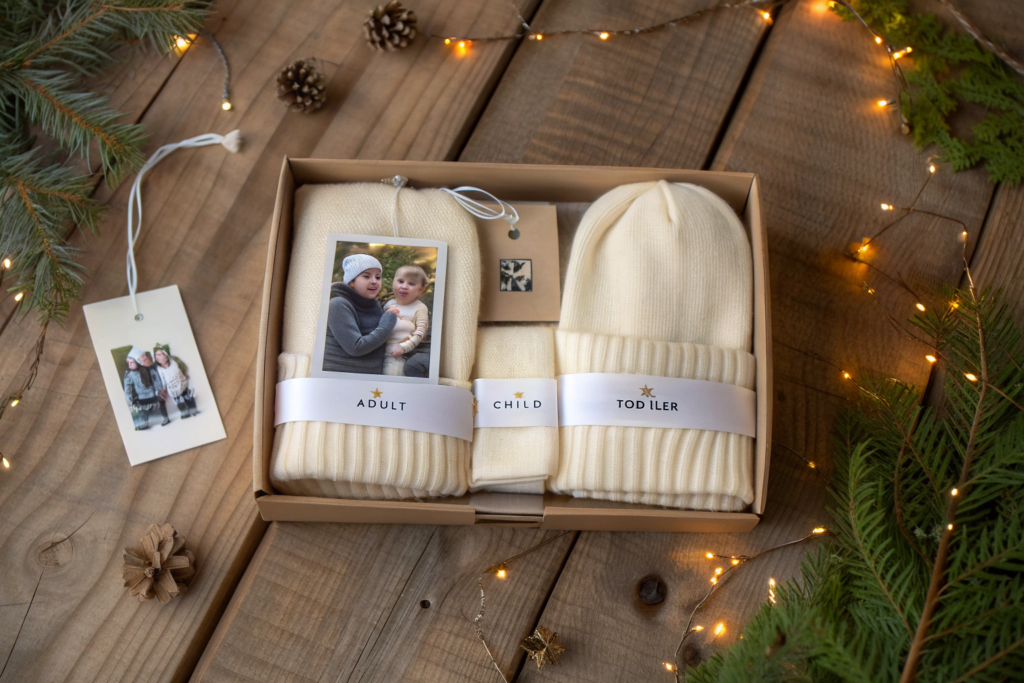
The most effective gift box for a family set solves two problems simultaneously. It presents the set as a single, gift-ready unit, and it keeps the sizes organized and identifiable. Our standard configuration is a rigid cardboard box with a magnetic closure lid and a clear PET window. Inside, the box is divided into compartments by fabric-covered cardboard dividers. Each compartment holds one size of the set, with a small fabric tag sewn into the divider identifying the size. The customer opens the box and immediately sees the adult beanie and gloves, the child beanie and gloves, and the toddler beanie and gloves arranged in their own dedicated spaces. The visual organization communicates value and thoughtfulness. An alternative configuration for a softer, more sustainable presentation is a fabric drawstring bag made from unbleached cotton muslin. The three sets are nested together inside, and the bag is printed with the brand logo and a size guide. This option reduces packaging weight and volume, which lowers your freight cost. It also appeals to the plastic-free, minimalist aesthetic that is growing rapidly in the eco-conscious consumer segment. We produce both custom gift packaging solutions in-house through our partner packaging suppliers. The box or bag is designed to fit exactly within a standard poly mailer or a small shipping carton for e-commerce fulfillment, minimizing dimensional weight charges.
How can you include a styling guide or photo insert in the packaging?
A family set is an inherently photogenic product, and smart brands capitalize on this by including a styling insert that encourages the customer to share their purchase on social media. We produce a 5×7 inch cardstock insert, printed on both sides, that slides into the gift box or bag. One side features a high-quality lifestyle photograph of a family wearing the sets in a beautiful outdoor setting, a snowy forest, a cozy cabin porch, a city street during the holiday season. This photograph shows the customer exactly how the set is meant to be worn and styled, which reduces the mental friction of "how do I coordinate this." The other side features three simple styling tips and a branded hashtag. The tips are practical. For example, "Fold the beanie brim once for a classic fit or twice for a slouchy look" or "Layer the gloves over thin liner gloves for extra-cold days." The hashtag invites the customer to share their own family photo. This insert transforms the packaging from a disposable wrapper into a marketing asset. It drives user-generated content, which is the most authentic and cost-effective advertising a brand can have. We also print a QR code on the insert that links to a mobile-optimized styling video. The video shows a real family of different ages putting on the sets together, adjusting the fit, and interacting naturally. This content is designed to be shared by the customer on their own social channels, extending your brand reach organically.
What Are the Seasonal Lead Times and Logistics for Holiday Family Sets?
The single biggest mistake I see new brands make with family sets is treating the timeline like a standard accessory order. It is not. A family set order is a seasonal, deadline-driven program where the cost of a late shipment is not just delayed revenue. It is a total loss of the holiday sales window, which for many brands represents 30% to 50% of annual revenue. You cannot sell Christmas family pajama-photo beanies on December 26th. The goods become dead stock the moment the holiday passes. This brutal seasonal reality means the production and logistics timeline must be planned backward from the on-shelf date with zero margin for error.
We manage family set programs on a strict milestone calendar that we develop jointly with each client during the product development phase. The calendar identifies the critical path, the approval gates, and the buffer periods. It also accounts for the additional production complexity of multi-size sets. You are not just producing one SKU. You are producing three to five SKUs that must all finish production within the same window so they can be packaged together and shipped as a single unit.
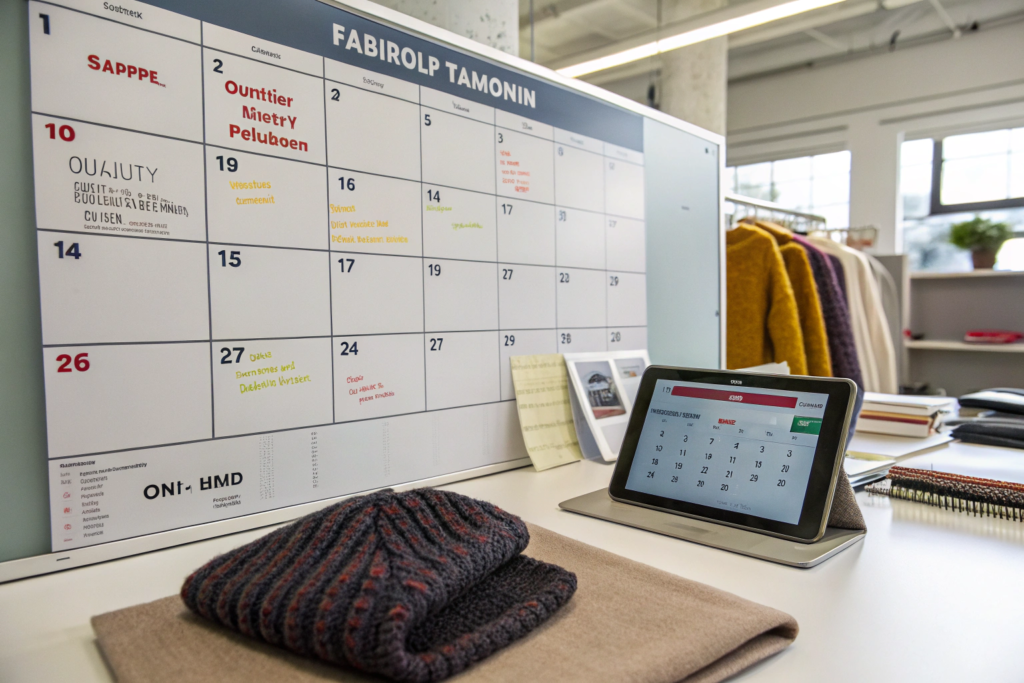
How far in advance should you place a family set order for holiday delivery?
For a holiday delivery with an on-shelf date of November 1st, the ideal order placement window is between June 15th and July 15th. This timeline provides adequate space for yarn sourcing, lab dip approval, pre-production sampling, full-set sample review, bulk production, multi-size packaging assembly, third-party inspection, ocean freight transit of approximately four to six weeks to US ports, customs clearance, and final domestic trucking to your warehouse or 3PL. If the timeline compresses, we can accommodate rush orders with air freight. A family set order placed in September can still make a November shelf date if air freight is used, but the freight cost increases significantly and erodes your margin. The holiday retail planning cycle typically begins in the summer for major retailers. Boutique and online brands can push slightly later, but they risk production slot availability. Our production calendar for holiday family sets fills up by August. After that, we can accept orders only if our existing clients’ production slots allow. I advise all family set clients to book their production window with a deposit by early summer, even if the final color choices and pattern details are not yet locked. This reserves your place in the production queue and guarantees that your goods will ship on time.
How do you coordinate multi-size production to ship as a single set?
The logistics of a family set are deceptively complex. You cannot ship the adult beanies in one container and the toddler gloves in another, because the customer needs to receive the complete gift-ready set as one unit. This means all size components must finish production in the same week. The adult beanie production run, which might be 2,000 units, must be timed to complete within days of the toddler glove run, which might be 1,500 units. We manage this by running all components of a single set design on parallel production lines, not sequentially. The adult beanie knitter is working at the same time as the child glove sewer. The components converge at the packaging station, where they are assembled into the gift boxes. Our production scheduler uses a manufacturing resource planning system to map the timeline of every component and identify potential bottlenecks before they delay the convergence. The final packaging station is the critical control point. We staff it with experienced workers who follow a detailed assembly instruction sheet for each set design. The instruction sheet shows exactly which components go into which box, how they should be folded and arranged, and where the styling insert and hang tags should be placed. A dedicated quality control inspector checks the completed sets at the packaging station, opening random boxes to verify that all components are present, the sizes are correct, and the presentation meets the brand standard. This order fulfillment process ensures that when the container is unloaded at your warehouse, the family sets are shelf-ready. Your team does not need to match components or assemble boxes. They simply receive, scan, and ship to your customers or retail locations.
Conclusion
Matching family sets of beanies and gloves represent one of the highest-margin, highest-emotion opportunities in the winter accessories market. They command a premium retail price because the customer is not buying a commodity. They are buying a shared experience, a holiday memory, and a coordinated look that signals family unity. But this premium positioning comes with premium execution requirements. The sizing must be anatomically correct across every age tier. The materials must be soft enough for a toddler’s skin and durable enough for an adult’s daily winter commute. The packaging must transform a collection of knit accessories into a gift that feels special the moment it is opened. And the logistics must be timed with military precision to hit a seasonal sales window that does not forgive late arrivals.
We have built our family set production capability specifically to meet these demands. Our graded pattern library, our parallel production scheduling, our in-house packaging assembly, and our disciplined holiday timeline management are all designed to make this complex product category simple and reliable for our brand partners. We do not treat a family set as three separate orders that happen to share a color. We treat it as a single, integrated program with its own dedicated production plan.
If you are developing a matching family accessories collection for the upcoming winter season, I invite you to begin the conversation now while production slots are still available. We can send you our family set look book with material swatches, size charts, and packaging samples. Our Business Director Elaine manages our seasonal accessories partnerships and can build a production calendar that aligns with your launch date. Reach out to her directly at elaine@fumaoclothing.com. Let’s create the family set that becomes the centerpiece of your customers’ holiday cards this year.




