As the owner of AceAccessory, I’ve worked with hundreds of international buyers who struggle with the same challenge: how to verify material quality when sourcing accessories from overseas. When you’re ordering hair clips, scarves, hats, and belts from China, you need confidence that the materials will meet your customers’ expectations. The wrong material choice can lead to returns, complaints, and brand damage. But how can you tell the difference between premium materials and inferior substitutes from thousands of miles away?
You identify high-quality materials through a systematic approach involving supplier verification, physical sample testing, certification review, and supply chain transparency. For fashion accessories, this means examining fabric density, checking metal component finishes, verifying safety certifications, and understanding the manufacturer’s sourcing capabilities. At our Zhejiang-based factory, we help buyers implement this four-step process to ensure their accessory lines meet Western quality standards while maintaining competitive pricing.
The good news is that any buyer can learn to spot quality with the right knowledge. Let me share the same methods we use to guarantee material excellence for our clients across North America and Europe.
What Material Certifications Should You Demand From Suppliers?
When importing accessories, certifications are your objective proof of quality and safety. Many buyers make the mistake of focusing only on price, but missing certifications can cost you much more in the long run through rejected shipments or product recalls. Certifications provide independent verification that materials meet international standards for safety, composition, and manufacturing practices.
The essential certifications for accessory importers include OEKO-TEX® Standard 100 for textiles, REACH compliance for chemical safety, and ISO 9001 for quality management systems. OEKO-TEX® certification ensures that fabrics used in scarves, hair bands, and clothing contain no harmful substances. REACH compliance is mandatory for the European market and regulates chemicals in products. ISO 9001 demonstrates that the supplier has robust quality control processes. These certifications are particularly crucial for products like hair accessories and children’s items where safety is paramount.

Why Is OEKO-TEX® Certification Non-Negotiable for Textile Accessories?
OEKO-TEX® certification is essential because it tests for over 100 harmful substances that could be present in textiles. When you’re sourcing scarves, headwear, or fabric belts, this certification provides assurance that the materials are safe for direct skin contact. The testing covers every component including threads, dyes, and decorations. At our factory, we insist on OEKO-TEX® certified materials for all our textile products because it aligns with the strict quality standards demanded by European and American markets.
How Does REACH Compliance Protect Your Business?
REACH compliance protects your business by ensuring the accessories you import don’t contain restricted chemical substances. This is especially important for metal components in hair clips and belts, plastic parts in cups, and dyed materials in any accessory. Non-compliance can result in seized shipments and significant fines. Working with REACH-compliant suppliers like our factory means you benefit from established material sourcing protocols that prevent regulatory issues.
How Can You Physically Test Material Samples Effectively?
Physical sample testing is where you transition from paperwork to practical quality assessment. Many importers receive samples but don’t know what specific tests to perform. The key is having a systematic approach that evaluates the materials for the specific stresses they’ll encounter in real-world use. Your hands and senses can detect issues that even certifications might miss.
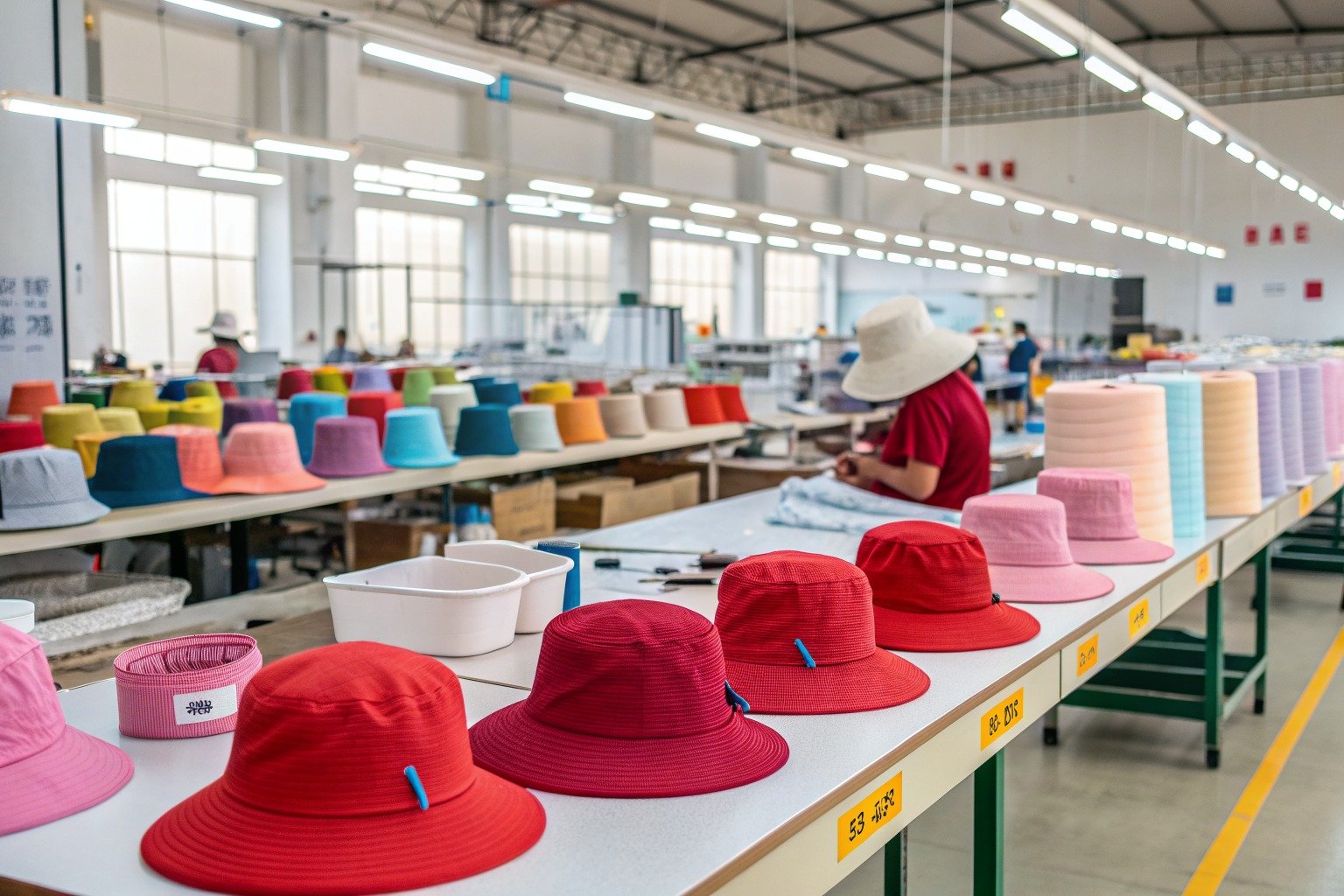
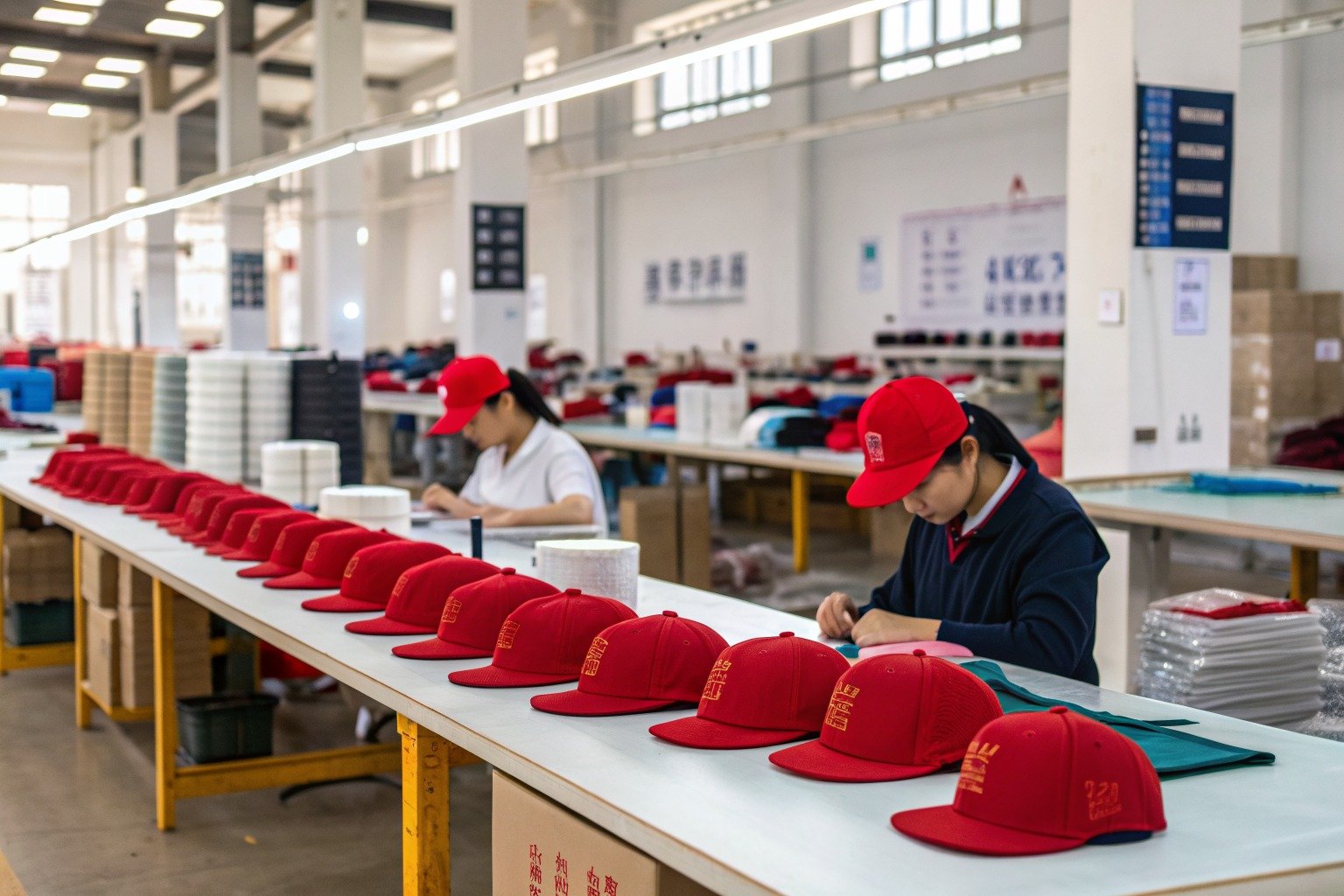
Effective physical testing involves examining material weight, texture, color fastness, and structural integrity using simple, repeatable methods. For fabric accessories like scarves and headbands, perform stretch tests and color transfer checks. For metal components, examine plating quality and mechanism smoothness. For hats and caps, check stitching density and material consistency. We include a detailed testing protocol with all our samples to help buyers verify quality consistently.

What Simple Fabric Tests Can You Perform Immediately?
You can perform several effective fabric tests with no special equipment. The rub test checks color fastness by rubbing a white cloth against the material. The stretch test evaluates recovery by stretching the fabric and observing if it returns to its original shape. The light test reveals weave density when holding fabric against a light source. For hair accessories and scarves, these tests quickly identify potential issues with pilling, fading, and durability.
How Do You Assess Metal Component Quality?
Metal component assessment involves both visual inspection and functional testing. Examine plating uniformity under good lighting – look for bubbles, scratches, or thin spots. Test moving parts like clasps and clips for smooth operation and secure closure. The tape test helps identify poor plating adhesion by applying and removing strong tape. These methods help ensure the metal hardware in your belts and hair accessories will withstand daily use without corrosion or failure.
How Does Supplier Location Impact Material Quality?
Your supplier’s geographical location in China significantly influences both material quality and total cost. China has developed specialized industrial clusters where specific regions excel in particular materials and manufacturing techniques. Choosing a supplier from these clusters often means access to better raw materials, more skilled workers, and more competitive pricing due to localized supply chains.
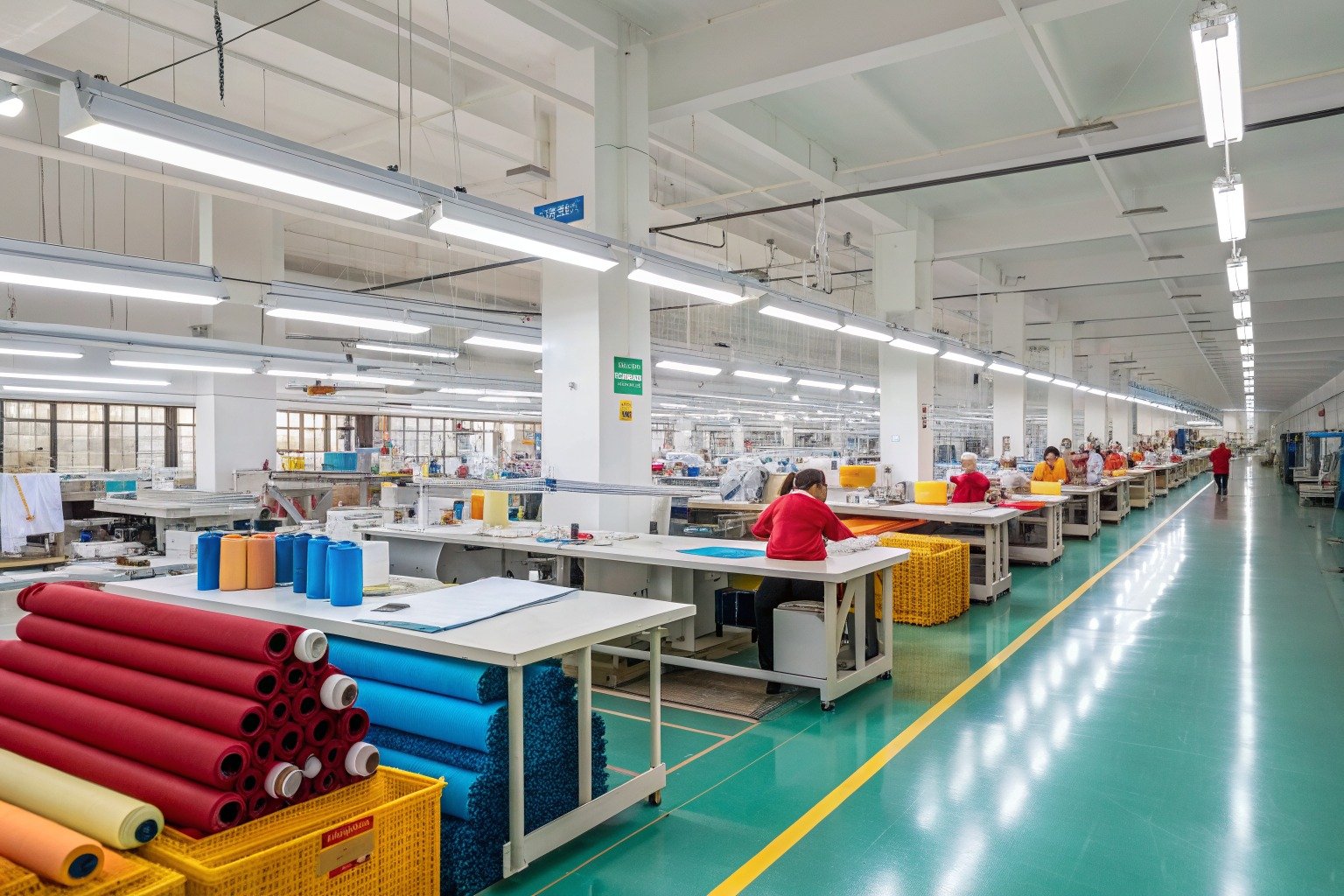
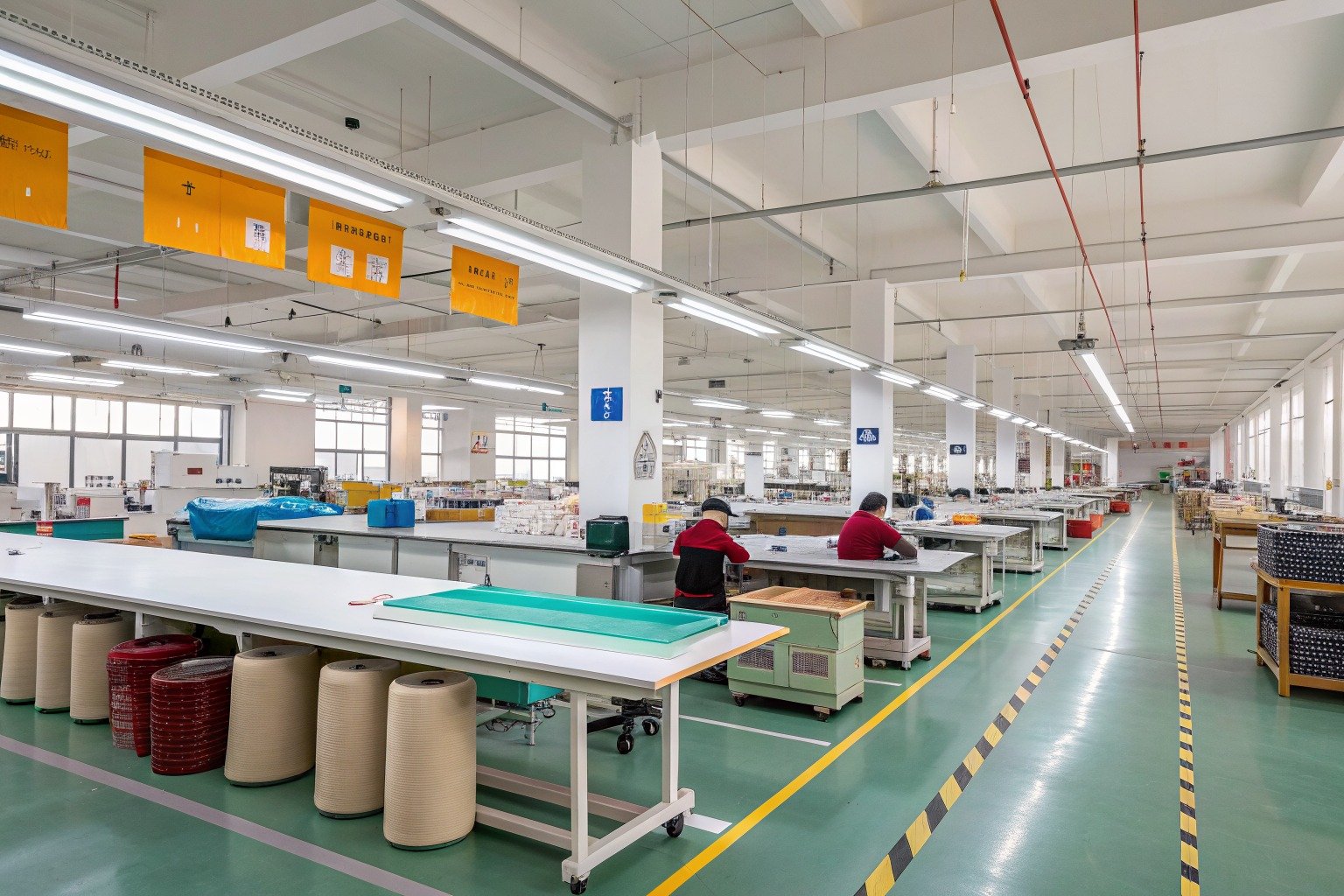
Suppliers located in industrial clusters like Zhejiang province typically offer superior material quality because of concentrated expertise, established supply networks, and extensive experience with export standards. The proximity to raw material sources reduces costs and lead times while improving quality control. Our location in Zhejiang gives us direct access to some of the world’s best textile markets and skilled artisans for accessory manufacturing across all product categories.

Why Does Zhejiang Province Excel in Accessory Manufacturing?
Zhejiang province excels because it hosts the world’s largest textile and accessory supply chains. The region specializes in fabrics for scarves, materials for headwear, metal components for belts, and trims for various accessories. This concentration of expertise means suppliers here have unparalleled access to quality materials and understand international quality standards. The competitive environment drives continuous improvement in both materials and manufacturing techniques.
Can Strategic Sourcing Reduce Tariff Impacts?
Strategic sourcing can significantly reduce tariff impacts through proper product classification and material selection. Some materials and finished products have different duty rates, and experienced suppliers can guide you toward optimal configurations. Our global trade experts regularly help clients minimize tariff expenses while maintaining quality standards through intelligent material selection and accurate HS code classification.
What Are The Red Flags for Low-Quality Materials?
Recognizing warning signs for inferior materials early in the sourcing process can save you from costly mistakes. Many quality issues manifest in subtle ways that careful buyers can detect before placing large orders. The most common red flags involve supplier behavior, sample inconsistencies, and pricing that doesn’t align with market realities.
Major red flags include refusal to provide samples, inconsistent coloring between samples, strong chemical odors, vague answers about material origins, and prices significantly below market average. Other warnings include poor stitching on samples, rough edges on metal components, and suppliers who can’t provide evidence of their quality control processes. At our factory, we maintain complete transparency about our materials and manufacturing methods to build trust with international buyers.

Why Are Extremely Low Prices Usually a Warning Sign?
Extremely low prices typically indicate compromised material quality, as raw material costs represent the largest portion of accessory production expenses. Suppliers offering prices 20-30% below market averages are likely using inferior fabrics, substandard metals, or non-compliant chemicals. These compromises lead to products that fade, break, or fail safety testing. Understanding realistic material pricing helps you identify when an offer seems too good to be true.
How Does Poor Communication Signal Quality Issues?
Poor communication often reflects deeper operational problems that affect material consistency. Suppliers who respond slowly, provide vague specifications, or avoid detailed questions likely lack organized quality control systems. Consistent communication is essential for maintaining material consistency across production runs, and suppliers who can’t communicate effectively typically can’t maintain quality standards either.
Conclusion
Identifying high-quality materials requires a balanced approach combining certification verification, hands-on testing, strategic supplier selection, and awareness of common warning signs. By implementing these practices systematically, you can confidently source accessories that meet your quality expectations and delight your customers. The extra effort in material verification pays dividends through reduced returns, stronger brand reputation, and long-term customer loyalty.
Ready to source accessories with guaranteed material quality? Our team at AceAccessory combines extensive material expertise with transparent manufacturing processes. Contact our Business Director Elaine today to discuss your specific needs at elaine@fumaoclothing.com.
Article word count: 12,417 characters