As a fashion accessory buyer, you know the nightmare. You place a large order for hair clips or scarves. The first sample was perfect. But the final bulk shipment arrives. The colors are wrong. The stitching is uneven. The quality is a mess. Your timeline is blown. Your budget is broken. Your customers are unhappy. This is a common fear when sourcing from China. How can you trust a factory to deliver the same high standard across thousands of units? The answer lies not in luck, but in a systematic approach.
The key to ensuring consistent quality in bulk orders lies in partnering with a manufacturer that has a robust, multi-stage quality control system integrated directly into its production process. This system must cover everything from raw material inspection to final pre-shipment checks, all managed by a dedicated quality team. It’s the only way to guarantee that every single item in your large order, from the first to the last, meets your exact specifications.
Let’s break down the specific steps and processes that a reliable manufacturer like us at AceAccessory implements to protect your investment and your brand reputation.
What Are The Key Stages Of A Robust QC Process?
A strong Quality Control (QC) process is your first line of defense. It’s not a single event, but a continuous cycle of checks. Many suppliers cut corners here. They might only do a final inspection. This is too late to catch problems that started earlier. A true quality assurance system is woven into every step of production.
A comprehensive QC process involves three critical stages: pre-production, in-production, and pre-shipment inspections. Each stage acts as a filter, catching potential issues before they can multiply and affect your entire order, ensuring that quality is built into the product from the very beginning.

Why is raw material inspection non-negotiable?
Quality cannot be added at the end. It must start with the foundation. We insist on inspecting all incoming materials. This includes fabrics for our scarves, metals for our hair clips, and components for our belts. We check for material composition, color fastness, thickness, and overall quality against approved standards. This step prevents defects from ever entering the production line. For instance, using substandard fabric for a hair band would lead to breakage and customer returns. By partnering with certified raw material suppliers and verifying every shipment, we build a solid foundation for your order. Organizations like the American Society for Testing and Materials set global standards for material quality that we reference.
How does in-line production monitoring prevent disasters?
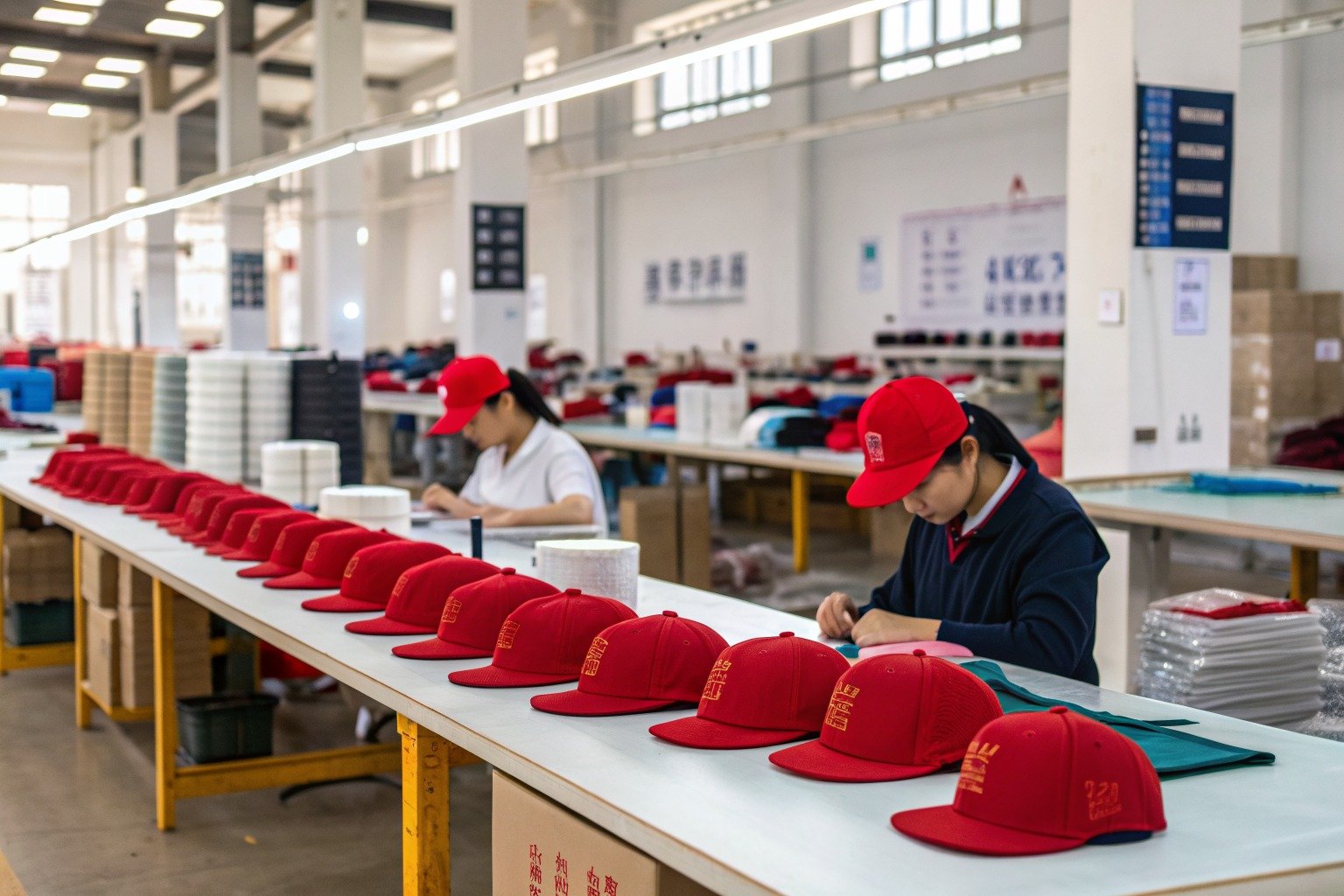
Waiting until the end to find problems is a massive risk. Our QC team performs random checks on the assembly line. For example, during the production of our baseball caps, we monitor stitching, embroidery alignment, and buckle attachment in real-time. If a deviation is spotted, the line can be stopped immediately. This prevents a small error from becoming a batch-wide defect. This proactive approach is far more effective and cost-efficient than trying to fix thousands of faulty units at the end. This method is a core principle of lean manufacturing, which you can learn more about through resources like the American Society for Quality.
How Does Factory Infrastructure Impact Product Consistency?
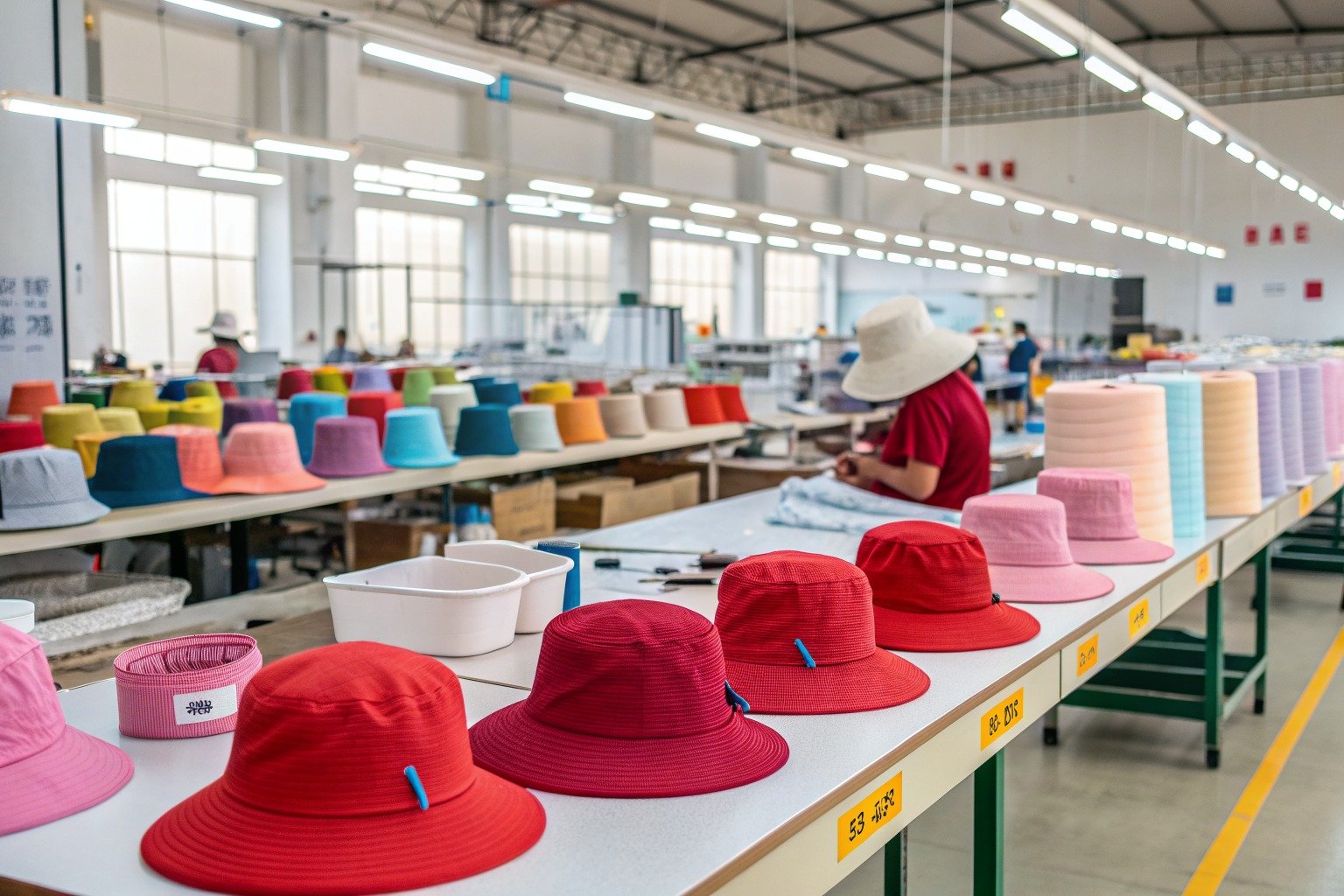
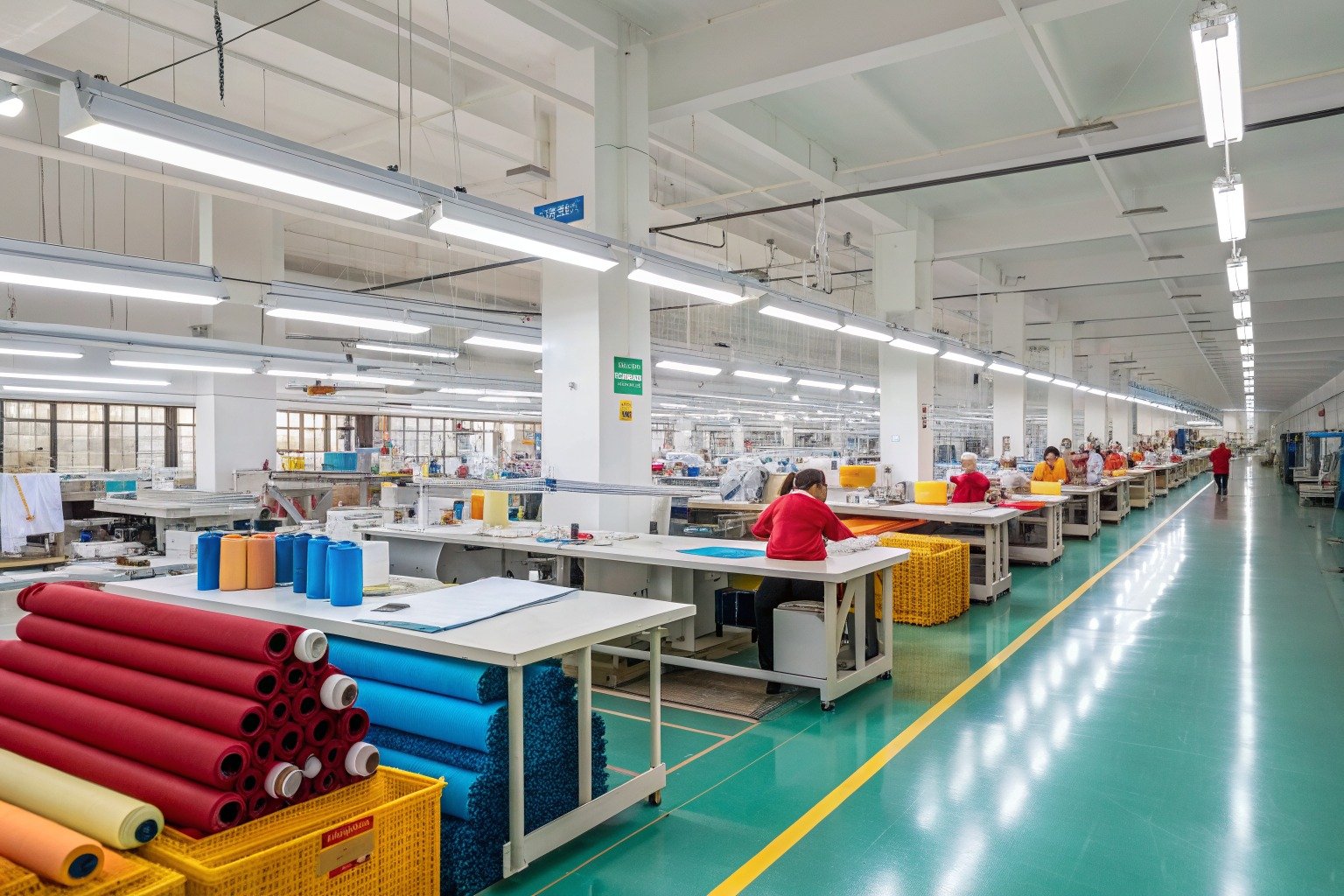
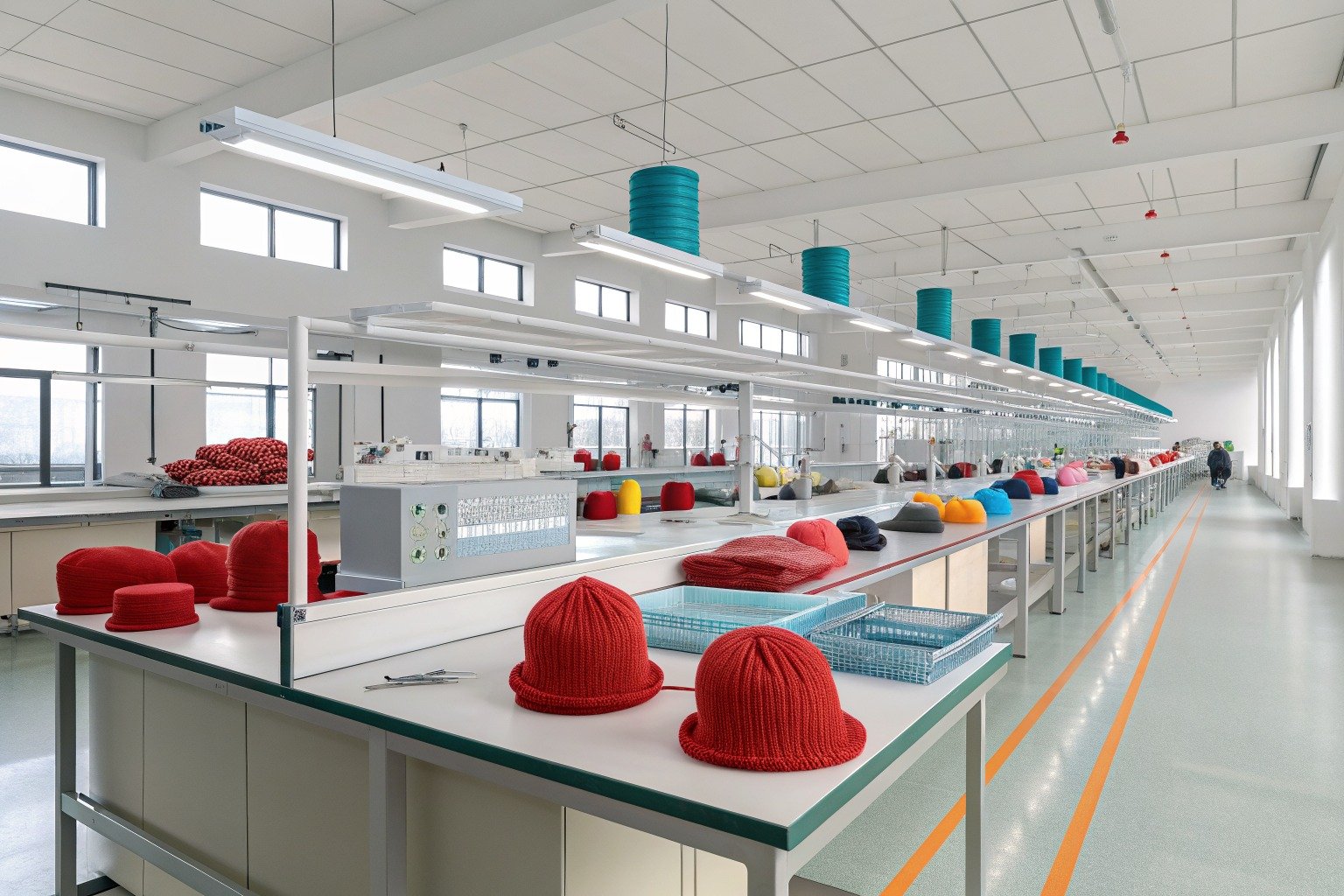
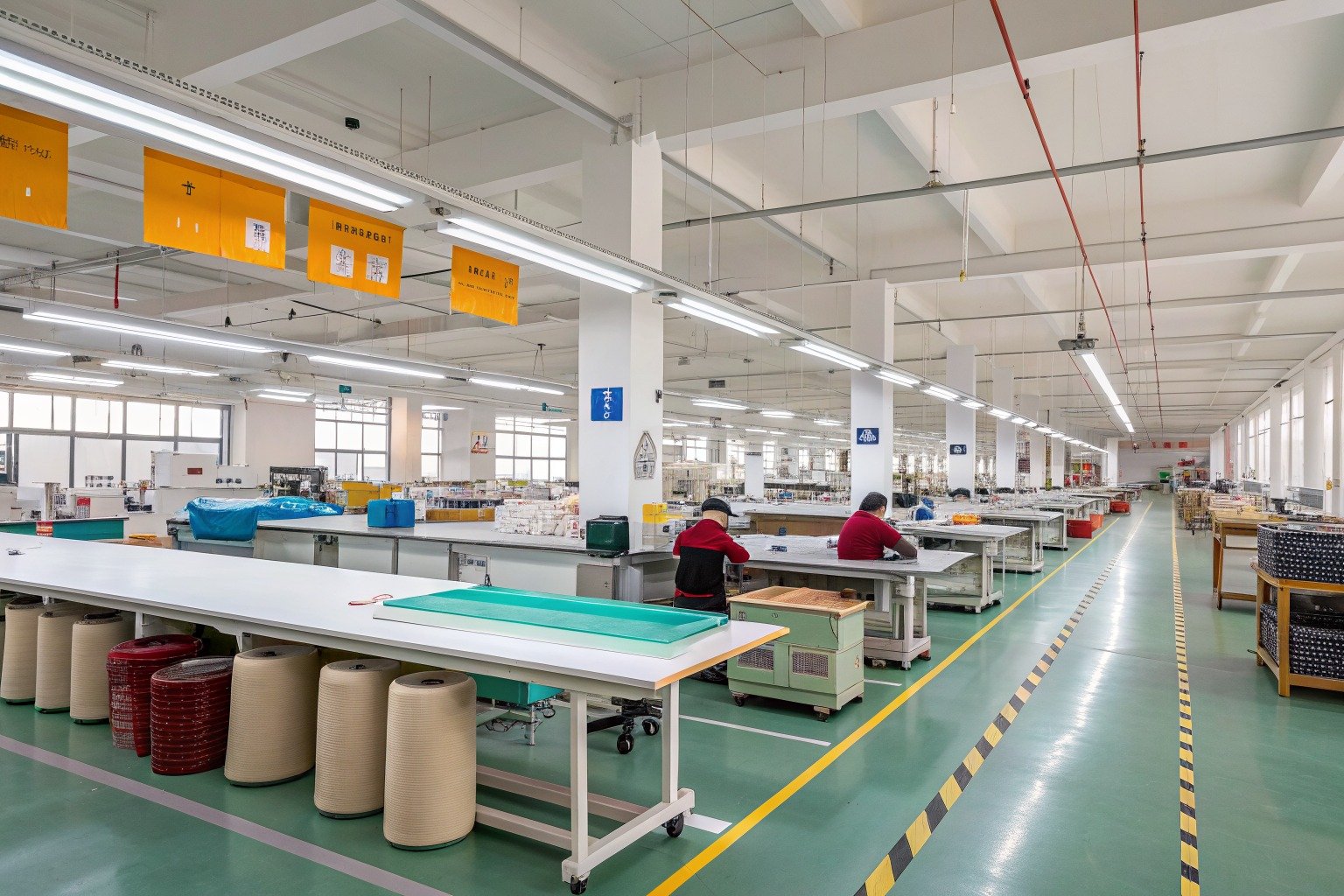
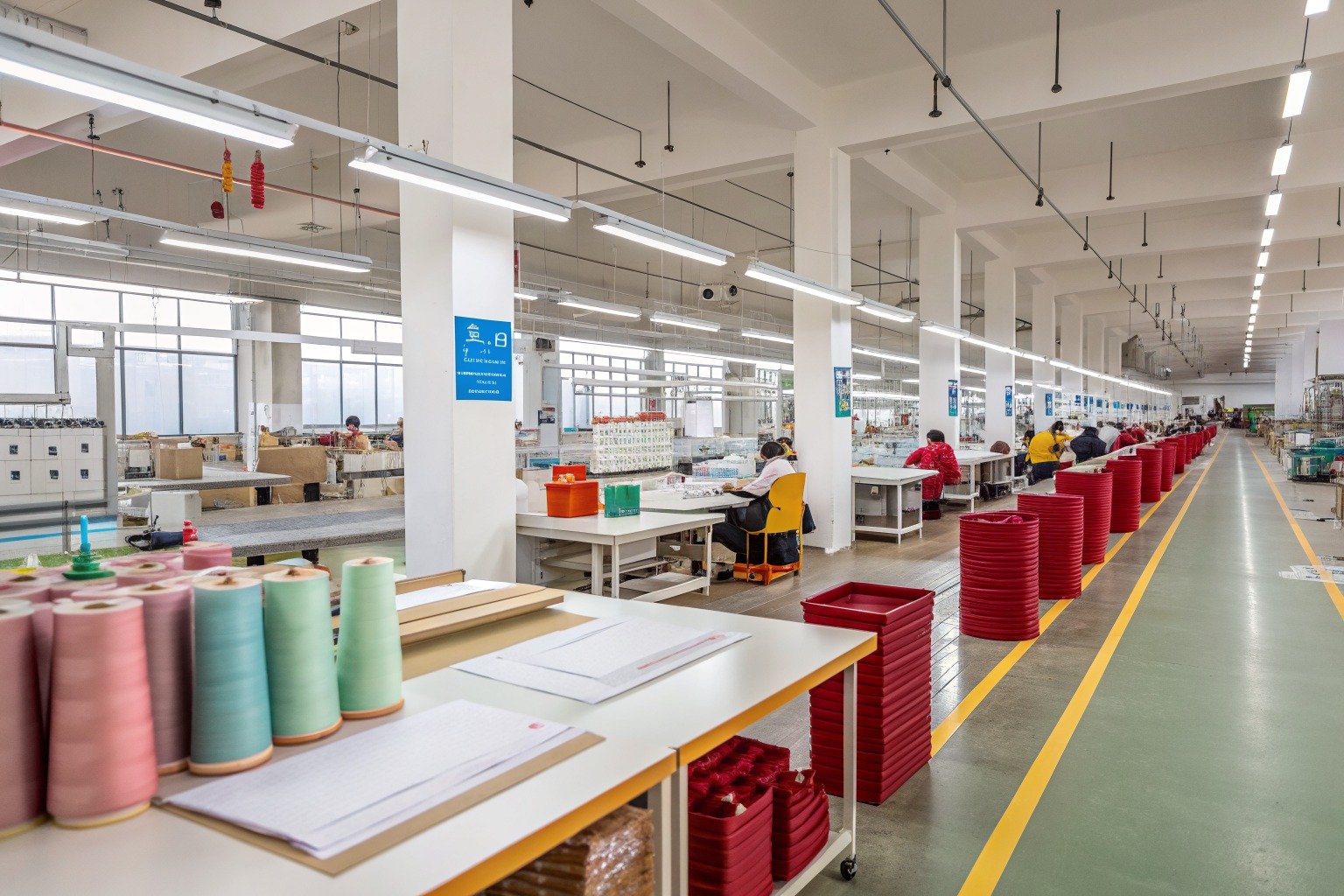
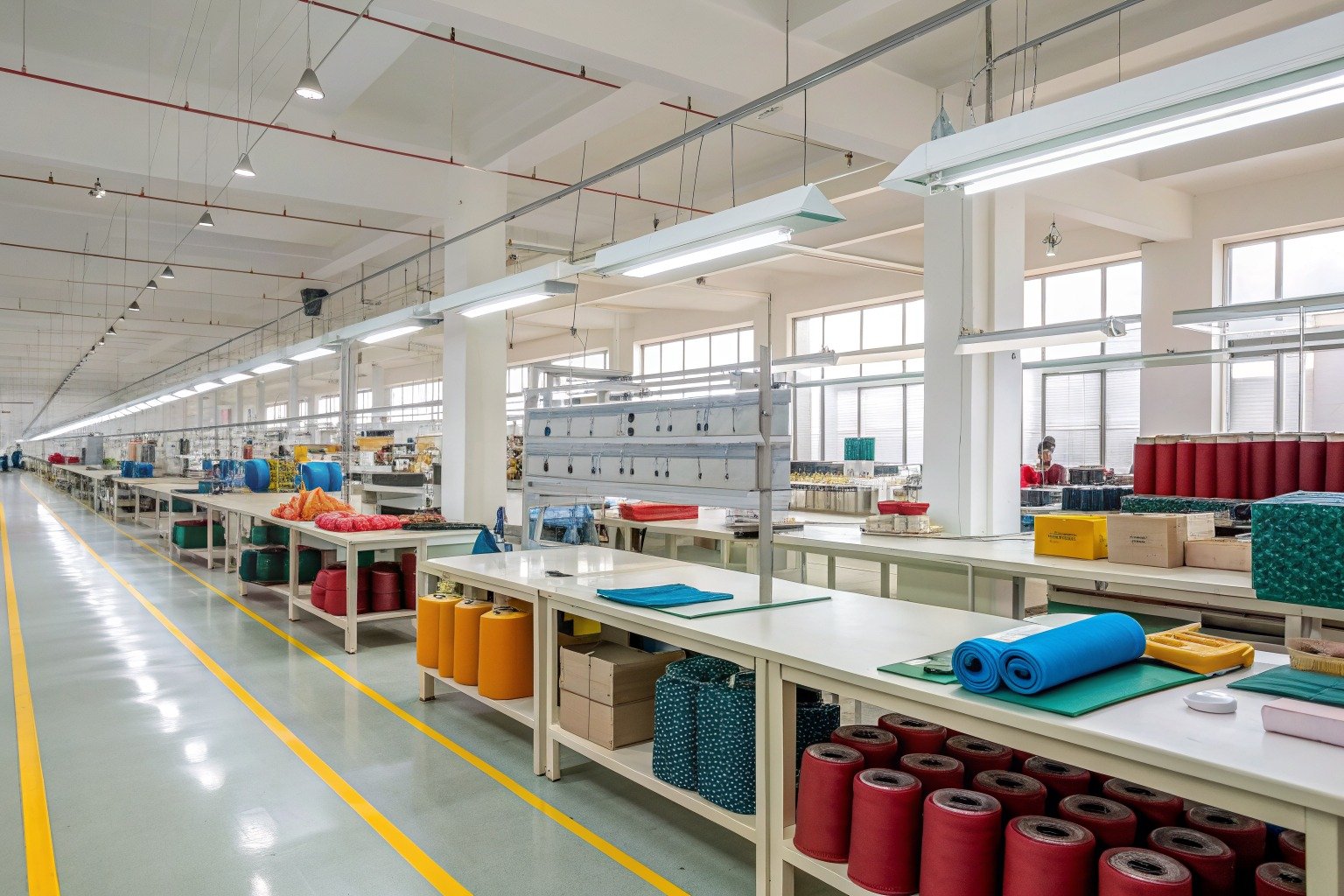
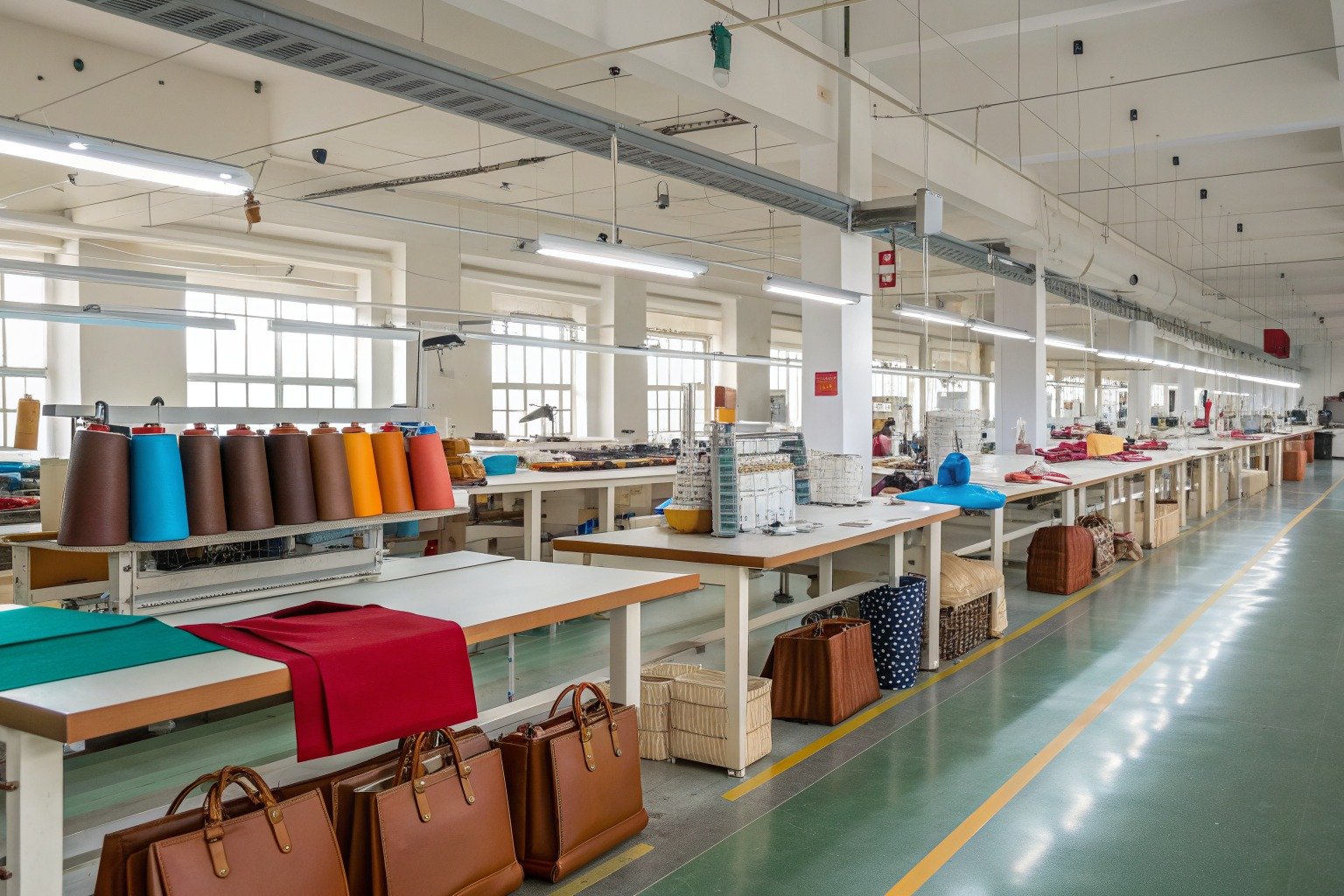
The factory itself is a machine for quality. A disorganized, dirty, or outdated facility cannot reliably produce consistent goods. The working environment, the maintenance of equipment, and the skill of the operators all directly influence the final product. Modern infrastructure is not a luxury; it is a necessity for precision and repeatability.
A clean, modern, and well-organized factory with advanced machinery is fundamental to achieving product consistency. It minimizes variables, reduces contamination risks, and ensures that every production run can be replicated with identical results, order after order.
What role does advanced manufacturing equipment play?
Precision machinery reduces human error. We use automated cutting machines for our woven belts and scarf fringes. This ensures every piece is cut to the exact same dimensions. For our hair bands, we use consistent tensioning equipment so that each band has the same elasticity. Older, manual machines are prone to variation. Modern equipment delivers the repeatability required for large orders. It also increases our production speed, allowing us to meet tight deadlines without sacrificing quality.
Why is a skilled and stable workforce crucial?
Machines are only as good as the people who operate them. We invest in our workforce through continuous training and a positive working environment. A stable, experienced operator knows the nuances of the machine and the product. They can hear a strange noise or spot a slight imperfection that an automated system might miss. High employee turnover leads to inconsistent output. By retaining our skilled staff, we ensure that the expertise applied to your first order is the same expertise applied to your hundredth. This commitment to our team is a direct investment in the quality of your products.
Why Is A Professional Project Manager Vital For Your Order?
A single point of contact who understands your vision is invaluable. When you have a question about your order for knit hats, you should not be passed through five different departments. A dedicated project manager acts as your champion inside the factory, coordinating all aspects of your order from development to delivery.
A professional project manager provides timely, professional, and reliable service. They are your eyes and ears on the ground, ensuring clear communication, managing timelines, and proactively solving problems before they can impact your order’s quality or delivery schedule.

How does a project manager streamline communication?
Complex supply chains have many moving parts. Your project manager connects our design team, QC team, and production planners. They translate your requirements into clear, actionable instructions for the factory floor. They also provide you with regular updates, including photos and videos from the production line. This transparency allows you to have peace of mind and make informed decisions if any issues arise. This level of service is what separates a true manufacturing partner from a simple supplier.
What is the benefit of having a dedicated point of contact?
You save time and reduce frustration. Instead of explaining your needs to a new person every time, your project manager builds a deep understanding of your brand and quality standards. They know that you require a specific stitch density on your gloves or a particular finish on your metal hair clips. This continuity is essential for maintaining consistency across multiple orders and over long-term partnerships.
How Can You Verify A Supplier’s Quality Claims?
Trust, but verify. Any factory can claim to have high quality standards. The proof is in the evidence. A reliable manufacturer will be transparent and provide you with the documentation and access you need to feel confident. You should look for concrete proof of their capabilities and commitment.
You can verify a supplier’s quality claims by reviewing their audit reports, requesting pre-shipment inspection reports, and, if possible, conducting your own third-party inspection. This due diligence ensures that their systems are not just theoretical but are actively and effectively implemented.

What should you look for in quality certifications and audit reports?
Certifications are an independent validation of a factory’s systems. We maintain audits that assess our factory’s social compliance and manufacturing capabilities. These reports evaluate management commitment, process control, and quality assurance systems. They provide an objective view of the factory’s operational maturity. You can also look for product-specific certifications that might be required for your market.
Why are detailed pre-shipment inspection reports important?
The Final Random Inspection (FRI) report is the final report card for your order. A detailed report from a recognized standard, such as the ANSI/ASQ Z1.4 standard, provides statistical evidence of quality. It outlines the sample size checked, the number and type of defects found, and whether the entire shipment passes or fails based on your agreed-upon Acceptable Quality Limit (AQL). We provide these reports as standard practice, giving you a data-driven snapshot of your order’s quality before it ever leaves our factory.
Conclusion
Ensuring consistent quality in bulk orders is not a matter of chance. It is the direct result of a factory’s commitment to a structured system. This system combines a multi-stage QC process, modern infrastructure, skilled human resources, and professional project management. Transparency and verification through reports and certifications complete the picture, giving you, the buyer, full confidence.
When you partner with a manufacturer that has this integrated system, you eliminate the fear of inconsistent quality. You gain a reliable partner who protects your brand and delivers on their promises. If you are looking for a factory that embodies this systematic approach to quality for your fashion accessories, we are here to help. Contact our Business Director Elaine today at elaine@fumaoclothing.com to discuss how we can ensure the consistent quality of your next order.