
How To Use AI For Hair Accessory Manufacturing Equipment Preventive Maintenance Scheduling?
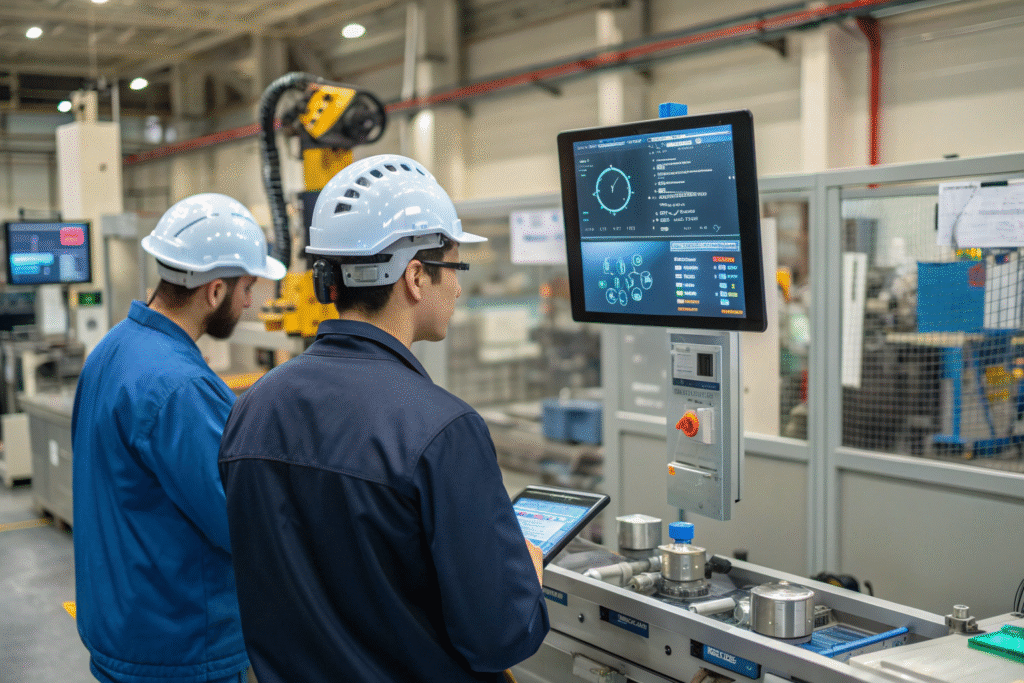
Hair accessory manufacturing relies on specialized equipment—injection molding machines for plastic clips, metal stamping presses for components, automated assembly systems, and precision packaging lines. Unexpected equipment failures in this high-volume industry cause massive production disruptions, missed deadlines, and costly emergency repairs. Traditional maintenance scheduling, whether time-based or reactive, fails to account for actual equipment conditions, […]
What Is The Impact Of Robotics On Knit Accessories Production Speed?
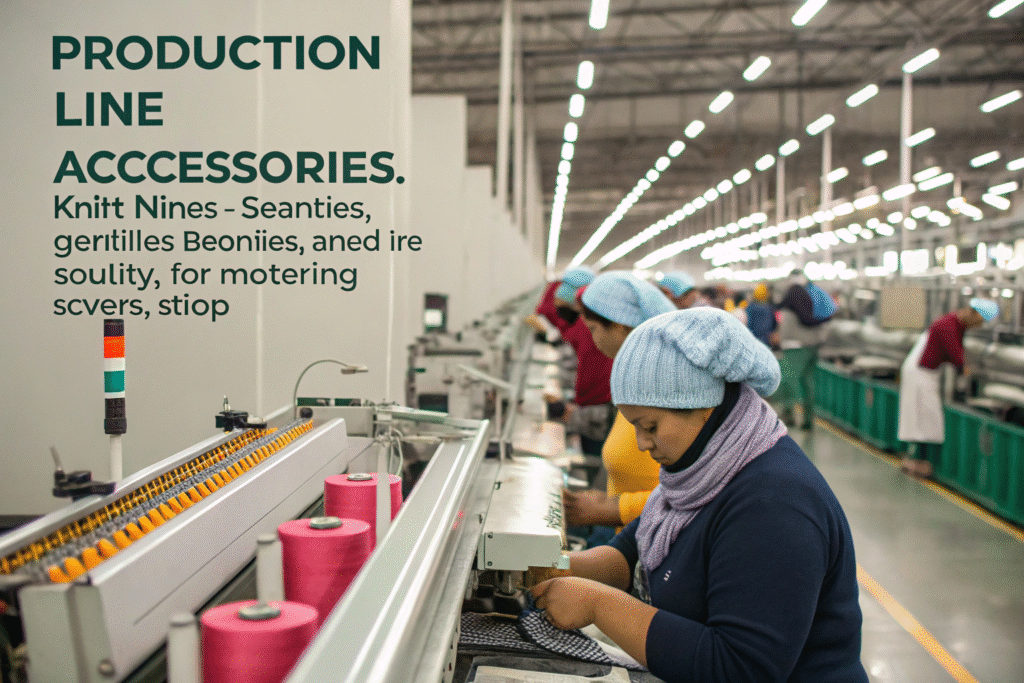
The production of knit accessories—including scarves, beanies, gloves, and knit headbands—has traditionally been a labor-intensive process with inherent speed limitations. Manual knitting, even with advanced knitting machines, requires significant human intervention for setup, monitoring, quality control, and finishing. These human-dependent processes create natural production ceilings and variability that limit how quickly manufacturers can respond to […]
Why Are Digital Supply Chains Boosting Responsiveness For Fashion Accessories Brands?
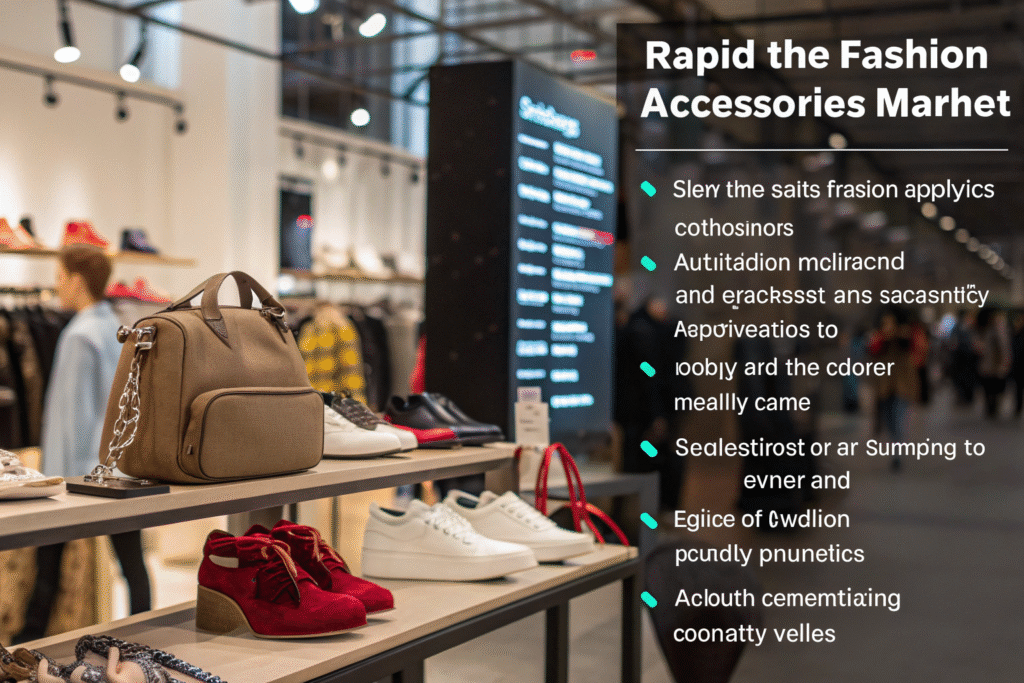
The fashion accessories market operates at an increasingly frantic pace, with trends emerging and fading within single seasons and consumer expectations shifting toward instant gratification. Traditional supply chains, built for predictable demand and seasonal cycles, buckle under these new pressures. Information lag, physical delays, and sequential processes create inherent limitations that prevent brands from responding […]
How Can Fashion Accessories Factories Implement Automated Quality Assurance?
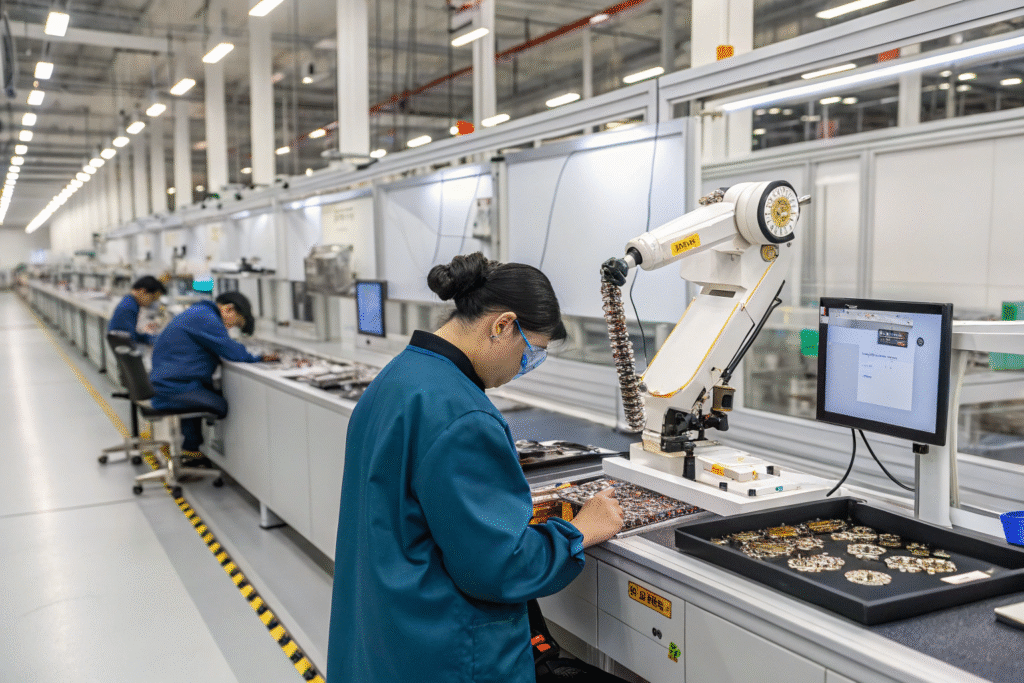
Quality assurance in fashion accessories manufacturing has traditionally relied on manual inspection, which is inherently inconsistent, slow, and costly. Human inspectors, no matter how skilled, face challenges with fatigue, subjectivity, and the inability to maintain consistent attention to detail over long periods. This results in quality variations, missed defects, and high labor costs that impact […]
What Are The Advantages Of Smart Platforms For Fashion Accessories Manufacturing?
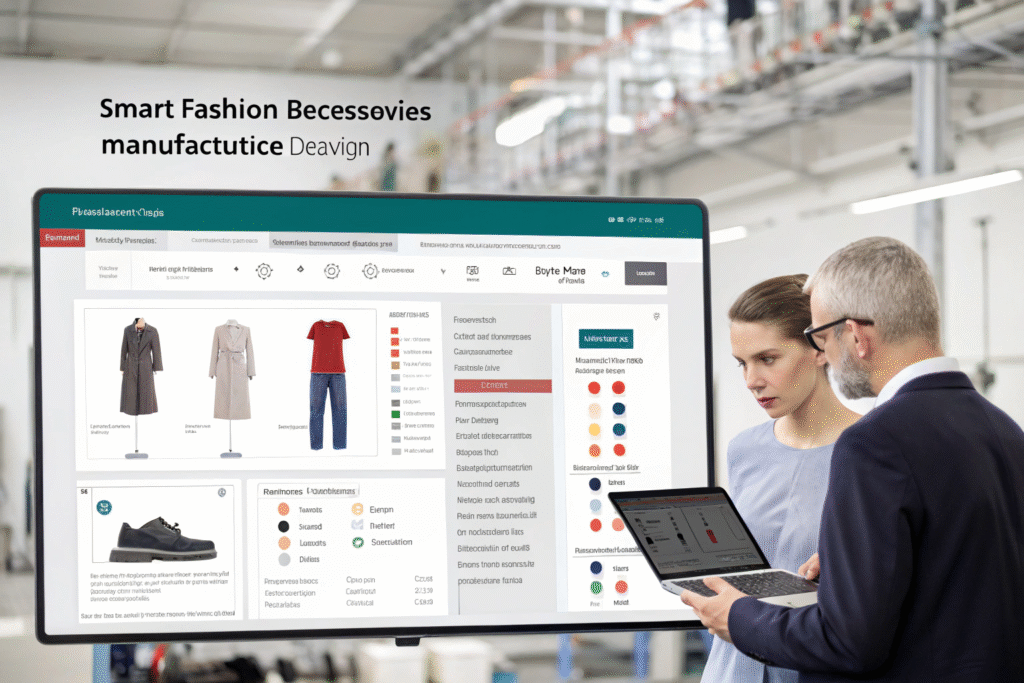
The fashion accessories manufacturing industry has traditionally operated with fragmented systems where design, production, inventory, and sales often function as separate silos with limited communication. This disconnection leads to inefficiencies, errors, delays, and missed opportunities. Manufacturers struggle with visibility across their operations, while brands and retailers face challenges in tracking orders and maintaining quality consistency. […]
Why Are AI Algorithms Improving Fashion Accessories Production Planning?
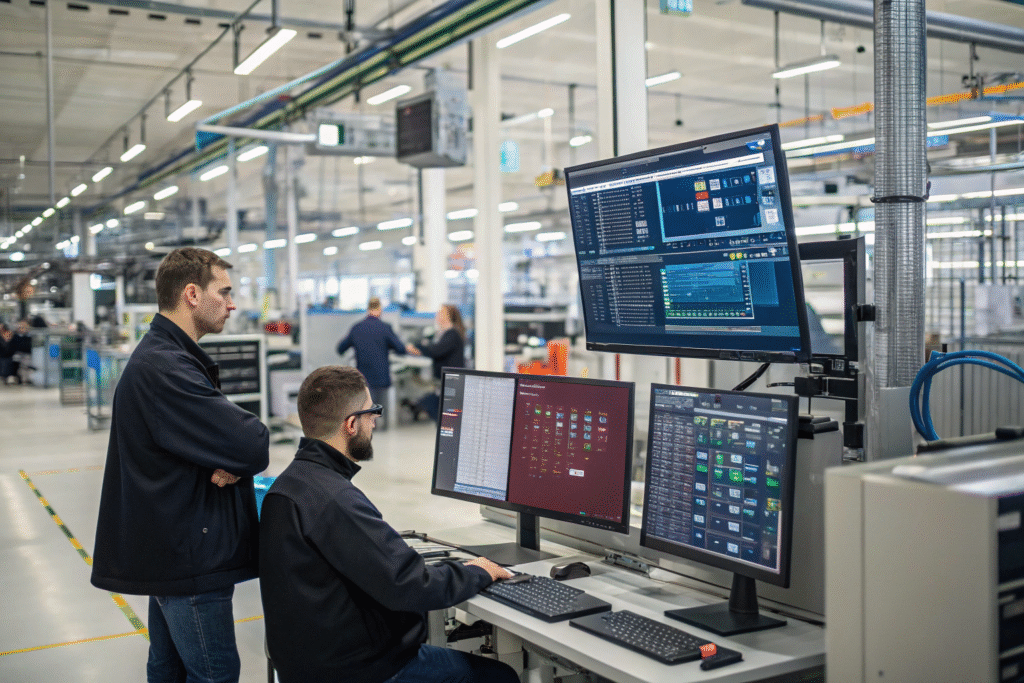
Fashion accessories production planning has traditionally relied on historical data, manual forecasting, and experienced planners’ intuition. This approach often leads to either overproduction that strains inventory budgets or underproduction that misses sales opportunities. The volatile nature of fashion trends, seasonal fluctuations, and unpredictable consumer behavior makes accurate planning particularly challenging for accessories with shorter lifecycles […]
How To Leverage Digital Twins For Fashion Accessory Design & Prototyping Optimization?
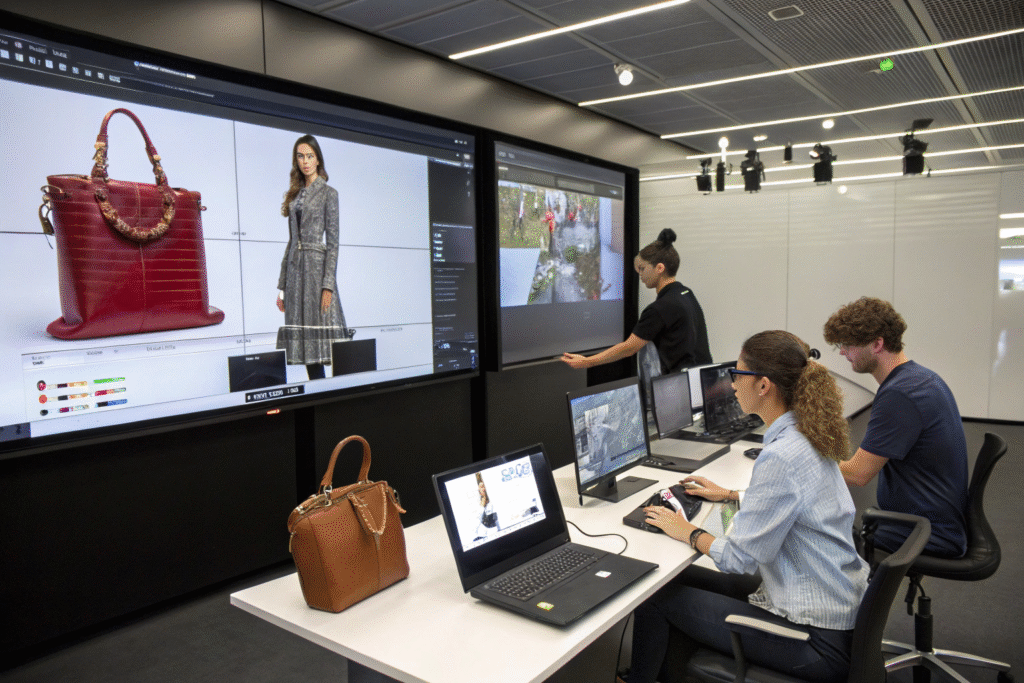
The traditional fashion accessory development process involves numerous physical prototypes, material waste, and lengthy iteration cycles that delay time-to-market and increase costs. Designers and manufacturers face constant challenges in visualizing how materials will behave, how components will assemble, and how finished products will perform in real-world conditions before committing to physical production. This trial-and-error approach […]
What Is The Future Of Human-Robot Collaboration in Fashion Accessories?
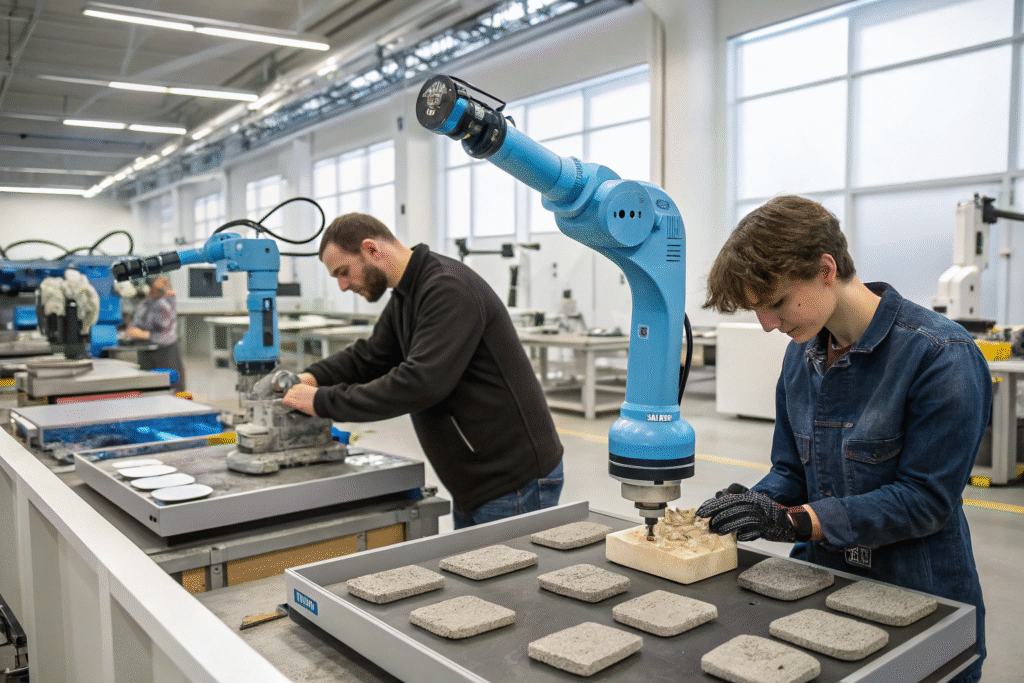
The fashion accessories industry stands at an intriguing crossroads where traditional craftsmanship intersects with advanced robotics. For decades, manufacturing has oscillated between purely manual artistry and fully automated production, each with distinct limitations. Manual processes offer flexibility and artistry but struggle with consistency and scale, while full automation delivers efficiency but lacks adaptability and the […]
Why Are IoT-Powered Fashion Accessories Revolutionizing Wearable Experience?

Traditional fashion accessories have primarily served aesthetic and basic functional purposes—jewelry for adornment, bags for carrying items, belts for fit, and watches for timekeeping. While beautiful and culturally significant, these items remained largely static in their capabilities, unable to adapt to the dynamic needs of modern life. The disconnect between our increasingly digital existence and […]
How Can Fashion Accessories Factories Implement Predictive Quality Analytics?
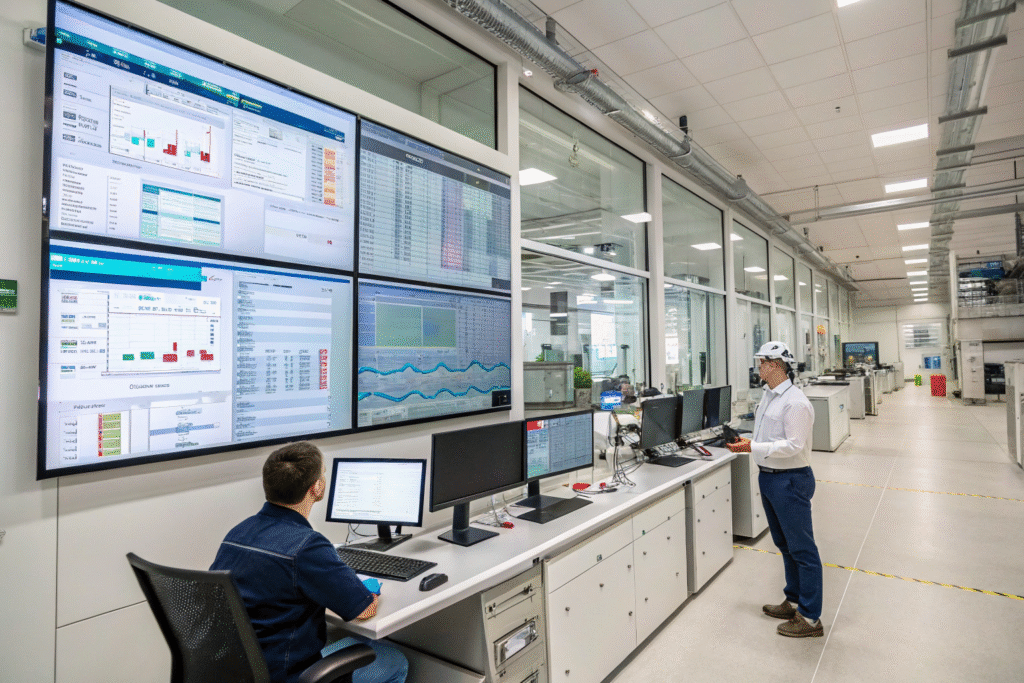
Quality issues in fashion accessories manufacturing often remain undetected until final inspection or, worse, until products reach customers. Traditional quality control methods are inherently reactive, identifying defects after they occur rather than preventing them. This results in costly rework, material waste, delayed shipments, and potential damage to brand reputation. The complexity of accessory manufacturing—with diverse […]
