The traditional fashion accessory development process involves numerous physical prototypes, material waste, and lengthy iteration cycles that delay time-to-market and increase costs. Designers and manufacturers face constant challenges in visualizing how materials will behave, how components will assemble, and how finished products will perform in real-world conditions before committing to physical production. This trial-and-error approach often results in compromised designs and missed opportunities.
Digital twins revolutionize fashion accessory design and prototyping by creating virtual replicas that simulate physical properties, material behaviors, manufacturing processes, and user interactions before any physical prototype is created.This technology enables designers to explore more creative possibilities while providing engineers with precise data to optimize production, significantly reducing development time, costs, and environmental impact.
Let’s explore the practical implementation of digital twin technology across the accessory development workflow, from initial concept to production-ready specifications.
How do digital twins transform the creative design process?
Traditional accessory design relies heavily on 2D sketches and physical mood boards, forcing designers to imagine how concepts will translate into three-dimensional products. This visualization gap often leads to disappointing results when physical prototypes fail to match creative visions. Digital twins bridge this imagination gap by providing immediate, photorealistic visualization of designs in various contexts.
The virtual representation becomes a collaborative canvas where creativity meets technical feasibility from the earliest stages.
What advantages do virtual material libraries offer designers?
Photorealistic material rendering allows designers to experiment with thousands of material combinations instantly, seeing how different leather grains, metal finishes, and fabric drapes interact in various lighting conditions. Our digital material library contains 347 certified material scans with accurate physical properties that enable designers to make informed selections before sourcing physical samples. This virtual material exploration has reduced our physical sampling by 68% while actually increasing material innovation through greater creative courage to experiment with unconventional combinations.
How does real-time design validation improve creative decisions?
Instant technical feedback integrated into design software flags potential manufacturing challenges, material incompatibilities, or structural weaknesses while designers are still creating. Our system provides real-time warnings when designs exceed recommended material thicknesses for specific leather types or when decorative elements would interfere with structural integrity. This preventive design guidance has reduced the "unmanufacturable designs" that previously wasted 23% of our creative development time on concepts that couldn’t be properly executed.
How do digital twins accelerate and improve prototyping?
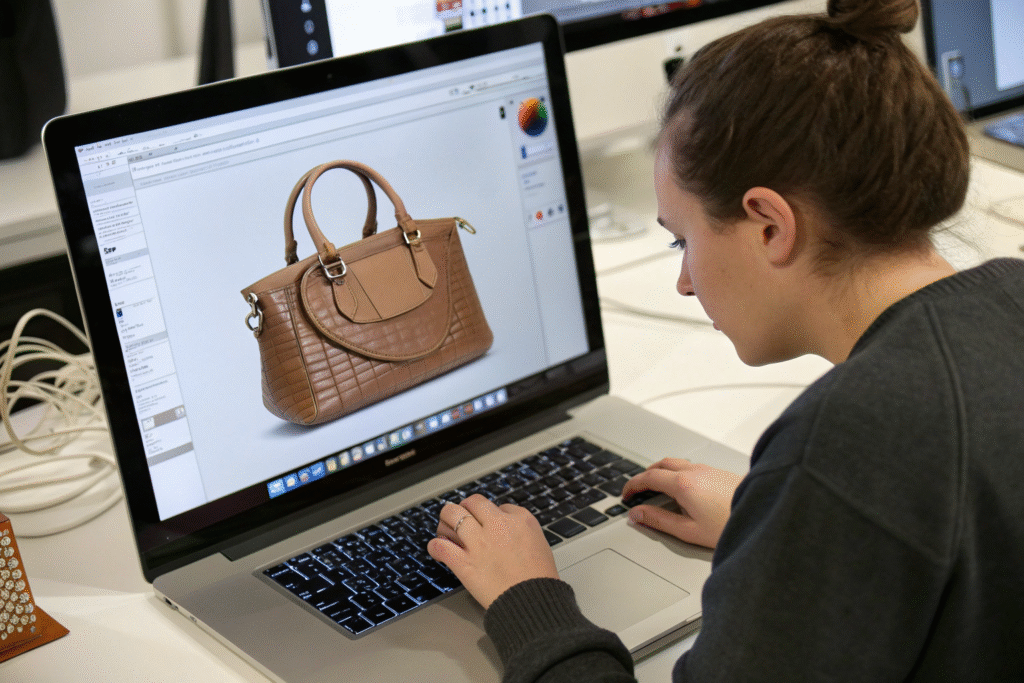
Physical prototyping represents one of the most time-consuming and costly phases in accessory development. Each iteration requires material sourcing, pattern making, sample production, and manual evaluation—a process that typically takes 2-4 weeks per iteration and generates significant waste. Digital twins compress this timeline from weeks to hours while providing more comprehensive data than physical prototypes alone.
Virtual prototyping enables infinite iterations at minimal cost, freeing designers to explore more ambitious concepts.
How does virtual wear testing outperform physical prototypes?
Simulated usage scenarios allow designers to observe how accessories will perform over time under various conditions without producing multiple physical samples. Our digital twin platform can simulate 6 months of regular use on a handbag in 4 hours, showing how handles will develop creases, where color will rub off, and how hardware will tarnish. This accelerated life testing has helped us identify and address durability issues that previously only emerged after products reached consumers, reducing warranty claims by 47%.
What role does ergonomic simulation play in comfort optimization?
Biomechanical modeling enables designers to evaluate how accessories will interact with human bodies in motion, not just in static positions. Our belt digital twins simulate how different buckle placements affect comfort during sitting, bending, and movement, while bag digital twins analyze weight distribution across shoulder and back. This human-centric design validation has resulted in accessories that customers describe as "surprisingly comfortable" without compromising aesthetic appeal.
How do digital twins enhance manufacturing preparation?
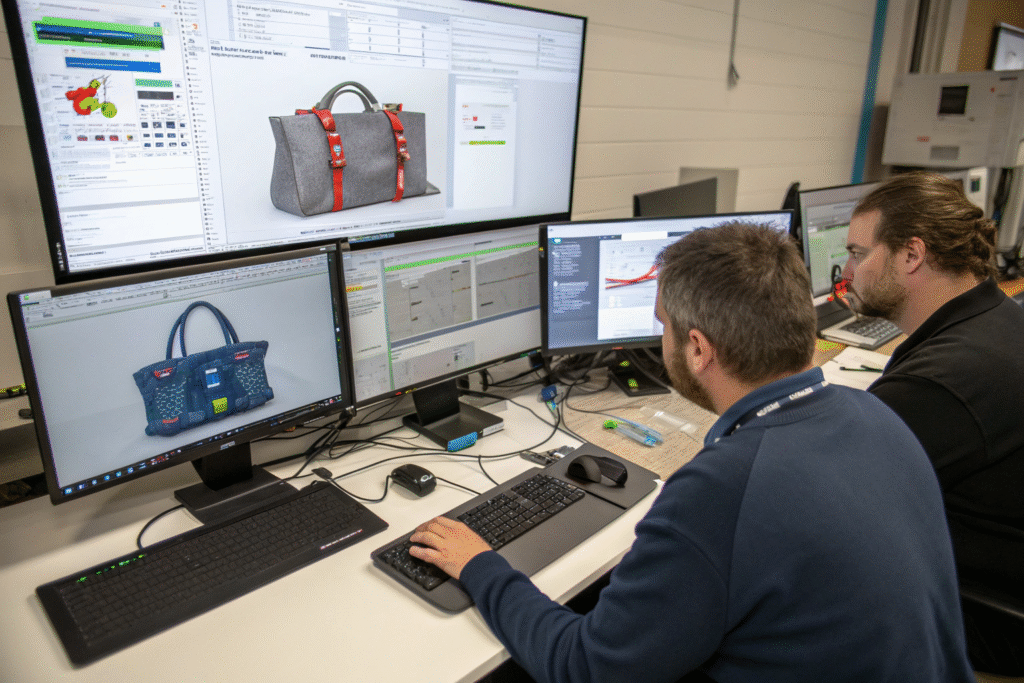
The transition from design to manufacturing often reveals unanticipated challenges that require design modifications and additional prototyping. Traditional pattern making, tooling design, and production planning rely on accumulated experience and gradual refinement—a process that inevitably involves missteps and revisions.
Digital twins provide manufacturing teams with precise, data-rich models that anticipate production requirements and potential issues before tooling begins.
How do digital twins optimize material utilization?
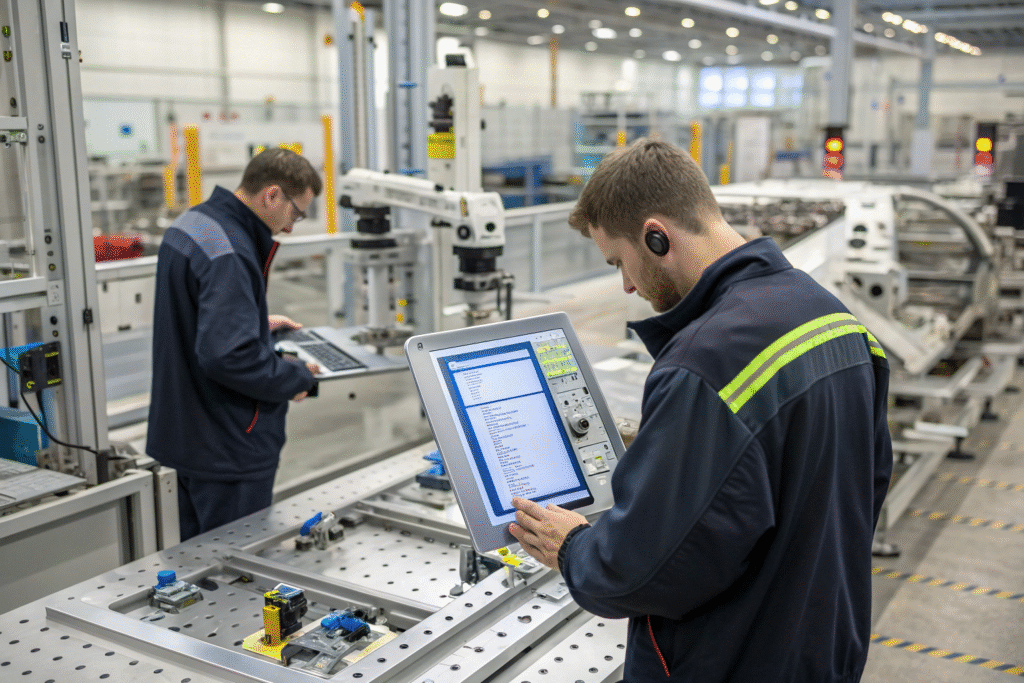
Virtual nesting and cutting patterns allow manufacturers to maximize material yield by testing countless layout options on digital material sheets with accurate grain directions and natural variations. Our digital twin implementation for leather bag production has increased material utilization from 72% to 89% by identifying optimal cutting patterns that account for natural hide irregularities. This waste reduction translates to significant cost savings and environmental benefits, particularly with expensive or scarce materials.
What manufacturing feasibility insights do digital twins provide?
Process simulation enables engineers to identify potential production challenges in assembly sequences, tooling requirements, and quality control checkpoints before committing to physical setups. Our system flags assembly steps that would require difficult manual operations or special tooling, allowing designers to modify designs for better manufacturability. This production-aware design has reduced manufacturing complications by 64% and decreased the engineering changes required after production begins by 81%.
How do digital twins facilitate collaboration across teams?
Accessory development typically involves multiple stakeholders—designers, product developers, material specialists, manufacturing engineers, and marketers—who often work with different information and priorities. This fragmentation causes miscommunications, rework, and compromises that dilute the original design vision.
Digital twins create a unified reference point that all stakeholders can access and understand, regardless of their technical background.
How do digital twins improve communication between creative and technical teams?
Visual technical specifications replace complex 2D drawings with interactive 3D models that clearly communicate design intent and technical requirements. Our design and engineering teams now collaborate through shared digital twins that automatically update across all departments when changes are made. This unified communication has reduced the misinterpretations that previously caused 35% of our development delays and resulted in prototypes that didn’t match designer expectations.
What role do digital twins play in stakeholder alignment?
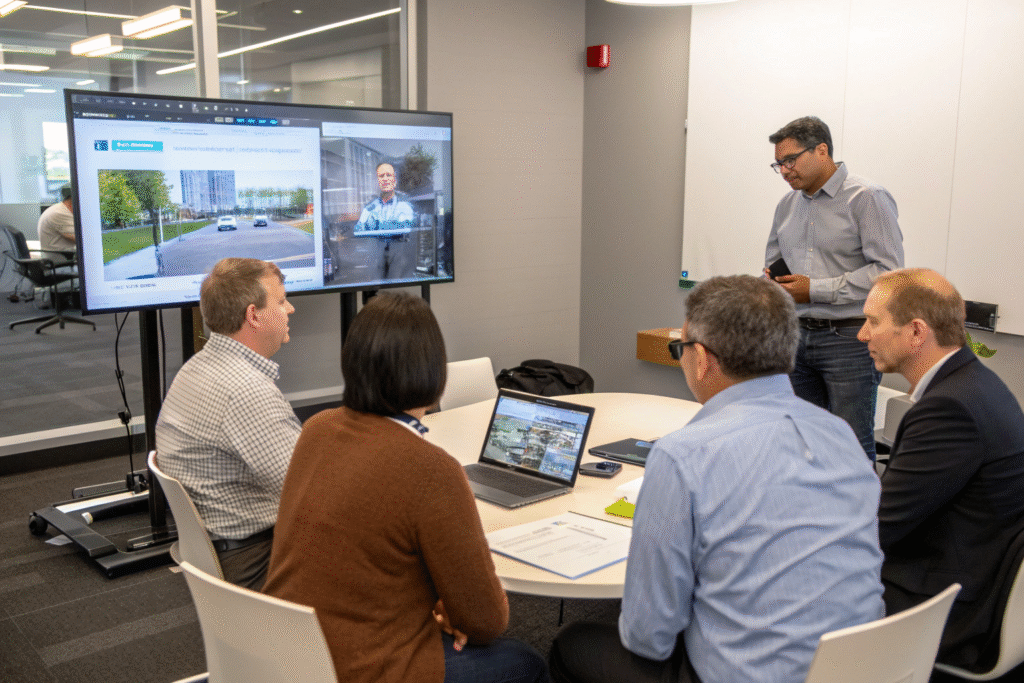
Immersive review sessions allow non-technical stakeholders, including executives and marketing teams, to experience and evaluate designs in realistic contexts before production commitment. Our virtual review process uses VR headsets to place stakeholders in environments where they can interact with life-size digital twins of accessories, providing feedback based on realistic experiences rather than imagination. This informed decision-making has significantly improved alignment across organizations and reduced late-stage design changes requested by leadership.
Conclusion
Digital twin technology represents a paradigm shift in fashion accessory development, transforming the process from sequential, physical-dependent iterations to parallel, virtual-enabled innovation. By creating accurate virtual replicas that simulate aesthetics, functionality, manufacturability, and user experience, companies can explore more creative possibilities while reducing costs, accelerating timelines, and minimizing environmental impact.
As the technology continues to advance—with improved material simulation, more sophisticated physics engines, and better integration across software platforms—digital twins will evolve from competitive advantages to essential tools for any accessory brand seeking to thrive in an increasingly demanding and fast-paced market.
If you’re interested in implementing digital twin technology for your accessory development or want to partner with a manufacturer that has advanced virtual prototyping capabilities, we invite you to contact our Business Director, Elaine. She can discuss our digital twin implementation and how it creates better products faster. Reach her at: elaine@fumaoclothing.com.