Have you ever shipped a container of winter accessories to Moscow, only to have it seized at a freezing customs terminal because a single piece of paper was missing? I watched a distributor lose an entire season’s profit this way. He had shipped 10,000 wool scarves. The quality was perfect. The price was right. The shipping was on time. But the Russian customs broker demanded a Certificate of Origin. The factory had never provided one. The distributor scrambled. He begged the factory to issue it retroactively. But the factory’s records were a mess. They could not prove the scarves were made in China. The container sat in a bonded warehouse for three weeks. The demurrage fees piled up. The winter selling window closed. The scarves were finally released, but they were now out of season. The business went bankrupt.
AceAccessory is a professional manufacturer and exporter of accessories. Russian buyers require Certificates of Origin for customs clearance because the Eurasian Economic Union mandates this document to determine tariff rates, enforce trade sanctions compliance, and verify that the goods are not from a country subject to anti-dumping duties or import bans.
Russia is not a free trade zone. It is a fortress of paperwork. The Certificate of Origin is the key to the gate. Without it, the goods are stateless orphans. They cannot legally enter the country. As a factory owner in Zhejiang who ships regularly to the Russian market, I have mastered this bureaucratic requirement. Let me explain the logic, the legal framework, and the exact process we use to ensure our clients never face a customs seizure.
What Is the Legal Framework of the EAEU That Demands This Document?
The Certificate of Origin is not a Russian bureaucratic whim. It is a legal requirement under the Customs Code of the Eurasian Economic Union. The EAEU is a trade bloc consisting of Russia, Belarus, Kazakhstan, Armenia, and Kyrgyzstan. These five countries share a unified customs territory. The EAEU Customs Code, particularly Chapter 4, establishes the mandatory rules of origin.
The logic is simple. The EAEU applies different import tariff rates to different countries. China, as a member of the World Trade Organization, generally receives Most Favored Nation tariff rates. These rates are lower than the General Tariff. But to claim the MFN rate, the importer must prove the goods are, in fact, Chinese. The Certificate of Origin is that proof. Without it, customs assumes the worst. They apply the highest possible tariff rate, or worse, they classify the goods as "origin unknown" and block their release entirely. Additionally, the EAEU maintains a list of goods subject to special protective measures. Anti-dumping duties apply to specific products from specific countries. If a Chinese product falls under an anti-dumping investigation, the Certificate of Origin confirms the country. It triggers the correct, potentially higher, duty. If the certificate is missing, customs might suspect the goods are from the sanctioned country and are being transshipped through China to evade duties. This is "circumvention." It is a serious customs violation. The document is the legal shield against this accusation.
What Is the Difference Between Preferential and Non-Preferential Origin?
Preferential origin applies when a trade agreement exists. China does not have a free trade agreement with the EAEU. Therefore, the origin certificate for Russia is a "Non-Preferential Certificate of Origin."
Its purpose is not to grant a lower duty rate. Its purpose is to satisfy the regulatory requirement of proving the country of manufacture. It is a mandatory compliance document, not an optional benefit. This distinction is critical. Some buyers mistakenly think they can skip the certificate because there is no tariff benefit. They are wrong. The certificate is required for basic entry. It is the first paper the customs officer asks for.
How Does the Certificate Combat Sanctions Evasion?
Russia is under heavy international sanctions. Many Western goods are banned from direct export to Russia. Some companies try to reroute goods through China. They ship to China, repackage, and ship to Russia with a Chinese Certificate of Origin.
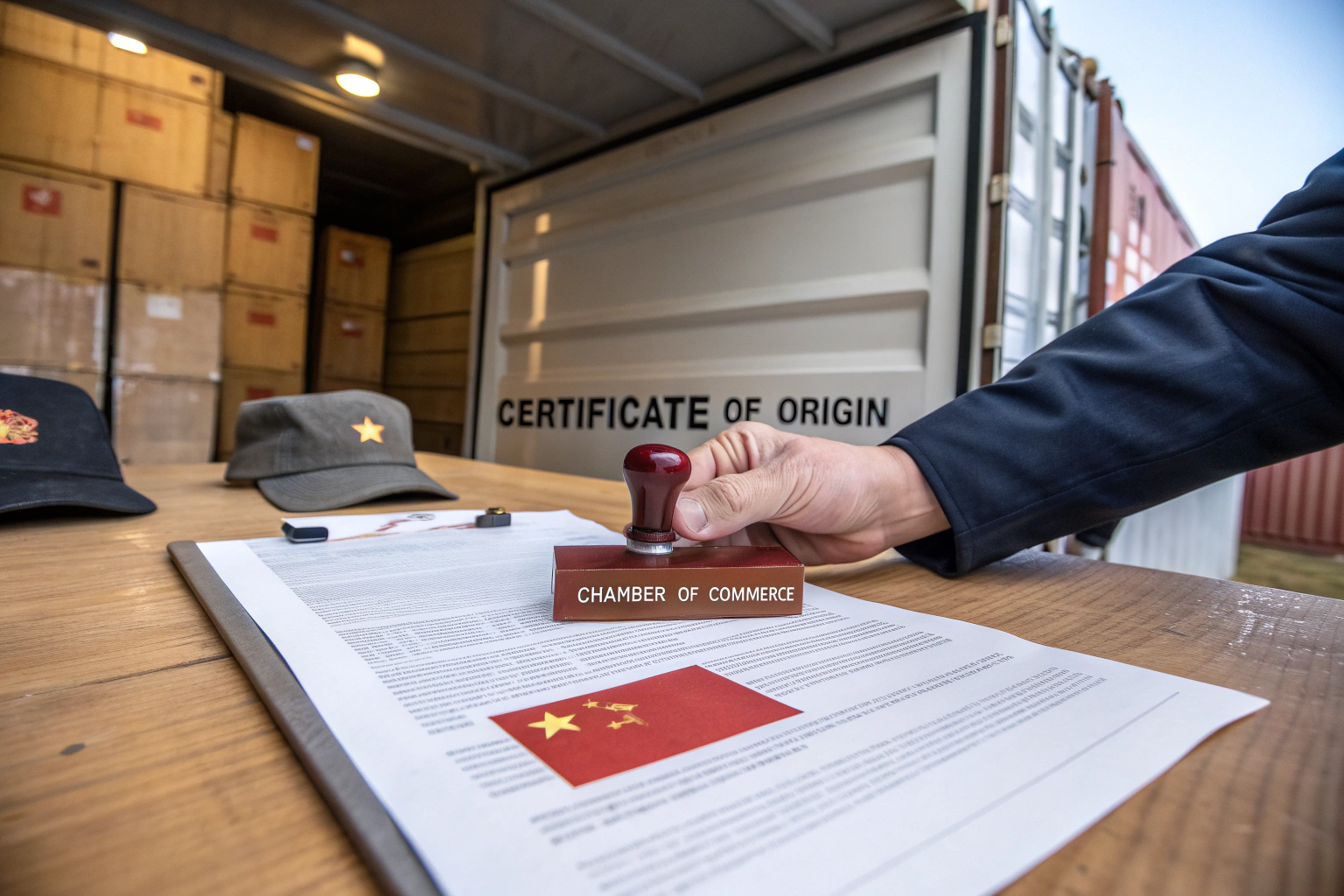
Russian customs is aggressively investigating this transshipment fraud. They scrutinize Chinese Certificates of Origin intensely. They check the factory’s address. They check the shipping route. Our certificates are backed by a full manufacturing audit trail. We provide the Chinese Chamber of Commerce verification. The document proves our factory is a genuine, operational manufacturing entity. It protects the buyer from an accusation of sanctions evasion. It is a vital political and legal safeguard.
How Does a Chinese Factory Obtain a Legitimate Certificate of Origin?
A legitimate Certificate of Origin is not a word processor template. It is a government-authorized document. In China, the issuing authority is the China Council for the Promotion of International Trade or the General Administration of Customs. The process is rigorous.
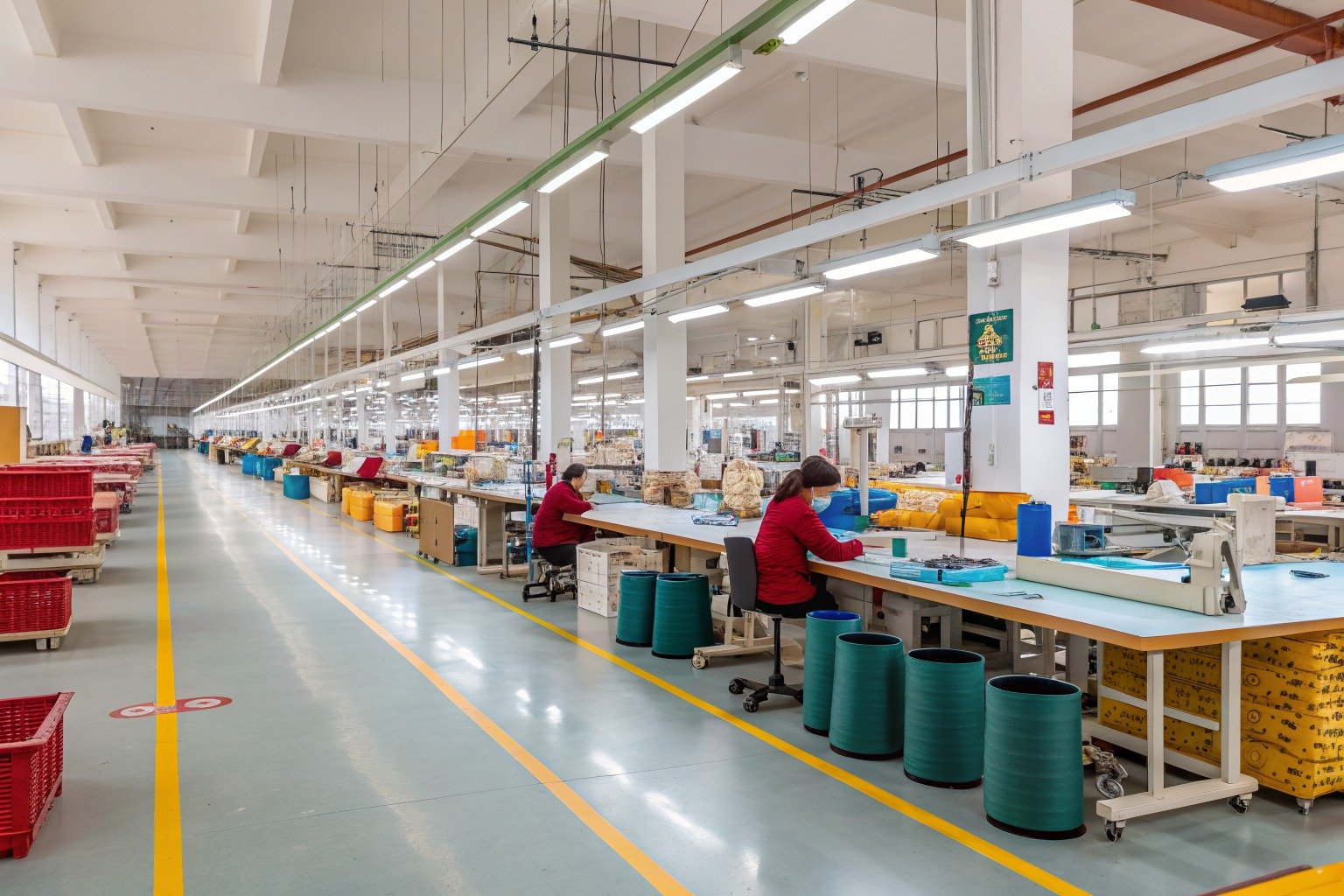
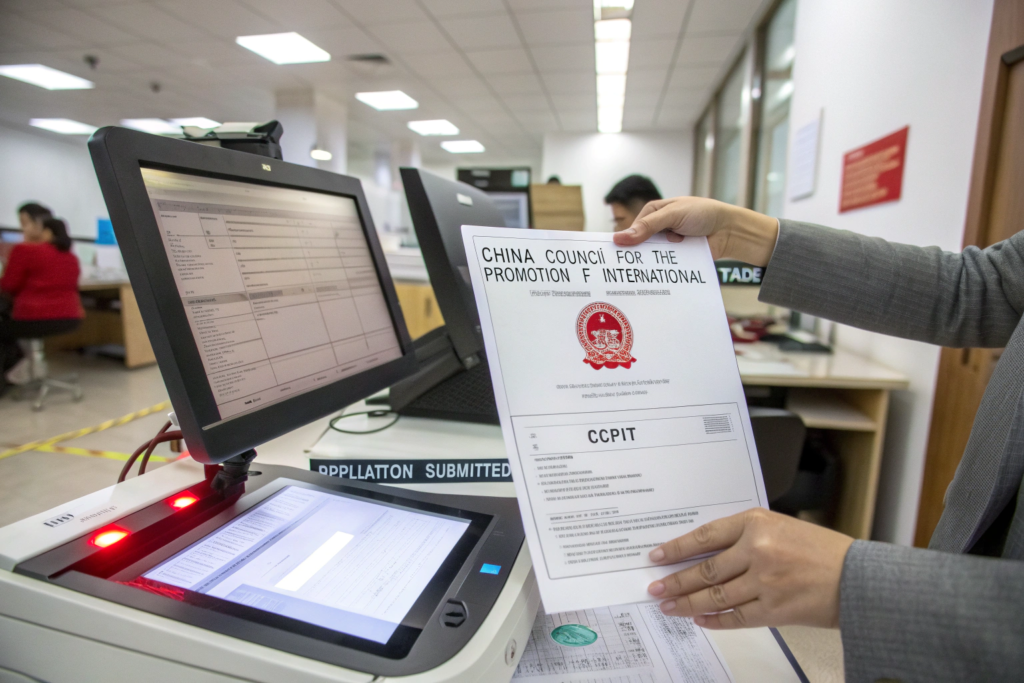
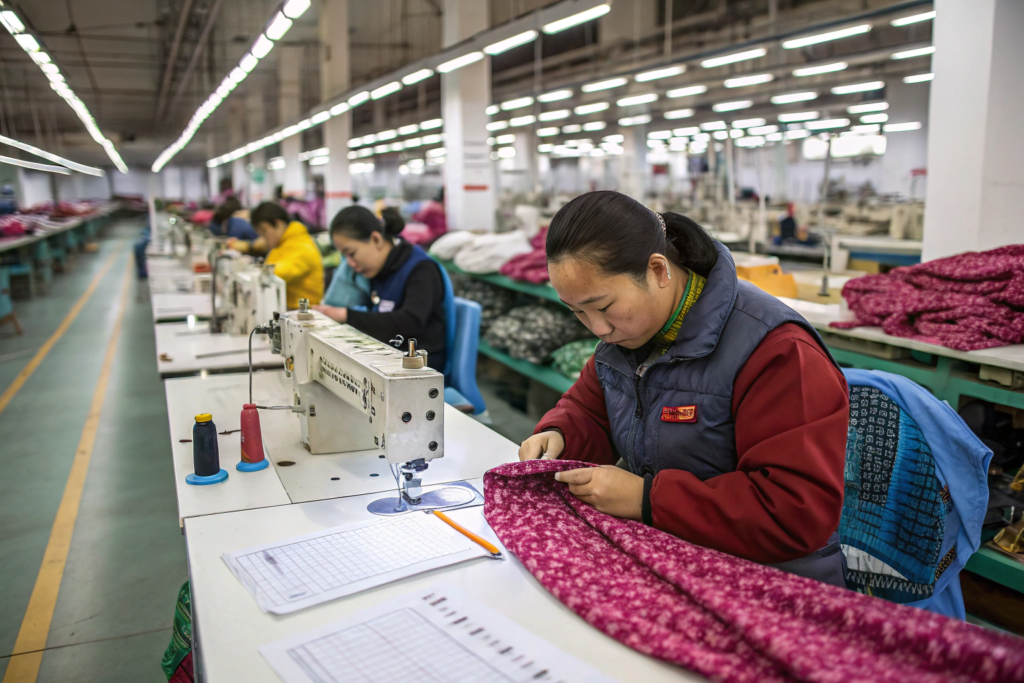
We must first be a registered exporter. Our factory has a valid business license and an export registration record. We apply for the certificate for each specific shipment. The application includes the commercial invoice, the packing list, and a detailed production cost breakdown. The authority verifies that the goods were substantially transformed in China. "Substantial transformation" means the manufacturing process changed the raw material’s tariff classification. Weaving yarn into a scarf is a transformation. Sewing a button onto a finished scarf is not. We must prove the core manufacturing occurred in our Zhejiang factory. We submit our raw material purchase receipts. We submit our worker payroll records. We submit photos of the production line. The CCPIT official reviews the application. They may conduct a physical factory audit. They verify the machinery exists. They verify the workers are real. Only then do they issue the signed and stamped Certificate of Origin. This document is printed on special security paper with a watermark. It has a unique verification number. The Russian customs broker can check this number online against the CCPIT database. It is a secure, traceable, legal document.
Why Is the CCPIT Stamp the Gold Standard?
The China Council for the Promotion of International Trade is a national trade promotion body. Its stamp is internationally recognized. Russian customs trusts it.
A certificate issued by a local, unregistered chamber might be rejected. The CCPIT has a direct data exchange with many foreign customs authorities. The certificate’s authenticity is instantly verifiable. We use the CCPIT exclusively for our Russian shipments. It costs a small fee, around 30 to 50 dollars. It is processed in 1 to 2 working days. It is a non-negotiable part of our export documentation package.
What Are the Required Supporting Documents for the Application?
You cannot get a certificate with just an invoice. You need the "Manufacturing Cost Statement." This is a confidential breakdown. It shows the cost of the fabric, the labor, and the overhead. It proves the value addition occurred in China.
The authority checks that the local value content exceeds the minimum threshold, usually 30 to 40 percent. This prevents a simple repackaging operation from fraudulently claiming Chinese origin. We maintain these cost statements meticulously. They are auditable. This is the financial transparency required.
How Does the Certificate of Origin Affect Your Buyer’s Tariff Costs?
The certificate directly controls the landed cost. Without it, the Russian customs officer has the legal authority to classify the goods under the "unknown origin" tariff. This rate is punitive. It is the highest possible rate for that product category. It can be 200% or more of the standard MFN rate. This is not a risk. It is a certainty.
The officer must protect the state revenue. If the origin is undocumented, they assume the worst-case commercial scenario. They also apply a fine for missing documentation. The certificate unlocks the correct tariff classification. For fashion accessories, the MFN rate is typically between 10 and 20 percent. This is the standard import cost. The certificate also enables the Value Added Tax calculation. The tax is applied on the sum of the cost, insurance, freight, and duty. A correct duty base ensures the VAT is also correct. An incorrect duty base cascades into a tax audit. The Certificate of Origin is the foundational document for the entire customs value chain. It is a cost-savings instrument. We treat it as such.

What Happens If the Certificate Contains an Error?
A typo in the consignee name. A mismatch in the HS code. A slight difference in the weight. The customs officer will reject the certificate.
The goods are blocked. The buyer must apply for a corrected certificate. This takes days. The storage fees accumulate. We triple-check the certificate against the commercial invoice before couriering the original. We email a scanned draft to the buyer for pre-approval. We treat the document with extreme precision. It is a financial instrument.
How Does the Digital Verification System Speed Up Clearance?
The CCPIT certificate has a QR code and an online verification number. The Russian customs officer scans the QR code. The screen displays the CCPIT’s official record of the certificate. The data matches the physical paper. The officer immediately validates the document. This digital backbone prevents forgery. It speeds up the clearance process. It removes the need for a manual authenticity query. We provide the digital verification link to our buyer’s broker before the shipment arrives. The broker pre-verifies the certificate. The clearance is prepared. It is a modern, efficient workflow.
What Are the Consequences of Shipping Without a Certificate of Origin?
The consequences are sequential and severe. First, the immediate seizure. The container is flagged. It is moved to a customs bonded warehouse. Second, the demurrage. The warehouse charges rent by the day. A container can cost 100 to 200 dollars per day in storage fees. A week of delay wipes out a small order’s profit margin. Third, the customs penalty. A formal administrative violation is filed against the importer. The fine is a percentage of the undeclared value. Fourth, the potential re-export or destruction order. If a certificate cannot be produced within a fixed period, typically 30 days, customs orders the goods to be re-exported at the importer’s cost or destroyed. The goods never enter the market. The buyer loses everything.
Finally, the importer’s risk profile is damaged. They are flagged as a "non-compliant" importer. Future shipments face 100% physical inspections. The business is strangled by red tape. The Certificate of Origin is a low-cost document. Its absence causes a catastrophic cascade. We have seen it happen. It is why we never, ever ship to Russia without the original, signed, and stamped certificate securely taped to the inside of the shipping container door.
Why Can’t a "Retrospective" Certificate Fix the Problem Easily?
You can apply for a certificate after the shipment has arrived. But it is a painful process. The CCPIT requires an explanation of why the certificate was not issued at the time of shipment. They investigate. It takes much longer. Meanwhile, the container sits, accumulating fees. The retrospective certificate is often flagged by Russian customs. They scrutinize it more heavily. They suspect foul play. It is vastly better to issue the certificate correctly and on time. Prevention is the only professional strategy.
How Do We Ensure the Original Document Arrives Safely?
An original document is a physical piece of paper. It can be lost by the courier. We create three originals. One goes by express courier with the shipping documents. One is hand-carried by the buyer’s appointed freight forwarder. One is kept in our fire-proof safe. We track the courier package obsessively. The day the container arrives at the port, the original certificate is already in the broker’s hand. This logistical redundancy is part of our reliable service. We guarantee the document arrives before the container.
Conclusion
The Russian buyer’s demand for a Certificate of Origin is not a burden. It is a legal, financial, and political necessity. The EAEU Customs Code requires it to establish the country of manufacture. The document unlocks the standard MFN tariff rate and prevents the punitive "unknown origin" penalty. It protects the buyer from accusations of sanctions circumvention. The CCPIT-issued certificate, with its digital verification QR code, is the trusted gold standard. Shipping without it triggers a cascade of seizure, demurrage, fines, and potential cargo destruction.
In our Zhejiang factory, we have a dedicated export documentation specialist who handles the CCPIT application for every Russian shipment. We prepare the manufacturing cost statement, the raw material receipts, and the production photos. We obtain the certificate within 48 hours. We courier the original to the destination broker with time to spare.
If you are a Russian buyer or an importer shipping to the EAEU, I invite you to contact our Business Director, Elaine. She can show you a sample of our CCPIT Certificate of Origin with the QR code. She can explain the exact documentation package we provide for seamless Russian customs clearance. Send her an email at elaine@fumaoclothing.com. Let us make your paperwork as strong as your product.