Quality assurance in fashion accessories manufacturing has traditionally relied on manual inspection, which is inherently inconsistent, slow, and costly. Human inspectors, no matter how skilled, face challenges with fatigue, subjectivity, and the inability to maintain consistent attention to detail over long periods. This results in quality variations, missed defects, and high labor costs that impact both profitability and brand reputation.
Fashion accessories factories can implement automated quality assurance through computer vision systems, IoT sensors, machine learning algorithms, and robotic inspection technologies that work together to detect defects with superhuman accuracy and consistency. This comprehensive approach transforms quality control from a bottleneck at the end of production to an integrated, continuous process that identifies issues in real-time and prevents defective products from progressing through manufacturing stages.
Let’s explore the practical implementation strategies and technologies that enable successful automated quality assurance in accessories manufacturing.
What infrastructure is required for automated quality assurance?
Implementing automated quality assurance requires both technological infrastructure and organizational readiness. Many factories make the mistake of purchasing inspection equipment without considering the supporting systems, data infrastructure, and workforce adaptation needed for successful implementation. A strategic approach builds the foundation for sustainable automated quality management.
The infrastructure must support data collection, processing, decision-making, and action in a coordinated system that complements rather than conflicts with existing processes.
What hardware components are essential for automated inspection?
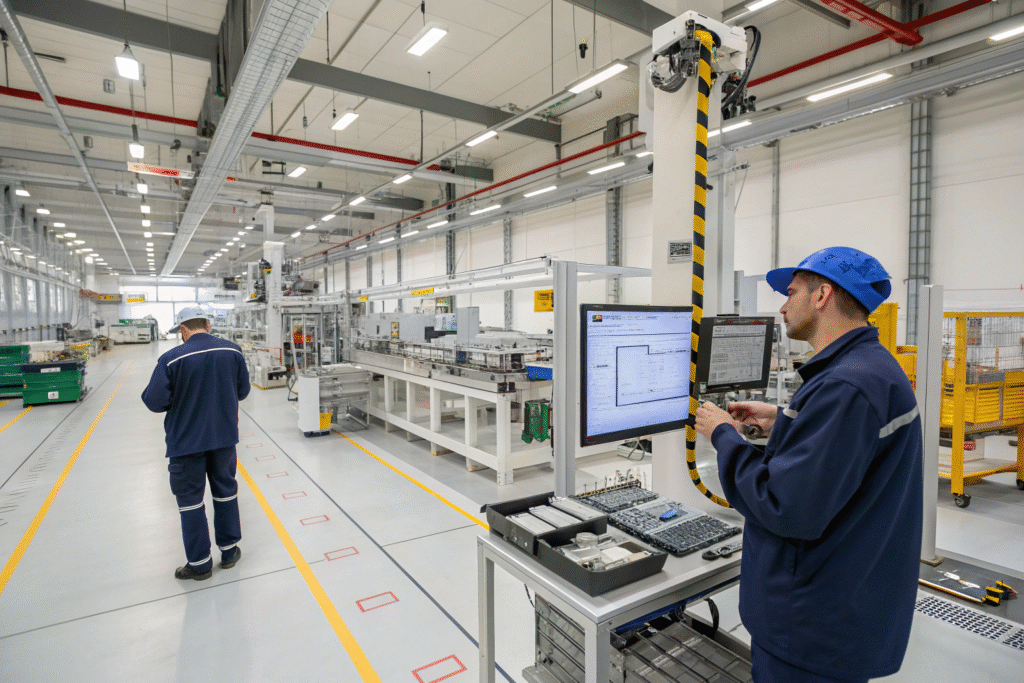
High-resolution vision systems with appropriate lighting, lenses, and positioning capabilities form the foundation of visual inspection automation. For our jewelry production, we installed 23 multi-angle camera stations that capture 187 images of each piece from different perspectives and lighting conditions. This comprehensive imaging enables detection of surface defects, dimensional inaccuracies, and assembly issues that would be invisible from a single viewpoint or to human inspectors working at production speed.
How does sensor integration enhance quality monitoring?
IoT sensors embedded in production equipment monitor parameters that influence quality, such as temperature, pressure, speed, and vibration. Our leather bag stitching stations now include 14 sensors that track needle penetration force, thread tension, and stitch length in real-time, flagging deviations before they result in visible defects. This parameter monitoring has reduced stitching-related rework by 73% by identifying and correcting process drift immediately rather than after defective products are completed.
How can computer vision systems detect accessory defects?
Human visual inspection is limited by biological constraints—eyesight resolution, attention span, and processing speed. Even experienced inspectors cannot maintain perfect focus through eight-hour shifts or detect microscopic defects that may indicate larger quality issues. Computer vision systems overcome these limitations with consistent, precise inspection capabilities.
Advanced imaging combined with machine learning creates inspection systems that learn and improve over time, adapting to new defect patterns and product variations.
What types of defects can computer vision identify in accessories?
Surface and structural flaws including scratches, dents, discoloration, misalignments, and material inconsistencies become detectable through automated vision systems. Our implementation for metal belt buckles identifies polishing inconsistencies as small as 0.1mm and coating thickness variations of less than 5 microns—imperceptible to human inspectors but critical for product longevity and appearance. This microscopic precision has eliminated the gradual quality drift that previously occurred as human inspectors adapted to declining standards over time.
How does machine learning enhance defect detection over time?
Adaptive algorithm training allows inspection systems to recognize new defect patterns and continuously improve their accuracy. Our vision system started with 87% detection accuracy but improved to 99.4% within six months as it learned from confirmed defects and feedback from quality engineers. This continuous learning capability has been particularly valuable for new product introductions where defect patterns are initially unknown and evolve as production processes stabilize.
How can automated QA be implemented across different accessory types?
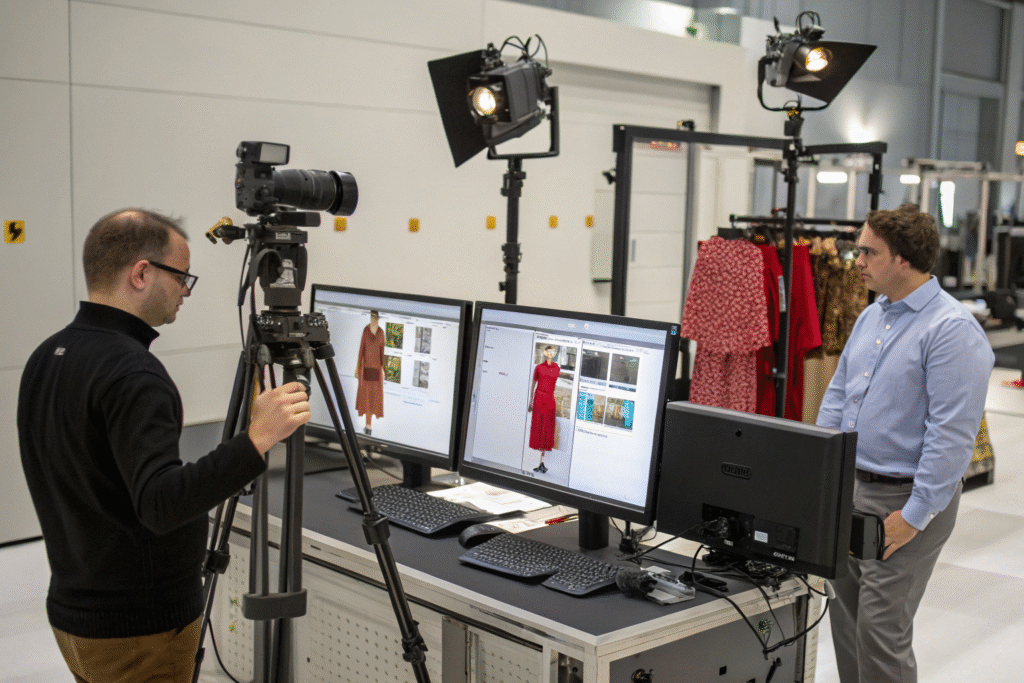
The diverse nature of fashion accessories—from delicate jewelry to structured handbags to flexible belts—requires tailored inspection approaches. A one-size-fits-all methodology would miss category-specific quality criteria and failure modes. Successful implementation adapts the core automated QA framework to the specific materials, processes, and quality expectations of each product category.
Customized inspection strategies ensure that automated systems evaluate the right characteristics with appropriate sensitivity for each accessory type.
How does automated inspection differ for metal versus textile accessories?
Material-specific inspection parameters require different approaches—metal accessory quality depends on surface finish, structural integrity, and plating consistency, while textile quality relates to weave uniformity, color fastness, and seam strength. Our automated system for metal jewelry uses reflectance analysis and microscopic imaging, while our textile inspection employs tension testing and pattern matching algorithms. This specialized approach has improved detection accuracy by 32% compared to initial attempts using generalized inspection methods across different materials.
What unique challenges does jewelry inspection present for automation?
Miniature components and high-value materials make jewelry quality particularly consequential, while the precision required creates numerous potential inspection points. Our automated jewelry inspection system checks 47 quality parameters on each piece, including stone tightness, clasp function, chain link consistency, and surface finish. This comprehensive assessment has reduced customer returns for our jewelry lines by 64% while providing detailed quality data that helps our manufacturing team continuously improve processes.
How can automated QA systems be integrated with production processes?
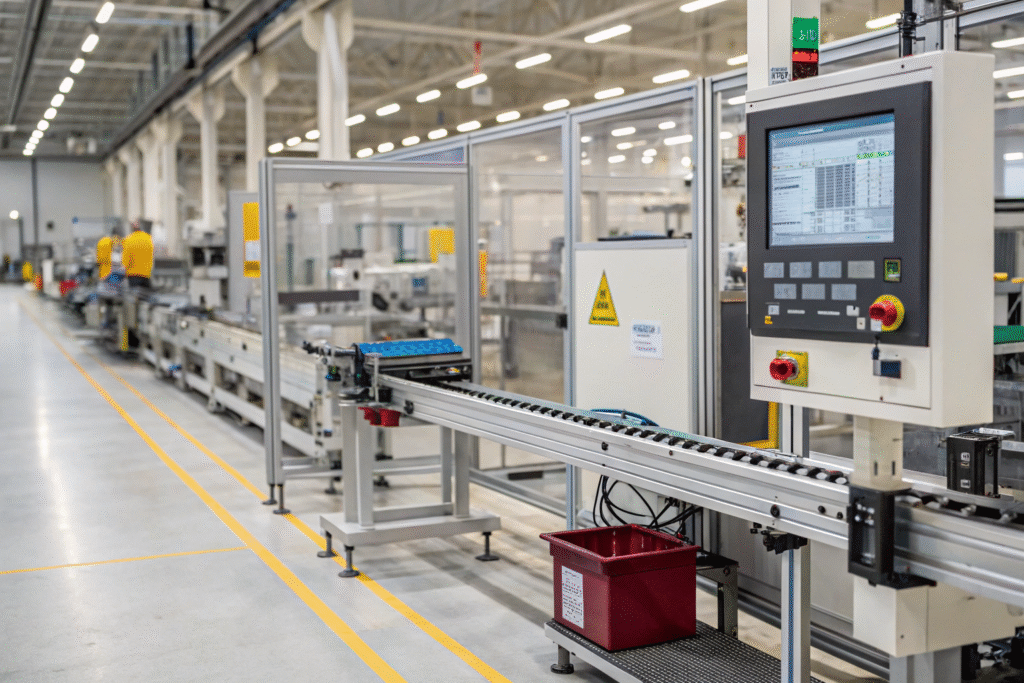
Standalone inspection stations provide limited value if they operate in isolation from production workflows. The greatest benefits come from integrated systems that connect quality data with manufacturing processes, enabling real-time corrections and continuous improvement. Successful implementation requires both technological integration and organizational adaptation.
The most effective automated QA systems become information sources that drive process optimization rather than simply defect detection tools.
How can real-time quality data enable immediate process adjustments?
Closed-loop control systems use quality measurements to automatically adjust production parameters when trends indicate emerging issues. Our metal stamping process now automatically adjusts pressure and alignment based on dimensional measurements from vision systems, maintaining tolerances within 0.05mm without operator intervention. This immediate correction has virtually eliminated the batch-level quality issues that previously occurred when processes gradually drifted outside specifications between manual checks.
How does automated QA enhance traceability and root cause analysis?
Comprehensive data logging connects each quality measurement with the specific production conditions, materials, and equipment used, enabling precise root cause analysis when issues occur. Our system records 128 data points for each accessory produced, creating a complete quality history that has reduced problem resolution time from days to hours. This detailed traceability has been invaluable for addressing intermittent quality issues that previously took weeks to diagnose using traditional methods.
Conclusion
Implementing automated quality assurance in fashion accessories factories represents a fundamental shift from detecting defects to preventing them through continuous, precise monitoring and immediate feedback. By building the necessary infrastructure, deploying appropriate inspection technologies, adapting approaches to different product categories, and integrating quality data with production processes, manufacturers can achieve unprecedented levels of quality consistency while reducing costs and increasing throughput.
The journey requires significant investment in technology, data systems, and workforce training, but the returns in reduced rework, improved customer satisfaction, and stronger brand reputation justify the commitment. As the technology continues to advance and become more accessible, automated quality assurance will transition from competitive advantage to essential capability for any accessory manufacturer seeking to excel in quality-conscious markets.
If you’re interested in implementing automated quality assurance in your accessory manufacturing or want to partner with a factory that has advanced quality automation capabilities, we invite you to contact our Business Director, Elaine. She can discuss our automated QA approach and how it delivers superior product quality. Reach her at: elaine@fumaoclothing.com.