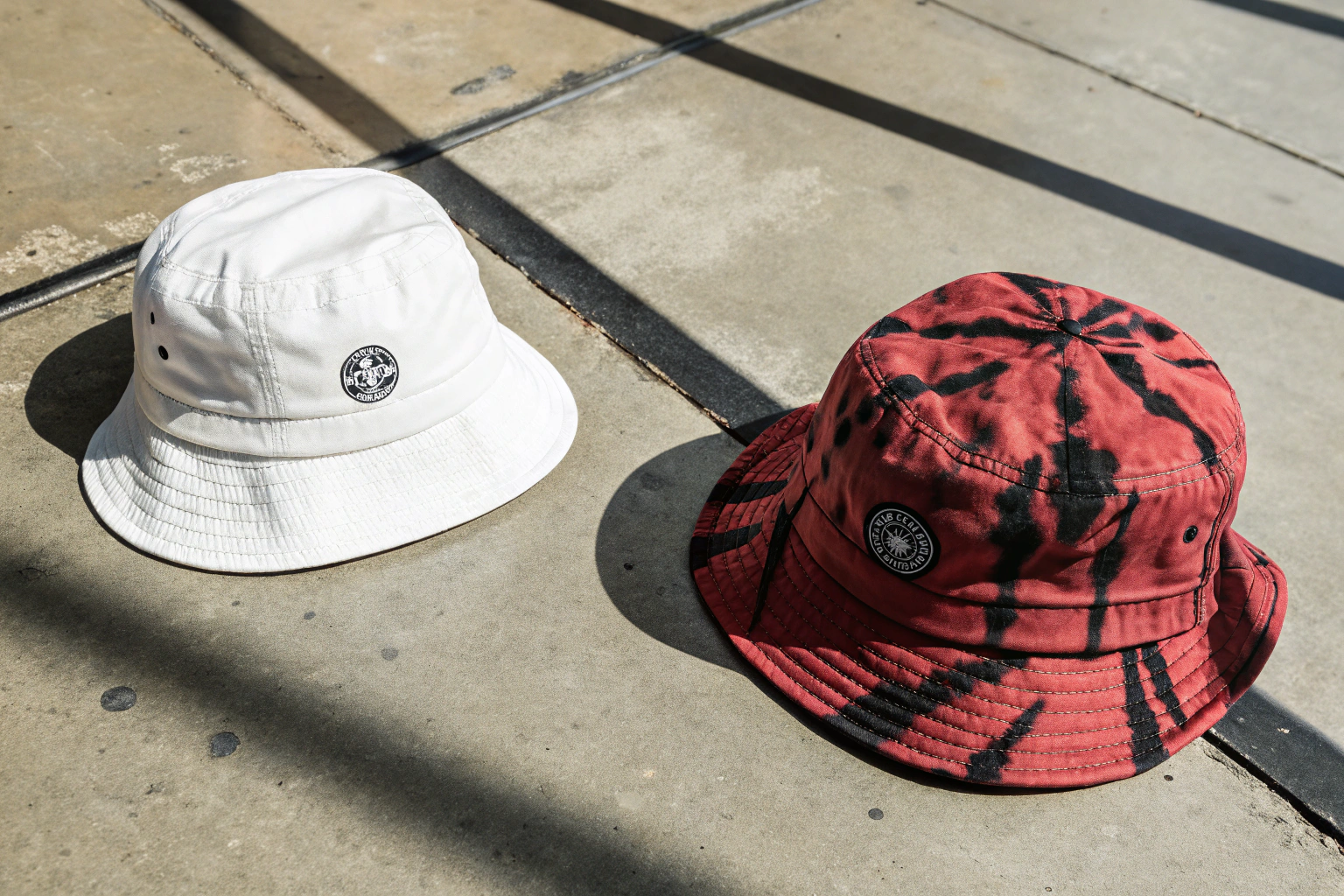
A streetwear brand owner from Los Angeles visited our factory last year. He stood in our sample room holding a classic, clean, unlined cotton bucket hat in one hand and a wild, oversized, double-layer printed bucket hat in the other. He looked at me and said, "Most factories can do one or the other. The classic boring one, or the crazy fashion one. I need both from the same supplier, or my whole collection looks inconsistent." He had been splitting his production between two factories. His quality was uneven. His shipping was a coordination nightmare. He needed one partner who understood that streetwear today is a spectrum, not a single look.
Yes, we produce both classic and trendy bucket hats for streetwear brands from a single factory. Our production lines handle minimalist 100% cotton twill bucket hats with clean finishes and bold fashion-forward styles with oversized brims, all-over prints, technical fabrics, and unique hardware. The same QC team, the same sewing floor, and the same project manager oversee both styles, ensuring consistent quality across your entire range.
Streetwear is not one thing anymore. A brand’s collection might include a quiet logo hat for the minimalists and a loud print hat for the hypebeasts. You should not need two factories to execute that vision. You need one factory with range. Let me show you how we do it.
What Defines a Classic Bucket Hat in Streetwear Today?
Classic does not mean outdated. In streetwear, the classic bucket hat is a foundation piece. It is the hat your customer wears every day, the one that goes with everything, the one that sells steadily month after month without relying on a trend spike. Getting the classic right is harder than it looks because there is nowhere to hide mistakes.
A classic bucket hat demands perfect proportions, clean stitching, and comfortable fabric. There are no wild prints to distract the eye from a crooked seam. No oversized brim to disguise a poorly shaped crown. The simplicity exposes every detail. Our production team treats classic styles with the respect they deserve.
Why Do Proportions and Fit Matter Most for Classic Styles?
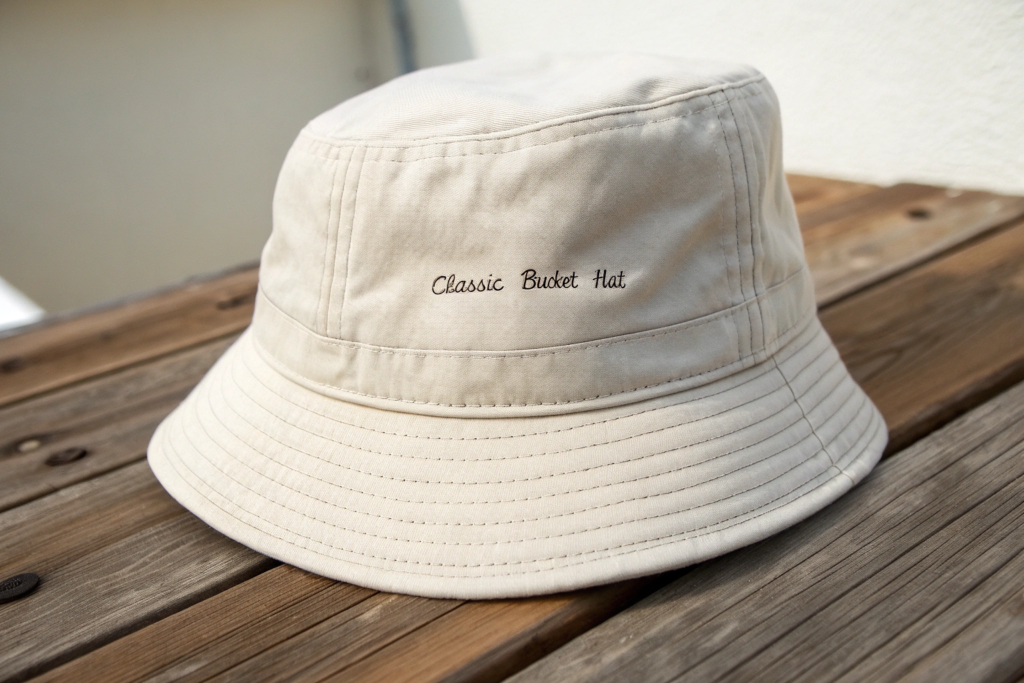
The difference between a bucket hat that looks premium and one that looks like a free giveaway is entirely in the proportions. Crown depth, brim width, and the angle of the brim drop must all work together. A crown too shallow looks cheap and sits awkwardly. A brim too wide looks like a costume. A brim too narrow fails to shade the face.
We use a time-tested base block for our classic bucket hat. The crown depth is set at approximately 9 centimeters for adults, with a brim width of 5.5 to 6 centimeters. These measurements create the universally flattering silhouette that streetwear brands rely on. We can adjust the block slightly for each brand’s preference, but we always start from a proven foundation. If you study bucket hat construction techniques, you will see that proportion is the invisible signature of quality manufacturing.
What Fabrics and Finishes Define a Premium Classic Bucket Hat?
For classic streetwear styles, the fabric choice is usually 100% cotton twill, brushed cotton, or a cotton-polyester blend for added durability. The fabric weight matters enormously. Too light, and the hat collapses on itself. Too heavy, and it feels stiff and uncomfortable. We typically recommend a fabric weight between 200 and 260 grams per square meter for the ideal drape and structure.
The finish details separate a premium classic from a basic one. We use double-needle topstitching on the brim edge for a clean, durable finish. The eyelets are reinforced metal, not plastic. The inner sweatband is made from soft cotton twill tape, not scratchy polyester. These small material and construction choices add up to a hat that feels substantial in the customer’s hand. Retailers notice. Customers keep and wear the hat instead of discarding it. Understanding fabric selection for headwear helps you make informed choices about your materials.
What Makes a Bucket Hat "Trendy" in the 2026 Streetwear Scene?
The trendy side of streetwear moves fast. What sells out this season might sit on shelves next season. Our job is to help you hit the trend at the right moment with the right construction. We track the signals early so you are not playing catch-up.
In 2026, the trendy bucket hat is not just about wild prints. It is about silhouette experimentation, material mixing, and functional details borrowed from outdoor gear. The customer wants a hat that looks like nothing else in their wardrobe, yet still functions as a real hat. Pure novelty without quality does not work. The product has to deliver.
How Are Oversized and Deconstructed Silhouettes Trending?
The current trend pushes the bucket hat silhouette in two directions. One is oversized, with brims extending to 8 or 9 centimeters and a deeper, slouchier crown. This creates a dramatic, almost protective silhouette that photographs powerfully for social media. The other direction is deconstructed, with asymmetrical brims, raw edge details, and intentionally unfinished elements.
Producing an oversized bucket hat requires pattern adjustments beyond simply scaling up a classic pattern. The crown and brim proportions must be rebalanced so the hat does not collapse under its own width. We add a lightweight interfacing to the brim to maintain structure without making it stiff. A Japanese streetwear label we work with ordered oversized brim bucket hats with an internal memory wire in the brim edge, allowing the wearer to shape the brim however they wanted. That level of innovative accessory design is exactly what the trendy segment demands.
What Role Do Technical Fabrics and Utility Details Play?
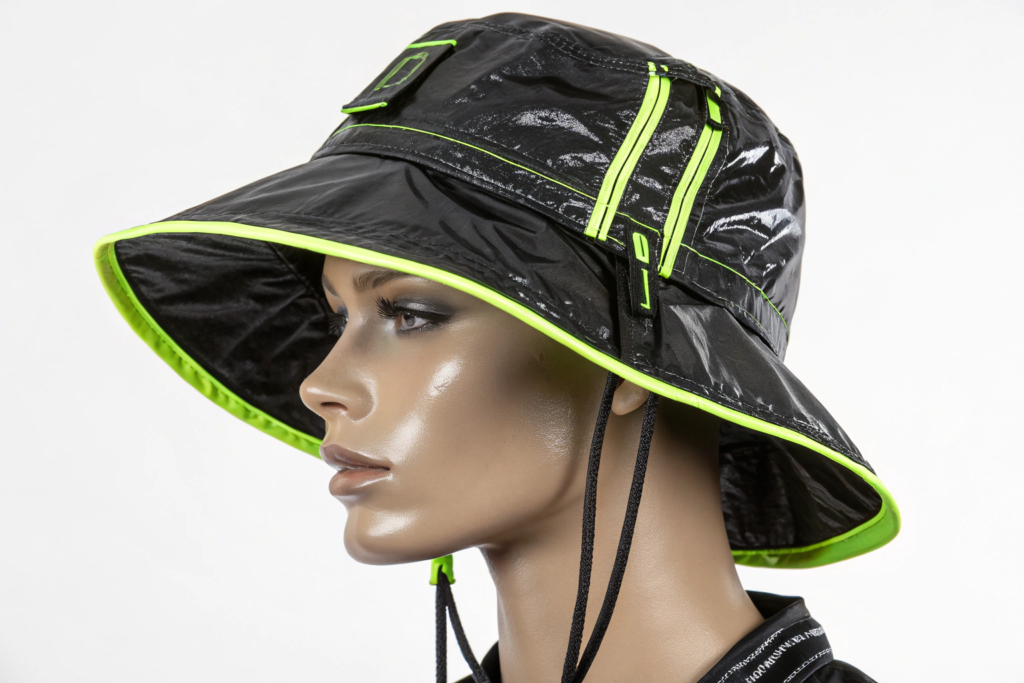
Nylon, ripstop, and water-resistant fabrics are crossing over from performance outdoor gear into streetwear. A shiny nylon bucket hat with a reflective print looks nothing like a classic cotton one. It feels futuristic. It packs into a tiny pouch. It beads water. These functional benefits become fashion statements.
Utility details add visual interest and real function. We have produced trendy bucket hats with external daisy chain webbing for attaching carabiners, removable neck flaps, and adjustable bungee cord cinches at the crown. A UK streetwear brand ordered a bucket hat with a hidden zippered pocket in the crown, large enough for a credit card and a key. It sold out in two days. If you want to explore performance fabrics for fashion, the crossover between outdoor function and street style is a rich vein to mine.
How Does a Single Factory Deliver Consistent Quality Across Both Styles?
The challenge of producing both classic and trendy hats under one roof is real. Classic styles demand consistency and clean finishes. Trendy styles demand flexibility and quick changeovers. A factory that only does one type of work develops habits that work against the other type.
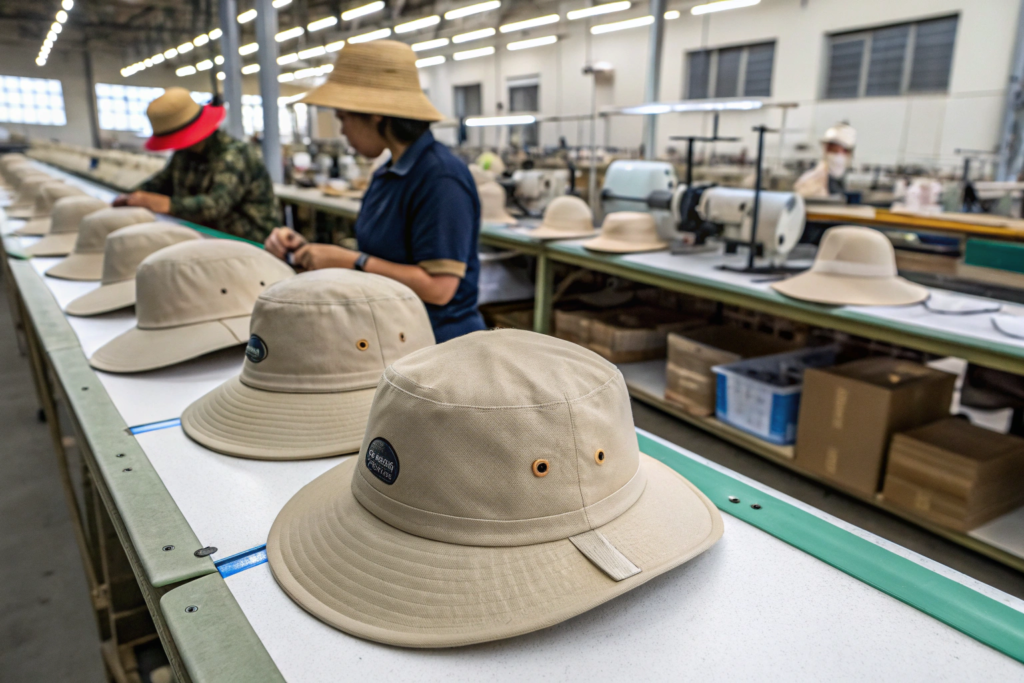
We structured our production floor to handle both without compromise. Our sewing lines are organized by complexity, not by style category. A simple two-panel bucket hat runs on our high-efficiency line. A complex six-panel hat with binding, hardware, and multiple fabrics runs on our detailed-assembly line. The operators on each line specialize in the skill level required.
Why Does Centralized Quality Control Benefit Your Entire Collection?
Whether a hat is classic or trendy, it faces the same QC checklist at the end of the line. Stitch density, seam strength, color matching, print placement accuracy, and sizing tolerance are universal quality metrics. Our QC team does not have a separate standard for trendy hats. A loose thread on a bold printed hat is just as unacceptable as one on a minimalist solid hat.
This single QC standard across all styles means your collection has a unified quality feel. The customer who buys your classic bucket hat and loves the quality will expect the same from your trendy one six months later. They should get it. Centralized quality management systems ensure that your brand reputation stays consistent across every SKU in your catalog.
How Does a Single Project Manager Coordinate Diverse Styles?
When your classic and trendy bucket hats are managed by the same project manager, you have one person who knows your entire collection. She understands the target margin for your basics and the acceptable cost premium for your statement pieces. She can balance the production schedule so both styles ship together in one consolidated container.
This single-point coordination eliminates the nightmare of two separate supplier timelines. If the trendy hat’s custom buckle shipment is delayed by two days, your project manager knows immediately and can adjust the consolidated shipping plan. She communicates one update, not two. For a streetwear brand dropping a full collection on a specific date, this supply chain coordination is essential.
How Can a Mixed Classic and Trendy Collection Strengthen Your Brand?
A streetwear brand that only sells wild, trendy hats has a short lifespan. Trends fade. The brand that also offers a perfect, wearable classic hat builds a lasting customer relationship. The classic hat is the gateway product. The customer buys it, loves the quality, and trusts the brand enough to try the risky trend piece next season.
This portfolio strategy works in retail. The classics provide steady baseline revenue. The trendy pieces generate buzz, social media impressions, and higher margins. Together, they create a complete brand identity that appeals to a broader customer base.
Why Do Retailers Prefer Brands with a Full Range Offering?
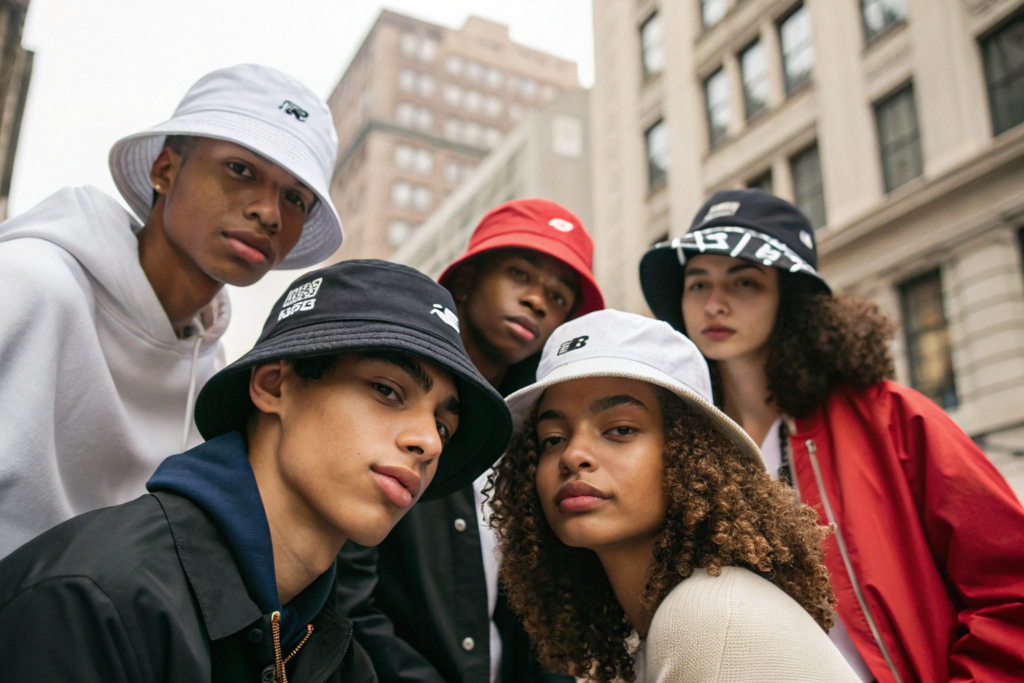
When a boutique buyer or a department store category manager reviews your line sheet, they want to see range. A brand that offers three bucket hats, all of which are aggressively trendy, is a gamble. The buyer does not know if any of them will sell. A brand that offers two classics and two trend pieces gives the buyer confidence. They can buy the classics for steady sales and test the trend pieces in smaller quantities.
We have seen our brand clients use this exact strategy to open new retail accounts. Their classic hats get them on the shelf. Their trendy hats get them attention on the shelf. The combination makes the account profitable for the retailer and durable for the brand. If you are building a streetwear brand strategy, remember that range signals maturity to wholesale buyers.
How Can You Use Both Styles to Tell a Cohesive Brand Story?
Cohesion does not mean every hat looks the same. It means every hat feels like it comes from the same world. We help brands achieve this through shared design elements. The same custom label on both hats. The same interior taping color. A consistent approach to stitching detail. The brand DNA flows through every SKU regardless of how wild or restrained the silhouette is.
A brand we work with uses a signature red bar-tack stitch on every hat they produce. It is a tiny detail, barely a centimeter long, placed on the inner seam. On a classic black bucket hat, it is the only visible branding. On a printed trendy hat, it is a subtle easter egg. That single thread of red bar-tack ties their entire collection together. Customers start looking for it. It becomes a mark of authenticity. This is brand identity through product design executed at the manufacturing level.
Conclusion
We absolutely produce both classic and trendy bucket hats for streetwear brands, and we do it under one roof with one quality standard, one project management team, and one shipping schedule. Your classic cotton twill bucket hat and your oversized printed nylon bucket hat come from the same skilled hands and the same inspection process. The consistency this delivers across your collection is something no split-supplier strategy can match.
Streetwear is a conversation between the timeless and the timely. The brands that last understand this. They offer the customer a perfect basic today and an exciting experiment tomorrow. Both products represent the brand equally. Both must be made with equal care. At Shanghai Fumao, we built our factory to honor that reality.
If you are planning your next bucket hat collection and you need a partner who can execute both your staples and your statements, I encourage you to reach out to our Business Director Elaine at elaine@fumaoclothing.com. Send her your design references, your volume projections, and your timeline. She will provide a detailed quotation for your full range, coordinate sampling for both classic and trendy styles, and assign a project manager who will own your collection from first prototype to final shipment. Let us show you what a unified production partnership feels like.