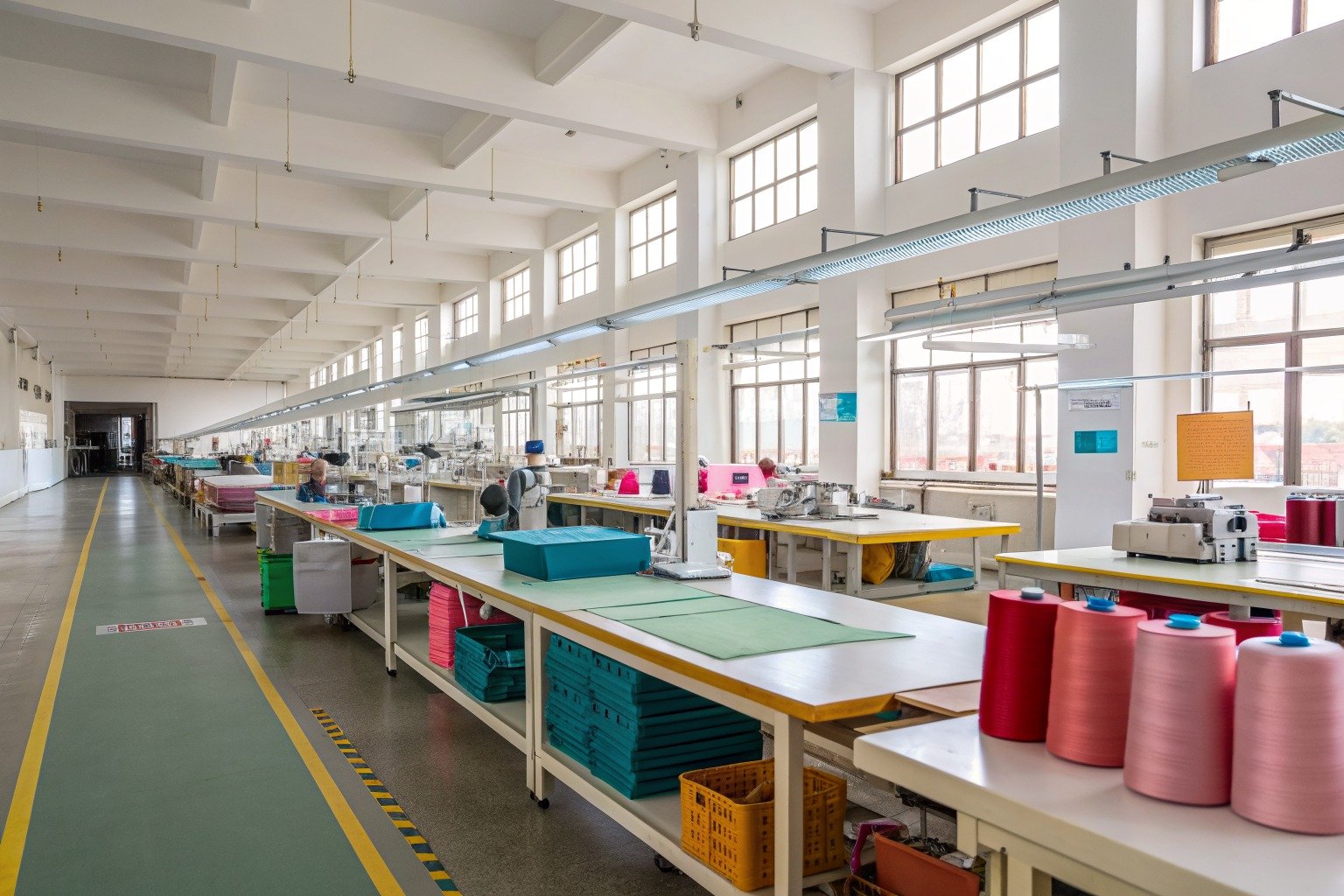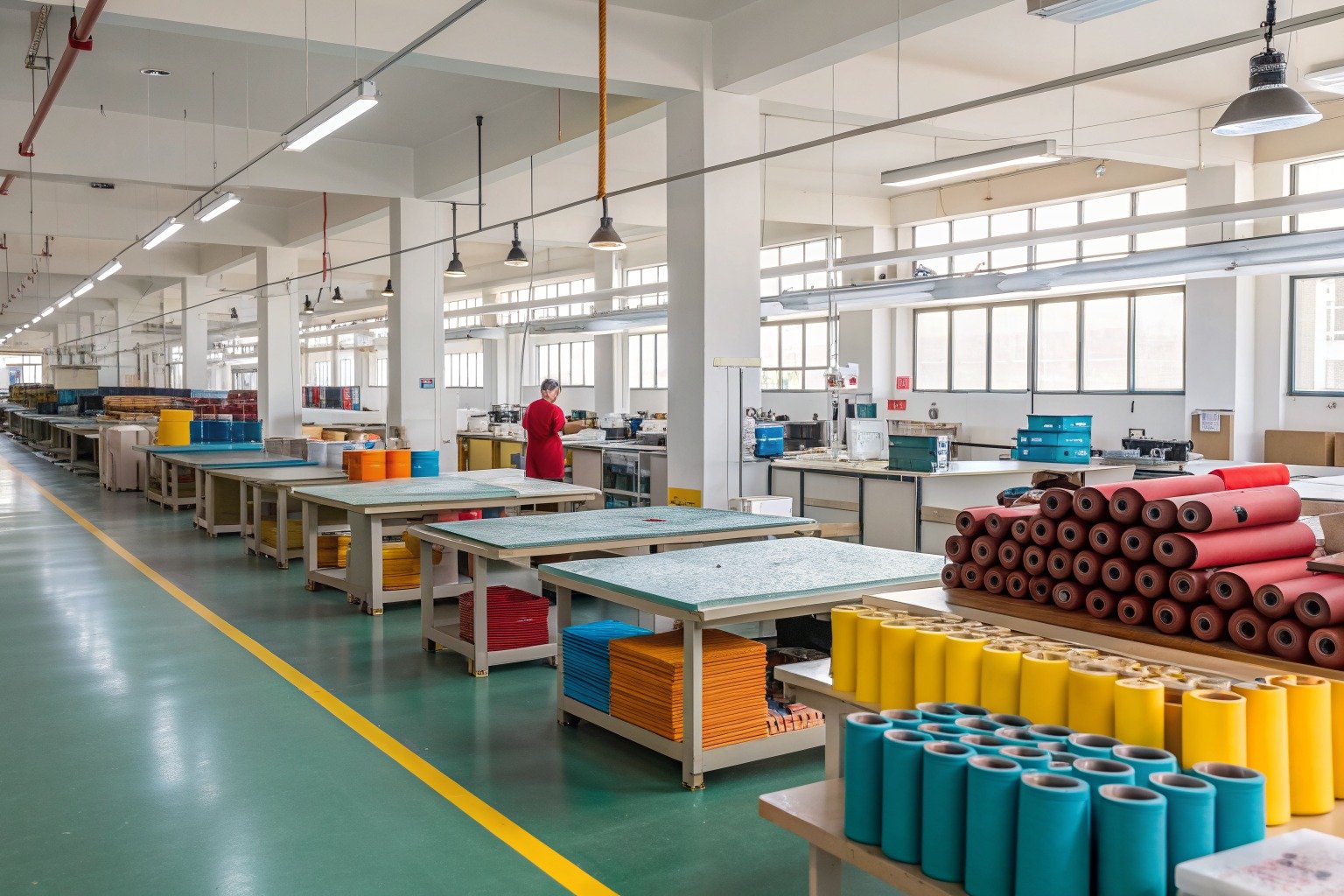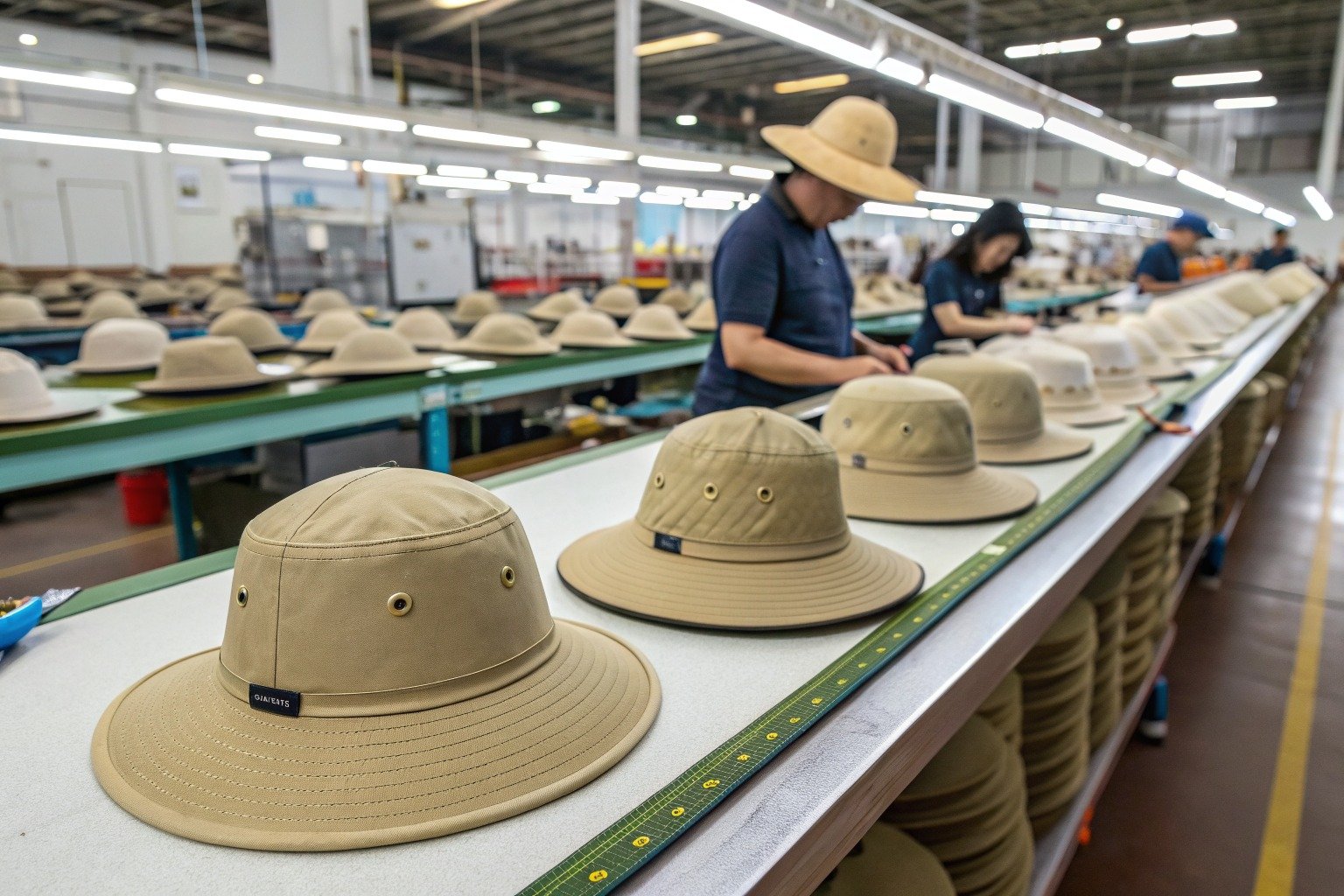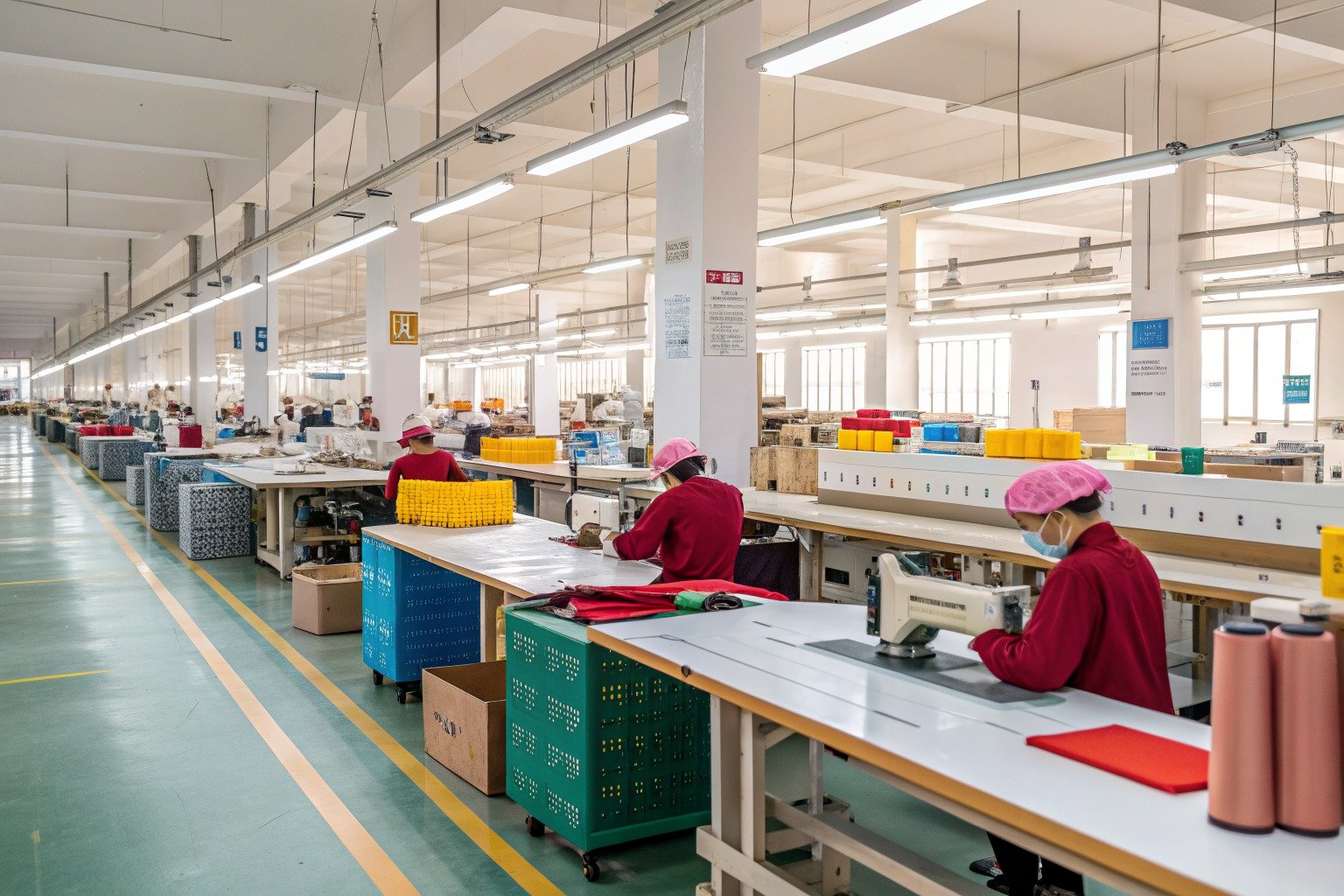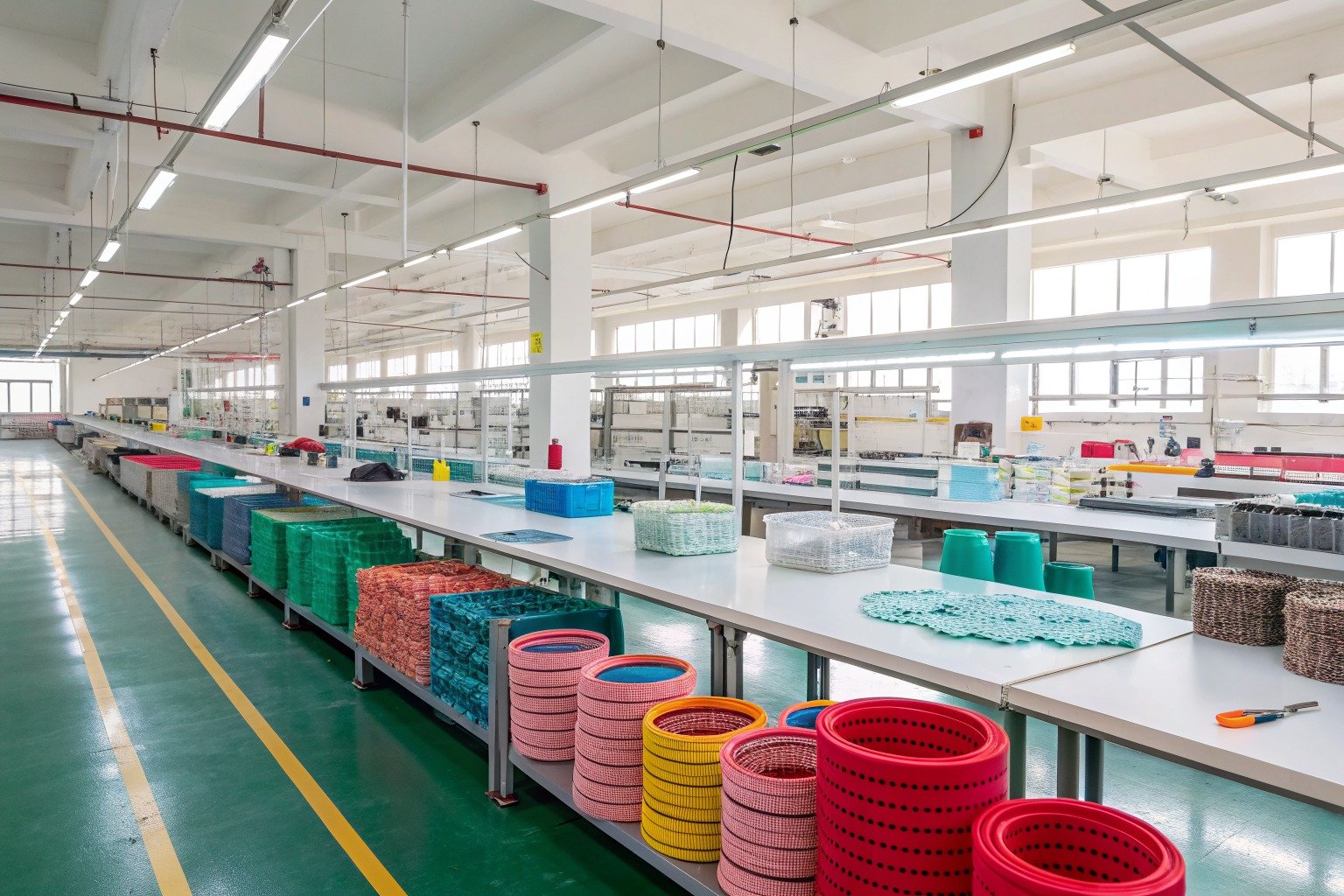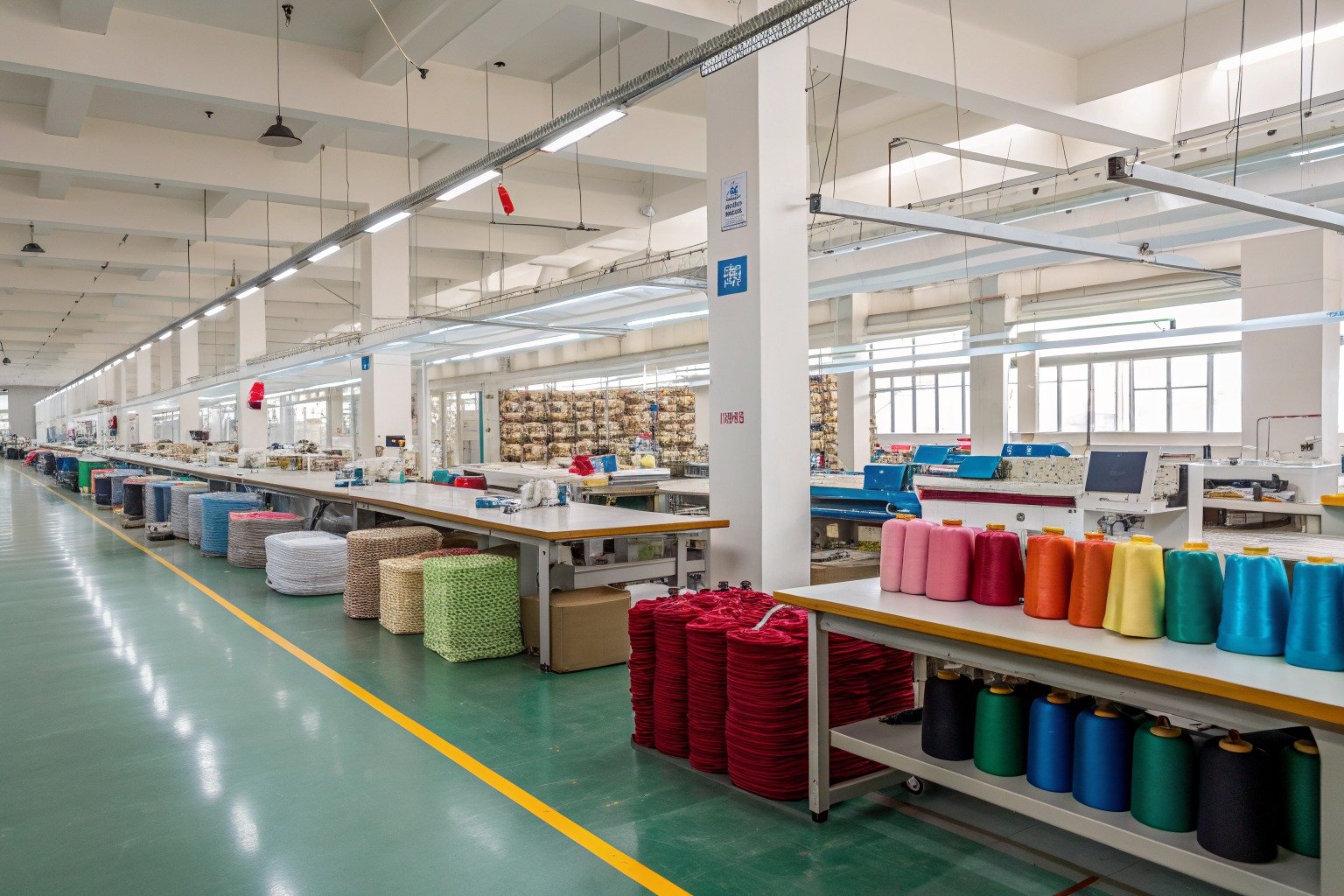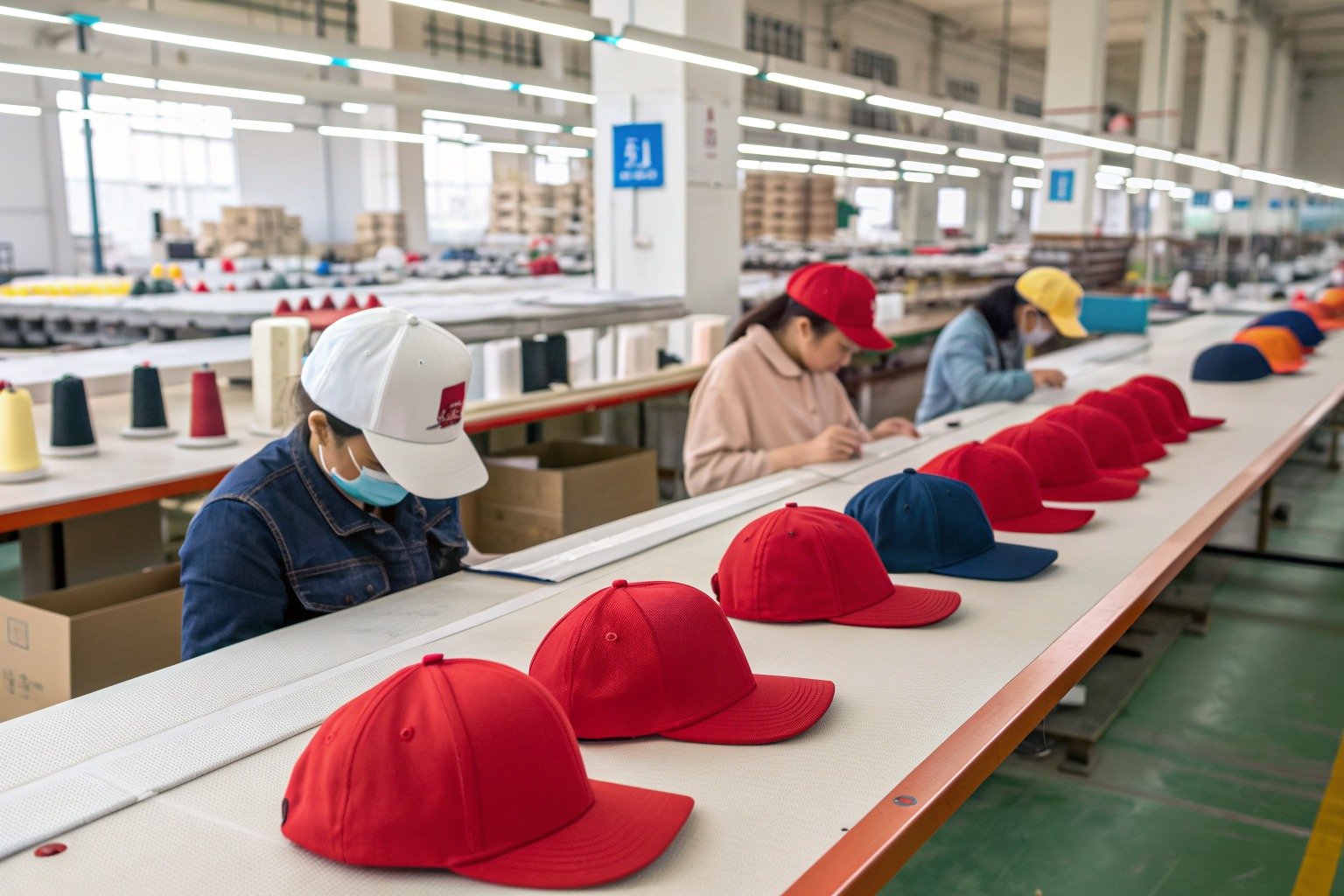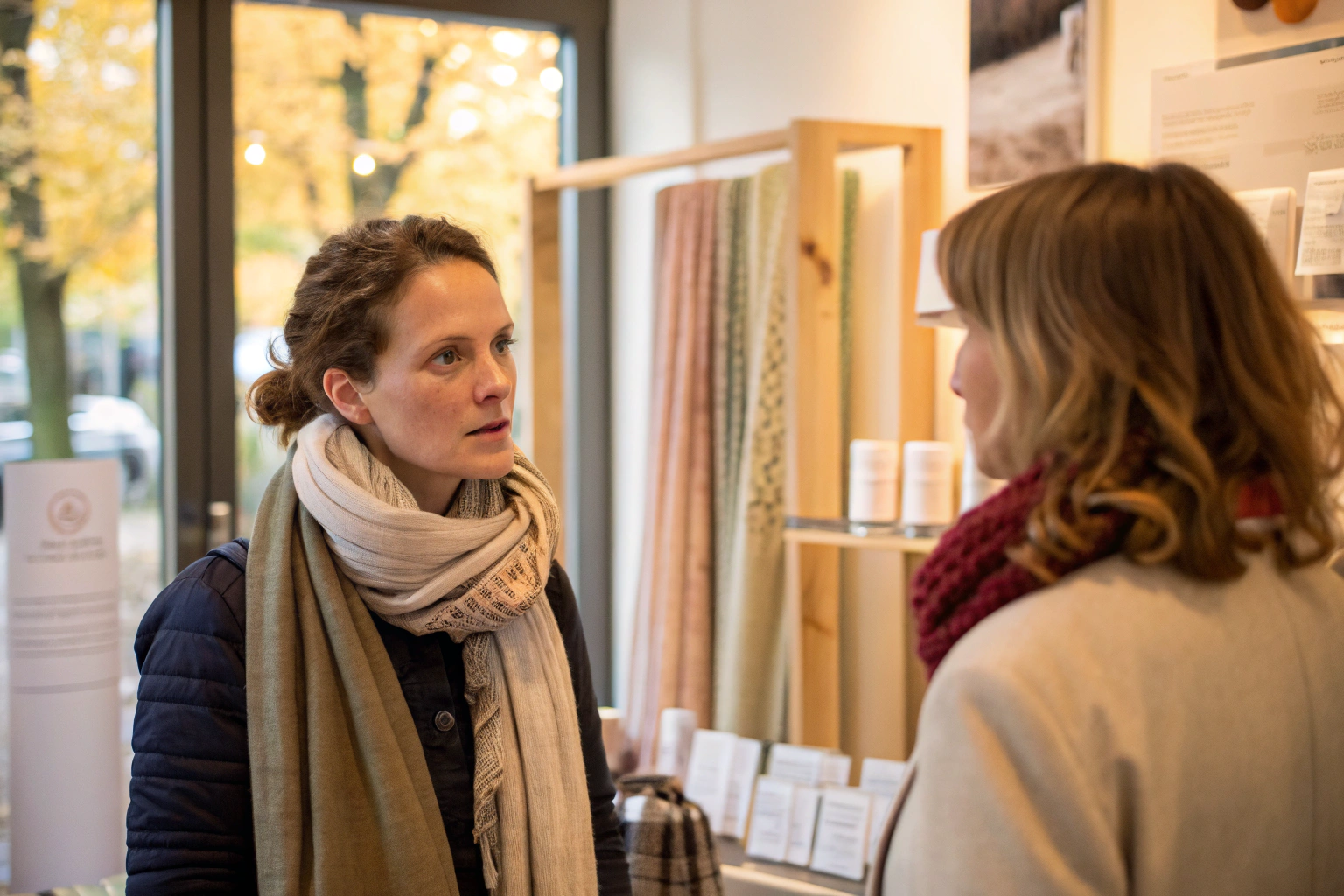
A buyer from a German organic skincare brand visited our showroom last autumn with a specific and personal mission. She had struggled her entire life with sensitive skin. Wool scarves made her neck itch within minutes. Synthetic scarves trapped heat and caused rashes. Even some cotton scarves, she had discovered, could irritate her skin if they were finished with harsh chemicals. She wanted to create a line of scarves that she herself could wear comfortably, and she wanted to offer that same comfort to her customers, many of whom had similar skin sensitivities. She needed a factory that understood not just the fiber content, but the entire chemical journey of a scarf, from raw material to finished product. I walked her through our fiber sourcing, our dyeing processes, our finishing treatments, and our OEKO-TEX certifications. By the end of the meeting, she had placed an order for both organic cotton and bamboo fiber scarves, and she told me it was the first time a factory had been able to answer every question on her list.
Yes, our factory produces both cotton and bamboo fiber scarves specifically engineered for sensitive skin. We manufacture scarves in 100% organic cotton, 100% bamboo viscose, and cotton-bamboo blends, with all materials sourced from certified suppliers and processed without harsh chemicals, formaldehyde-based finishes, or irritating synthetic softeners. Every sensitive-skin scarf we produce is tested to OEKO-TEX Standard 100 Class I standards, the strictest level, which certifies that the product is free from harmful substances and safe for direct, prolonged contact with the most sensitive skin, including infant skin. We offer a range of weaves, from lightweight voile and gauze for summer to soft jersey and French terry for cooler weather, and we can custom print, dye, or embroider designs using skin-safe, low-impact dyes that maintain the hypoallergenic properties of the natural fibers.
The sensitive skin accessories market is not a niche. It is a large and growing segment driven by consumers who have experienced skin reactions, parents who want the safest products for their children, and wellness-oriented buyers who prioritize natural, chemical-free textiles. A scarf is in direct, prolonged contact with one of the most sensitive areas of the body, the neck. The skin on the neck is thinner and more reactive than skin on many other parts of the body. A scarf that irritates is not just uncomfortable. It can trigger eczema flare-ups, contact dermatitis, and genuine pain. At AceAccessory, we have developed a dedicated sensitive-skin production protocol because we believe that comfort should never be compromised by chemistry. Let me walk you through exactly how we produce scarves that are as gentle as they are beautiful.
What Makes Cotton and Bamboo Fibers Ideal for Sensitive Skin
Cotton and bamboo are both natural cellulose fibers, meaning they are derived from plants and share a fundamental chemical structure. This is why they are both gentle on the skin. Unlike synthetic fibers like polyester and nylon, which are derived from petroleum and can trap heat and moisture against the skin, natural cellulose fibers are breathable, absorbent, and biodegradable. They allow air to circulate, wick moisture away from the skin, and do not create the static electricity that can attract dust and irritants. But cotton and bamboo are not identical. Each fiber has unique properties that make it suitable for different types of sensitive-skin applications.
Cotton and bamboo fibers are ideal for sensitive skin scarves because they share four critical properties. They are naturally hypoallergenic, meaning the raw fiber itself does not contain proteins or chemicals that commonly trigger allergic reactions. Wool, by contrast, contains lanolin, a common allergen. They are highly breathable, allowing air to circulate freely through the fabric, which prevents the heat and moisture buildup that can irritate sensitive skin and trigger conditions like prickly heat. They are moisture-wicking, absorbing perspiration away from the skin and releasing it into the air, keeping the skin dry and comfortable. And they are exceptionally soft, with cotton offering a familiar, matte softness that improves with washing, and bamboo offering a silk-like, lustrous softness that feels cool and smooth against irritated skin. Beyond these shared properties, cotton offers superior durability and a wider range of weave textures, while bamboo offers natural antibacterial and UV-protective properties due to a bioactive component called bamboo kun that survives the manufacturing process to some degree.
The choice between cotton and bamboo often comes down to the specific skin condition and the wearer’s personal preference. A person with extremely dry, flaky skin may prefer the silky smoothness of bamboo, which glides over rough patches without catching. A person with heat sensitivity may prefer the lightweight breathability of a cotton voile. Many of our brand clients offer both fiber options in their sensitive-skin collections, allowing their customers to choose. Let me explore each fiber in more depth.
Why Is Organic Cotton Recommended for Eczema-Prone Skin?
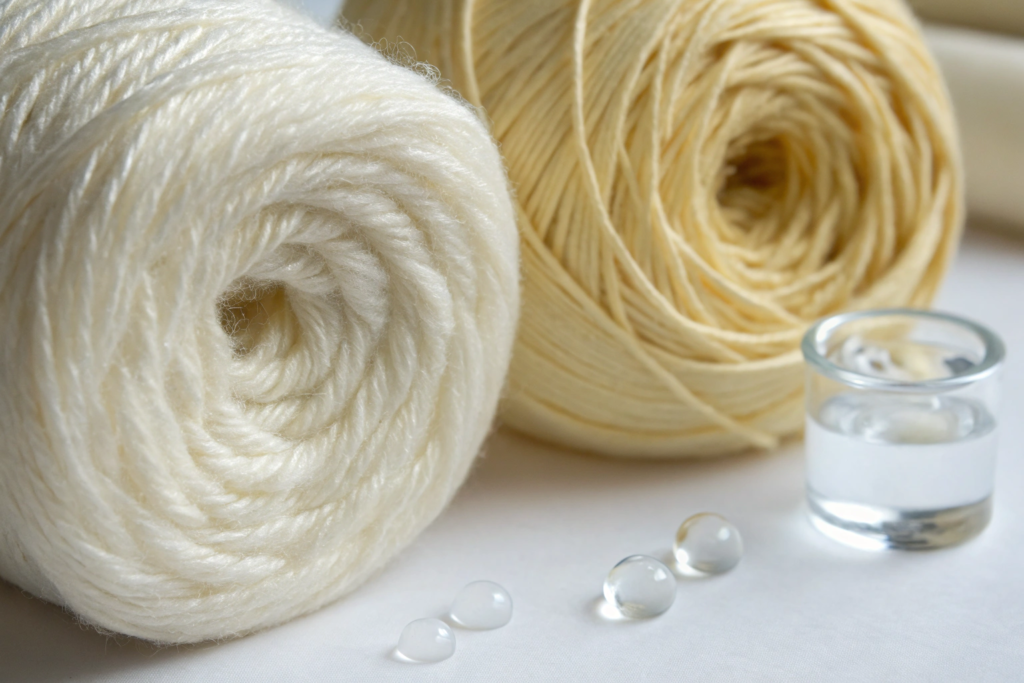
Organic cotton is the gold standard textile for eczema-prone skin, and the recommendation is based on both the fiber properties and the absence of chemical residues. Eczema, also known as atopic dermatitis, is a condition where the skin barrier is compromised. The skin is dry, inflamed, and extremely reactive to irritants. The textile that touches eczematous skin must be soft enough not to cause mechanical irritation from friction, breathable enough to prevent sweating that can trigger itching, and completely free of chemical residues that can penetrate the broken skin barrier and cause an allergic reaction. Organic cotton meets all three requirements. The fiber itself is soft and becomes softer with each wash. The natural twist of the cotton fiber creates a fabric with a slightly textured, matte surface that feels gentle against the skin without being slippery. The breathability of cotton is excellent. Air moves freely through the fabric, keeping the skin cool and dry. The moisture-wicking property draws perspiration away from the skin. The critical advantage of organic cotton over conventional cotton is the absence of chemical residues. Conventional cotton farming uses synthetic pesticides, herbicides, and defoliants. Some of these chemicals can remain as trace residues on the finished fabric even after processing. For a person with normal skin, these trace residues are harmless. For a person with eczema, where the skin barrier is already broken, these residues can trigger a severe flare-up. Organic cotton is grown without synthetic pesticides or herbicides. It is processed without chlorine bleach, formaldehyde-based finishes, or harsh chemical softeners. The certification, such as GOTS, the Global Organic Textile Standard, or OEKO-TEX Standard 100, verifies that the entire supply chain, from farm to finished scarf, meets strict chemical restrictions. This is why dermatologists and eczema associations consistently recommend organic cotton for sensitive skin.
How Does Bamboo’s Natural Antibacterial Property Help?
Bamboo fiber has a unique bioactive property that sets it apart from cotton and other cellulose fibers. The bamboo plant naturally produces an antimicrobial compound called bamboo kun, which protects the living plant from bacteria, fungi, and pests in its natural environment. During the manufacturing process, bamboo is converted into viscose fiber through a chemical pulping and extrusion process. Historically, it was believed that bamboo kun was completely destroyed during this process. More recent research suggests that some antimicrobial activity may survive, though the extent is debated and depends on the specific manufacturing method. Mechanically produced bamboo linen, also called bamboo lyocell or bamboo made through a closed-loop process, retains more of the natural structure of the fiber. Regardless of the exact mechanism, bamboo viscose scarves consistently demonstrate practical benefits for sensitive skin. The fiber is exceptionally smooth, with a round cross-section and a surface that is free of the microscopic barbs and irregularities found on many other natural fibers. This smoothness means the fabric glides over sensitive skin without causing friction or micro-abrasions. For skin that is already irritated, this mechanical gentleness is a significant comfort factor. Bamboo is also highly absorbent, wicking moisture away from the skin more efficiently than cotton. This keeps the skin dry, which reduces the conditions that allow bacteria and fungi to thrive. The combination of smoothness, moisture management, and potential residual antimicrobial activity makes bamboo an excellent choice for sensitive skin, particularly for people who experience heat-related skin irritation or who are prone to skin infections in the neck area. I always recommend that brands make specific, verifiable claims about their bamboo scarves. The term "antibacterial" should only be used if the finished scarf has been tested to a recognized standard like AATCC 100 and the test report supports the claim. We can arrange this testing for clients who want to make antimicrobial marketing claims.
How Does the Dyeing Process Affect Skin Sensitivity
The fiber is only half the story. A scarf made from the purest organic cotton can still irritate sensitive skin if it is dyed with harsh chemicals or finished with irritating softeners. The dyeing and finishing processes are where many textile products fail sensitive-skin compatibility, even when they start with good fibers. This is the part of production that most buyers never see and many factories do not discuss openly. I have made it a priority to understand the chemistry of our dyehouse and to ensure that every chemical that touches a sensitive-skin scarf is evaluated for its skin compatibility.
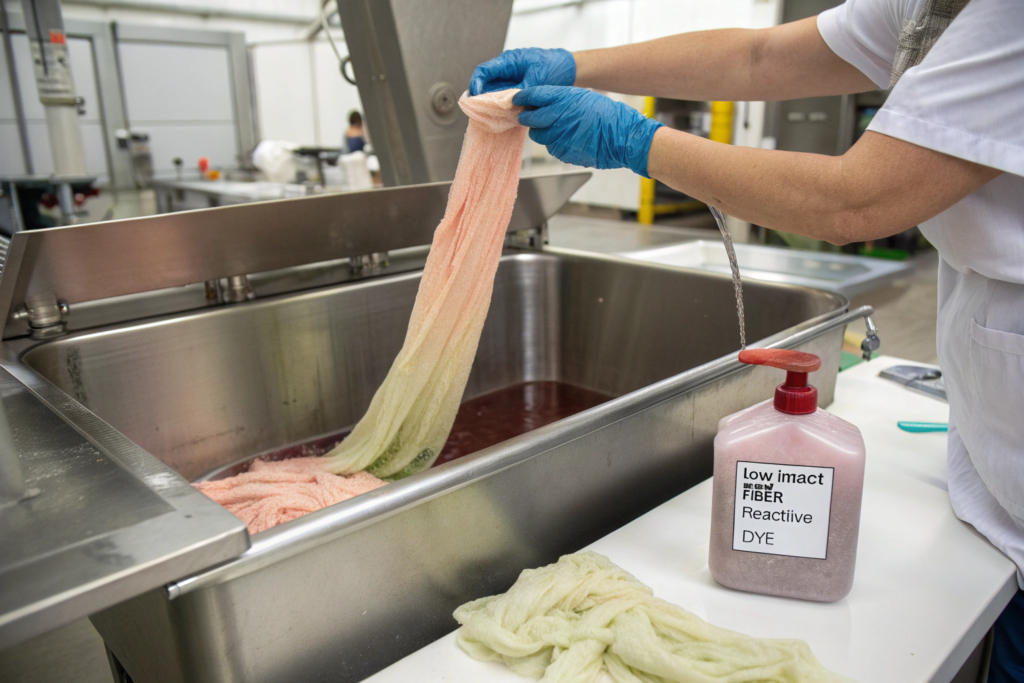
The dyeing process affects skin sensitivity through the type of dye used, the chemicals used to fix the dye to the fiber, and the thoroughness of the post-dye washing process. Fiber reactive dyes are the safest choice for sensitive skin because they form a covalent chemical bond with the cellulose fiber, becoming part of the fiber molecule itself rather than sitting on the surface. This means they do not leach out onto the skin during wear. Low-impact fiber reactive dyes are a specific subset that have higher fixation rates, typically above 80 percent, meaning less unfixed dye needs to be washed out, and they do not contain heavy metals or other toxic compounds. The alternative, direct dyes and pigment dyes, sit on the fiber surface held by a binder, and they can release dye onto the skin, especially when the skin is damp with perspiration. The post-dye washing process must be thorough, with multiple hot and cold rinse cycles to remove all unfixed dye and auxiliary chemicals. A poorly washed scarf will leach dye onto the skin and cause irritation. The final finishing step must use skin-safe softeners, if any, and must avoid formaldehyde-based resins, which are common in wrinkle-resistant finishes and are a potent skin irritant and allergen.
At our factory, the sensitive-skin scarf protocol specifies fiber reactive dyes exclusively. We do not use direct dyes, pigment dyes, or any dye chemistry that could release onto the skin. We have a library of low-impact dye formulations that cover the full color spectrum. And we monitor the post-dye wash water until it runs completely clear. Let me explain the two most critical chemical considerations.
What Are Low-Impact Fiber Reactive Dyes and Why Use Them?
Low-impact fiber reactive dyes are a specific category within the broader family of fiber reactive dyes. The term "low-impact" is not just marketing language. It refers to specific performance characteristics. These dyes have a fixation rate of at least 80 percent, meaning that at least 80 percent of the dye molecules in the dye bath chemically bond with the cellulose fiber during the dyeing process. This is significantly higher than conventional fiber reactive dyes, which may have fixation rates as low as 60 percent. The high fixation rate has two benefits for sensitive skin. First, less unfixed dye remains on the fabric surface after dyeing. Unfixed dye is the dye that can rub off onto the skin, a phenomenon called crocking. Less unfixed dye means less potential for skin contact with dye chemicals. Second, less unfixed dye means less water, energy, and chemical detergent are needed to wash the fabric after dyeing. This reduces the environmental impact and also reduces the potential for detergent residues to remain on the fabric. Low-impact fiber reactive dyes are also formulated without heavy metals. Conventional textile dyes sometimes contain heavy metals like cadmium, chromium, lead, and mercury as part of the dye molecule or as contaminants from the manufacturing process. These metals are toxic and can be absorbed through the skin, especially broken or sensitive skin. Low-impact dyes are manufactured to exclude these metals. The certification to look for is OEKO-TEX Standard 100, which tests the finished fabric for heavy metals and other harmful substances. A scarf that passes OEKO-TEX certification has been verified to be free of harmful levels of these substances. We test every batch of sensitive-skin scarves to this standard and provide the certificate to our clients.
Should Sensitive Skin Scarves Avoid All Chemical Finishes?
Not all chemical finishes are harmful, but several common textile finishes should be strictly avoided for sensitive-skin scarves. The most important one to avoid is formaldehyde. Formaldehyde-based resins are used to create wrinkle-resistant, permanent press, and anti-shrink finishes. The resin cross-links the cellulose fibers, locking them into shape. The problem is that these resins can release formaldehyde gas over time, especially when the fabric is warm and damp, exactly the conditions under a scarf on a cold day. Formaldehyde is a known skin irritant, a respiratory irritant, and a classified carcinogen. For sensitive skin, it is an absolute non-negotiable to avoid. We do not use any formaldehyde-based finishes on our sensitive-skin scarves. If a client requests a wrinkle-resistant finish, we explain that we cannot provide it in a skin-safe way and suggest alternative fibers or weaves that naturally resist wrinkling. Another category to avoid is synthetic softening agents, particularly cationic softeners that work by coating the fiber with a thin layer of fatty acids. While these softeners make the fabric feel silky in the store, they can cause skin reactions and they wash out after a few cycles, leaving the fabric feeling rough. For sensitive-skin scarves, we use mechanical softening methods instead of chemical softeners. Enzyme washing, where a natural cellulase enzyme gently removes surface fuzz and softens the fabric. Brushing, where the fabric surface is mechanically raised to create a soft, fuzzy texture. And garment washing, where the finished scarves are washed with a mild, skin-safe detergent and tumbled to achieve a soft, lived-in feel. These mechanical methods produce a softness that is natural, permanent, and chemical-free. If a client requests a specific functional finish, such as an antimicrobial finish or a UV-blocking finish, we research the specific chemistry and verify its skin safety through OEKO-TEX certification before applying it to sensitive-skin products.
What Weave Types Are Best for Sensitive Skin Comfort
The weave of a scarf, the way the fibers are structured into fabric, is as important to skin comfort as the fiber itself. A weave that is too rough, too dense, or too loosely structured can cause irritation even if the fiber is skin-safe. The weave determines how the fabric feels against the skin, how it breathes, how it drapes, and how it wears over time. For sensitive-skin scarves, the optimal weave depends on the intended use. A lightweight summer scarf requires a different weave than a cozy winter scarf. But all sensitive-skin weaves share certain characteristics. They are smooth or softly textured, not scratchy. They are breathable, not suffocating. And they are stable, not prone to shedding fibers that can tickle or irritate.
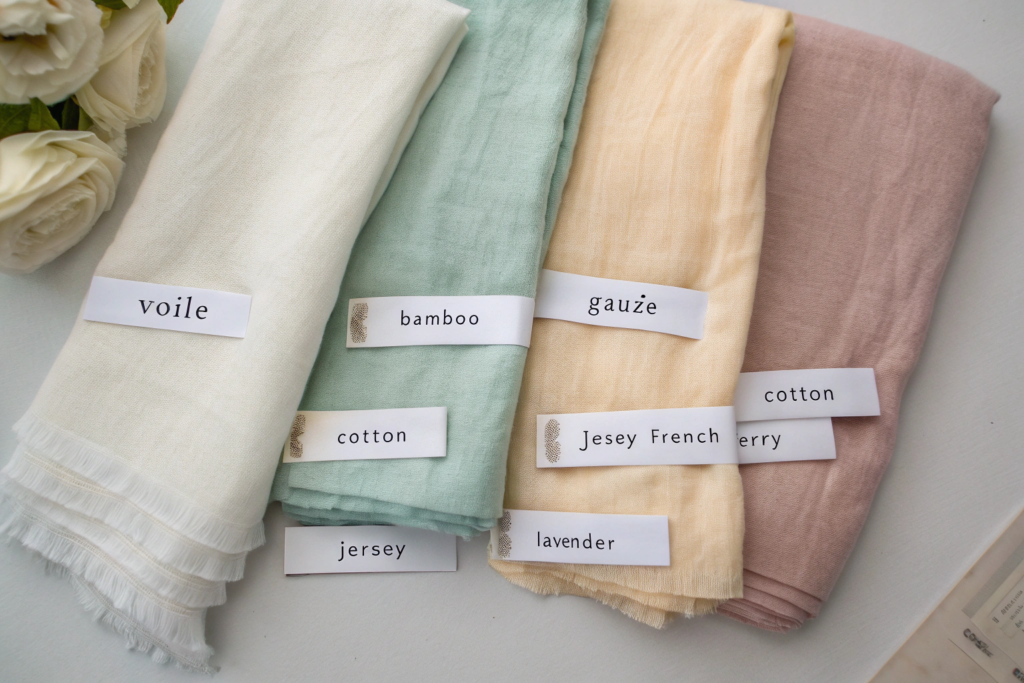
The best weave types for sensitive-skin scarves are lightweight, breathable structures that minimize friction against the skin. Cotton voile is the premier summer option, a plain weave fabric made from finely combed, tightly twisted cotton yarns that produce a crisp, smooth, semi-transparent fabric with excellent airflow. Bamboo gauze is a slightly more textured option with a soft, crinkled surface that traps air for warmth while remaining lightweight and breathable. Cotton jersey, a knit fabric rather than a woven fabric, offers unmatched softness, stretch, and drape, feeling more like a favorite T-shirt than a traditional scarf. Bamboo French terry provides a cozy, plush option for cooler weather, with a smooth outer face and a looped, soft inner face that feels velvety against the skin. For those who prefer a more substantial scarf, a fine cotton sateen weave offers a smooth, lustrous surface with a slight drape, while a brushed cotton flannel provides warmth with a raised, fuzzy surface that is incredibly soft.
The common thread across all these weaves is the absence of coarse yarns, scratchy textures, or loose fibers. We use only combed yarns, which have the short, scratchy fibers removed, for our sensitive-skin scarves. We avoid novelty yarns with slubs or neps unless they are specifically requested and tested for skin comfort. Let me explain the two most popular sensitive-skin weaves.
Why Is Jersey Knit Preferred for Sensitive Neck Skin?
Jersey knit is the fabric structure used for T-shirts. It is a single-knit fabric, meaning it is made from a single set of needles, creating a fabric with a smooth face and a slightly textured back. Jersey knit has several properties that make it exceptional for sensitive neck skin. The primary advantage is stretch. Jersey knit stretches significantly in the crosswise direction and slightly in the lengthwise direction. This means the scarf moves with the wearer’s neck rather than rubbing against it. For someone with sensitive skin, the reduction in friction is a major comfort factor. A woven scarf, no matter how soft, does not stretch. It rubs against the neck with every turn of the head. A jersey scarf yields and recovers, minimizing mechanical irritation. The second advantage is softness. Jersey knit is inherently soft because the yarns are looped rather than tightly interlaced as in a woven fabric. The loops create a fabric with air pockets that feel plush and cushioning. The fabric drapes beautifully, conforming to the contours of the neck and shoulders without stiff edges or bulky folds. The third advantage is breathability. Despite being a knit, jersey is highly breathable. The looped structure allows air to circulate freely. Cotton jersey is exceptionally good at absorbing moisture, keeping the neck dry. Bamboo jersey adds a cooling sensation that is particularly soothing for inflamed or irritated skin. The one consideration with jersey knit is that the cut edges can curl, which is why we hem or bind the edges of our jersey scarves with a soft, flat binding that does not create a hard edge. A well-finished jersey scarf is the closest thing to wearing a cloud around your neck.
How Does Bamboo Voile Compare to Cotton Gauze for Summer?
Bamboo voile and cotton gauze are both lightweight, breathable weaves perfect for warm-weather scarves, but they offer different tactile experiences. Cotton gauze is a loosely woven, plain weave fabric with a slightly crinkled, textured surface. It is made from finely combed cotton yarns and is often given a crinkle finish that creates permanent texture. The texture serves a purpose. The crinkles trap tiny pockets of air, which provides a slight insulation against heat. The loose weave allows maximum airflow. Cotton gauze feels dry, crisp, and slightly rustic against the skin. It has a matte appearance and a casual, effortless aesthetic. It is popular for beach cover-ups, travel scarves, and everyday summer wear. Bamboo voile is a different experience entirely. Voile is a tightly woven, plain weave fabric made from very fine, high-twist yarns. The high twist gives the fabric a smooth, almost crisp hand, but the bamboo fiber itself is so inherently soft that the overall feel is cool, smooth, and slightly silky. Bamboo voile has a subtle luster, a gentle sheen that catches the light. It drapes more fluidly than cotton gauze, with a liquid-like movement that feels elegant. Against sensitive skin, bamboo voile feels cool to the touch. The high thermal conductivity of bamboo fiber draws heat away from the skin, creating a noticeable cooling sensation. This makes bamboo voile scarves particularly comfortable for people who experience heat-related skin flare-ups or who live in hot, humid climates. The choice between the two comes down to personal preference. Cotton gauze is for the customer who loves natural texture and a relaxed, bohemian feel. Bamboo voile is for the customer who loves smooth, cool luxury and a refined drape. Many of our brand clients offer both, positioning cotton gauze for casual daywear and bamboo voile for elevated, dressed-up occasions.
How to Certify Scarves as Hypoallergenic and Skin-Safe
The terms "hypoallergenic" and "skin-safe" are powerful marketing claims, but they are also terms that require substantiation. A brand cannot simply declare a scarf hypoallergenic without evidence. Consumer protection regulations, particularly in the European Union and increasingly in the United States, require that product claims be truthful, not misleading, and supported by competent and reliable evidence. For sensitive-skin textile products, the gold standard evidence is third-party certification to a recognized standard. Certification provides the legal substantiation for marketing claims and gives consumers the confidence to purchase a product for their sensitive skin.
Certifying scarves as hypoallergenic and skin-safe for sensitive skin requires obtaining OEKO-TEX Standard 100 certification as the minimum baseline, with Class I certification being the preferred level for products marketed specifically for sensitive or infant skin. This certification tests the finished scarf for over 100 harmful substances, including formaldehyde, heavy metals, pesticides, allergenic dyes, and chlorinated phenols, and verifies that none are present above the strict Class I limit values. For organic fiber claims, GOTS certification verifies the organic status of the fiber and adds additional environmental and social criteria to the production process. For specific skin safety claims, a dermatological testing report from an accredited laboratory, where the scarf fabric is tested on human volunteers with sensitive skin under dermatologist supervision, provides the strongest possible evidence. The test report can state that the product caused zero adverse skin reactions in a panel of subjects with known skin sensitivities.
The choice of certification depends on the brand’s target market, budget, and specific marketing claims. A brand selling in Europe, where consumer awareness of OEKO-TEX is very high, will benefit significantly from the certification. A brand making strong organic claims will need GOTS. A brand that wants to make a specific "dermatologist tested" or "clinically proven for sensitive skin" claim will need the dermatological test. Let me explain the two most impactful certifications.
What Does OEKO-TEX Class I Certification Guarantee?
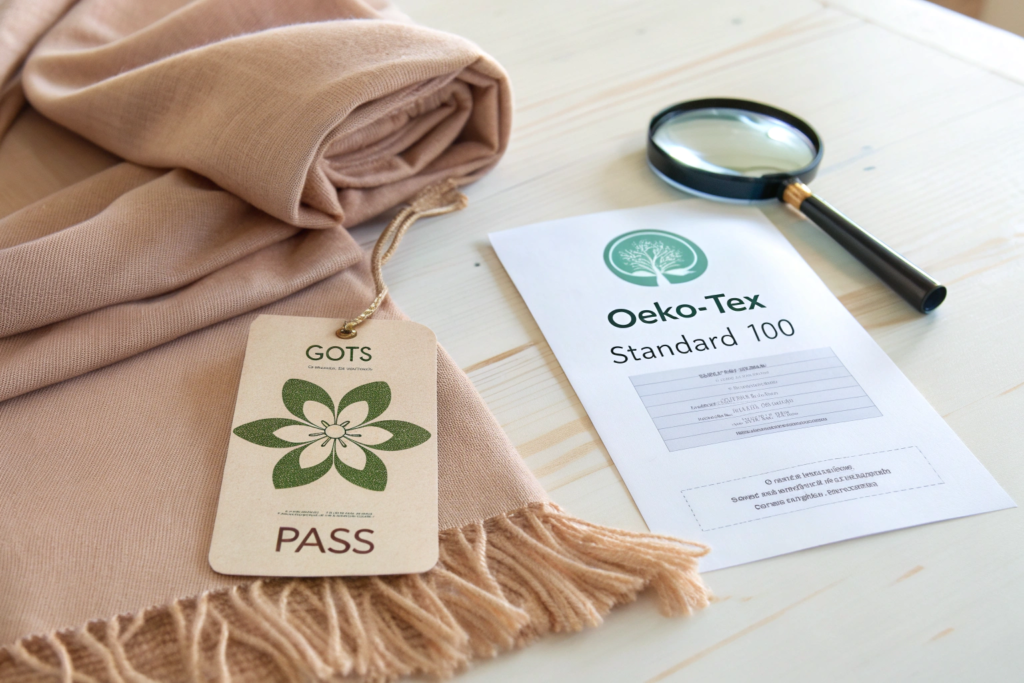
OEKO-TEX Standard 100 is the most widely recognized textile safety certification in the world. The Standard 100 label on a scarf means that every component of the scarf, the outer fabric, the inner lining if any, the stitching thread, the labels, the printed design, has been tested for harmful substances and found to be safe. The testing is conducted by independent, accredited laboratories that are part of the OEKO-TEX network. The standard has four product classes based on the intensity of skin contact and the sensitivity of the wearer. Class I is for products for babies and toddlers up to three years old, the strictest level with the lowest permissible limits for all substances. Class II is for products with direct and prolonged skin contact, like scarves, underwear, and bedding. Class III is for products with brief or minimal skin contact, like jackets. Class IV is for decoration materials like curtains. For a scarf marketed for sensitive skin, I recommend certifying to Class I, even if the scarf is for adults. The Class I limits are the most conservative and provide the strongest assurance of skin safety. The substances tested include formaldehyde, which is limited to a non-detectable level, meaning less than 16 parts per million, in Class I. Heavy metals, including cadmium, lead, mercury, and chromium, are limited to extremely low levels. Pesticides, including those used in conventional cotton farming, are limited to trace levels. Allergenic disperse dyes, which are known skin sensitizers, are banned entirely. Chlorinated phenols, phthalates, and organotin compounds are all restricted or banned. The testing is done on the finished product, not just the raw fabric, so it captures any chemicals introduced during printing, embroidery, or finishing. The certification is valid for one year and must be renewed with fresh product testing. We hold current OEKO-TEX Standard 100 Class I certification for our sensitive-skin scarf production, and we provide the certificate, the license number, and the test report to every client.
Is GOTS Certification Necessary for Skin-Safe Scarves?
GOTS, the Global Organic Textile Standard, is the leading standard for organic textiles. It covers both the organic status of the fiber and the environmental and social conditions of production. A GOTS-certified cotton scarf guarantees that the cotton was grown organically, without synthetic pesticides or genetically modified seeds, and that the entire processing chain, from ginning to spinning to dyeing to finishing, meets strict environmental and chemical criteria. GOTS is not primarily a skin-safety standard. It is an organic and sustainability standard. However, the chemical restrictions in GOTS are very strict and align closely with skin-safety requirements. GOTS prohibits formaldehyde, heavy metals, allergenic dyes, and many of the same substances restricted by OEKO-TEX. A GOTS-certified scarf is inherently skin-safe because of the chemical restrictions. The advantage of GOTS over OEKO-TEX alone is the organic fiber verification and the comprehensive supply chain audit. A brand that markets its scarves as organic needs GOTS certification. The term "organic" is a legally regulated claim in many markets, and GOTS is the globally accepted proof. For brands that do not make organic claims but focus on skin safety, OEKO-TEX alone is sufficient and is often preferred because it tests the finished product rather than auditing the supply chain, which can be simpler and less costly. Many of our sensitive-skin scarf clients choose to dual-certify with both OEKO-TEX and GOTS. The dual certification covers both the organic marketing claim and the skin-safety claim, providing the most comprehensive assurance to consumers. The cost of certification is spread across the production volume, so the per-unit cost impact is minimal, typically a few cents per scarf, while the marketing value is significant.
Conclusion
Producing cotton and bamboo fiber scarves for sensitive skin is a commitment that goes far beyond choosing the right fiber. It is a commitment to understanding the entire chemical and mechanical journey of a scarf, from the field where the cotton grows or the forest where the bamboo is harvested, through the dyehouse where the color is applied, to the finishing room where the final hand feel is achieved, and finally to the testing laboratory where the skin safety claims are verified. We have explored why organic cotton and bamboo are the foundational fibers, each offering unique benefits for different skin types and sensitivities. We have examined how the dyeing process, with low-impact fiber reactive dyes and thorough post-dye washing, is the critical step that separates a skin-safe scarf from one that can trigger a reaction. We have looked at how weave structures like jersey knit and bamboo voile provide mechanical gentleness that complements the chemical purity of the fiber. And we have detailed how third-party certifications like OEKO-TEX Class I and GOTS transform subjective claims of "soft" and "gentle" into objective, legally defensible guarantees of skin safety.
At AceAccessory, our sensitive-skin scarf production protocol is one of our proudest achievements. We have invested in the fiber sourcing relationships, the dyehouse chemistry, the mechanical finishing equipment, and the testing and certification infrastructure to produce scarves that are genuinely safe for the most sensitive skin. Our quality control team inspects every batch not just for visual defects but for chemical compliance. Our project managers can guide you through the certification options and help you build the documentation package you need to market your scarves with confidence.
If you are developing a line of scarves for sensitive skin, whether it is a medical-grade product for eczema sufferers, a baby-safe collection, or simply a premium natural fiber line for wellness-conscious consumers, I invite you to partner with us. Contact our Business Director, Elaine, at elaine@fumaoclothing.com. Tell her about your target customer, your fiber preferences, and your certification goals. She can provide samples of our organic cotton and bamboo scarf fabrics, share our OEKO-TEX and GOTS certificates, and provide a quotation for a production run that meets the highest standards of skin safety. Let us create scarves that comfort, protect, and never irritate.