A creative director from a Copenhagen-based sustainable fashion label visited our factory last spring. She had a problem that was becoming urgent. Her brand had committed to a 100% sustainable materials target by 2026, but her current hat collection was still heavily dependent on conventional cotton and virgin polyester. She had tried sampling with recycled materials from other factories, but the results were disappointing. The recycled polyester felt rough. The organic cotton faded unevenly. The hats looked eco-friendly in a way that communicated compromise, not desirability. She needed sustainable materials that felt luxurious, performed well, and told a compelling story. She asked me what the leading sustainable fashion brands were actually ordering for 2026.
The top trending sustainable hat materials for 2026 are hemp and hemp-blend fabrics for their low-impact cultivation and natural texture, recycled polyester made from post-consumer plastic bottles for performance and circularity, organic cotton canvas and twill for classic casual styles, innovative plant-based leathers like Piñatex and cactus leather for premium vegan caps, and reclaimed deadstock wool and cashmere for luxury winter hats. The unifying trend is traceability. The material must come with a verified sustainability certification that the brand can communicate to the consumer.
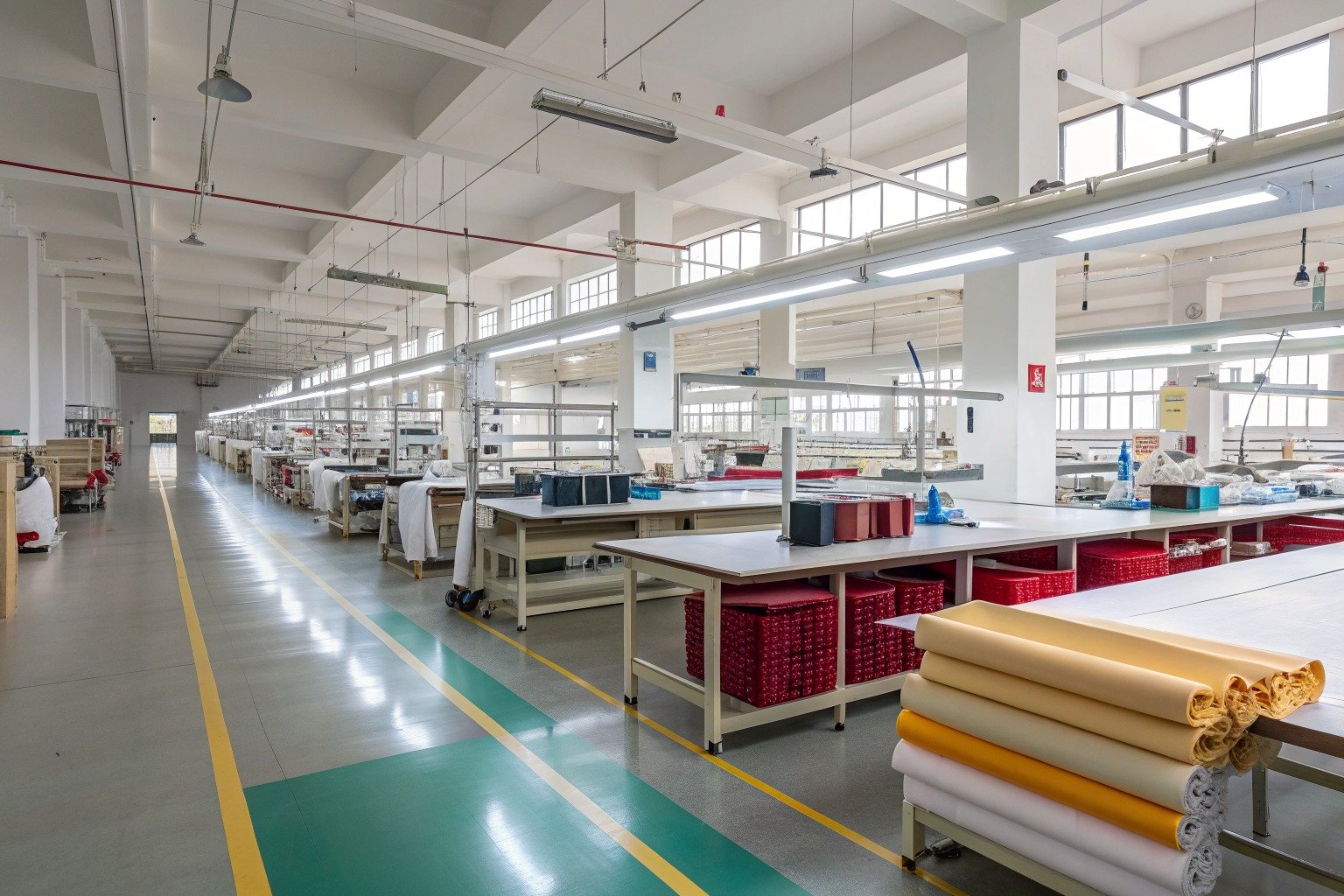
At Shanghai Fumao, our material sourcing team tracks sustainable textile innovations continuously. We have relationships with certified organic cotton mills, recycled polyester yarn spinners, hemp fabric weavers, and innovative plant-based material suppliers. We have tested these materials in production for bucket hats, baseball caps, beanies, and straw hats. Let me walk you through the five materials that will define sustainable hat fashion in 2026.
Why Is Hemp Becoming the Defining Sustainable Fabric for Casual Hats?
Hemp is experiencing a renaissance in sustainable fashion, and hats are one of the product categories where its natural properties are most valuable. Hemp is one of the most environmentally benign fibre crops. It requires minimal water compared to cotton. It grows densely, outcompeting weeds without herbicides. It improves soil health through its deep root system rather than depleting it. It produces more fibre per acre than cotton.
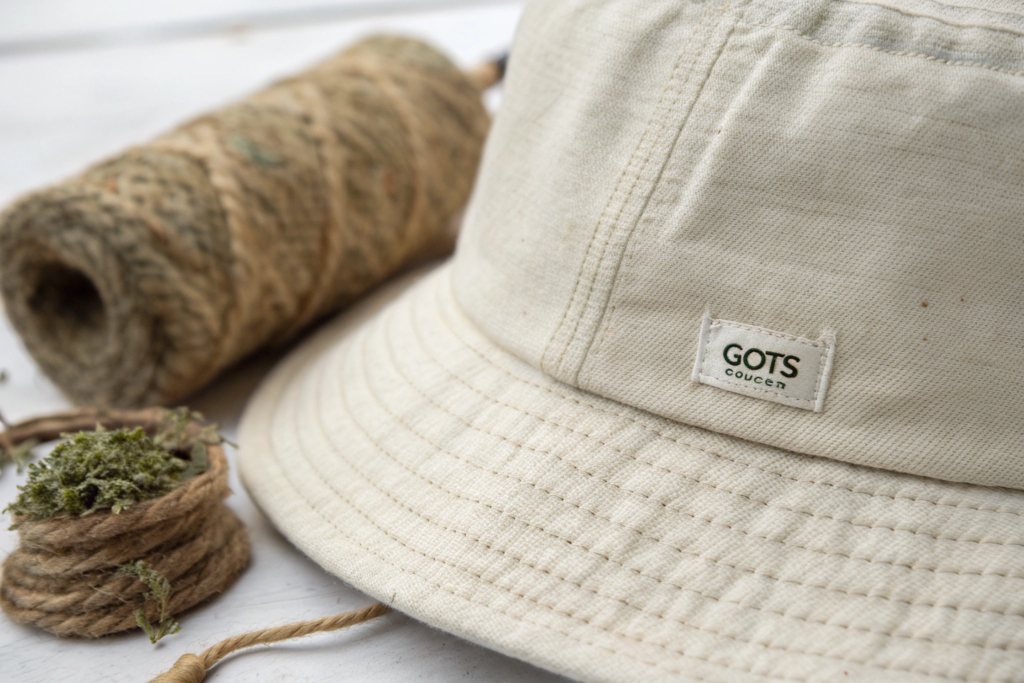
For hats, hemp offers a unique combination of durability, breathability, and natural texture. A hemp bucket hat has a structural integrity that cotton lacks. It holds its shape. It resists stretching out. It breathes well, keeping the head cool in summer. The natural colour of hemp is a warm, creamy beige that looks beautiful undyed or naturally dyed. The texture is slightly slubby and irregular, which gives each hat a unique character. A hemp hat feels substantial and artisanal. It communicates sustainability through its very appearance.
What Are the Performance Benefits of Hemp for Hat Construction?
Hemp fibre is exceptionally strong. It has a tensile strength that is significantly higher than cotton. A hemp hat will outlast a cotton hat of similar construction. The brim will not lose its shape. The crown will not develop thin spots. This durability is a sustainability benefit in itself. A hat that lasts three years instead of one year reduces consumption and waste.
Hemp is also naturally antimicrobial and resistant to mildew and UV radiation. A hemp hat worn in summer will not develop odours as quickly as a synthetic hat. It will not degrade in sunlight. These performance properties make hemp ideal for outdoor hats, beach hats, and garden hats. The consumer experiences the functional benefits directly. The sustainability story is backed by a product that performs better, not just one that makes an environmental claim. If your brand is developing hemp fabric accessories for sustainable fashion, the material’s natural performance properties are as important as its eco-credentials.
How Does Hemp Blend with Other Fibres for Design Versatility?
Pure hemp fabric has a distinctive texture that is not right for every hat style. It can feel too stiff for a drapey beanie or a soft dad cap. Blending hemp with organic cotton or TENCEL lyocell softens the hand feel while retaining the sustainability narrative and much of the durability benefit.
A hemp-organic cotton blend in a 55/45 ratio is our most common sustainable hat fabric. The hemp provides strength and texture. The organic cotton provides softness and a smoother surface for printing or embroidery. The blend takes dye well and can be produced in a full colour palette. A hemp-TENCEL blend adds a subtle sheen and a silkier drape, suitable for more elevated hat styles. The blend also moderates the cost. Pure hemp fabric is more expensive than conventional cotton. Blending it with organic cotton brings the material cost to a level that works for mid-market and premium sustainable brands. Professional sustainable textile blending for accessories helps you achieve the right balance of sustainability, performance, and cost.
How Is Recycled Polyester Challenging Virgin Synthetics in Performance Hats?
Recycled polyester, often called rPET, is made from post-consumer plastic bottles that are collected, cleaned, shredded into flakes, melted, and extruded into new polyester yarn. The process diverts plastic from landfills and oceans and requires significantly less energy and water than producing virgin polyester from petroleum.
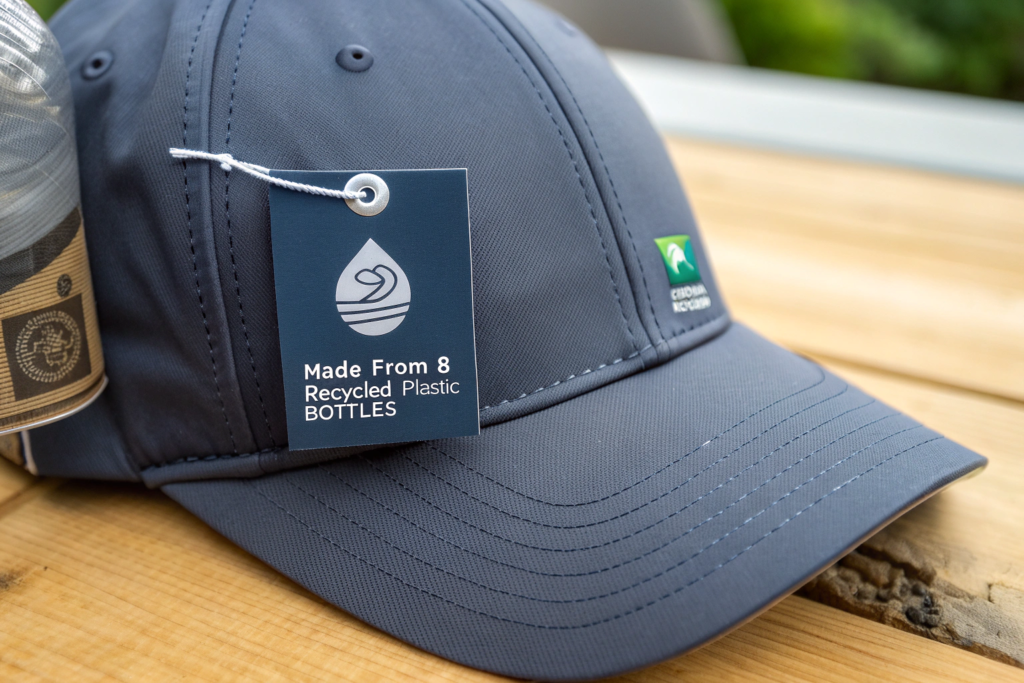
For performance hats, recycled polyester offers the same functional benefits as virgin polyester. It is lightweight. It wicks moisture. It dries quickly. It holds its shape. It resists wrinkles and shrinking. The difference is the sustainability story. A hat made from recycled polyester can carry a hangtag that says "Made from 8 recycled plastic bottles." That is a specific, tangible claim that consumers understand and respond to. The Global Recycled Standard, or GRS, certification provides third-party verification of the recycled content and the supply chain traceability.
What Is the Difference Between Post-Consumer and Post-Industrial Recycled Polyester?
Post-consumer recycled polyester is made from plastic bottles and other plastic products that have been used by consumers and collected through recycling programs. This is the material with the strongest sustainability narrative. The consumer can visualise the plastic bottle being transformed into their hat. Post-industrial recycled polyester is made from waste generated during the manufacturing process, such as fabric offcuts and yarn waste. It is recycled content, but the story is less compelling to the consumer.
For a brand making a sustainability claim, post-consumer recycled content is more valuable from a marketing perspective. The GRS certification distinguishes between the two. The certificate will state the percentage of post-consumer versus post-industrial recycled content. I advise brands to specify a minimum post-consumer recycled content in their material specification, typically 50% or higher for a credible claim. If you are sourcing GRS certified recycled polyester fabric, the certification is your assurance that the recycled content claim is accurate and audited.
How Does Recycled Polyester Perform for Active and Outdoor Hats?
Recycled polyester performs identically to virgin polyester in active and outdoor hat applications. It can be woven into a tight, weather-resistant fabric for rain hats and windbreakers. It can be knitted into a breathable mesh for running caps. It can be brushed for a soft, fleecy interior on a cold-weather beanie.
The moisture-wicking and quick-dry properties are the same. The colourfastness is the same. The durability is the same. The consumer experiences no functional difference. The only difference is the sustainability story on the hangtag. This is the ideal sustainable material. One that requires no consumer compromise. The hat performs as expected. The environmental benefit is a bonus, not a trade-off. For brands in the outdoor and active sustainable apparel space, recycled polyester is the baseline material that every collection should include.
What Role Do Innovative Plant-Based Leathers Play in Premium Vegan Hats?
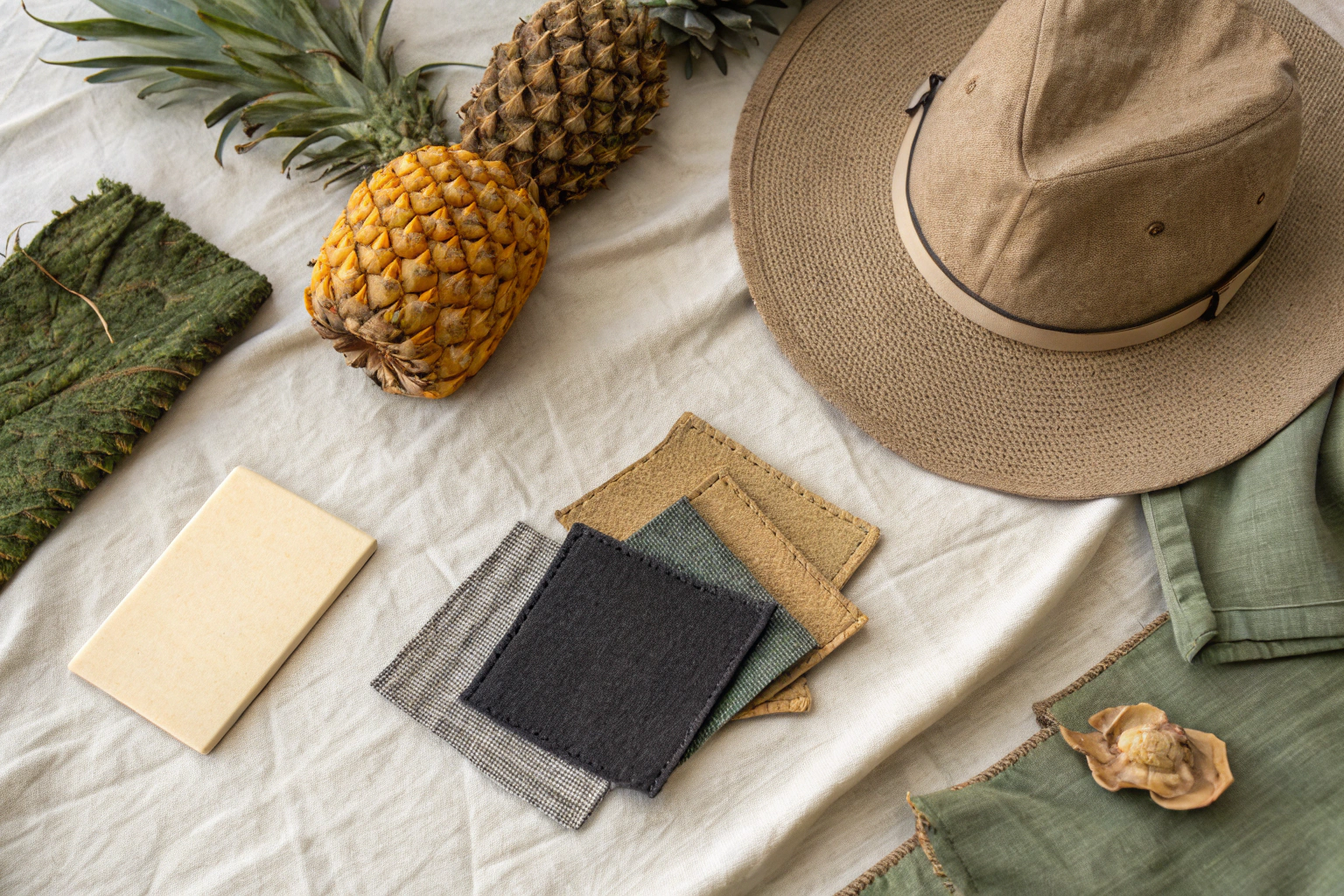
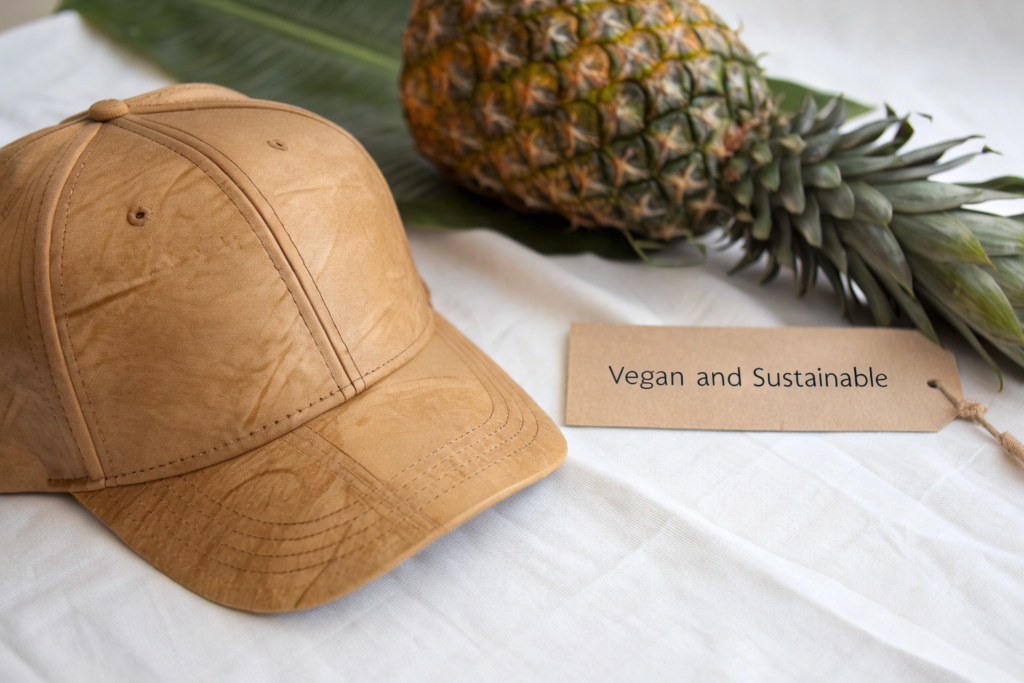
Plant-based leather alternatives are one of the most dynamic areas of sustainable material innovation, and they are beginning to appear in premium hat designs. Materials like Piñatex, which is made from pineapple leaf fibres, Desserto cactus leather, and Mylo mushroom leather offer a vegan alternative to traditional leather hat components like brims, straps, and decorative bands.
These materials are not yet suitable for an entire hat structure. They lack the drape and breathability required for a full crown. They are used as trim, accents, and structured components. A baseball cap with a Piñatex brim visor. A bucket hat with a cactus leather band and trim. A fedora with a mushroom leather sweatband. The plant-based leather component elevates the hat and provides a strong visual and tactile sustainability signal.
What Is Piñatex and How Is It Used in Hat Design?
Piñatex is a non-woven textile made from the fibres of pineapple leaves, which are an agricultural byproduct of the pineapple harvest. The fibres are extracted, processed into a felt-like material, and finished with a coating that gives it the appearance and durability of leather. No additional land, water, or pesticides are required to produce the raw material, because the pineapple leaves would otherwise be burned or left to rot.
For hats, Piñatex is used primarily for brim visors on caps and for structured bands on fedoras and panamas. The material can be cut, sewn, and shaped similarly to traditional leather. It has a distinctive natural texture with visible fibres, which gives it a unique aesthetic. Each piece has subtle variations. A Piñatex brim visor on an organic cotton cap creates a hat that is entirely plant-based and has a compelling sustainability narrative. If you are developing Piñatex accessories for sustainable fashion, the material works best as a premium accent that tells a story.
How Does Cactus Leather Compare for Hat Applications?
Desserto cactus leather is made from the mature leaves of the nopal cactus, grown organically in Mexico. The leaves are harvested without damaging the plant, which continues to grow and produce. The material is processed into a durable, breathable, and partially biodegradable leather alternative.
Cactus leather has a smoother, more uniform surface than Piñatex. It is available in a range of colours and finishes. For hat applications, it performs similarly to Piñatex. It is used for brim visors, bands, and trim pieces. The sustainability story is different but equally compelling. The cactus plantation sequesters carbon. The harvesting is sustainable. The material is vegan and cruelty-free. A brand can choose between Piñatex and cactus leather based on the aesthetic and the narrative that best fits their identity. Professional plant-based leather alternatives for fashion offer an expanding range of options for vegan and sustainable hat design.
How Are Reclaimed Deadstock Wool and Cashmere Redefining Luxury Winter Hats?
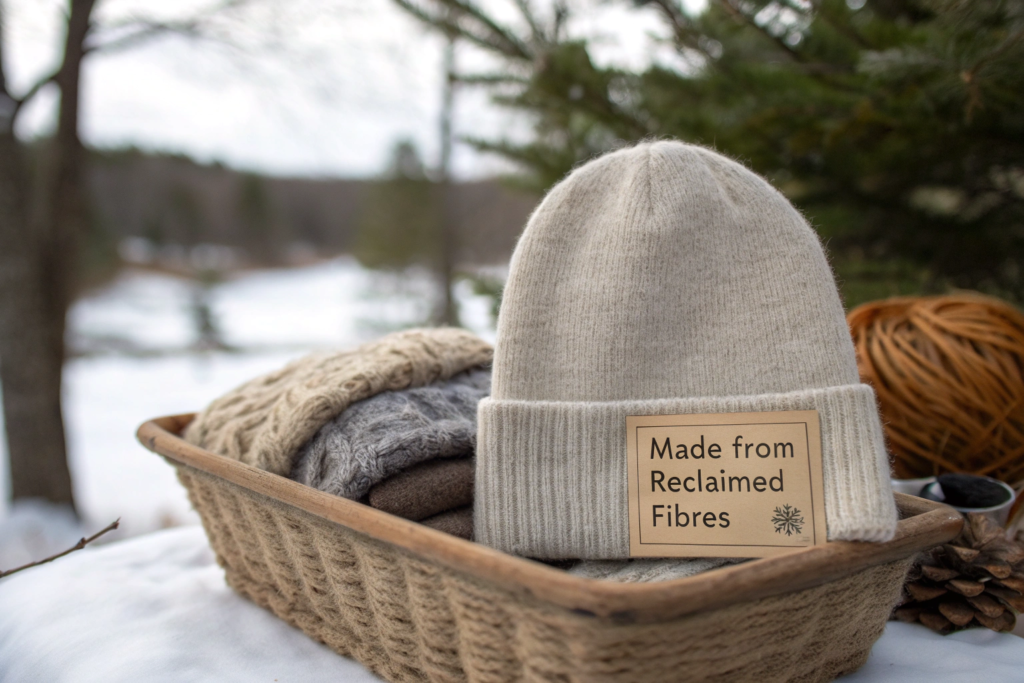
The most sustainable material is the one that already exists. Reclaimed deadstock wool and cashmere are made from pre-consumer waste, such as fabric offcuts from garment factories, and post-consumer waste, such as old sweaters collected through take-back programs. The fibres are sorted by colour, mechanically pulled apart, and re-spun into new yarn. The process uses no new dyes and minimal water and energy compared to virgin wool production.
For luxury winter hats, reclaimed cashmere is the most exciting material. A reclaimed cashmere beanie has the same softness and warmth as a virgin cashmere beanie, but with a sustainability story that aligns with the values of the conscious luxury consumer. The colour palette is often heathered or marled, because the reclaimed fibres come from garments of slightly different shades. This heathered look has become a visual signature of reclaimed wool products. It is a design feature, not a limitation.
What Is the Quality Difference Between Reclaimed and Virgin Cashmere?
The quality difference depends on the source material and the re-spinning process. High-quality reclaimed cashmere, made from post-industrial waste from luxury knitwear production, can be virtually indistinguishable from virgin cashmere. The fibres are long, because they come from unused yarn and fabric offcuts, not from worn garments.
Post-consumer reclaimed cashmere, made from old sweaters, typically has shorter fibres because the mechanical reclaiming process breaks some fibres. The resulting yarn may be slightly less strong and may pill slightly more than virgin cashmere. Blending a percentage of virgin cashmere or superfine merino with the reclaimed fibres solves these performance issues. A 70% reclaimed, 30% virgin blend delivers excellent softness and durability with a strong sustainability claim. If you are sourcing reclaimed cashmere yarn for luxury accessories, the blend ratio and the source of the reclaimed fibre are the key quality indicators to specify.
How Does Reclaimed Wool Tell a Circular Fashion Story?
The story of reclaimed wool is a circular economy story that resonates deeply with the 2026 consumer. An old sweater is not waste. It is a resource. It is collected, sorted, and transformed into a new garment. The new beanie carries the history of the old sweater. The consumer feels they are participating in a positive cycle, not contributing to a linear take-make-dispose system.
This story is communicated through the hangtag and the marketing. "This beanie was once a sweater." "Made from reclaimed fibres, because the best material already exists." The consumer becomes part of the story. They are not just buying a hat. They are supporting a different way of making things. For a sustainable luxury brand, reclaimed wool and cashmere offer a narrative that is authentic, emotionally resonant, and backed by a product that feels beautiful. Professional circular fashion material sourcing is the strategic direction of the entire sustainable fashion movement.
Conclusion
The trending sustainable hat materials for 2026 are hemp and hemp-blends for casual durability, recycled polyester for performance circularity, organic cotton for classic comfort, plant-based leathers like Piñatex and cactus leather for premium vegan accents, and reclaimed deadstock wool and cashmere for luxury winter warmth. Each material offers a distinct combination of sustainability credentials, performance properties, and aesthetic character.
The common thread across all five materials is traceability. The 2026 sustainable consumer does not accept vague claims. She wants to know which farm grew the organic cotton. She wants to know how many plastic bottles were recycled into her hat. She wants to scan a QR code and see the supply chain. The materials must come with verified certifications, GOTS, GRS, OEKO-TEX, that the brand can communicate with confidence.
At Shanghai Fumao, we have been building our sustainable material supply chain for years. We source GOTS-certified organic cotton, GRS-certified recycled polyester, OEKO-TEX certified hemp blends, and innovative plant-based leathers from verified suppliers. Our reclaimed cashmere is traceable to the source. Our material library includes swatches and certifications for all of these materials, ready for our clients to review and select.
If you are developing a sustainable hat collection for 2026 and you need a manufacturing partner who understands both the materials and the certifications, I encourage you to contact our Business Director Elaine at elaine@fumaoclothing.com. She can send you our sustainable materials swatch book with certification documentation, provide costing for different sustainable material options, and discuss how we can bring your eco-conscious hat designs to life with integrity and transparency.