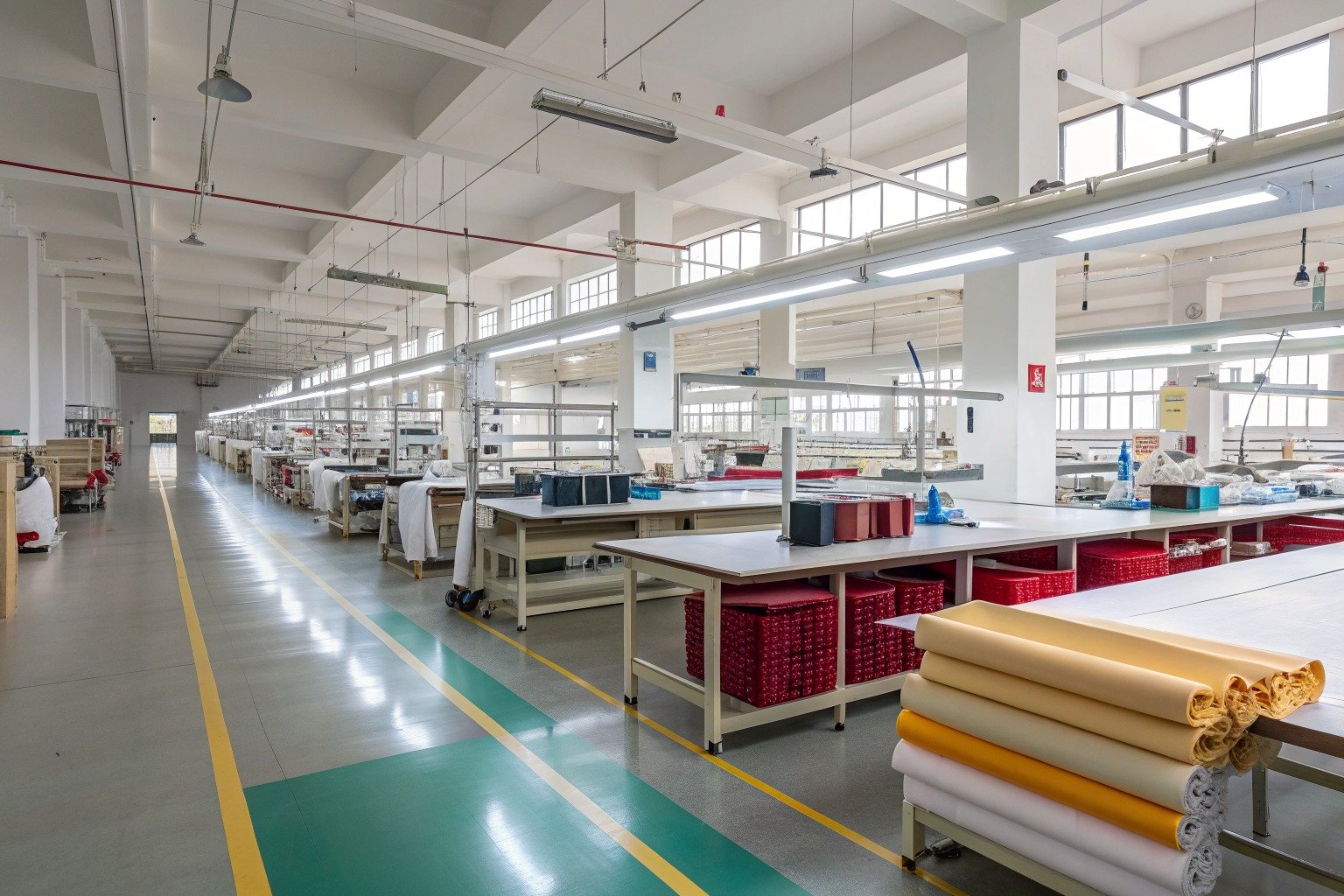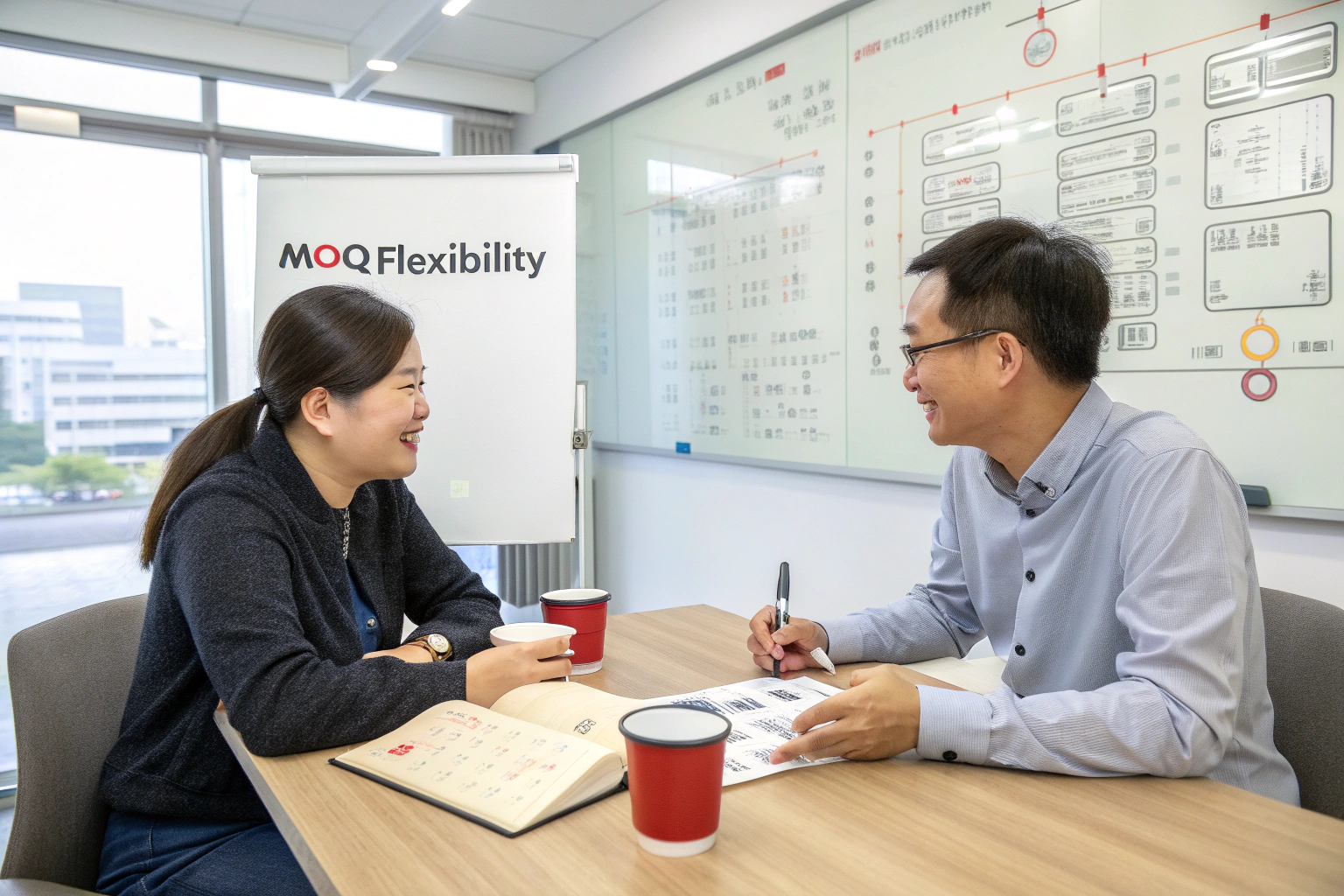
A startup founder once told me she felt like she was begging when she asked factories for lower minimums. She had a beautifully designed hair accessory line, a growing online following, and a clear plan to scale. But every Alibaba supplier she contacted quoted her minimums of 1,000 or 2,000 pieces per style. She only needed 300. She felt powerless, like the factory held all the cards and she was just a small fish in a very large pond. She almost gave up on her dream of launching her own brand. When she finally reached us, she was surprised to hear a different response. "Let’s talk about how we can make 300 pieces work for you." That conversation launched a partnership that has now spanned three years and dozens of reorders.
The best way to negotiate MOQ with a Chinese factory is to stop thinking of it as a negotiation at all. An MOQ is not an arbitrary number a factory invents to frustrate small brands. It is a mathematical reflection of the factory’s cost structure. The minimum order quantity is the point at which the revenue from an order covers the fixed setup costs plus the variable production costs with a sustainable margin. When you understand this math, you stop asking for a favor and start proposing alternative structures that make the economics work for both parties.
In our factory, we have worked with hundreds of brands, from startups placing their first 200-piece trial order to national retailers placing container-sized replenishments. I have seen what works and what fails in these conversations. I want to share the mindset shift, the specific strategies, and the practical alternatives that allow buyers to access production quantities that feel impossible when you are just starting out.
Why Do Chinese Factories Set Minimum Order Quantities?
To negotiate an MOQ effectively, you must first understand why it exists. Many buyers approach the conversation with the assumption that the factory is simply being difficult or trying to extract more money. This assumption poisons the conversation before it begins. The factory is running a business with thin margins, expensive equipment, and a workforce that must be paid regardless of whether a machine runs for one hour or one hundred hours.
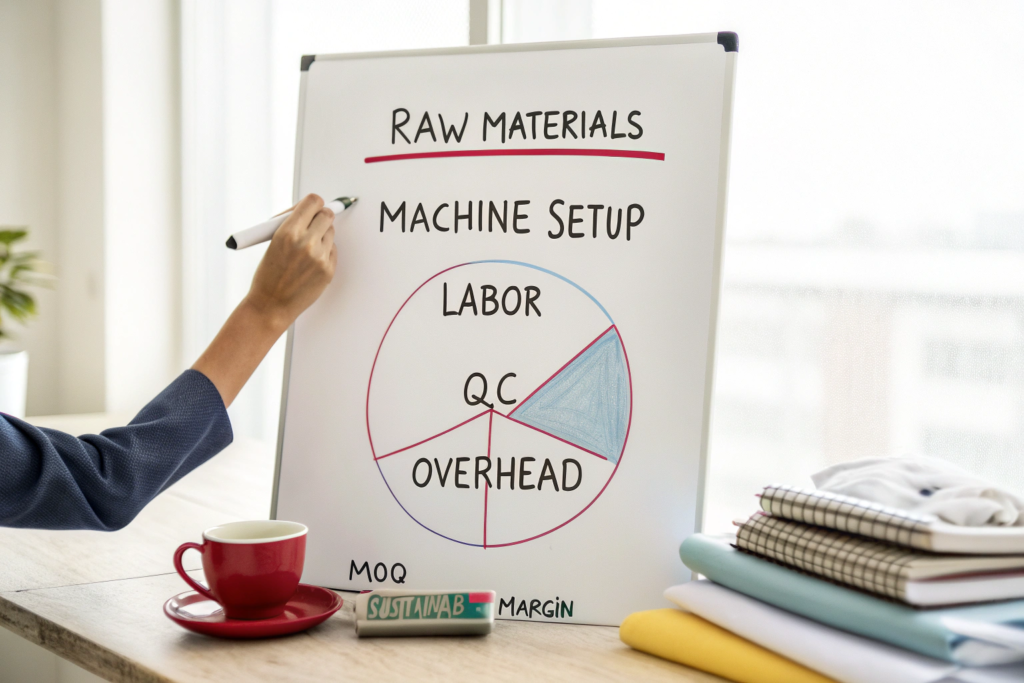
An MOQ is the factory’s way of saying, "This is the smallest order we can produce without losing money on the setup." Every production run involves fixed costs that do not change regardless of whether you order 100 pieces or 10,000 pieces. The machine must be programmed. The cutting die must be mounted. The dye bath must be prepared. The quality control checklist must be set up. The operator must be trained on your specific design. These fixed costs are amortized across the total order quantity. If the quantity is too small, the fixed cost per unit is too high, and the factory either loses money or must charge a unit price that no buyer would accept.
What fixed costs make small orders expensive for a factory?
The fixed costs of a production run are substantial and often invisible to the buyer. When we receive a custom hair clip order, the mold for the clip shape must be machined. This mold costs the same whether we produce 500 clips or 50,000 clips. The injection molding machine must be purged of the previous color material and loaded with your specific color resin. This purging wastes material and takes operator time. The quality control team must create a new inspection checklist with your specific dimensions and defect criteria. The packaging team must be briefed on your custom hang tag placement and folding instructions. Each of these setup activities represents a fixed labor and material cost. On a large order, this cost is spread across many units and becomes negligible. On a small order, it can represent a significant percentage of the unit cost. This manufacturing cost structure is the economic reality behind every MOQ. Understanding it earns you respect in the negotiation because you are speaking the factory’s language.
How does material sourcing affect the minimum quantity?
Material sourcing is often the true driver of a high MOQ. The factory does not buy fabric by the meter for your specific order. They buy it by the roll from a textile mill, and the mill has its own minimum order. A custom-dyed yarn for a woven headband requires the dye house to run a minimum dye lot. If that minimum dye lot produces enough yarn for 800 headbands, the factory cannot accept an order for 300 headbands unless they are willing to stock the remaining yarn and hope another client orders the same color. For standard stock materials, white polyester webbing, natural cotton canvas, or clear acetate sheets, the material minimum is much lower because the factory keeps these in inventory. For custom colors or custom blends, the material minimum drives the product MOQ. Asking the factory to explain which component is driving the minimum, the raw material, the hardware, or the packaging, opens a productive conversation about alternatives. This supply chain minimums transparency is the first step toward finding a workable solution.
What Mindset Shift Creates a Successful MOQ Conversation?
The single most effective negotiation tactic is not a clever phrase or a hardball demand. It is a mindset shift from "how can I get the factory to lower their number" to "how can I help the factory solve the economic problem that creates the number." This shift changes the tone of the conversation from adversarial to collaborative. It positions you as a professional problem-solver rather than a supplicant asking for a discount.
A factory owner hears dozens of requests for lower minimums every week. Most of them are simple demands: "Can you do 100 pieces instead of 500?" The answer to that question, without any additional context or flexibility, is usually no. The buyer is asking the factory to absorb the loss without offering anything in return. A more effective approach is to say, "I understand the MOQ is 500 because of the dye lot minimum. What if I choose a stock color instead of a custom Pantone, and I am flexible on the packaging?" This approach demonstrates understanding and offers a concrete path to a lower quantity. The factory representative is now solving a specific problem with you rather than defending a fixed policy.

How does offering flexibility on materials or packaging unlock lower minimums?
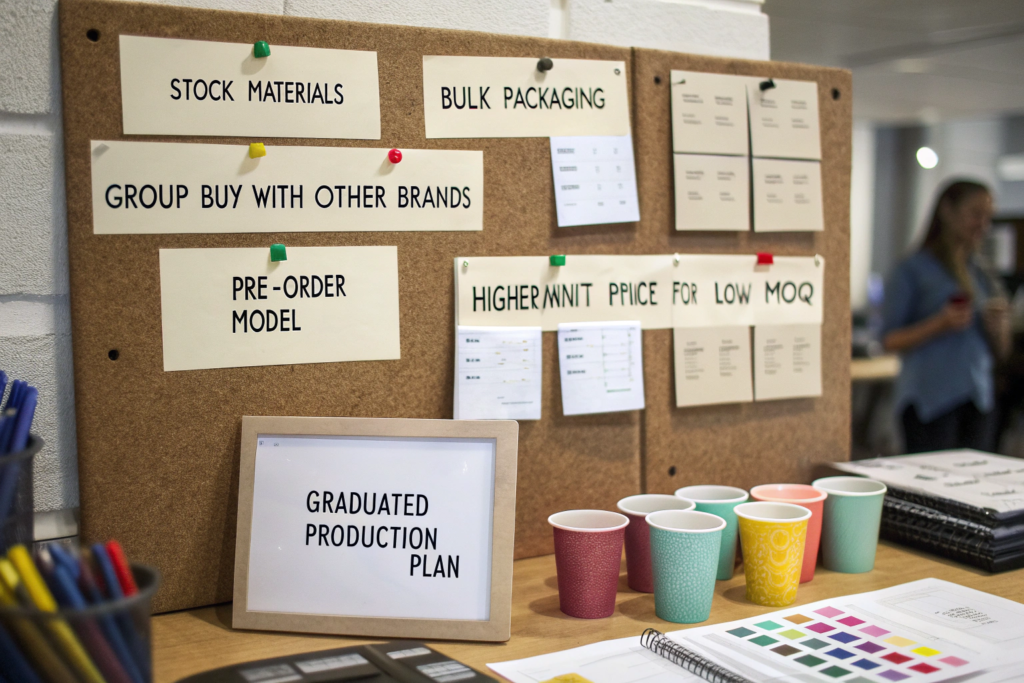
Flexibility is your most powerful currency in an MOQ conversation. If the MOQ is driven by a custom material requirement, offering to use a stock material that the factory already has in inventory removes that barrier immediately. If the MOQ is driven by custom packaging, a branded gift box with a foam insert, offering to accept bulk packaging for the first order and transitioning to custom packaging on the reorder removes the packaging setup cost. If the MOQ is driven by color, offering to choose from the factory’s existing color palette instead of requiring a custom-dyed shade eliminates the dye lot minimum. Each of these flexibilities reduces the factory’s fixed cost exposure and makes a smaller order economically viable. This supplier negotiation strategy is not about asking for a concession. It is about redesigning the order to fit within the factory’s existing cost structure. The conversation shifts from "lower your minimum" to "let’s configure the order so the minimum naturally drops."
Why does a phased growth commitment change the factory’s calculation?
A factory’s primary concern with a low-MOQ order is that it will be a one-time transaction. The factory invests time in setup, absorbs a thin margin on the first order, and never hears from the buyer again. The lifetime value of the relationship is zero. You can address this concern directly by sharing your growth plan and committing to a phased order schedule. Tell the factory, "I need 300 pieces to test the market. If the sell-through meets my projections, I will place a 1,000-piece reorder within 90 days. Here is my sales forecast and my funding plan." This transforms the first order from a standalone low-margin transaction into the first phase of a larger, more profitable relationship. Many factories, including ours, will accept a lower initial MOQ when the buyer demonstrates a credible path to volume. The phased commitment gives the factory a reason to invest in your brand’s success. This long-term supplier relationship approach is far more effective than simply asking for a discount.
What Practical Alternatives Exist to Meeting the Standard MOQ?
When a buyer cannot meet the standard MOQ, the conversation is not over. It simply shifts from a standard production order to a customized arrangement that addresses the factory’s economic concerns through a different mechanism. There are several well-established alternatives that factories use to accommodate smaller quantities without losing money.
These alternatives are not secret tricks. They are standard business arrangements that professional buyers use regularly. The key is to propose them respectfully and to be prepared for a response that may involve a higher unit price, a longer lead time, or a phased production approach. Each alternative trades one variable for another. Understanding these trade-offs helps you choose the right approach for your specific situation.
How does accepting a higher unit price enable a lower quantity?
The most straightforward alternative to meeting a high MOQ is to accept a higher unit price for a lower quantity. This is a fair trade. The factory needs to earn a certain total margin on the production run to cover the fixed setup costs and generate a profit. If you order fewer units, each unit must carry a higher margin to reach the same total. A factory might quote $1.50 per unit at 1,000 pieces and $2.75 per unit at 300 pieces. The total invoice at 1,000 pieces is $1,500. The total invoice at 300 pieces is $825. The factory earns less total revenue on the smaller order, but the higher per-unit margin partially offsets the setup cost. This volume pricing model is a transparent, honest way to access smaller quantities. It is not a penalty. It is the real cost of low-volume production. Many buyers find that the higher unit price is still significantly lower than domestic manufacturing costs, making it a viable option for market testing and limited editions.
What is a group buy or shared production run?
A group buy is an arrangement where multiple small brands place orders for the same base product with different finishing details or branding, and the factory combines them into a single production run that meets the material and setup minimums. For example, five different boutique brands each want 200 custom hair claws. They all choose the same acetate base material and the same claw shape. The factory runs 1,000 acetate claw bodies as a single batch, meeting the material minimum. Each brand’s claws then diverge at the finishing stage with different painted details, different packaging, and different hang tags. The brands share the setup cost without compromising their individual brand identities. This collaborative production model requires a factory willing to manage the logistical complexity of separating the batches, but it is an increasingly popular solution for small brands in the same industry niche. We facilitate these arrangements for brands that meet through trade shows or industry networks.
How Should You Structure the Conversation for the Best Outcome?
How you say something matters as much as what you say. The MOQ conversation is not just a business transaction. It is a cross-cultural communication between a buyer who needs flexibility and a manufacturer who needs sustainability. The structure and tone of the conversation can determine whether the factory sees you as a promising long-term partner or a one-time problem.
The most effective structure is to lead with understanding, follow with flexibility, and close with commitment. This approach respects the factory’s business reality while clearly communicating your needs. It avoids the common mistake of leading with a demand, which immediately puts the factory on the defensive. A well-structured conversation feels like a collaboration from the first sentence.

Why is it important to ask "What is driving the MOQ?" before negotiating?
Before you ask for a lower MOQ, ask what creates the MOQ. This single question transforms the conversation. It shows the factory representative that you understand manufacturing economics. It shifts the discussion from a price haggle to a problem-solving session. The factory representative might answer, "The MOQ is 1,000 pieces because the custom metal badge requires a minimum plating batch." Now you know the specific problem. You can respond with a specific solution. "If I choose an embroidered patch instead of a metal badge, does that lower the minimum?" The conversation is now constructive and specific. Without this question, you are negotiating in the dark, asking for concessions on a number you do not understand. This consultative negotiation approach is far more effective than positional bargaining.
How does a proposed reorder schedule strengthen your negotiating position?
The strongest closing statement in an MOQ negotiation is a concrete reorder plan. "I am prepared to place a 300-piece trial order at the adjusted unit price of $2.75. If the sell-through meets my projections, and I will share the actual sales data with you, my reorder of 1,000 pieces will be placed within 90 days at the standard volume price of $1.50." This statement gives the factory a reason to say yes. It turns a small, low-margin order into the first step of a larger, profitable relationship. It also demonstrates your professionalism and your commitment to the partnership. A factory that hears a clear reorder plan is far more likely to accommodate a lower initial quantity than one that hears only a request for a discount. The commitment in negotiation is your most valuable asset. Use it explicitly.
Conclusion
Negotiating an MOQ with a Chinese factory is not about winning an argument. It is about solving an economic equation together. The MOQ exists because fixed costs exist. When you understand those costs, you can propose alternatives that address the factory’s need for sustainable margins while giving you access to the quantities your brand requires.
We have explored why MOQs exist, rooted in machine setup, material minimums, and labor allocation. We have discussed the mindset shift from demanding to problem-solving, which changes the entire tone and outcome of the conversation. We have examined practical alternatives like accepting a higher unit price, choosing stock materials, or proposing a phased production plan. And we have outlined the conversation structure, leading with understanding, offering flexibility, and closing with a commitment, that produces the best results.
If you are a brand founder or buyer struggling to meet the minimums quoted by other factories, I invite you to have this conversation with us. Tell us about your product concept, your target quantity, and your growth plan. Our project managers are trained to explore alternatives, not just quote policy. Our Business Director Elaine manages new client partnerships and can discuss creative production solutions that fit your current scale. Reach out to her directly at elaine@fumaoclothing.com. The right factory is not the one with the lowest MOQ on a website. It is the one willing to solve the equation with you.